Road Bikes
Ridley Falcon RS Review: A Fast and Aggressive Aero Road Race Bike
The Ridley Falcon RS blends lightweight and aerodynamic design into a rapid race bike with a low, racy position. Here is how it performs and what to check before buying.
Introduction
The Ridley Falcon RS is the Belgian brand’s attempt at a road race bike that is both lightweight and aerodynamic, a combination that has become the default target for modern race machines. Ridley has approached it by balancing the two qualities rather than chasing either extreme.
Ridley launched in the late 1990s and built a strong following in the UK with models such as the Noah and the Helium. The company also sponsored a WorldTour team at one point, though that is no longer the case. The Falcon RS is clearly aimed at putting the brand back in front of riders who would otherwise default to a Specialized, Trek, Cannondale or Canyon.
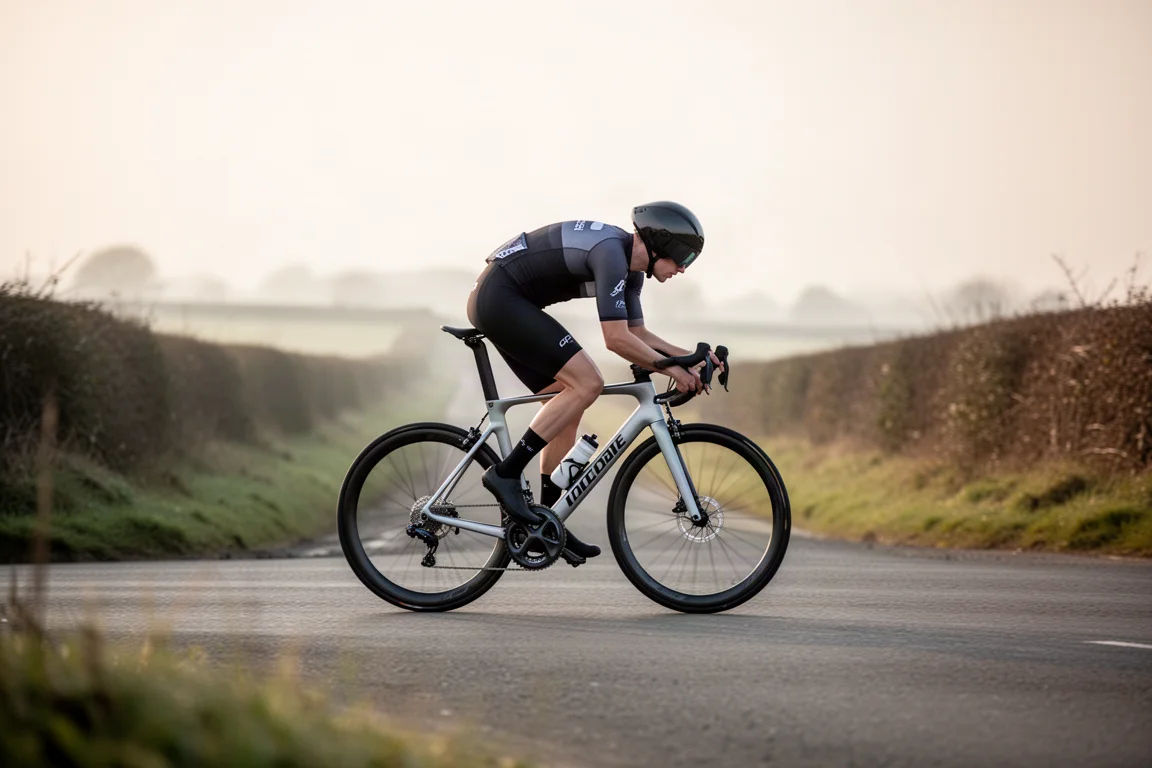
Over several weeks of riding on local roads, the Falcon RS comes across as a rapid, stiff and confident race bike with a genuinely aggressive riding position. It is not the lightest bike in its class and it is not inexpensive, but the overall package is more convincing than those two caveats suggest. This article covers who the bike suits, where it performs best, what to weigh up before buying, and how the pricing compares with its closest rivals.
Who the Ridley Falcon RS Is For
This is a race bike first and foremost. It is built for going fast, for racing, and for riders who want a position that encourages hard efforts rather than a relaxed, all-day posture.
The geometry is long and low, and the front end sits roughly 15 mm lower than a Specialized Tarmac, which is itself not an upright bike. That produces a very racy setup with the front end tucked down and the rider stretched out over the bars. Riders who can live with that position will find it rewarding. Riders who cannot will likely need a stack of spacers under the stem to bring the bars into a workable range.
It also suits riders who value aerodynamic efficiency on flat and rolling roads, where the frame holds speed well and builds speed easily. If your riding is mostly steady, comfortable endurance mileage, the Falcon RS is considerably more aggressive than you probably need.
Main Strengths: Speed, Stiffness and Aerodynamics
The Falcon RS is quick. It produced personal bests on an early ride without any deliberate effort, and on flat and rolling roads there is a clear sense of air efficiency, with speed maintained very well once the bike is up to pace. It sits in the same league as bikes such as the Tarmac SL8 and the SuperSix EVO for combined lightweight and aerodynamic performance, although it does not feel quite as explosive as the fastest aero-focused machines from Trek or Canyon.
Stiffness is a genuine strength. There is plenty of it when sprinting, when closing a gap in a group, and when pushing out of the saddle on a climb. The frame feels direct and responsive under power.
Aerodynamically, the frame uses deep truncated tube profiles throughout. There is a seat tube that hugs the rear wheel, a D-shaped aero seat post, an internal seat clamp, dropped rear stays, a deep narrow head tube, and full internal routing through a one-piece handlebar and stem. Ridley used CFD and wind tunnel testing to validate the design but has released limited detail on the numbers, so the aerodynamic claims are difficult to verify without a direct wind tunnel comparison against a Specialized or a Canyon.
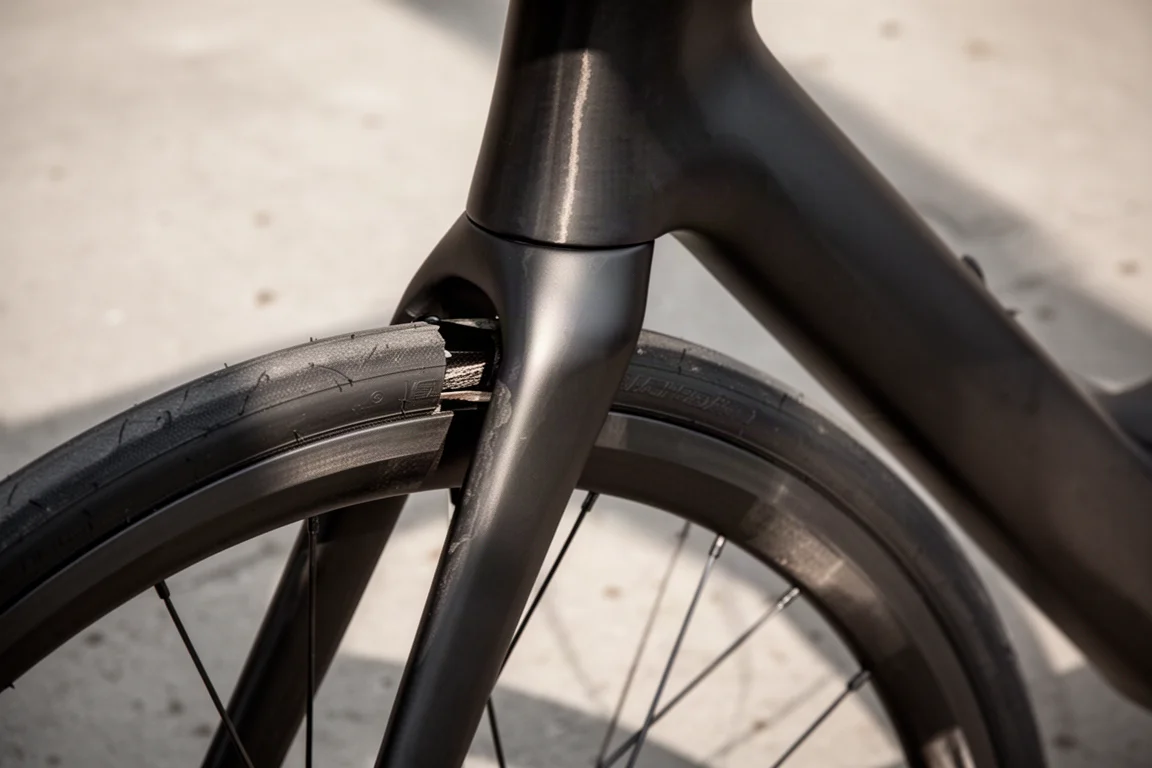
The most distinctive feature is what Ridley calls an aero diffuser. The fork crown is shaped to open up more space between the fork and the tire, and the down tube is shaped where it meets the crown to reduce drag and turbulence in that area. Ridley claims this reduces drag by up to 10 percent compared with a regular fork at 50 km/h. That is a meaningful figure for riders racing at that speed, and a much smaller one at 30 km/h or below.
Ride Quality and Handling
Comfort is better than the aggressive geometry might suggest, largely because the bike ships with 30 mm tires and offers generous clearance for up to 34 mm. On decent road surfaces the ride is acceptable, and it is not the hardest-riding race bike around.
It is not the smoothest either. On a narrow, rough lane the front end transmitted a high level of feedback, which is a reminder that this is a race bike rather than a cushioned endurance machine. Riders who spend most of their time on consistently poor surfaces should factor that in.
Speed carries over into climbing. The bike is not as light as the class leaders and does not match the very best climbing bikes on steep gradients, but on shallow gradients it maintains speed very effectively. Frame weight is in the ballpark of the SuperSix EVO, the Canyon Aeroad and the Giant Propel TCR rather than at the level of the lightest bikes in the category, which now sit around 7 kg or below.
Geometry and Fit
The long and low geometry is one of the reasons the bike feels so fast. It immediately puts the rider into an extreme, aerodynamic position, low at the front and stretched out, which encourages hard pedaling.
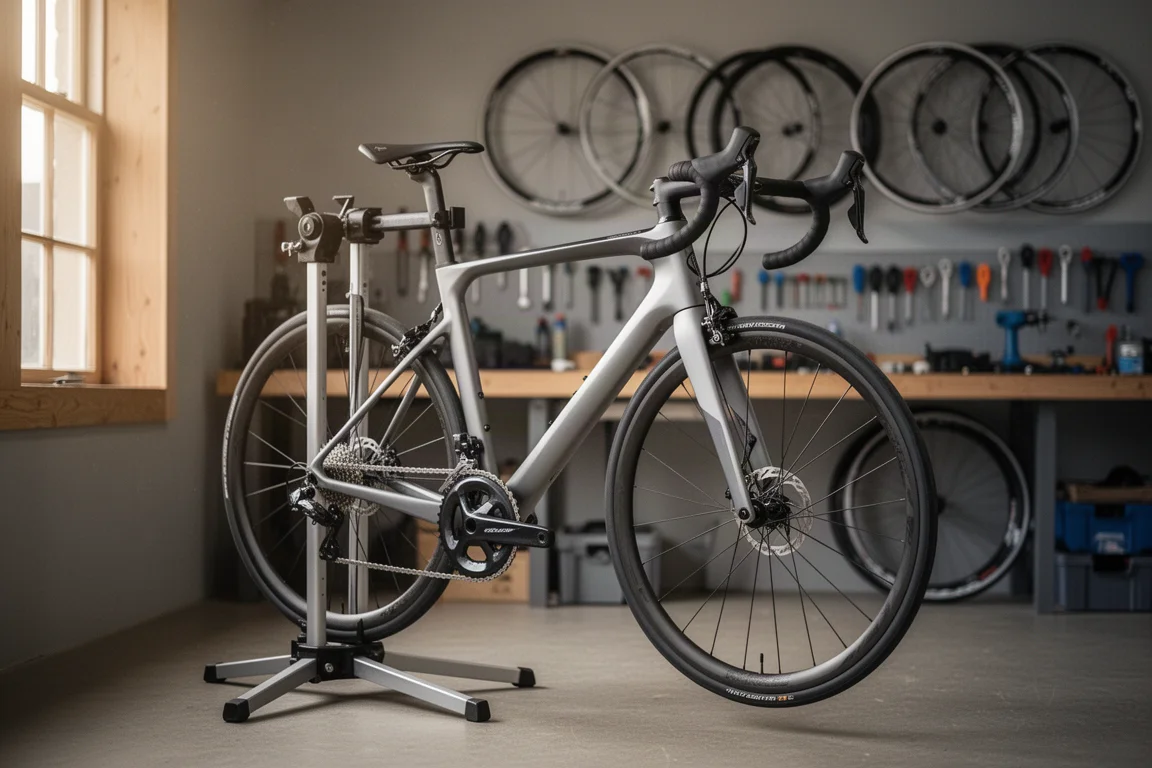
That same geometry is the main fit risk. The stack and head tube are low, and riders who are not racing at a high level may need a substantial stack of spacers to make the position realistic. If you already know you need a taller front end, this is worth checking carefully before committing, because a bike that cannot be set up comfortably will not be ridden fast.
Things to Consider Before Buying
Weight is one consideration. Ridley claims a frame weight of 825 g for a size medium and 380 g for the fork, and the bike as tested weighed 7.4 kg without pedals or a bottle cage. That is light, but not exceptionally so, and several rivals in this class are at or below 7 kg.
Price is the bigger consideration. The Falcon RS starts at £6,400 with a Shimano 105 Di2 groupset. The build tested here costs £8,200 with Ultegra Di2 and deep-section DT Swiss wheels. Choosing a DT Swiss aluminum wheelset brings the price down to around £6,700, and own-brand carbon wheels land at just over £7,200. Even so, that is a lot of money for the specification on offer.
Compared with a Specialized Tarmac SL8 running the same groupset and the brand’s own wheels, the Ridley is more expensive, which is notable given how highly Specialized positions its race bikes. It is also around £2,000 more than a Canyon Aeroad with the same groupset and almost identical DT Swiss wheels, and that Canyon build includes a power meter while the Ridley does not. That omission is hard to overlook on a race bike at this level.
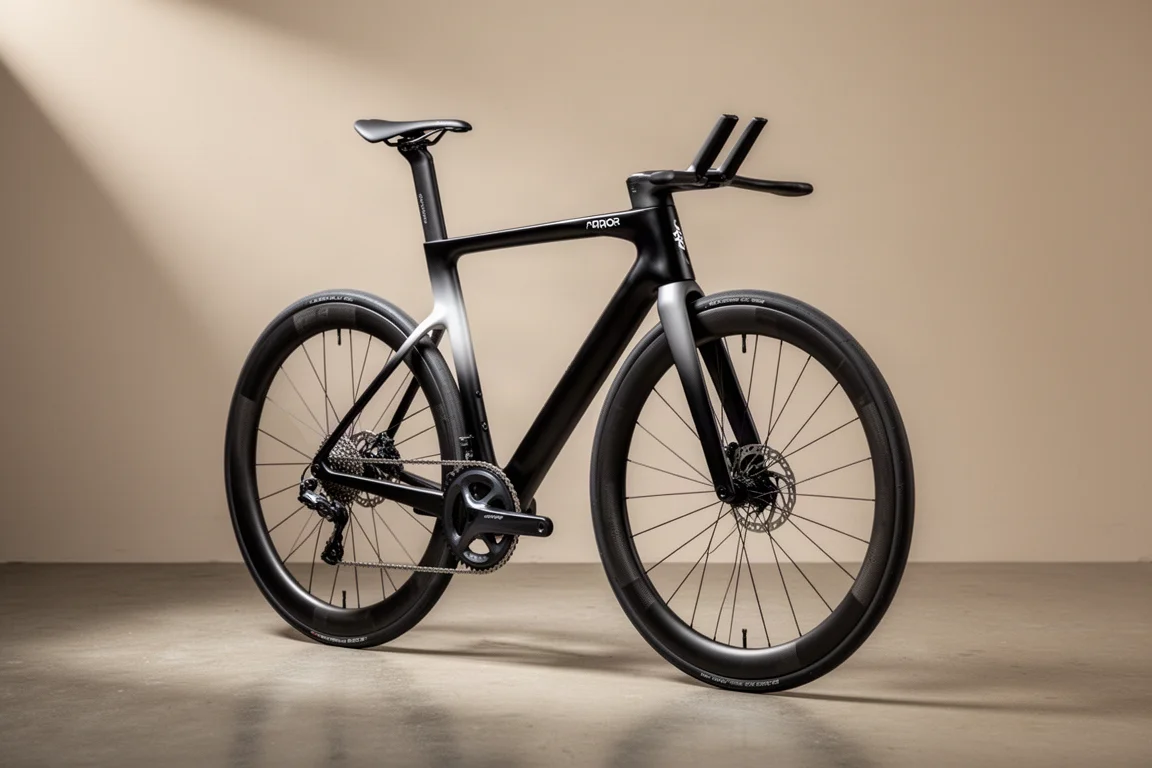
On the plus side, the bike can be configured online, so appearance and components can be tailored to a preferred specification and budget. Tire clearance is a generous 34 mm and the bike ships with 30 mm tires. It also uses a SRAM UDH rear hanger, which makes replacing a bent or broken hanger simpler. The paint finish, with its fade and the treatment of the logo and the black section running along the top tube, gives the bike a classy look that draws positive attention on the road.
Buying Advice
The Falcon RS is not a groundbreaking bike and it is certainly not the lightest, but it is a package that performs well. Speed, handling and a ride that sits at the aggressive end of the spectrum without being punishing make it genuinely enjoyable to ride hard.
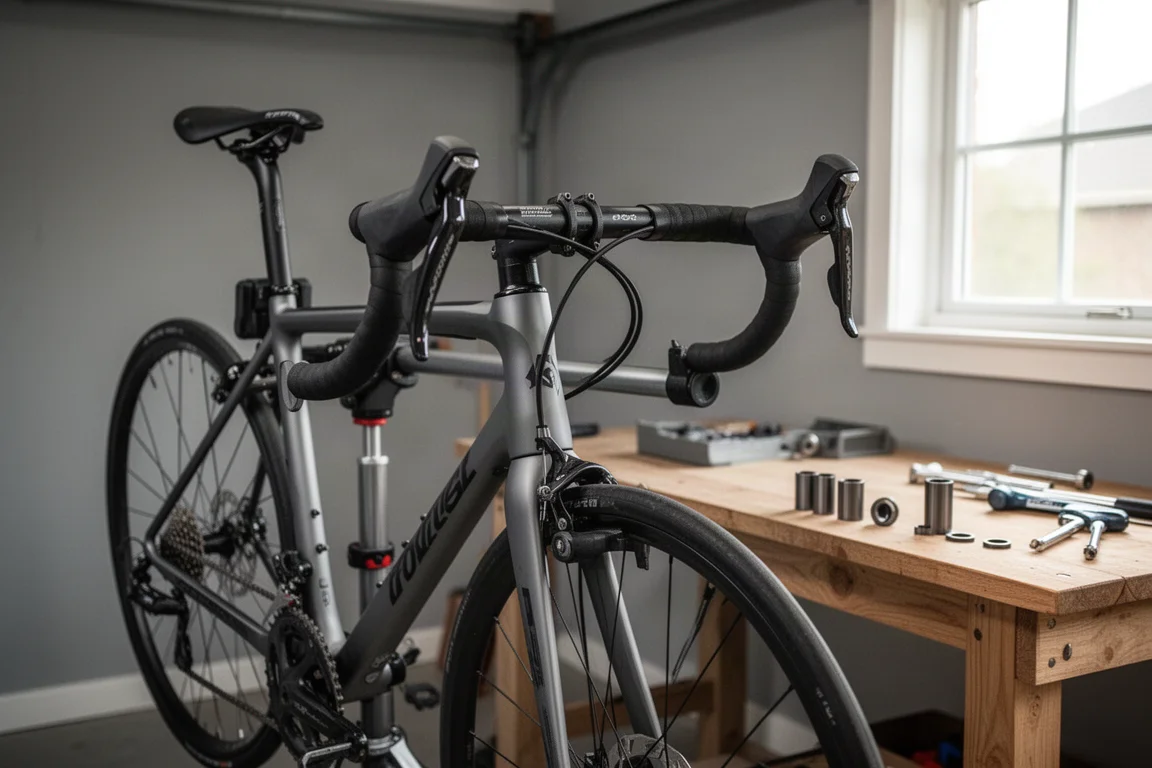
If the price is the sticking point, there are routes worth exploring. Ridley is sold through bike shops, so a local dealer may be able to offer a discount. The online configurator allows a build to be specified around a chosen price point, and buying a frameset and building the bike up yourself is another option. Riders who want the lightest possible bike or a built-in power meter at this price will find stronger value elsewhere, but those who prioritize a fast, stiff and aggressive race platform should give the Falcon RS serious consideration.
Conclusion
The Ridley Falcon RS is a fast, stiff and well-balanced aero road race bike with a low, racy position and strong speed retention on flat and rolling terrain. Its frame weight is competitive rather than class-leading, and its pricing sits above some very strong rivals with similar specifications. For riders who fit the aggressive geometry and who can negotiate on price or configure a build to suit, it is a bike worth putting on the shortlist.
Product link
View more details for Ridley Falcon RS
This product is mentioned in the review. Check the specifications, options, and compatibility before buying.
View more details for Ridley Falcon RSFurther reading
Related Reviews
Road Bikes
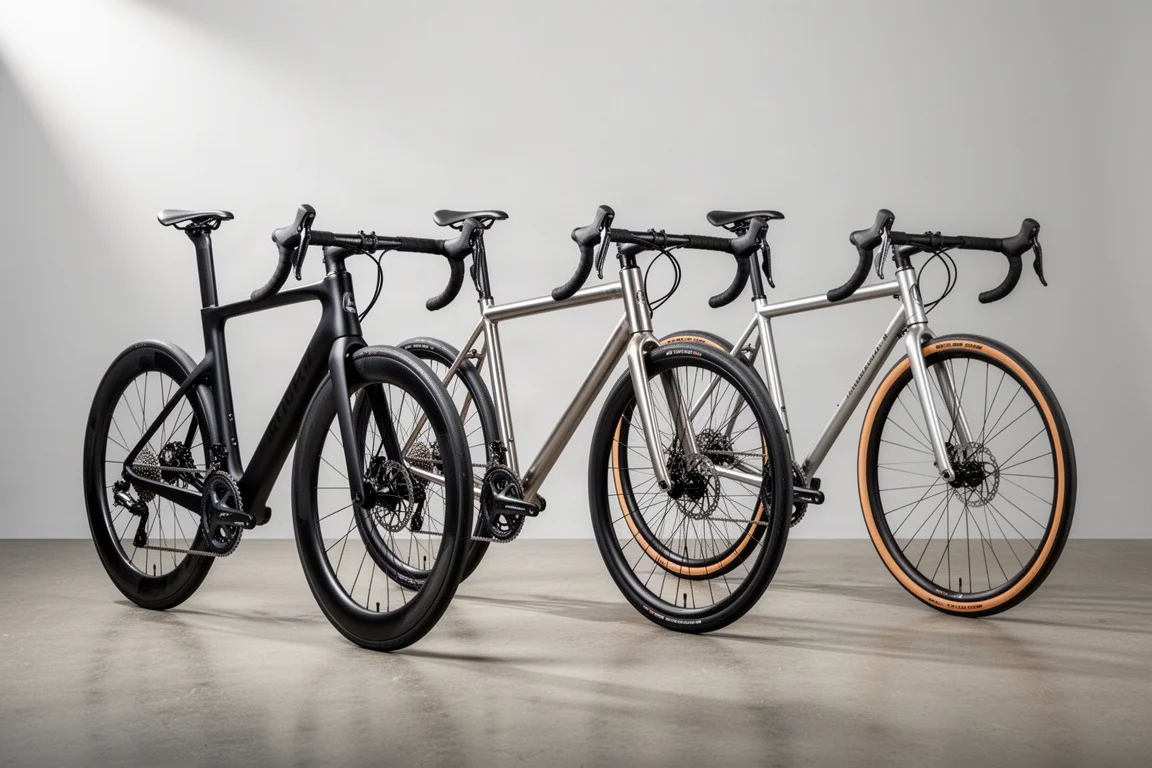
10 New Road Bikes Worth Watching: Aero, Titanium, Steel and Endurance Standouts
A practical roundup of 10 new road bikes, from aero flagships chasing single-watt gains to titanium, steel and endurance platforms built for real roads.
Road Bikes
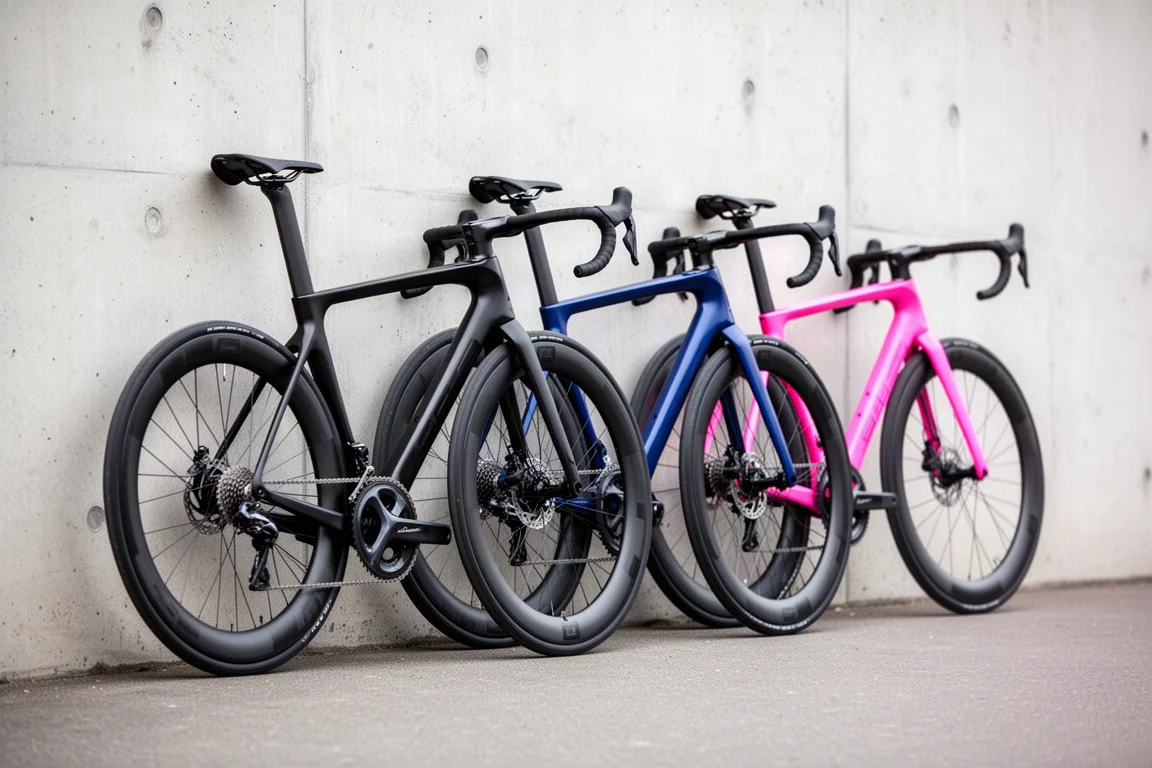
2026 Tour de France Road Bikes: Six Race Machines Worth a Closer Look
Six race bikes from the 2026 Tour de France grid, reviewed for paint, silhouette, wheels and the specification details that matter to buyers.
Road Bikes
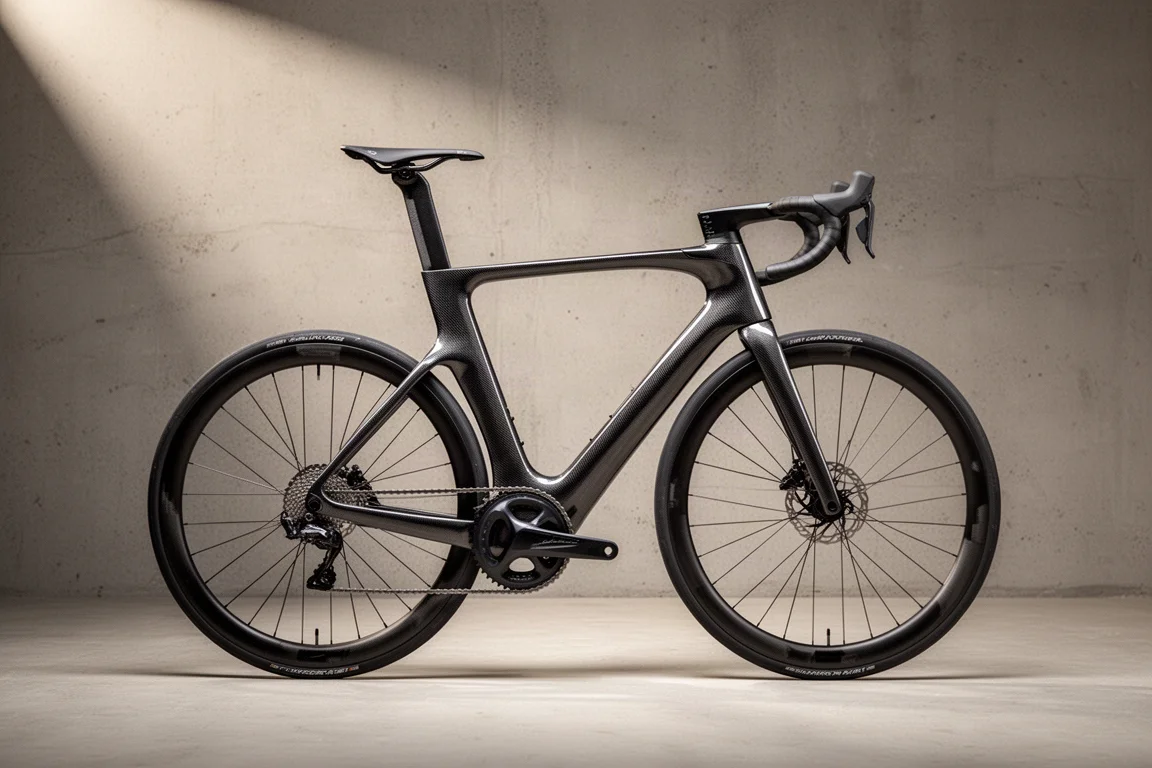
3T Strada Italia Review: A Radical Aero Road Bike That Rides Smooth
A made in Italy carbon aero road bike with a deep head tube, wide tire clearance and a genuinely comfortable ride. Here is what to know before buying.