Camping Kettles
Ridge Monkey Square Kettle Review: A Distinctive Shape With Everyday Frustrations
A detailed look at the Ridge Monkey Square Kettle, covering its durable build and compact square shape alongside the filling, pouring and cleaning problems that make it hard to recommend.
Introduction
Ridge Monkey is a UK company that builds gear for fishing and outdoor use, and the Square Kettle is one of its more distinctive designs. Instead of a round body, it uses a square footprint of 5.9 in by 5.9 in, and the range grows upward rather than outward: the 0.5 L version is 2.3 in tall, the 1.1 L version is 3.5 in tall, and the 2 L version is 5.7 in tall. Because the shape, spout, handles and lid are shared across the line, the experience of using one kettle is essentially the experience of using all of them.
That matters, because after months of use in warm weather, freezing conditions, snow and ice, this kettle turned out to be one of the most frustrating pieces of camp cookware to live with. The core promise, a compact kettle that stacks neatly with other gear, holds up. The day to day reality of filling, pouring and cleaning it does not.
Pricing sits at around $26 for the 0.5 L version. Availability in the United States is limited: the 2 L version is the one most commonly listed, at roughly $60. The kettle is also offered with paracord handles in all three sizes if that finish appeals.
Who the Ridge Monkey Square Kettle Is For
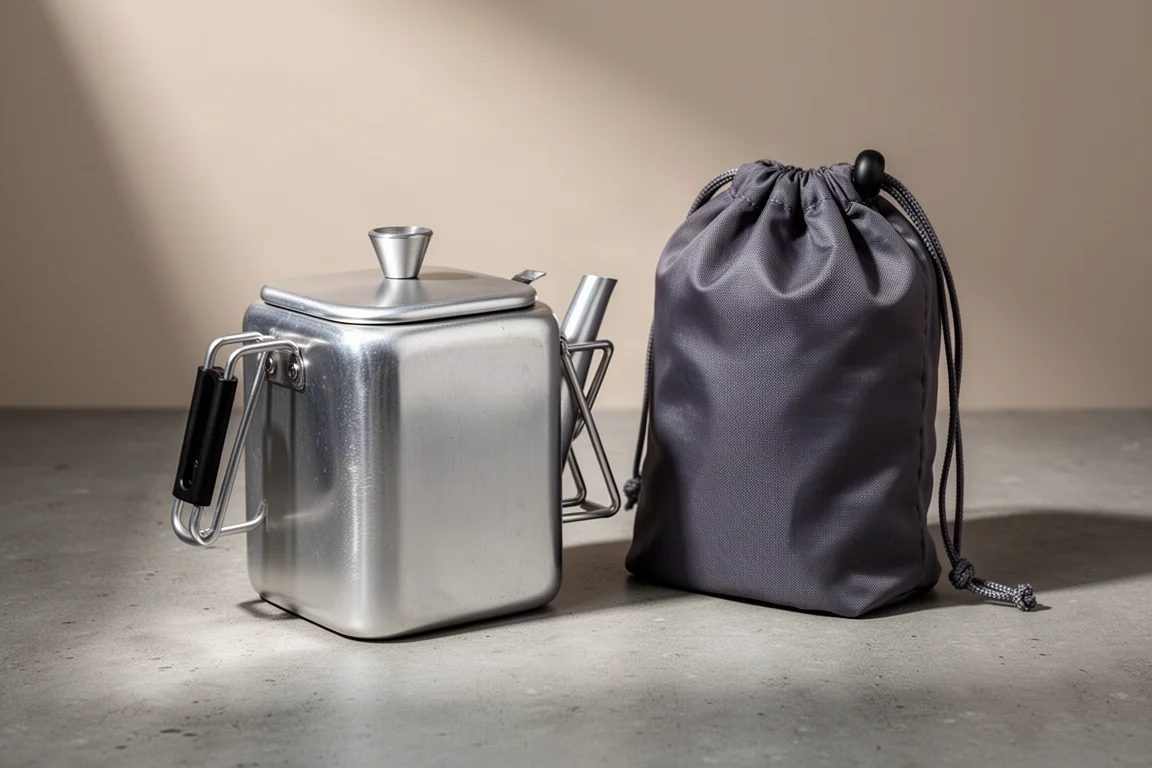
This kettle is aimed at campers and anglers who value a compact, packable shape over conventional round cookware. The flat square body slides into a backpack alongside other gear more easily than a round kettle of similar capacity, and the included drawstring storage bag is generously sized, with room left over once the kettle is inside.
At 8.3 oz on the scale, or 9 oz with the bag, it is light enough for general camping, though it is not an ultralight option. Anyone counting grams can find lighter kettles without much effort.
The two handles with plastic grips and the square silhouette give it a look few people have seen before, and that styling is a genuine part of the appeal. Buyers who want gear that stands out at camp will find plenty to like on the surface.
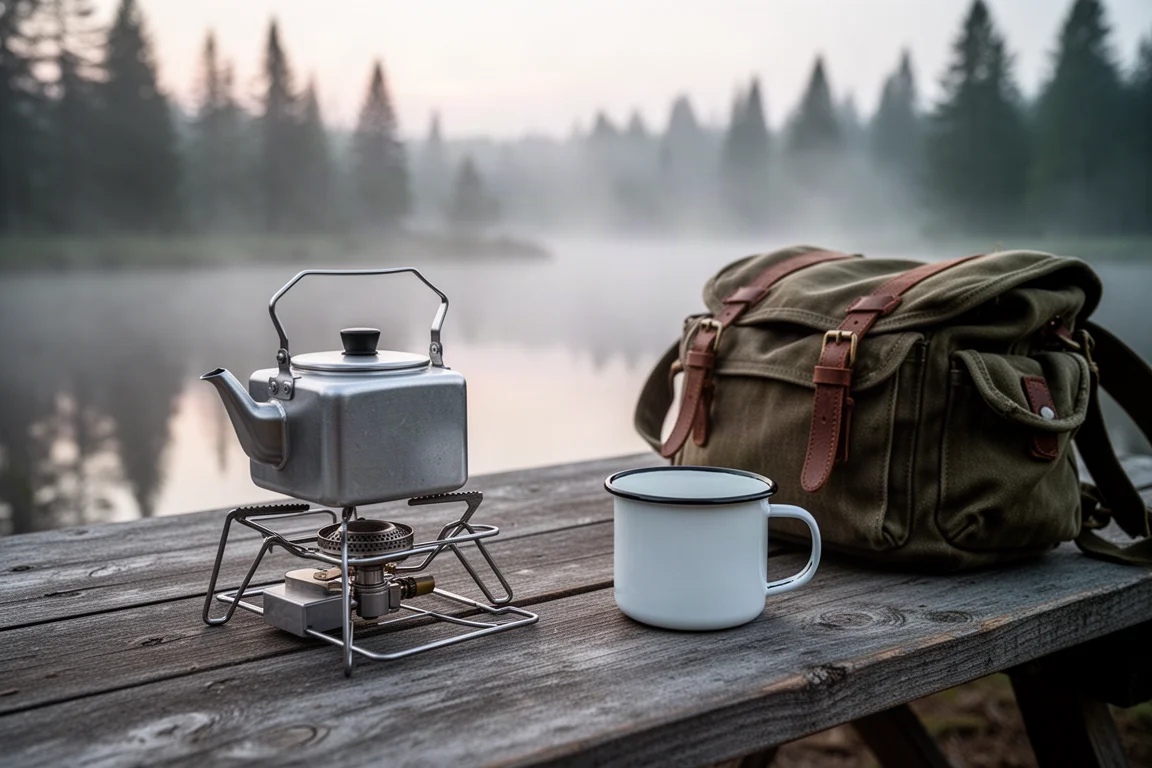
For everyone else, the decision comes down to whether the shape is worth the compromises in daily use. On that question, this assessment lands firmly on no.
Main Strengths
The materials are good. The body is aluminium, with plastic and silicone parts and a nylon storage bag, and the build has held up through repeated use in conditions ranging from warm days to freezing temperatures with snow and ice. Apart from normal dirt, there is very little sign of wear.
The lid’s grab tab is a highlight. It is rigid, stands up on its own and is easy to pinch, which is something many kettles get wrong. Silicone is used here, which is the right call for a part that sits close to heat and gets handled constantly.
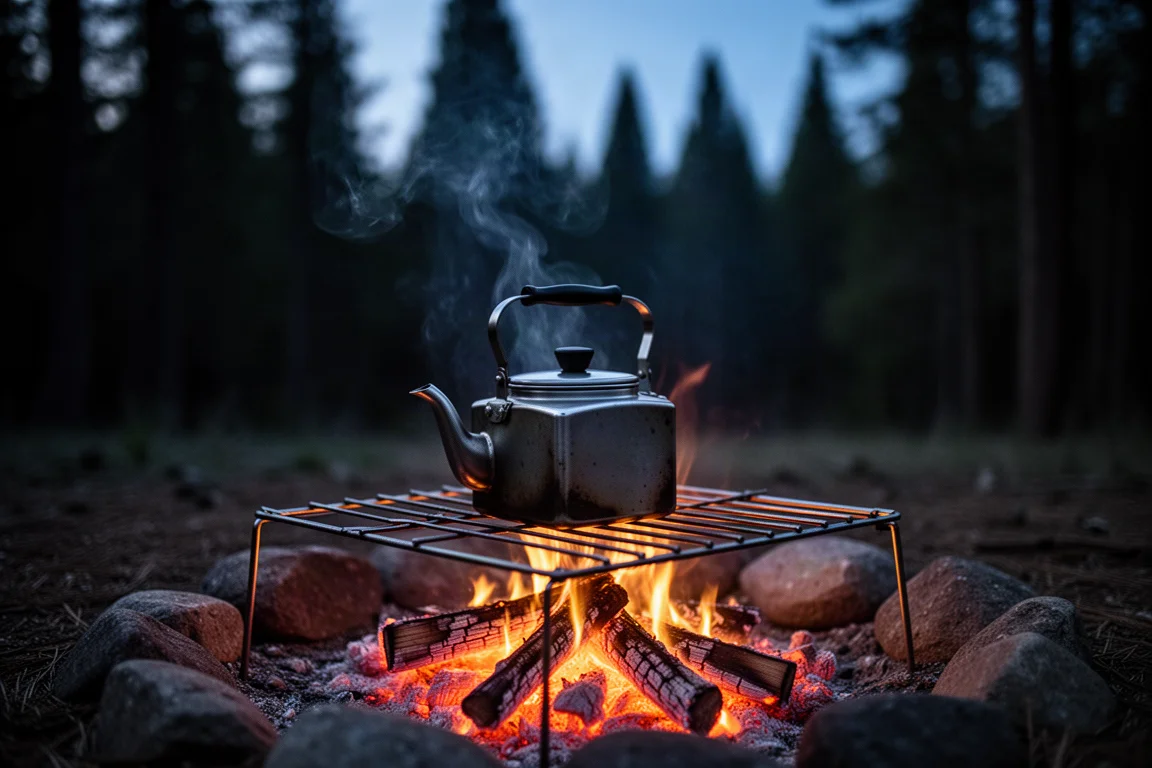
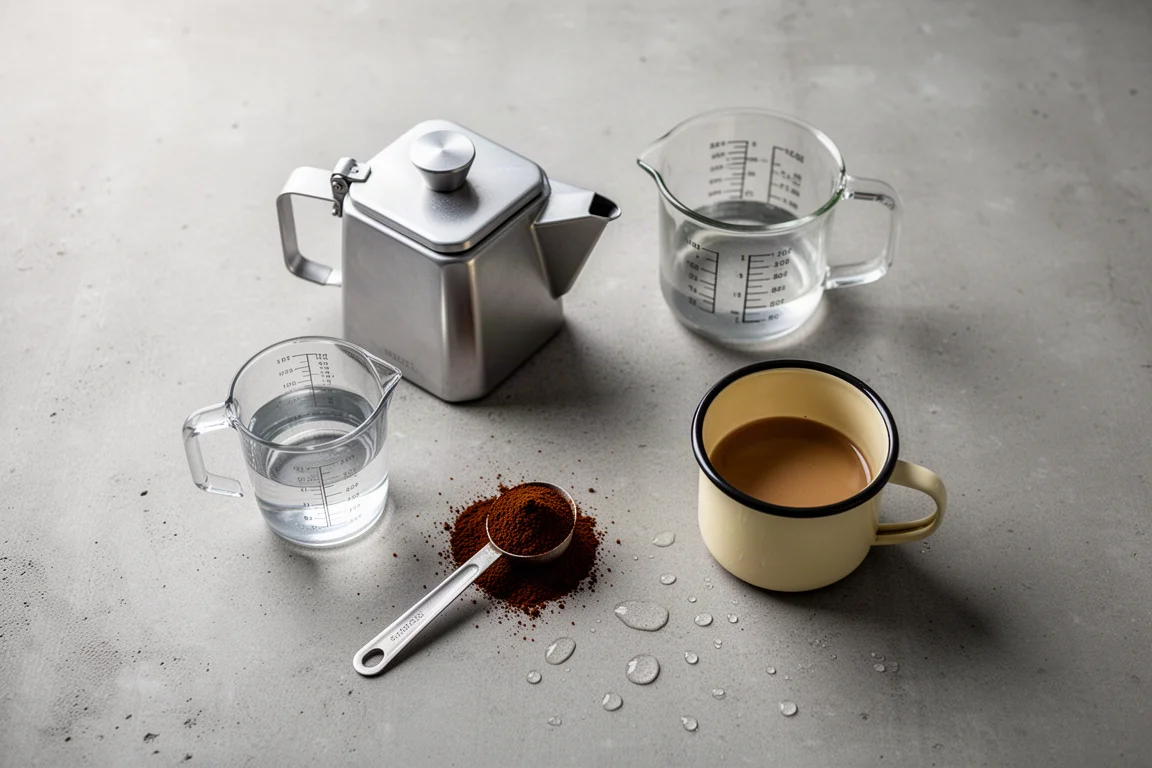
Functionally, it does what a kettle is supposed to do. It boils water, it works for coffee, and it can be used to cook inside if needed. Vent holes in the lid and a pour spout are both present, and the two-handle layout gives a secure grip once the handles are finally in position.
Things to Consider Before Buying
Filling the kettle is the first problem. The opening is small, and although there is a max fill line printed on the side, it is effectively meaningless because you cannot see the water level through such a narrow aperture. In practice it is easy to overfill or underfill, and the dark interior colour makes gauging the contents harder still. Unless the kettle is right up close to your face, there is no reliable way to know how much water is inside.
The spout is equally restrictive. It is only slightly wider than a straw, so the flow rate is low. Early pours tend to overshoot because water also escapes through the fill opening, and even for a kettle of this size the spout feels undersized.
The handles are the biggest frustration. They are extremely stiff and need two hands to move, which is awkward when the kettle is already sitting on a stove and you want to add coffee. When raised, they sit directly over the lid and make the grab tab difficult to reach, which is especially painful with gloves on: a gloved finger has to work under the handle and into a small gap, and it is easy to tip the kettle or the whole stove system in the process. Folding one handle down and leaving the other up does not solve it either, because the weight shifts to one side, the kettle leans, and water can spill. Reseating the handles afterwards is another struggle.
The lid has its own issues. It is built from two pieces bolted together with a small gap between them, and dirt, debris and water collect inside that gap. It is hard to clean and hard to dry, and anything trapped there can later drop into the kettle. The lid is also too small for the body and falls inside the kettle if you are not careful.
Cleaning the interior is unpleasant. The rim is sharp, and the base has ridges, including one in the corner that traps coffee grounds and other residue. Water also sits in those ridges and can stay trapped for days unless the kettle goes back on a heat source. The body is not formed from a single piece of aluminium: overlapping sections around the base create another place where water collects.
One more design decision to weigh is the handle grips. The lid tab uses silicone, which is heat resistant, but the handles use plastic instead. Over an open fire, that means extra care is required to avoid melting them.
Finally, price. At $26 for a 0.5 L kettle, this is expensive for the capacity and for what it delivers. Comparable kettles cost less, weigh less and are easier to use, and a 1 L alternative at around $20 weighs 6.2 oz against this kettle’s 8.3 oz, with a centre handle that folds back easily, a large opening that makes the water level obvious, and a lid that cannot fall inside.
Buying Advice
On balance, this is not a kettle to buy at any size or price. The strengths, which are real, are a durable aluminium build, a well-judged lid tab and a compact square shape that packs efficiently. The problems, which are constant, are a tiny fill opening, a spout that pours too slowly, handles that fight you every time, a two-piece lid that traps debris, and an interior that is genuinely hard to clean and dry.
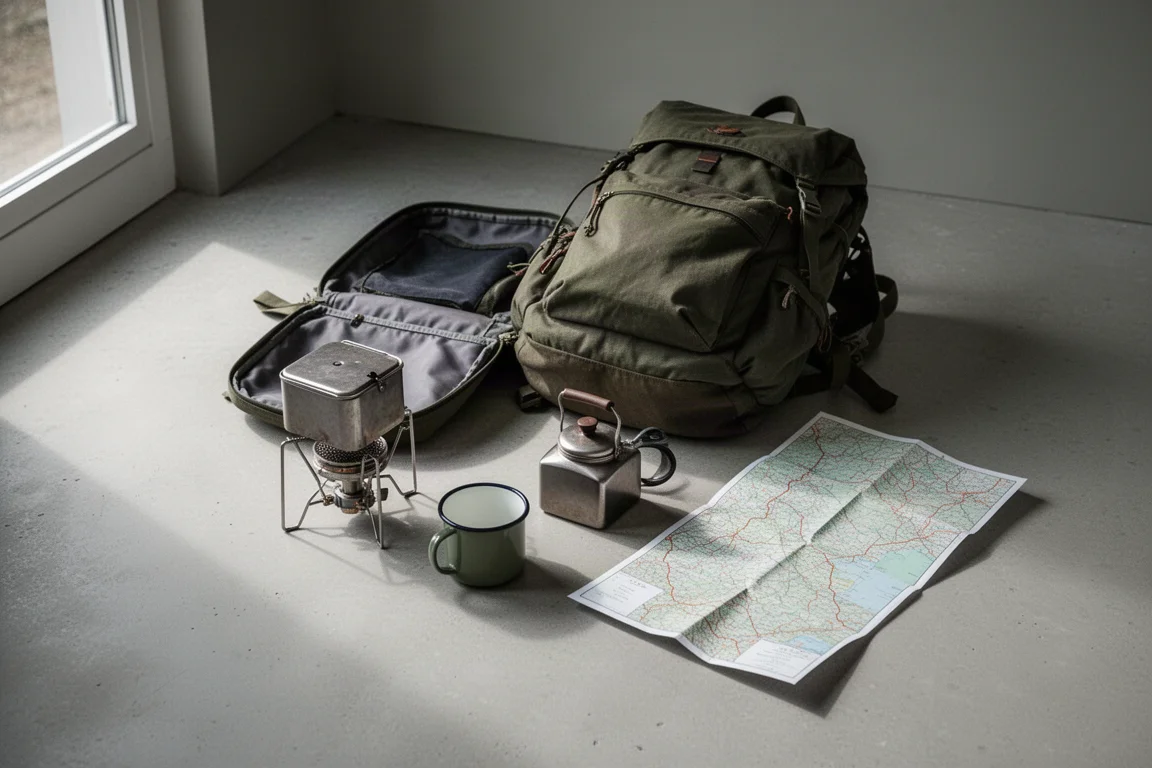
For readers in the United States, the practical picture is narrower still. The 0.5 L version is around $26, but the 2 L version is the one most commonly available, at roughly $60, so the version you can actually buy is the largest and most expensive. For campers in the UK and Europe, where the brand is better known, the same advice applies: there are less expensive, lighter and easier kettles on the market.
If a square, stackable kettle is the specific thing you want, the shape is the only argument in its favour. If you simply want hot water at camp, spend less and choose something with a wide opening and a folding centre handle.
Conclusion
The Ridge Monkey Square Kettle looks the part and survives hard use, and those are not small things. But a kettle earns its place by being easy to fill, easy to pour from and easy to clean, and this one struggles at all three. Until the opening, spout, handles and lid are rethought, it is difficult to recommend to anyone.
Product link
View more details for Ridge Monkey Square Kettle
This product is mentioned in the review. Check the specifications, options, and compatibility before buying.
View more details for Ridge Monkey Square KettleFurther reading
Related Reviews

Backpacking Gear
Building a 10 lb Base Weight: An Ultralight Backpacking Gear List
A practical walkthrough of the ultralight pieces behind a 10 lb base weight, from a 765 g pack and a roomy one-person tent to a full camp chair and a dependable water filter.

Road Bikes
10 New Road Bikes Worth Watching: Aero, Titanium, Steel and Endurance Standouts
A practical roundup of 10 new road bikes, from aero flagships chasing single-watt gains to titanium, steel and endurance platforms built for real roads.
Bikepacking Gear
11 Bikepacking Essentials for Long-Distance Cycling
Eleven bikepacking essentials for long-distance cycling, from a steel gravel frame and a two-person tent to helmet lights, packable gloves, and a frame bag that puts weight in the right place.