Road Bikes
Ribble Ultra SLR Review: A Modern Aero Road Bike Against a 1987 Time Trial Legend
A closer look at the Ribble Ultra SLR, the aero road bike that outpaced a Tour de France and Giro d'Italia winning time trial machine over 8.55 km at matched power.
Introduction
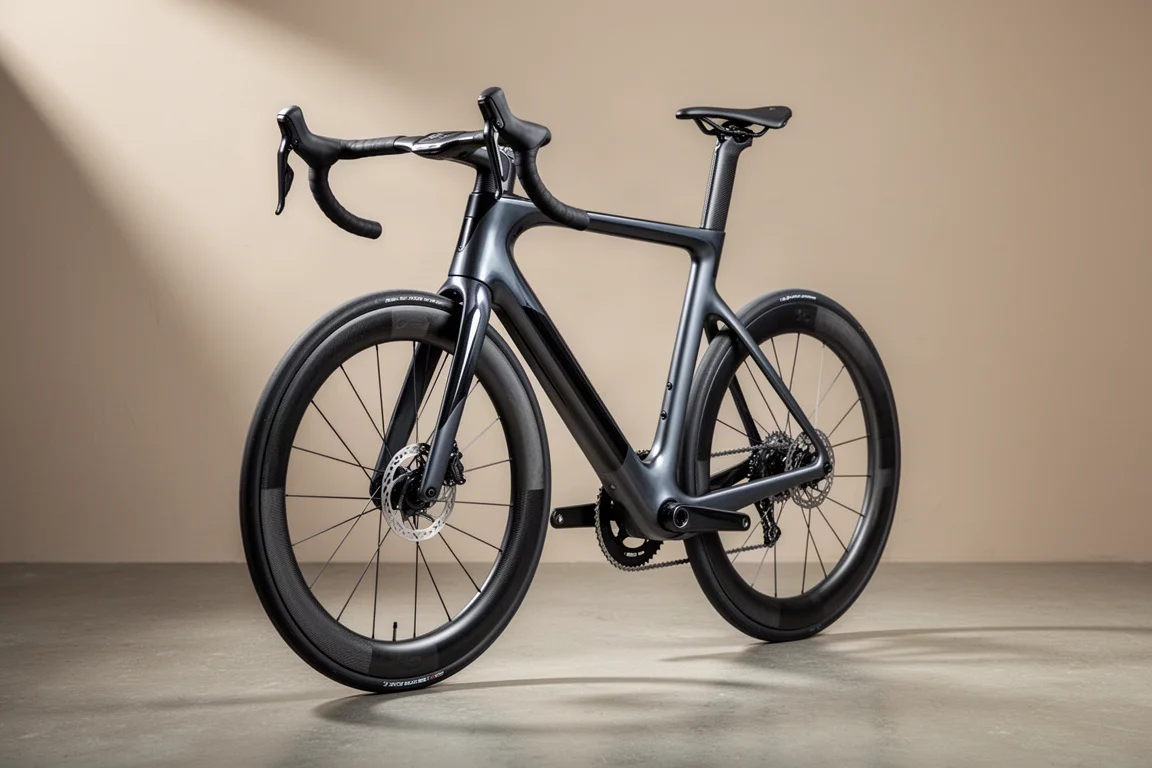
Aerodynamics is easy to talk about and hard to see. It cannot be felt directly, it is difficult to measure, and yet it shapes nearly every decision made on a modern road bike. The Ribble Ultra SLR is one of the most forward-thinking aero road bikes around, and the clearest way to understand what that means is to set it against a machine from a very different era.
That comparison has been made directly. A 1987 time trial bike, a machine that won the Tour de France and the Giro d’Italia in the same season under Stephen Roche, was ridden head to head against the Ultra SLR on an 8.55 km time trial course. Both riders rode both bikes. On the modern aero road bike, one rider was 29 seconds quicker with power matched to within a watt, and the other was 45 seconds faster. Those are the kind of margins that make a road bike a genuine alternative to a specialist time trial machine of that generation.
Who the Ribble Ultra SLR Is For
The Ultra SLR suits riders who want speed without giving up the everyday usability of a road bike. It is built around a carbon fibre frame that weighs just over 1,000 g, with a complete bike of roughly 8.5 kg. That is a competitive weight for a machine carrying this much aerodynamic shaping, and it is only really achievable in carbon fibre.
Position is central to the design. Where the 1987 bike pushed the rider as low as possible with a tiny head tube and a smaller 26 inch front wheel, the Ultra SLR uses a more conventional road racing geometry that is fairly long and fairly low, but noticeably higher at the front end. That lets the rider bend their arms into a more aerodynamic position rather than stretching them straight.
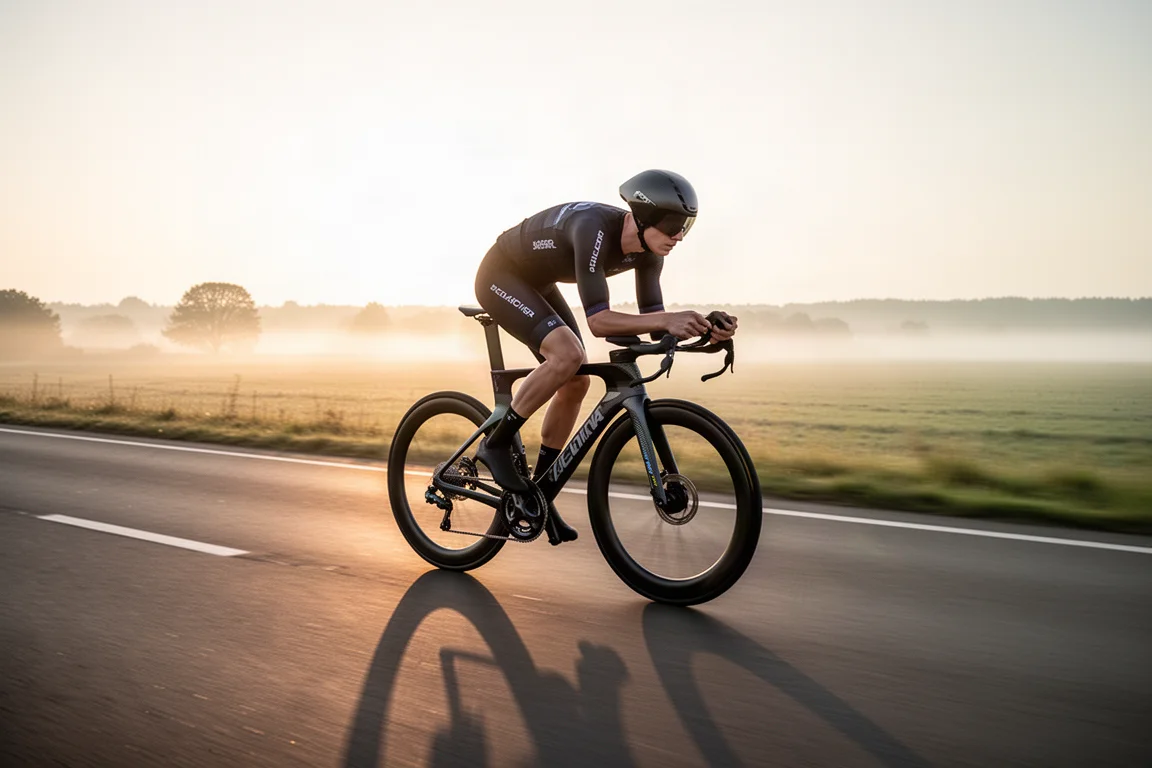
Handlebar width is where the thinking gets more interesting. The bars measure 36 cm center to center at the hoods, and there is a narrower 33 cm option that flares out to 37 cm at the drops. For comparison, the bullhorn bars on the 1987 machine were 42 cm center to center, which was considered normal for a bike built purely for speed at the time. The shift reflects a change in understanding: getting low used to be the whole story, and now narrow matters just as much.
Main Strengths: Tube Shapes Built Around the Rider
Look closely at the Ultra SLR and you will not find a single round tube in the frame. That is deliberate. Round tubes are structurally efficient, which is why they made steel frames as stiff and light as possible, but they are aerodynamically poor. The difference is large enough that the exposed brake cable outers on the 1987 bike probably caused about as much drag as the entire head tube on the Ultra SLR.
Simply turning tubes into aerofoil shapes, though, is what cycling aerodynamics looked like 20 odd years ago. The modern approach is about how the tubes interact with one another and with the rest of the bike: the front wheel, fork and head tube treated as one system, the down tube, and even how the down tube can make a water bottle more aerodynamic. Arriving at those complex shapes takes countless hours of computational fluid dynamics, work that is only possible with computing power far beyond anything available in 1987. The theory is then backed up with wind tunnel testing and meaningful real-world testing.
The most distinctive element is the handlebar treatment. The Ultra SLR is deliberately designed to be not quite as aerodynamic as it could be. Ribble’s engineers tailored the handlebars to create a small amount of additional drag so that the rider sits in an area of reduced drag, specifically around the knees and legs. Ribble says this makes bike and rider roughly 2 percent more aerodynamic, which over a 40 km effort ridden at about 35 km/h works out to around 23 seconds saved. In the brand’s real-world and wind tunnel testing, every rider saw a benefit.
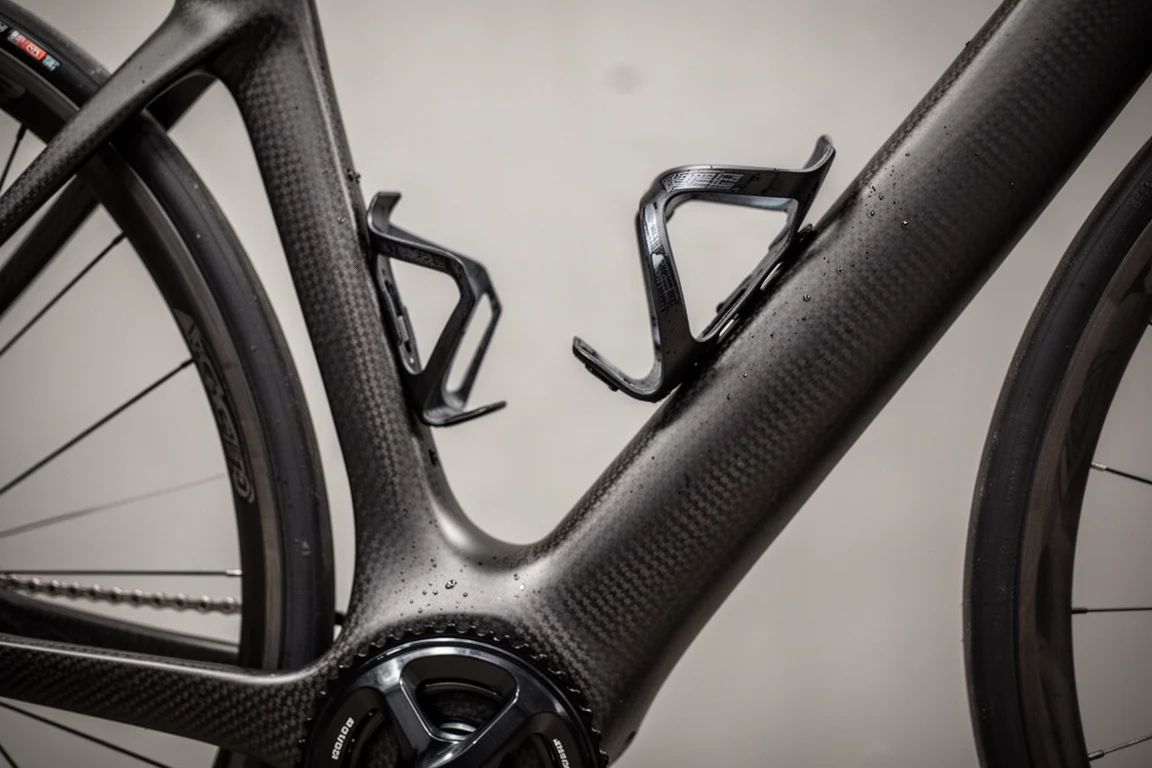
Taken together, the non-round frame shapes, the narrow cockpit and the rider-focused drag management form a single system rather than a list of separate features. That is the main reason the Ultra SLR feels like a modern aero platform instead of an older design with aerodynamic styling applied on top.
Real-World Speed: What the Head-to-Head Test Showed
The test format was straightforward: an 8.55 km time trial course, ridden against the clock, with each rider completing it on both bikes. The results were less close than expected. One rider was 29 seconds quicker on the Ultra SLR with power matched to within a watt, and the other was 45 seconds faster. On a longer effort, gaps of that size scale into minutes.
Perceived effort was just as revealing as the stopwatch. At the same power output, both riders found the 1987 bike far harder to sustain, describing the effort required as much greater for the same speed. That is the practical signature of aerodynamic efficiency: the work feels easier because less of it is being spent pushing air.
Several factors stack up to produce the gap. The tube shapes are the obvious one, and the deep-section aero front wheel on the Ultra SLR plays a significant role against the narrow box-section rim of the older bike. Tire technology is another major contributor. The 1987 machine ran 20 mm tires, and rolling resistance alone could account for a substantial share of the difference. The older bike’s aerodynamic aids were limited to internally routed cables down the down tube and a rear disc wheel.
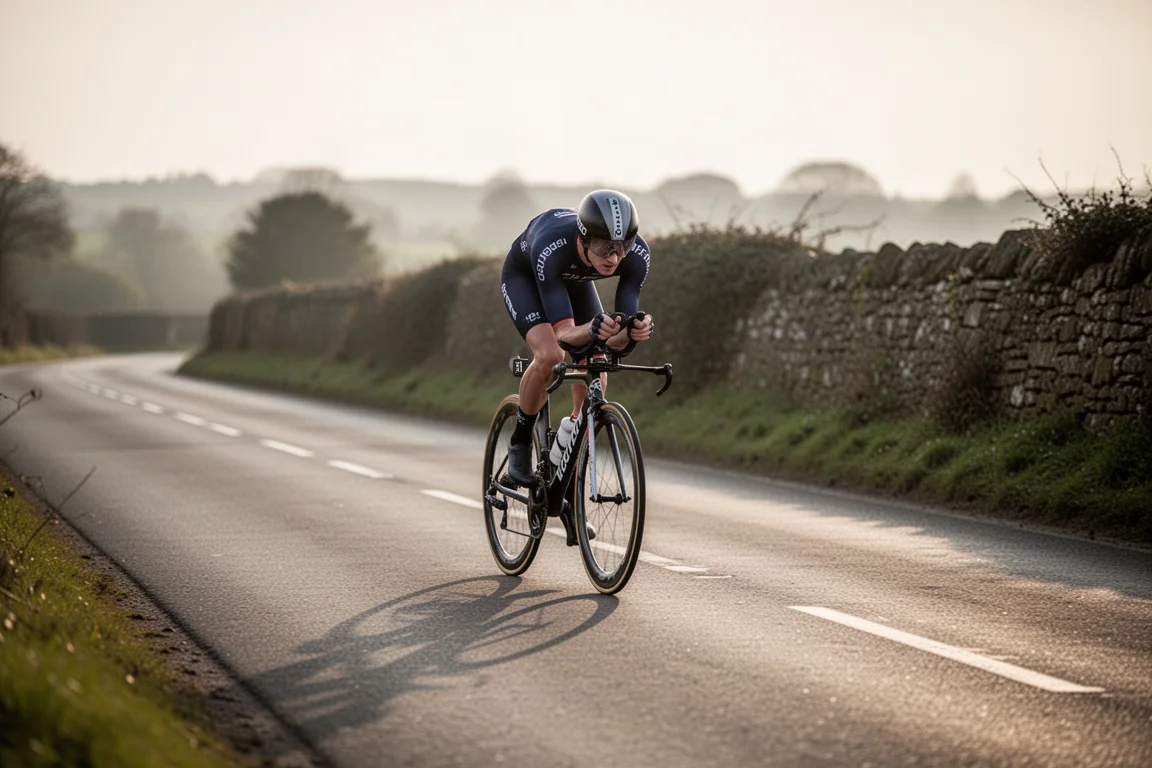
The stopwatch and the riders’ own perception point the same way. The modern aero road bike was not just quicker, it was quicker while feeling less demanding, which is the outcome that matters most over a long, steady effort.
Things to Consider Before Buying
The Ultra SLR’s advantages come with a few practical points worth weighing before you commit.
- Handlebar width is a fit decision. The 36 cm bars at the hoods are narrow by road bike standards, and the 33 cm option that flares to 37 cm at the drops is narrower still. Riders who prefer a wider, more traditional cockpit should check how the position feels before choosing.
- The claimed gains are specific and measured. The 2 percent bike-and-rider improvement and the roughly 23 seconds saved over 40 km at about 35 km/h come from Ribble’s own calculations. Individual results vary, and some riders and body shapes appear to benefit more than others.
- Position still does the heavy lifting. The frame is built to let you bend your arms into a faster position, not to place you there automatically. Getting the fit right matters as much as the frame shapes.
- It is a newer platform without a grand tour record. The 1987 bike it was tested against won the Tour de France and the Giro d’Italia in the same season. The Ultra SLR has not yet won a grand tour.
Buying Advice
The case for the Ultra SLR is strongest for riders who want one bike that can do almost everything quickly. Being faster than a dedicated time trial bike from 1987 over a short course, while keeping road bike geometry and everyday rideability, is a meaningful combination. Riders who currently keep a separate time trial machine for flat, fast efforts may find a modern aero road bike covers most of that ground.
If your priority is outright speed on rolling and flat terrain, the combination of a carbon fibre frame, non-round tube shapes, a deep-section front wheel and a narrow cockpit is a coherent package rather than a collection of marketing points. The weight, just over 1,000 g for the frame and about 8.5 kg complete, keeps it usable on climbs as well.
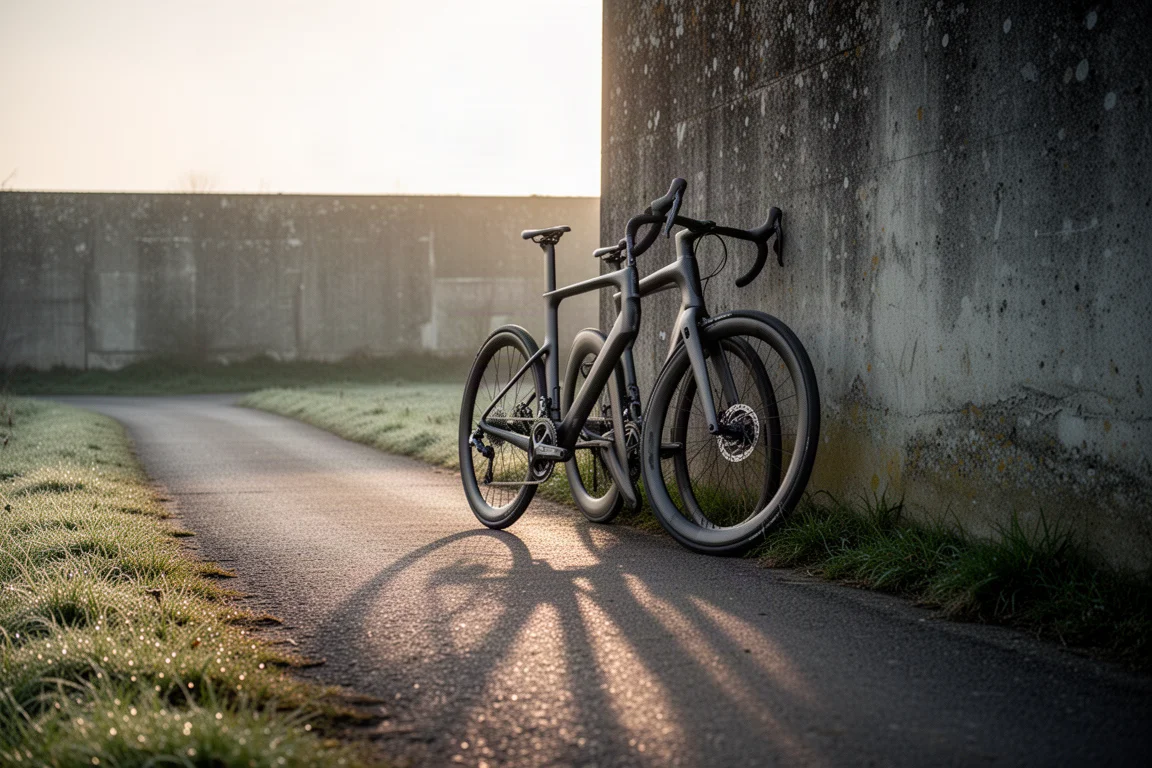
Before buying, focus on fit rather than headline numbers. The narrow bar options and the road racing geometry are the two elements most likely to determine whether the bike feels fast in practice. If those suit your position and your riding, the aerodynamic work behind the frame is doing real work underneath you.
Conclusion
The Ultra SLR shows how far aero road bike design has travelled. Against a machine that won the Tour de France and the Giro d’Italia in 1987, it was 29 and 45 seconds faster over 8.55 km at matched power, and it felt easier to ride at that speed. Add the practical benefits of a road bike and the case becomes clear: this is a bike for riders who want specialist-level speed without specialist-level compromises.
Product link
View more details for Ribble Ultra SLR
This product is mentioned in the review. Check the specifications, options, and compatibility before buying.
View more details for Ribble Ultra SLRFurther reading
Related Reviews
Road Bikes
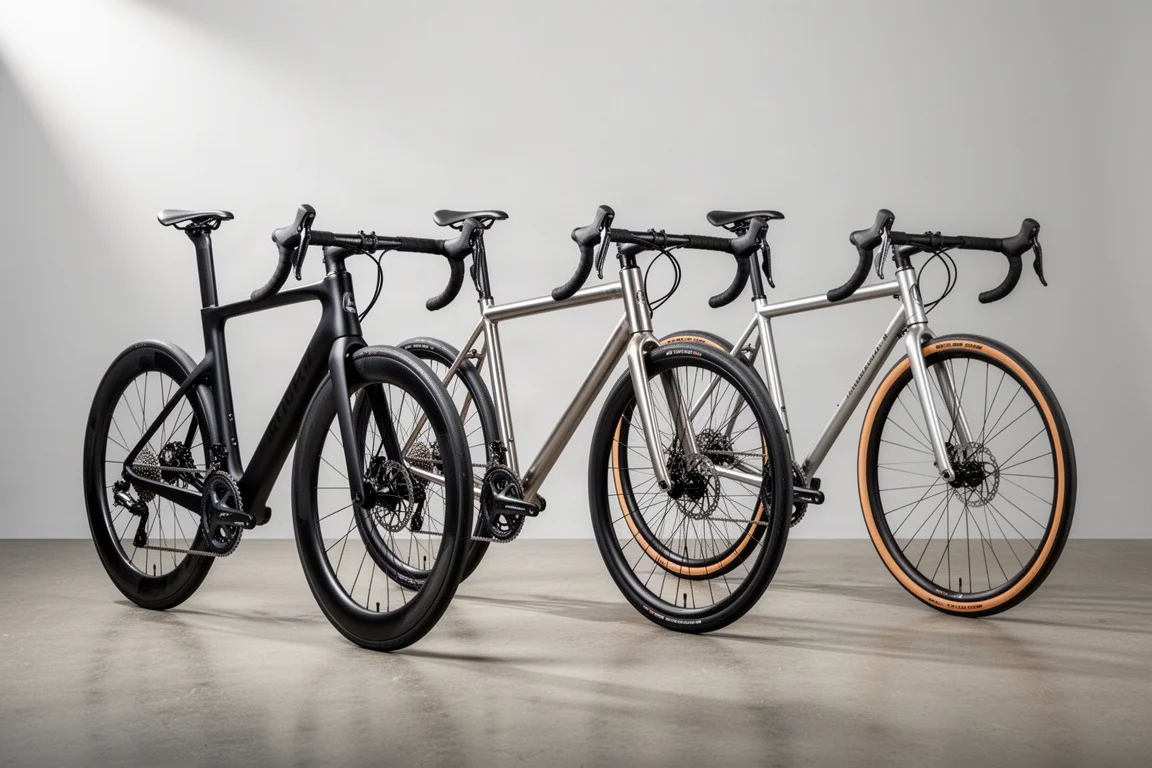
10 New Road Bikes Worth Watching: Aero, Titanium, Steel and Endurance Standouts
A practical roundup of 10 new road bikes, from aero flagships chasing single-watt gains to titanium, steel and endurance platforms built for real roads.
Road Bikes
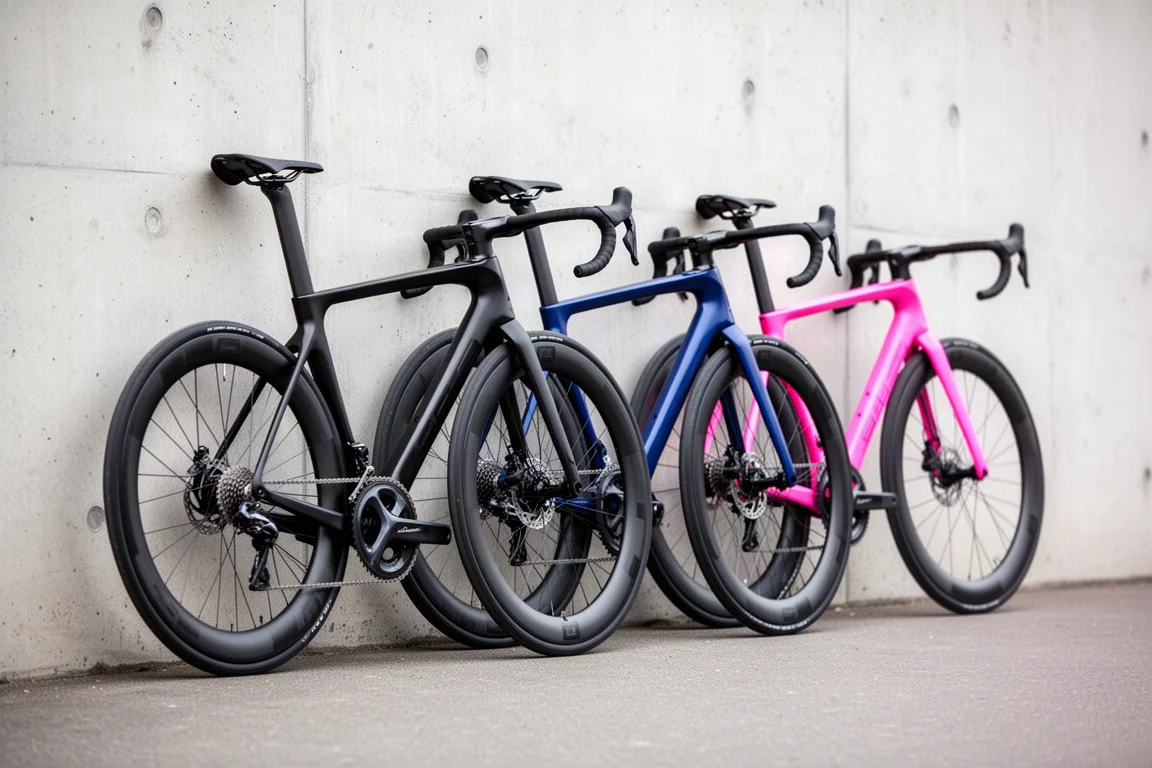
2026 Tour de France Road Bikes: Six Race Machines Worth a Closer Look
Six race bikes from the 2026 Tour de France grid, reviewed for paint, silhouette, wheels and the specification details that matter to buyers.
Road Bikes
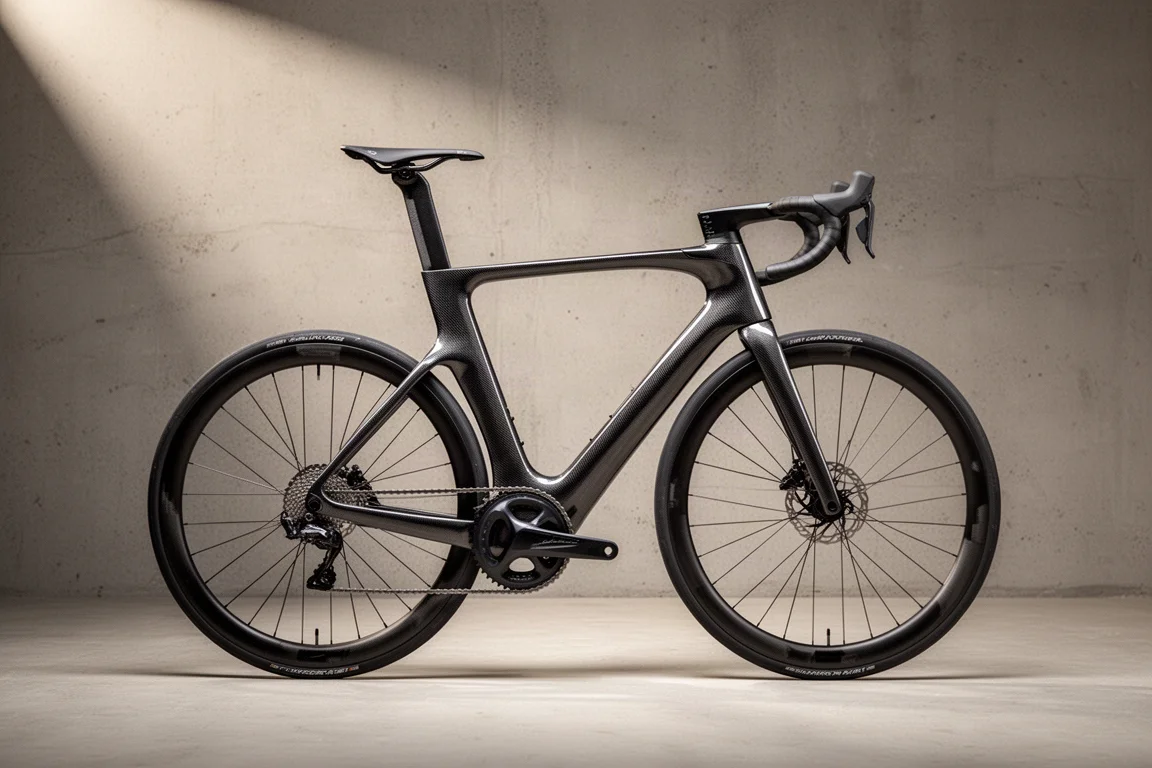
3T Strada Italia Review: A Radical Aero Road Bike That Rides Smooth
A made in Italy carbon aero road bike with a deep head tube, wide tire clearance and a genuinely comfortable ride. Here is what to know before buying.