Floorstanding Speakers
Revel F-35 Review: A Four-Driver Floorstander at a Budget Price
A close look at the Revel F-35 floorstanding speaker, covering its driver design, measured performance, real strengths, and the trade-offs to weigh before buying.
Introduction
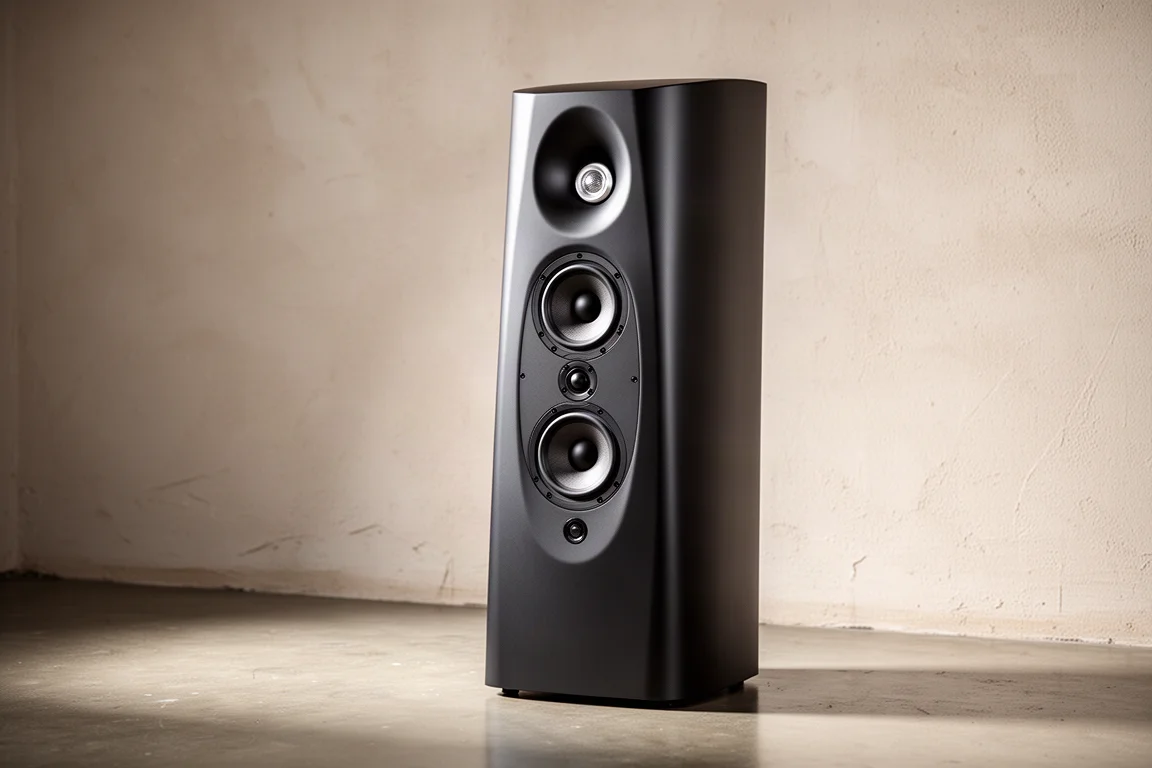
The Revel F-35 is a two-and-a-half-way floorstanding loudspeaker with four drivers: a 1-inch aluminum dome tweeter loaded into a waveguide, a 5 1/4-inch midrange, and two 5 1/4-inch midbass drivers. The cabinet is rear-ported. Sensitivity is specified at 90 dB, and nominal impedance is specified at 6 ohms.
The reason to look closely right now is price. The F-35 is selling for about $450 each, down from $880 each, which puts a pair at roughly $900. For a floorstanding speaker with this driver complement, that is an unusually low entry point, and it changes the value calculation considerably.
This review covers what the speaker does well, where it asks for compromises, and which listeners will get the most from it.
Who This Speaker Is For
The F-35 makes sense for anyone building a two-channel system who wants a tower rather than a standmount and is willing to plan the low end around a subwoofer. Measured output reaches an F3 of 61 Hz and an F10 of 39 Hz, so genuine deep bass is not part of the package. The estimated in-room response extends to about 60 Hz.
It also suits buyers who treat the room as part of the system. The same speaker placed close to a wall, pulled out into free space, or moved to another room will sound different, and this design rewards a little care with positioning and listening height.
Where it fits less naturally is a plug-and-play setup. Listeners who want a tower that delivers a full, weighty low end straight out of the box, with no subwoofer and no placement work, will find the F-35 asks for more than that.
Main Strengths
The driver layout is the foundation of the design. A waveguide-loaded 1-inch aluminum dome tweeter crosses over to a dedicated 5 1/4-inch midrange, with two 5 1/4-inch midbass drivers handling the lower registers. That is a serious complement of drivers for the money.
Measured distortion performance backs it up. Harmonic distortion at 86 dB and at 96 dB both look good, and multitone distortion also looks good. Adding a high-pass filter to the speaker leaves multitone distortion essentially unchanged, which is useful for anyone planning to cross over to a subwoofer.
Other measurements reinforce the picture:
- Burst decay is very low in level, around 27 dB down, so stored energy is not a concern.
- Long-term compression shows roughly a decibel of loss around 100 Hz.
- Short-term compression shows some added distortion in the tweeter range and increased compression at higher frequencies, which is in line with what this category of speaker typically shows.
The design also responds well to equalization. The measured data set shows a good overall response, and the directivity mismatch visible in the data comes from the physical separation between the tweeter and the midrange. Within reason, that response can be corrected.
What the Measurements Reveal
The measured response averages 89.4 dB with roughly 4 dB of variation across the range. In the lower midrange there is a slight dip, then a dip around 2 to 3 kHz, followed by a peak near 5 kHz. That combination explains a lot of what listeners notice first: a slightly recessed presence region and a lower treble that can read as forward.
The horizontal contour plot shows a peak around 3 kHz, and the vertical contour plot makes one simple point: stay at tweeter level. Measured impedance bottoms out around 3.8 ohms, with a couple of resonances visible, one of them near 300 Hz.
The estimated in-room response ties these threads together. It shows in-room extension to about 60 Hz, a scooped region through the attack and detail range, and a mild lower treble peak that can come across as a touch of sibilance. In the bass, the 100 to 120 Hz area sits about a decibel to a decibel and a half below the 80 to 90 Hz region, which is enough to make kick drum punch feel slightly lean depending on taste.
Things to Consider Before Buying
A few trade-offs are worth understanding before ordering a pair.
- A subwoofer is part of the plan. With an F3 of 61 Hz, the F-35 will not pressurize a room on its own.
- The lower treble has some edge. Energy between roughly 4 and 6 kHz can sound sibilant on bright recordings.
- The upper midrange is slightly short on attack and detail, which softens the leading edge of instruments and voices.
- The 100 to 120 Hz region is a little lean relative to the 80 to 90 Hz region, so kick drum weight may feel understated.
- The off-axis peak around 3 kHz cannot be fixed with equalization. Boosting the on-axis response to compensate would also raise the stronger off-axis reflection, so the two corrections fight each other. Acoustic absorption is the practical answer, though at this price it is optional rather than mandatory.
- The rear port needs clearance from the wall behind the speaker.
- Impedance drops to about 3.8 ohms. A 6-ohm nominal rating looks friendly on paper, but the speaker will be happier with an amplifier that is comfortable driving a load that dips lower.
Setup, Placement, and Room Treatment
Placement is where most of the remaining performance lives. The vertical contour plot points to a clear rule: keep your ears at tweeter height. Moving above or below that axis changes the tonal balance more than most listeners expect.
The rear port also sets a constraint. Give the cabinet some distance from the wall behind it, and experiment with that distance before deciding the bass is not to your taste. Low-frequency balance in a room shifts with every change in position.
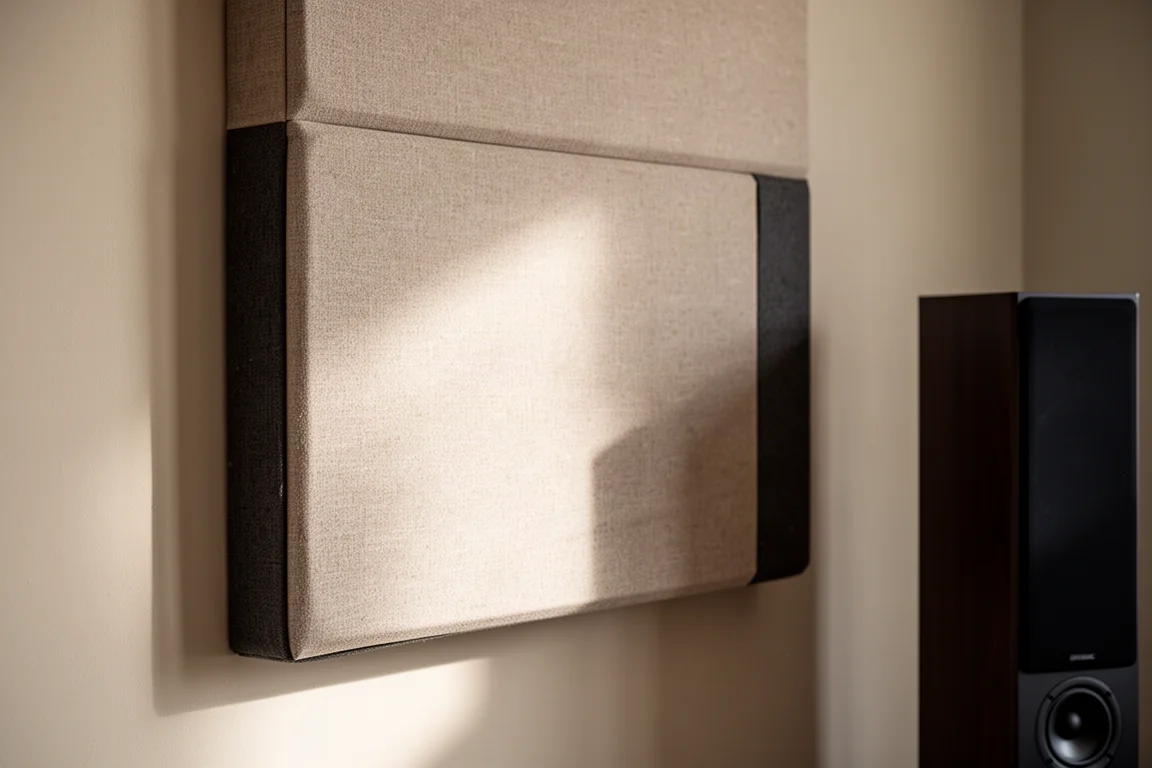
If you want to go the extra mile, absorption panels placed to address the off-axis peak around 3 kHz will clean up the reflected sound. The data suggests the speaker is fairly benign here, so this is an optional refinement rather than a requirement. One note on the lower midrange: the on-axis response between roughly 300 and 500 Hz looks fine, which suggests any added warmth heard in a room is more likely a room effect than a driver characteristic. Absorption, repositioning, or a gentle equalization cut in that region are the ways to address it.
Value and Alternatives
The closest comparison in the budget floorstanding space is the ELAC DF63, which sells for around $699 each, or roughly $1,400 for a pair. The F-35 at about $900 a pair undercuts that by a wide margin while the discount holds.
That discount is the whole story on value. At $450 each, the F-35 delivers a four-driver, waveguide-loaded tower with clean distortion measurements for less than many standmount speakers cost. At the original $880 each, the case is far less compelling, because the same trade-offs in bass extension and lower treble character remain.
Buying Advice
For a two-channel system built around a subwoofer, the F-35 is an easy recommendation at the current price. Budget for the subwoofer, plan for an amplifier that handles a load dipping to about 3.8 ohms, and spend a little time on placement and listening height.
Two conditions would change the recommendation. If you need a tower that stands alone without a subwoofer, look elsewhere or accept the limited low-frequency extension. If the price returns to $880 each, weigh the F-35 against other floorstanders at that level rather than treating it as an automatic pick.
Conclusion
The Revel F-35 is a well-engineered floorstanding speaker with a genuinely strong driver complement, good distortion performance, and a response that takes well to equalization. Its limits are clear and predictable: deep bass requires a subwoofer, the lower treble has a little edge, and the off-axis behavior around 3 kHz is best handled with room treatment rather than EQ. At roughly $900 a pair, those compromises are easy to accept. At full price, they are worth a closer look before you commit.
Product link
View more details for Revel F-35
This product is mentioned in the review. Check the specifications, options, and compatibility before buying.
View more details for Revel F-35Further reading
Related Reviews
Floorstanding Speakers
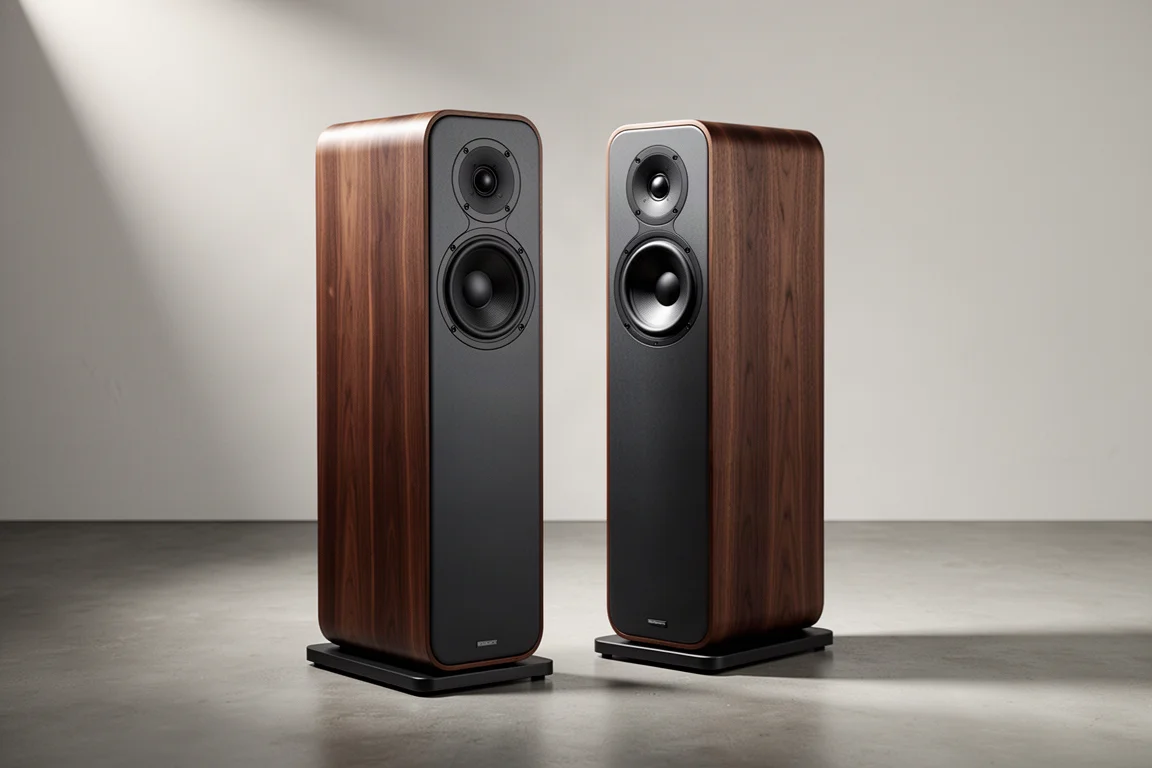
Acoustic Energy AE109 Mark II Review: A Refined Floorstander at £699
The Acoustic Energy AE109 Mark II is a slim, warm sounding floorstander that delivers clarity, midrange body and strong imaging in small to medium rooms.
Floorstanding Speakers
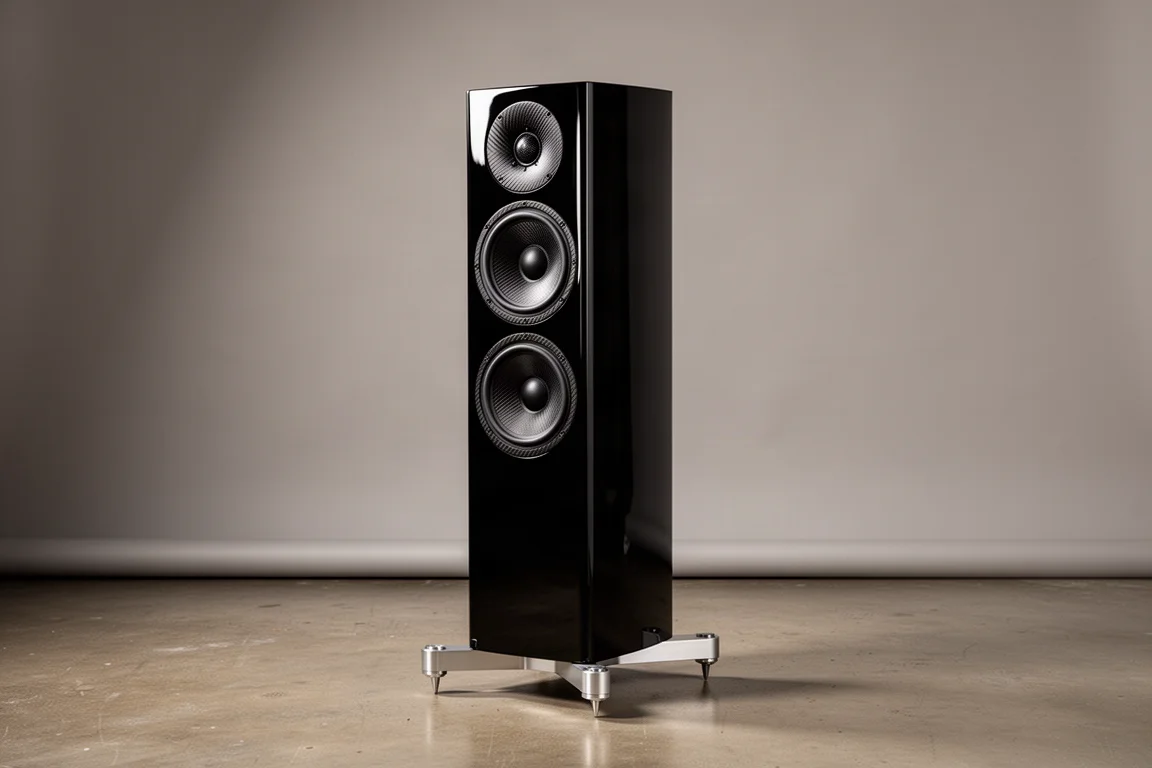
Acoustic Energy AE509 Review: A Slim Floorstander With Deep, Defined Bass
A practical look at the Acoustic Energy AE509, a slim floorstanding speaker with carbon fibre drivers, deep and well-defined bass, and an easy-going character that rewards careful system matching.
Floorstanding Speakers
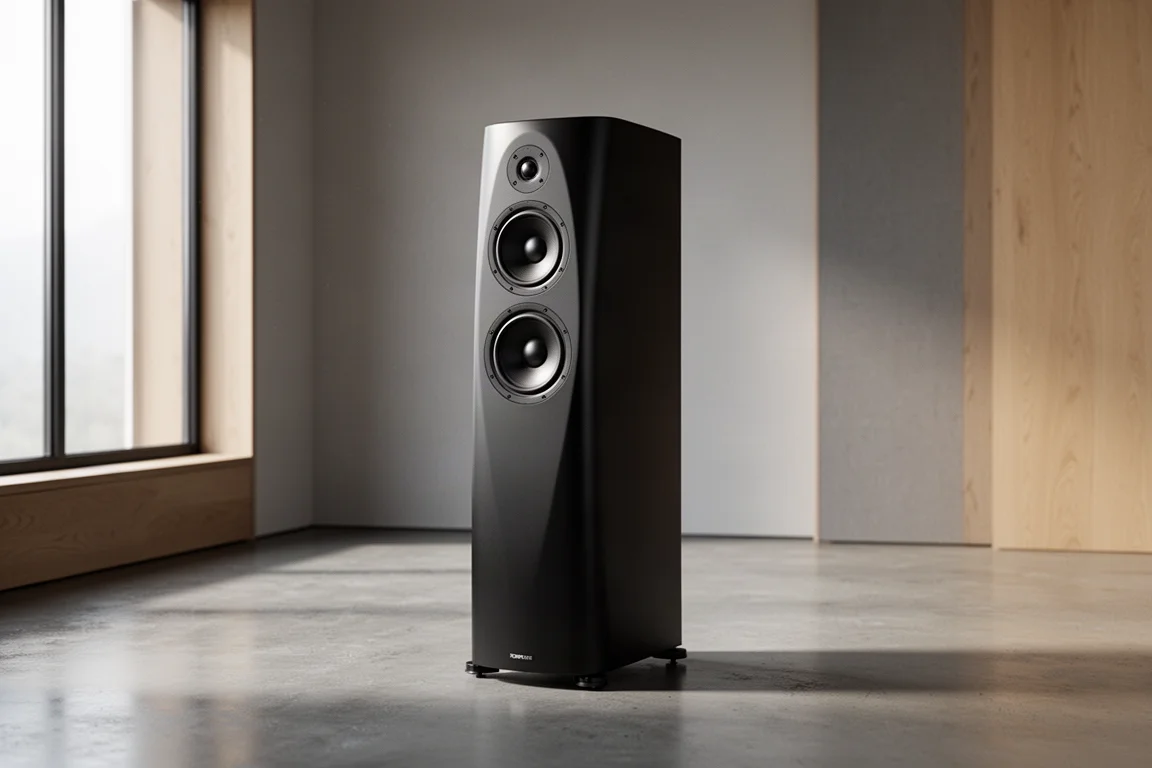
Arendal 1528 Tower 8 Review: Reference Neutrality With Real Demands
A close look at the Arendal 1528 Tower 8, a nearly five-foot, 200-pound floorstander that rewards generous space, serious power, and high listening levels with reference-grade neutrality.