Aquarium Equipment
Return Pump Buying Guide: Mistakes to Avoid and Six Pumps Worth Considering
A practical look at the return pump mistakes that cost reef keepers the most, plus six pumps that solve them in different ways.
Introduction
A return pump has one job: move water from the sump back up to the display so it can pass through filtration, heating and everything else in the life support chain. It is not the most exciting piece of equipment in a reef system, but it is the one that everything else depends on.
That dependence is why return pumps generate so many hard lessons. Most of them come down to a handful of assumptions that seem reasonable at the time and turn out to be expensive. This guide walks through the mistakes worth avoiding and then looks at six pumps that address those problems in genuinely different ways.
Return Pump Mistakes That Cost the Most
Assuming DC is automatically better than AC. DC pumps have driven most of the recent innovation, and there are good reasons to prefer them, but AC still has a place in the hobby. AC pumps are generally much cheaper, built on technology refined over decades, and tolerant of the kind of neglect that shortens the life of more delicate electronics. A well-made AC pump can easily outlast your interest in the hobby, so the choice is not as one-sided as the marketing suggests.
Overlooking how much quieter DC pumps are. Most AC pumps hum, and the hum gets worse when the pump sits against glass or rigid plumbing. Damping mats and silicone wraps only go so far. DC pumps vary in how quiet they are, but most are quiet enough that you cannot hear them over a skimmer, and owners running several across returns, reactors and sterilizers often report hearing none of them.
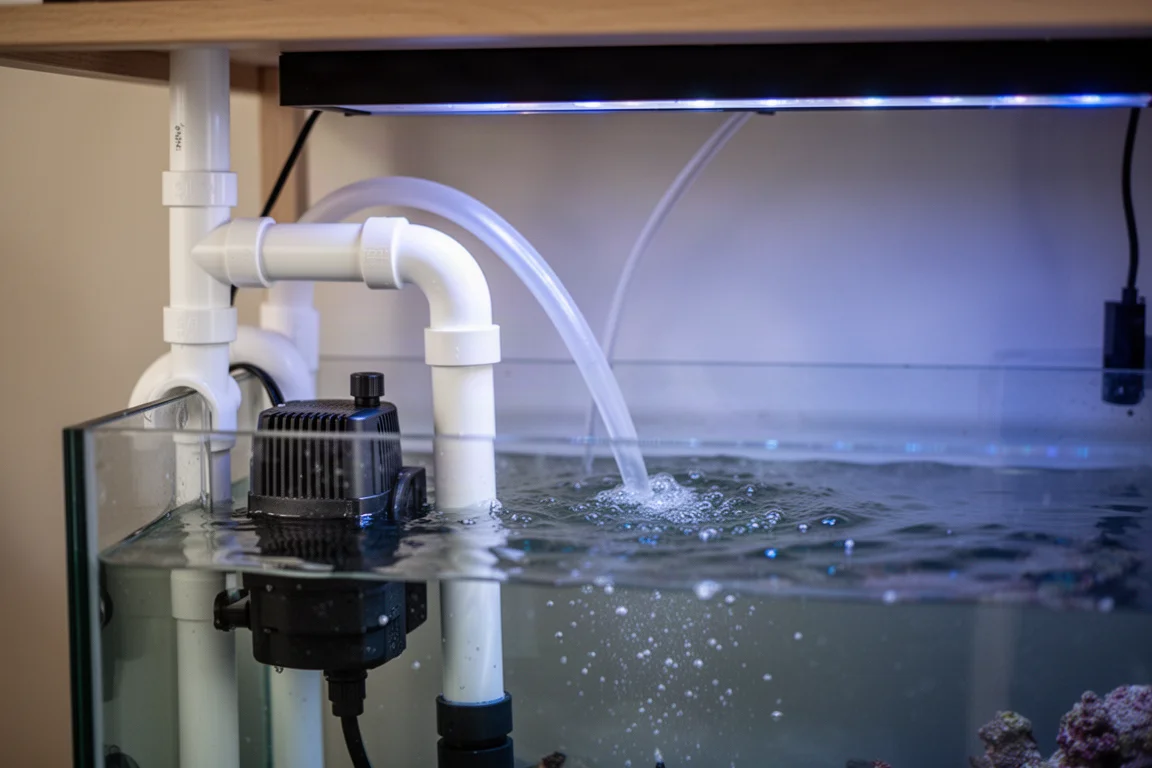
Treating the return pump as part of your display flow. A return pump circulates water through filtration. It is not there to create in-tank flow, and trying to make it do both means pushing a huge volume through the sump for no real benefit. Dedicated in-tank flow is cheaper, easier to tune and far more effective.
Chasing 10 times turnover. Ten times tank volume per hour through the sump is more than most systems need. Large, mature reef systems run happily at two to four times turnover. Lowering the target means buying a smaller pump, which saves on the pump itself, on electricity and on cabinet space.
Trusting the flow figure on the box. The advertised number is what the pump delivers with no plumbing attached. Once you add vertical lift, elbows and pipework, real output can be dramatically lower. A sensible rule of thumb is to assume the pump delivers roughly half its rated figure.
Ignoring head pressure. Almost every sump sits several feet below the display. Add the height difference plus a few extra feet to cover plumbing and bends, then check the manufacturer’s head pressure chart. That gets you close to the real flow rate without working through detailed friction calculations.
Smart Features, Protection and Redundancy
Plugging a pump in and hoping for the best is not a maintenance plan. The features below are what separate a pump that quietly fails from one that tells you something is wrong.
Fault reporting. Pumps with built-in monitoring can tell you when they run dry, clog or lose power, and some can do it without any separate controller. Others work through a controller and go further, distinguishing between overcurrent and undercurrent conditions and flagging when a pump needs cleaning. A pump that is gradually slowing down is usually showing the first sign of calcium buildup, and catching that early is far cheaper than replacing the pump.
Fine speed control. Some pumps give you a handful of preset speeds on their own controller. A 0 to 10 volt input replaces those presets with smooth, continuous adjustment, which is useful when you want the return dialled in precisely.
Run-dry protection. Running without water is one of the most common ways a pump is destroyed. If the return chamber drops far enough, the pump spins dry, overheats and can release contaminants into the tank. Pumps that detect the condition and shut down, or that use a float switch to cut power, protect themselves when a top-off reservoir empties.
Feed modes. A feed mode that simply cuts power leaves you wondering whether the pump restarted. Pumps that keep spinning slowly during feeding keep the return lines charged, so food does not disappear down the overflow and you are not left guessing.
Power monitoring. If your controller tracks wattage, it can alert you the moment a pump stops drawing power or starts drawing too much. A pump rated for 60 watts suddenly pulling 10 is a clear signal that the heart of the system has failed, and knowing immediately is worth a lot when you are away from home.
Leak detection. External pumps have seals and connections that can weep over time. An inexpensive leak alarm or a controller-based leak sensor can warn you before water reaches anything expensive, and some setups can shut equipment down automatically in response.
Redundancy. If your system can run two smaller pumps instead of one large one, the cost is often similar. A single failure then drops you from three turnovers an hour to one and a half rather than to zero, and the whole emergency loses its urgency.
Maintenance access. Clean the pump before it clogs, and fit unions or quick connectors so it can be lifted out without dismantling plumbing. Use removable straps rather than zip ties on the cord so it can be freed when the pump has to come out.
Strainers. A wandering snail or a piece of debris can jam an impeller or break fins. A strainer sized large enough not to choke the pump is cheap protection for the whole system.
Noise isolation. A short section of silicone tubing on the pump outlet softens vibration and stops it travelling into rigid pipework and the sump.
External mounting. External pumps suit mixing stations, long runs and high head situations, and they keep some of their heat out of the water. They also open up a wider range of pump options when water has to travel a long way.
Battery backup. Outages are not the only risk. A tripped breaker or a loose plug has the same effect, and a DC pump paired with battery backup can keep some water moving. Adjustable runtimes let you decide how to spend the available energy, and intermittent operation stretches it considerably further than continuous running would.
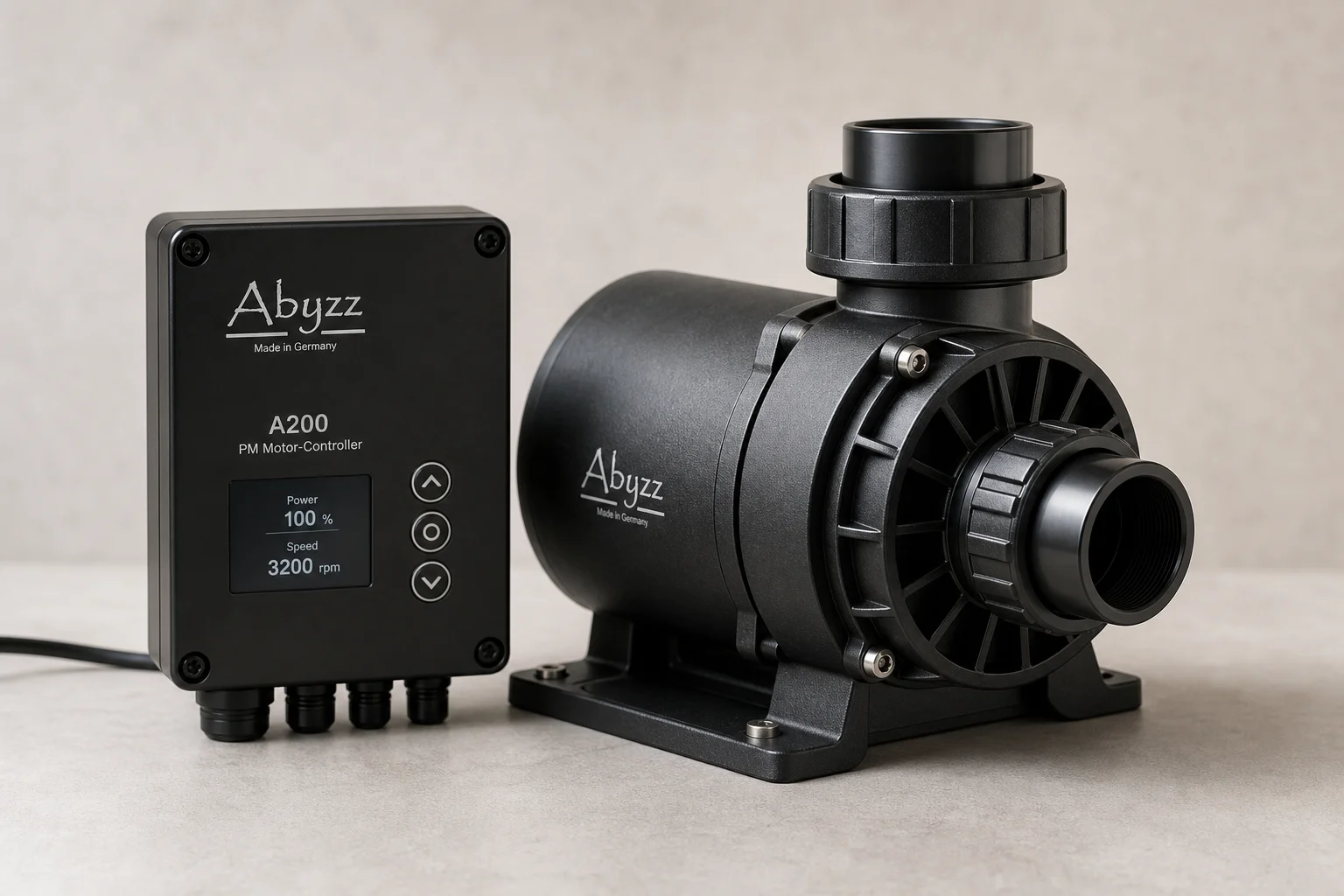
Abyzz Return Pump
Abyzz sits at the top end of the return pump market, and it is the pump most often reached for when silence is the priority. In a system running several of them alongside other high-end equipment, the noise floor tends to be set by something else entirely, such as a skimmer, rather than by the pumps.
The premium positioning is the trade-off, and it is a real one. For a display in a living space, though, that difference in noise is often the single most noticeable upgrade in the whole build.
Red Dragon Return Pump
Red Dragon belongs in the same conversation as Abyzz. These are high-end DC pumps built to run effectively silently, and they disappear into the background of a well-planned system in the same way. Builders running multiple units across returns, reactors and closed loops consistently report that they cannot tell the pumps are switched on.
If the goal is the quietest possible filtration loop and budget is not the limiting factor, this is the category to shop in.
It is worth remembering that even a high-end pump delivers noticeably less than its rated figure once it is lifting water from a sump, so allow for head pressure when you size it.
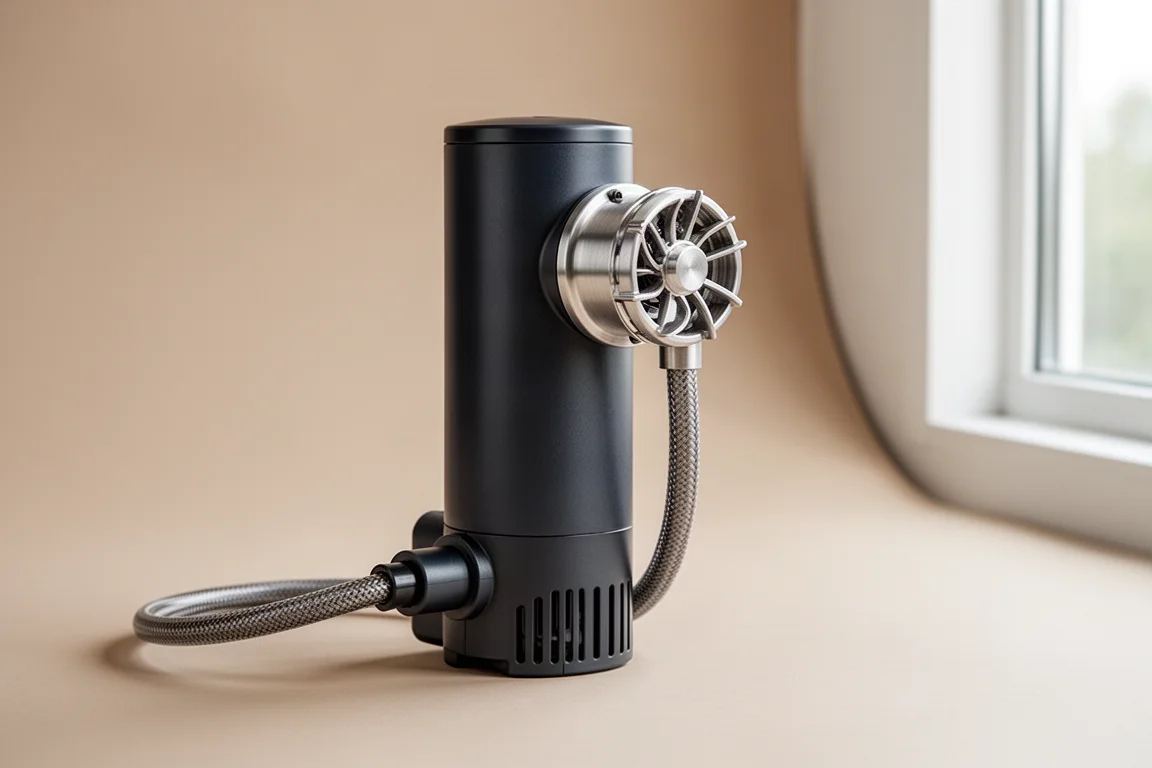
Neptune COR Return Pump
The COR is built around controller integration. Paired with a compatible controller, it reports far more than a simple failure, distinguishing between conditions such as overcurrent and undercurrent and flagging when the pump is clogged or has run dry. Feed modes keep the return lines charged rather than draining the display and sending food straight to the sump.
The real value is diagnostic. Knowing why a pump stopped is more useful than knowing only that it did, and a pump drawing less power than usual can give you warning before it fails completely. It makes the most sense for aquarists who already run a matching controller.
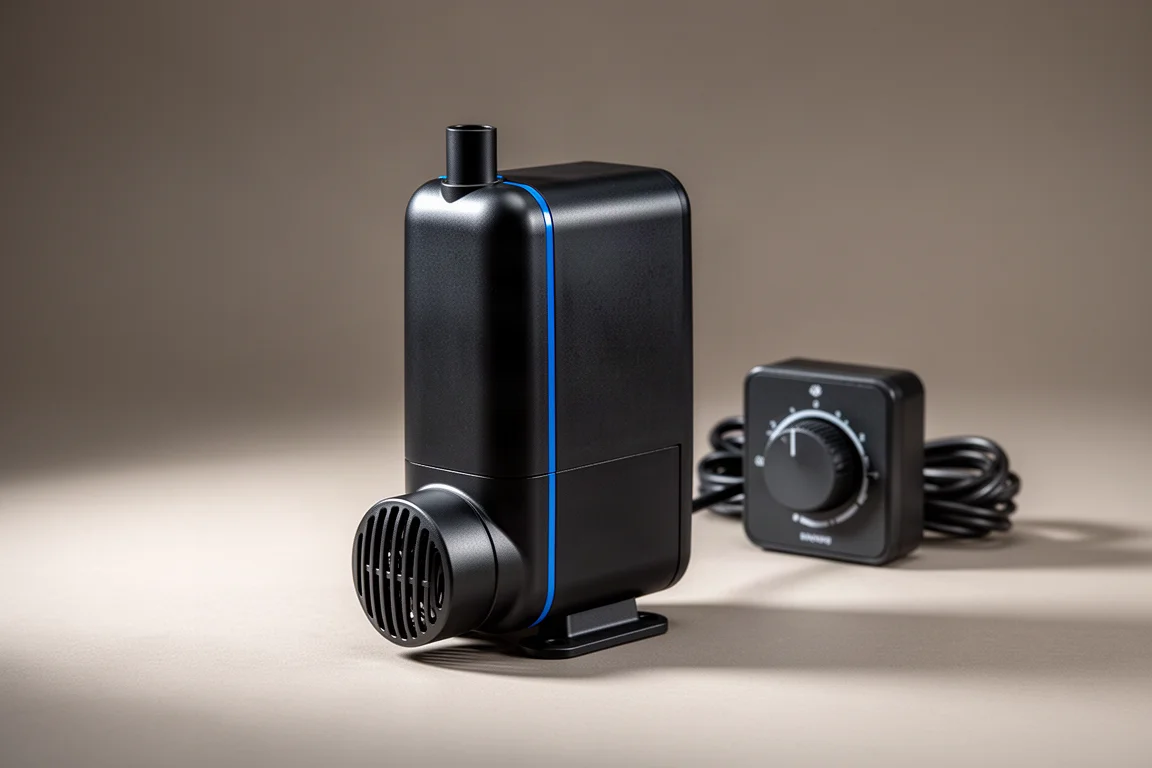
Reef Octopus VarioS Return Pump
The VarioS pairs a DC pump with 0 to 10 volt control, replacing a limited set of preset speeds with genuinely fine adjustment. It also includes a float switch that cuts the pump off if the water level in the sump drops, one of the simplest and most effective forms of run-dry protection you can get.
Union fittings make it easier to lift out for cleaning when maintenance is due. For anyone who values precise control and automatic shutdown over app-based alerts, this is a well-rounded option.
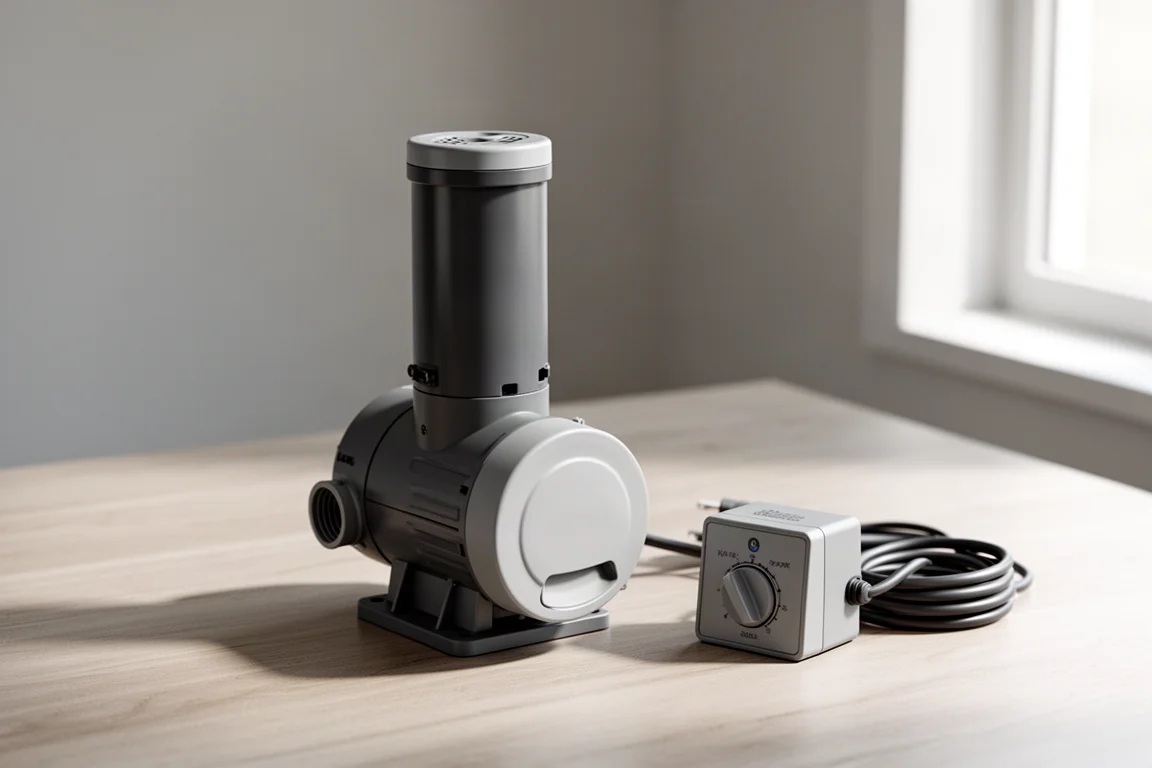
EcoTech Vectra Return Pump
The Vectra is a DC return pump with a practical answer to power problems. The matching battery backup includes a booster cable, and adjustable on and off runtimes let you stretch the battery as far as possible by running the pump in short bursts rather than continuously.
Because DC pumps draw less power and can run intermittently, the battery delivers a realistic amount of circulation rather than minutes of runtime. Feed modes are on board as well, keeping the return lines charged while you feed the tank.
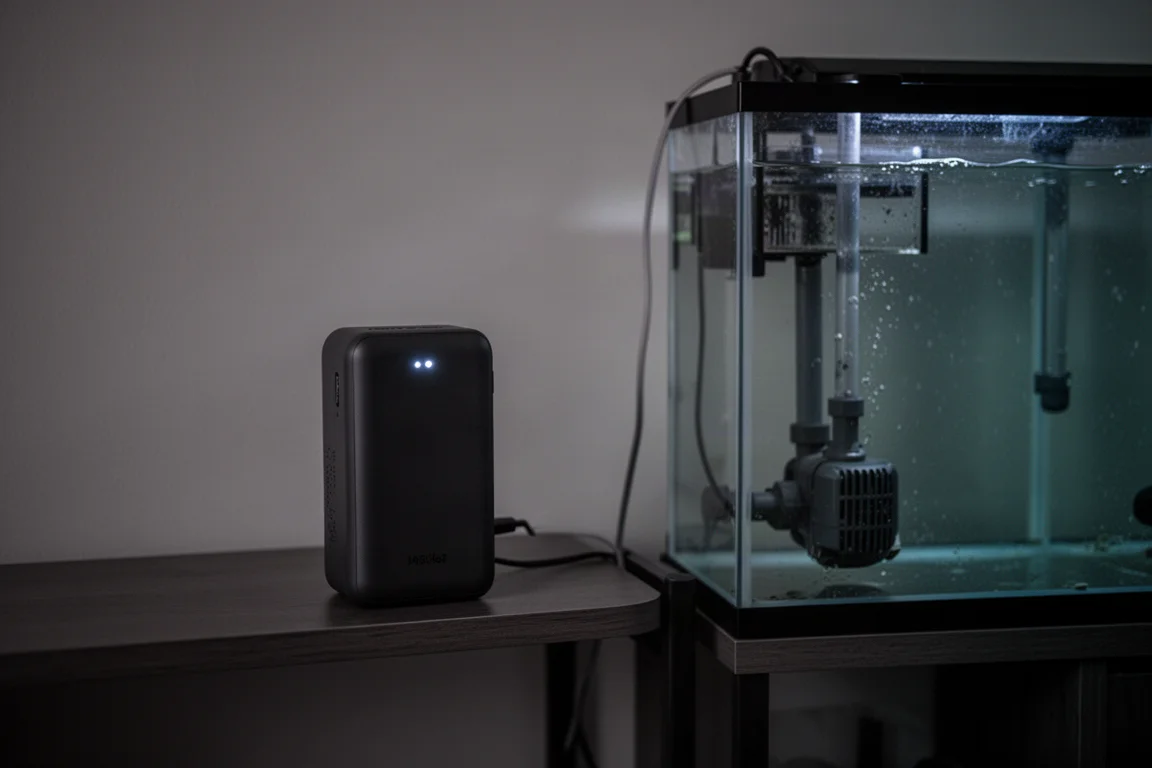
That combination matters more than it might seem. A tripped breaker or a loose plug looks exactly like a full outage from the tank’s point of view, and the return chamber stops moving water either way.
Sicce SDC Return Pump
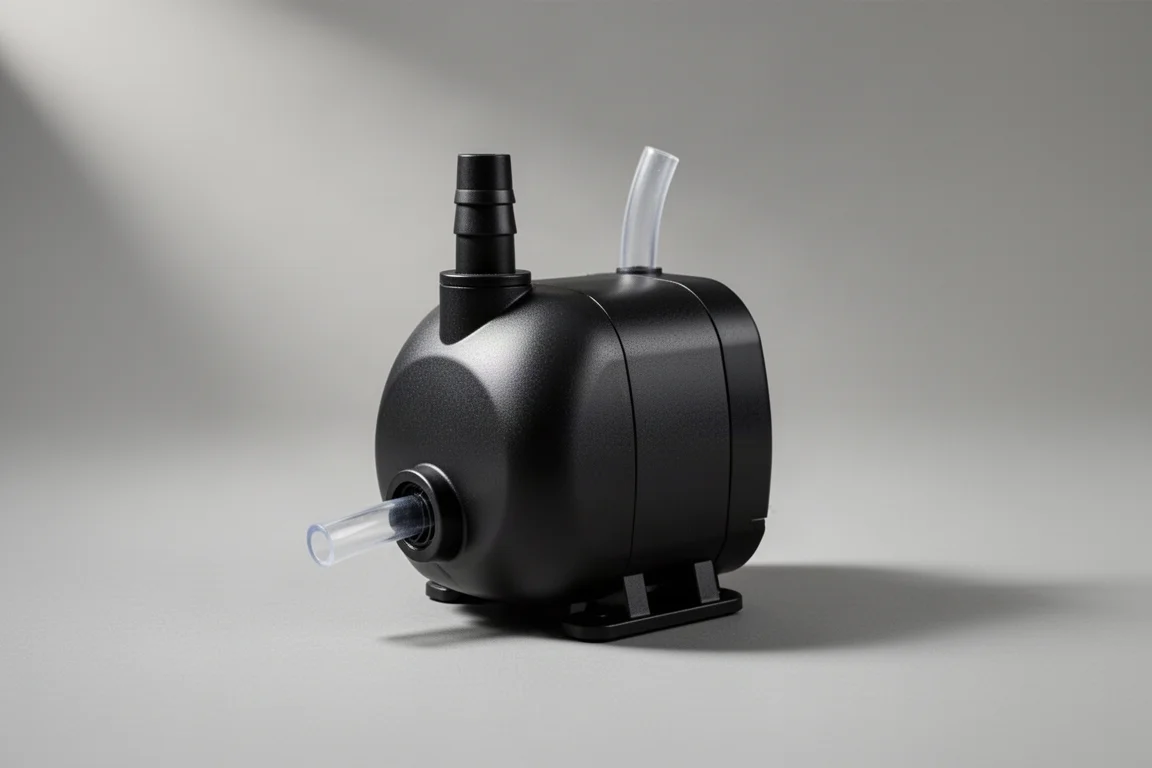
The Sicce SDC connects over Wi-Fi and reports straight to your phone without a separate controller. It can tell you its temperature, confirm whether it is powered on, and alert you when something has gone wrong, including a run-dry condition or a clog. It also reports when it has been disconnected, which effectively doubles as a power outage notification.
That combination makes it a strong fit for anyone who wants monitoring without building a controller-based system around it.
Matching a Pump to Your System
Start with the job the pump actually has to do. Decide on your turnover target first, then add up the vertical lift plus a few extra feet for plumbing, and check the manufacturer’s head pressure chart. Size conservatively and accept that the real flow rate will be lower than the number on the box.
From there, decide which features are worth paying for. Quiet operation matters most in living spaces, while fault reporting and controller integration matter most on large systems or for anyone who travels. Run-dry protection and feed modes are close to universal recommendations. Whatever you buy, fit a strainer, add unions, isolate vibration and keep the pump clean.
Warranty is another useful signal. Coverage across the market ranges from around six months to several years, and a manufacturer who expects a pump to last is usually willing to stand behind it. If your system can support two pumps, redundancy remains one of the cheapest forms of insurance in the hobby.
Conclusion
Most return pump failures trace back to assumptions rather than bad luck: that DC is always better, that the box figure is the real flow rate, that 10 times turnover is necessary, or that a pump will simply keep running without attention. Correcting those assumptions usually saves money and produces a quieter, more reliable system.
On the hardware side, the six pumps above take different routes to the same goal. Abyzz and Red Dragon prioritise silence at the top of the market. Neptune COR delivers detailed diagnostics through a controller. Reef Octopus VarioS offers fine 0 to 10 volt control with float-switch run-dry shutdown. EcoTech Vectra makes battery backup genuinely practical. Sicce SDC brings Wi-Fi monitoring without extra hardware. Match the feature that matters most in your setup, size it properly, and the pump becomes one less thing to worry about.
Further reading
Related Reviews
Aquarium Equipment
Abyzz Professional DC Pumps: A100, A200, and A400 Reviewed
A closer look at three German-made DC return pumps built for large reef systems, with titanium internals, fine flow control, and a 10-year warranty.
Aquarium Equipment
AdaptiveReef Controller Accessories: Three Tactile Upgrades for Your Reef Controller
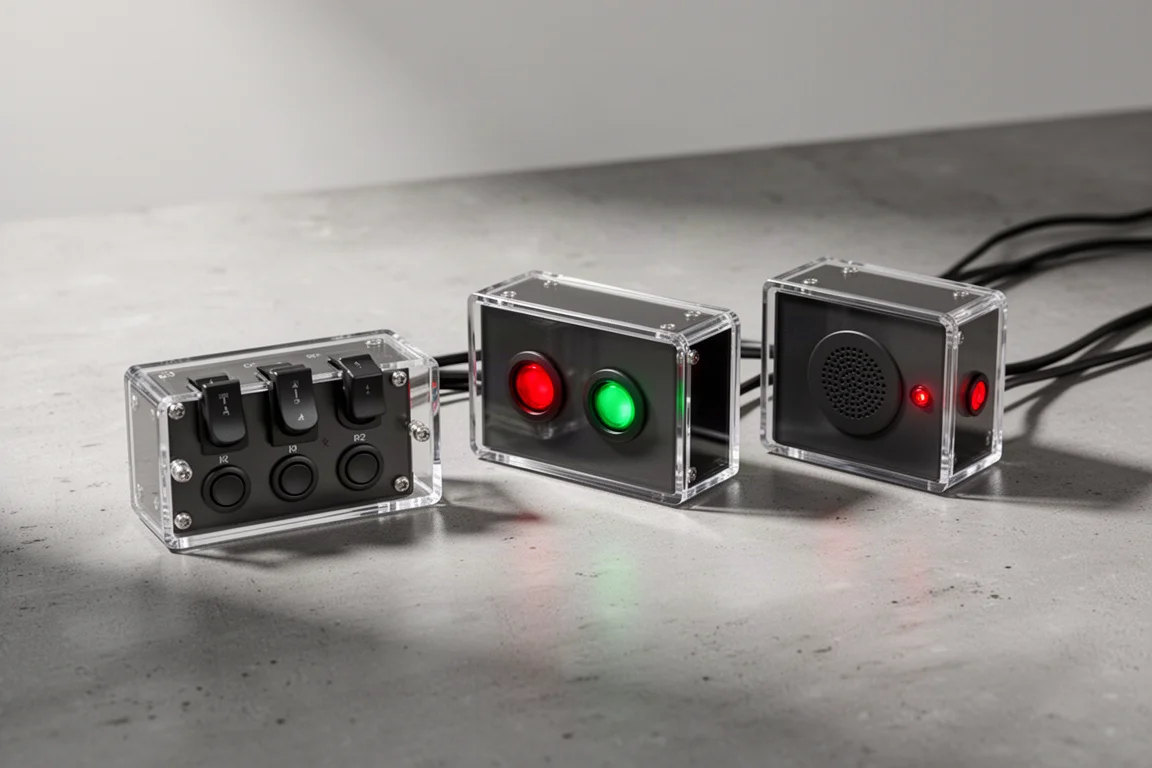
A practical look at three AdaptiveReef add-ons that put physical switches, at-a-glance status lights, and a loud alarm within arm's reach of your reef tank.

Aquarium Equipment
Adaptive Reef Controller Boards: Basic vs Deluxe for Cleaner Aquarium Gear
A practical look at the Adaptive Reef Basic and Deluxe controller boards, what each one includes, and how to choose the right size for your tank gear.