Aquarium Equipment
Return Pump Buyer's Guide: Matching the Right Pump to Your Reef Tank
A practical reef aquarium return pump guide covering Sicce, EcoTech Marine Vectra, Reef Octopus VarioS, Neptune Systems COR, Royal Exclusiv Red Dragon, Abyzz, Lifegard Quiet One Pro, Eheim CompactON and Reeflo Dart.
Introduction
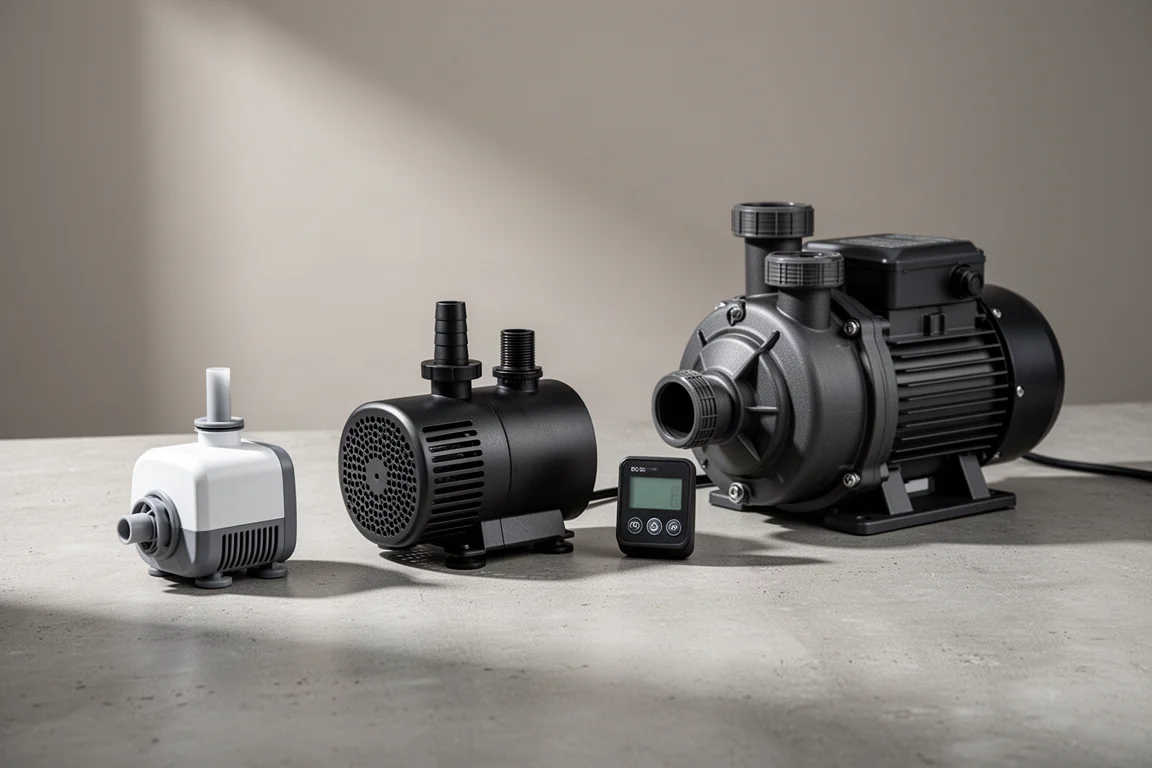
Choosing a return pump is less about finding a single best model and more about matching the right tool to a specific job. A pump that makes perfect sense in one system can be the wrong answer in another, and the priorities that matter most shift depending on how the tank is built and where it lives in the home.
The pumps worth knowing here span several very different approaches: the Sicce Syncra Silent and Sicce DC options, the EcoTech Marine Vectra, the Reef Octopus VarioS, the Neptune Systems COR, the high-end Royal Exclusiv Red Dragon and Abyzz, plus the budget-minded Lifegard Quiet One Pro and the compact Eheim CompactON. External, pressure-rated designs such as the Reeflo Dart round out the picture.
What follows is a priority-by-priority walkthrough. Decide which of these priorities sounds like you, and the shortlist narrows quickly.
Start With Sicce: The Most-Chosen Return Pump Brand
Sicce is the clear bestseller of the group, chosen roughly four times more often than the next option. That popularity is easier to understand once you know the company behind it: Sicce is an Italian pump manufacturer rather than an aquarium company that added pumps to its catalog. Building pumps is the core business.
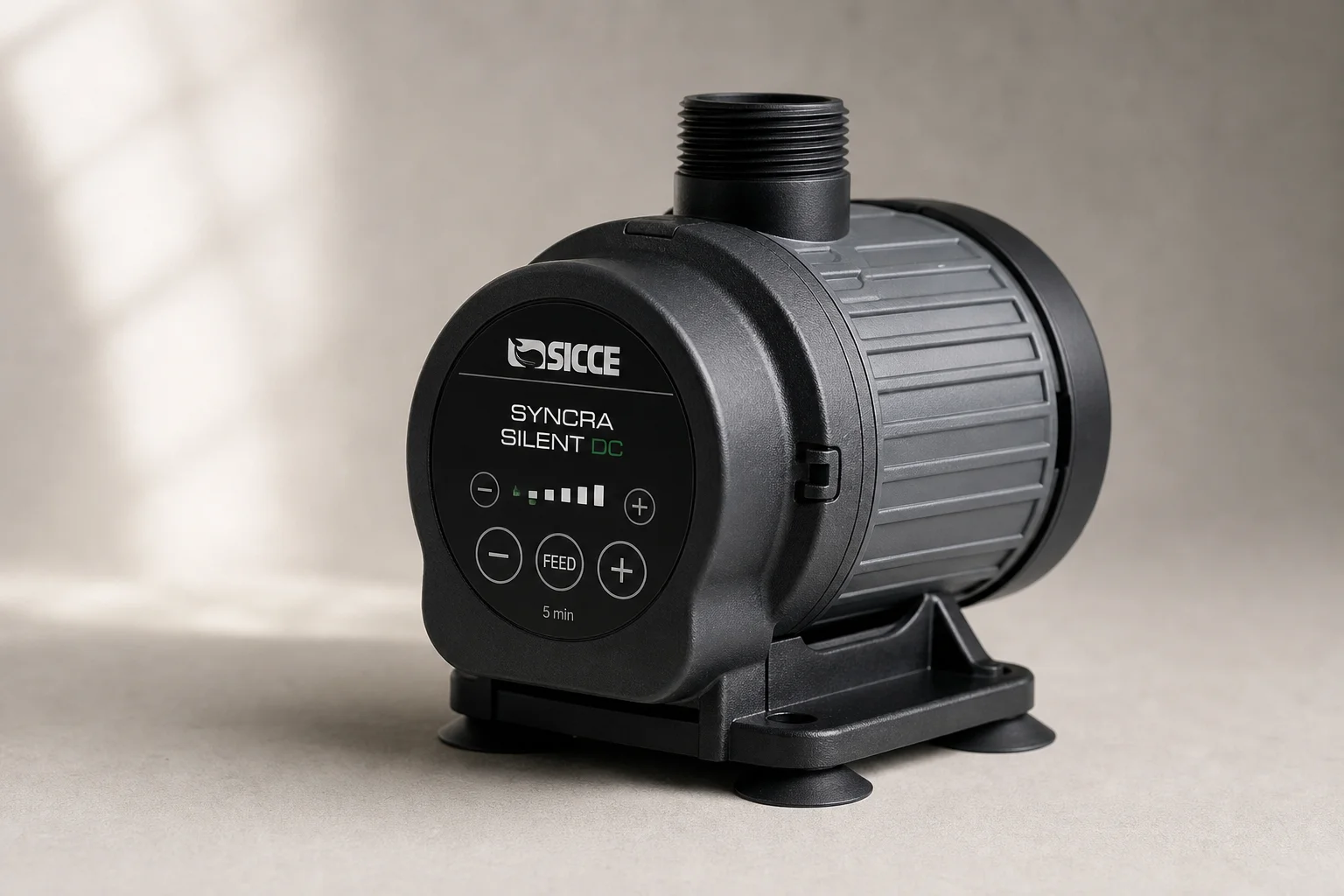
The Syncra Silent line covers the conventional AC side of the range, while the Sicce DC option sits in the quieter, adjustable camp. For a great many tanks, either path is a sensible starting point.
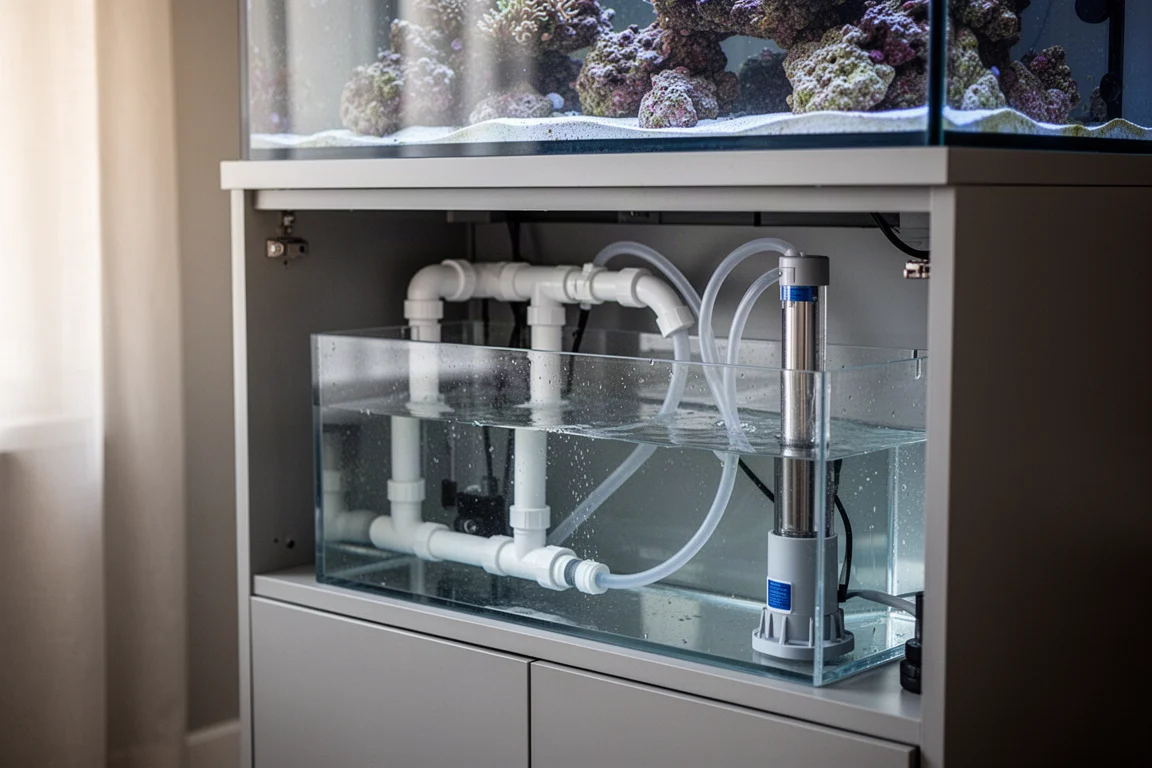
For most standard installations, the Syncra Silent is the straightforward pick: it moves water, it is widely supported, and the brand’s track record is the reason it dominates the category.
One detail worth acting on is registration. Sicce pumps typically carry a three-year warranty out of the box, and in many cases registering the pump extends that to five years. That is a manufacturer stating plainly how long it expects the pump to last.
Quiet Operation: Almost Any DC Pump Will Do
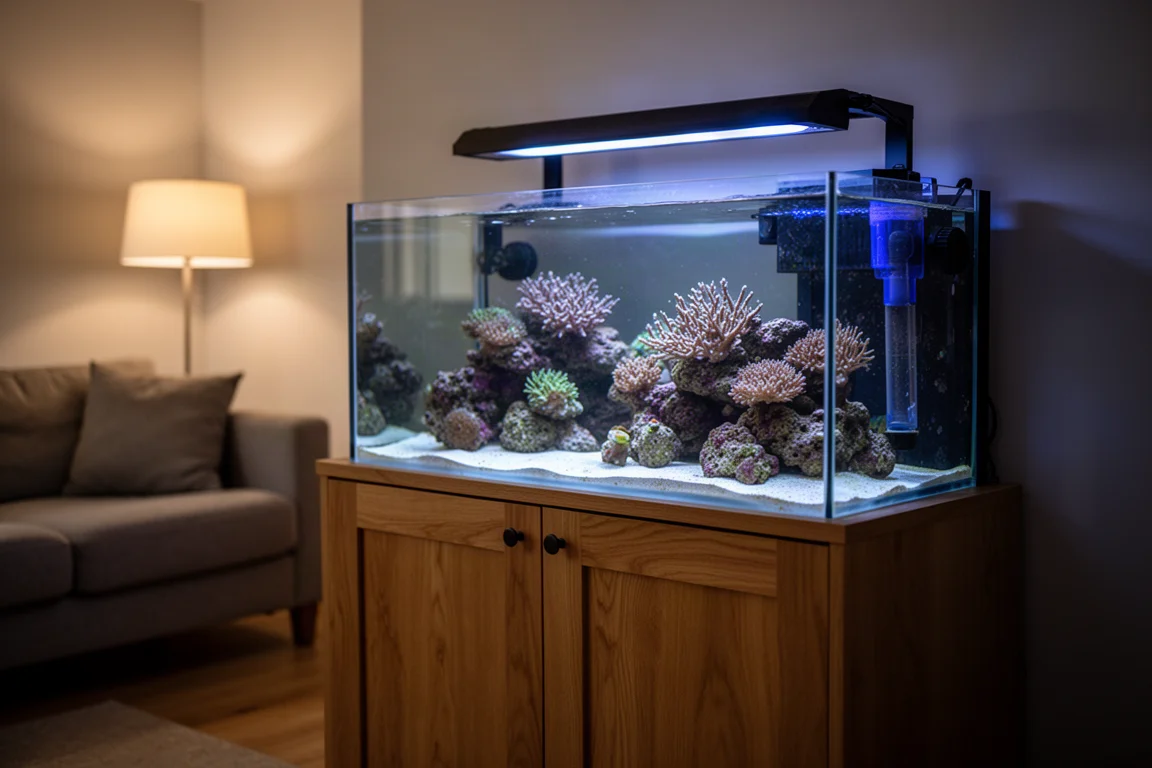
If the tank sits in a living space, a theater, a bedroom, a kitchen or a living room, noise becomes the deciding factor. Almost nobody wants to hear pump hum or electrical noise from a display.
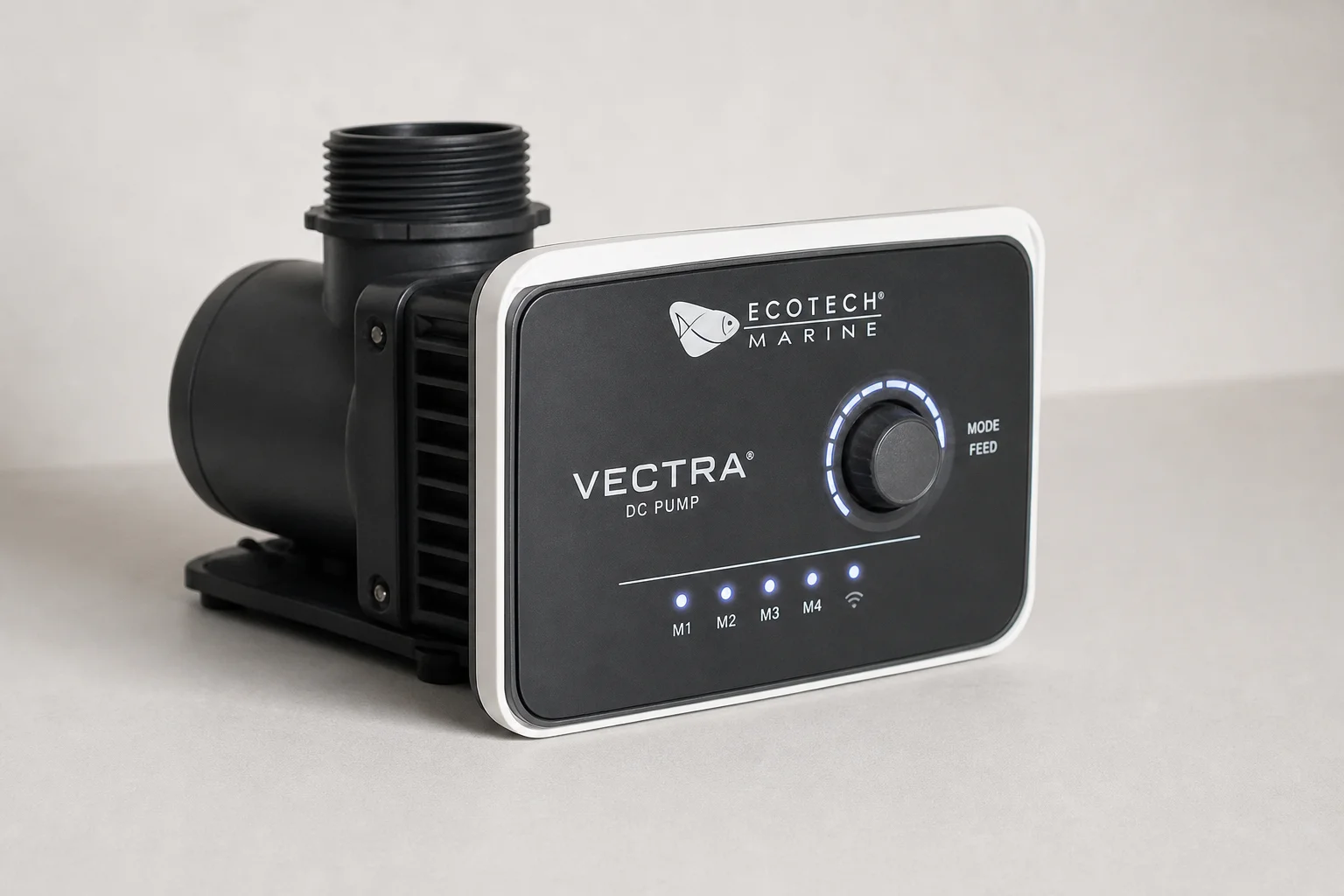
The good news is that quiet is largely solved at the DC end of the market. Tight machining tolerances mean far less rattling and humming than older AC designs, and DC pumps commonly include rubber feet and other measures that address the problem out of the box. The EcoTech Marine Vectra, the Neptune Systems COR, the Reef Octopus VarioS and the Sicce DC option all fall into this group. With the cabinet closed, they are effectively inaudible, and even at full speed with an ear pressed against them they are difficult to detect.
There is a further tier for aquarists who need silence measured rather than described. The high-end DC pumps, specifically the Royal Exclusiv Red Dragon and the Abyzz, are quiet enough that even at maximum output and with an ear directly against the housing, they cannot be heard running. That level of refinement is what the premium price buys.
Reliability: Why Two Pumps Beat One
Reliability deserves to be the first consideration rather than the third, because the real risk is not the cost of replacing a failed pump. It is a pump that stops without anyone noticing, cutting the link between display and sump and putting everything in the tank at risk.
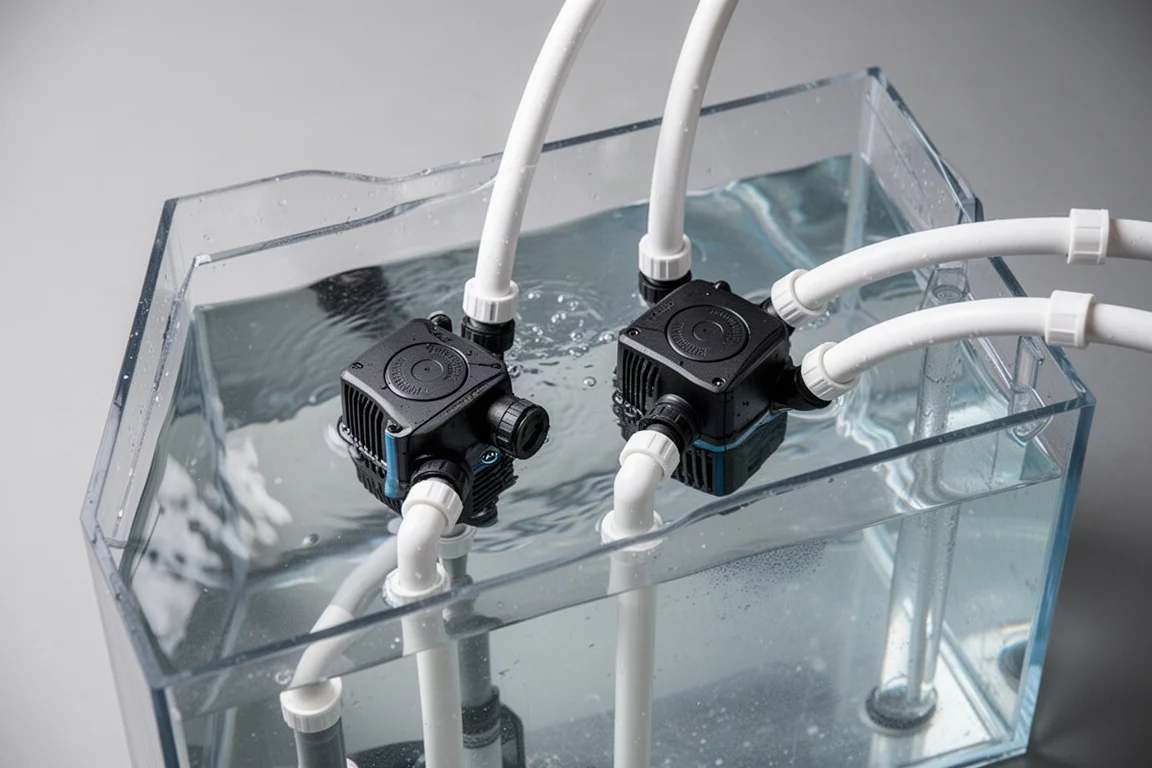
The most reliable arrangement is not a brand at all. It is two pumps instead of one. Running a pair of smaller return pumps, often each feeding its own return line, means that when one inevitably fails on a long enough timeline, the other keeps water moving and the tank limps along instead of crashing. This approach also neutralizes the common failure causes: a snail or a chunk of algae lodging in the impeller, a power supply giving out, a plug pulled loose, or calcium deposits building up.
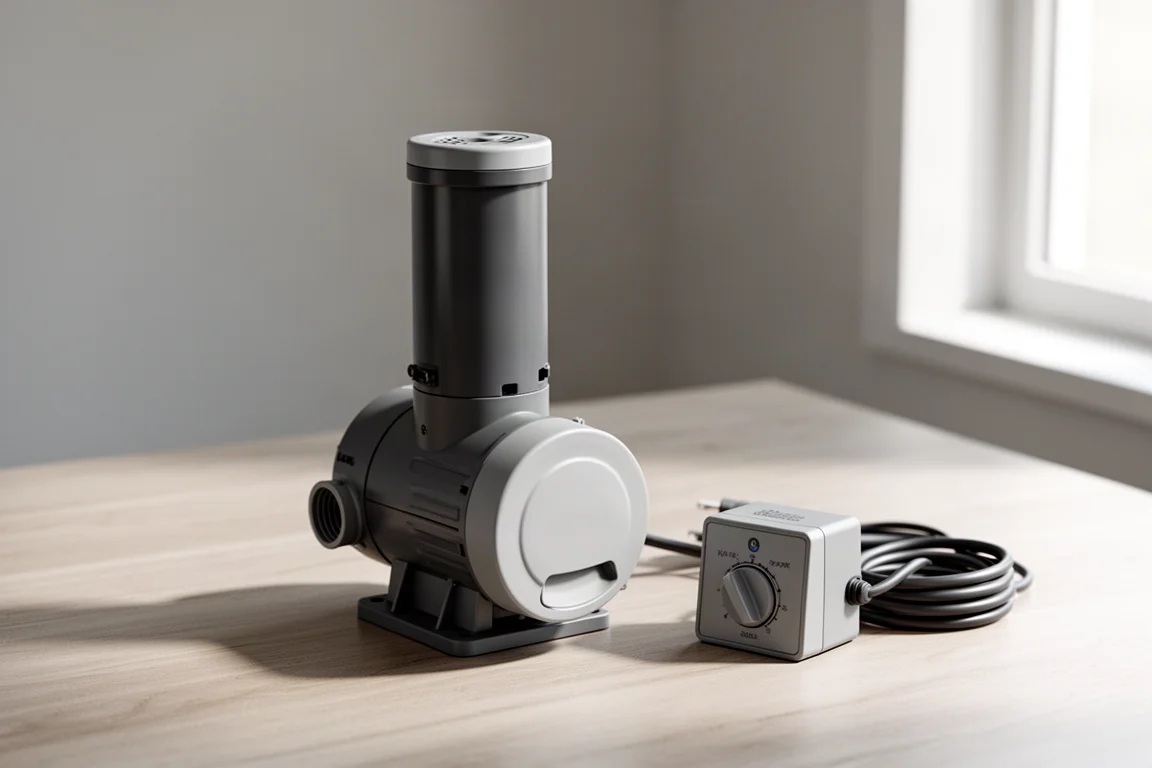
Beyond redundancy, the next reliability dividing line is AC versus DC. Long-serving AC pumps are known for running for years and years, and in some cases they simply do not seem to die. A well-maintained Sicce AC pump has a real chance of outlasting the tank it serves, and if it does stop, a cleaning will often bring it back. The AC motor’s looser tolerances let it operate across a wider range without the same level of attention. The trade-off is noise: AC pumps do produce electrical hum, and some are quieter than others. If reliability is the only goal, AC is the path.
Warranty is the third layer of the reliability conversation, and its value is not about expecting to use it. A long warranty signals that the manufacturer trusts the product. A six-month or twelve-month term suggests the maker is unwilling to bet on it any longer than that. Sicce offers three years out of the box and five with registration, while the Abyzz carries a ten-year warranty: a decade the manufacturer expects the pump to last. A single premium pump may end up costing less than a series of failed cheaper ones, though that is difficult to predict. Judge the warranty by the confidence behind it, not by the paperwork.
High Head Pressure: Pumping Up Floors and Through Ceilings
Some systems need water to travel a long way. A fish room in the basement feeding a display on the floor above means the pump has to push water through the floor and up to the tank.
The distance is longer than it first appears. A vertical lift of around sixteen feet sounds manageable, but elbows, bends and twists in the plumbing add significant resistance, so a fourteen-foot climb can behave more like twenty or twenty-two feet of head pressure. That dramatically shortens the list of pumps that can handle the job.
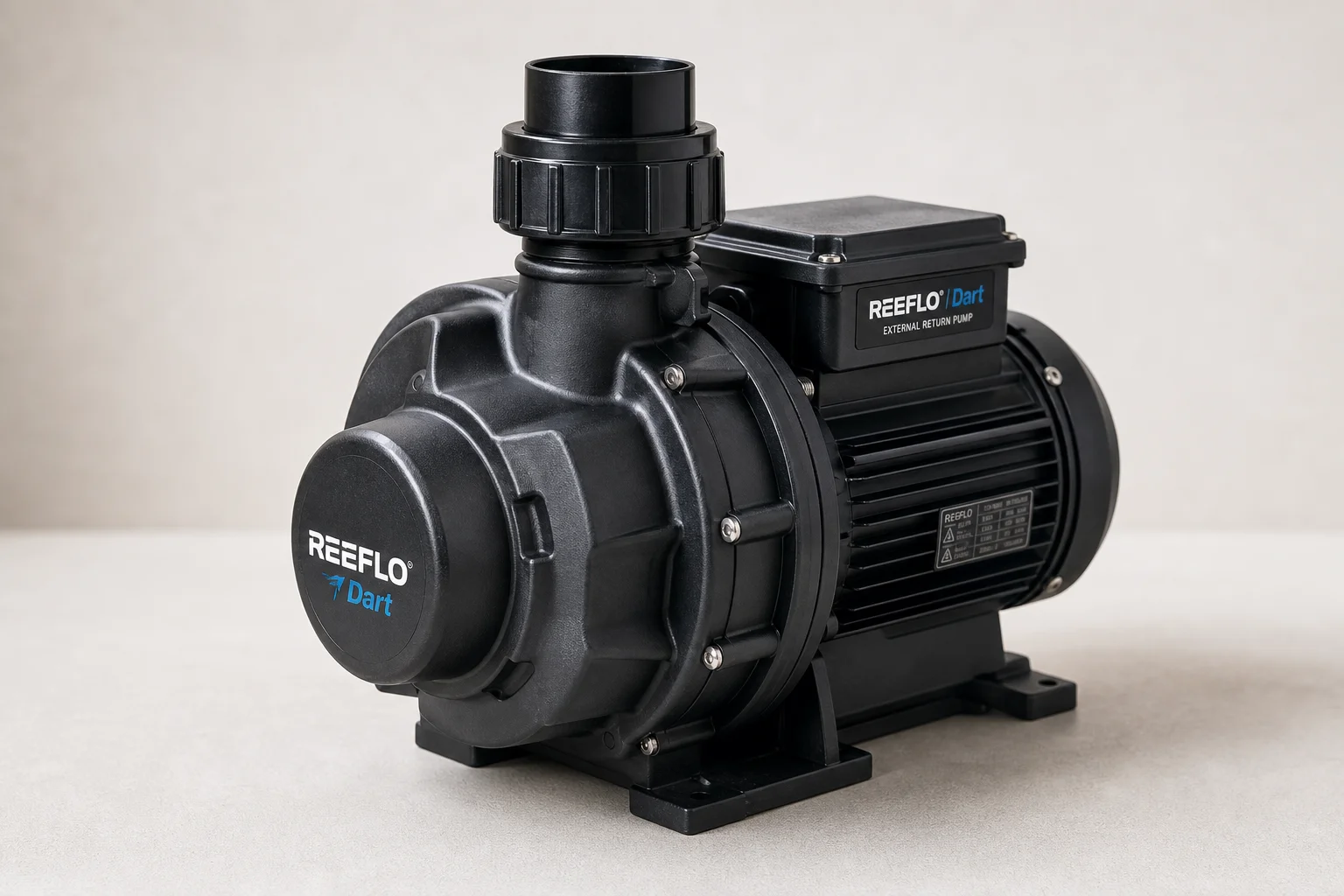
External, pressure-rated pumps are the usual answer, and the Reeflo line is the classic choice here. Most conventional pumps are built to sit under the tank or on the far side of a wall, and most DC pumps do not handle twenty feet of head pressure well. The Abyzz is the notable exception on the DC side. Pressure-rated external pumps from other manufacturers exist as well, but the external category remains the first option for long vertical runs.
There is a maintenance note with external pumps: seals can wear over time and start a small leak. Replacing the seal periodically is a simple habit that keeps that from becoming a problem.
Precise Flow Control: The Case for Adjustable DC
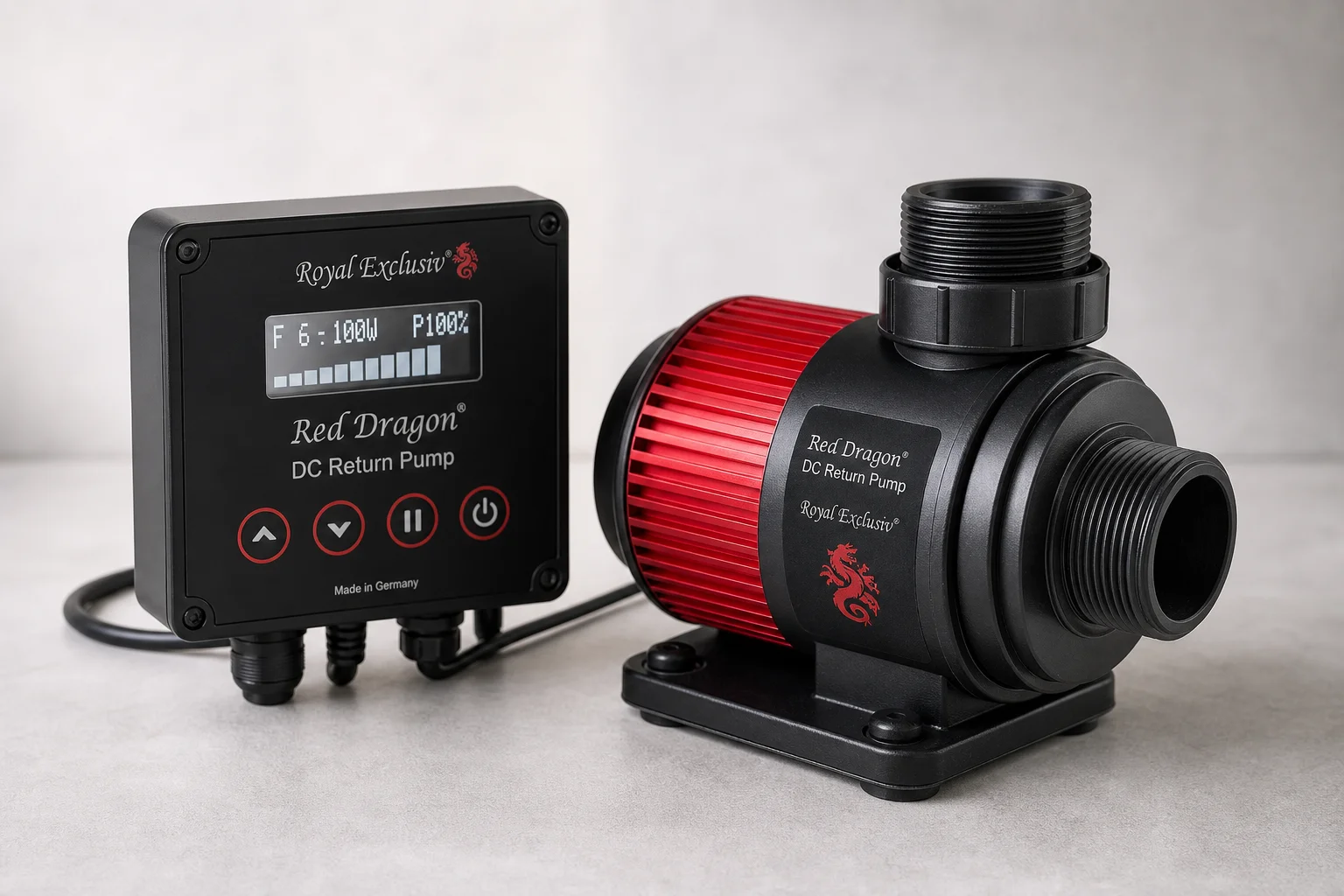
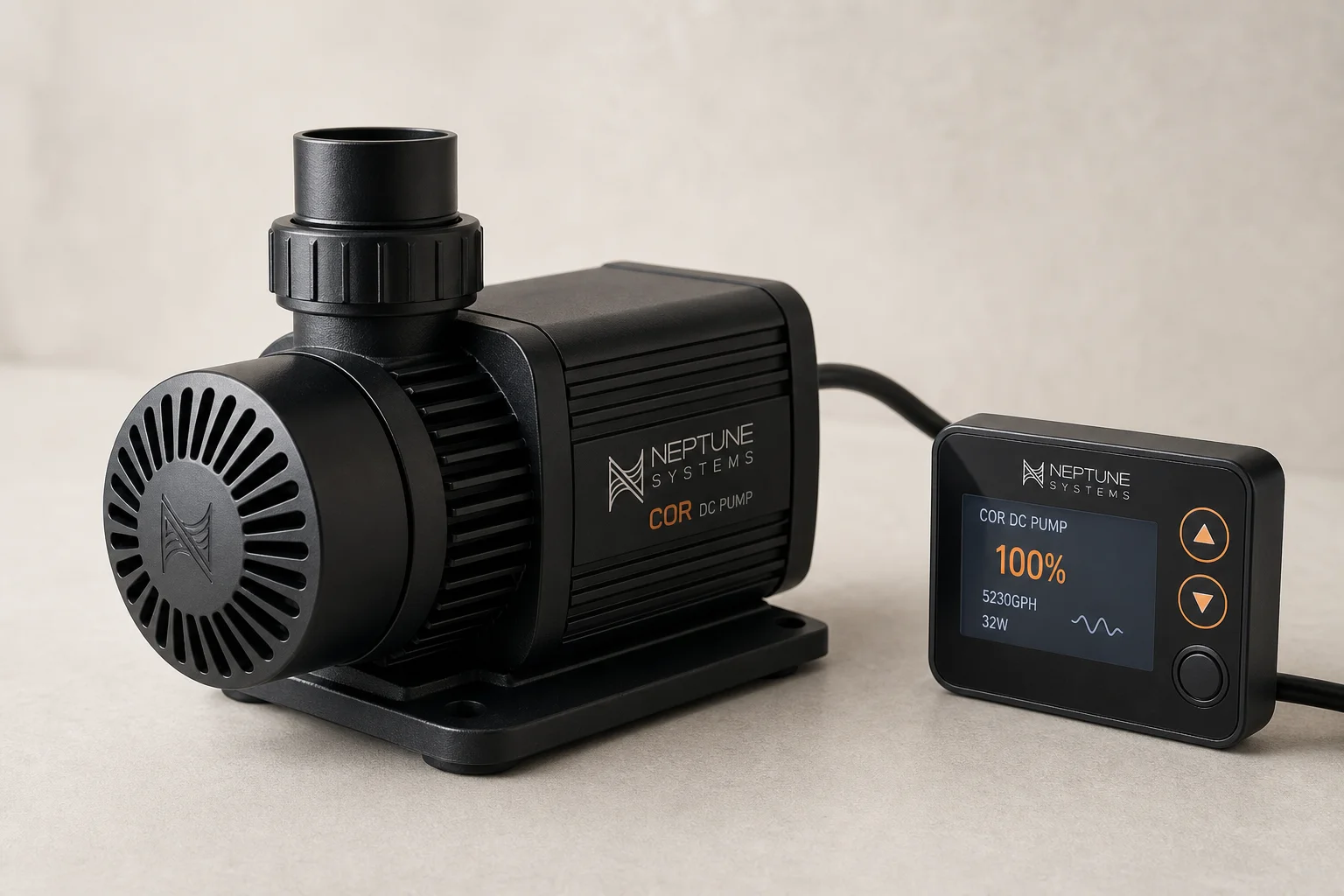
When hitting an exact flow rate matters, an adjustable pump is the best tool for the job, and that means DC. Flow rate steps are set by pressing a button rather than by tweaking a plumbing valve that may cake over time and change the flow. The Neptune Systems COR offers roughly fifteen to sixteen steps, while some other DC pumps offer four or five.
Two situations make this valuable. The first is UV sterilization, where the manufacturer’s recommended flow rate, for example 364 gallons per hour, should be approached closely rather than exactly. DC makes that easy to dial in. The second applies to nearly every reef tank with a Bean Animal or Herbie-style overflow, where the constant job of adjusting a valve to stop it sucking air becomes unnecessary. Raising or lowering the pump one step compensates for the change, without the noise. The more steps available, the easier it is to tune to the overflow, which is a detail that only becomes obvious once you are living with it.
High-End DC: Red Dragon or Abyzz
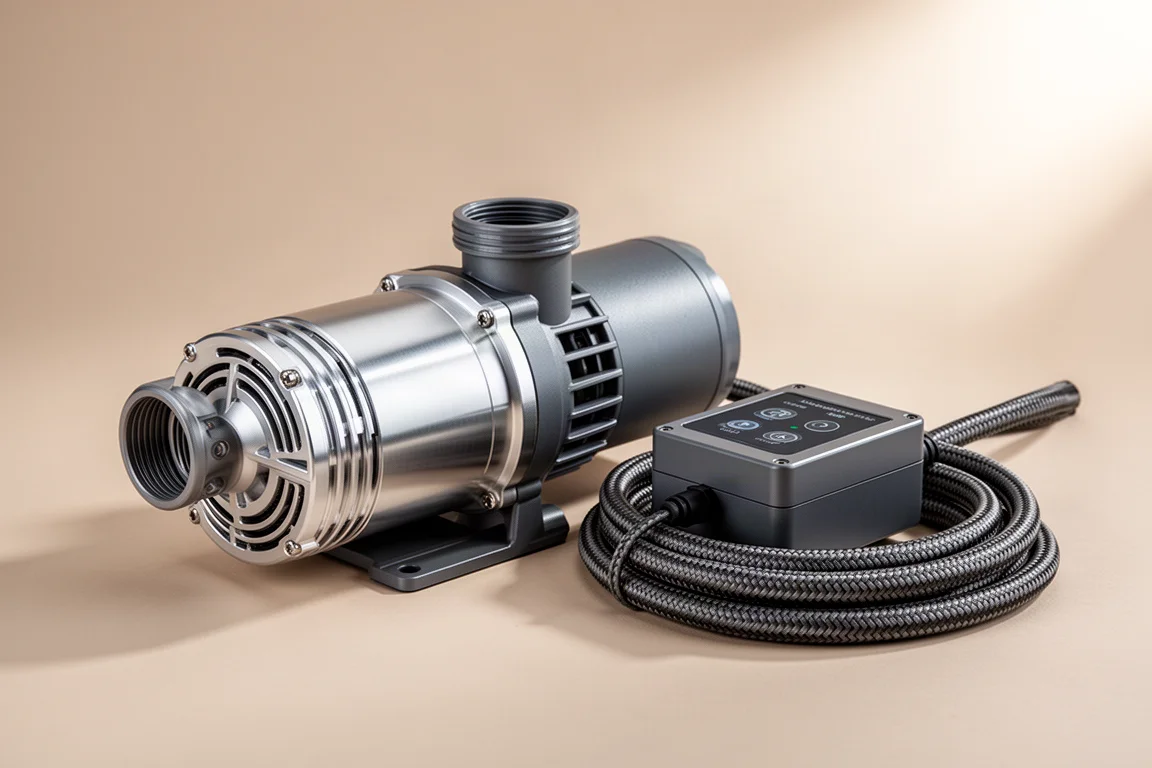
For aquarists ready to spend serious money on the pump that keeps the tank alive, the decision usually comes down to the Royal Exclusiv Red Dragon and the Abyzz. Both are dead silent, both are extremely easy to adjust, and both offer wide ranges with very fine increments. The Red Dragon runs in increments of two across a broad span, and the Abyzz offers a similarly generous spread.
The differences are practical rather than dramatic. The Red Dragon includes unions on the top and the front, which makes plumbing noticeably easier to assemble and to swap later; the Abyzz uses a collar that a fitting glues into, making that connection effectively permanent under pressure. Fit and finish favors the Abyzz, and anyone who has handled both would say so without hesitation, from the control box to the cords to the pump body itself. On the other side of the ledger, the Red Dragon has a strong record of not failing.
The honest complication is availability. Both pumps go out of stock frequently, sometimes for months at a time, which is why the practical answer is often simply whichever one is in stock when you are ready to buy.
Small Spaces: Compact Pumps for Tight Sumps
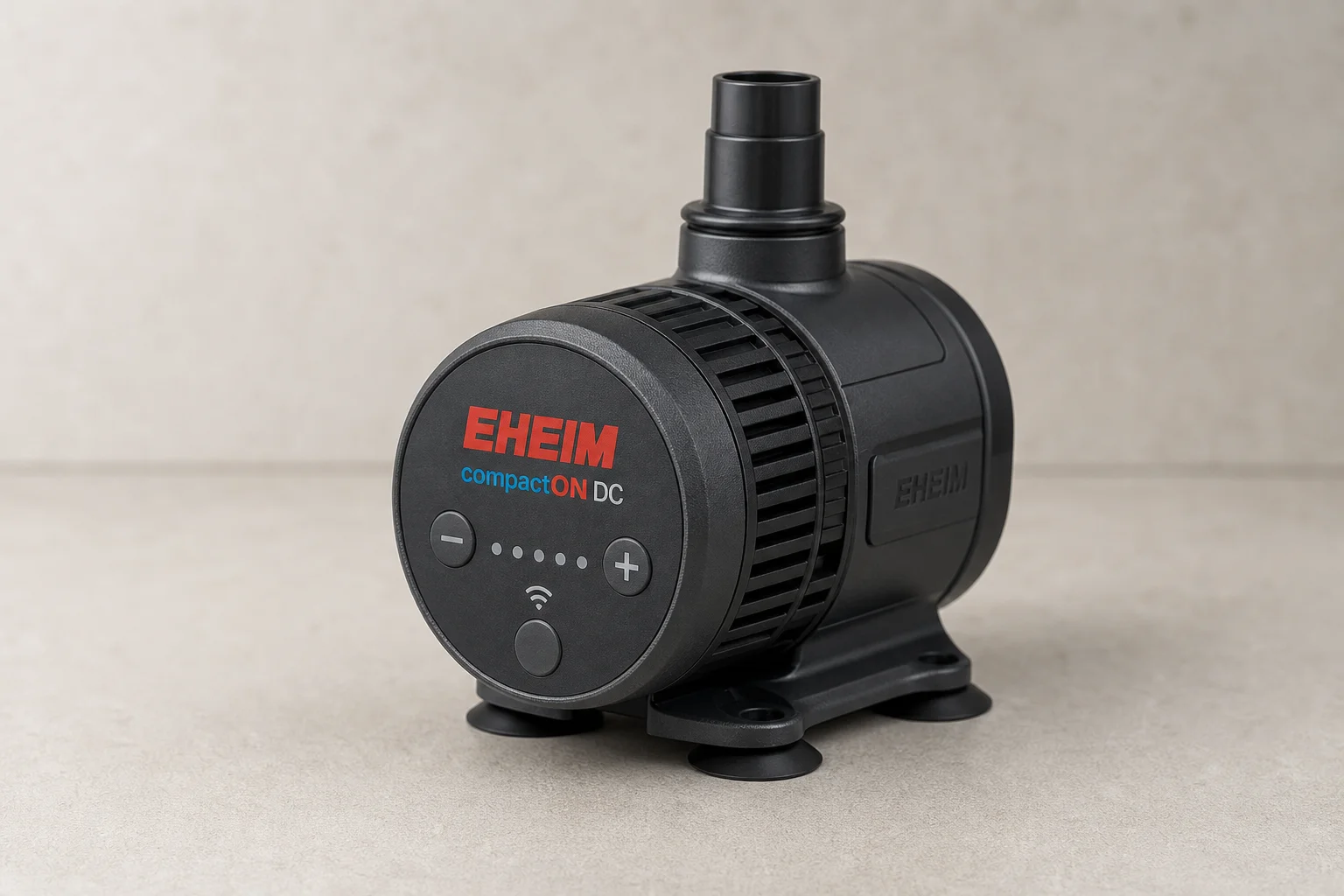
When space is the limiting factor, such as in an all-in-one system or a small sump where two pumps need to fit for redundancy, compact models take priority. The Eheim CompactON is extremely small, and the smaller Sicce pumps are close behind, with the Eheim edging ahead on pure dimensions.
For aquarists who want two return pumps in a small sump with redundancy and quiet operation, the Reef Octopus VarioS is a strong candidate because it is among the smallest options available. It also ships with an intake guard, which is rare in this category; Sicce’s AC pumps have guards built in, and the Vectra can take an aftermarket one. The VarioS adds a float switch that shuts the pump off if the water level drops too low, preventing it from burning out if an auto top-off fails or its reservoir runs dry. The trade-off is placement: a mechanical float switch has to be positioned and kept clean to work reliably.
Budget and Reliability Basics: Getting the Job Done for Less
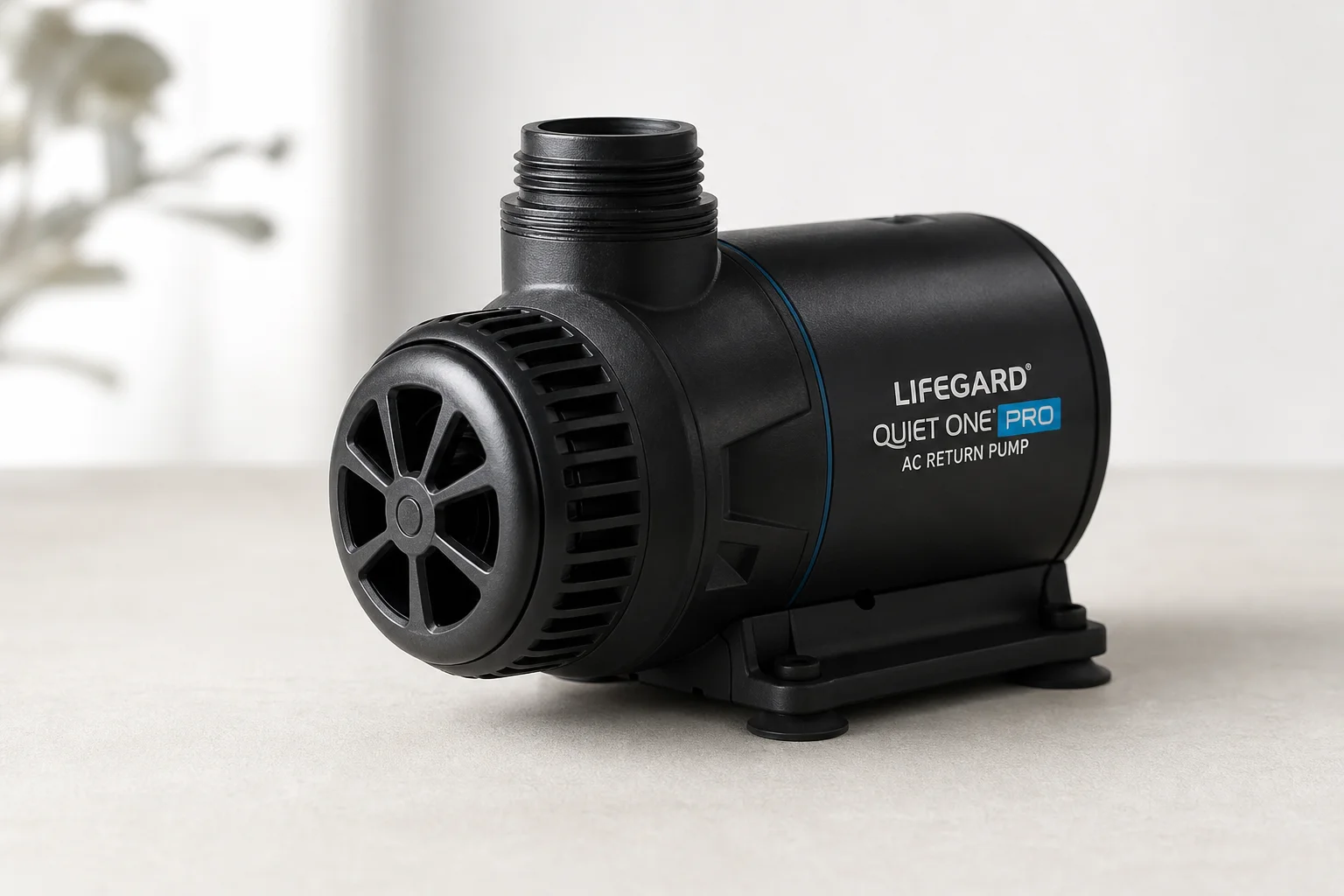
The cheapest option that still gets the job done is a category plenty of aquarists raise a hand for, and the Lifegard Quiet One Pro line fits it. These pumps are not loaded with the features and functionality of the DC models. They move water, they cost less, and they work.
There is also a useful side effect of the redundancy argument: because two smaller pumps are often enough, the budget path and the reliability path point in the same direction, toward smaller and more cost-effective models rather than one large expensive unit.
Do You Actually Need That Much Flow?
One of the most common questions is how much flow a tank really needs, and the answer surprises many aquarists. Start by assuming that only about half of the flow shown on a head pressure chart will actually arrive after the twists, bends, elbows and fittings are accounted for. A pump rated at 600 gallons per hour at six feet may deliver closer to 300 in a real installation.
The bigger revelation is the turnover target. The old guideline of ten times turnover came from an era when flow through the sump was counted as part of the flow inside the tank, which almost nobody does anymore, since return pumps are rarely the primary source of in-tank flow in a reef system today. Roughly three times turnover is enough to heat the water and filter the water. On a 100-gallon tank, about 300 gallons per hour means nearly all the water passes through filtration and past the heaters every twenty minutes, roughly seventy-five times a day, which is plenty. Even two times turnover gives the skimmer, UV, filter socks or roller mat close to fifty passes a day. Large professional systems often run closer to one to one-and-a-half times turnover.
This is good news for the budget, because a smaller pump is cheaper, quieter, and less turbulent. A thousand-gallon-per-hour return pump on a 100-gallon tank produces both noise and expense for no meaningful gain, and a difference of one or two turns per hour is unlikely to be noticed by the tank. If you land at two or four times rather than exactly three, you are probably fine.
Failure Alerts: Knowing Before You Get Home
Notification of a failure matters enormously, because the aquarist could be asleep, at work or halfway around the world when a pump stops. Without an alert, the first sign of trouble is arriving home to a catastrophic loss.
A controller is often thought of as a device that turns equipment on and off, but roughly ninety percent of its value is simply telling you that something broke, with a specific error code pointing to the problem. That is how a three-year-old tank reaches ten. The COR integrates with an Apex controller and reports failures directly.
For aquarists without a controller, the Sicce DC option is the alternative. It connects to home Wi-Fi through an app and sends push notifications to a phone, including specific reasons a pump is not working. It also monitors both the surrounding water temperature and the pump’s internal temperature, so it can raise an alarm if a heater, air conditioner or furnace fails. For anyone without separate monitoring, that removes a whole set of problems from the tank and reports them the moment they happen.
Some smart pumps will also shut themselves down when they detect no water in the return chamber, which most often happens when an auto top-off stops working or its reservoir runs dry. The Vectra, the COR and the Sicce DC each handle this a little differently, and the VarioS does it with its mechanical float switch. A pump that protects itself when you are not around is meaningful reassurance.
Internal or External: Which Setup Fits
In a standard installation, either under the tank or on the other side of a wall, an internal submersible pump is usually the better choice. External pumps are large, put off some heat and can be loud, and using one adds plumbing fittings and makes maintenance more awkward because lines have to be shut off. Any heat transfer from submerging the motor is negligible when the pump only draws around 50 watts.
Use an external pump only when the job genuinely requires it, such as the head pressure scenario described earlier. When that is the case, choose a pump designed from the ground up for external use rather than one advertised as doing both. An external pump’s core design goal is to never leak, and that matters more than the flexibility of a dual-purpose unit. Expect to service the seal periodically on pumps like the Reeflo series to prevent a slow leak from developing.
Overall Buying Advice
The right answer depends entirely on the priority that sounds most like you. If you want the most popular and widely trusted brand, and especially if a quiet AC pump is enough, Sicce is the natural starting point, and registering the pump for the extended warranty is worth the three seconds it takes.
If quiet operation is the goal, any modern DC pump will satisfy it, with the Vectra, COR, VarioS and Sicce DC option all in the same conversation. If you run an Apex controller and want the pump to report problems to you, the COR is the strongest fit. If you want redundancy, buy two smaller pumps instead of one large one, which also happens to be cheaper and quieter.
For long vertical runs, look to an external pressure-rated pump, with the Reeflo as the classic answer. For the rare aquarists buying at the very top of the market, the Red Dragon and the Abyzz are both exceptional, and availability will usually make the decision for you. For tight spaces, the Eheim CompactON is the smallest option and the VarioS is the pick when you need two pumps in a limited sump. And for the lowest cost that still moves water, the Lifegard Quiet One Pro line does the job.
Above all, resist oversizing. Three times turnover is usually enough to heat and filter the water, and a smaller pump is cheaper, quieter and easier to live with than the chart might suggest.
Conclusion
The range of return pumps available today is unusually well sorted: Sicce for the mainstream and the budget-conscious, DC options for quiet and adjustable flow, external pumps for serious head pressure, and premium models for those who want the absolute best. Identify the priority that matters most in your system, size the pump for roughly three times turnover rather than ten, and consider running two. That combination will keep the heart of the tank beating.
Products in This Guide
Sicce Syncra Silent, EcoTech Marine Vectra, Reef Octopus VarioS, Neptune Systems COR, Royal Exclusiv Red Dragon, Abyzz, Lifegard Quiet One Pro, Eheim CompactON and Reeflo Dart.
Further reading
Related Reviews
Aquarium Equipment
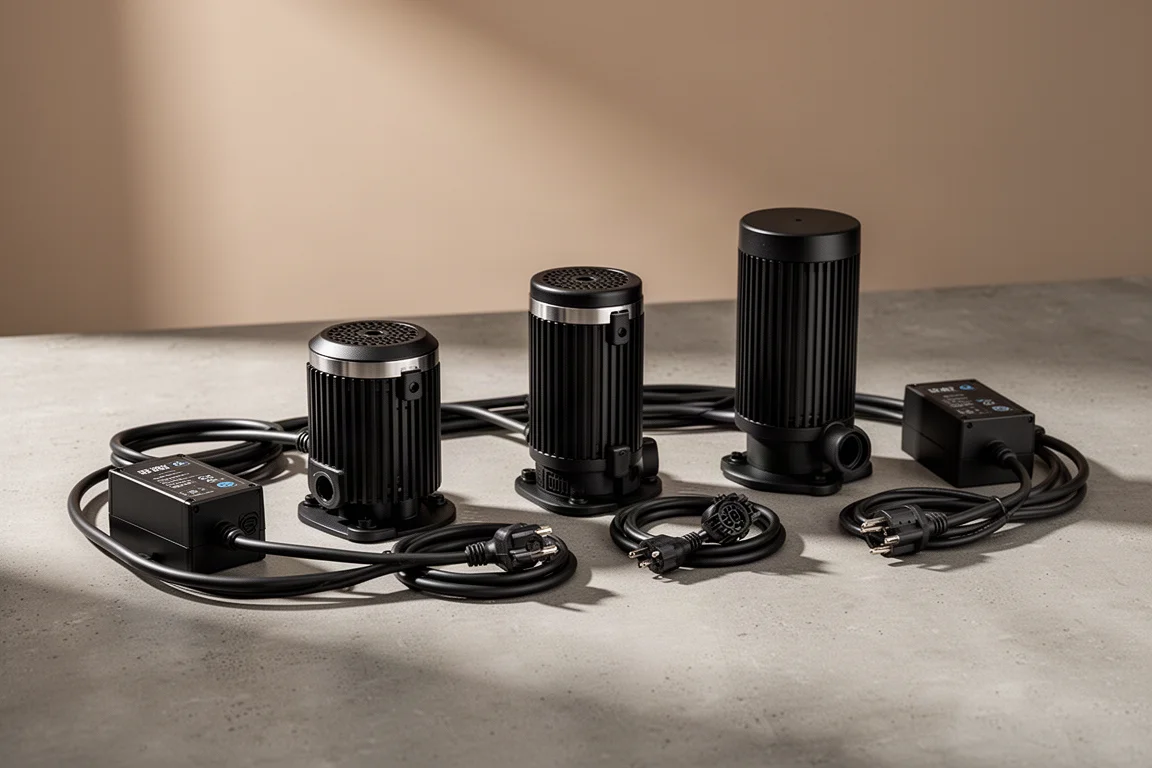
Abyzz Professional DC Pumps: A100, A200, and A400 Reviewed
A closer look at three German-made DC return pumps built for large reef systems, with titanium internals, fine flow control, and a 10-year warranty.
Aquarium Equipment
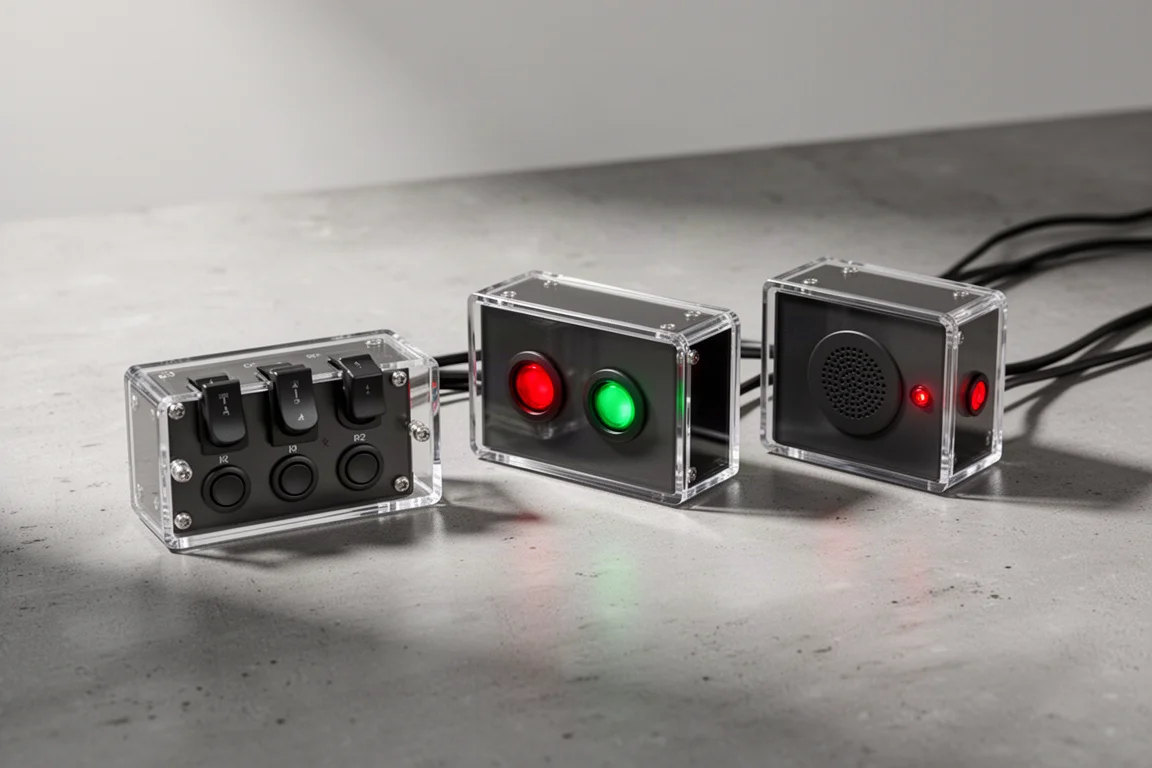
AdaptiveReef Controller Accessories: Three Tactile Upgrades for Your Reef Controller
A practical look at three AdaptiveReef add-ons that put physical switches, at-a-glance status lights, and a loud alarm within arm's reach of your reef tank.
Aquarium Equipment
Adaptive Reef Controller Boards: Basic vs Deluxe for Cleaner Aquarium Gear
A practical look at the Adaptive Reef Basic and Deluxe controller boards, what each one includes, and how to choose the right size for your tank gear.