Stationery
Remy Road Onion Skin Journal and Notepad: Unique Paper for Fountain Pen Writers
Handmade journals and notepads built around thin, translucent onion skin paper with surprisingly good fountain pen performance.

Introduction
Most modern notebooks chase thickness and opacity. Remy Road went the other way. Founded by Remy, a poet on a long-running quest to find the perfect journal, the company revived onion skin paper, a material that was once widely used but gradually fell out of favor. The result is a small lineup that includes a journal and a notepad, both built around paper that is thin, translucent, and genuinely pleasant to write on.
If you write letters, keep a journal, or simply enjoy unusual paper, this is a line worth a close look. Here is what stood out.
The Paper: Thin, Translucent, and Strong
The defining feature of both products is the onion skin paper itself. It is slightly cream colored, very thin, and translucent enough that you can see your hand through a sheet. It feels a touch thinner than 52gsm Tomoe River paper, and while the exact weight is not specified, it is made from 100 percent wood pulp and is surprisingly strong for how thin it is.
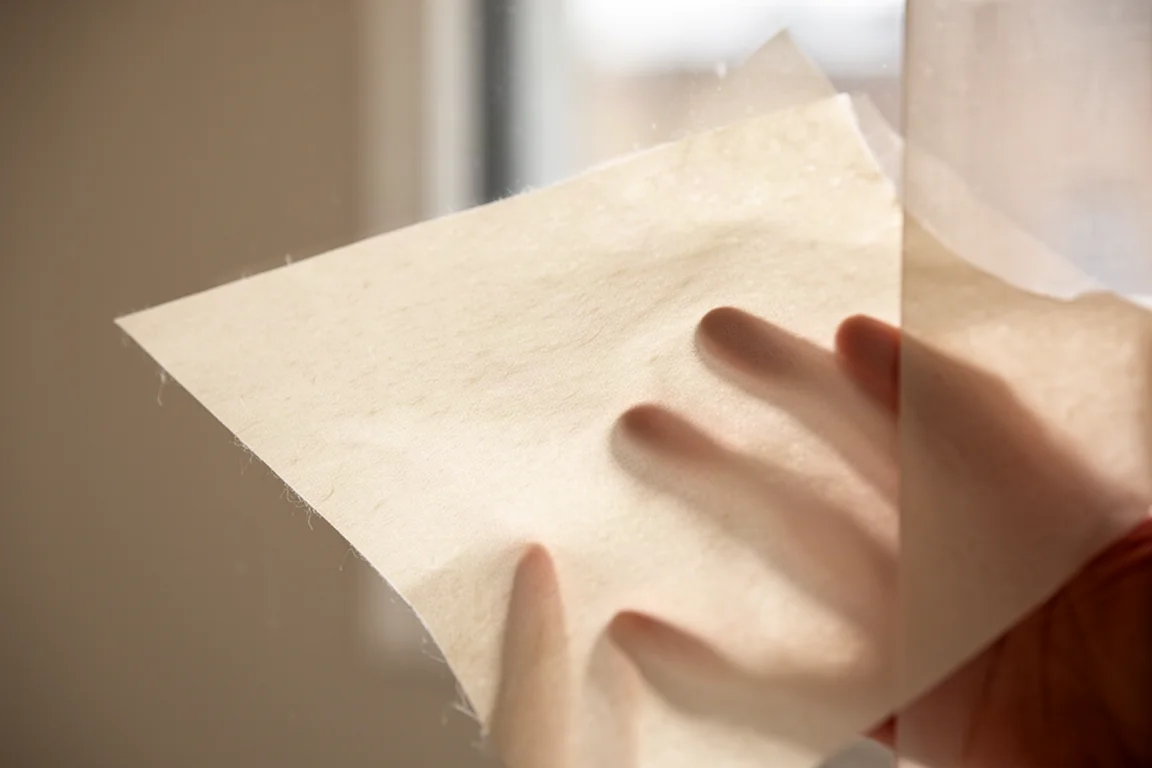
That translucency shapes how you use it. This is a one-side-only writing paper: heavy ghosting is always visible on the reverse, so the usable page count is effectively half of what the sheet count suggests. In exchange, you get a writing surface with real character and a delicate, almost weightless feel that few modern notebooks offer.
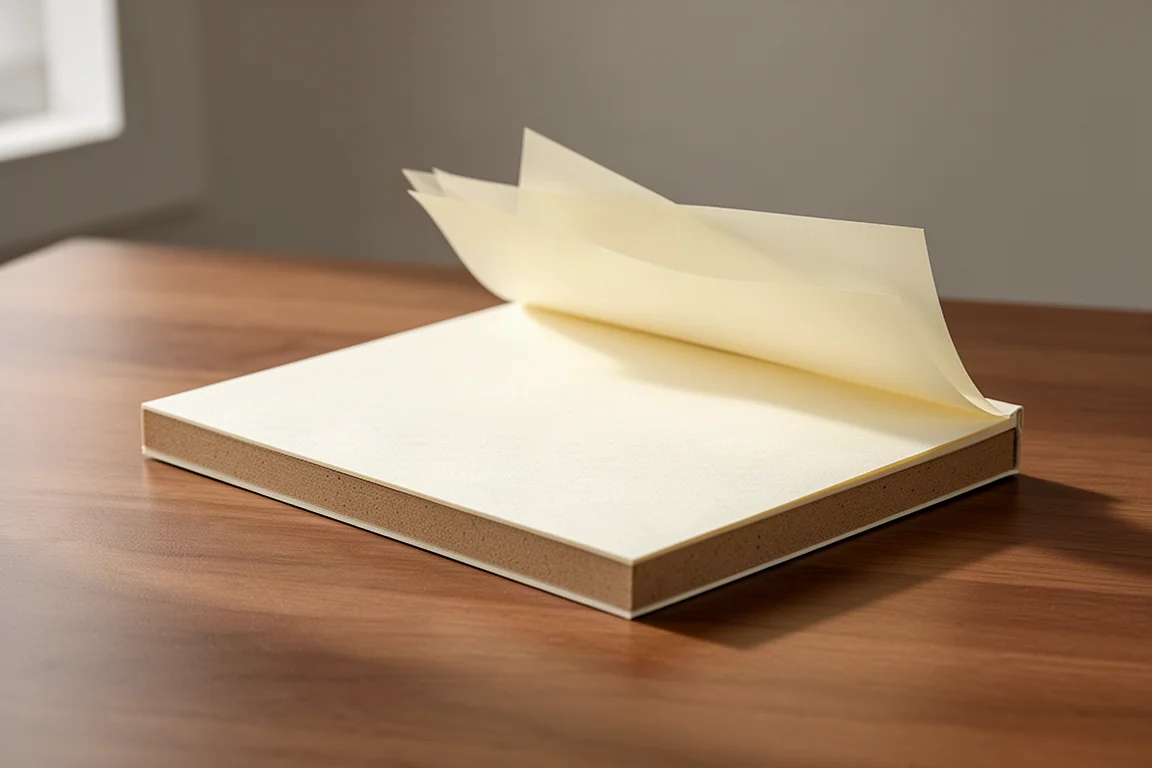
Remy Road Onion Skin Notepad
The notepad measures 5.4 inches wide, 8.5 inches tall, and about a quarter inch thick, with roughly 125 sheets inside. It has a cardboard backing and a textured cardstock cover printed with an ouroboros, the ancient symbol of a serpent devouring and rebirthing itself, representing perpetual change and renewal.
Sheets tear out cleanly, which makes it an easy choice for correspondence. The seller lists it at $26.
Remy Road Onion Skin Journal
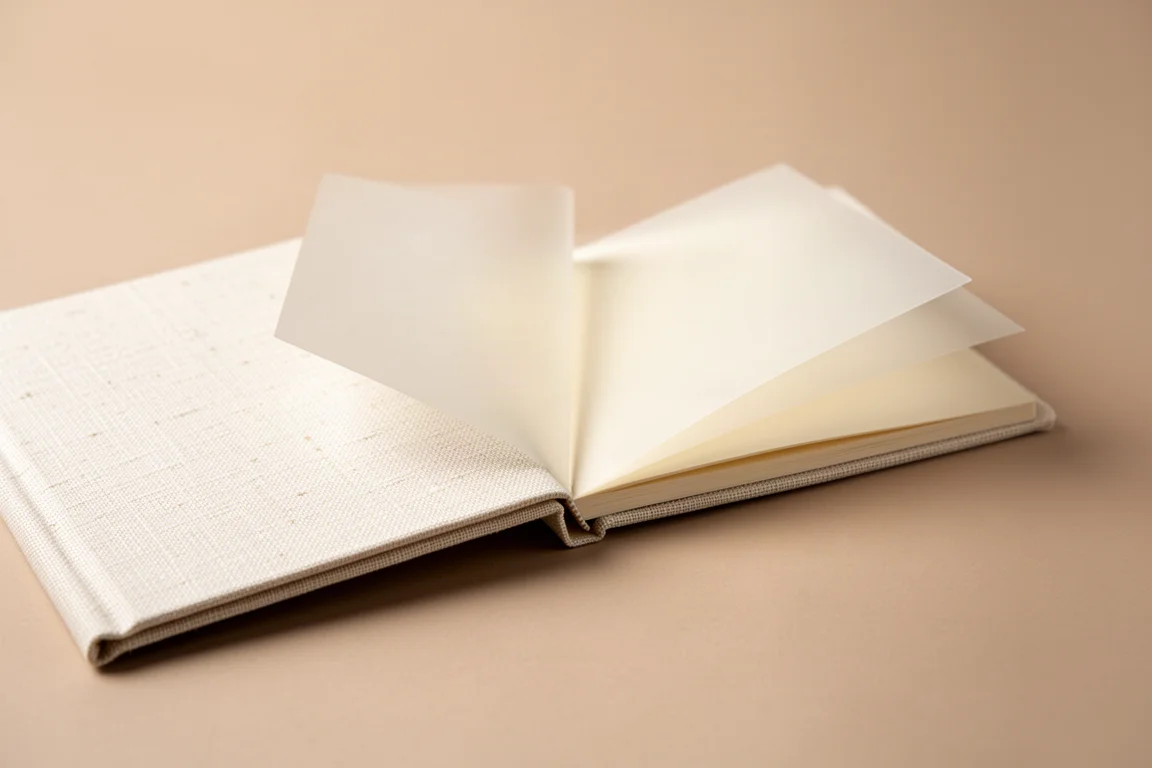
The journal is nearly the same size as the notepad, just slightly smaller than a standard A4. The cover is a textured cardstock debossed with a black map of the world, and inside you get 320 pages, though in practice around 160 usable pages since the ghosting limits you to one side per sheet.
The binding is a smyth sewn construction, with small groups of pages sewn together as signatures. Books bound this way tend to lie more easily, and this one lies quite flat at its center. At the beginning and end, where the pages do not fully lie flat, the thicker linen-style cover provides enough support to keep writing comfortable. It also includes a black bookmark and a double-sided guide sheet, lined on one side and dot grid on the other, which is genuinely useful on paper this thin. The journal sells for $46.

Ink Performance and Sheening
A concern with very thin paper is fountain pen friendliness, and this is where the Remy Road onion skin paper genuinely surprised. Compared with other onion skin paper tried previously, which was not fountain pen friendly at all, this version performs very well.
Testing with a range of inks, including a rougher orange ink and a deeper teal, showed the ink tending to sit on the surface briefly before settling in, rather than absorbing quickly. Against 80gsm Rhodia and 52gsm Tomoe River references, the onion skin paper and Tomoe River both showed noticeably more sheen, while the Rhodia looked comparatively flat. Bleed-through was minimal, limited to a small spot with one ink, though ghosting is substantial, as expected from paper this thin.
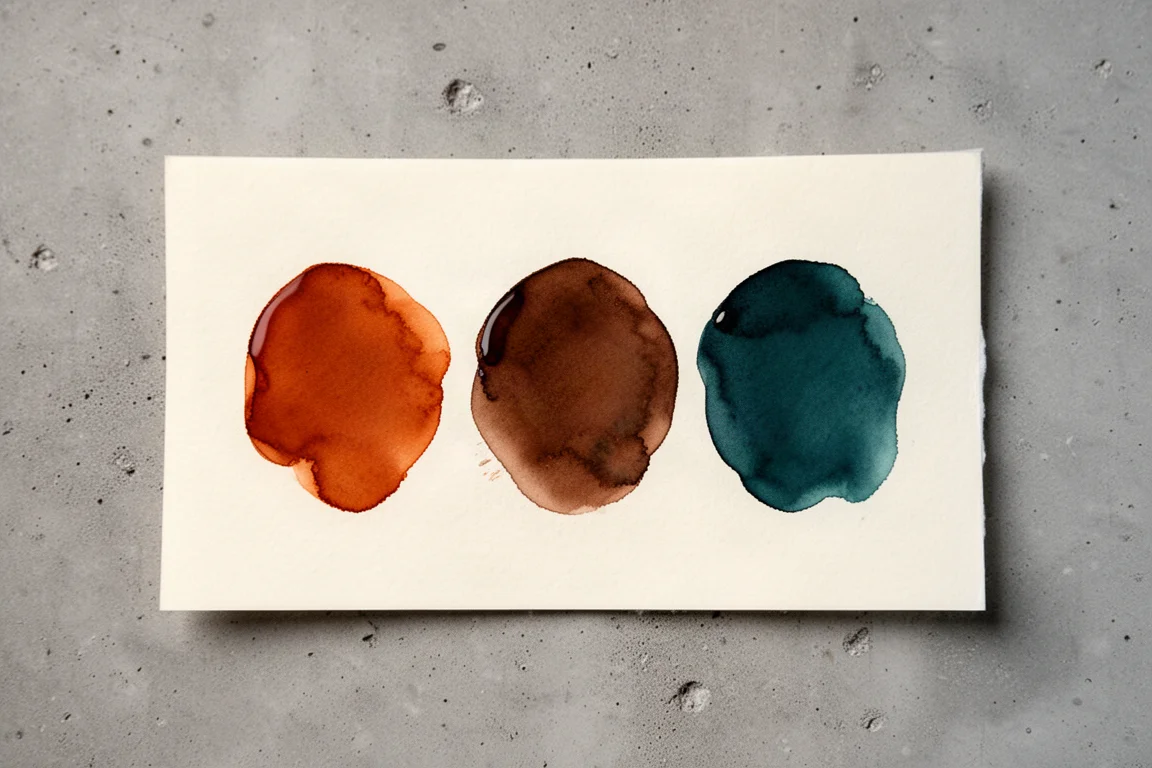
One practical caveat: the paper was slightly more susceptible to hand oils further down the page, causing a little skipping near the bottom of a written page and a touch of bleed-through where the nib needed re-inking. Writers with oily hands may notice this.
Writing Experience and Handling
For everyday use, the paper rewards a wet, well-behaved nib. Letters written on the notepad separated easily from the pad, and the writing experience feels closer to premium Japanese paper than to the scratchy translucent sheets you might expect at this thickness.
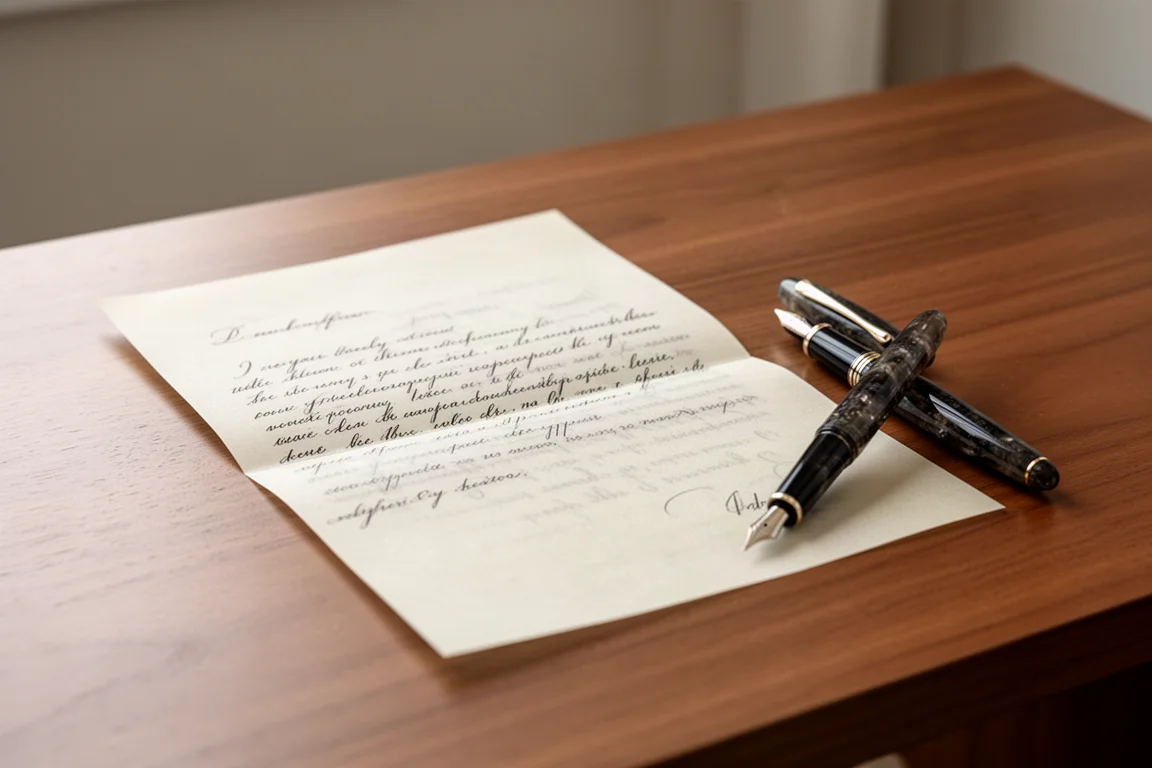
The included guide sheet earns its place here. Holding a straight line on translucent, faintly cream paper is harder than on white stock, and sliding the lined or dot grid card underneath solves that neatly.
Things to Consider Before Buying
- Heavy ghosting means you effectively use one side of every sheet, so the journal’s 320 pages translate to about 160 usable pages.
- The paper can be slightly sensitive to hand oils, with occasional skipping low on the page.
- Supply is limited. Items are made by hand on older machinery by a third-generation bookmaker in the United States, so stock may sell out and there can be a waiting period.
- Purchase is currently through the company’s own website, onionskinjournal.com, rather than general retailers.
Buying Advice
If you write a lot of letters, start with the notepad. At $26 it is the easier entry point, the sheets tear out cleanly, and it is the format most naturally suited to correspondence. If you want a dedicated writing journal with a sewn binding that lies flat and a debossed map cover, the $46 journal is the more satisfying object to own and use.
Because supply is limited and restocks can take time, it is worth picking up what you need when it is available. Heavy letter writers may reasonably want more than one pad on hand.
Conclusion
Remy Road has done something uncommon: taken a paper that largely disappeared from everyday use and turned it into journals and notepads that are a genuine pleasure to write on. The thin, translucent onion skin paper is not for everyone, and the constant ghosting will bother some, but fountain pen performance is strong, sheening is impressive, and the handmade, made-in-the-USA production gives both products a distinct character. For correspondence and journaling with a bit of soul, both are easy to recommend.
Further reading
Related Reviews
Stationery
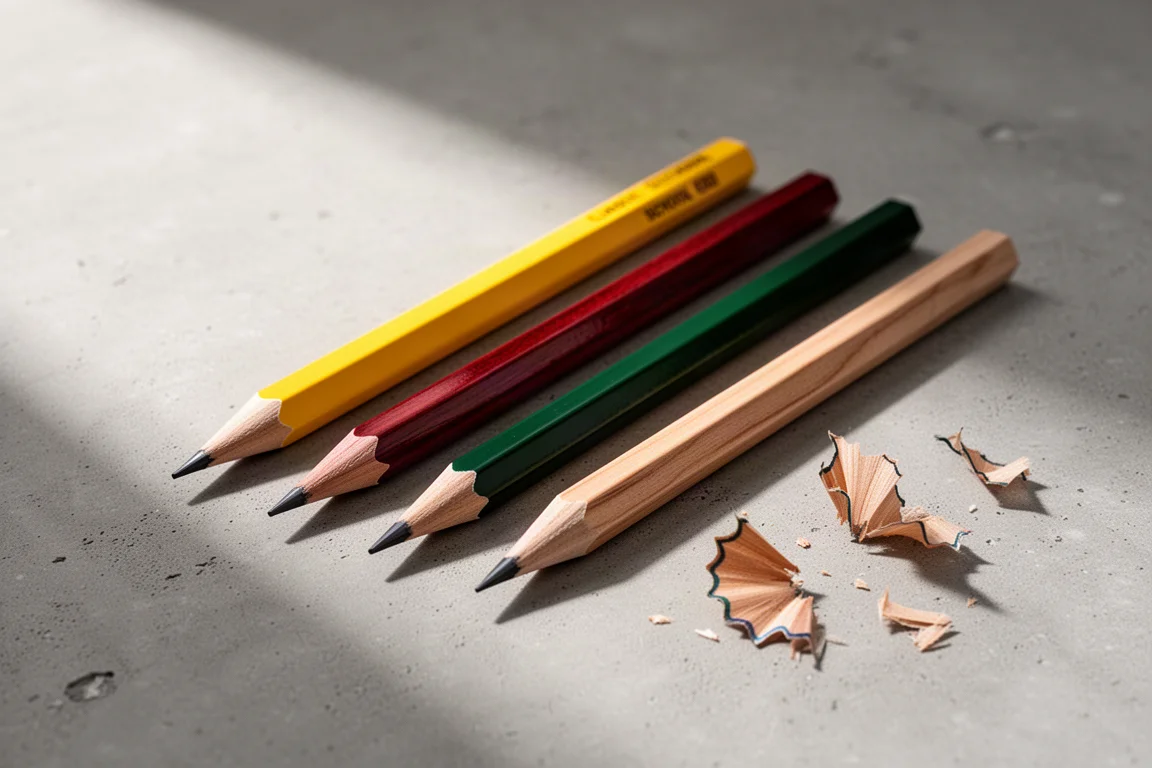
Musgrave Pencils Review: Four Classic Pencils from Tennessee's Last Pencil Factory
We put four Musgrave pencils to paper, from the classic Harvest to the Unigraph 1200 drawing pencil, to see what a century-old Tennessee workshop can still do.
Stationery
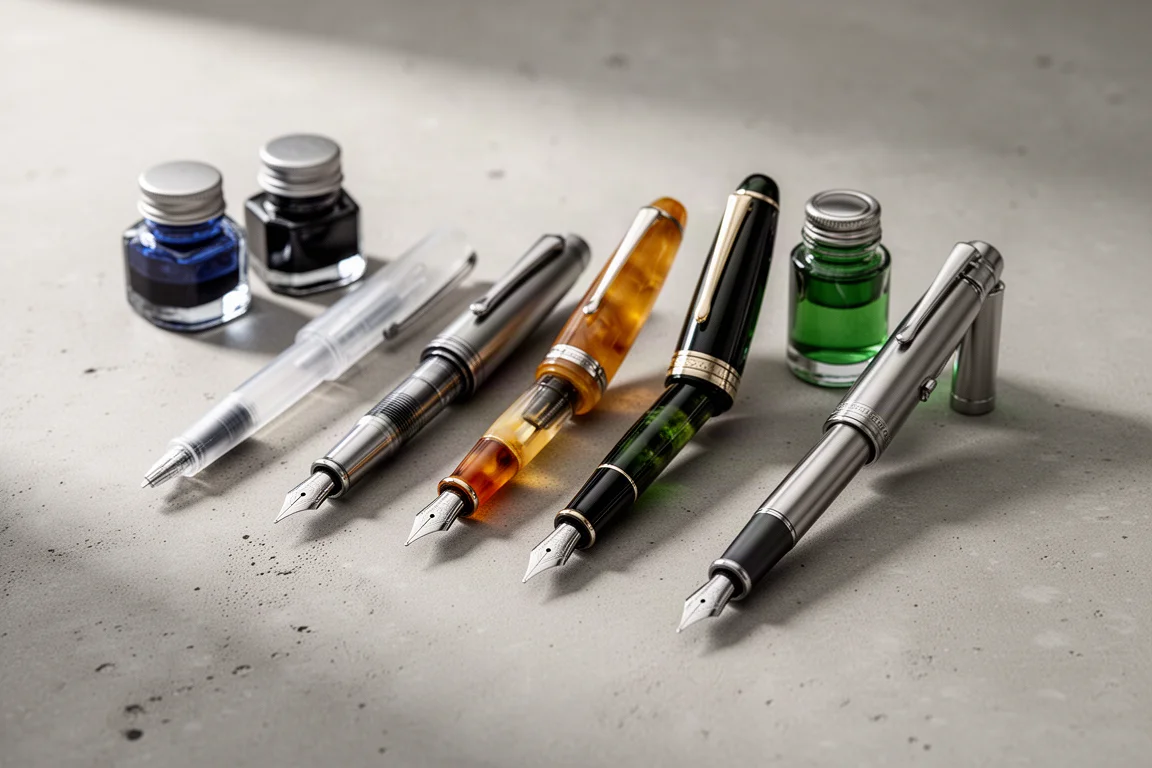
Fountain Pen Tiers Explained: From Starter Pens to Luxury Grails
A practical overview of the different levels of fountain pens and inks, from a sub-$20 starter setup to Italian piston fillers and retractable gold-nib everyday carries.
Stationery
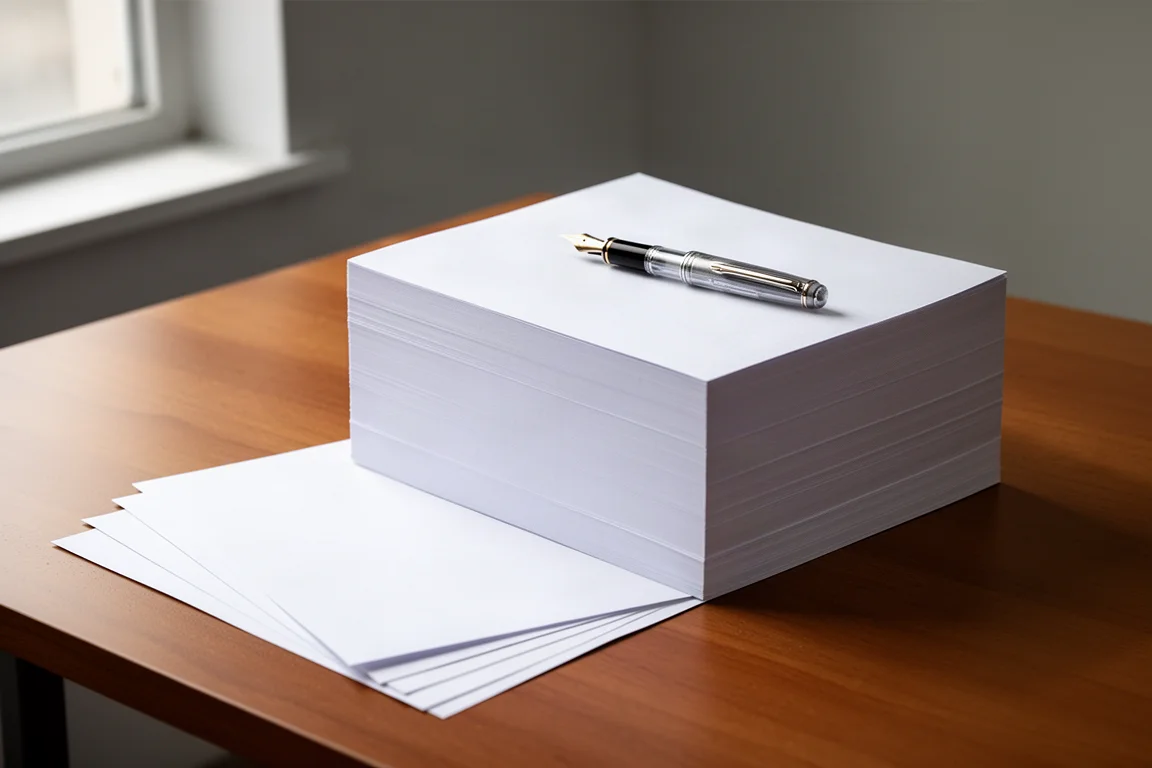
HP Premium 32 lb Copy Paper Review: A Fountain Pen Friendly Everyday Printer Paper
A heavy, smooth 120 GSM copy paper that handles fountain pens far better than standard printer stock, with only minor trade-offs in shading and sheen.