E-Ink Tablets
reMarkable Paper Pure vs. the Competition: A Practical Buying Guide
A detailed look at the reMarkable Paper Pure, its strengths, its trade-offs, and how it compares to the reMarkable 2, Boox Go 10.3 Gen 2, and Supernote Manta.
Introduction
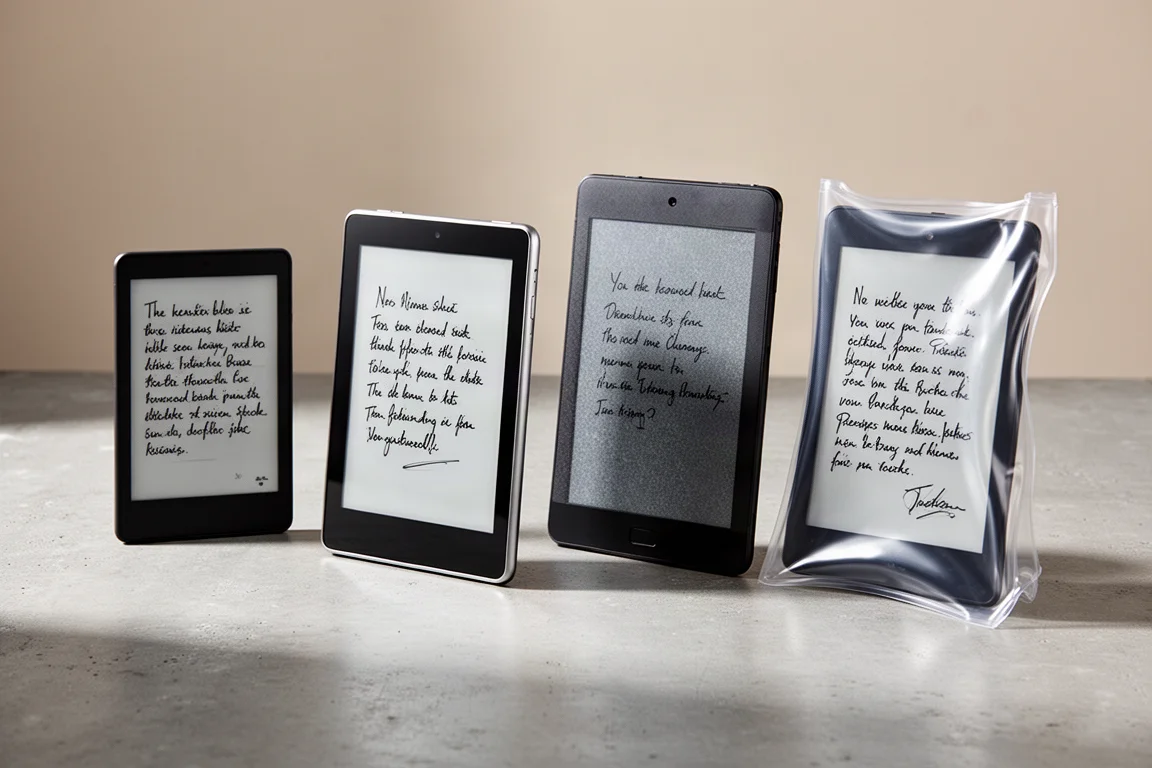
The e-ink tablet market has grown crowded, and choosing the right device is no longer a simple decision. The reMarkable Paper Pure enters this space as a lightweight, focused writing device, but it faces stiff competition from established models like the reMarkable 2, the Boox Go 10.3 Gen 2, and the Supernote Manta.
This guide breaks down what each device offers, where the Paper Pure shines, and where it falls short, so you can decide which one fits your needs.
What to Look For in an E-Ink Tablet
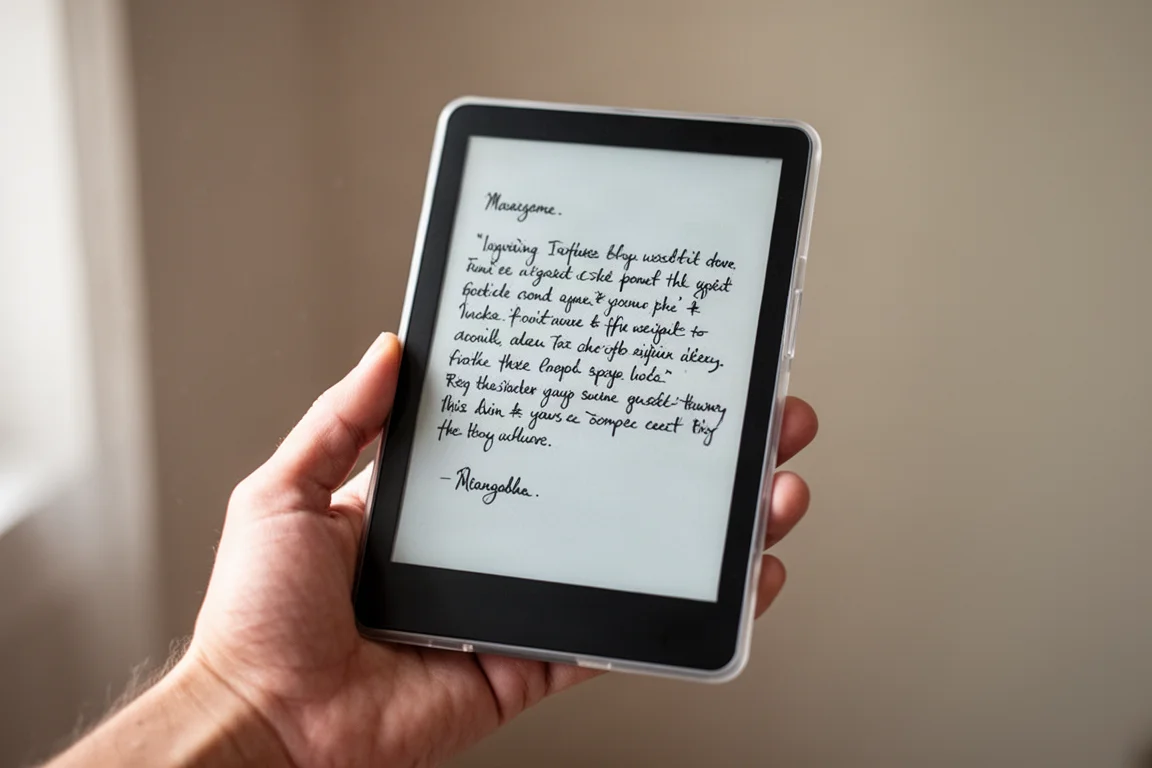
Before comparing specific models, it helps to understand the key factors that matter most for a writing-focused e-ink tablet.
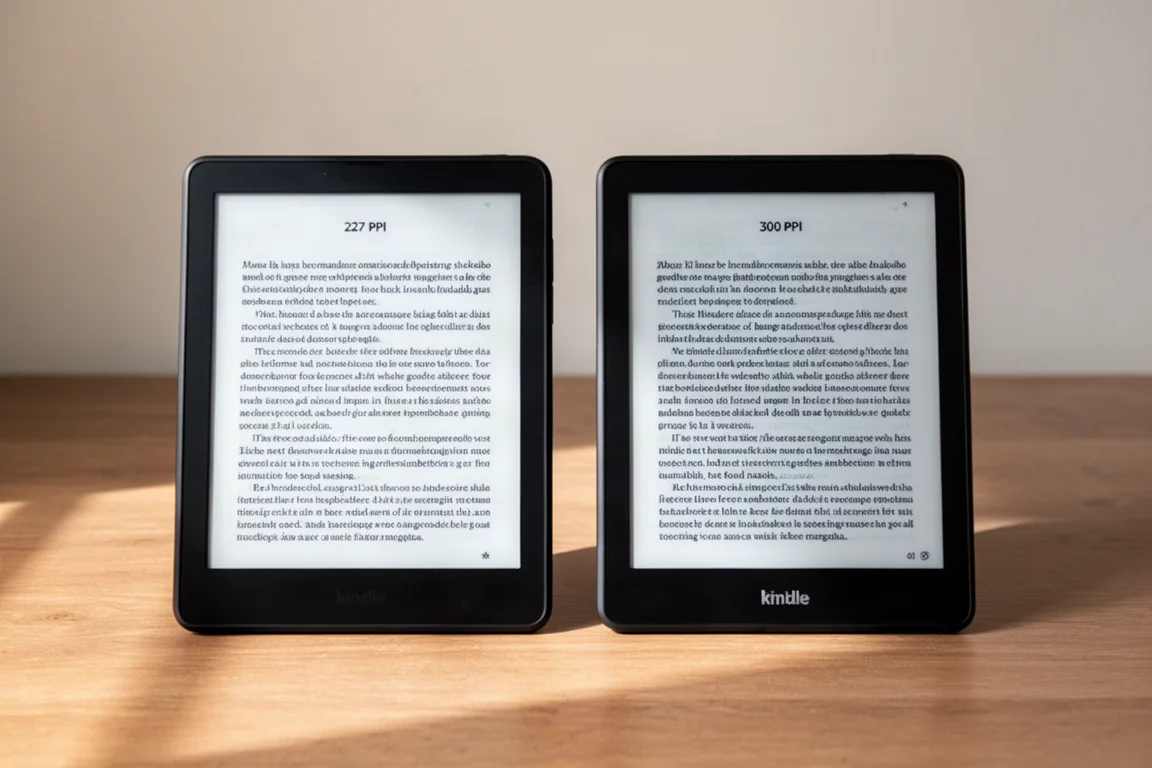
Screen resolution is one of the most visible differences. A 300 PPI display offers noticeably sharper text and handwriting compared to a 227 PPI panel. Writing latency, the delay between pen movement and ink appearing on screen, affects how natural the writing feels. Lower latency feels closer to pen on paper.
Build quality and durability also matter, especially if you plan to travel with the device. Some tablets use glass screens that are more fragile, while others use flexible plastic panels that can withstand more flex and impact. Finally, consider the ecosystem: some devices offer more apps and features, while others focus on a distraction-free writing experience.
reMarkable Paper Pure: What It Does Well
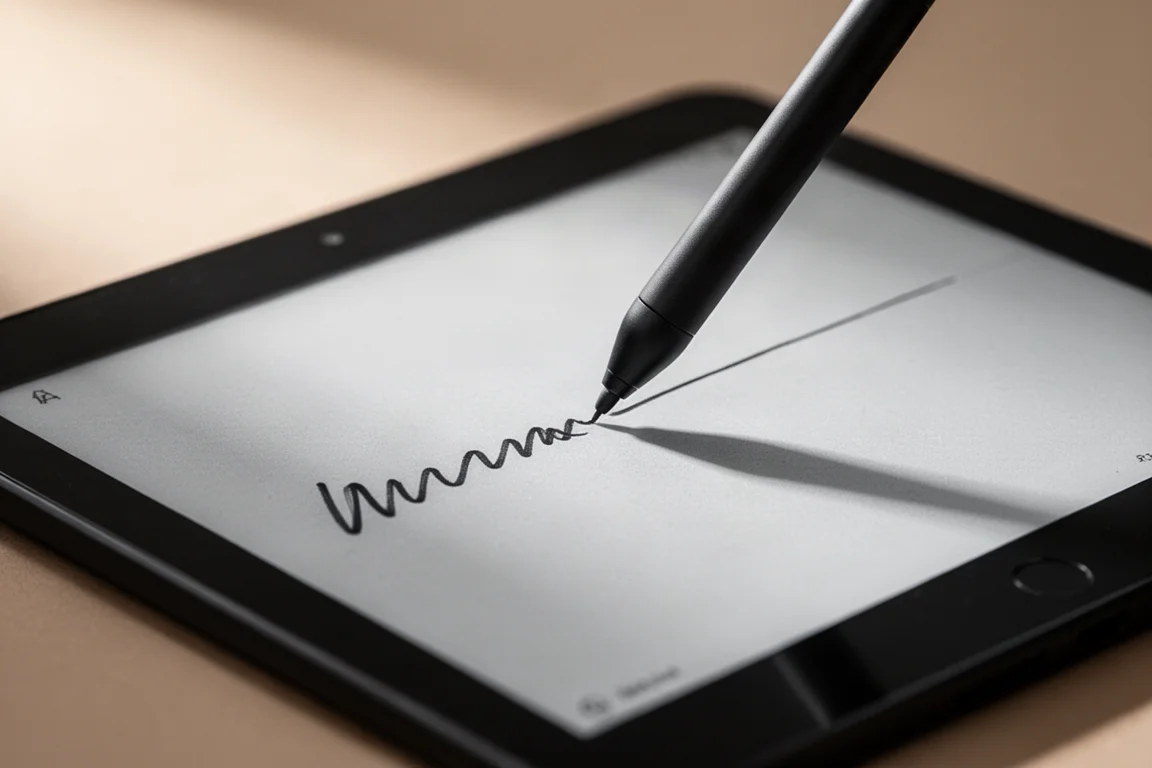
The reMarkable Paper Pure is designed as a focused writing device. Its most notable strength is the writing feel. The active pen technology delivers a paper-like experience that many users find satisfying, and the writing latency is impressively low at around 21 milliseconds. This makes it feel responsive and natural for daily note-taking.
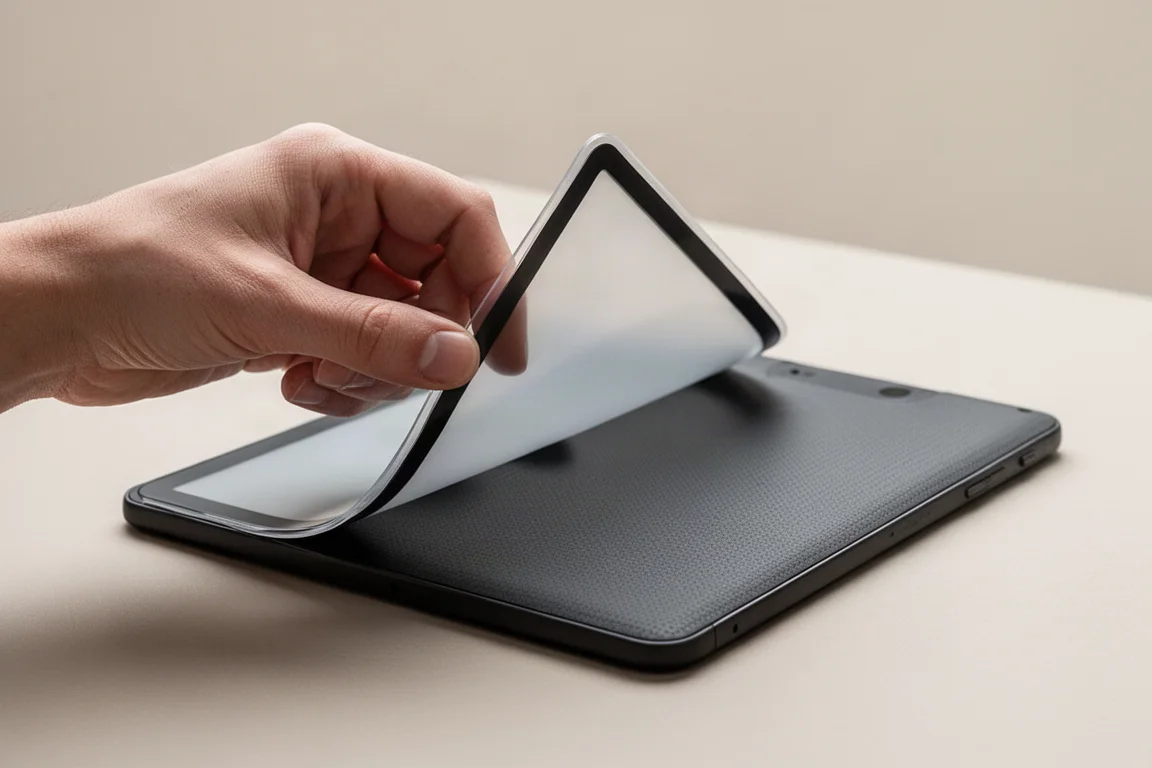
The device is also noticeably lighter than the reMarkable 2, thanks to its plastic build. This plastic construction has another advantage: repairability. The back plate can be removed with a simple screw system, making battery servicing or repairs easier compared to the sealed design of the reMarkable 2.
Performance is another area where the Paper Pure improves on its predecessor. The overall platform feels faster, with better de-ghosting performance out of the box. Auto-rotation is also included, which is a welcome addition.
For users who rely on corporate networks, the Paper Pure adds 802.1x authentication for wireless protocols. This is a genuine value for those who need to connect to company networks or download work documents without using a phone hotspot.
The main drawback is the 227 PPI screen. While it is readable, it is not as sharp as the 300 PPI panels found on competing devices. The lack of a front light is also a limitation for anyone who wants to read or write in low-light conditions.
reMarkable 2: The Aging Classic
The reMarkable 2 has been a benchmark in the e-ink tablet space for years. Its design is premium, with a glass front and back and a metal frame. The writing experience is excellent, and many users still prefer it over newer models.
However, the device is now around six years old and is expected to be discontinued. Its glass construction makes it fragile. There have been numerous reports of screens cracking, often caused by battery inflation pressing against the inflexible glass back. This is a reliability concern that potential buyers should weigh.
If you can find a used reMarkable 2 for a good price, it can still be a solid choice for writing. But the risk of screen failure and the lack of newer features make it a less compelling option for long-term use.

Boox Go 10.3 Gen 2: More Power, More Value
The Boox Go 10.3 Gen 2 offers a 300 PPI screen and a much broader feature set than the reMarkable Paper Pure. On paper, it delivers more value for the money, with more functionality, more power, and a sharper display.
The writing experience is usable, and the included pen performs better than earlier Boox pens. However, there are precision issues with the digitizer. Diagonal lines can sometimes produce squiggly offsets, and these inconsistencies can affect handwriting accuracy in certain areas of the screen. The writing latency is also higher, at around 37 milliseconds compared to 21 milliseconds on the Paper Pure.
Ghosting is another issue. Text and images can leave faint traces on the screen, though this can be mitigated by mapping a side-flip gesture to a full-screen refresh.
If you are willing to work around the Boox user experience quirks, the Go 10.3 Gen 2 offers a lot of value. But if writing precision and a natural feel are your top priorities, the Paper Pure has a clear edge.

Supernote Manta: The Durable Alternative
The Supernote Manta is a more expensive option, but it offers a unique advantage: it has no glass at all. The screen is flexible plastic, which makes the device significantly more durable and resistant to flexing and impact. This is a major consideration for users who want a device that can last for years.
The Manta also features a larger display with 300 PPI resolution, making it sharper than the Paper Pure. Many users find the writing experience on the Manta to be freeing and natural, and the device feels more robust in hand compared to glass-backed competitors.
The main downside is the price. The Manta is genuinely more expensive than the Paper Pure, and for some users, that cost may be hard to justify. But for those who prioritize durability and a larger, sharper screen, the Manta is a compelling choice.

Overall Buying Advice
The reMarkable Paper Pure is not a bad product, but it is also not an exciting one. It is best suited for new users who want a focused, distraction-free writing device with a natural pen feel and a lightweight build. The low writing latency and good de-ghosting performance make it a pleasure to use for daily notes.
However, the 227 PPI screen and the lack of a front light are significant compromises at this price point. If you are willing to spend a bit more, the Boox Go 10.3 Gen 2 offers a sharper display and more features, provided you can tolerate its user experience quirks. For maximum durability, the Supernote Manta is the best choice, though it costs considerably more.
If you already own a reMarkable 2, the Paper Pure is not a compelling upgrade. The improvements are real but modest, and the writing experience is similar. The reMarkable 2 is expected to be discontinued, so if you want a device with a glass screen and premium build, buying a used unit at a lower price may be a better value.
Conclusion
The reMarkable Paper Pure is a capable writing tablet with a strong pen feel and a durable, repairable design. It is not the most exciting device on the market, and its 227 PPI screen is a noticeable compromise. But for users who value a focused writing experience and a lightweight build, it has plenty to offer.
The decision ultimately comes down to your priorities. If writing feel and simplicity matter most, the Paper Pure is a solid choice. If you want more features and a sharper screen, the Boox Go 10.3 Gen 2 is worth considering. And if durability is your top concern, the Supernote Manta is the clear winner.
Further reading
Related Reviews
E-Ink Tablets
Best E-Ink Tablets 2026: A Practical Guide to the Top Contenders
A practical look at the leading e-ink tablets of 2026, covering the Boox Go 10.3 Gen 2 Lumi, Boox Note Max, Boox Tab X, Boox Tab XC, Supernote Nomad, Supernote Manta, and reMarkable Paper Pro.
E-Ink Tablets
iFlyTek AINote: How It Performs Offline and Without an Account
A practical look at what the iFlyTek AINote can and cannot do when you go offline or skip the user account entirely.
Pickleball Paddles
2025 Paddle Awards: The Best Pickleball Paddles of the Year
A category-by-category breakdown of the best pickleball paddles of 2025, covering value, control, all-court, power, and paddle of the year.