Tents
REI Passage 2 Review: A Budget Two-Person Tent Built for Real Weather
A close look at the REI Passage 2, a $160 two-person freestanding tent with a complete accessory kit, strong condensation control, and a few livability trade-offs worth knowing before you buy.
Introduction
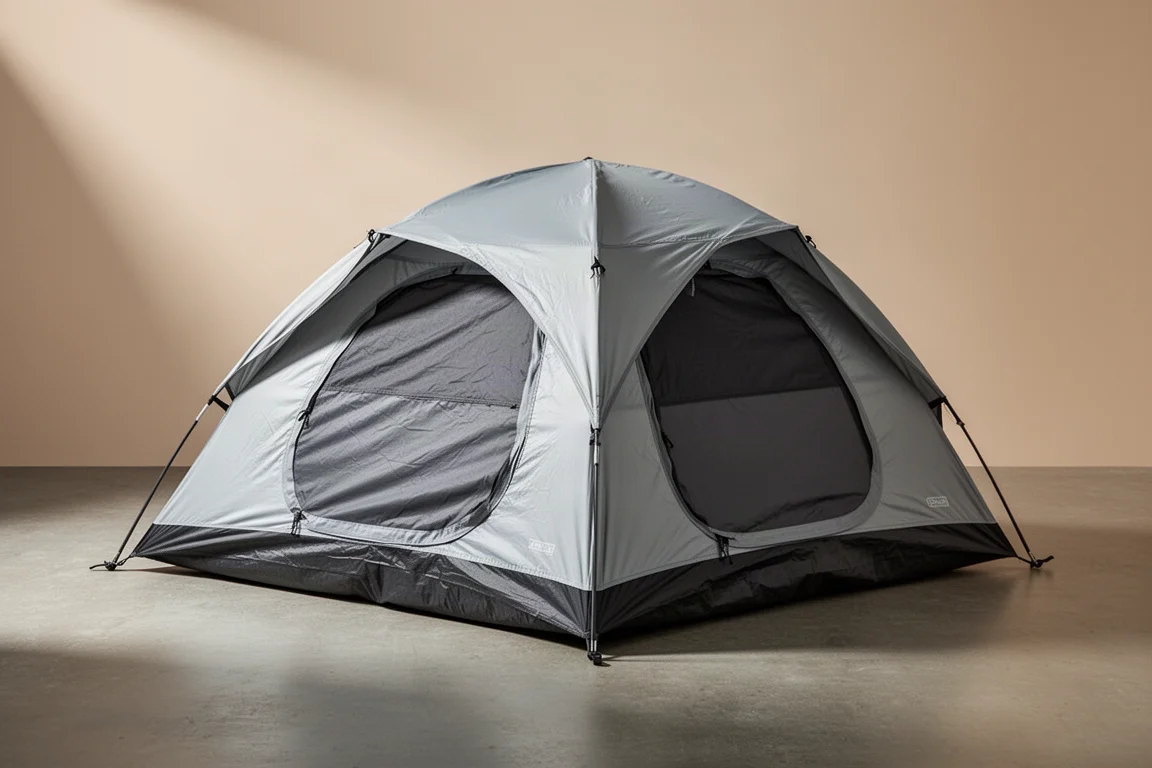
The REI Passage 2 is a two-person tent that delivers almost all of the features and functionality found on far more expensive backpacking tents at a fraction of the price. It is a strong candidate for anyone shopping for a budget tent from a large outdoor retailer, and it comes with the customer service and warranty support that a retailer like REI is known for.
The tent costs $160 on its own. REI also offers a package that adds a sleeping bag and a sleeping pad, which takes $50 off the combined cost and brings the total to $300. That package is worth considering for campers staying out in temperatures above freezing: the pad is fairly comfortable and the bag is fairly warm within that range.
Everything needed to pitch it is included in the box: the main tent body, the fly, the poles, the pegs, guy lines, and a footprint, which is not commonly bundled with tents at this price.
Who the REI Passage 2 Is For
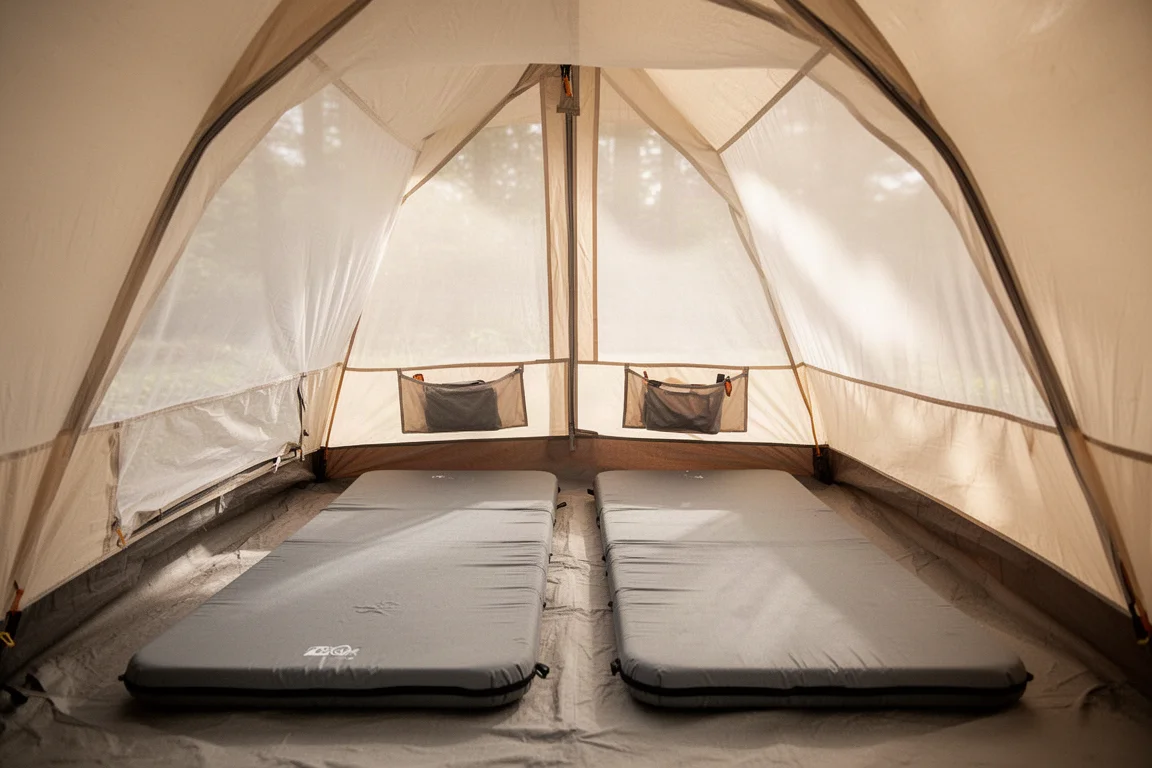
This tent suits newer backpackers and campers who want a simple, freestanding shelter without spending a lot. The pole structure is easy to assemble, which matters when you are still learning to pitch a tent quickly at the end of a long day. It is also a sensible choice for two-person trips, since the floor is wide enough to fit two 25-inch pads side by side.
Because it is freestanding, it does not depend on perfect staking to stand up, and the symmetrical floor means neither sleeper is stuck with a tapered, cramped end.
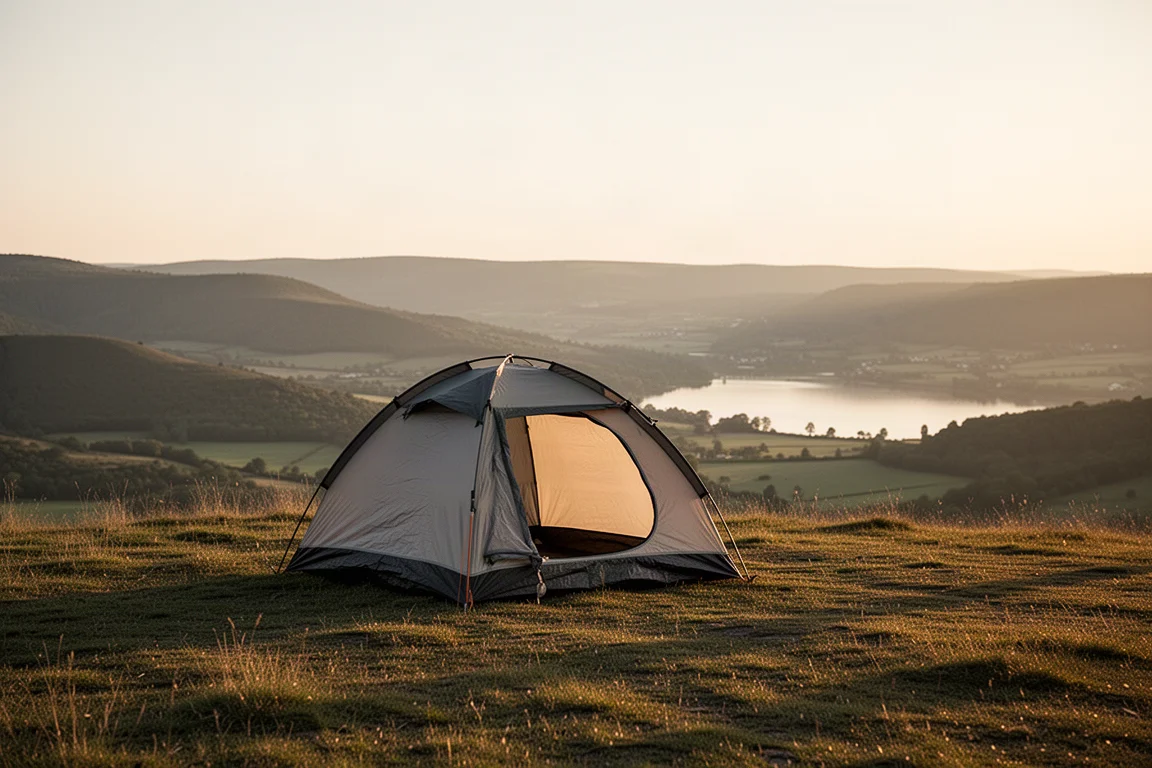
Buyers who want a complete starter setup can pair the tent with the sleeping bag and pad package, as long as overnight temperatures stay above freezing.
Setup and Packed Size
Assembly uses an X-pattern pole set that connects into each corner of the tent body. Setup is quick and straightforward, and the freestanding design holds its shape once the poles are seated.
Packed weight for the fly, poles, main body, and stuff sack is 2,090 grams, or 4.6 pounds, which is a very good figure at this price. The footprint adds 190 grams if you carry it along. Packed dimensions are 18 by 8 inches.
The floor measures 88 inches long and 52 inches wide, and peak height reaches 40 inches, so there is enough headroom to sit up comfortably inside.
Main Strengths
The tent uses sil polyester, and that fabric choice brings three practical benefits: it does not absorb much moisture or rainwater, it does not sag when it gets wet or when humidity is high, and it resists UV degradation better than sil nylon on long, sunny days.
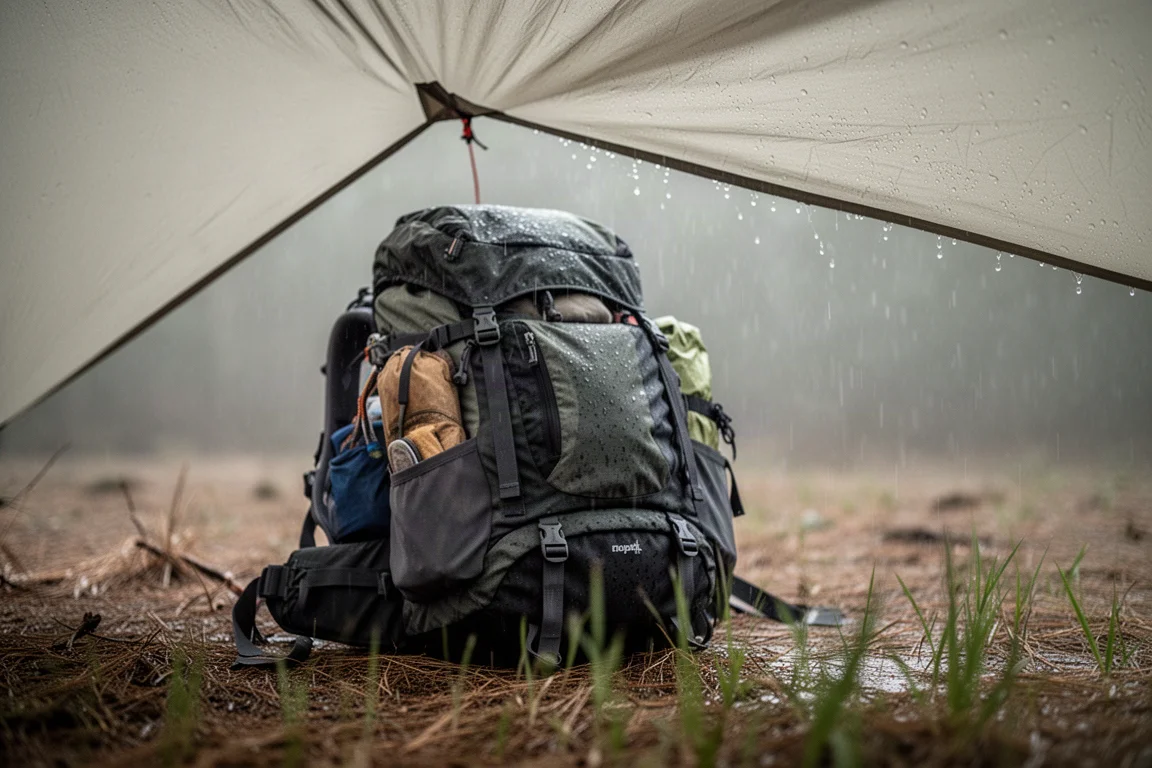
Feature-wise, the Passage 2 has double doors and double vestibules. The vestibules are large enough to fit a backpack underneath. There are four guy-out points, one at each corner, plus two vents at the top that open with a small post, one on either side.
Inside, there is a pocket at each end and loops at the top that can be used to run a line or add a small canopy for drying or storing gear.
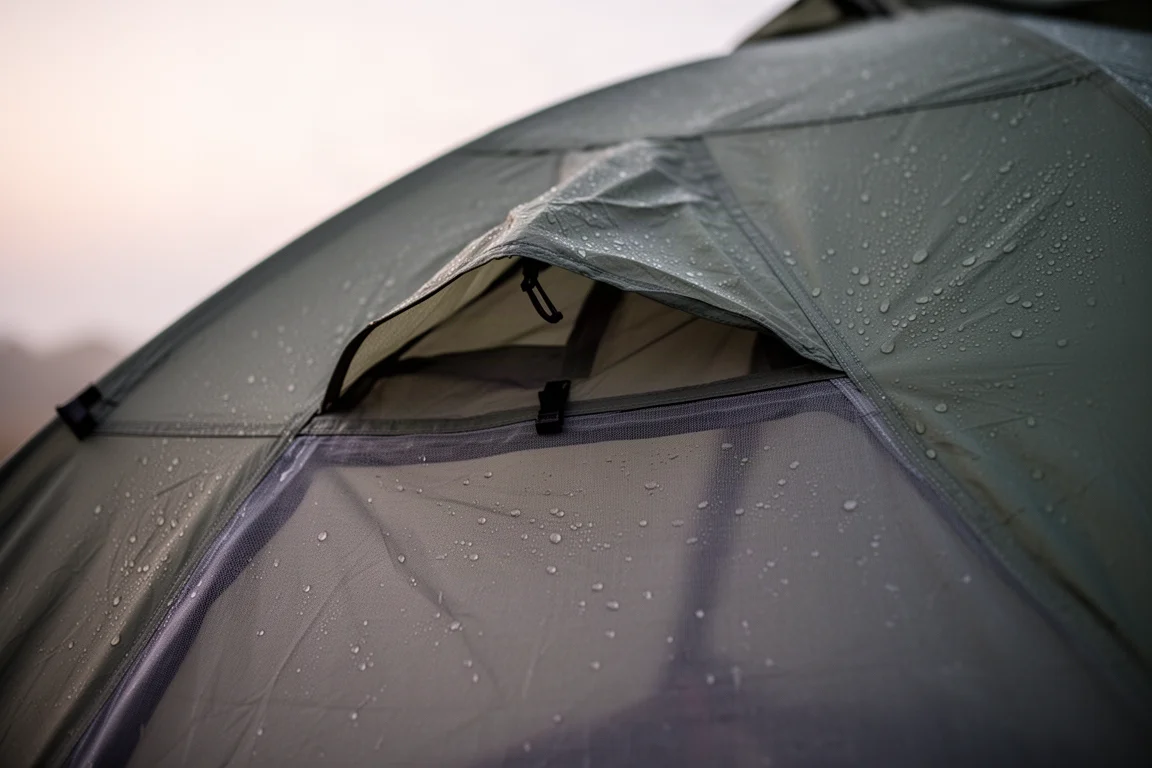
Condensation management is a genuine highlight. With the vents, the extensive mesh, and the sil polyester fabric, this tent stays remarkably dry inside even in heavy condensation conditions, which is rare at this price.
Weather and Condensation Performance
In rain and snow, the tent has kept its occupants completely dry, provided the fly is fully closed. The fly does its job, and it performs spectacularly for an inexpensive tent.
Wind performance is better than the price suggests. Pitched in a canyon where wind was funneling through, the tent held up really well.
The one weather caveat is vestibule coverage. The vestibules do not fully cover the entire tent, so if rain is falling straight down and the fly is not fully closed, water can find its way inside. Keeping the fly fully closed is what protects the interior.
Interior Space and Ventilation
The inner tent is mesh across roughly the entire top half, with a solid panel rising about a third to halfway up the walls. That solid panel is genuinely useful because it blocks wind from pushing in under the fly.
Both sides of each door can be tied back, which opens the tent up for a lot of ventilation on warm nights.
The trade-off is the wall angle. Because there is no bar running across the middle of the tent, the walls slope up aggressively toward the center. There is not much usable room close to the edges, and sitting up comfortably means sitting near the middle of the floor.
Things to Consider Before Buying
The steep wall angle is the main livability compromise. Headroom is concentrated in the center rather than along the sides, so two occupants will want to keep gear organized toward the middle.
Vestibule coverage is partial, which means rain protection depends on keeping the fly fully closed.
Carrying the footprint adds 190 grams to your pack, though it is included rather than sold separately.
The sleeping bag and pad package is only appropriate for camping in temperatures above freezing.
On materials, the mesh uses a solution dye process that limits the water and material used for that part of the tent. The fly and the main body panels are not made from recycled polyester, which is the obvious next step for a tent that already leans on sustainable practices and ethically run factories.
Build quality is a strength. The tent is manufactured overseas, likely in one of the large factories that produces a great number of tents, and it is well put together and durable. It sits a step above many tents in this price range.
Buying Advice
At $160, the Passage 2 covers the essentials that matter most: a simple freestanding pitch, a genuinely weather-ready fly, excellent condensation control, and a complete accessory kit that includes the footprint. The $300 package with the sleeping bag and pad is a convenient way to cover a full sleep system in one purchase, as long as you are camping above freezing.
If your priority is a durable, easy-to-pitch two-person tent that handles rain, snow, wind, and humidity without a premium price, this is an easy recommendation to feel confident about. Buyers who need more usable volume near the walls, or fully covering vestibules, will want to look at tents with a different pole architecture.
Conclusion
The REI Passage 2 gets the fundamentals right. It is light enough at 4.6 pounds packed to carry comfortably, simple enough for a first backpacking trip, and sturdy enough to shrug off rain, snow, and funneling canyon wind. Condensation management in particular is better than the price suggests, and the included footprint plus the $160 price make the value case straightforward. Its quirks are real but narrow: steeply angled walls, partial vestibule coverage, and a sleep system package that stops at freezing. Buy it for the weather performance and the price, and go in knowing exactly where the interior space lives.
Product link
View more details for REI Passage 2
This product is mentioned in the review. Check the specifications, options, and compatibility before buying.
View more details for REI Passage 2Further reading
Related Reviews
Tents
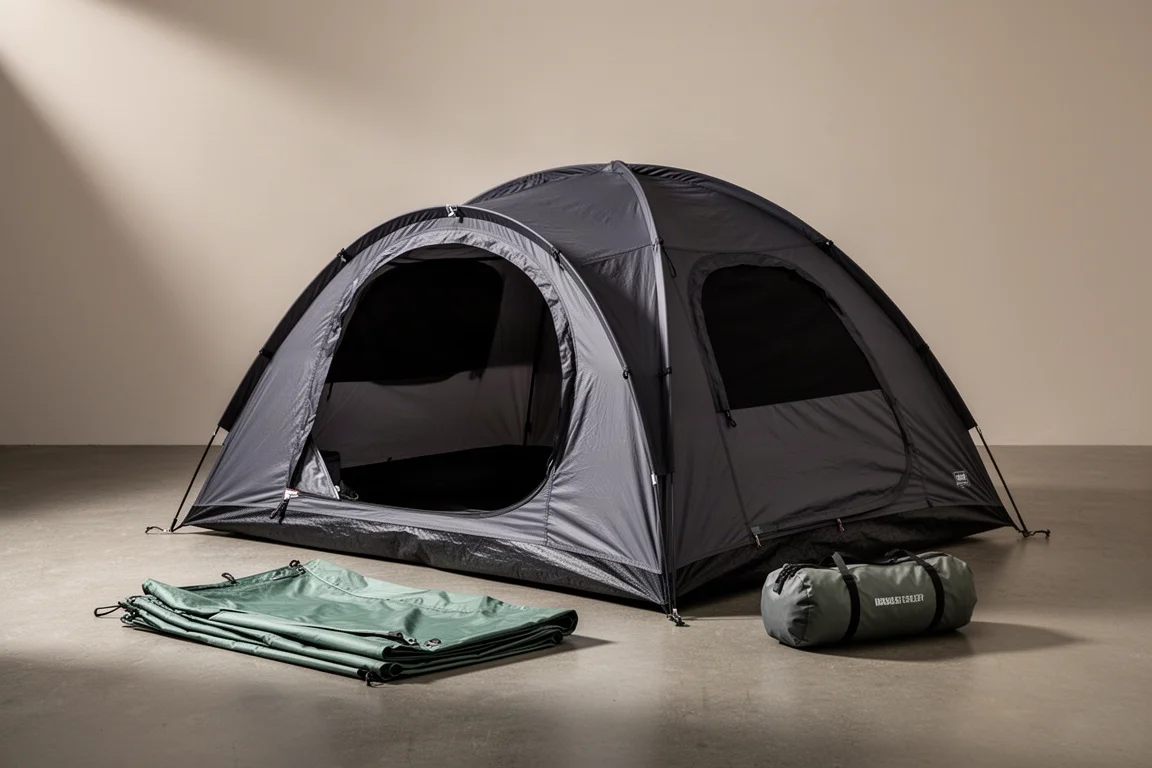
Black Dog Instant Setup 5 to 8 Person Tent Review: Fast Pitch, Serious Weather Problems
A quick-pitching Black Dog tent that goes up in seconds, but wet-weather testing revealed seam leaks, an overstated capacity claim, and awkward doors.
Tents
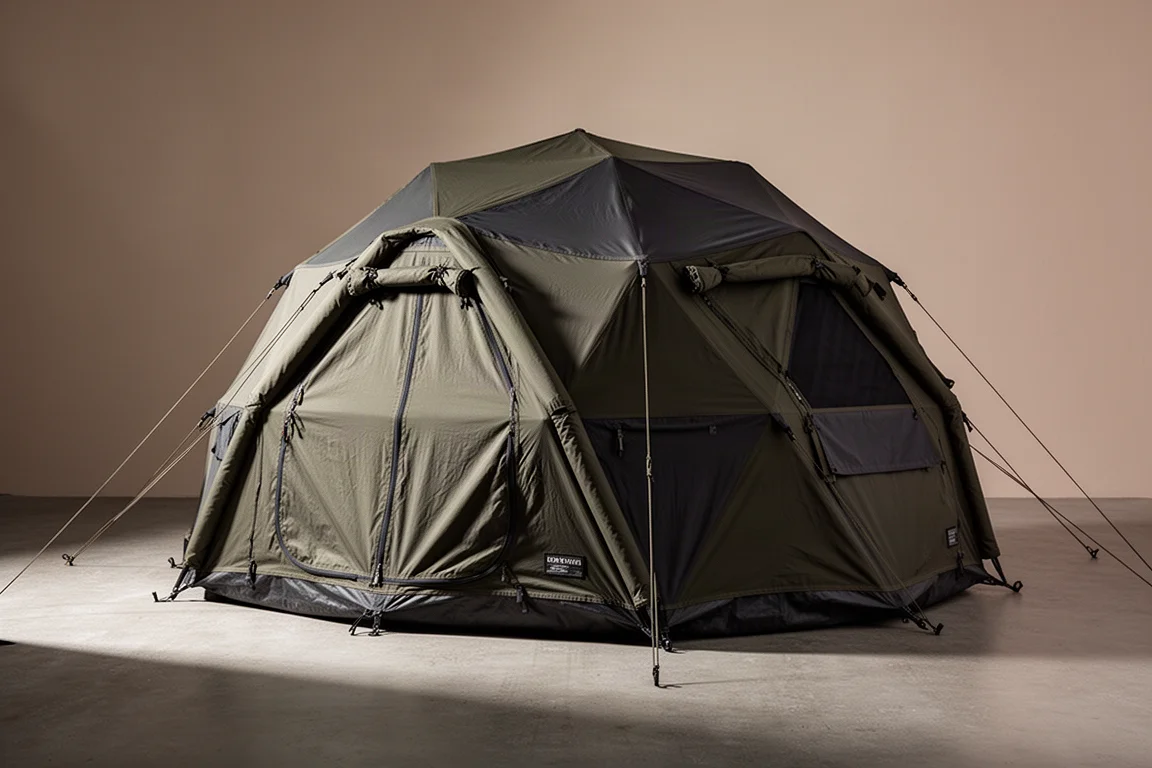
Lightfighter Dragoon Review: An Eight-Person Four-Season Military Shelter
The Lightfighter Dragoon is a 57-pound, eight-person expedition tent built for extreme weather. Here is what its materials, size, and setup demands mean for real buyers.
Tents
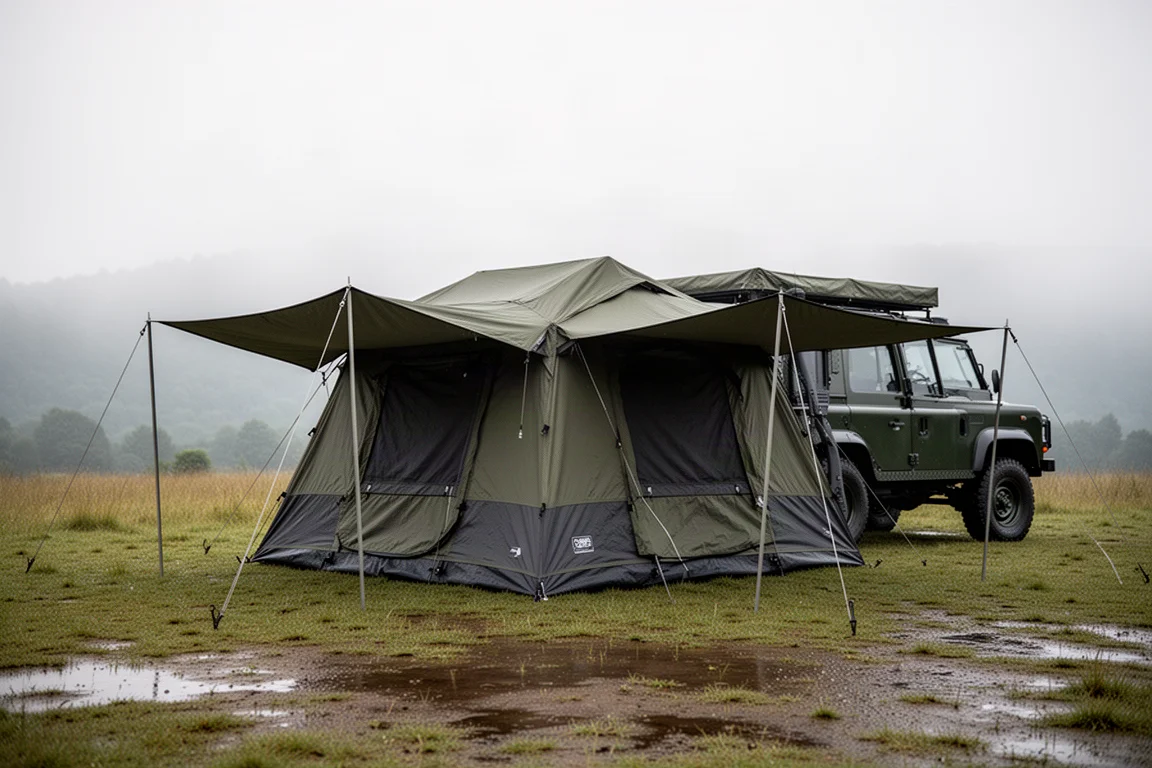
Lone Rider Motorcycle Tent Review: A Big Shelter That Stays Dry
A double-wall motorcycle tent with two large awnings, two entry points, and enough interior height to stand up, plus the pack size trade-off to weigh first.