Backpacking Packs
REI Flash 55 vs REI Flash Air 50: Which Backpacking Pack Fits Your Load?
A practical comparison of two lightweight REI backpacking packs, covering weight, capacity, suspension, and value.
Introduction
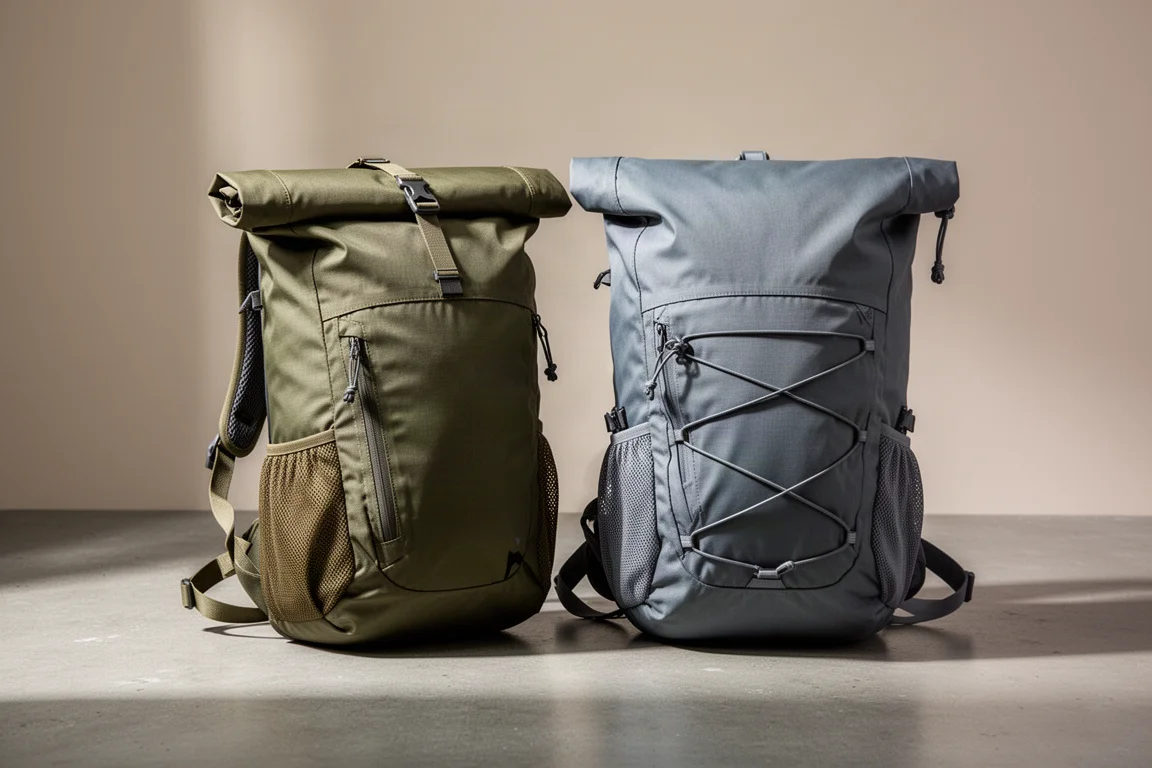
The REI Flash 55 and REI Flash Air 50 are two lightweight backpacking packs that look similar at a glance but serve slightly different priorities. The Flash 55 offers a 55-liter capacity, an adjustable torso, and a removable top lid at $200. The Flash Air 50 offers a 50-liter capacity, a fixed torso, and a lighter build at $300. The main question is whether the weight savings and upgraded fabric justify the higher price, or whether the more versatile Flash 55 is the smarter single-pack choice.

Both packs use a roll-top closure and share a similar pocket layout, so the decision often comes down to how much weight you plan to carry and how important fit customization is for your body.
What These Two Packs Have in Common
Both packs are designed for lightweight backpacking and use a roll-top main compartment. They include a front pocket, side pockets for water bottles and other gear, and a hip belt with sternum strap adjustment. The water bottle pockets on both packs are easy to reach while wearing the pack, which is a practical detail for long days on the trail.
The two packs also share a similar carry philosophy: comfortable foam back panels, load lifters, and a focus on keeping the pack stable without unnecessary bulk. The Flash 55 and Flash Air 50 both aim to balance low weight with enough structure for multi-day trips.
REI Flash 55: The Versatile Value Pick
The REI Flash 55 is a 55-liter pack that weighs just under three pounds and costs $200. It uses a strong 100-denier ripstop nylon fabric and includes a removable top lid. The top lid adds organization and can be removed to save weight, bringing the usable capacity closer to the Flash Air 50. The pack also has an adjustable torso, which lets you fine-tune the fit rather than relying on a fixed size.
The hip belt is supportive and softens up over time. Even though it uses a single inch-and-a-half webbing strap rather than a V or Y adjustment, it has proven comfortable with heavy loads. In practice, the Flash 55 has carried up to 38 pounds and still felt good, and 40 pounds seems like a reasonable upper limit for this pack.
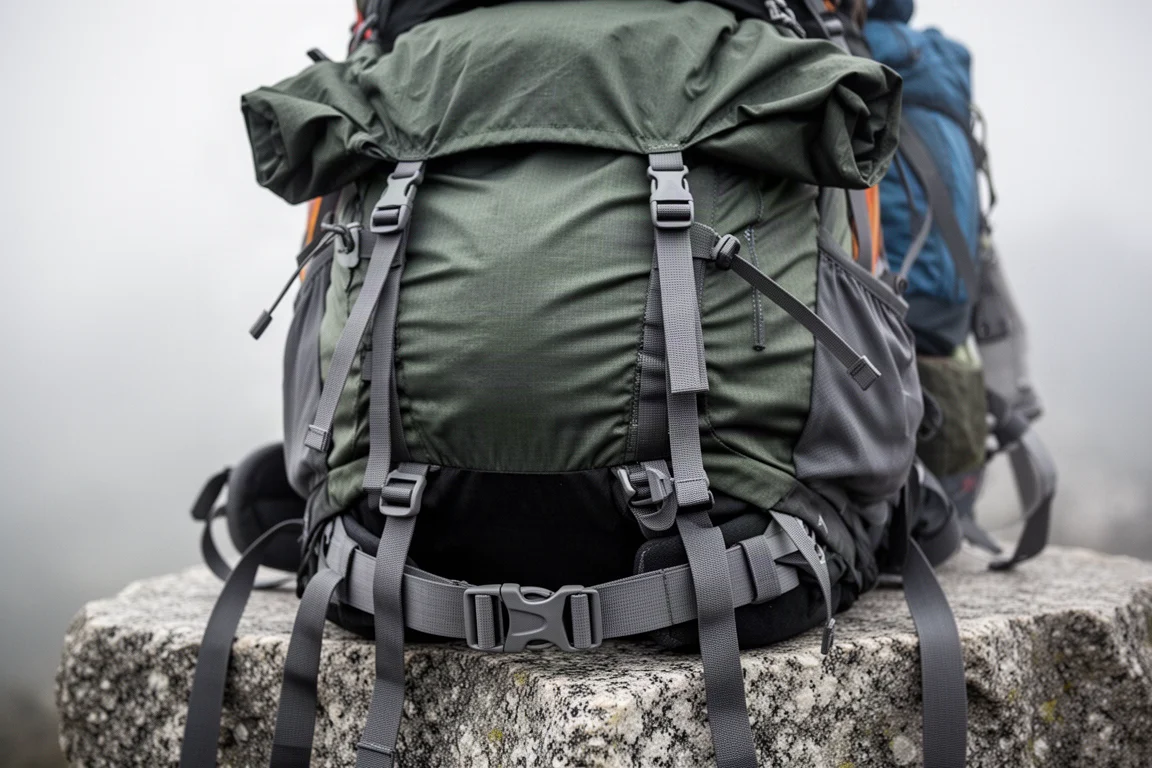
The side pockets are designed so that water bottles remain accessible, while a separate pocket on each side can hold tent poles, a chair, or other long items without blocking the bottle. The front pocket is large and easy to load. For a mainstream pack at this price, the combination of low weight, adjustable fit, and load capability makes the Flash 55 a strong value.
REI Flash Air 50: The Lighter, Higher-Cost Option
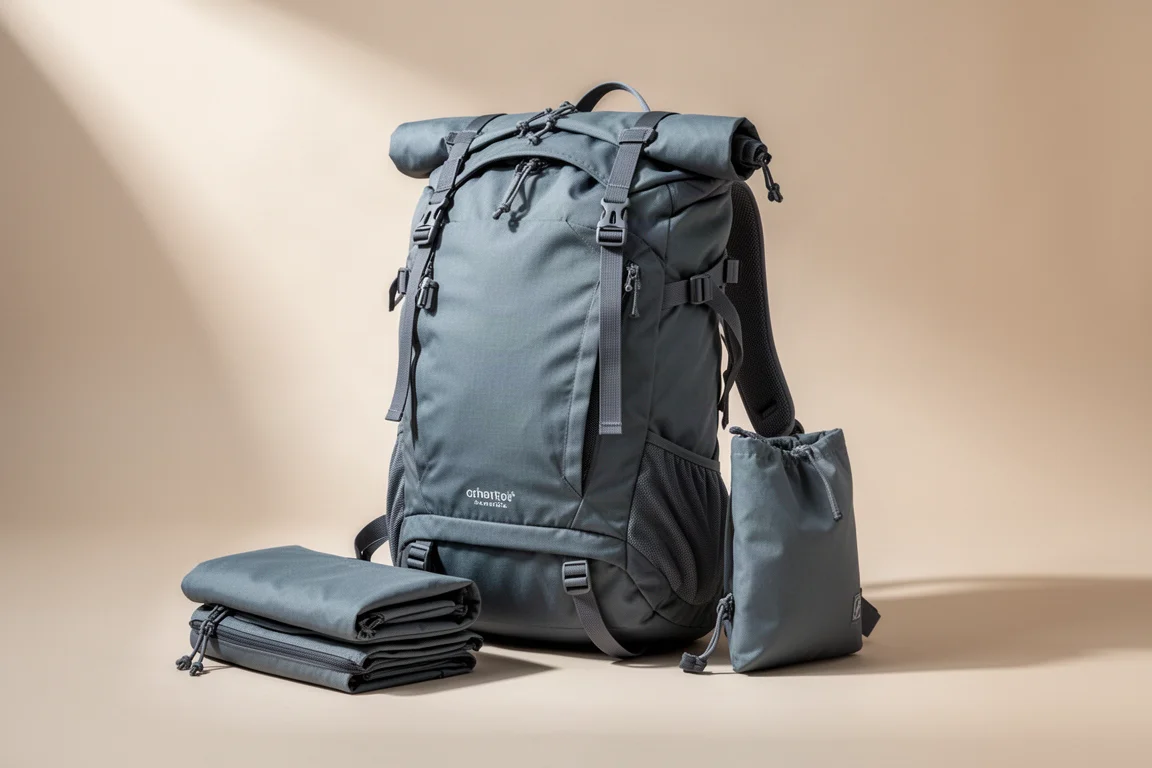
The REI Flash Air 50 is a 50-liter pack that weighs about a full pound less than the Flash 55, depending on size. It costs $300. The higher price reflects the lighter fabric, which weaves Spectra or Dyneema fiber into the material for improved strength-to-weight ratio. That makes it more durable than the standard 100-denier and 200-denier nylons used on the Flash 55.
The Flash Air 50 does not have a top lid, but it does have a roll-top closure and a Y-style top strap for attaching items like a folding closed-cell foam pad. It cannot accommodate a bear canister under the top strap. The front pocket and the non-water-bottle side pocket are slightly tighter than those on the Flash 55, and the overall design feels a bit more streamlined.
Carrying Comfort and Suspension Differences
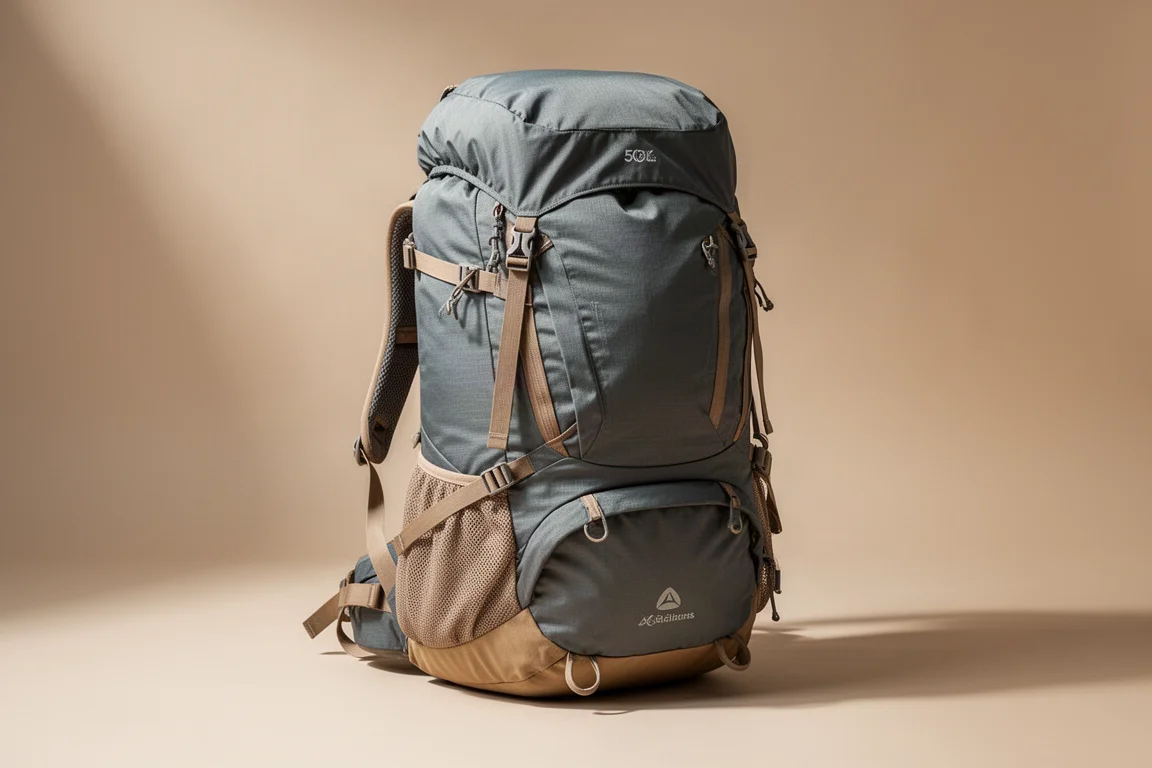
The biggest functional difference is the suspension. The Flash Air 50 has a fixed, non-adjustable torso, so choosing the correct size is critical. A medium fits an 18.5-inch torso well, though a 19-inch torso might be even better. The hip belt on the medium is fairly large, so anyone with a smaller waist should check the fit carefully. The molded foam back panel provides good ventilation and wraps into the hip belt for a comfortable carry.
The Flash 55, by contrast, has an adjustable torso. That flexibility makes it easier to dial in the fit, especially for users at the extremes of a size range. The Flash 55 hip belt is also supportive, and the adjustable torso can help avoid a hip belt that is too large or too small.
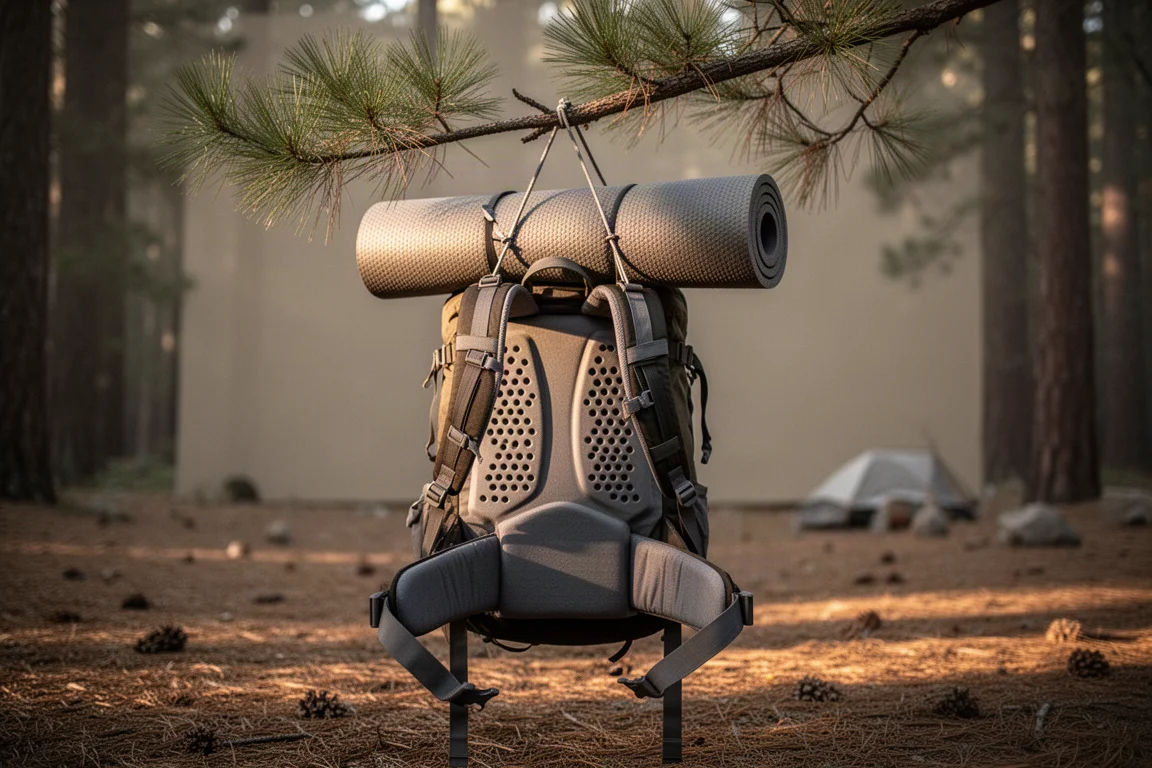
In terms of comfort, the two packs feel similar when loaded within their intended ranges. The Flash Air 50 feels comfortable at around 27 pounds, which seems to be its sweet spot. It can handle 30 to 32 pounds at the start of a trip, but pushing it to 35 pounds is not ideal. The Flash 55 carries heavier loads more confidently, with 38 pounds feeling fine and 40 pounds remaining reasonable.
Weight, Capacity, and Price Trade-Offs
The capacity difference between 55 liters and 50 liters is modest, especially if you remove the top lid from the Flash 55. The more meaningful difference is the weight. The Flash Air 50 saves about a pound, which matters more for ultralight backpackers who are already counting ounces. For a pack in the 35 to 45-liter range, a pound can be a significant percentage of total pack weight. At 50 to 55 liters, the relative benefit is smaller.
The Flash 55 costs $200, while the Flash Air 50 costs $300. Both packs often go on sale, which can shift the value equation. If saving weight is the top priority and the higher price is acceptable, the Flash Air 50 is the lighter choice. If you want a more versatile pack that can handle heavier loads and offers an adjustable torso, the Flash 55 delivers more flexibility for less money.
Buying Advice: Which Pack Makes Sense for You
Choose the REI Flash Air 50 if your base weight is already low, you typically carry around 25 to 27 pounds total, and you want to save a pound without sacrificing durability. It suits backpackers who know their torso size and are willing to pay more for lighter materials. It is less ideal if you frequently carry heavier loads, need an adjustable torso, or prefer the extra organization of a top lid.
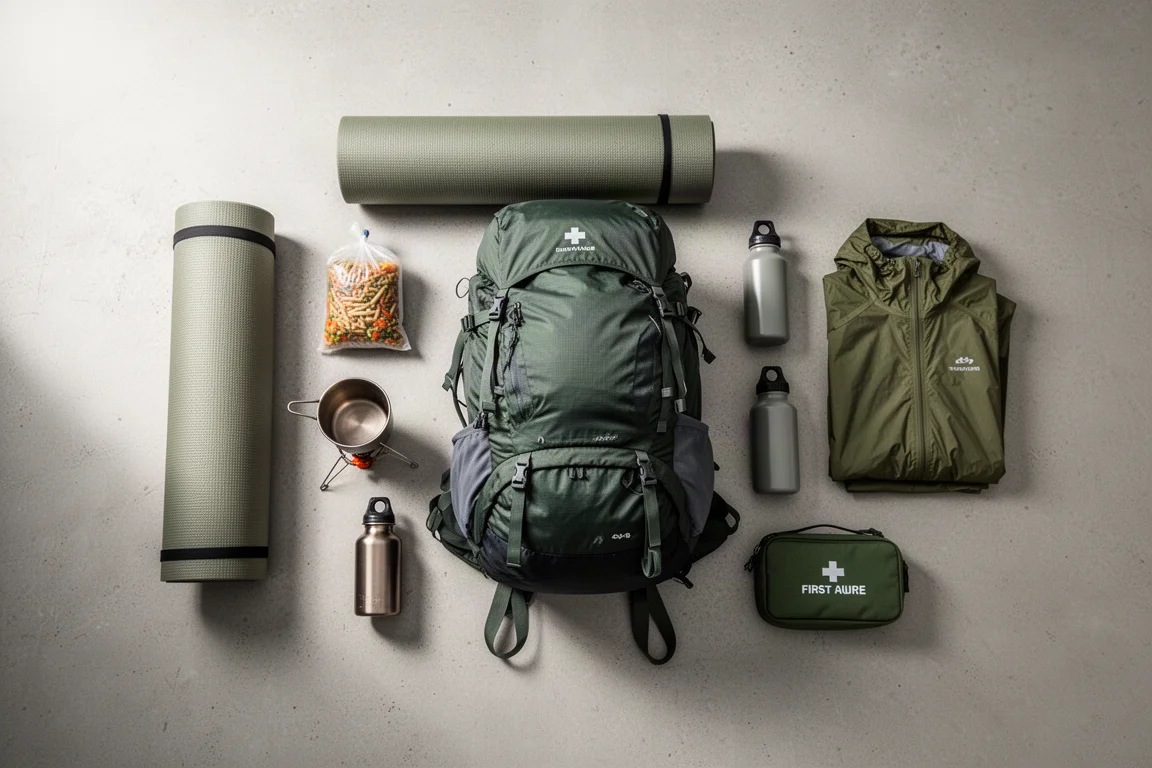
Choose the REI Flash 55 if you want one pack that can handle a wider range of trips, including heavier food and water carries. The adjustable torso makes it easier to fit, the removable top lid adds flexibility, and the $200 price leaves room in the budget for other gear upgrades. It can carry up to 40 pounds reasonably well, which makes it a more forgiving choice for weekend trips and longer outings alike.
If possible, visit a store to try both packs with weight. Fit is personal, and the fixed torso of the Flash Air 50 makes sizing especially important.
Conclusion
The REI Flash 55 and REI Flash Air 50 are both capable lightweight backpacking packs. The Flash Air 50 wins on weight and fabric durability, but it costs more and has a fixed torso with a lower comfortable load limit. The Flash 55 is heavier by about a pound, but it offers an adjustable torso, a removable top lid, and better heavy-load capability at a lower price. For most backpackers looking for a single versatile pack, the Flash 55 is the safer recommendation. For ultralight hikers who prioritize weight savings and fit within the Flash Air 50’s comfortable load range, the lighter pack is a worthy upgrade.
Further reading
Related Reviews
Backpacking Packs
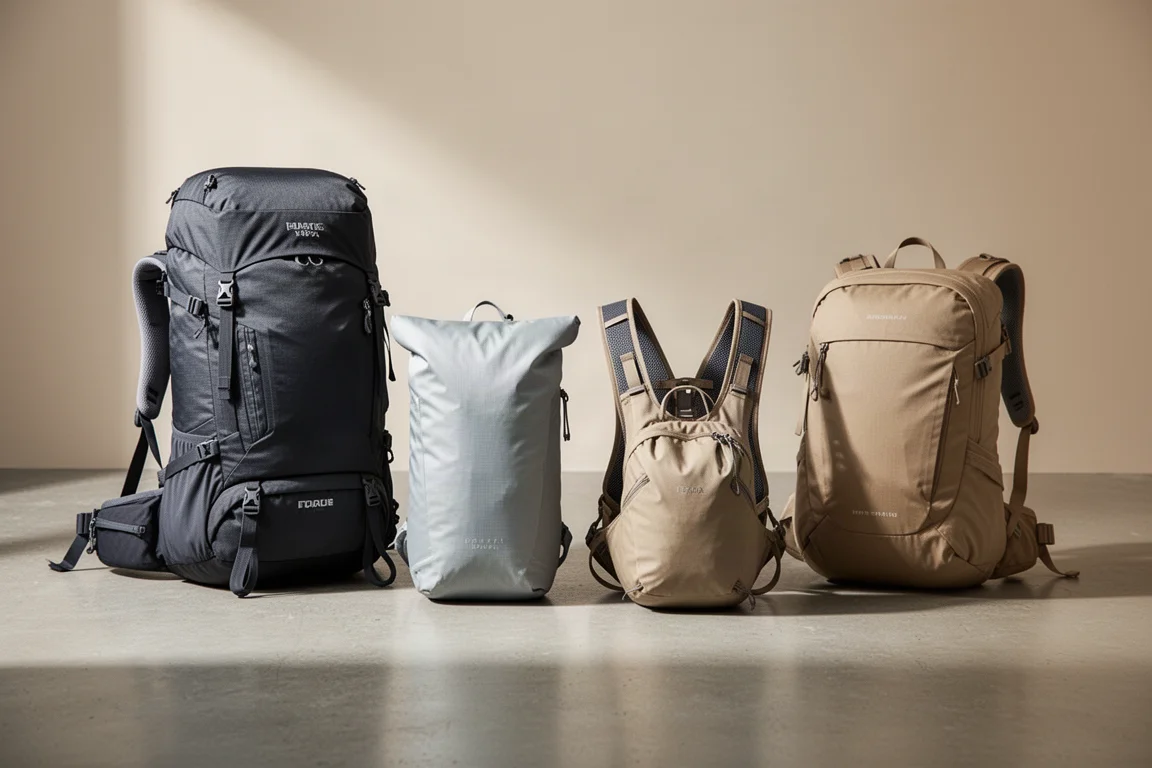
Backpacking Pack Types Compared: Traditional, Ultralight, Frameless, and Hybrid
Four pack categories, four representative packs, and a practical way to decide which kind of backpacking pack matches the weight of your gear.
Backpacking Packs
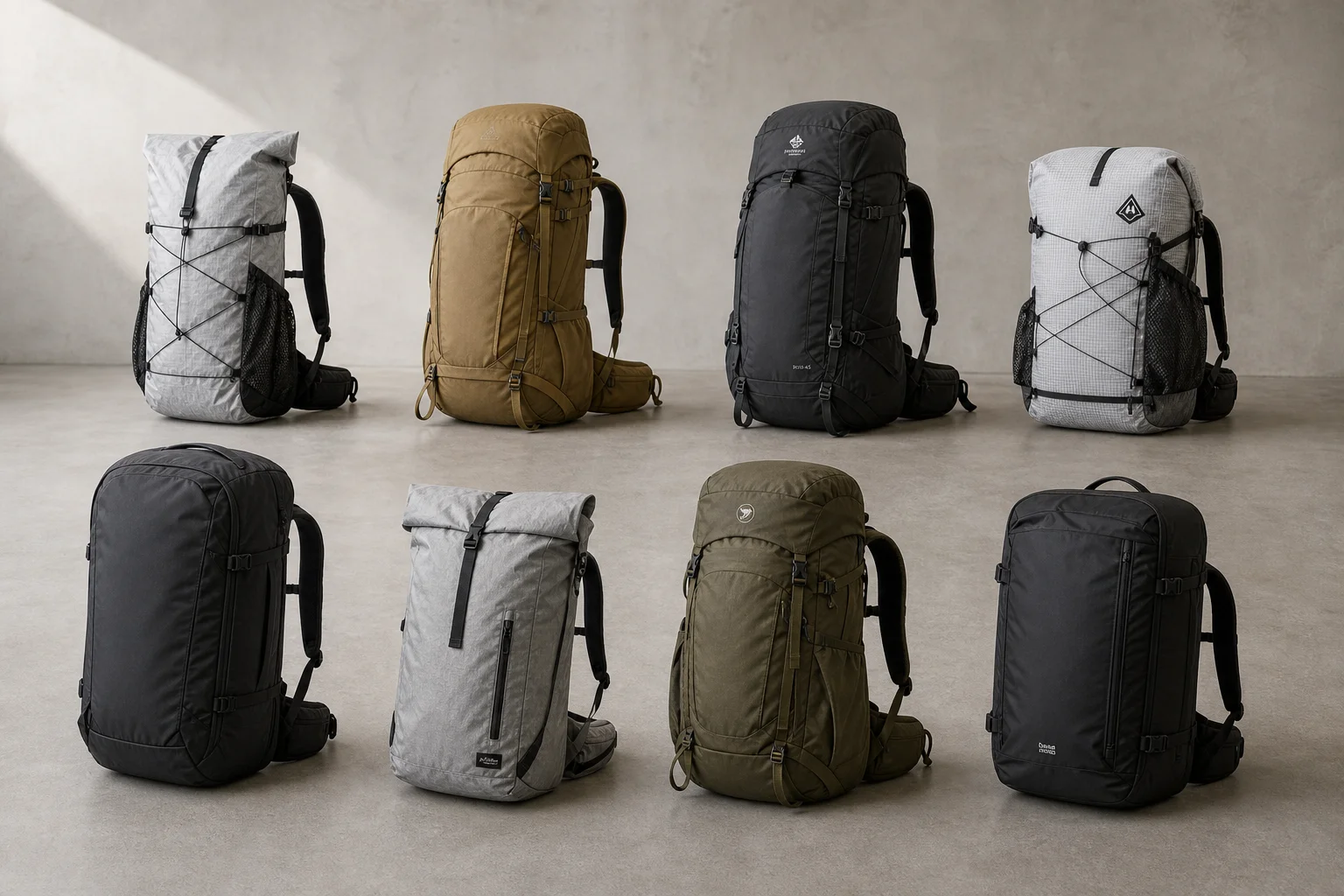
Best Backpacking Packs 2026: Six Picks for Every Style of Trip
Six backpacking packs that earned their place by weight class and purpose, with the real strengths and trade-offs to weigh before you buy.
Backpacking Packs
Big Agnes Prospector 50 Review: A Hybrid Pack That Sits Between Two Worlds
A 50-liter backpacking pack that mixes ultralight features with traditional padding and panel access. Here is who it suits and where it falls short.