Backpacking Packs
REI Flash 55 Review: A Lightweight Pack With an Adjustable Torso
A practical look at the updated REI Flash 55, covering its adjustable torso, load carrying, water bottle access, and the changes worth knowing before you buy.
Introduction
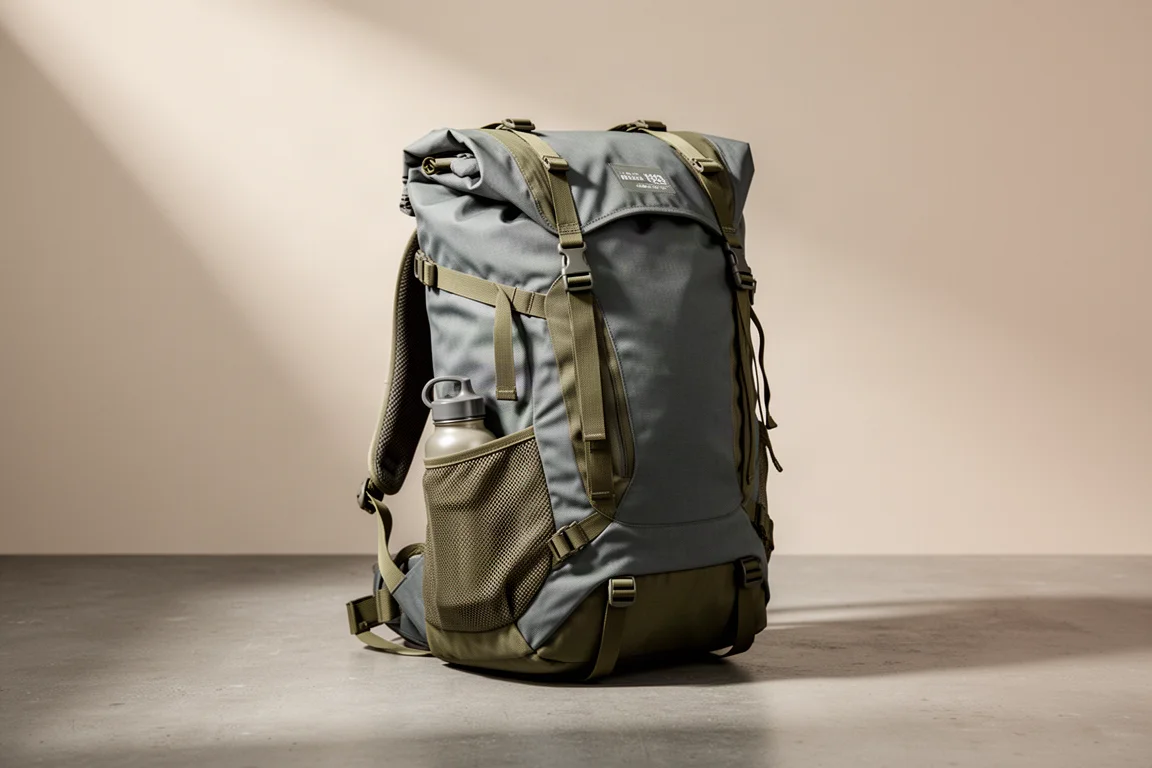
The REI Flash 55 was updated in 2023 with a long list of fine-tuned details rather than a ground-up redesign. The fabric layout stays familiar, the water bottle pockets carry over, and the removable strap system remains in place. The changes sit in the hardware, the reinforcements, and the suspension, and together they shift how the pack fits and how it behaves over a long day with real weight inside it.
This overview walks through what stayed the same, what changed, and where the updated version makes its strongest case.
Who This Pack Is For
For backpackers who want a lightweight pack that can still carry a serious load, the Flash 55 is a natural shortlist entry. The updated version is especially relevant for anyone who has struggled to match torso length with hip belt size, because torso length is now adjustable within each size. It also suits hikers with limited shoulder flexibility or shorter arms, since the side water bottle pockets can be reached without stopping or taking the pack off.

It is not a stripped-down ultralight option. It is a full-featured pack with a supportive hip belt, firm foam, and enough structure to carry food and water for long stretches between resupply points.
Main Strengths: Load Carrying and Water Bottle Access
Load carrying is the headline. The pack has handled around 40 pounds, including large water carries, and more than 40 pounds in some cases, without the suspension giving out. A wraparound hip belt connects to the main torso and transfers that weight onto the hips, while the stiff foam used in the shoulder straps and hip belt holds its shape under sustained load instead of collapsing.
Water bottle access is the other long-standing strength. The side pockets let you reach back, pull a bottle, drink, and return it in one motion, which matters on long climbs where stopping repeatedly breaks your rhythm.
What Changed in the Updated Flash 55
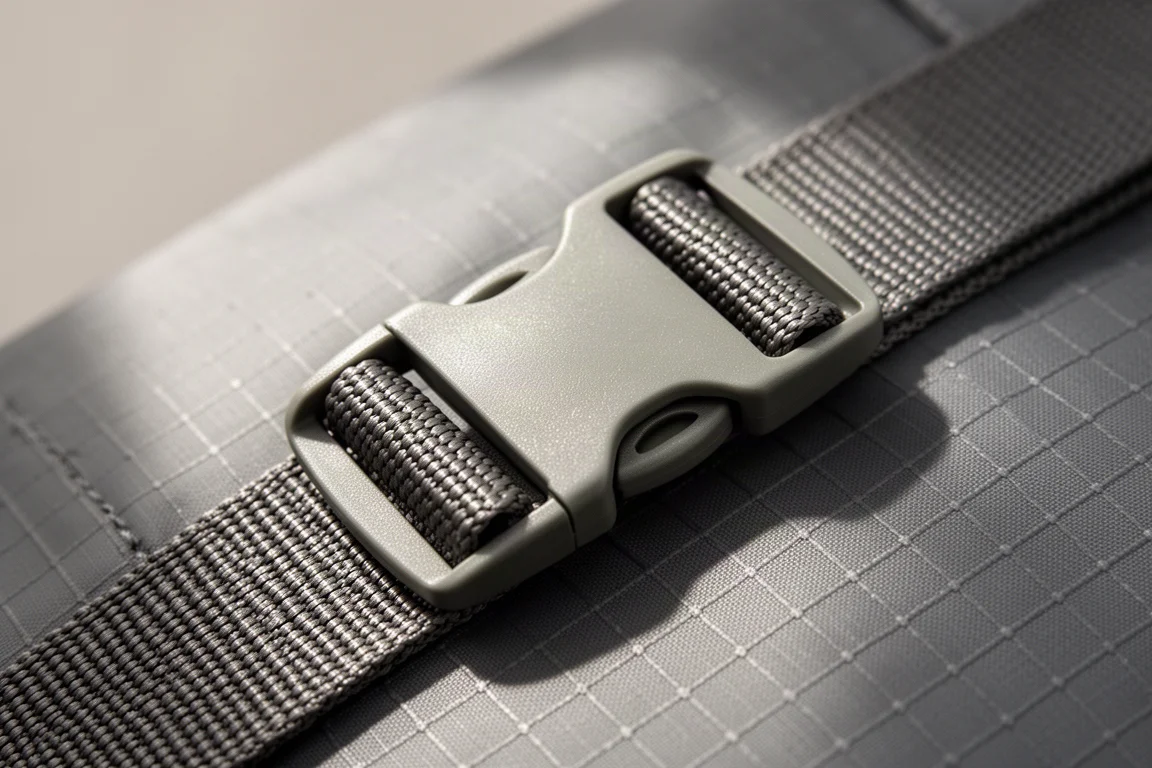
Several changes are worth knowing about. The front pocket is no longer fully mesh. REI added a reinforced 210 denier nylon panel there, which improves durability but makes the pocket less able to swallow bulky or awkwardly shaped items than the earlier mesh version. The front pocket also attaches to the main body with a classic buckle instead of the toggle used previously, which is quicker and less fiddly to operate.
The lid, often called the brain, has been slightly redesigned and is no longer waterproof. For anyone who used that pocket to keep small items dry, that is a genuine loss.
The side pockets are about 1.5 inches taller. It is a subtle change, small enough that it takes a measuring tape to confirm, and it mainly affects how securely long items such as tent poles sit in place.
There is also new reinforcement along the hip belt, where 420 denier nylon now covers an area that was previously mesh or lighter fabric. That is a high wear zone, so the extra material is a sensible addition.
Weight has risen slightly. The pack remains just over a kilogram, and removing the removable straps and small accessories brings it close to a kilogram, but the increase over the previous version is real.
Materials and Durability in Real Use
The Flash 55 keeps 210 denier nylon across most of the body, with 420 denier nylon in the reinforced areas. In rough use on granite, including scraping the base across rock while scrambling and climbing, the bottom came through without holes. The side panels did pick up a few small holes. That is a reasonable outcome for fabric at this weight, though it is worth knowing if you regularly drag a pack over sharp rock.
The strap system remains flexible. Webbing runs down different parts of the pack, and the straps can be moved between attachment points to match how you prefer to organise and compress your load.
Things to Consider Before Buying
The lid is no longer waterproof, so anything that must stay dry needs a dry bag or stuff sack instead.
Weight is up slightly compared with the previous version, even if the pack is still lightweight in absolute terms.
The front pocket is less expandable than the mesh design it replaces, which will matter if you liked stuffing a wet layer or bulky item into it.
The foam is stiff when the pack is new. A short try-on in a shop can feel uncomfortable, and that first impression does not reflect how the pack carries once it has been loaded and worn for a while.
The taller side pockets are a minor change that most buyers will never notice.
Fitting, Sizing, and the Adjustable Torso
Sizing now includes small, medium, large, and a large paired with a small hip belt. The more significant change is the adjustable torso. A hook and loop panel can be opened and repositioned through several loops, so a medium can be set anywhere from an 18 inch to a 20 inch torso length. The previous medium was listed as fitting 18 to 20 inches but was geared toward roughly 19 inches, which left some 18 inch torsos feeling that the pack ran slightly big.
The practical benefit is that torso length and hip belt size no longer have to fight each other. A slimmer hiker who needs a longer torso but a smaller hip belt can size down for the hip belt and then extend the torso to fit. REI also added a hip belt extender for larger waists, and shortened the hip belt straps compared with the previous version, which cuts down on the amount of dangling webbing once the belt is tightened.
Because the foam is firm at first, wear the pack loaded for an extended period before deciding. It contours to your body over time rather than degrading.
Buying Advice
If you are shopping for a first lightweight backpacking pack and expect to carry 35 to 40 pounds or more, the Flash 55 is worth trying on. The combination of a wraparound hip belt, firm foam, and an adjustable torso makes it easier to dial in a fit, and the water bottle pockets remain one of its most practical features on the move.

If you already own an earlier Flash 55, the upgrade case depends mostly on fit. Hikers whose previous pack fitted well may not need to change, since the fabric, water bottle pockets, and strap system all carry over. Those who struggled with hip belt sizing, or whose torso length sat at the edge of a size range, have the clearest reason to move to the updated version. Anyone who relied on the waterproof lid should plan for a dry bag or stuff sack to replace that function.
Conclusion
The updated REI Flash 55 keeps what made the pack a strong choice for load carrying and on-the-move hydration, and adds a level of fit adjustment that was previously missing. The trade-offs are a slightly higher weight, a lid that is no longer waterproof, and a front pocket that holds less than before. Weighed against the ability to tune torso length and hip belt size independently, it remains a sensible option for hikers who carry real weight and want a pack that can be matched to their body.
Product link
View more details for REI Flash 55
This product is mentioned in the review. Check the specifications, options, and compatibility before buying.
View more details for REI Flash 55Further reading
Related Reviews
Backpacking Packs
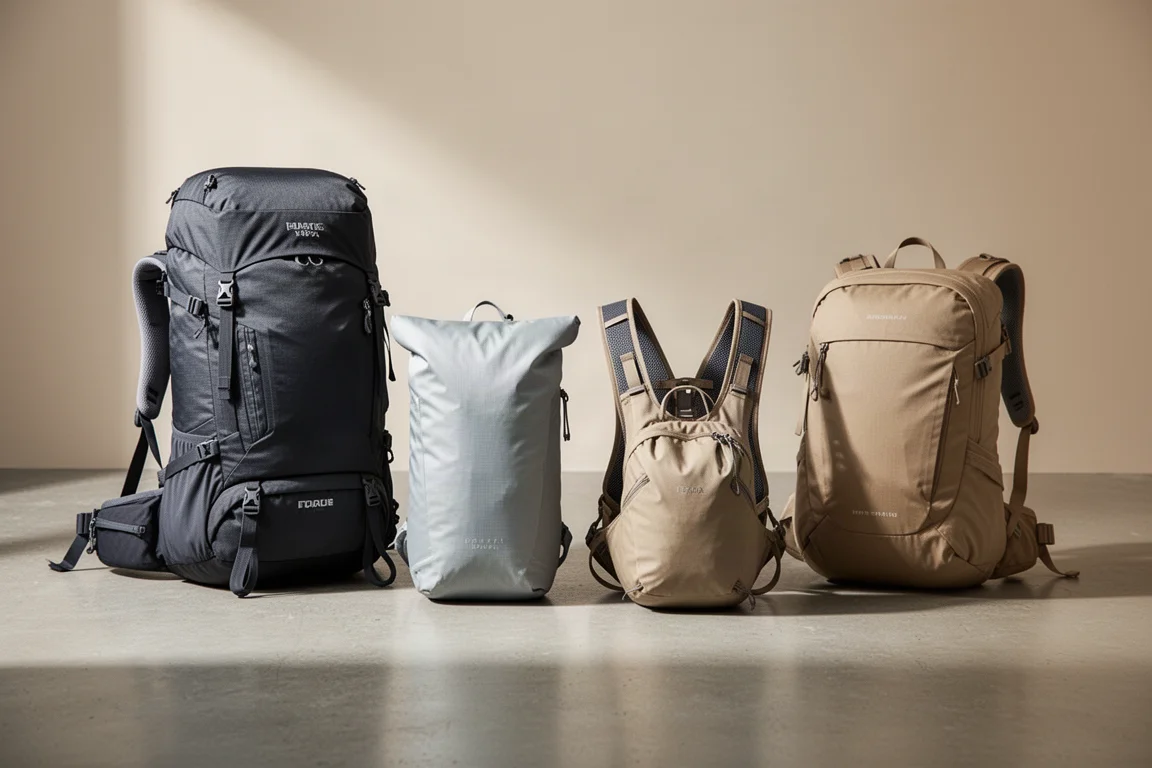
Backpacking Pack Types Compared: Traditional, Ultralight, Frameless, and Hybrid
Four pack categories, four representative packs, and a practical way to decide which kind of backpacking pack matches the weight of your gear.
Backpacking Packs
Best Backpacking Packs 2026: Six Picks for Every Style of Trip
Six backpacking packs that earned their place by weight class and purpose, with the real strengths and trade-offs to weigh before you buy.
Backpacking Packs
Big Agnes Prospector 50 Review: A Hybrid Pack That Sits Between Two Worlds
A 50-liter backpacking pack that mixes ultralight features with traditional padding and panel access. Here is who it suits and where it falls short.