Down Jackets
REI Down Hoodie 2.0 vs Decathlon Trek 100: Which Budget Down Jacket Is Better?
A practical comparison of two affordable down jackets, covering warmth, weight, shell materials, hood coverage, fit, and warranty terms.
Introduction
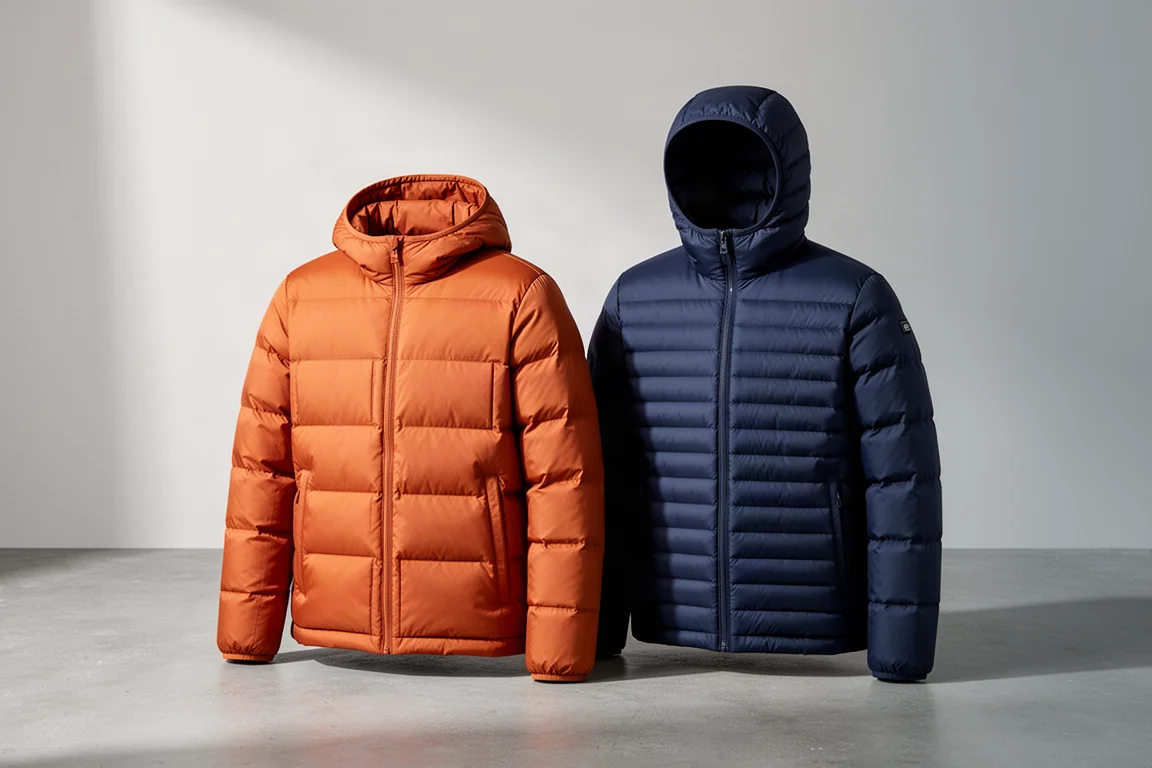
Down jackets from premium outdoor brands often cost two or three times as much as the most affordable options on the market, yet the gap in real-world performance is smaller than those price tags suggest. Two jackets sit at the front of that value conversation: the REI Down Hoodie 2.0 and the Decathlon Trek 100. Both are widely available, both use responsibly sourced down, and both are frequently discounted well below their list prices. The question is which one makes more sense for the way you actually wear a jacket.
What to Look For in an Affordable Down Jacket
A handful of details separate a good budget down jacket from a forgettable one: how much down it holds, the fill power of that down, the weight and durability of the shell fabric, and how well the hood and collar seal in warmth. Baffle construction matters too, and both jackets here use sewn-through baffles, which means the stitching passes straight through the down chambers rather than creating separate box walls.
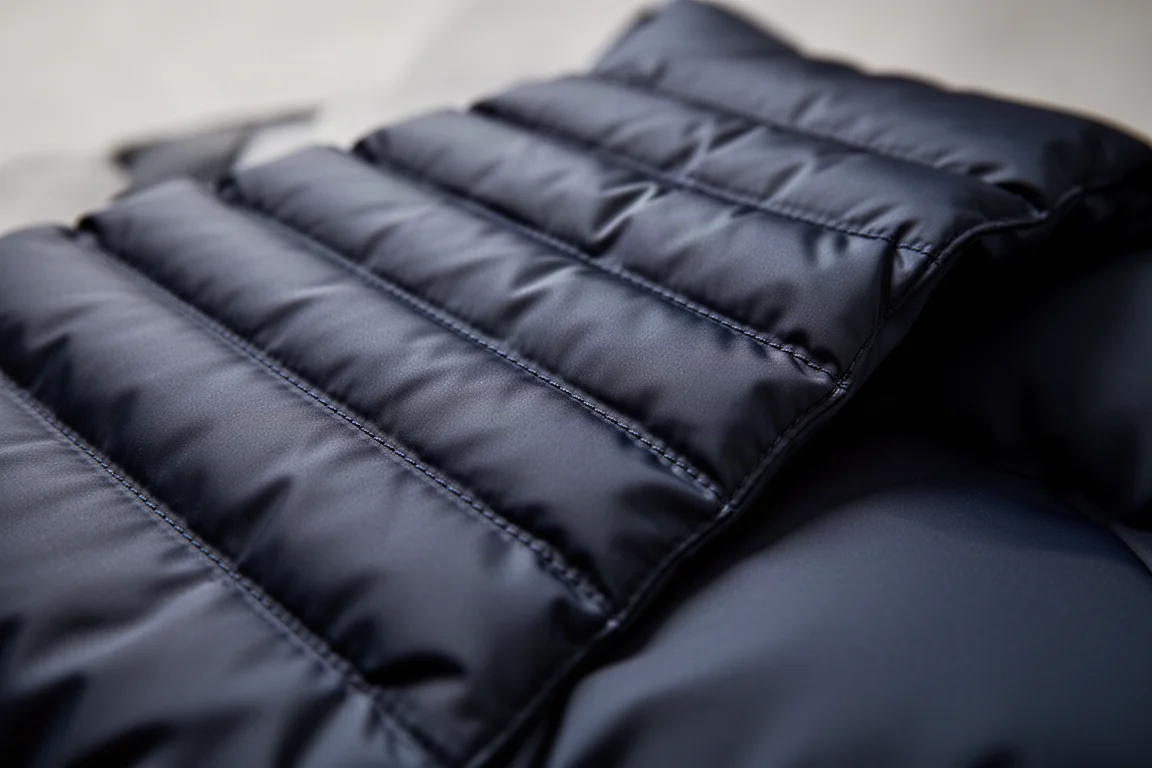
That construction keeps weight and cost down, and at these price points it is the standard approach rather than a compromise unique to either jacket. What actually changes how a jacket feels comes down to fill quantity, fill power, hood shape, and the small details around the cuffs and hem.
REI Down Hoodie 2.0: A Familiar All-Rounder
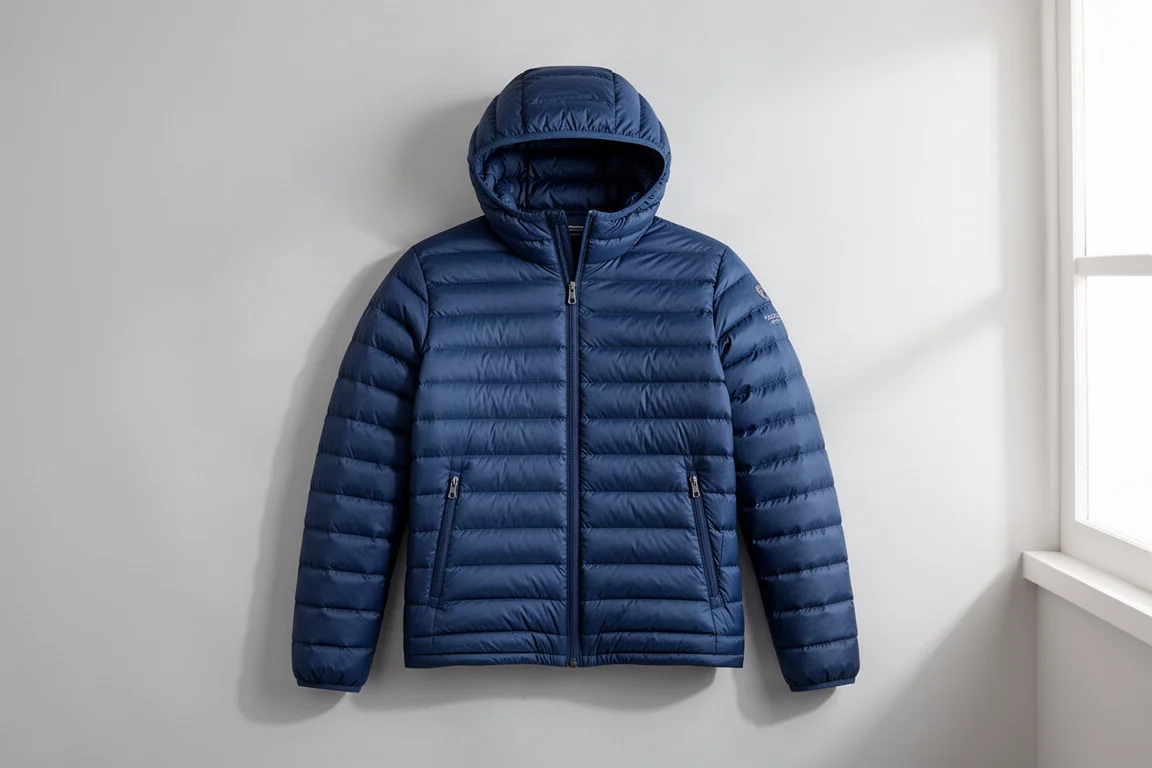
The REI Down Hoodie 2.0 uses 650 fill power down inside a 20 denier nylon shell, and it weighs around 315 grams. The baffles are rectangular and boxy, giving the jacket a traditional quilted look. It comes in a hooded version and a non-hooded version, and the hand pockets are zippered so nothing falls out while you are moving. There are also two internal pockets, which are genuinely useful for stashing a hat or a pair of mitts.
On warmth, the REI jacket is comfortable in cool conditions and holds up to roughly 5 to 10 degrees Celsius with a light layer underneath. Below that range it starts to feel like the wrong tool for the job. The shell materials are bluesign certified and the down is RDS certified, so the sourcing and material claims are documented rather than implied.
Decathlon Trek 100: Warmer, Lighter, and Widely Available
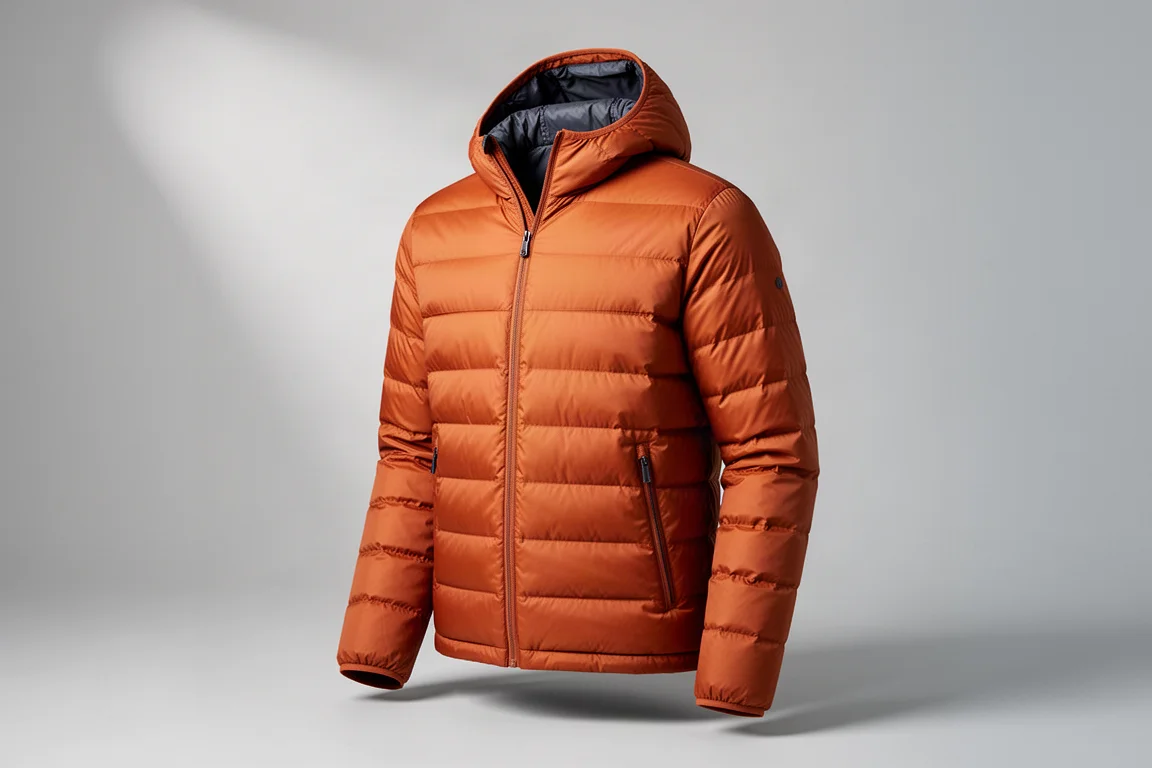
The Decathlon Trek 100 is the warmer of the two. It carries more down and uses 850 fill power, which is a meaningful step up in insulation efficiency. With just a t-shirt underneath, it stays comfortable down to freezing. The shell is a 15 denier nylon, lighter than the REI jacket’s 20 denier fabric, and the whole jacket weighs around 300 grams. That combination of lighter fabric and higher fill power also means it compresses a little better.
The hood is the other clear advantage. It is more form-fitting, hugging the head and the sides of the face, and the collar sits higher, so a fully zipped jacket covers more of the neck and chin. The Trek 100 adds a hem cinch for locking heat in at the waist, and the wrist cuffs are set back slightly so they overlap the back of the hand.
Colour availability depends heavily on region, with some markets offering around ten options and others far fewer. A hoodless version exists in some countries but not in the US or Canada.
Warmth and Weather Protection Compared
Construction is closer than the price gap suggests. The REI jacket uses square baffles while the Trek 100 uses long, thin horizontal baffles, but the total sewn-through area ends up roughly comparable, so baffle layout alone is not the deciding factor. The real difference is how much down each jacket holds and how efficiently that down lofts.
Both jackets carry a DWR coating on the shell. That is enough for a light misting or a brief drizzle, and both will shed a little snow, but neither is a rain jacket and neither should be worn into a downpour. Both also use RDS certified down, so the ethical sourcing standard is the same on paper.
Fit, Sizing, and Everyday Features
Sizing runs differently between the two. On a 5 foot 10 inch, 180 pound frame with a 40 inch chest and a 33 inch waist, a large in the REI jacket fits well with room to move. The same size in the Trek 100 is noticeably snug, and stepping up to an extra large leaves more space for layering underneath.
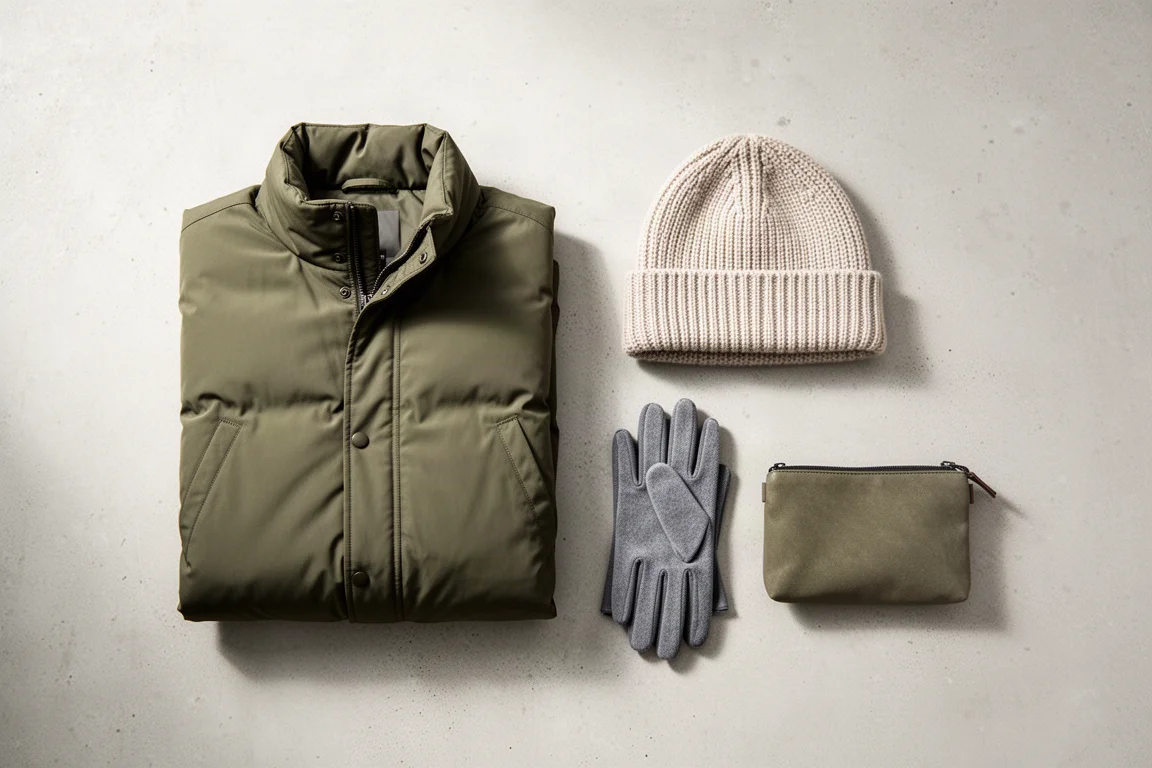
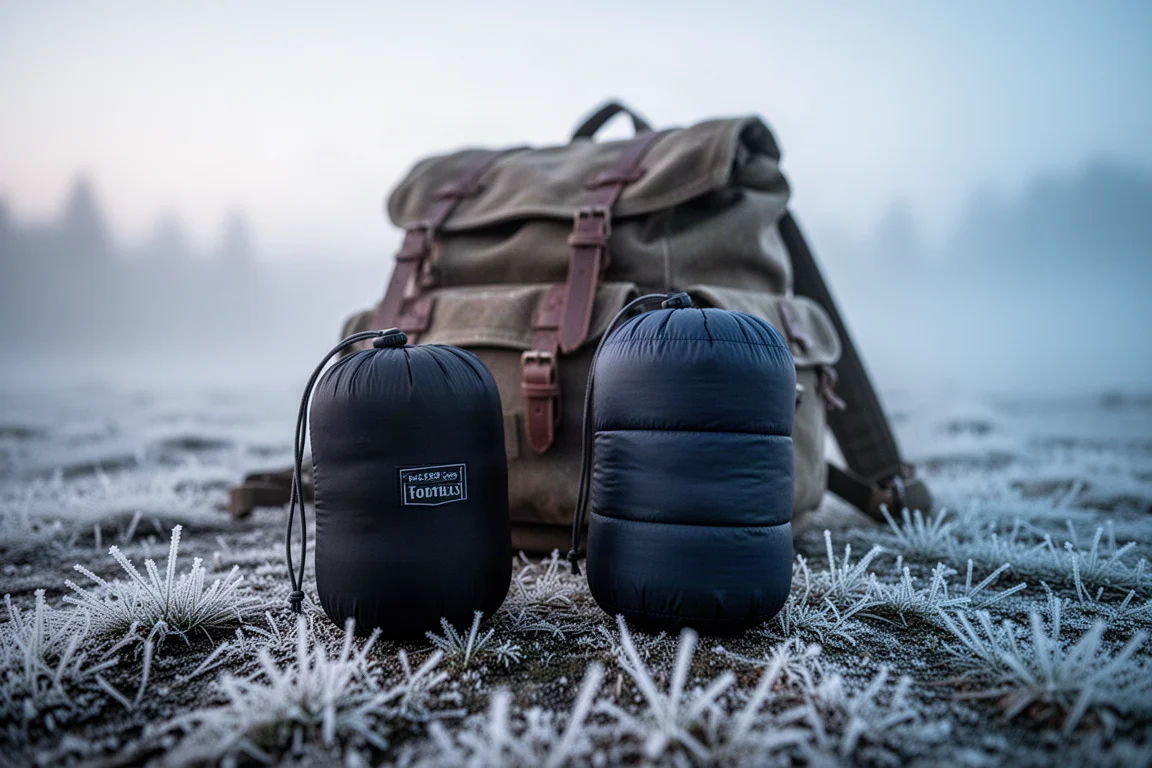
Everyday features are close. Both have zippered hand pockets that double as a stuff sack, so the jacket can be compressed into its own pocket for storage or travel. The REI jacket adds the two internal pockets mentioned earlier, while the Trek 100 counters with the hem cinch and the set-back cuffs.
Price, Warranty, and Value
At full retail the REI Down Hoodie 2.0 is around 120 dollars and the Decathlon Trek 100 is around 90 dollars. Both are discounted frequently, often landing in the 60 to 70 dollar range, which narrows the price gap considerably and pushes the decision toward performance rather than cost.
The return policies differ in a way that matters. REI offers a one year, no questions asked return, so a jacket you simply do not get along with can go back. Decathlon offers a two year warranty, but it applies to defects rather than preference, and the terms vary from country to country because each market operates under its own rules.
Buying Advice: Which Budget Down Jacket Should You Choose?
Choose the Decathlon Trek 100 if warmth is the priority. It insulates down to freezing, weighs slightly less, packs a little smaller, and its hood and collar do a better job of trapping heat around the head and neck. It is also the cheaper jacket at full retail and the one with the widest colour range in most markets.
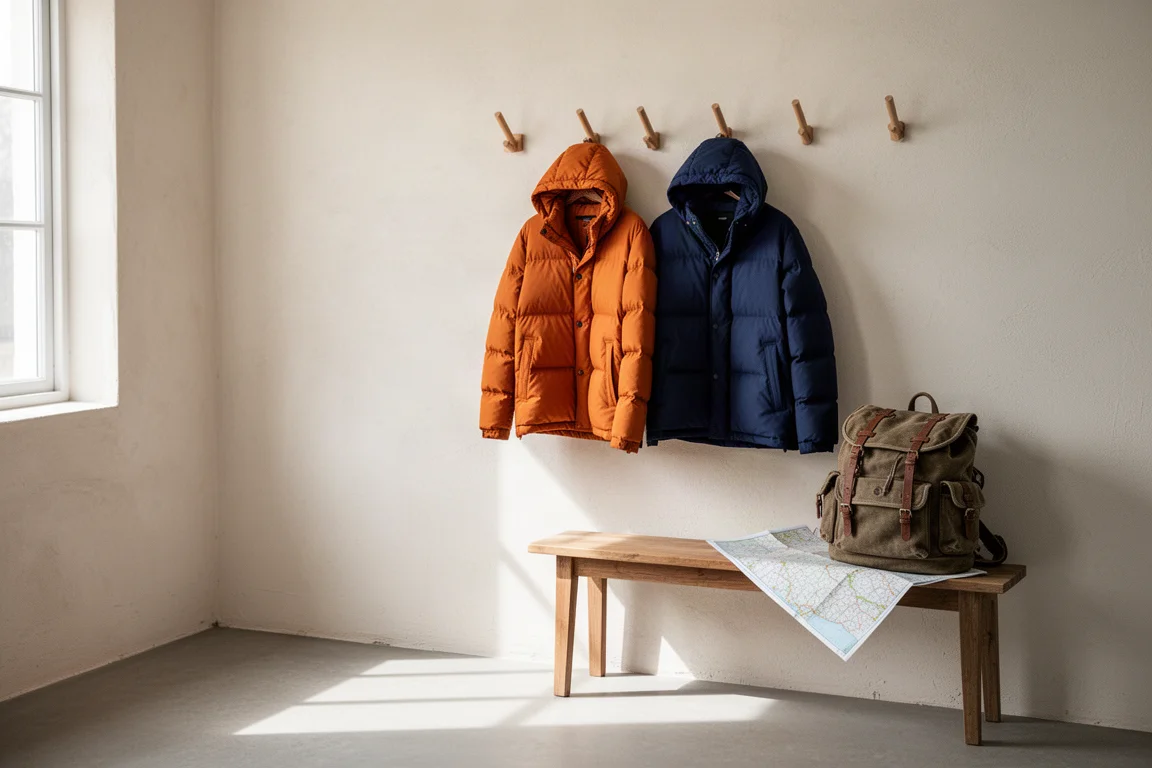
Choose the REI Down Hoodie 2.0 if you want an easier ownership experience. The one year no questions asked return removes most of the risk from the purchase, and the two internal pockets plus the option of a hoodless version give it a broader set of use cases. It is the better pick for mild shoulder-season conditions, where the extra insulation of the Trek 100 would be more than you need.
Conclusion
Both jackets deliver considerably more than their prices suggest. The Decathlon Trek 100 wins on raw warmth, hood coverage, and weight, while the REI Down Hoodie 2.0 wins on return policy flexibility and internal storage. Match the jacket to the temperatures you actually face and either one will serve you well for years.
Further reading
Related Reviews
Down Jackets
Best Budget Down Jackets 2026: Three Picks Worth Considering
A practical look at three budget down jackets between $80 and $150, compared on warmth, features, build quality, and weight.
Down Jackets
Best Down Jackets 2026: From Budget Warmth to Extreme Cold
Nine technical jackets compared by warmth, weight, price, and availability, from an affordable $120 layer to a 537 g expedition jacket worn down to -30°C.
Down Jackets
RAB Mythic G vs Decathlon MT500: What a $525 Down Jacket Actually Buys You
Two down jackets with similar warmth on paper and a price gap of nearly $400. Here is where the money goes and which one suits which kind of buyer.