Down Jackets
Best Budget Down Jackets 2026: Three Picks Worth Considering
A practical look at three budget down jackets between $80 and $150, compared on warmth, features, build quality, and weight.
Introduction
Down jackets have a reputation for being expensive, but the budget end of the market has improved a great deal. Build quality now holds up even on very cheap jackets, which means the real differences between options come down to warmth, features, and weight rather than whether a jacket will fall apart after a season.
This guide covers three down jackets that sit between $80 and $150. One is the warmest and lightest of the group, one offers the most refined detailing, and one pairs a fuller feature set with certified down and sustainable materials. Each suits a slightly different buyer, and the right pick depends on whether you prioritize warmth, price, or responsible sourcing.
How These Down Jackets Were Compared
Four characteristics matter most when judging a down jacket for outdoor use: warmth, features, quality, and weight.
Warmth comes down to how much down sits inside the jacket and how the baffles are built. Every jacket in this comparison uses sewn-through construction, where the stitching passes straight through the shell and the liner. Those stitch lines are thin points with no down between them, so heat escapes through them. Narrow baffles also limit how much the down can loft, which reduces insulation even when the fill itself is decent.
Features are fairly consistent across budget jackets: a hood, a full zip, two hand pockets, and two internal drop-in pockets for gloves or a hat. The differences show up in the details, such as hem cinches, cuff shape, and whether the jacket packs into its own pocket.
Quality was close across the category, and weight was too, with jackets landing in a roughly 300g to 350g band. Fill power is the other number worth understanding. It describes how much space one ounce of down occupies, so a higher figure means fluffier down that traps more air for the same weight. Jackets around this price point commonly use roughly 650 fill power, while 800 fill power allows a jacket to be lighter and more compressible while staying warm. The highest grades reach 900 or 1000 fill power, but those sit well above this price bracket.
Best Overall: Unico Down Jacket
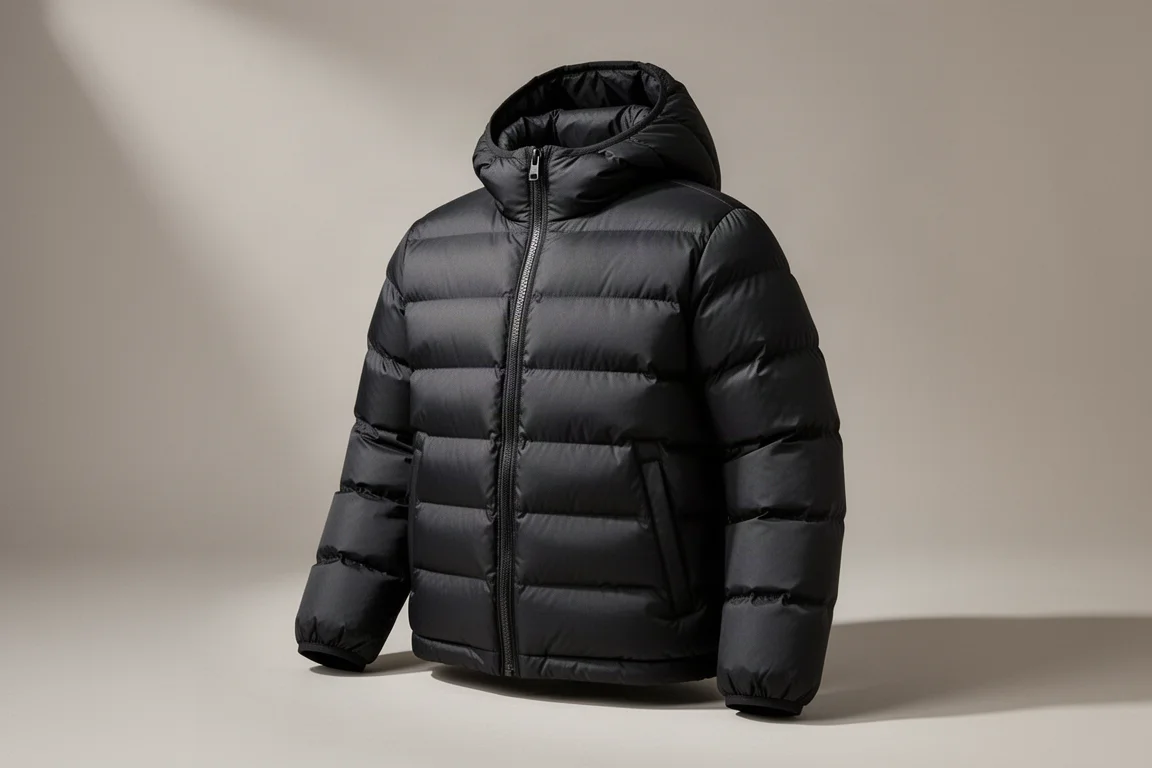
The Unico Down Jacket is the standout of this group. At $80 it is the least expensive of the three, yet it is also the lightest and the warmest. It weighs 302g and uses 800 fill power down, which is a large part of how it manages that combination.
Its baffles are the widest here at 65mm, which gives the down room to loft properly. Measured loft came in at 27mm, well above the other jackets, and the quilted panels look visibly plumper as a result. The warmth difference is noticeable in use, particularly when switching to it from a thinner jacket in cold conditions.
The feature set is basic. You get a hood, a full zip, two hand pockets, and internal drop-in pockets, which is the same foundation as the rest of the group, but there are no extras. Build quality is strong, with YKK zippers and tidy construction throughout.
Best Refined Design: Decathlon MT100
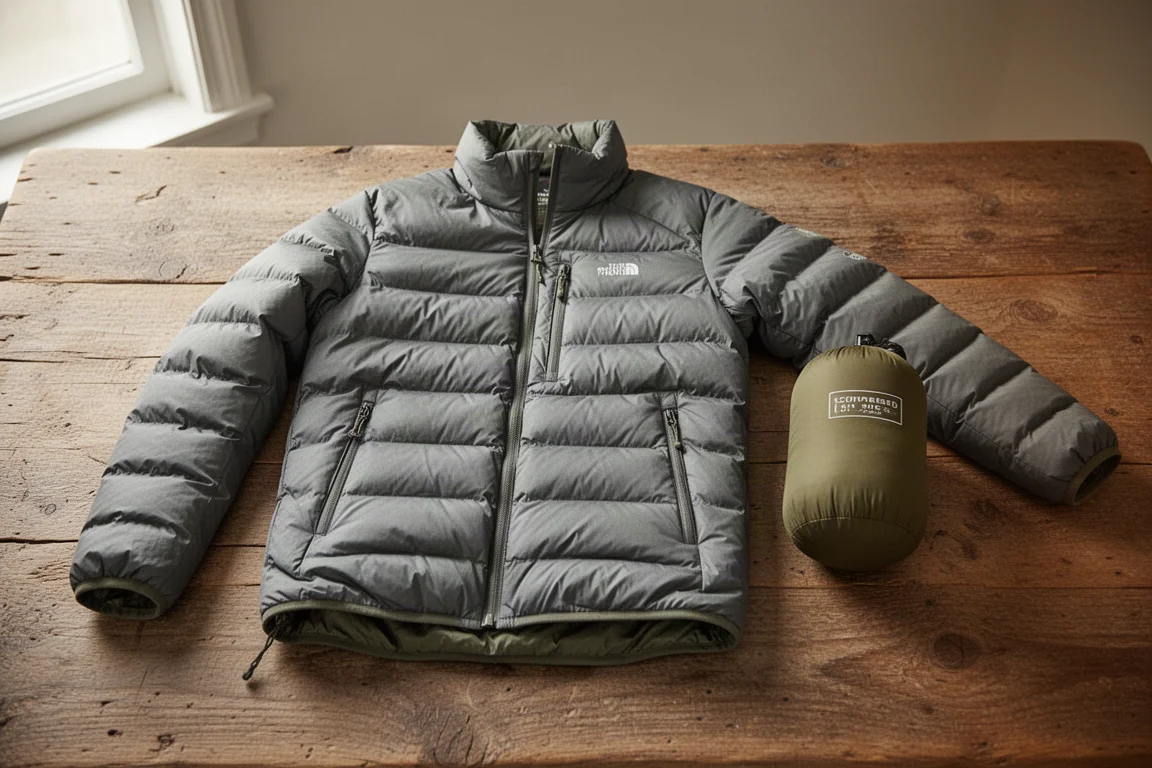
The MT100 has a long track record and remains one of the most polished jackets in this price range. It uses 800 fill power down certified under the Responsible Down Standard, along with YKK zippers, a hem drawcord, and cuffs that extend slightly to cover the top of the wrist. It also stuffs into its own pocket, which matters if you want to carry it as a backup layer.
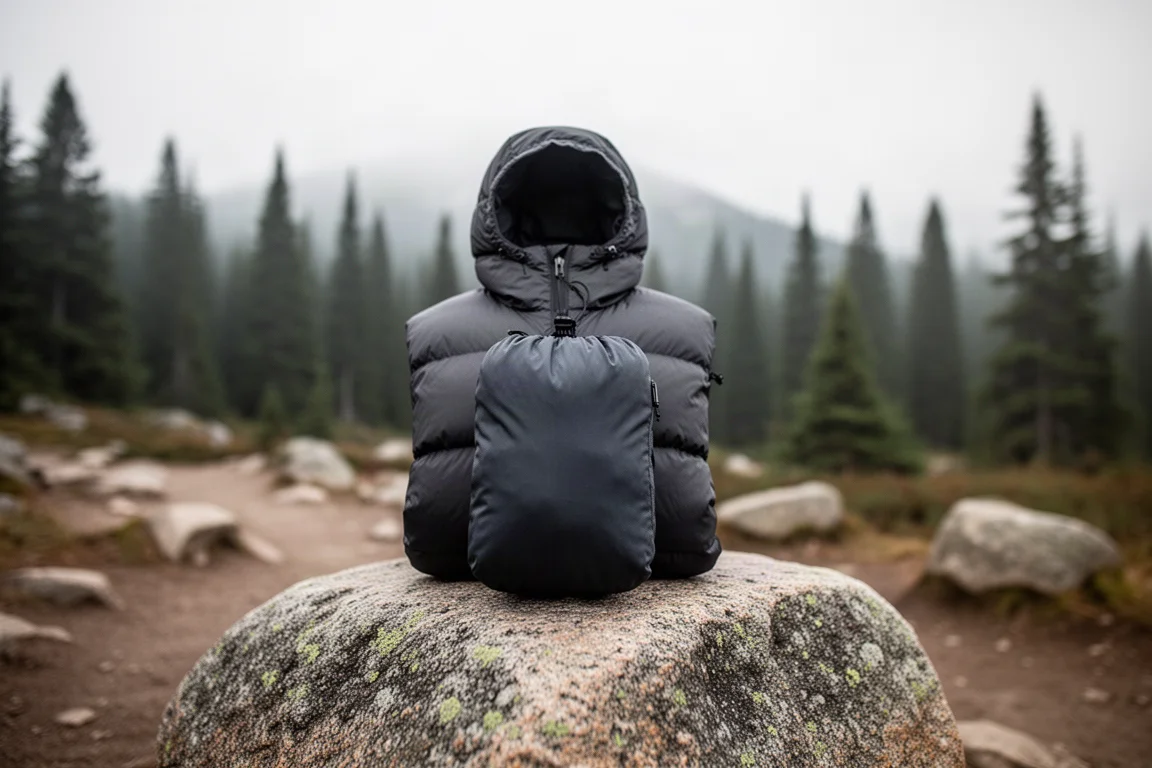
At 305g in a size large it is the second lightest jacket here, and its baffles measure around 22mm of loft at average widths. It is warmer than the cheapest jackets on the market, though not quite as warm as the Unico.
The catch is price. The MT100 moved from $80 to $100 in the United States, and that shift is enough to keep it out of the top spot. In Canada and Europe, where pricing has stayed more reasonable, it remains excellent value. In hand it feels like the most refined jacket of the three.
Best Feature Set and Sustainability: REI 650 Down Jacket
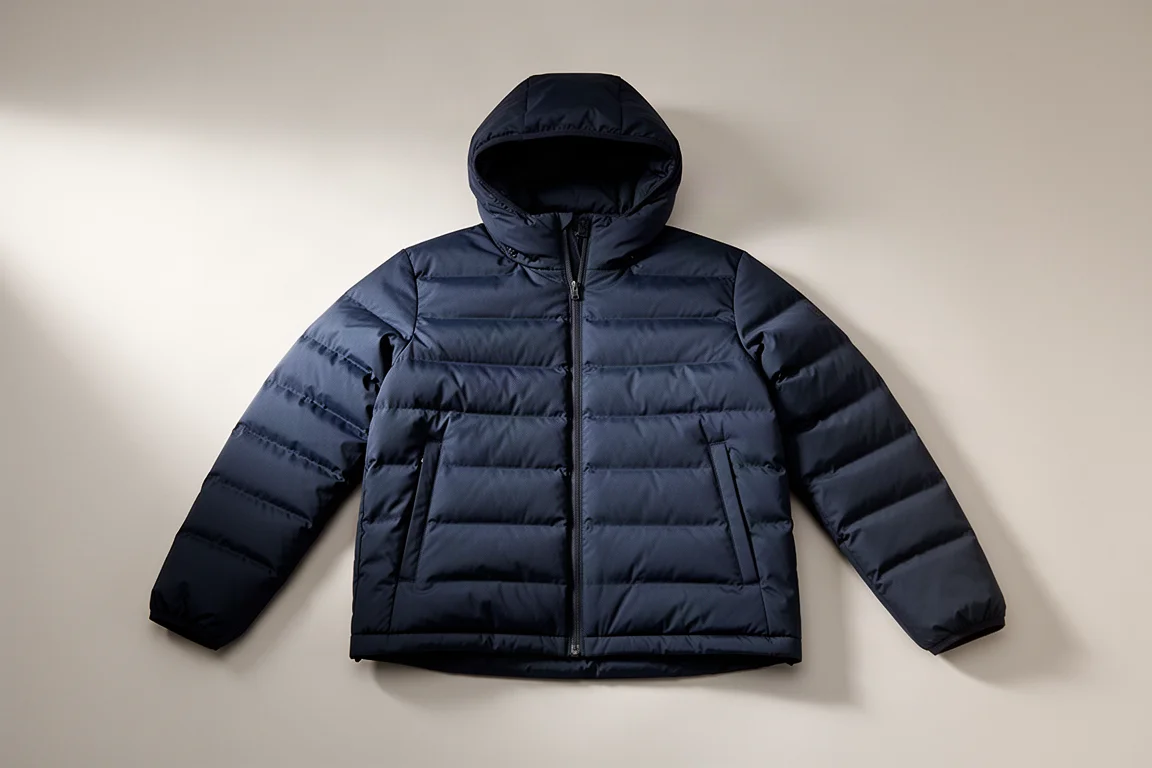
The REI 650 Down Jacket is the most fully featured option here. Alongside the usual hood, full zip, hand pockets, and internal drop-in pockets, it adds a hem cinch so you can seal warmth in around the hips. It is made with bluesign materials and uses down certified by the Responsible Down Standard, which means the down is not live-plucked and comes from farms where the birds are treated ethically.
It uses 650 fill power down, so it is less compressible and heavier for the warmth it provides than the 800 fill options. At 340g it is the heaviest jacket in this group. Warmth is good rather than class-leading: baffles average around 20mm of loft, with thicker panels across the torso and thinner ones higher up, and that construction contributes more to warmth than the fill grade alone.
The real obstacle is price. At $150 it is by far the most expensive jacket here. It is frequently discounted by around 30%, which brings it into the $100 range, and it occasionally drops below $100 on clearance.
Warmth, Weight, and Packability Compared
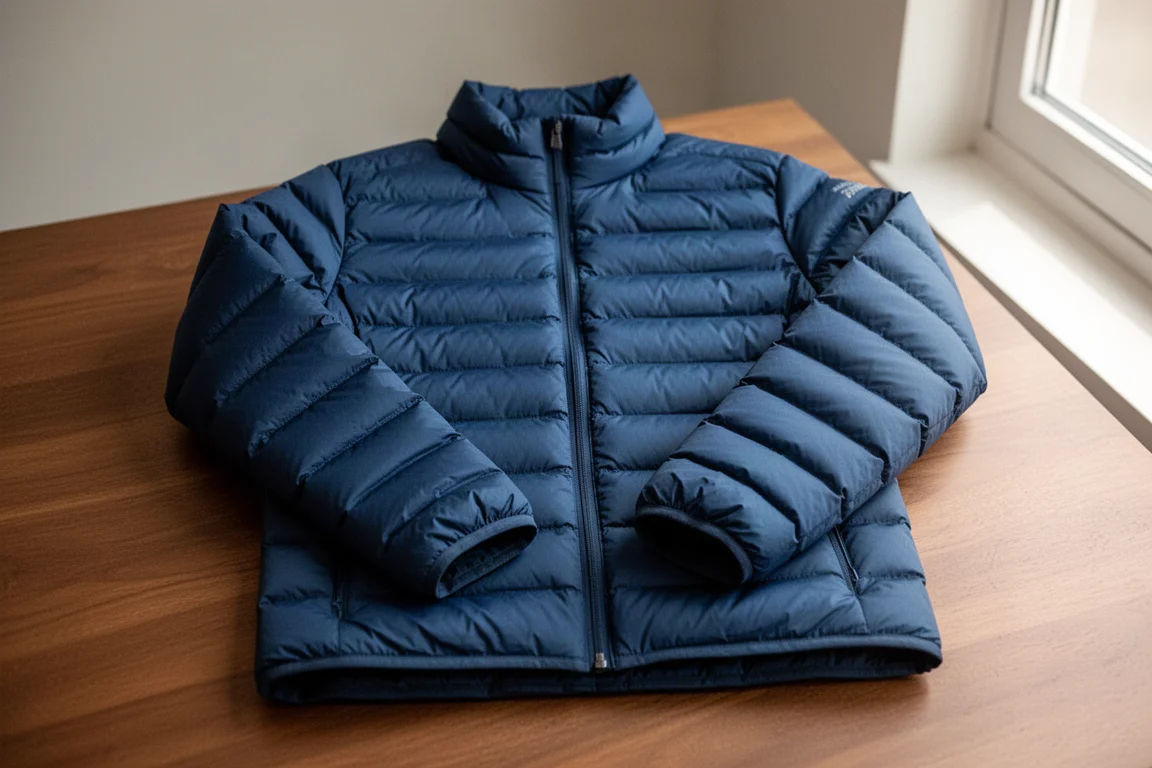
Placed side by side, the three jackets separate clearly. The Unico is the warmest and the lightest at 302g, and its wide baffles give it the most lofted appearance. The MT100 sits close behind at 305g with the same 800 fill power, and it packs into its own pocket for easy storage. The REI jacket is the heaviest at 340g and uses 650 fill power, so it takes up more room for a comparable level of insulation.
Fill power drives most of that gap. An 800 fill jacket can be lighter and more compressible than a 650 fill jacket while delivering similar warmth, which is exactly what shows up here. Baffle width matters just as much: the wide baffles and high measured loft on the Unico let the down expand fully, while narrower baffles on the other two jackets limit how much the down can do.
Packability follows the same pattern. The MT100 folds into its own pocket, the Unico compresses down small thanks to its high fill power, and the REI jacket takes up the most space in a pack. For trips where every gram counts, the gap between 302g and 340g is worth noting, though all three remain light enough for hiking and everyday winter use.
Who Each Jacket Suits Best
The Unico Down Jacket is the best choice for most buyers. It is the cheapest of the three, the lightest, and the warmest, and its construction holds up well in daily use.
The Decathlon MT100 suits anyone who wants the most refined detailing, a stuffable design, and certified down, particularly shoppers in Canada and Europe where the price has not moved as much.
The REI 650 Down Jacket makes sense for buyers who value certified down, bluesign materials, and the fullest feature set, and who can find it on sale rather than at full price.
Buying Advice
Price is the deciding factor in this group. The REI jacket is a genuinely good jacket that is hard to justify at $150 when the Unico costs $80 and outperforms it on warmth and weight. Waiting for a discount of around 30%, or a clearance drop below $100, changes the calculation considerably.
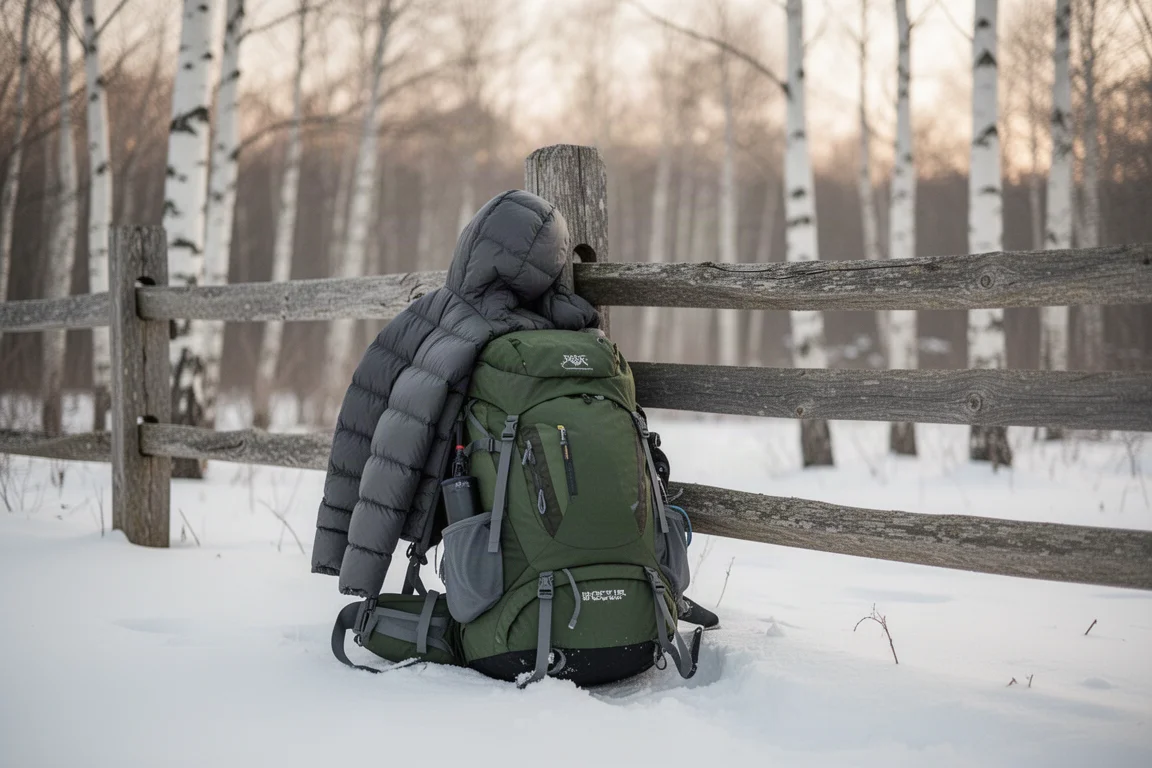
If you are paying full price, the Unico and the MT100 are the stronger picks. The Unico wins on pure value, while the MT100 wins on detailing and packability, and the gap between them is small in most markets.
The MT100 deserves a closer look if you are shopping outside the United States, where it has stayed closer to its original price. At that level it is one of the best value down jackets available. Whichever you choose, all three are warm, well-made jackets that handle winter hiking and everyday cold weather without the premium price tag.
Conclusion
Down jackets at this price point are better than most people expect. Build quality is consistent across the category, so the decision comes down to warmth, weight, features, and price. The Unico Down Jacket delivers the best combination of all four at $80. The Decathlon MT100 is the most refined option and a strong value outside the United States. The REI 650 Down Jacket is the most feature-rich and the most sustainably sourced of the three, but it is only worth buying at a discount.
Further reading
Related Reviews
Down Jackets
Best Down Jackets 2026: From Budget Warmth to Extreme Cold
Nine technical jackets compared by warmth, weight, price, and availability, from an affordable $120 layer to a 537 g expedition jacket worn down to -30°C.
Down Jackets
RAB Mythic G vs Decathlon MT500: What a $525 Down Jacket Actually Buys You
Two down jackets with similar warmth on paper and a price gap of nearly $400. Here is where the money goes and which one suits which kind of buyer.
Down Jackets
REI Down Hoodie 2.0 vs Decathlon Trek 100: Which Budget Down Jacket Is Better?
A practical comparison of two affordable down jackets, covering warmth, weight, shell materials, hood coverage, fit, and warranty terms.