Aquarium Lighting
Refugium Lighting Guide: Kessil H380, Kessil 360X and AI Prime
A practical look at three refugium lights and how to tune PAR, photoperiod and flow for steadier nutrient control.
Introduction
Refugium lighting is one of the most underused tuning tools in a reef system. It is easy to treat the light over a macroalgae refugium as a fixed fixture: install it, set a timer, and forget it. In practice, the light is an adjustable piece of equipment, and the relationship between PAR and nutrient uptake runs in both directions. More PAR drives more photosynthesis, which means faster growth and more uptake of phosphorus and nitrogen from the water. Less PAR slows that process down. That is how a refugium light can be used to hold nitrate and phosphate near a target level rather than hoping they land there.
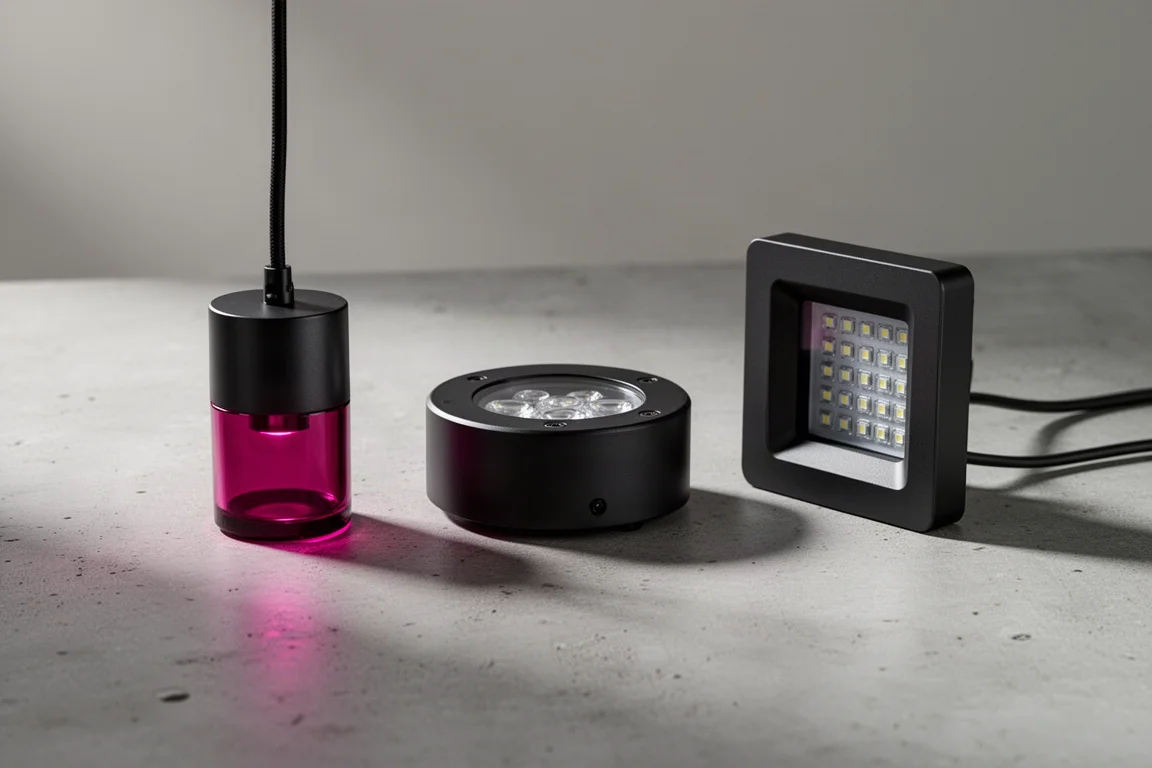
This guide covers three refugium lights worth knowing: the Kessil H380, the Kessil 360X and the AI Prime. It also walks through the mistakes that are easy to make with any of them, from ignoring photoperiod to forgetting that flow matters as much as light.
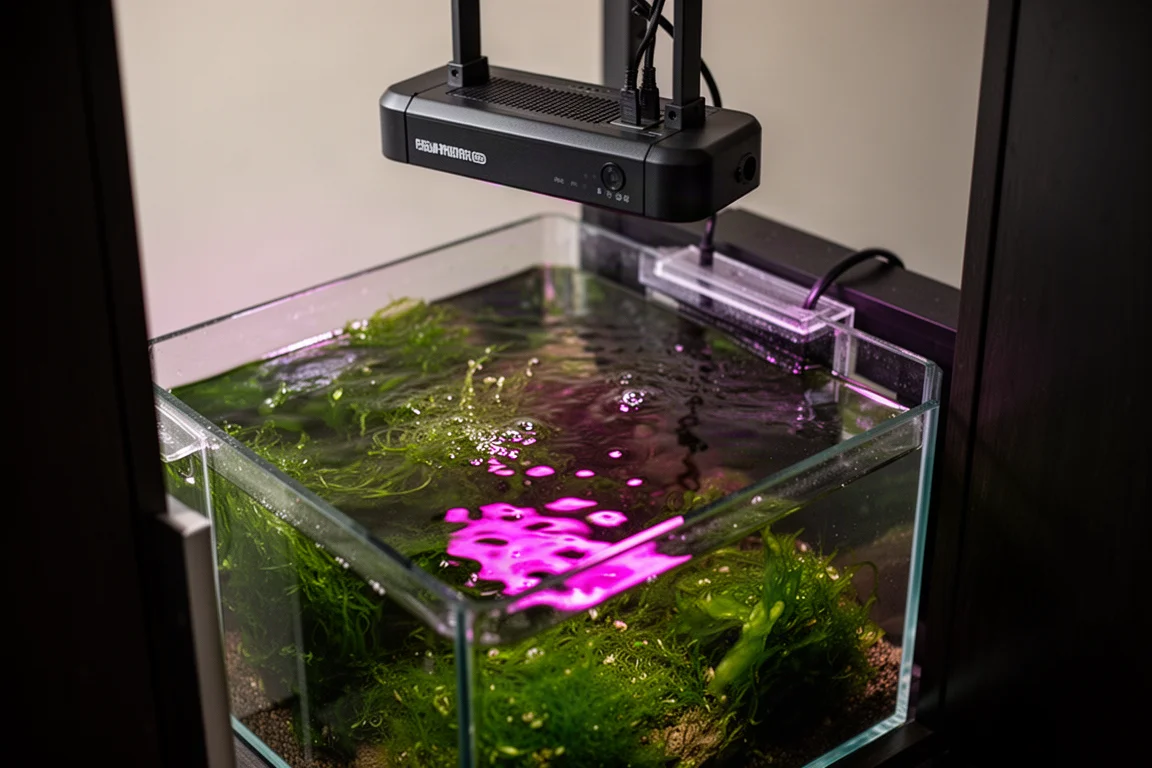
One point sits underneath all of this: more PAR is not automatically better. If nitrate and phosphate both read zero, the refugium may be taking up more than the tank produces, and the fix can be to reduce intensity rather than add more. Conversely, if daily feeding outpaces filtration, the light can be turned up or left on longer to bring the system back into balance. Treating the light as a dial rather than a switch is the whole idea.
What to Look for in a Refugium Light
Adjustability comes first. Intensity control is the difference between a light that can be tuned and one that can only be scheduled. Without dimming, the remaining levers are photoperiod length, skipped days and flow, all of which work but offer less precision.
Spectrum deserves more thought than it usually gets. A full-spectrum white light is not automatically better for growing macroalgae. Plants reflect much of the green part of the spectrum instead of using it for energy, which is why lights designed for maximum energy per LED tend to look red or purple. A full-spectrum fixture makes more sense when the refugium is meant to be a display feature and appearance matters as much as growth.
Colour alone is not proof of quality. The eye is a poor judge here, because a light can look red or purple and still carry the wrong spectrum. Manufacturers with genuine horticultural experience design fixtures around photosynthesis rather than around appearance, and that background is a more useful signal than the tint of the lens.
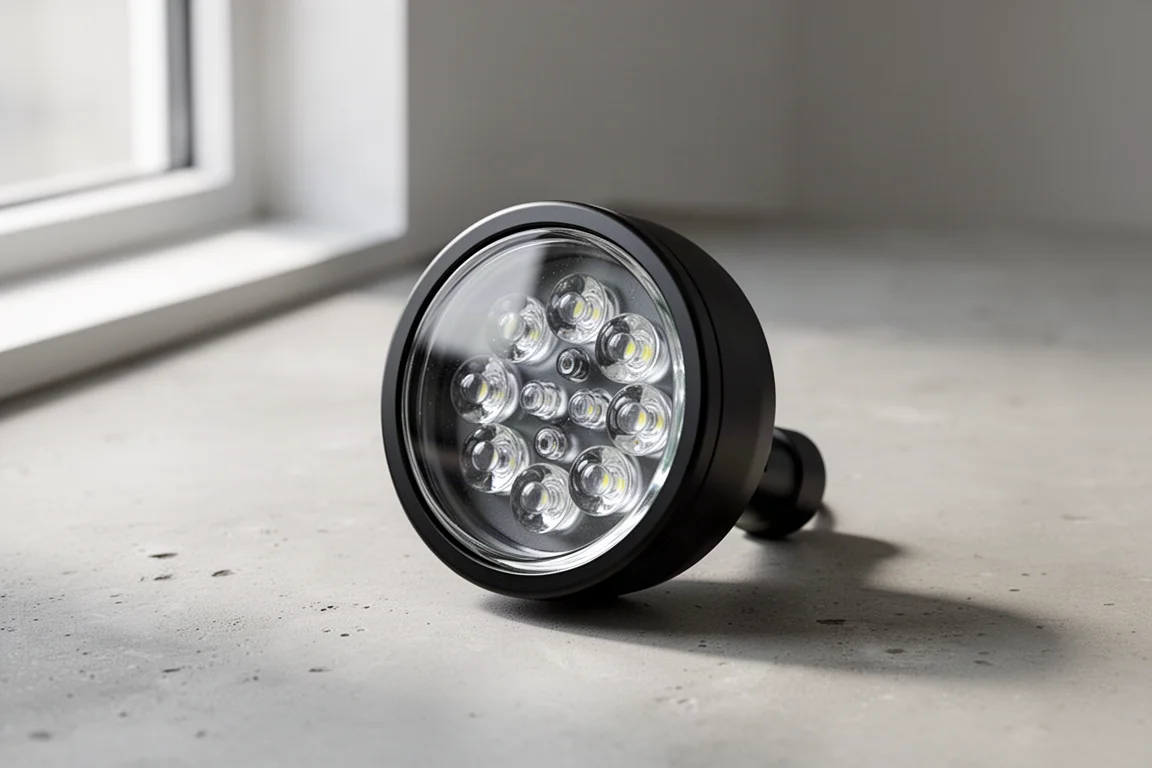
Coverage and size need to match the space. Most Kessil fixtures produce a circular or rectangular light pattern, and the AI Prime is expected to produce a circular or square pattern. A small fixture over a large refugium area will not light it evenly, so footprint should drive the choice as much as output does.
Placement and water resistance round out the list. Most refugium lights are not waterproof, so salt spray matters. Look at where spray collects in the sump, and avoid mounting a light with cooling fans anywhere it will draw in salty air.
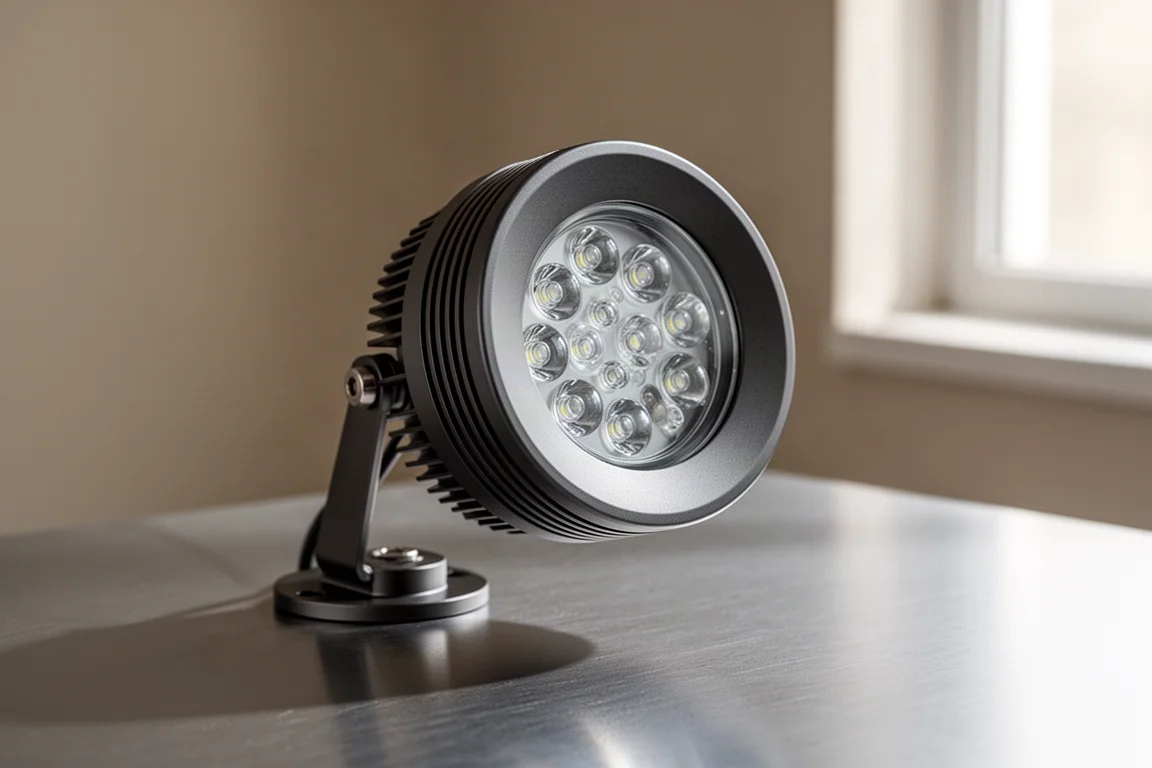
Kessil H380: A Long-Serving Refugium Light
The H380 is the light many refugiums were built around, and it has been growing macroalgae successfully for years. Its weak point is adjustability: intensity is not controllable, so it cannot be dimmed to fine-tune nutrient uptake or pH. That does not make it a poor choice, but it does change how it is used.
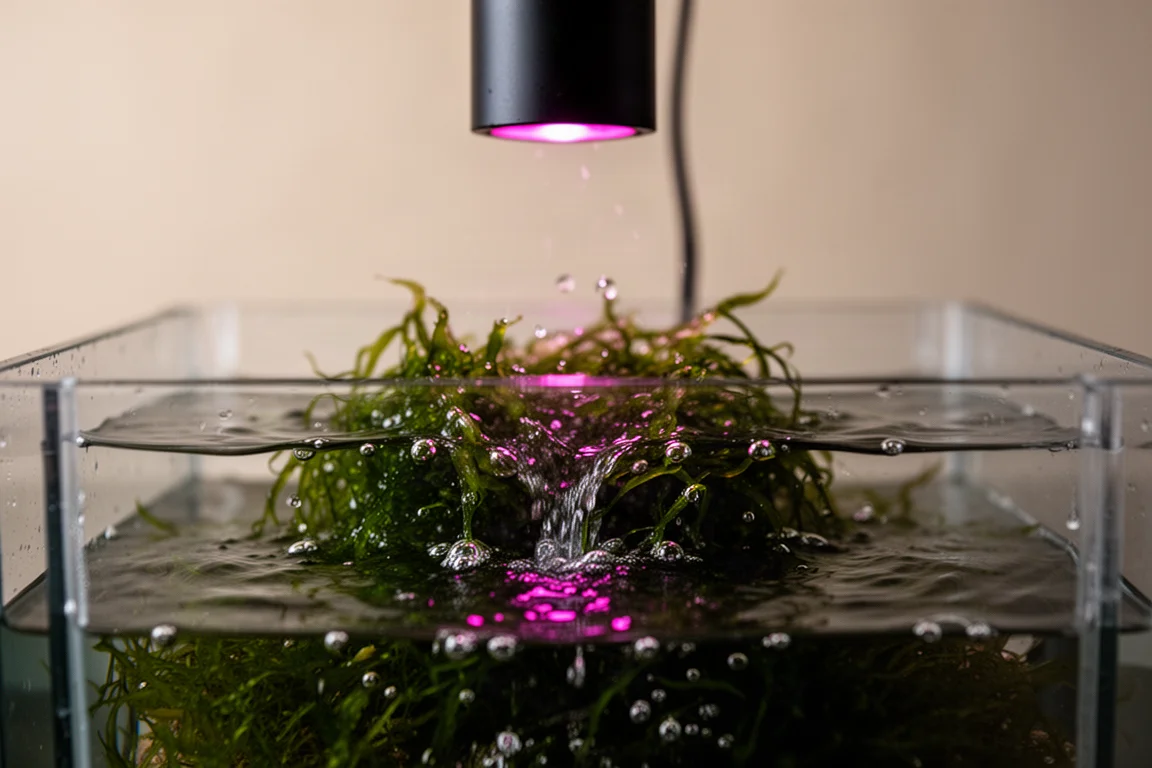
Without intensity control, the useful levers are photoperiod and flow. Running the light for three hours instead of six roughly halves the uptake window, and adding flow through the macroalgae helps the plant shed the byproducts of photosynthesis while drawing more carbon dioxide from the water, which supports a higher pH.
Kessil 360X: Adjustable Intensity on the X Platform
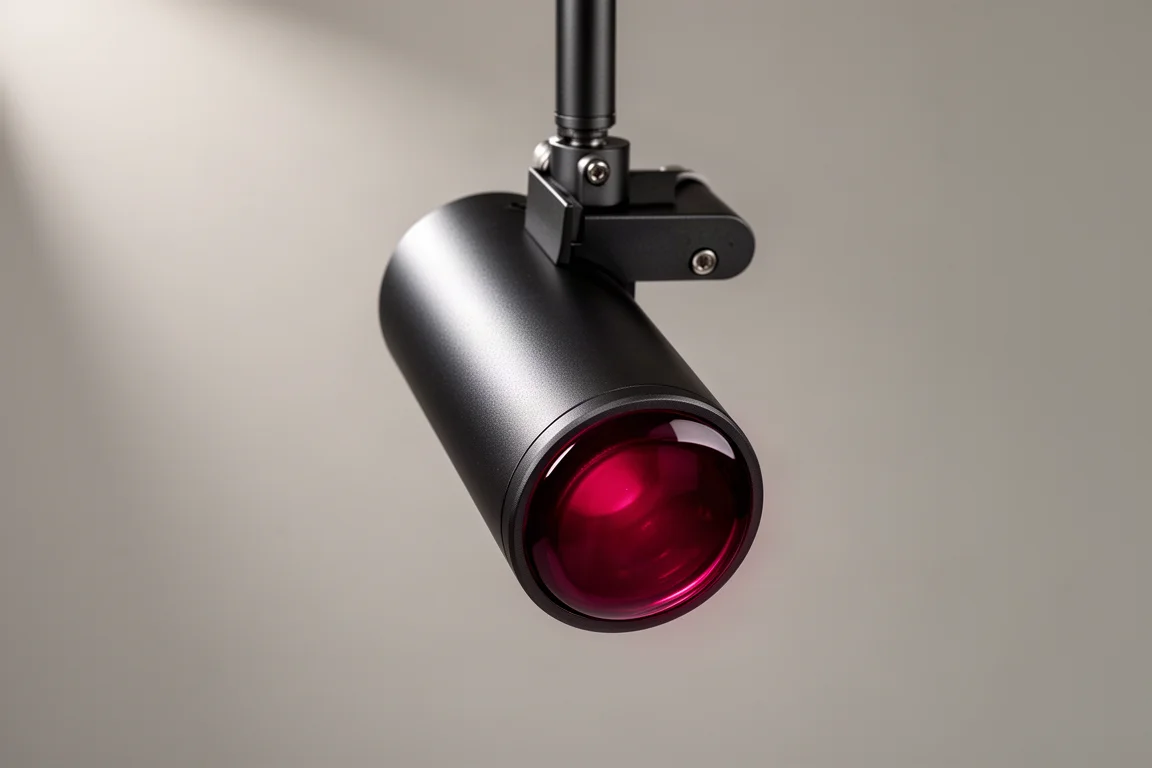
The 360X is built on Kessil’s X platform and brings adjustable intensity to the refugium, which is the feature that makes the tuning benefits possible. The manufacturer has a substantial horticultural business behind it and designs lighting around photosynthesis rather than appearance alone, which shows in how the fixture behaves over macroalgae. Kessil fixtures generally produce a circular or rectangular coverage pattern, so mounting position determines how the light lands in the sump.
Being able to dial intensity up or down means nutrient uptake and pH can both be nudged deliberately. That is a meaningful step up from a fixed-output fixture, and it is why adjustable models are worth looking at first when the refugium is being used as a filtration tool.
AI Prime: A Compact Adjustable Alternative
The AI Prime is another adjustable option for refugium duty, and it suits setups where the refugium footprint is modest. Coverage is expected to be a circular or square pattern, so the fixture can be positioned to suit a compact chamber in the sump or a hang-on refugium. As with any adjustable light, the value comes from being able to match output to what the tank actually needs.
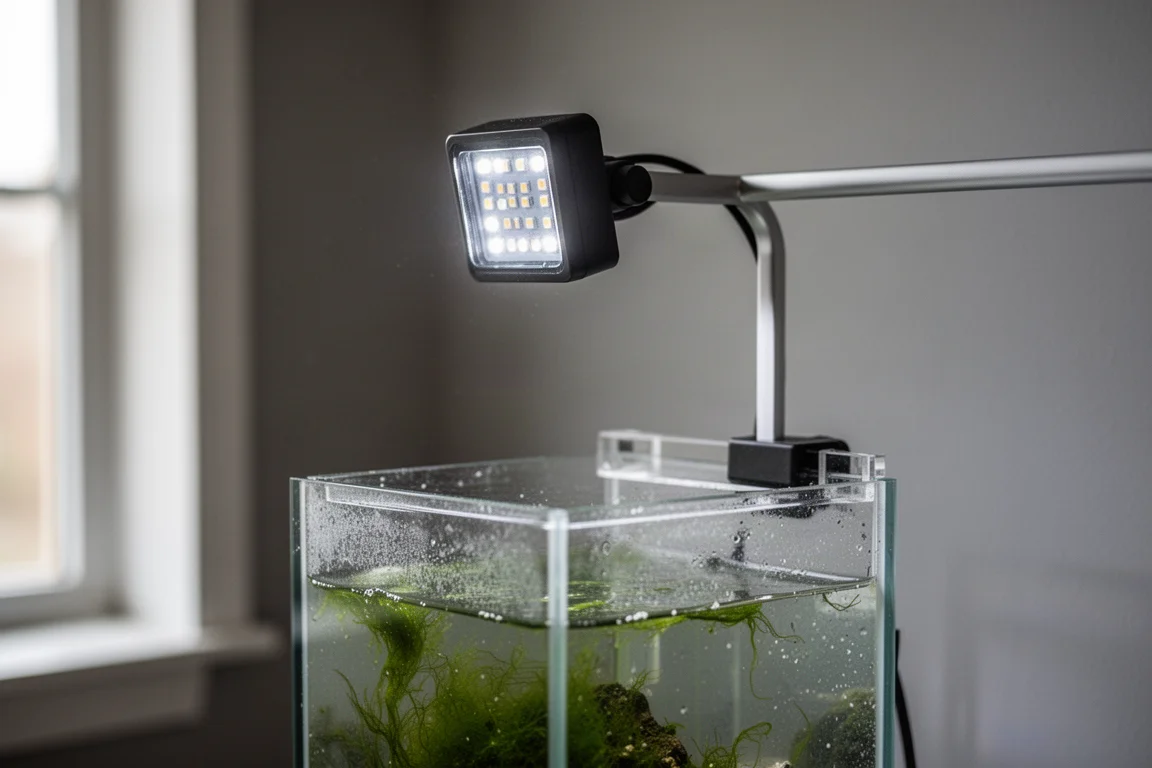
Adjustability is not a substitute for the other variables. Flow through the macroalgae, photoperiod length and the number of days the light runs each week all affect how much phosphorus and nitrogen the refugium removes, and they are worth tuning alongside intensity.
Tuning Tips for Any Refugium Light
PAR is not the only lever. Shortening or lengthening the photoperiod changes total daily output, and skipping days is an option when a refugium is working too well. Flow is the piece most often overlooked: the macroalgae in a sump is a living organism with its own needs, and moving water through it helps it release the byproducts of photosynthesis while supplying more carbon dioxide. The display tank benefits too, because that carbon dioxide uptake raises pH.
There is also the question of grow versus bloom spectra. In horticulture, bluer grow spectra favour vegetative growth while redder bloom spectra favour fruiting. Whether that distinction carries over to a refugium is still unresolved, with mixed results from testing so far. Both approaches grow macroalgae; which one is better needs more evidence.
Cheaper options also work. Chaetomorpha can be grown under CFL and T5 fixtures and under full-spectrum lights. The difference between good and great comes down to adjustability, optimisation and cost per unit of PAR, and the right answer depends on whether the refugium is a precision filtration tool or simply a place to grow algae affordably.
Buying Advice: Matching the Light to Your Refugium
Start with the footprint. A small fixture over a two foot by two foot refugium area will not light it properly, and there are different wattages and form factors to match different chambers. A slim rectangular refugium inside a sump may suit one or two compact fixtures rather than a single large one.
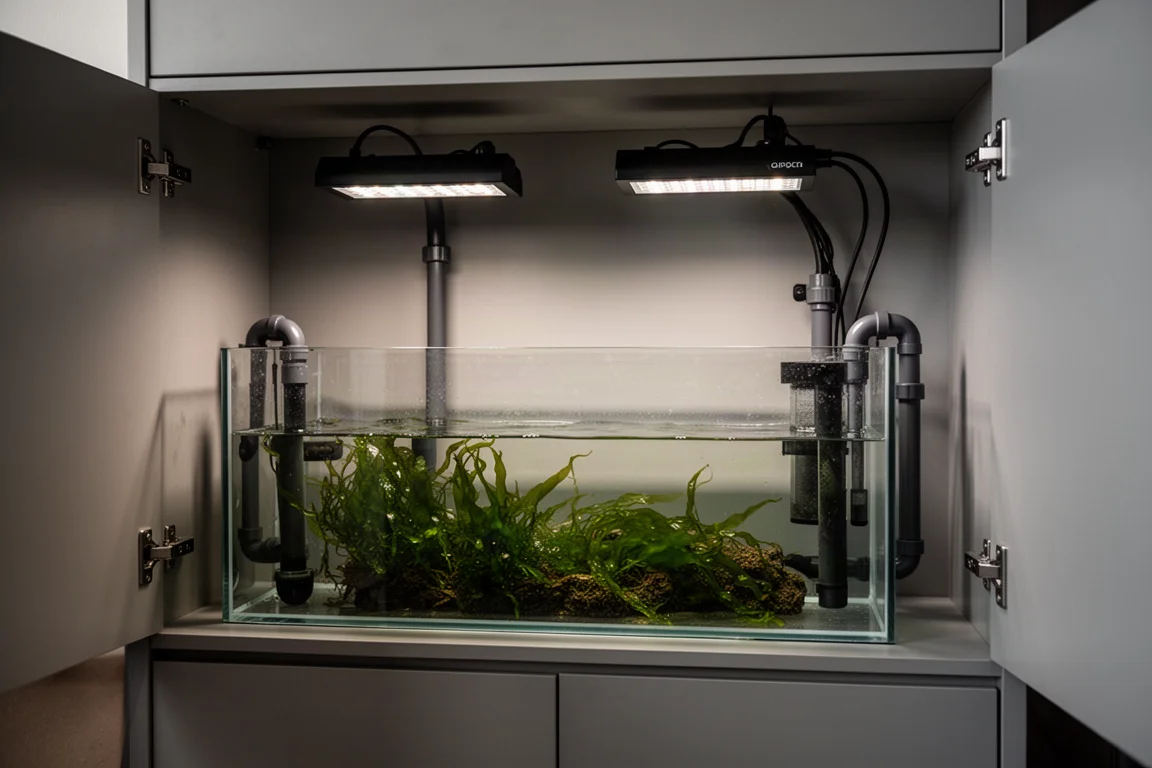
Next, consider where the light will sit. Most refugium lights are not waterproof, and salt spray will shorten the life of anything not built for it. Lights with cooling fans are especially vulnerable because they draw salty air inside. Where mist is heavy, or where the light needs to sit inside a hang-on refugium, a design intended for submerged use is the safer route.
Then decide what the refugium is for. If it doubles as a display feature, a full-spectrum light will look right and still grow macroalgae. If it is purely a filtration tool, a red or purple spectrum designed for maximum energy per LED is the more efficient choice. And when precise control over nutrients and pH matters, an adjustable fixture earns its place, because intensity is the lever that fixed-output lights simply do not offer.
Conclusion
The Kessil H380, the Kessil 360X and the AI Prime all grow macroalgae, but they are not interchangeable. The H380 is the proven fixed-output option, best where photoperiod and flow are enough to manage the refugium. The 360X adds adjustable intensity on the X platform and is the natural pick when the refugium is used to tune nutrients and pH. The AI Prime covers the compact end of the range with adjustable output and a smaller footprint. Whichever you choose, treat the light as one part of a system that includes flow, photoperiod and feeding.
Further reading
Related Reviews
Aquarium Lighting
AI Blade LED Lights Review: A Versatile Strip Light for Reef Tanks
A practical look at the AI Blade LED line, including the value-focused Grow spectrum, mounting options, app control and PAR performance.
Aquarium Lighting
AI Hydra 32 and Hydra 64 Setup Guide: Mounting Heights, Spacing, and Add-On Lighting
A practical reef lighting guide covering optimal mounting heights for the AI Hydra 32 and Hydra 64, spacing for even coverage, and when add-on lighting is worth it.
Aquarium Lighting
AI Prime Review: A Compact Reef Light That Grows With Your Tank
A small, modular reef aquarium LED that reaches LPS and soft coral PAR levels over a 60-gallon cube, plus the spacing, mounting height, and control habits that make it work.