Loudspeakers
Reference Loudspeakers by Price: A Standing Shortlist for Serious Listening
A price-tiered shortlist of loudspeakers that stand out for value, engineering and long-term listening satisfaction, from sub-$100 kits to boutique horns.
Introduction
There is no shortage of loudspeakers to choose from, and the price ladder climbs fast once you move past the entry point. What is much harder to find is a shortlist you can trust at each step of that ladder, one that accounts for measured behaviour, build quality, and how a speaker actually behaves in a real room over months rather than minutes.
This is that shortlist. It is organised by price tier, from sub-$100 kits to hand-built boutique horns, and it reflects long listening sessions rather than first impressions. Tiers are revisited as new products arrive, and a speaker only keeps its place while it remains the strongest option at its price.
How This Reference List Works
Every pick here earns its place on the same criteria: value relative to price, measured performance where data is available, build and parts quality, and how forgiving the speaker is of real-world rooms and real-world electronics. Two of the entry picks are kits, which trade assembly time for considerably more performance per dollar. The rest are finished products from established manufacturers.
Prices quoted are approximate figures for the United States market and vary by region, dealer and promotion.
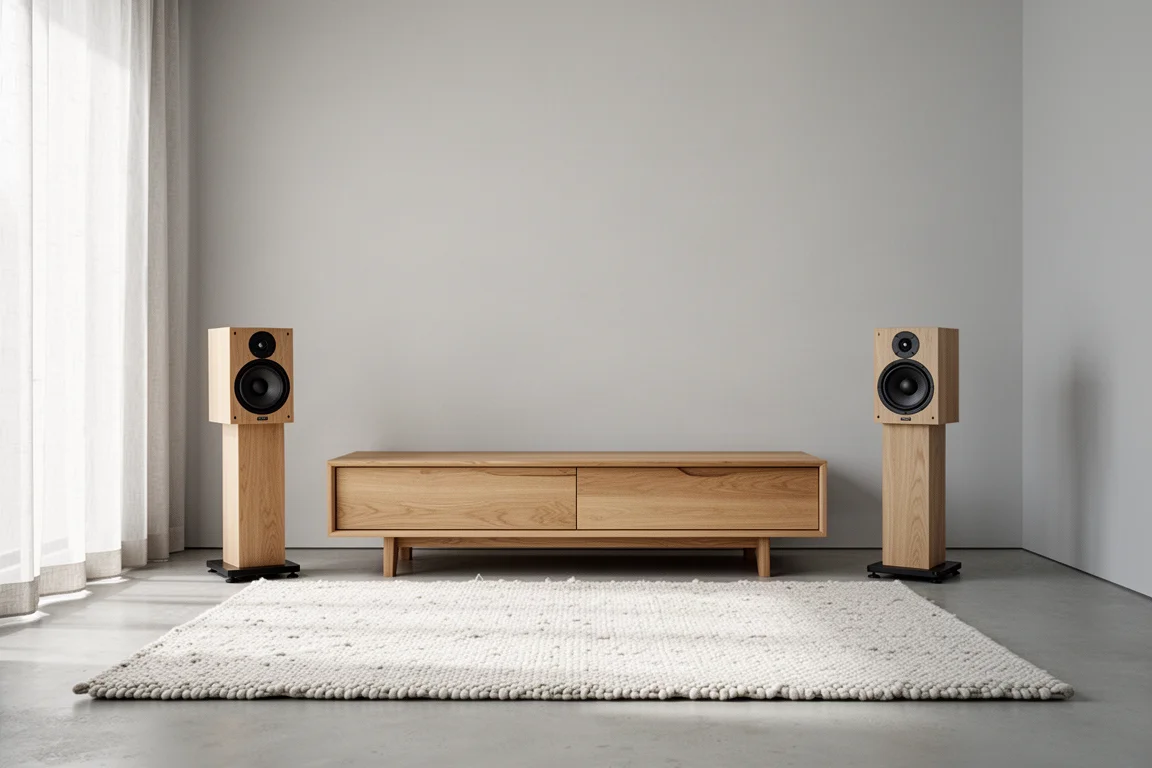
Placement matters as much as price. A speaker that needs a metre of clearance behind it will struggle in a small apartment, while a design with a more flexible port arrangement can sit much closer to a wall without the low end turning thick and congested. That practical dimension is a large part of why this list looks the way it does.
Polk Reserve R200
Price tier: under $1,000.
The R200 is the most straightforward recommendation at the entry point. It delivers a neutral, balanced presentation with a touch more bass emphasis than strictly neutral, which gives smaller systems a sense of weight without tipping into boom.
Its port design is unusually placement-friendly. The R200 can be pushed closer to the wall than most speakers in its class without the low end becoming congested, which matters for bedrooms, desks and minimalist setups where there simply is not much room behind the speaker. It measures well, and it is not fussy about amplification. At around $1,000 it is already competitive, and it frequently sells below list price or turns up on the second-hand market for less.
GR Research X-LS Encore Kit
Price tier: under $1,000.
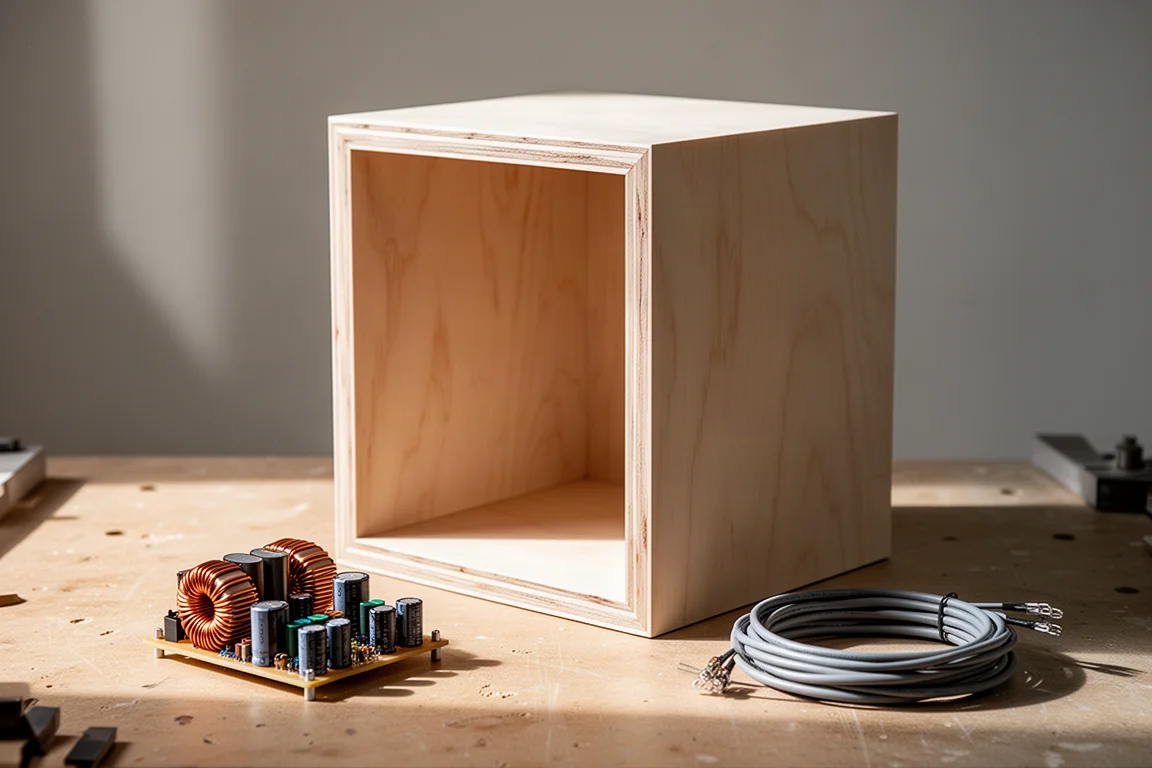
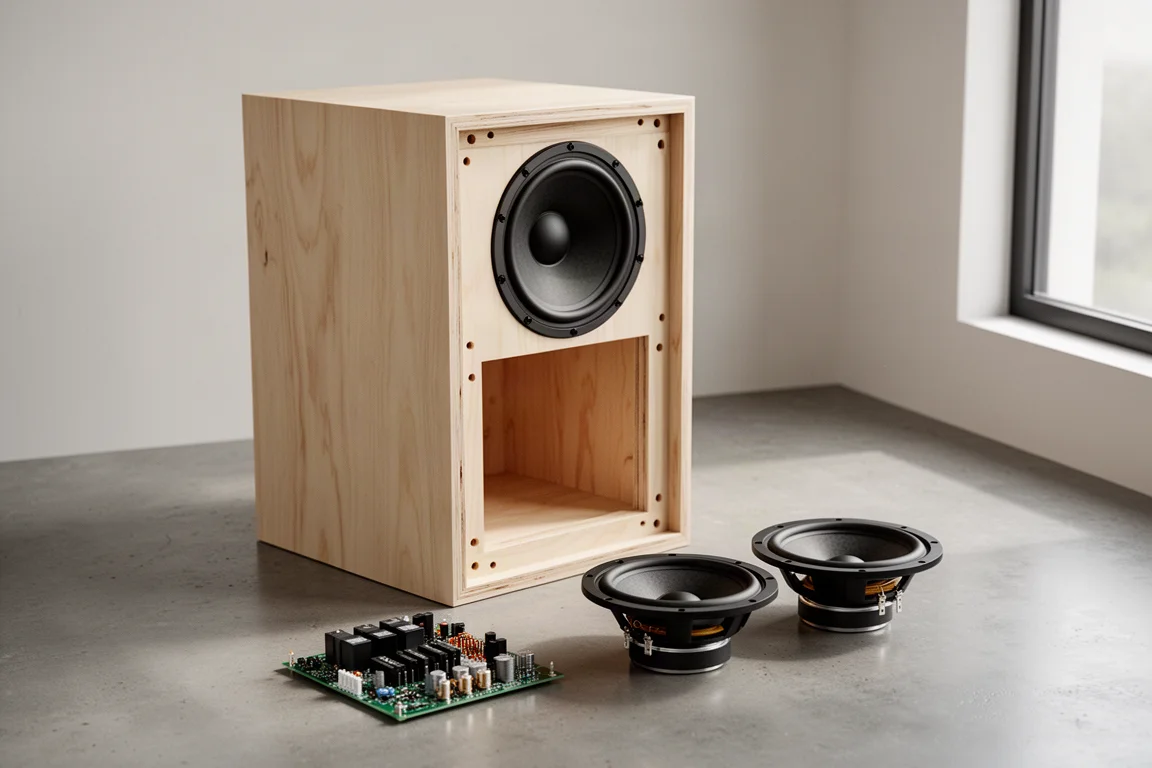
The X-LS Encore takes the opposite approach. It arrives as a kit for around $93, which means assembly, soldering and finishing are part of the deal. What you get in return is a genuinely capable speaker for a fraction of what a finished equivalent would cost, plus a working understanding of how the thing you are listening to is put together.
The cabinet ships as bare plywood, so the finish is entirely up to you, from a simple clear coat to a veneer that matches the room. It suits desktop systems, bedrooms, small living rooms and first serious setups. If you are comfortable with a soldering iron, or willing to learn, the value here is hard to match.
CSS Audio Criton 1TDX Kit
Price tier: $1,000 to $2,000.
For roughly $1,334, the Criton 1TDX kit is a step up in size and a step up in ease. The crossover arrives on a board with the component values laid out, so assembly is closer to solving a puzzle than reading a schematic. Beginners who have never built anything like this tend to find it more approachable than the X-LS Encore, and the result is a noticeably larger speaker.
The payoff is bass authority that is unusual from a bookshelf of this size, a high-quality crossover, and a neutral overall balance. It is one of the strongest value propositions in the entire list.
KEF LS50 Meta
Price tier: $1,000 to $2,000.
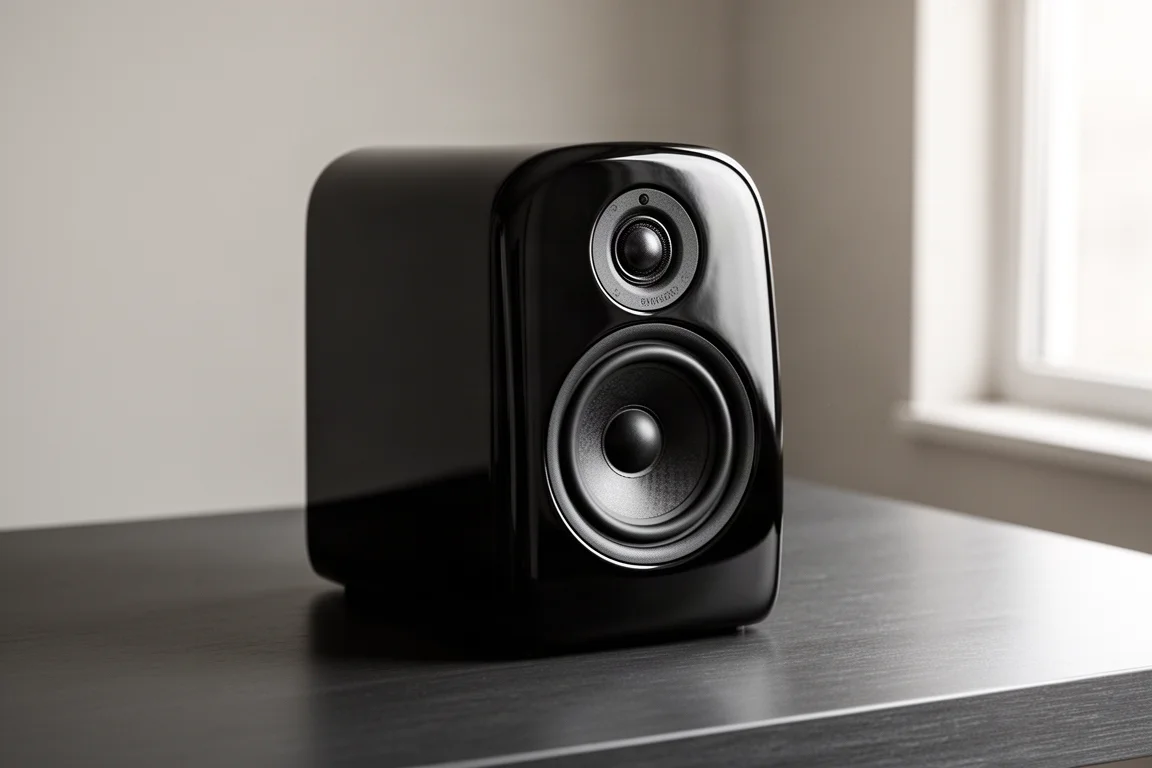
Not everyone wants to build. The LS50 Meta is a finished product at around $1,500, and its defining feature is a dual concentric driver of the same lineage used in the company’s flagship floorstander. Housing the tweeter at the centre of the midrange woofer produces a single, coherent point source, and the audible results are strong imaging, phase coherency, and a centre image that locks in firmly even in rooms where that has been a problem before.
The cabinet is compact, which makes it a natural fit for desks and small rooms. The trade-off is efficiency: it wants meaningful amplifier power, so pairing matters more than usual. An all-in-one streaming integrated amplifier is a practical route, and it removes a stack of boxes from the equation.
Arendal 1723 THX S Monitor
Price tier: $2,000 to $3,000.
At around $2,100, the 1723 THX S Monitor is the smaller of the two monitors in the range, but it is still a substantial speaker, and in direct comparison it outperforms its larger sibling. It measures well, stays neutral while delivering strong technical performance, and responds nicely to tube amplification when you want to add warmth.
The waveguide gives it wide, even dispersion, a large soundstage and precise imaging. That combination makes it unusually versatile: it works as a front, side or rear channel in a home theatre, and it is just as convincing for two-channel music. A 60-day in-home trial period makes it a low-risk speaker to audition properly in your own room.
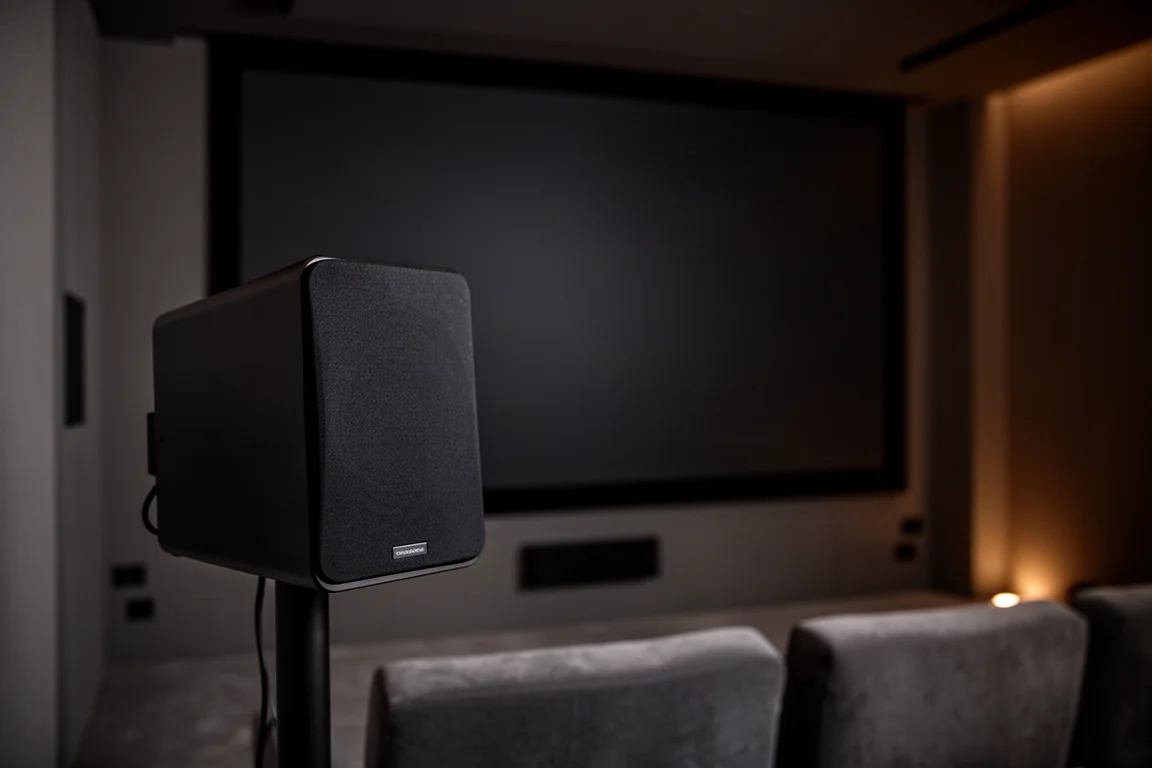
One practical note: it is compact for what it is, but it is not a small speaker, and it deserves proper stands or a solid shelf rather than a cramped corner.
Buchardt S400 Mark I
Price tier: $2,000 to $3,000.
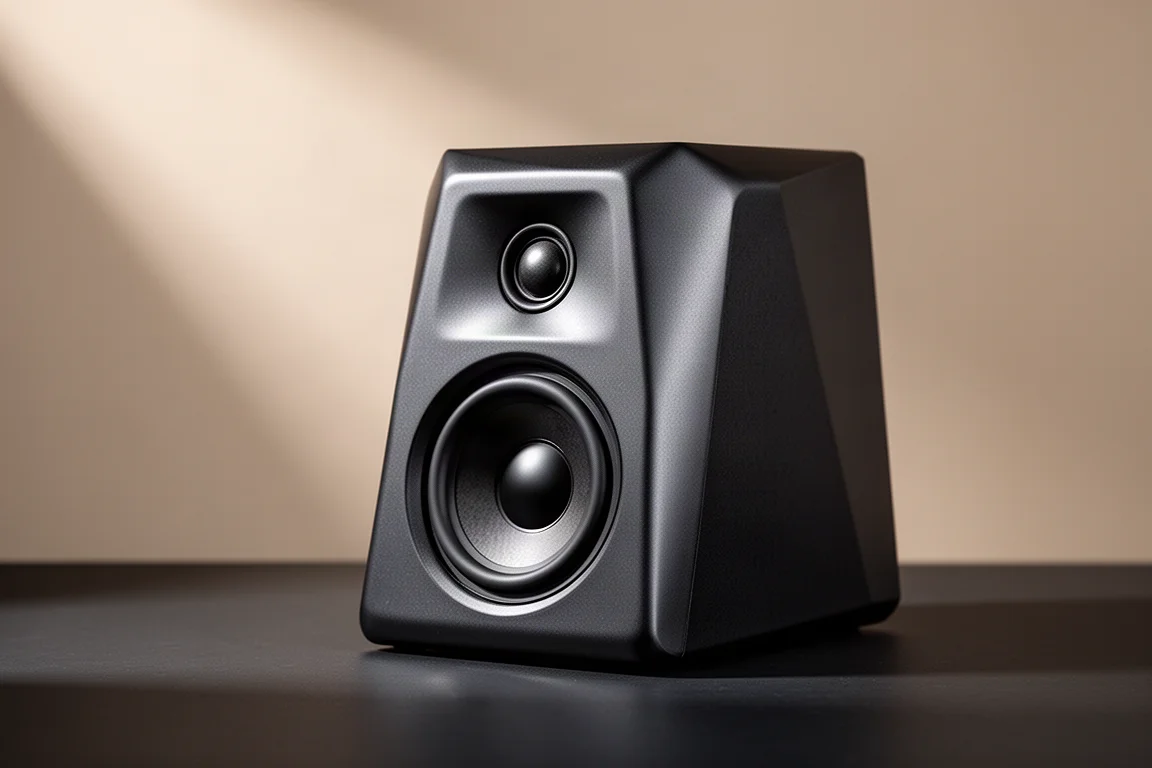
The S400 Mark I has been on the market for years and still holds its place at around $2,400. It set a benchmark for its price band with deep bass extension, refined high frequencies, and a textured, nuanced midrange.
The overall character leans slightly warm, which makes it inviting across long listening sessions rather than fatiguing. Dynamics are strong, and the crossover uses high-quality parts, so the care taken inside the cabinet is as apparent as the finish outside.
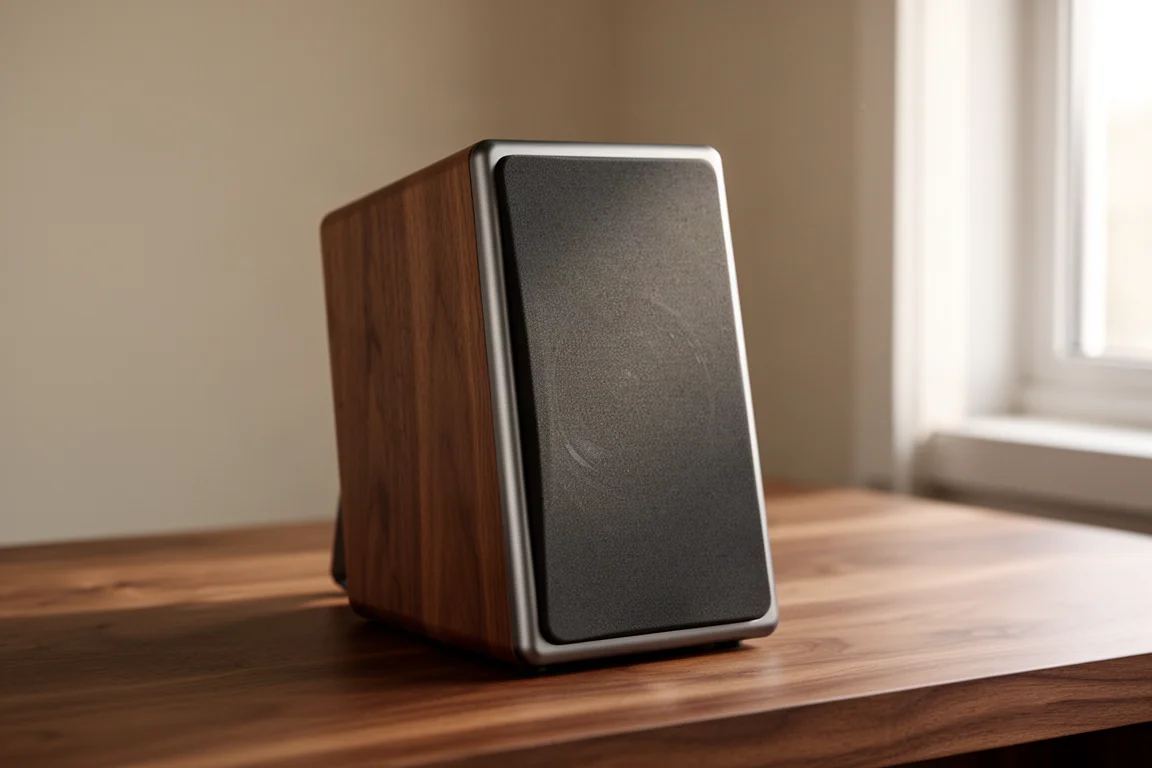
Arendal 1723 THX Towers
Price tier: $3,000 to $4,500.
The floorstanding 1723 THX Towers sit at roughly $4,000 in the United States, a little more elsewhere, and they are the clearest example on this list of a speaker that performs well beyond its price. Balanced from the lowest bass to the top of the treble, they have held their own in listening sessions against considerably more expensive designs.
This is a serious, large speaker, and it wants space. It is at its best in a dedicated listening room where placement can be dialled in properly, rather than a confined corner. Given how much speaker you get for the money, it is one of the strongest arguments here for spending at this level rather than below it.
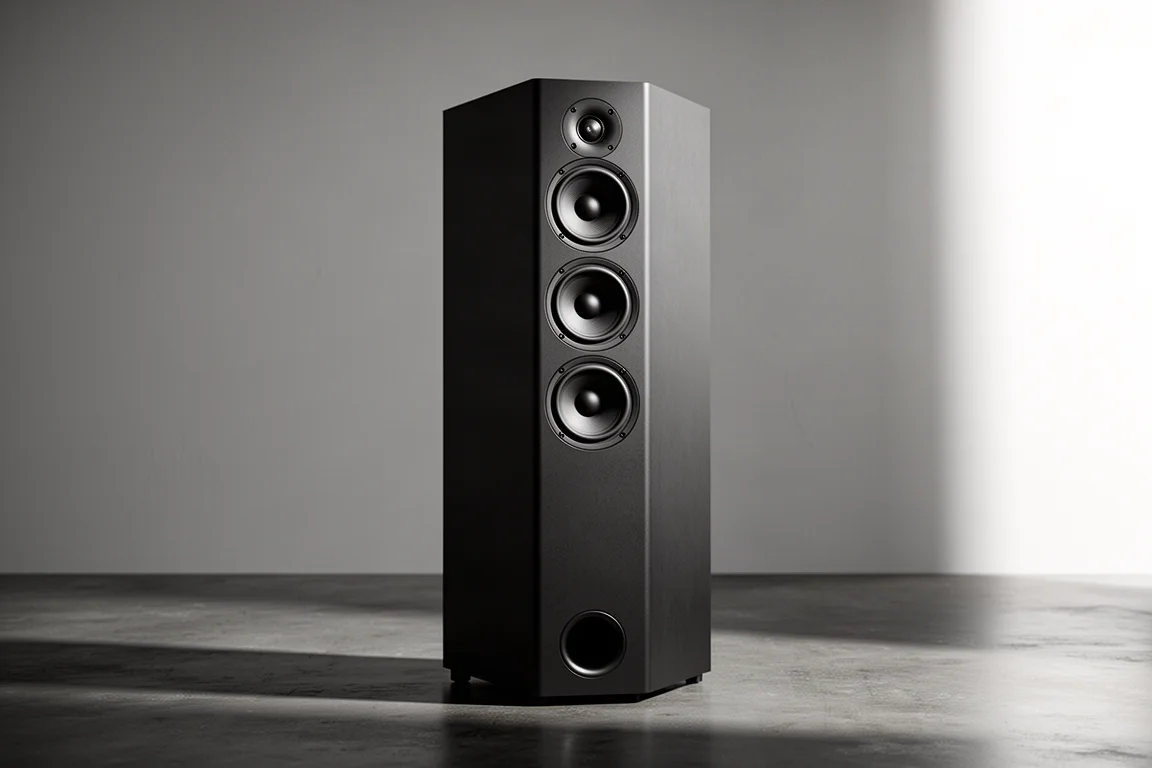
Alta Audio Alyssa
Price tier: $4,500 to $6,000.
The Alyssa is a full-bodied all-rounder that suits medium-sized rooms where a grand soundstage, precise imagery and a smooth, refined presentation are the priorities. It is easy to listen to for hours, and detail retrieval stays high without the sound becoming sharp.
Its cabinet uses a hybrid of transmission line and port loading, which gives the bass unusual texture and body. If you like the voicing of the S400 Mark I but want a larger, more expansive version of it, the Alyssa is the logical step.
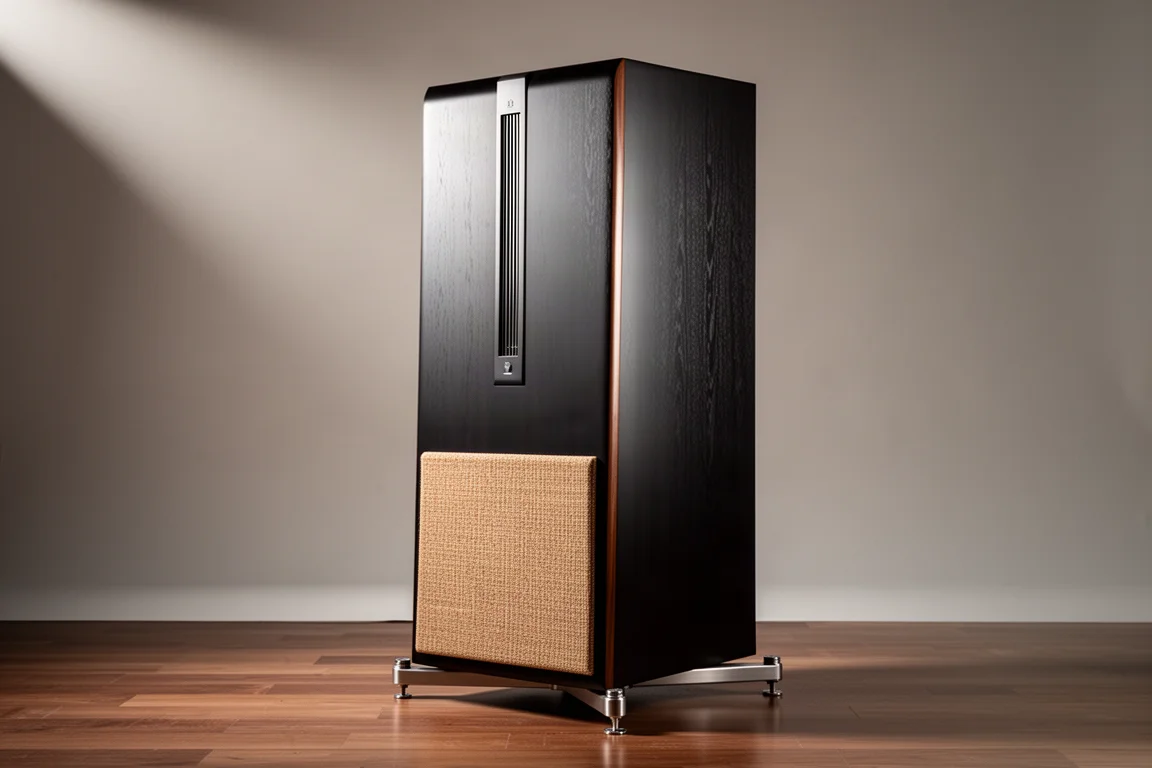
Mon Acoustic Platimon
Price tier: $6,000 to $8,000.
Around $6,000, with matching stands adding roughly $2,000, the Platimon is built around a high-end AMT tweeter that extracts an exceptional amount of nuance from recordings. It is a technical achievement, and it can sound analytical with the wrong electronics.
Paired carefully, it delivers both musicality and technical performance at once, which is a difficult balance to strike. Buyers at this level should budget as much thought for amplification and source as for the speaker itself.
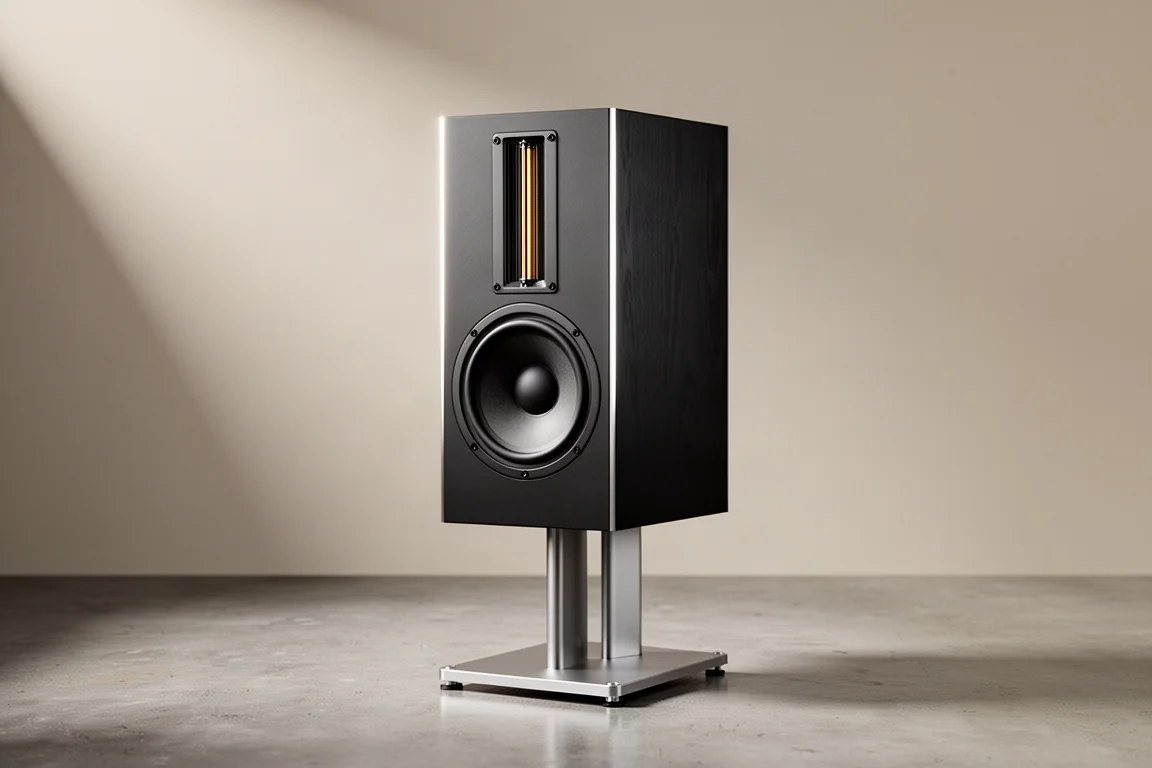
Børresen X2
Price tier: $8,000 to $10,000.
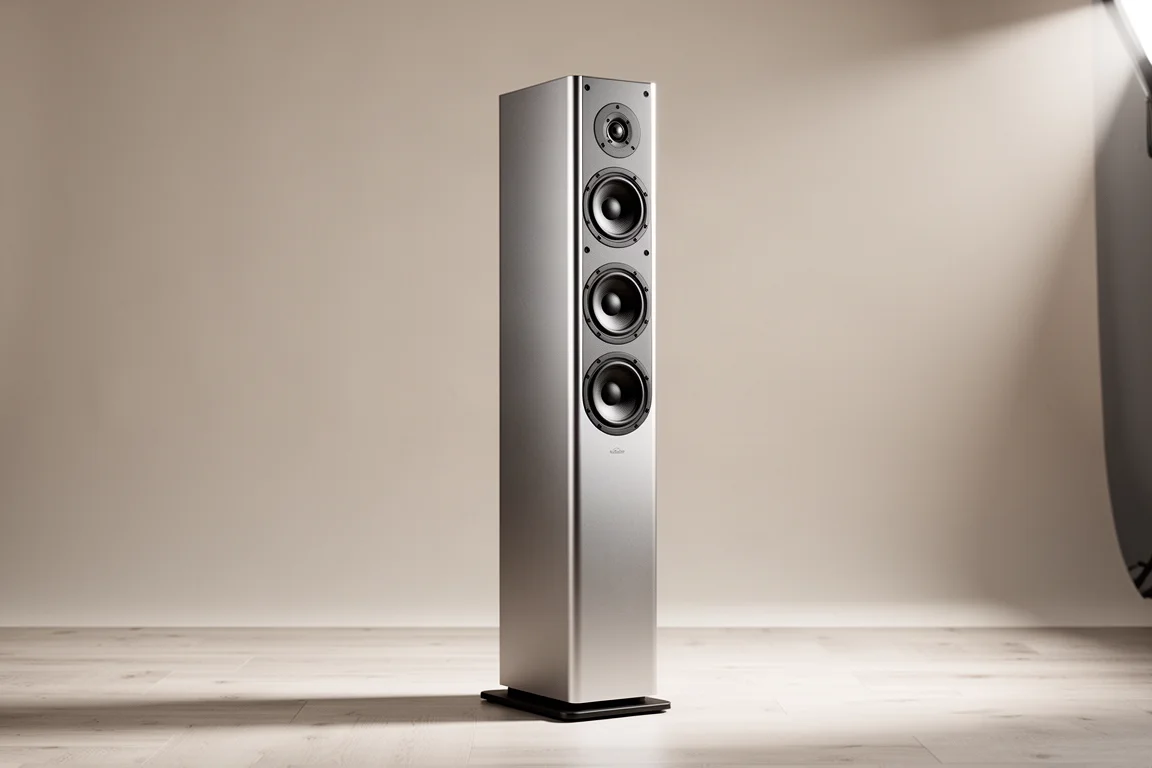
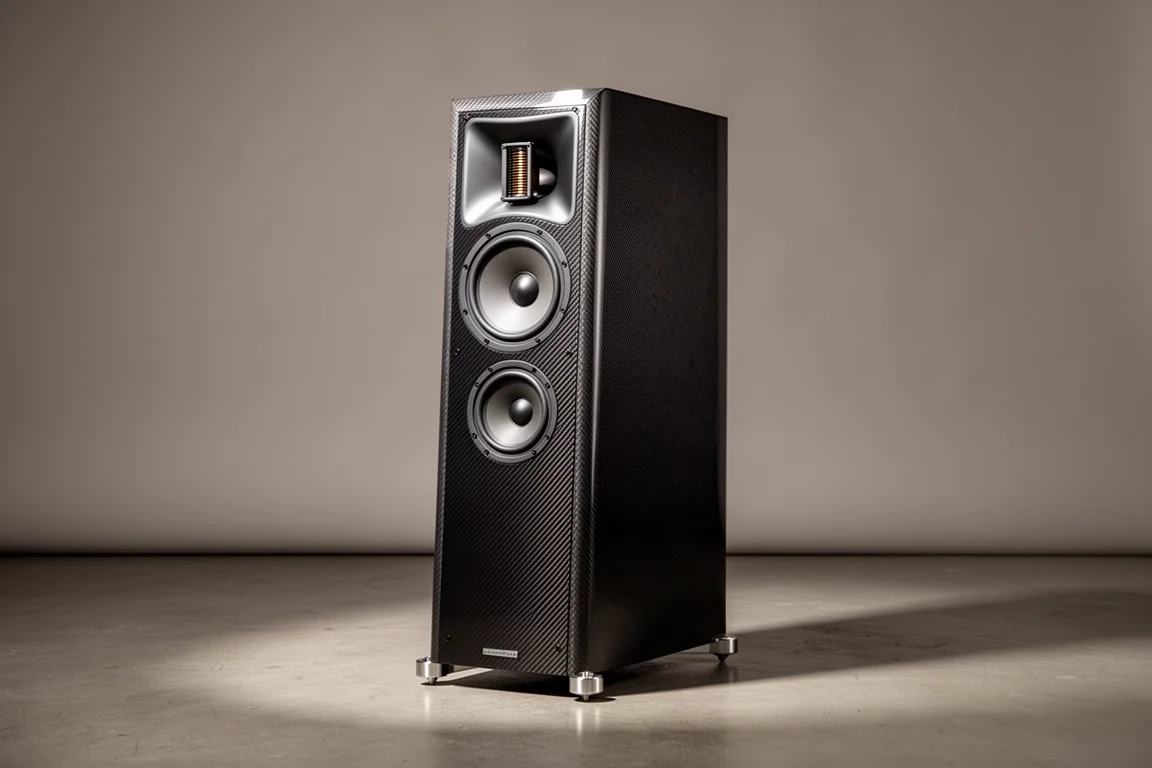
The X2 is a floorstander at around $8,800 with a fast, transparent, exceptionally clean presentation. Attack and decay are handled with real precision, and detail retrieval is very high.
With the matching electronics from the same group, it becomes an analytical instrument, and the upper midrange can read as slightly dry. With other amplification it shifts toward warm, rich and inviting. That responsiveness makes it a fascinating speaker to own, but it also means system matching is not optional. Aesthetically it is one of the most striking towers in this price band.
Rosso Fiorentino Siena II
Price tier: $8,000 to $10,000.
The Siena II takes the opposite approach. At $10,000 it is a slim Italian tower with a warm, inviting character, and it manages something warm speakers often struggle with: precise, exact imaging with layered micro-detail that still comes through clearly.
For apartments, condos and small to medium living rooms, the slim cabinet is a genuine advantage. The craftsmanship is a large part of the appeal, and the presentation it delivers is unusual at any price.
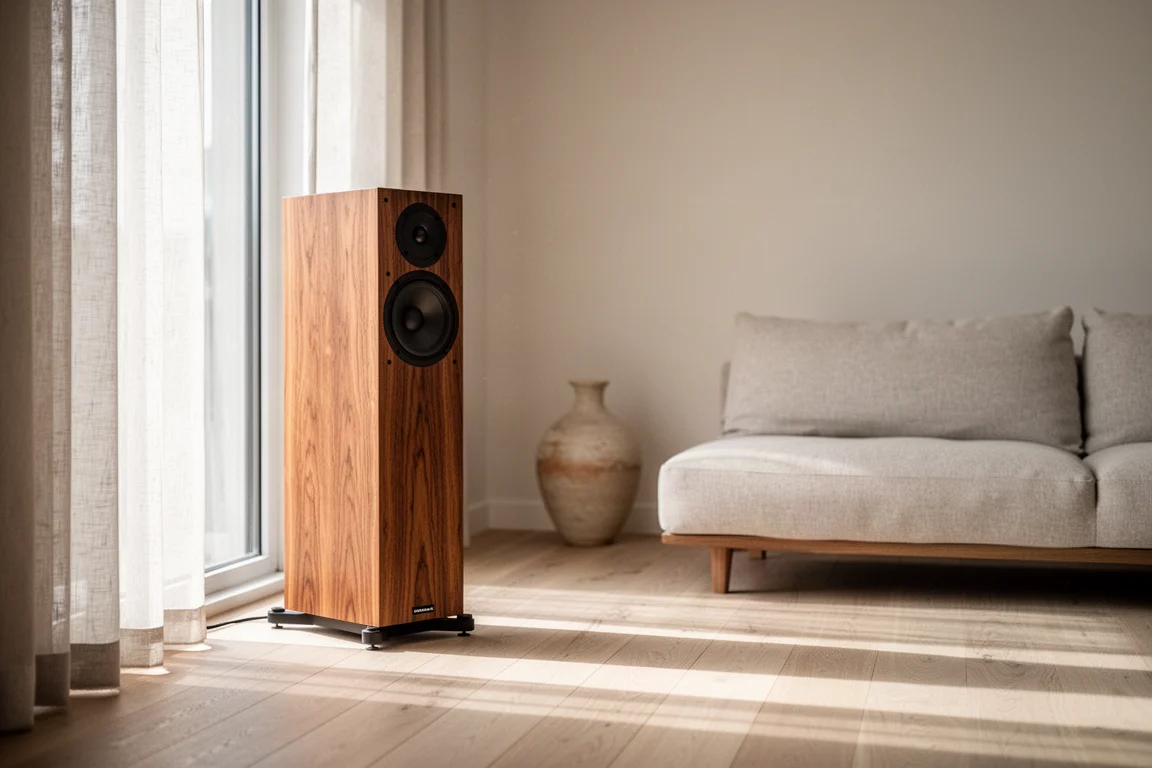
If you want a tower that visually disappears into a room while filling it with sound, this is one of the few designs at this level that does both.
TAD Micro Evolution One
Price tier: $10,000 to $15,000.
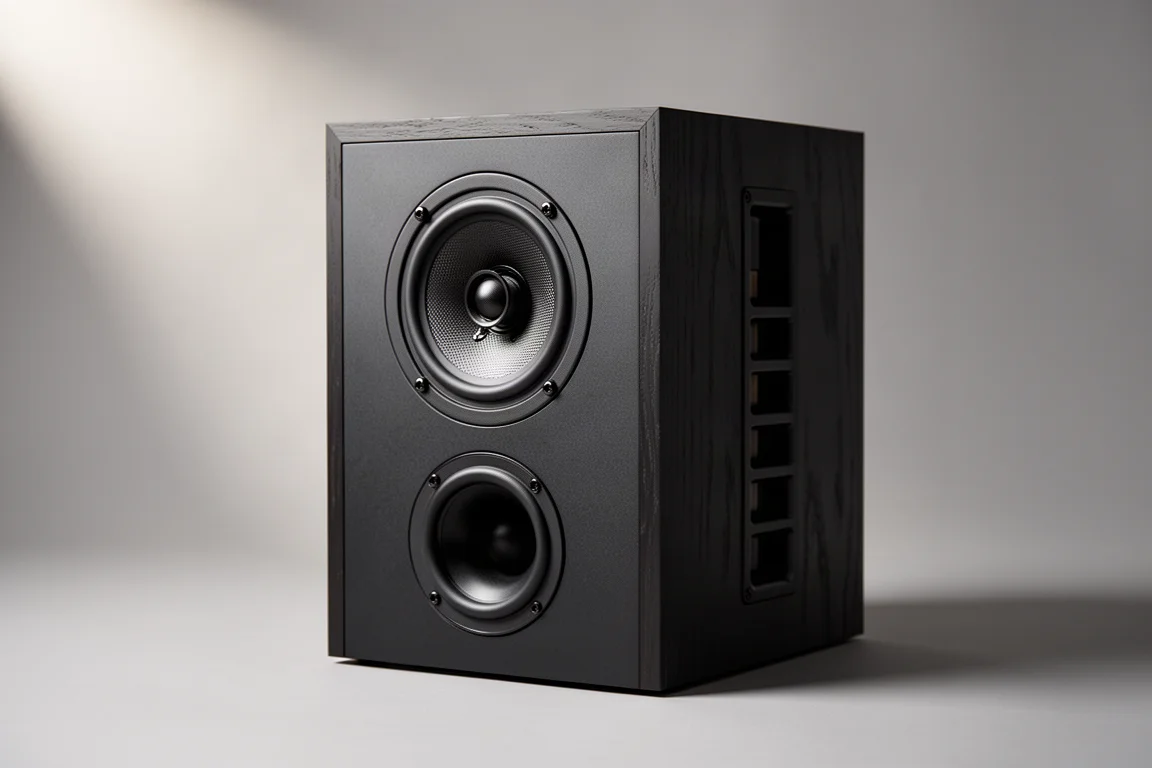
TAD is the luxury arm of Pioneer, a company that built its reputation in studio monitoring before moving into home audio, and the Micro Evolution One shows that heritage clearly. It is a true three-way design: a dual concentric tweeter and midrange driver handling the upper range as a phase-coherent point source, with a separate woofer below.
That configuration lets the bass extend surprisingly low for a bookshelf cabinet, while vocals and high frequencies benefit from locked-in centre imaging and fine detail retrieval. Despite the advanced engineering, it does not sound clinical or stripped of musicality. Build quality is exceptional, including the slotted ports machined into the sides. It costs what it costs, and once you see and hear it, the pricing makes sense.
Totem Metal V2
Price tier: $15,000 to $20,000.
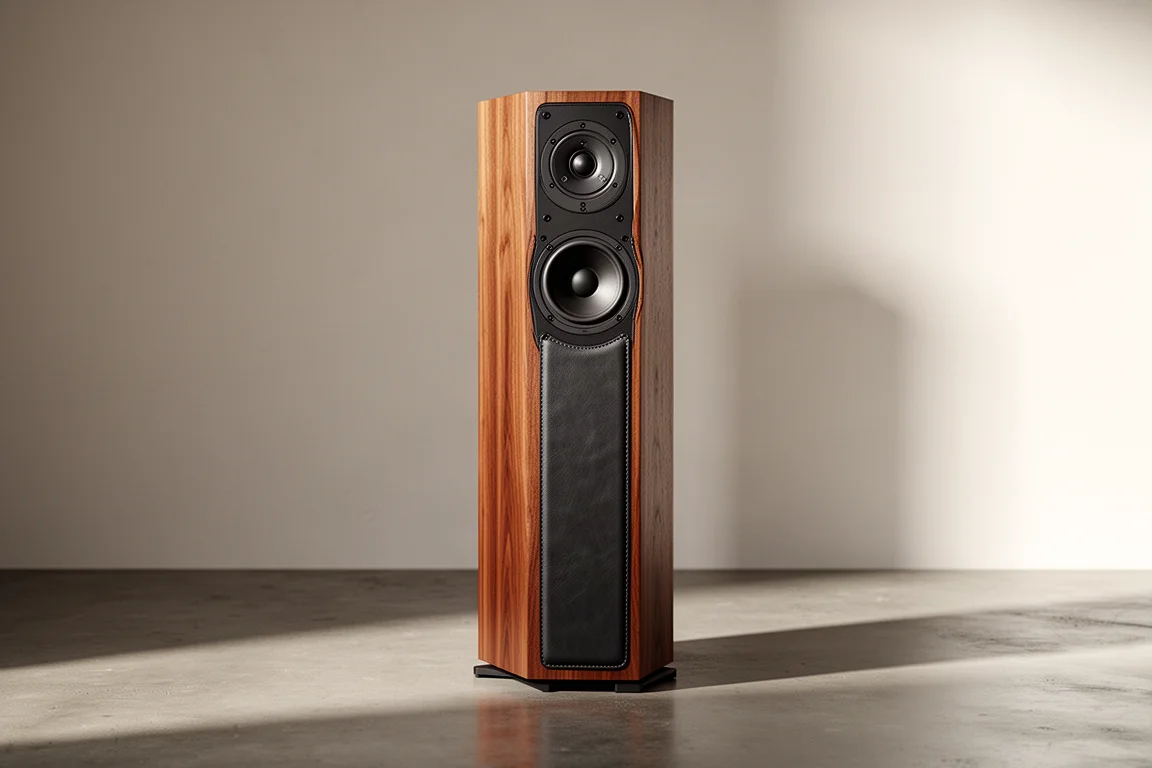
At $18,000 the Metal V2 is a serious commitment, and it behaves like one. Totem’s house sound has always leaned toward openness and transparency, and this speaker takes that further, with a presentation that resembles a panel speaker in its lack of boxiness. Tonality is remarkably realistic.
It can turn bright with mismatched electronics, so synergy matters, and it needs amplification with genuine capability behind it. Set up well, it rewards the owner indefinitely. It is the kind of speaker that ends upgrade conversations rather than starting them.
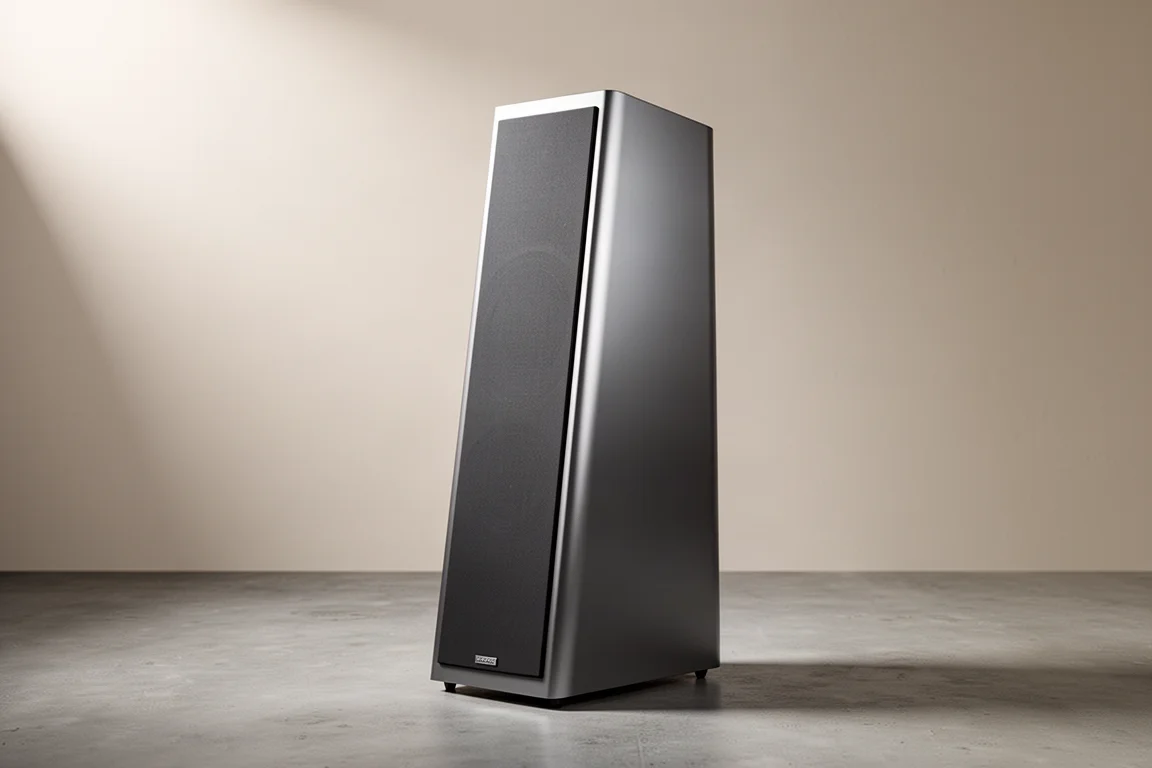
Joseph Crowe No. 1680 Horn Speakers
Price tier: $15,000 to $20,000.
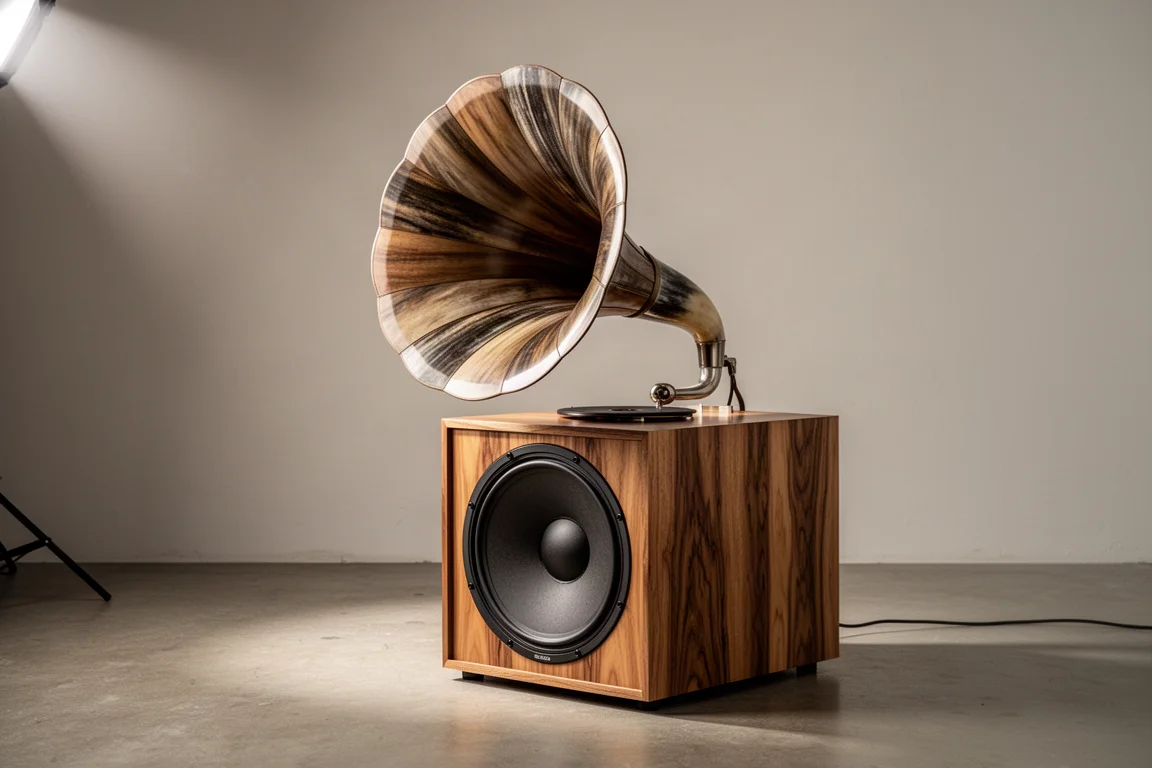
The No. 1680 is a handcrafted horn speaker from a small boutique workshop, priced around $15,000, and it avoids the nasal colouration that puts many listeners off horn designs entirely. This is a properly engineered horn: crystal clear, with the projection and sense of power that horns do better than anything else.
Off-axis dispersion is even, so tonality stays consistent wherever you sit, and power response is excellent. Bass is genuinely powerful. Crossover, cabinet and driver materials are all high quality. Comparable horn designs from larger commercial brands often cost considerably more.
Overall Buying Advice
Start with the room, not the speaker. A large floorstander in a small untreated space will underperform a well-chosen bookshelf almost every time, and a placement-friendly design like the R200 can be the difference between a system that works and one that fights the room.
Then decide how much of the budget belongs to the speaker versus the electronics. Power-hungry designs such as the LS50 Meta and the Metal V2 need an amplifier that can actually drive them, while the R200 and the Arendal models are far more forgiving.
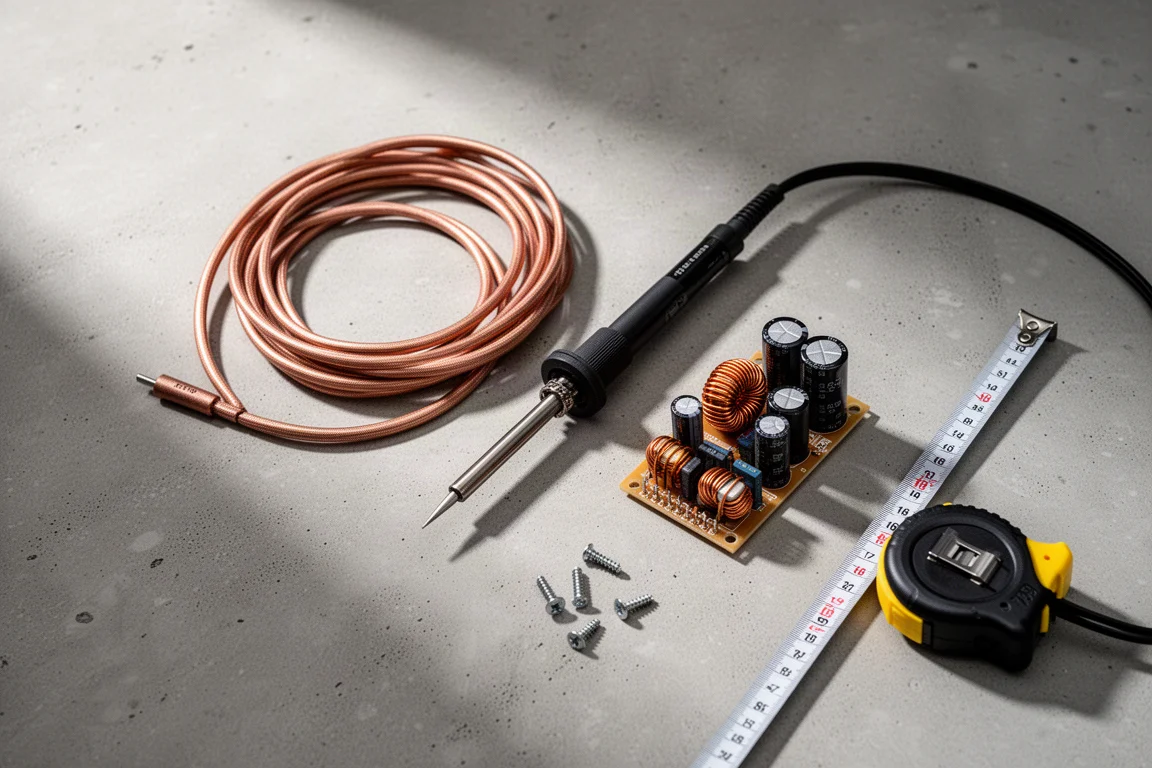
Kits deserve honest consideration if you are willing to spend a weekend with a soldering iron. Both the X-LS Encore and the Criton 1TDX deliver performance per dollar that finished products at the same price cannot match, and the finishing options mean the result can be tailored to any room.
Finally, take advantage of trial periods where they exist, and buy from sellers with clear return policies. Speakers interact with rooms in ways no specification sheet can predict, and the only test that matters is the one in your own listening space.
Conclusion
Every speaker here earns its place at a specific price, and none of them require exotic electronics to sound like themselves. Work out your budget, be honest about your room, and match the speaker to the way you actually listen. That approach will serve you better than chasing specifications.
Further reading
Related Reviews
Loudspeakers
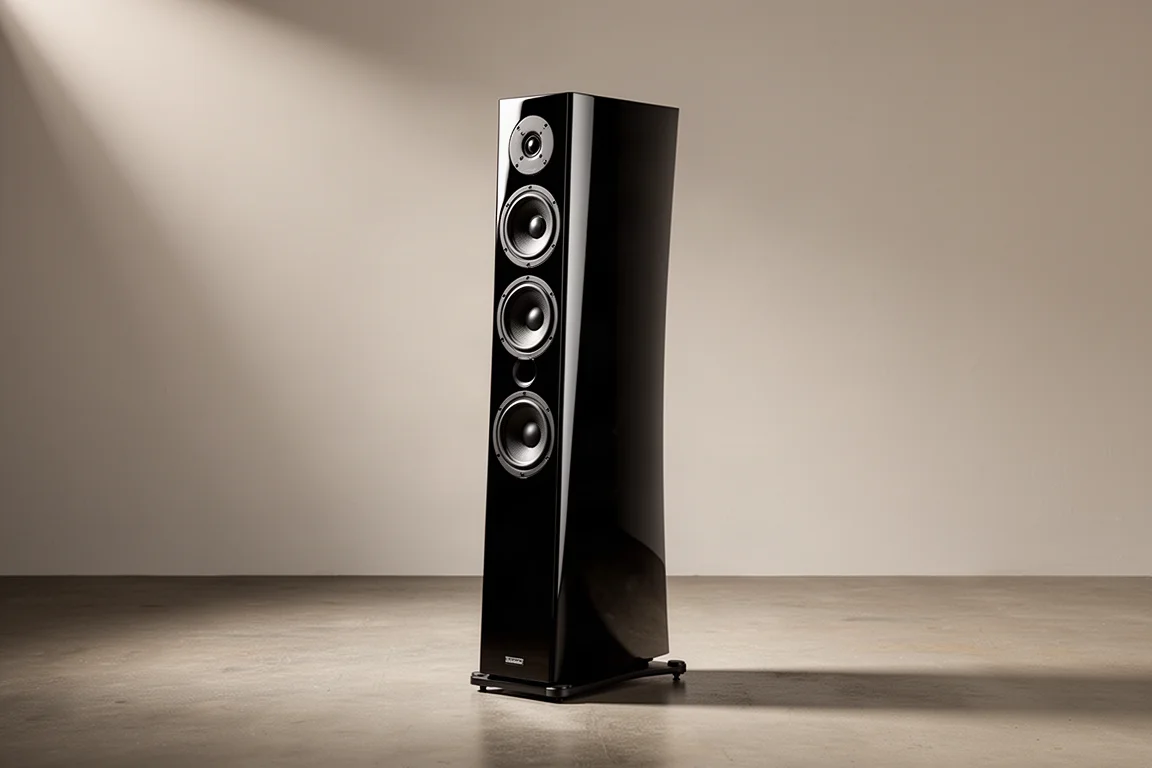
Borresen X2 Review: Deep Bass and a Warm Balance From a Slim Floorstander
A close look at the Borresen X2 loudspeaker: ribbon tweeter and carbon fiber drivers, bass below 30 Hz without a subwoofer, and how it behaves with solid state, integrated and tube amplification.
Loudspeakers
Borresen X3 Review: A Danish Floorstander Built Around Soundstaging
The Borresen X3 pairs a true ribbon tweeter and a slim Danish cabinet with remarkable imaging, fast transients, and a few practical trade-offs worth knowing before you buy.
Loudspeakers
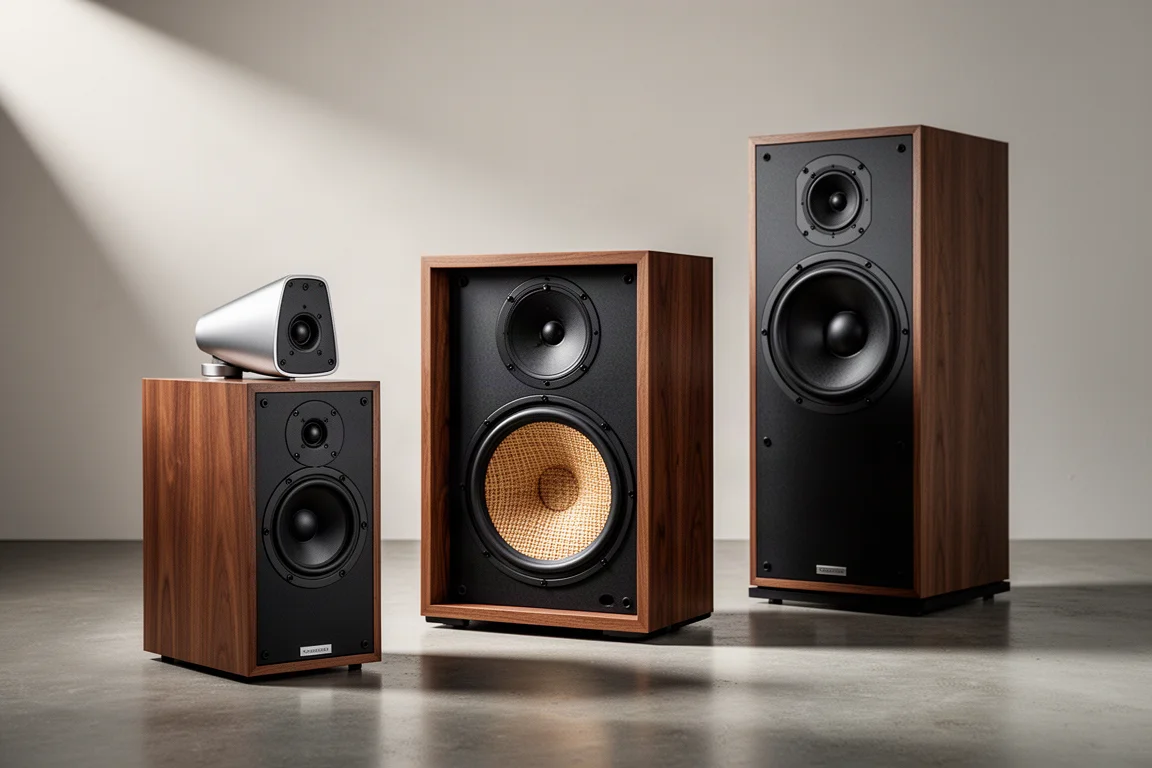
Bowers & Wilkins 705 S3 vs Wharfedale Linton vs Zu Audio DWX: Three Standmount Speakers Compared
A three-way standmount loudspeaker comparison covering the detail-led Bowers & Wilkins 705 S3, the value-focused Wharfedale Linton, and the dynamic Zu Audio DWX.