Aquarium Filtration
Reef Tank Mechanical Filtration: Good, Better, Best Options Compared
A practical comparison of reef tank mechanical filtration, from filter socks and media cups to automatic fleece rollers, and how to pick the one you will actually maintain.
Introduction
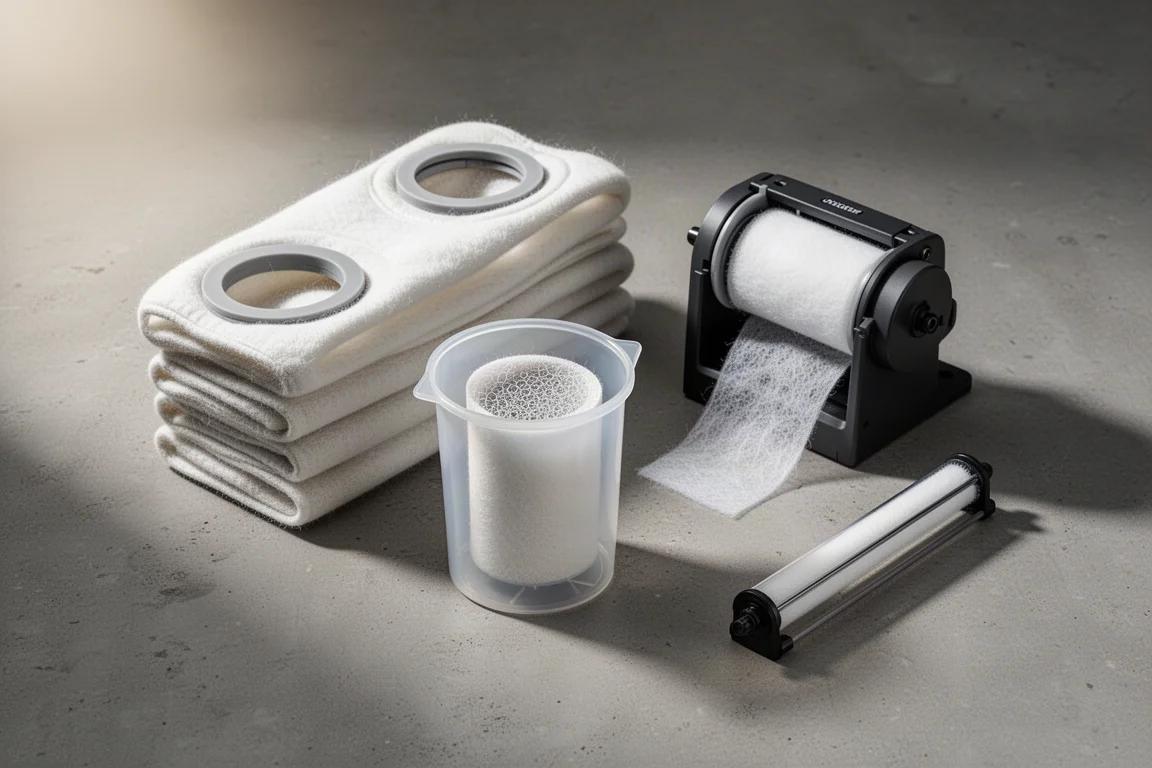
Mechanical filtration is the part of a reef system that rarely gets the spotlight. Lighting, flow, and biological filtration tend to dominate the conversation, yet how waste is physically removed from the water has a direct effect on nutrient control, algae pressure, and overall tank stability. The options below run from the simplest and most widespread to the most automated, and the real difference between them is not whether they work. It is how much effort they ask from you.
Why Mechanical Filtration Deserves More Attention
Every reef tank produces suspended waste: uneaten food, fish waste, and fine detritus that stays in the water column until something removes it. Mechanical filtration is what captures that material before it breaks down and feeds the nutrient problems that later show up as algae and drifting parameters.
A good, better, best framing is useful here because all three approaches trap waste effectively. What changes is how often you have to intervene, and how likely you are to stay consistent over months rather than weeks.
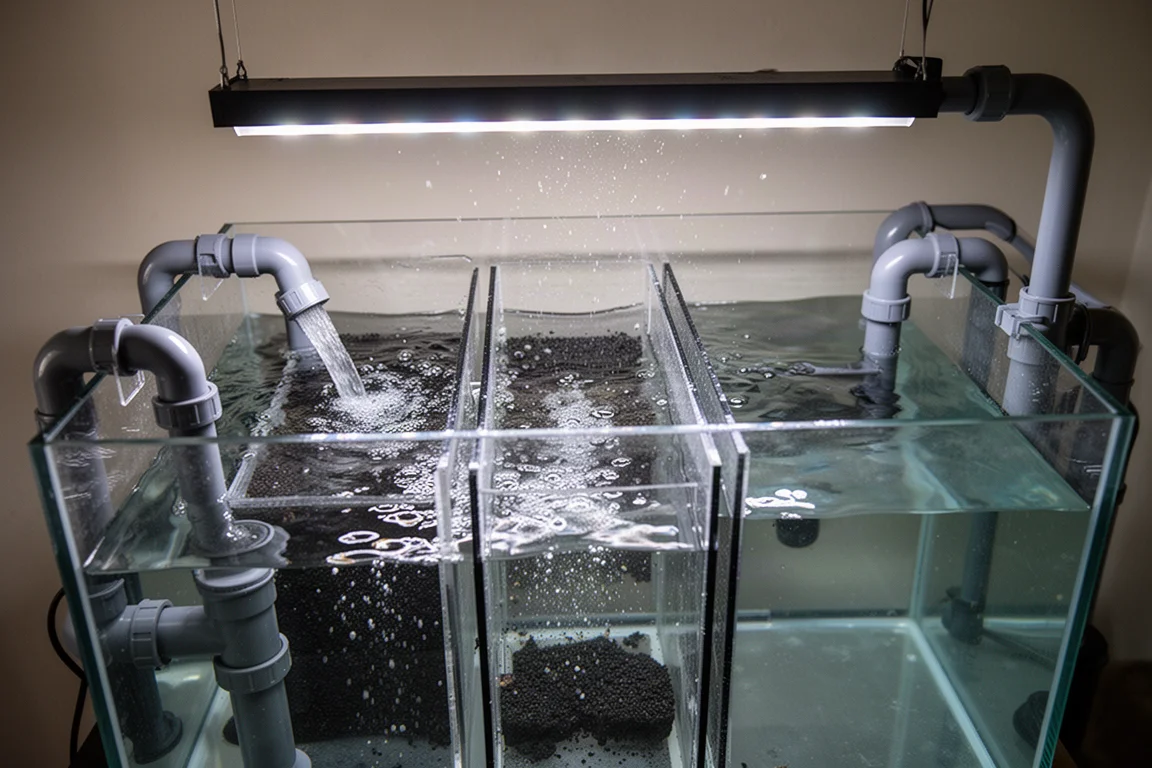
That last point matters more than it first appears. A filtration method that is easy to service tends to get serviced. One that is messy tends to get postponed, and postponed maintenance is where most nutrient surprises begin.
Good: Bulk Reef Supply Filter Socks
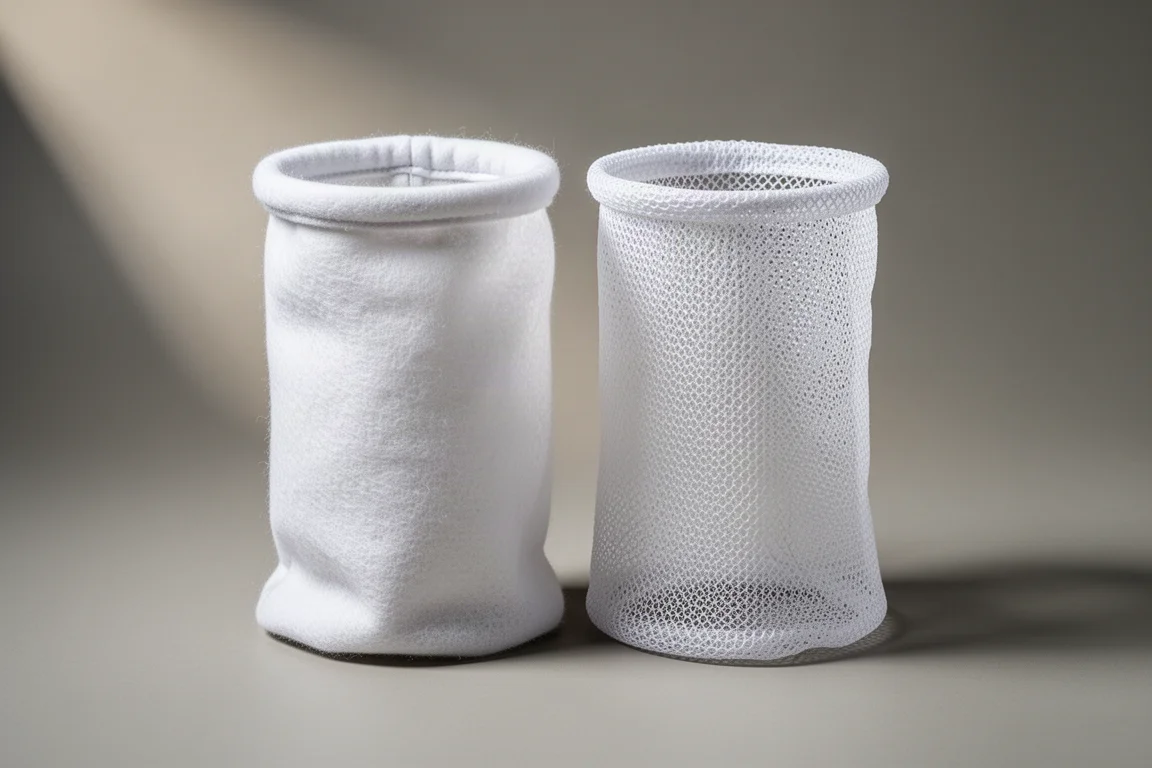
Filter socks are the most common form of mechanical filtration in reef tanks, and for good reason. Water is forced through the fabric, which physically traps uneaten food, fish waste, and other suspended particles before they can circulate through the system. They come in a wide range of sizes, generally from 4 to 7 inches in diameter, with different lengths and micron ratings, and in felt or mesh constructions. Most reef tanks ship with some form of filter sock regardless of brand, because the concept is simple and it works.
They are also more versatile than they first appear. Mesh bags of media such as carbon or GFO can be dropped directly into a sock, letting a single piece of filtration handle mechanical capture and light media containment at the same time.
Felt and mesh filter socks from Bulk Reef Supply are a solid reference point for what a reliable sock should be: well made, available in common sizes, and consistent with what reefers should expect from a dependable option.
The trade-off is maintenance. Socks need to be changed frequently, and if they are left in place too long, trapped food and fish waste begin to decompose. That breakdown raises nutrients and invites algae problems. Cleaning socks is messy and time-consuming enough that it is easy to start putting it off, so socks suit reefers who genuinely keep up with a routine.
Better: Filter Media Cup
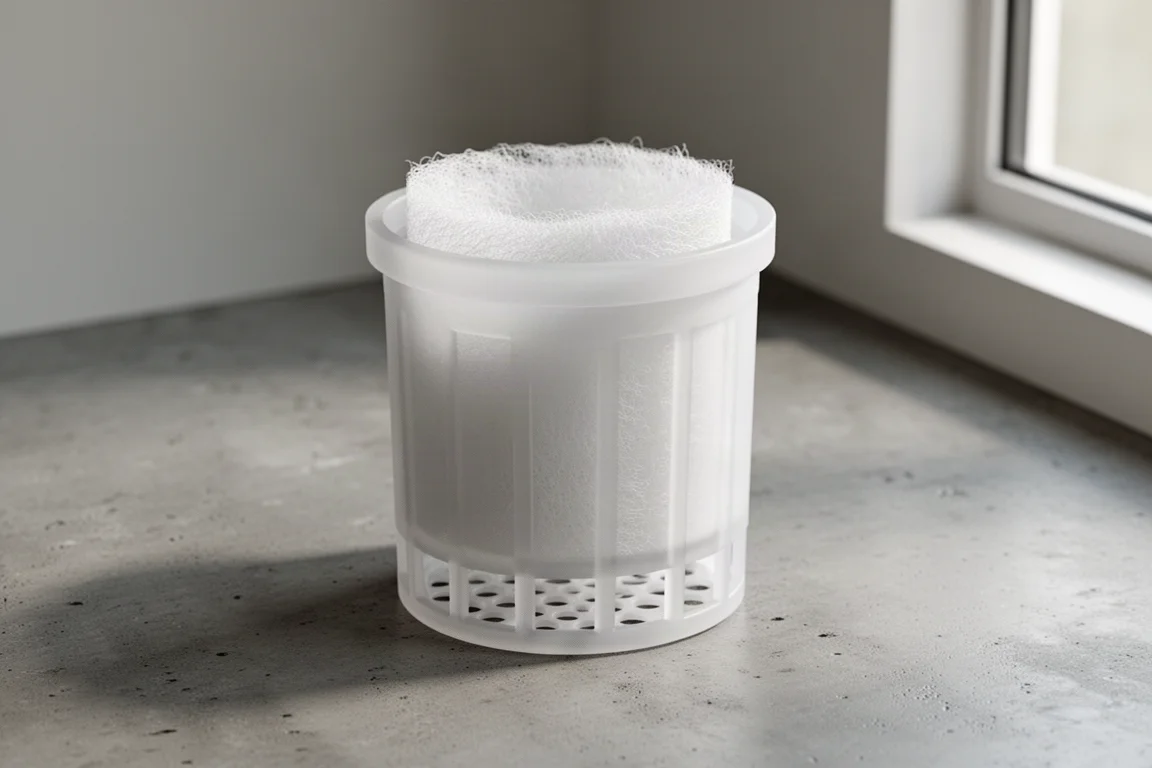
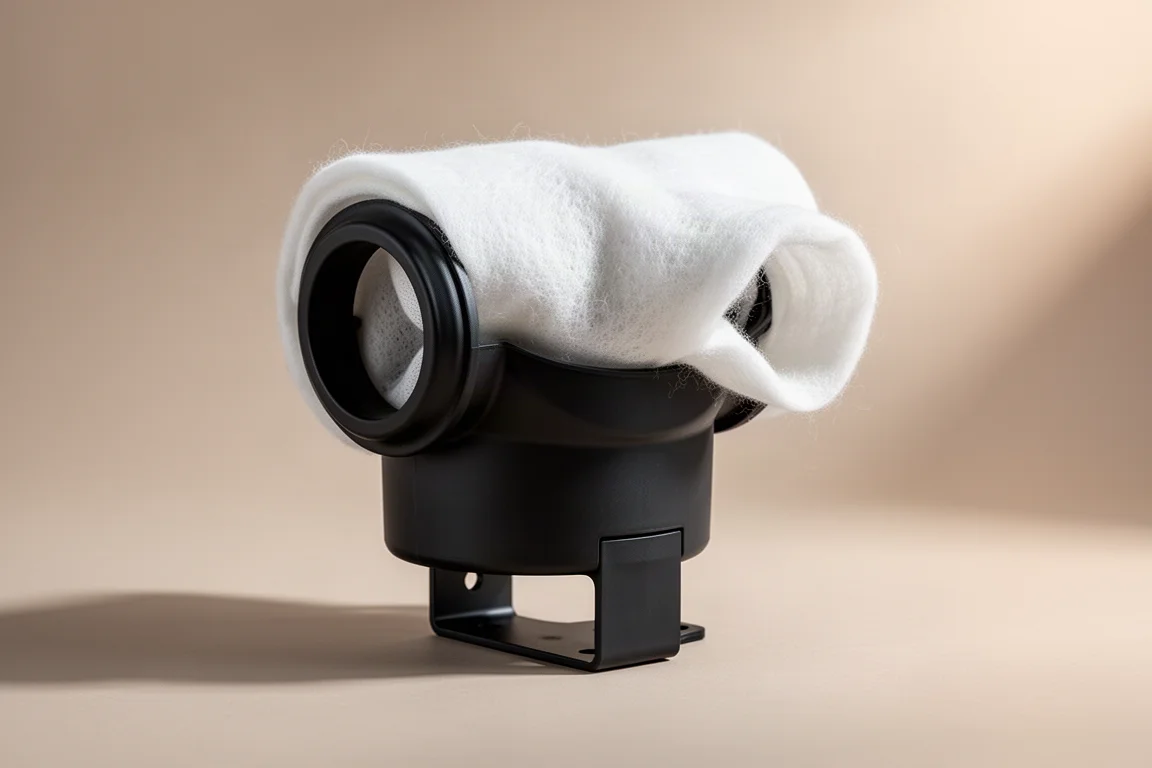
Filter media cups take the same mechanical principle and make it far more user-friendly for day-to-day reefkeeping. Water still passes through a defined path where suspended waste is trapped before it reaches the rest of the system, but instead of fabric that has to be removed, washed, and dried, you are working with a semi-rigid cup designed to sit in your tank’s existing filter sock holder.
That design opens up options. A cup can hold filter pads, mesh media bags, or a combination of both, which gives a lot of control over how mechanical filtration is handled. Cups from Filter Media Cup are available in multiple sizes to fit common sock holders, making them an easy drop-in upgrade for many systems.
The real advantage is speed. Swapping a dirty filter pad or changing carbon takes seconds, and cleaning the cup itself is usually just a quick rinse. Compared with washing filter socks, it is cleaner, faster, and far less of a hassle, and that ease of use directly affects how often maintenance actually gets done.
Filter cups remain a manual solution, though. A filter pad left in place too long will collect and hold waste just like a sock, and that organic material will eventually break down and contribute to elevated nutrients. Cups are a clear step up in convenience and flexibility, but they still depend on the reefer staying on top of the routine.
Best: Aquar AF1
Automatic fleece rollers are the most effective and hands-off mechanical filtration available today. Rather than relying on manual swaps, they work continuously in the background. As water passes through the fleece, fish waste, detritus, and uneaten food are removed from the system before they ever have a chance to break down. When the fleece begins to clog, the unit automatically advances clean material, keeping filtration efficient without intervention for up to several months in some cases.
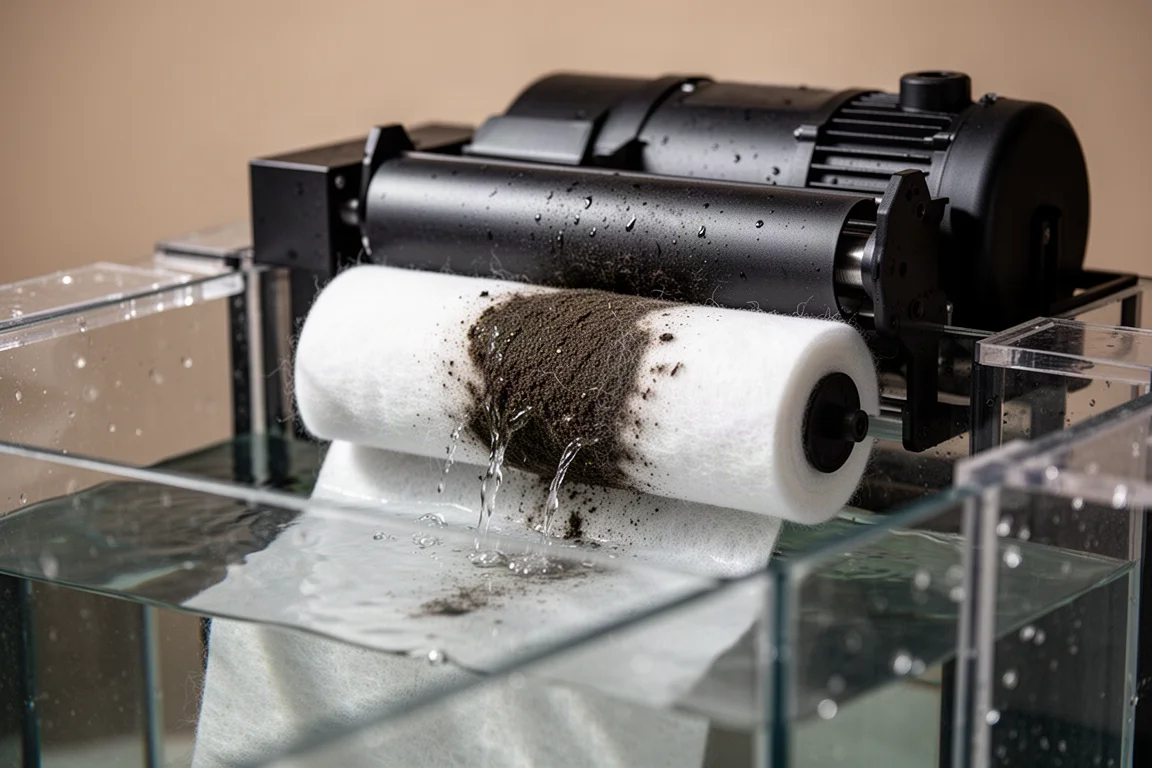
For a long time this type of filtration was reserved for large, high-end reef systems, and that is no longer the case. The Aquar AF1 brings automatic fleece filtration to traditional sump-based reefs, which makes it the natural starting point for anyone who wants automation without rebuilding an entire system.
The biggest advantage is consistency. Removing waste automatically and predictably smooths out nutrient swings, keeps sumps and filtration chambers noticeably cleaner, and reduces detritus buildup throughout the tank. It also removes one of the most common failure points in reefkeeping: forgetting to change mechanical filtration on time.
Best for Nano Tanks: Nature Dimensions Clear Nano
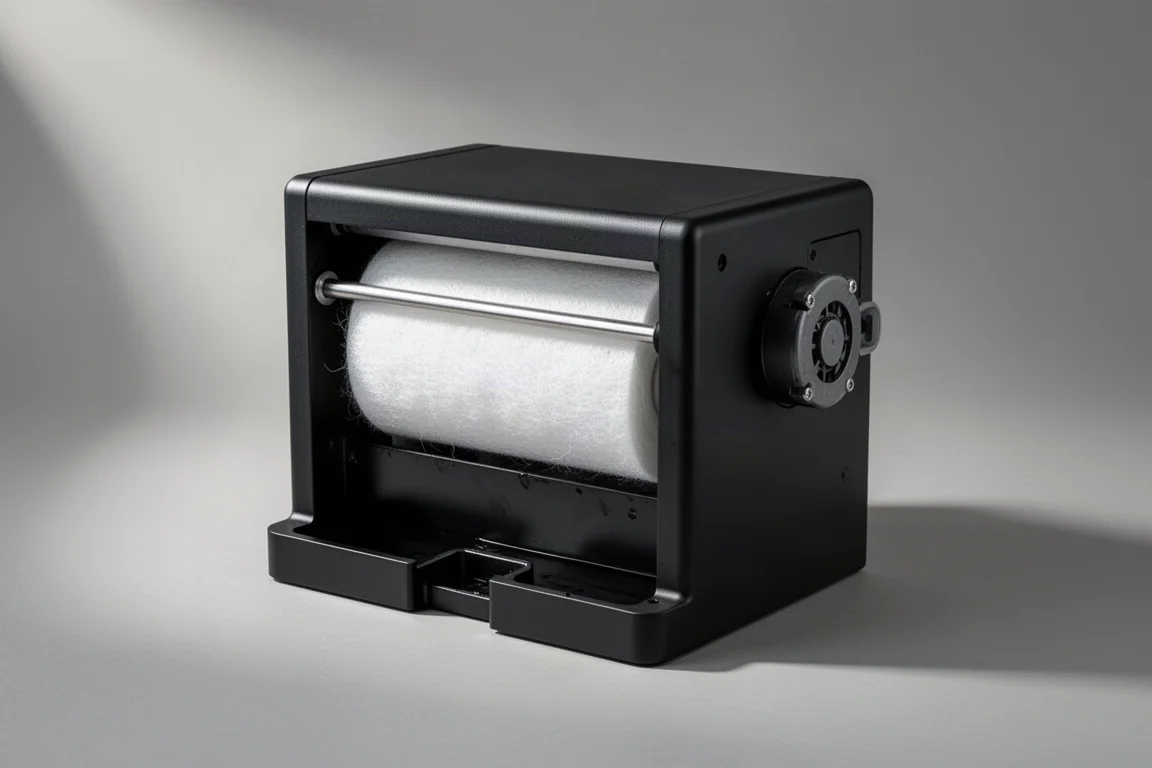
Nano all-in-one tanks have traditionally been the hardest systems to automate, because the space simply is not there for a full-size fleece roller. The Nature Dimensions Clear Nano addresses that directly by fitting a wide variety of nano all-in-one tanks.
The appeal is the same as any fleece roller. Waste is captured on a moving sheet of fleece and advanced automatically once it clogs, so filtration keeps working whether or not you remember to check on it. For nano keepers who want stable parameters without weekly sock washing, that convenience is the entire point.
Best Drop-In Upgrade: Red Sea Nanomat
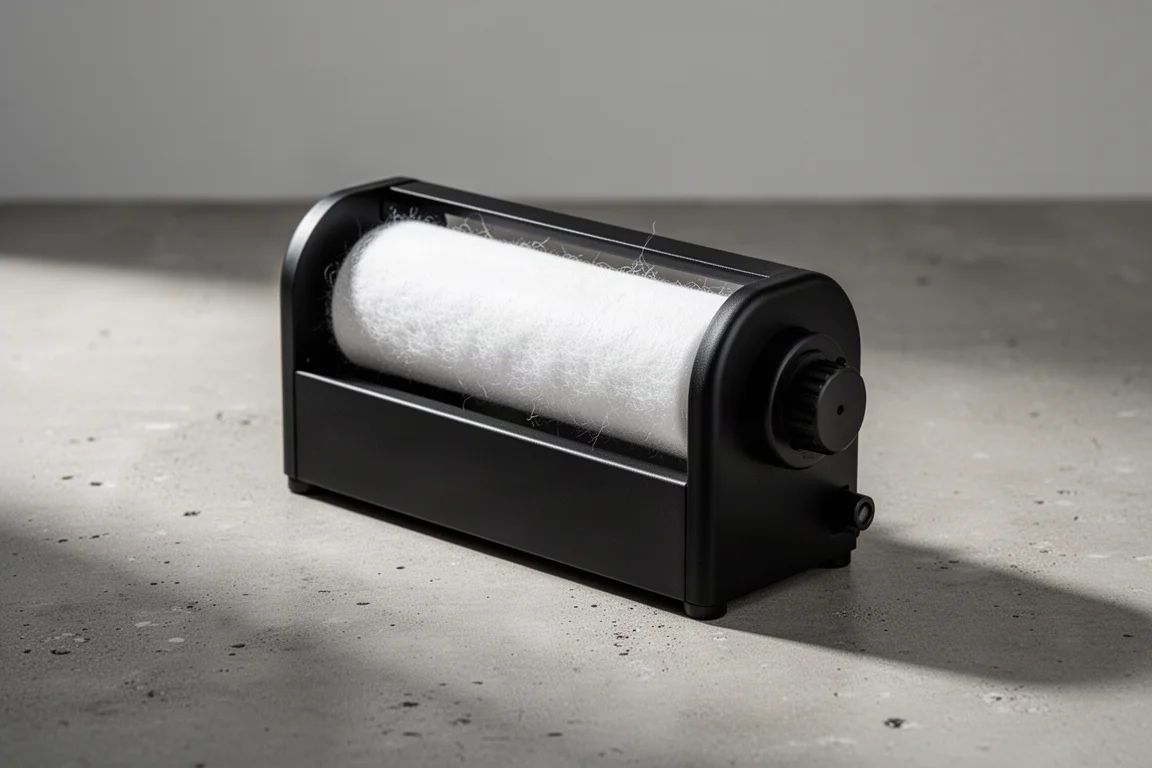
The Red Sea Nanomat makes it possible to run an automatic fleece roller on any system that accepts a 4-inch filter sock. That is a meaningful detail, because the 4-inch sock holder is one of the most common configurations in reef sumps, which means many existing tanks can be converted to automatic filtration without changing the sump layout.
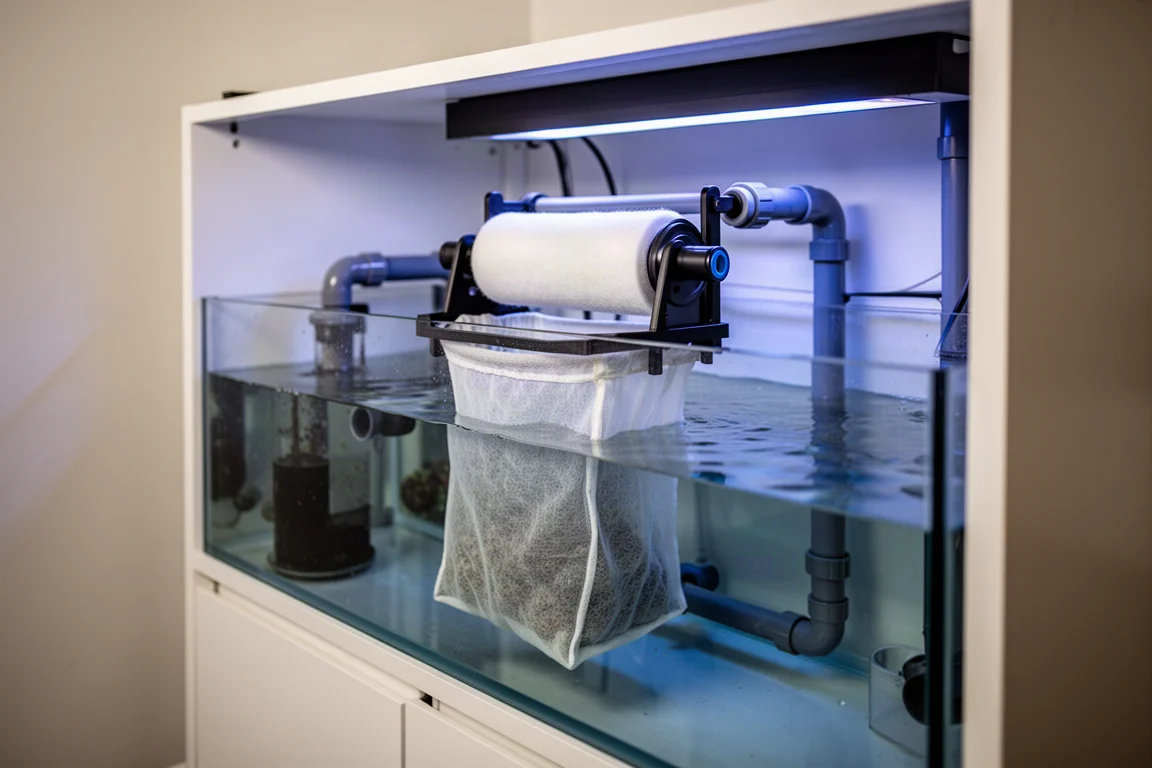
Once installed, the Nanomat behaves like any other fleece roller: it captures waste continuously and advances fresh material when the fleece clogs. For reefers who already have a 4-inch sock holder and are tired of the sock rotation, this is the most direct route to automation.
How to Choose the Right Mechanical Filtration for Your Tank
There is no single right answer here, only the right choice for your tank and your lifestyle. All of these options remove waste effectively. What separates them is how much effort they require from you, and how forgiving they are during the weeks when tank maintenance is not the priority.
Filter socks are the most widely available starting point, and they remain a perfectly good solution for reefers who stay on schedule. Filter cups reduce the friction of that schedule, which is often enough to keep maintenance consistent. Automatic fleece rollers go further by removing the schedule almost entirely, holding filtration steady for months at a time.
The practical question is not which method filters best, but which one you will actually maintain. An easier system is a more consistent system, and consistency is what keeps a tank stable and problems at bay.
Conclusion
Mechanical filtration gets underestimated because it is not glamorous. It is also one of the few areas of reefkeeping where a small change in routine can meaningfully affect nutrient control, algae pressure, and overall stability. Filter socks work, filter cups work better for most people’s habits, and automatic fleece rollers deliver the most consistency with the least ongoing effort.
At the end of the day, the best filtration system is not the one that looks best on paper. It is the one that actually gets maintained.
Further reading
Related Reviews
Aquarium Filtration
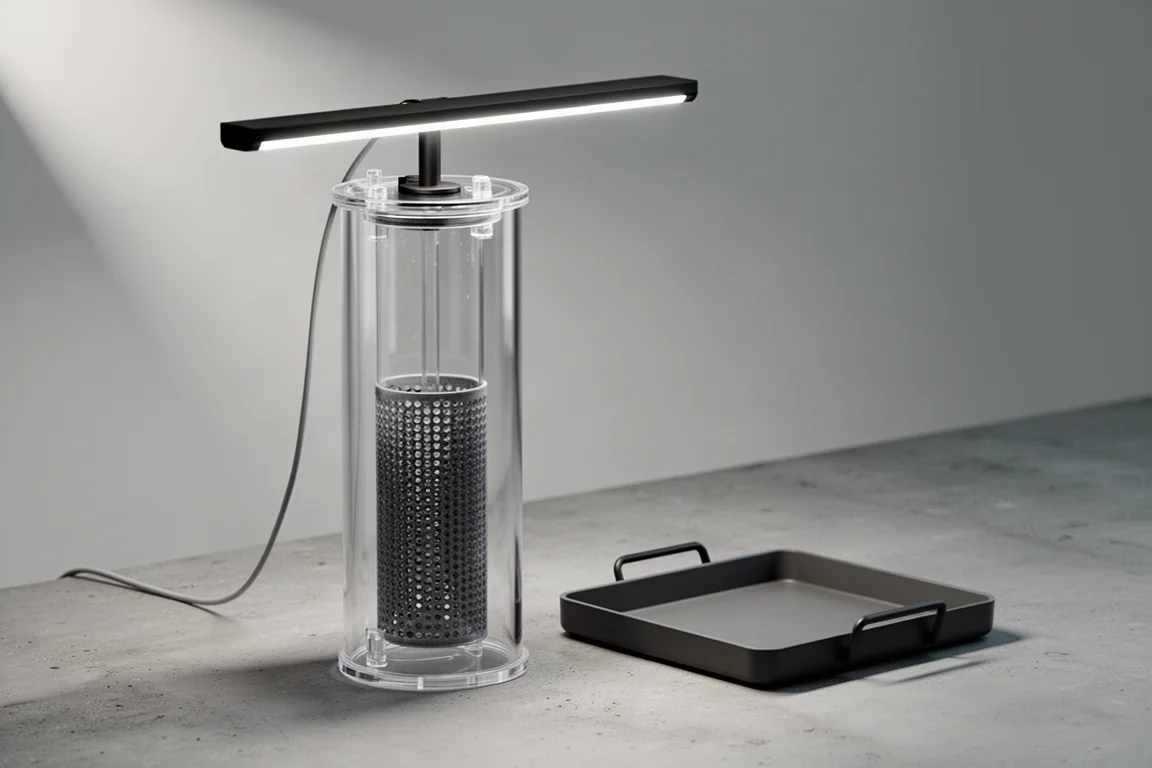
Adaptive Reef Refugium Reactor Review: A Simple Way to Grow Nuisance Algae Outside Your Display
A vessel designed to grow nuisance algae in a controlled space so it stops taking over the display tank, with an adjustable stand, a removable basket, and a single LED light on top.
Aquarium Filtration
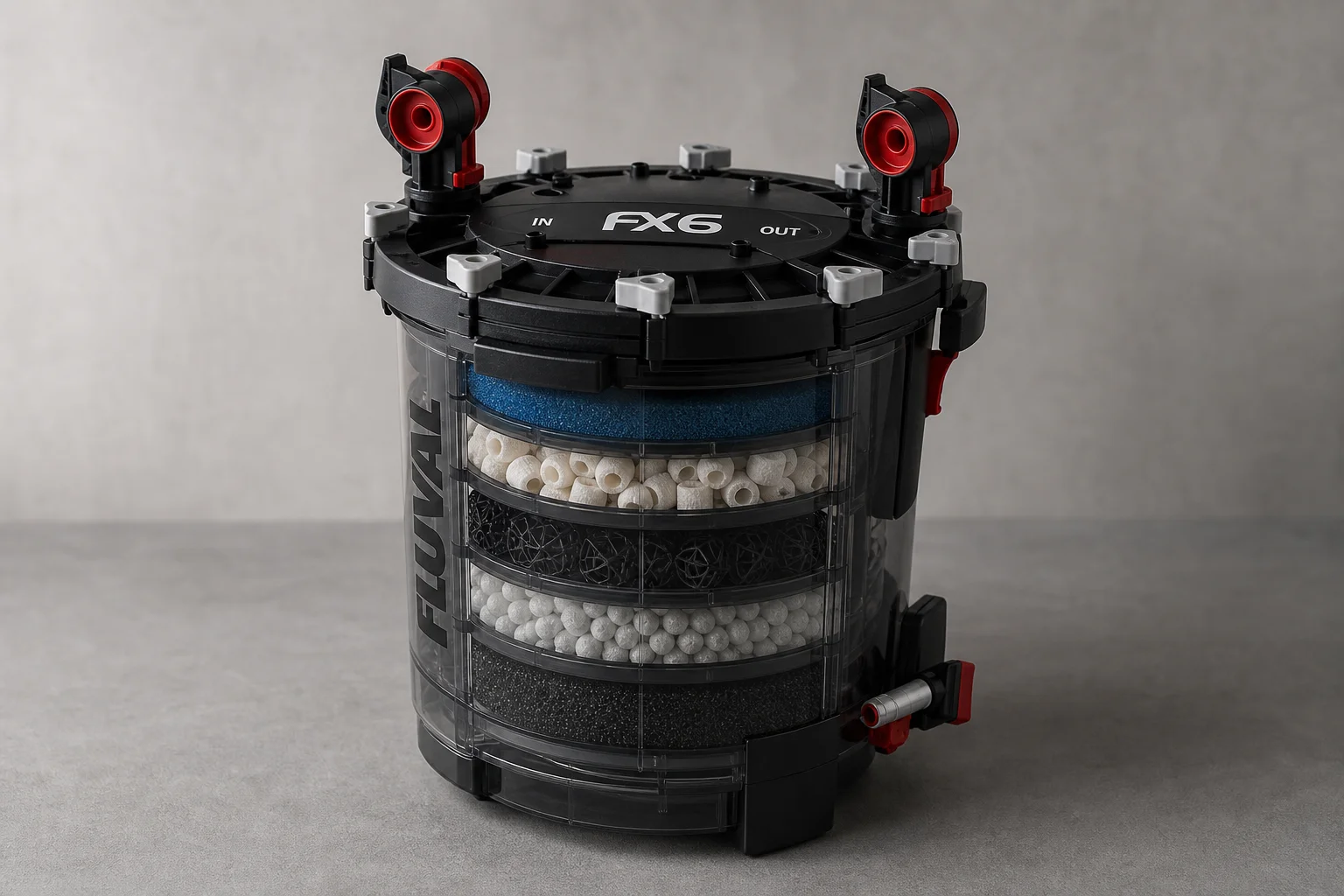
Affordable Aquarium Filter Media: Testing Budget Alternatives to Expensive Biomedia
Can cheap pot scrubbers replace expensive ceramic biomedia in a canister filter? One aquarist tests the theory on a heavily stocked 210-gallon tank.
Aquarium Filtration
AquaMaxx Bullet 2 and Bullet 3 Review: Hang-On Protein Skimmers Compared
A closer look at two larger AquaMaxx hang-on protein skimmers, covering capacity ratings, clearance needs, and the design details that separate the Bullet 3 from the Bullet 2.