Aquarium Controllers
Reef Tank Controllers and Monitors: Good, Better, Best Protection
A practical guide to reef tank controllers and monitors, from single-purpose protection to multi-parameter monitoring and full ecosystem control.
Introduction
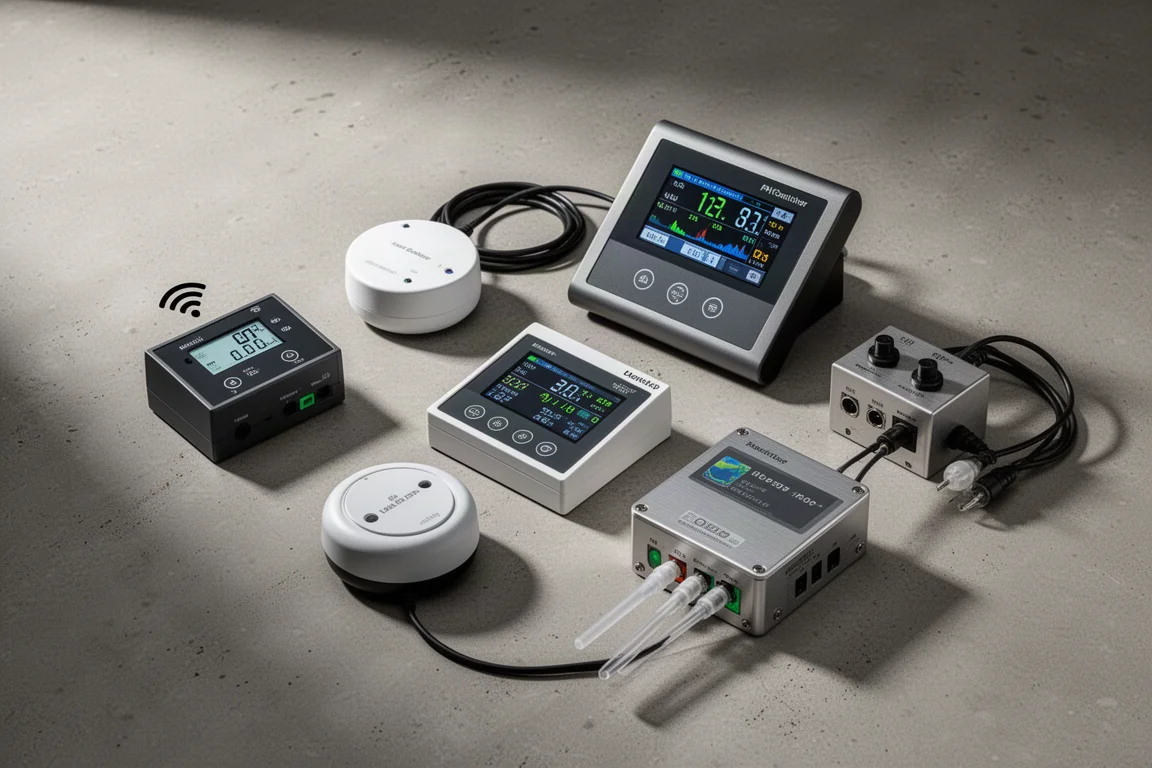
Most reef tank failures do not happen all at once. They build slowly when a parameter drifts out of range and no one notices in time. Controllers and monitors earn their place by catching those small problems before they become large ones.
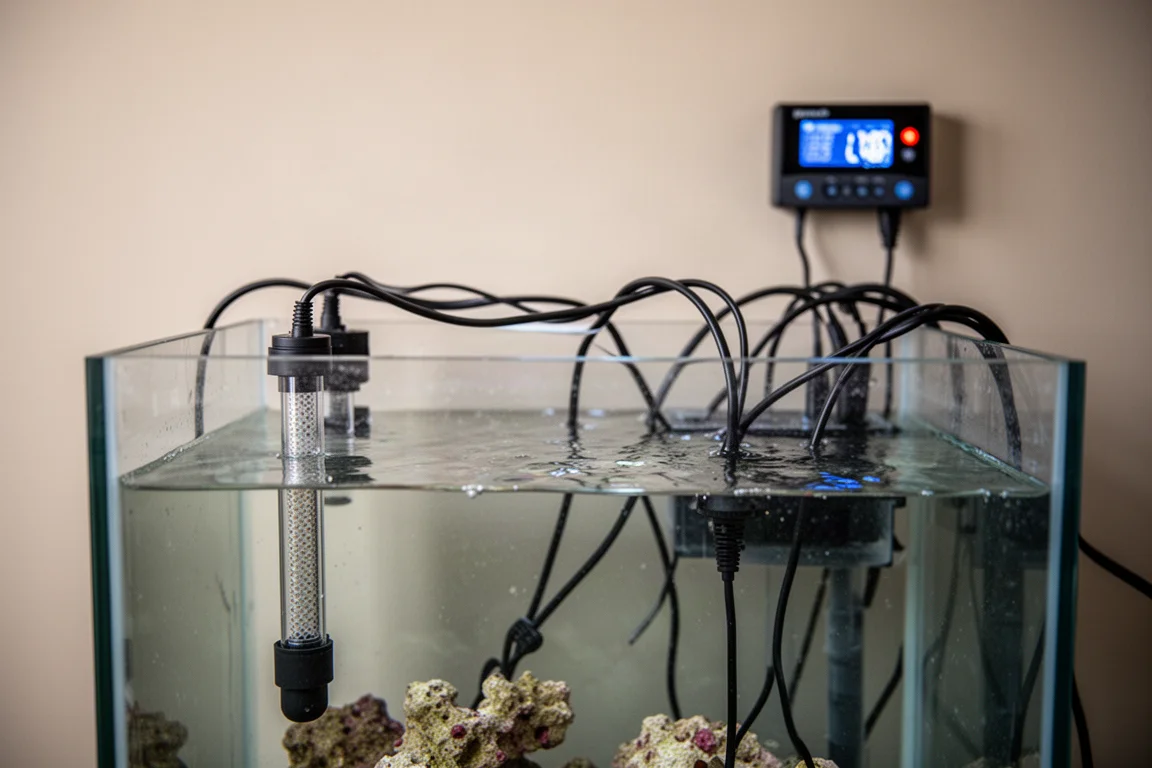
Temperature swings, pH crashes, leaks, and failed equipment are rarely dramatic at first. They are quiet, gradual changes that compound over time. A practical way to think about protection is a good, better, best format: basic single-purpose protection, then multi-parameter monitoring, and finally full ecosystem control.
How to Choose the Right Level of Protection
The right choice depends on what you want to catch and how much you want the system to do on its own. Single-purpose devices are the simplest starting point. Multi-parameter devices reduce clutter and show trends across several values. Full ecosystem controllers connect equipment, logic, and alerts in one platform.
It also helps to ask whether the devices talk to each other. Isolated tools can still be valuable, but they do not offer centralized monitoring or cross-parameter logic. The more integrated the system, the more it can act on what it measures. For many reefers, the goal is not maximum power but the right level of awareness for the tank.
Good: Single-Purpose Controllers and Monitors
Single-purpose controllers and monitors are the most accessible entry point into automation and protection. They are designed to do one job reliably, and they add real protection to areas where reef tanks most commonly fail. The main downside is that they work in isolation, so there is no centralized view and no shared logic between devices.
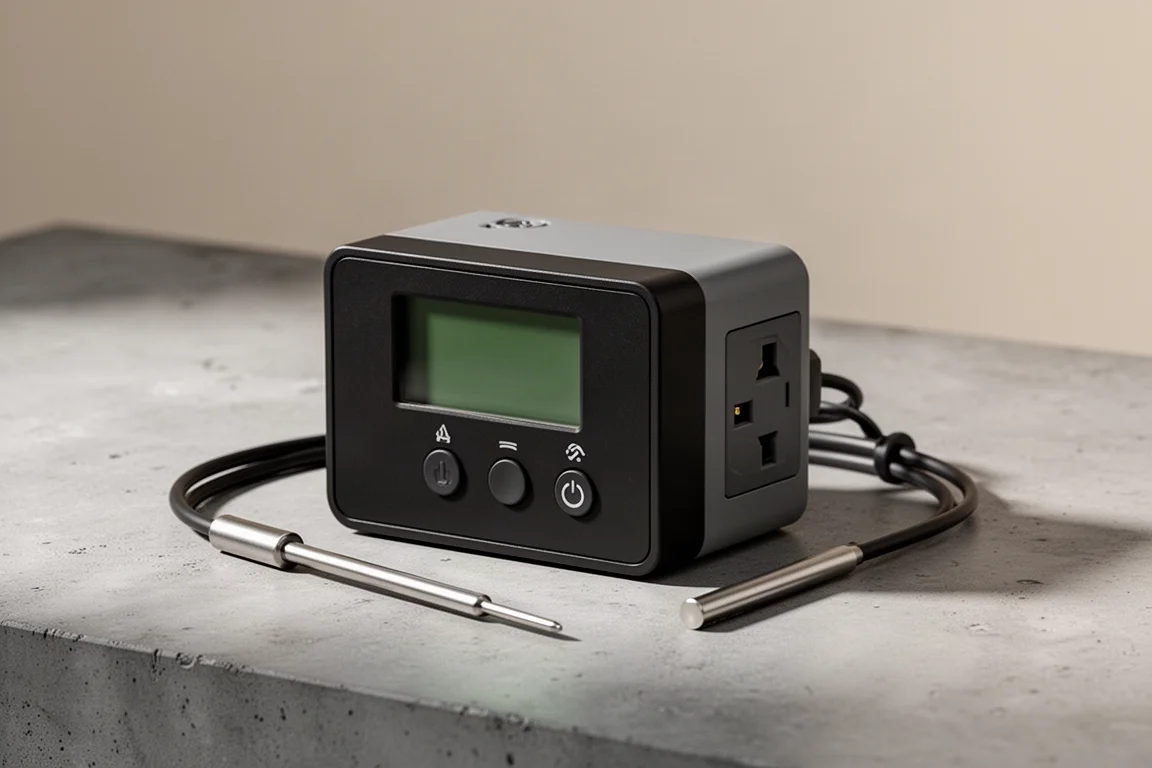
Inkbird Wi-Fi Temperature Controller
Temperature is one of the most critical and most commonly mishandled parameters in a reef tank. An external controller adds an essential layer of redundancy. Instead of relying solely on a heater’s internal thermostat, the Inkbird actively manages power to the heater, sends alerts if something drifts out of range, and gives remote visibility when you are not at home.
Watch Dog Leak Detector
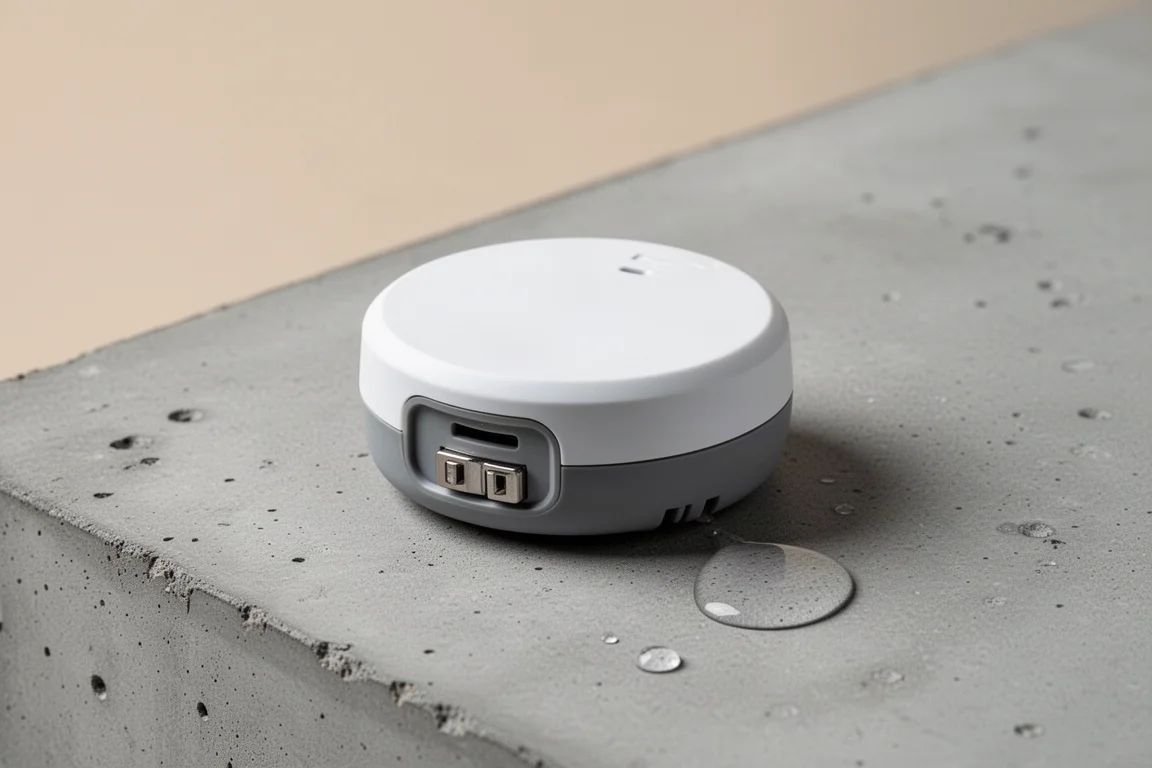
Leak detection is another area where simple monitoring can save an entire system. The Watch Dog Leak Detector does not control anything, but it alerts you immediately when water hits the floor. That early warning can be the difference between tightening a fitting and dealing with catastrophic water damage.
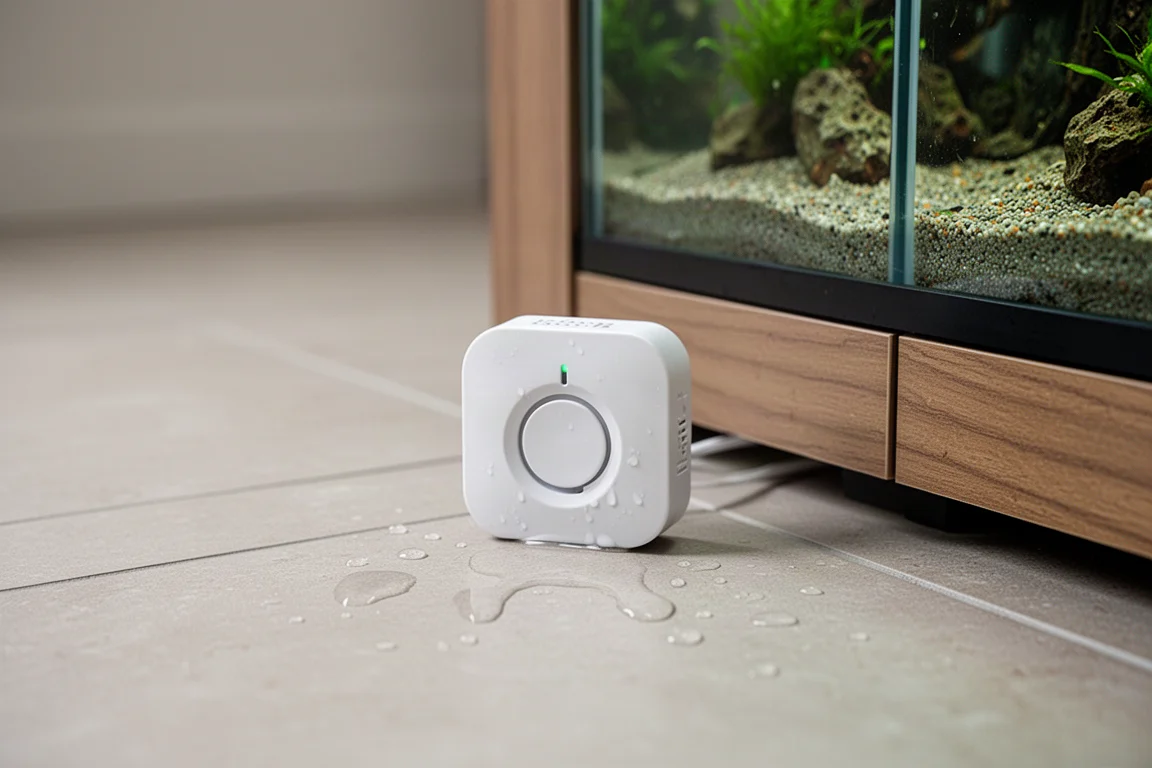
This kind of device is most useful in sump areas, equipment cabinets, and anywhere water can quietly escape. It is a straightforward safeguard that adds confidence without adding complexity.
Milwaukee MC122 pH Controller
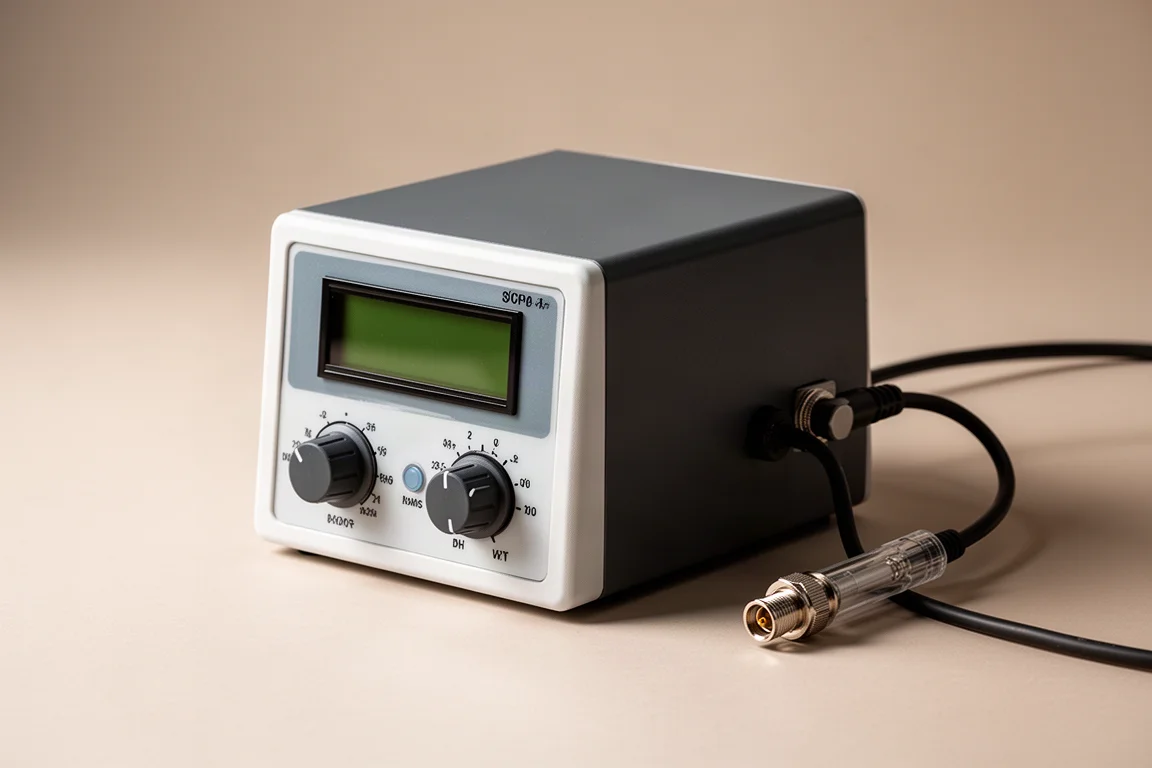
The Milwaukee MC122 pH controller monitors and actively controls pH by turning equipment such as a CO2 solenoid on or off. For reefers running calcium reactors or managing pH-sensitive systems, this kind of dedicated control can be very effective. It is a focused tool that does one job well.
Better: Multi-Parameter Monitoring and Control
The next step up is consolidating multiple parameters into fewer, more capable devices. This tier is about efficiency: reduce clutter, streamline monitoring, and gain better insight into trends over time. It becomes easier to spot slow changes before they turn into real problems.
Hanna Instruments Marine Monitor
The Hanna Instruments Marine Monitor allows reefers to track several critical parameters such as pH, temperature, and salinity from a single interface. Instead of bouncing between individual displays, you get a clearer picture of how the system is behaving as a whole.
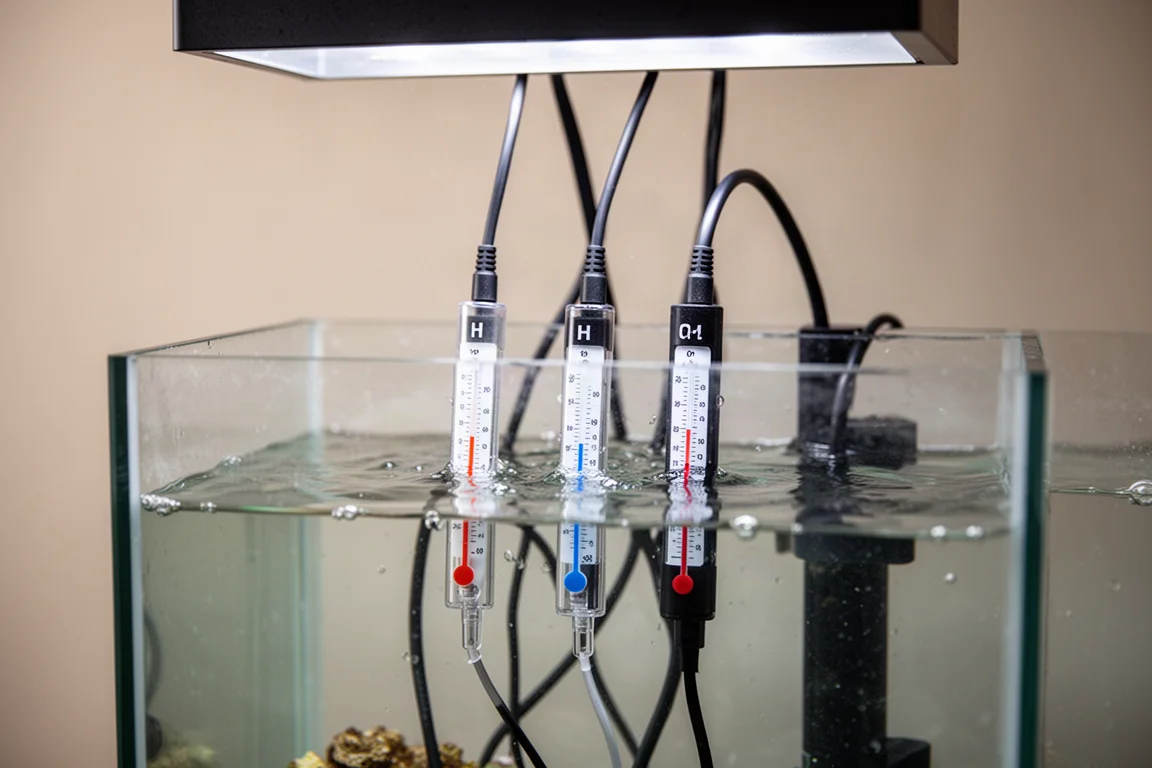
This approach is still largely monitoring first. While these devices can control specific equipment, they do not manage the tank as an integrated system. Alerts may be local rather than cloud-based, and automation is limited to the parameters being measured. For many reefers, that is a comfortable middle ground.
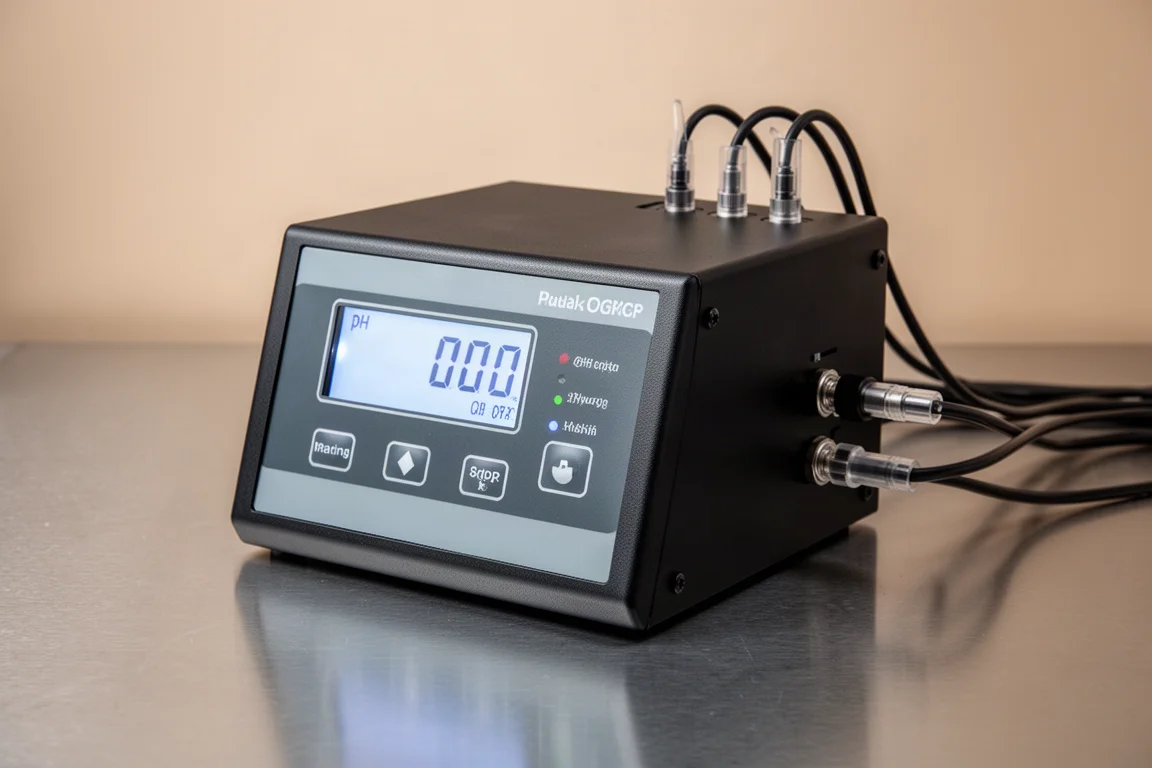
Milwaukee MC125 pH ORP Controller
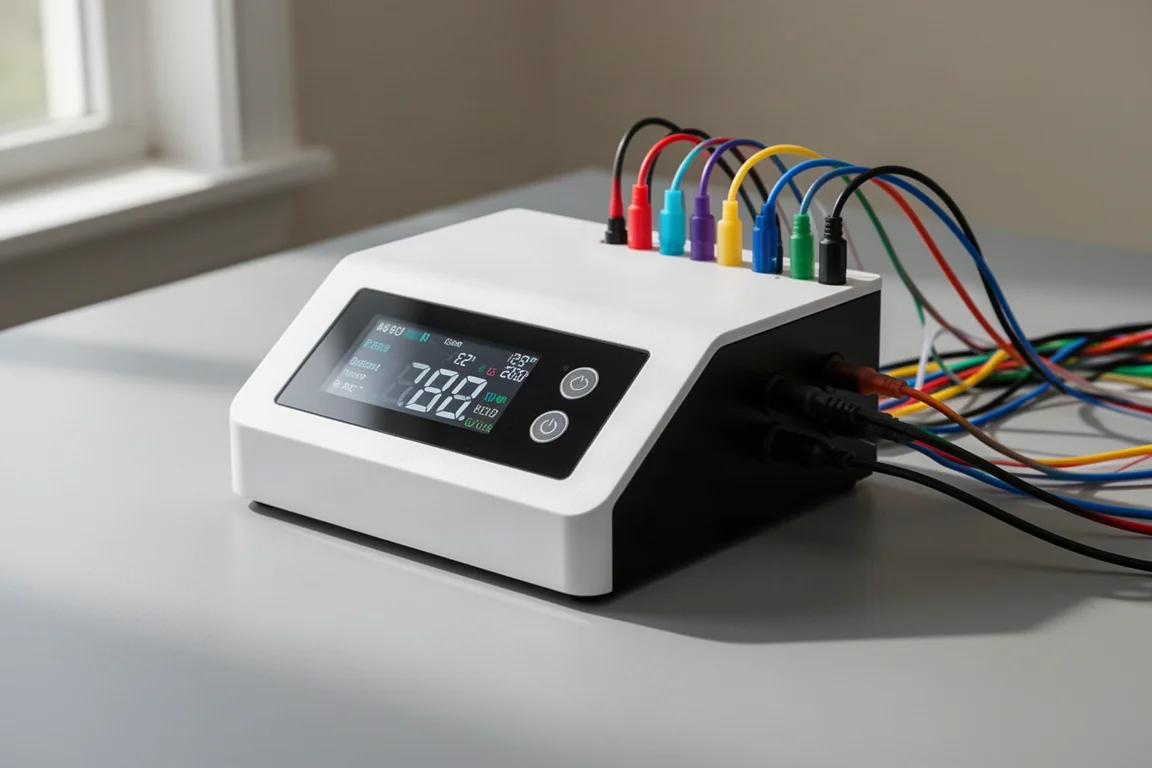
The Milwaukee MC125 pH ORP controller adds another layer by monitoring and managing two related parameters simultaneously. This kind of paired monitoring is especially useful in systems where oxidation reduction potential and pH are closely tied to overall water quality.
Best: Full Ecosystem Controllers
At the top of the spectrum are full ecosystem controllers. These systems do not just monitor individual parameters; they orchestrate the entire reef tank. Temperature, pH, ORP, salinity, water level, leak detection, dosing, lighting, flow, and power management can all be monitored and controlled from a single platform.
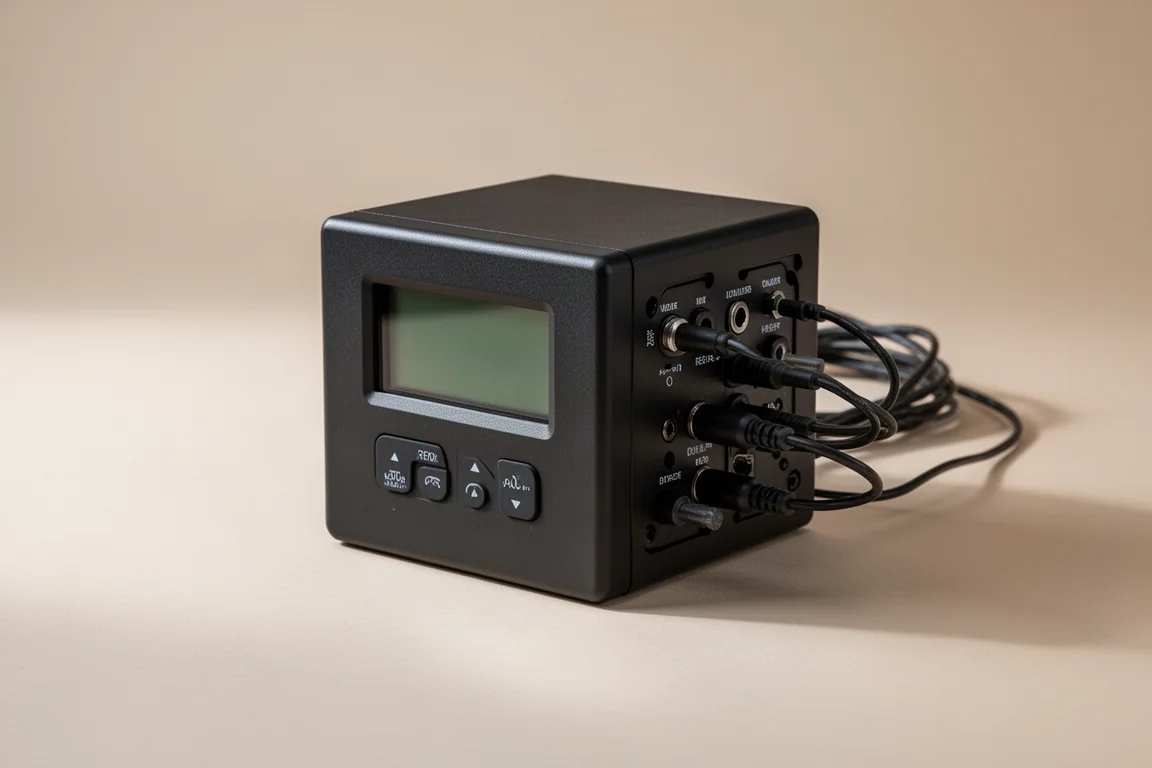
Neptune Systems Apex A3
The Neptune Systems Apex A3 is built around integration. Parameters can interact through logic and automation. For example, if temperature rises, heaters can turn off and a cooling fan can turn on. If a leak is detected, return pumps can shut off and an alert can be sent to a mobile device. If pH drops, dosing or aeration can adjust automatically.
Neptune Systems Apex A3 Pro
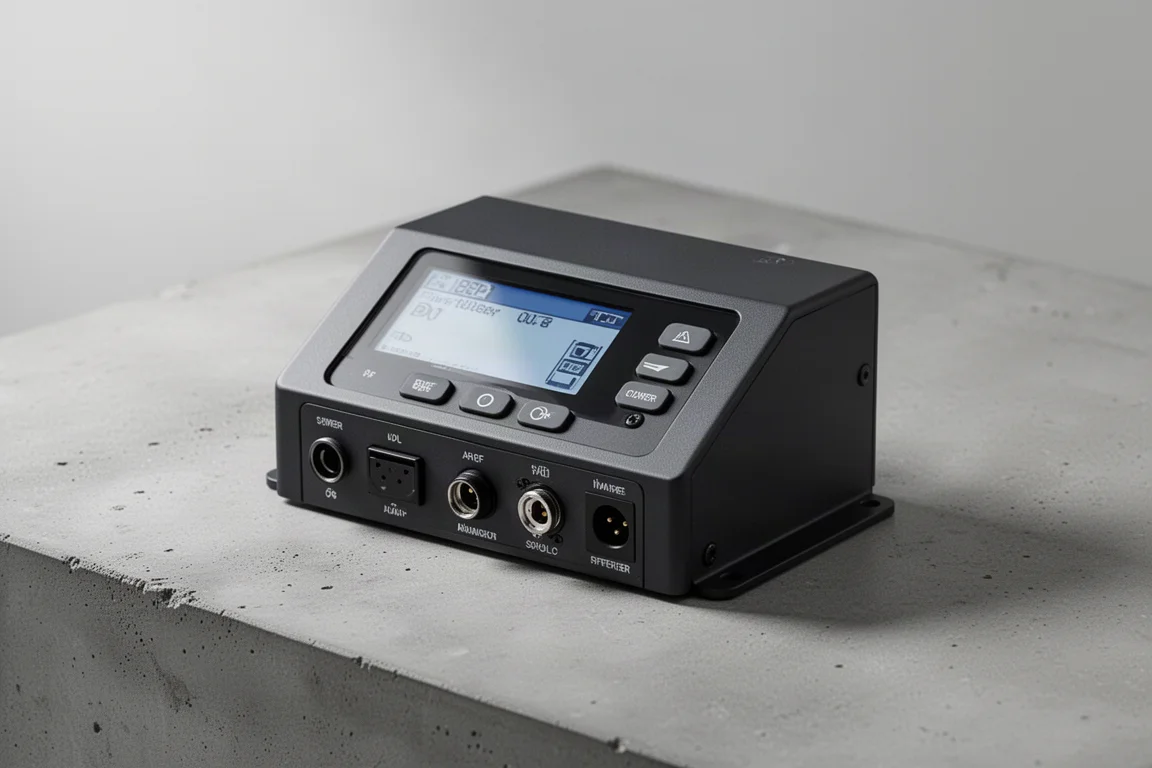
The Neptune Systems Apex A3 Pro sits at the same top tier of full ecosystem control. It offers the same broad advantage: you are not just reacting to problems, you are actively preventing them. You also gain full remote access, historical data, detailed alerts, and expandability as the tank grows and changes.
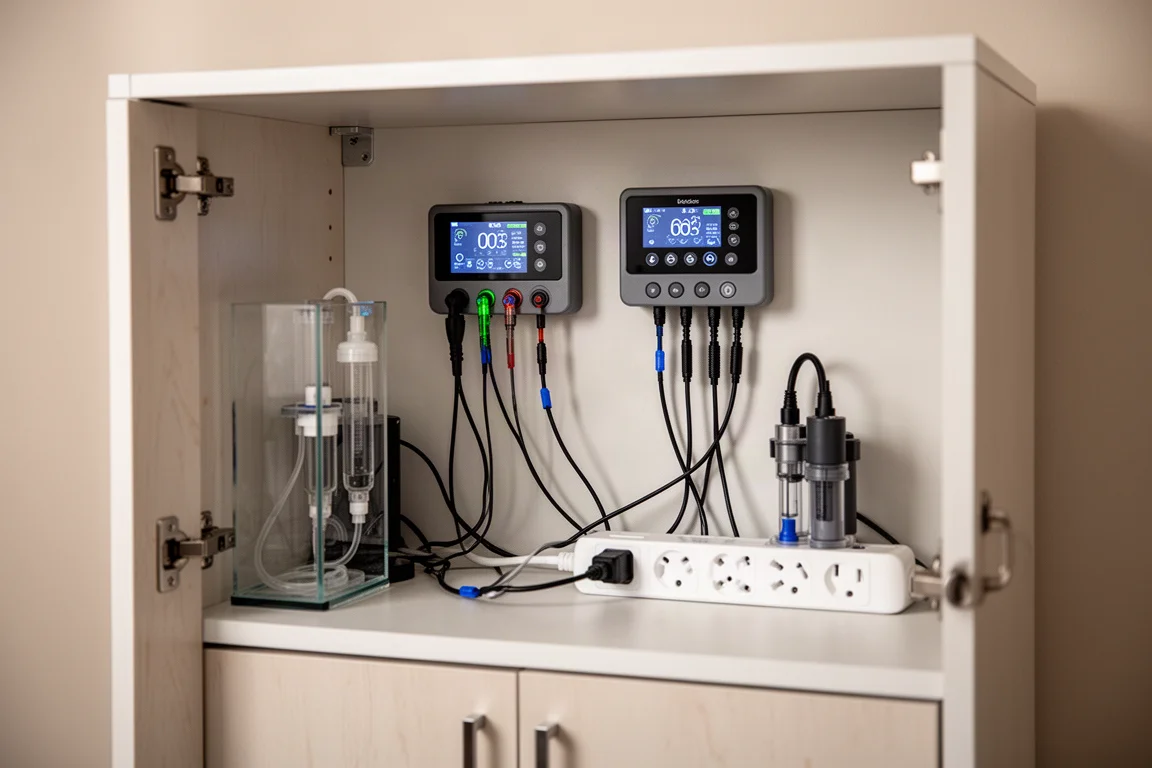
The trade-off is complexity and cost. Full controllers require more setup, more planning, and a willingness to learn the system. But for reefers who value stability, automation, and long-term success, that investment can quickly pay off. Once everything is connected and dialed in, the controller becomes a central nervous system for the reef tank.
Buying Advice
There is no single right answer when it comes to controllers and monitors. There is only the right level of protection for your tank and your goals. The difference between good, better, and best is not whether they work. It is how much they catch, how early they catch it, and how much effort they save you over time.
If you want simple, reliable protection for a specific risk, start with single-purpose devices. If you want fewer displays and a clearer view of several parameters, move up to multi-parameter monitoring. If you want equipment to work together automatically, a full ecosystem controller is the most complete path. Match the tier to the way you run your tank, and the system will feel like support rather than extra work.
Conclusion
In reefkeeping, the biggest problems are rarely sudden. They are the ones you did not see coming. The best controller is not just the most powerful one. It is the one that helps you stay consistent, informed, and in control of your system.
Further reading
Related Reviews
Aquarium Controllers
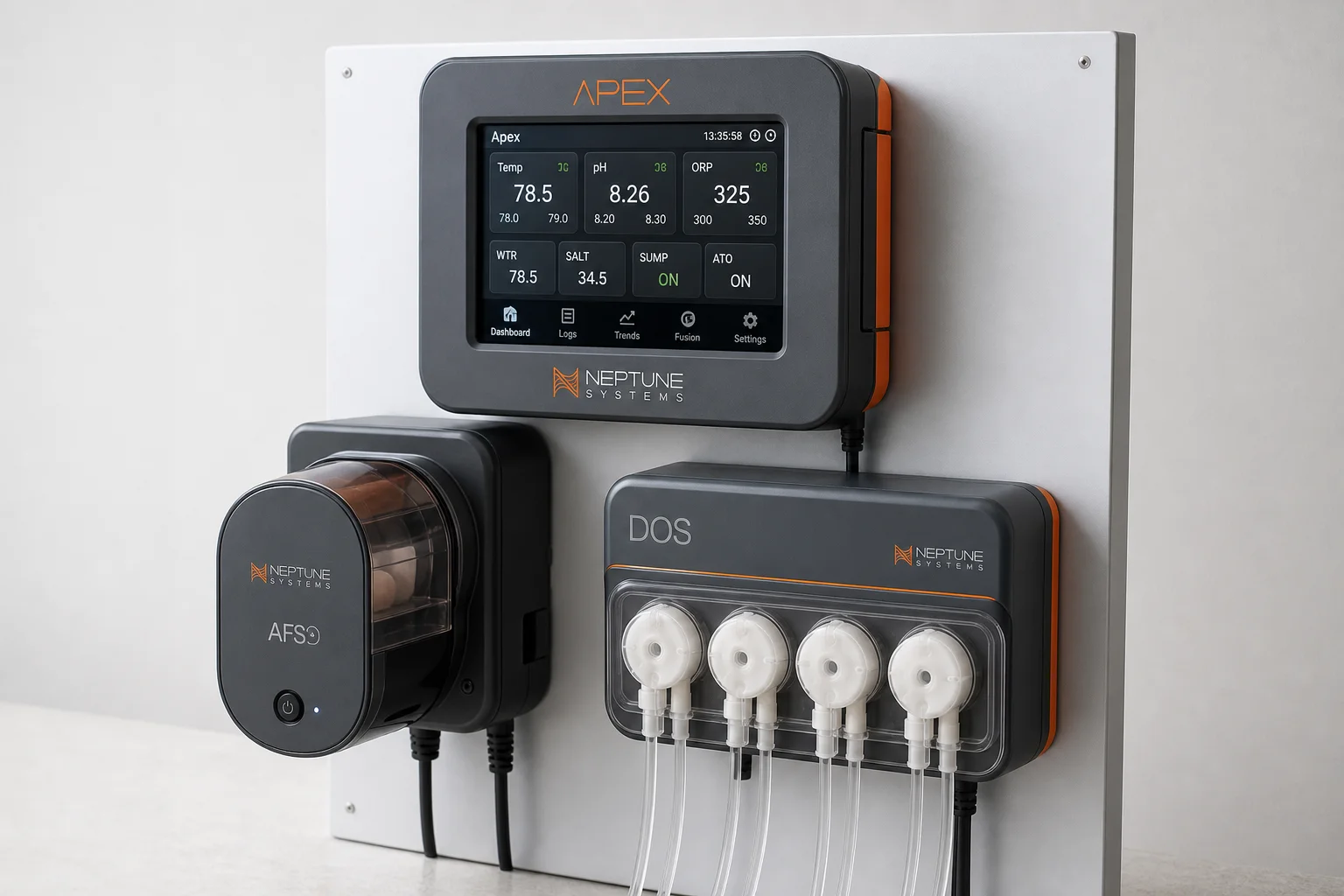
Neptune Apex Feeding Guide: Automate Fish and Coral Feeding with Feed Modes, AFS, and DOS
Master three Neptune Apex tools to automate and optimize your tank feeding: custom feed modes, the AFS automatic feeder, and the DOS dosing system for precise nutrient delivery.
Aquarium Controllers
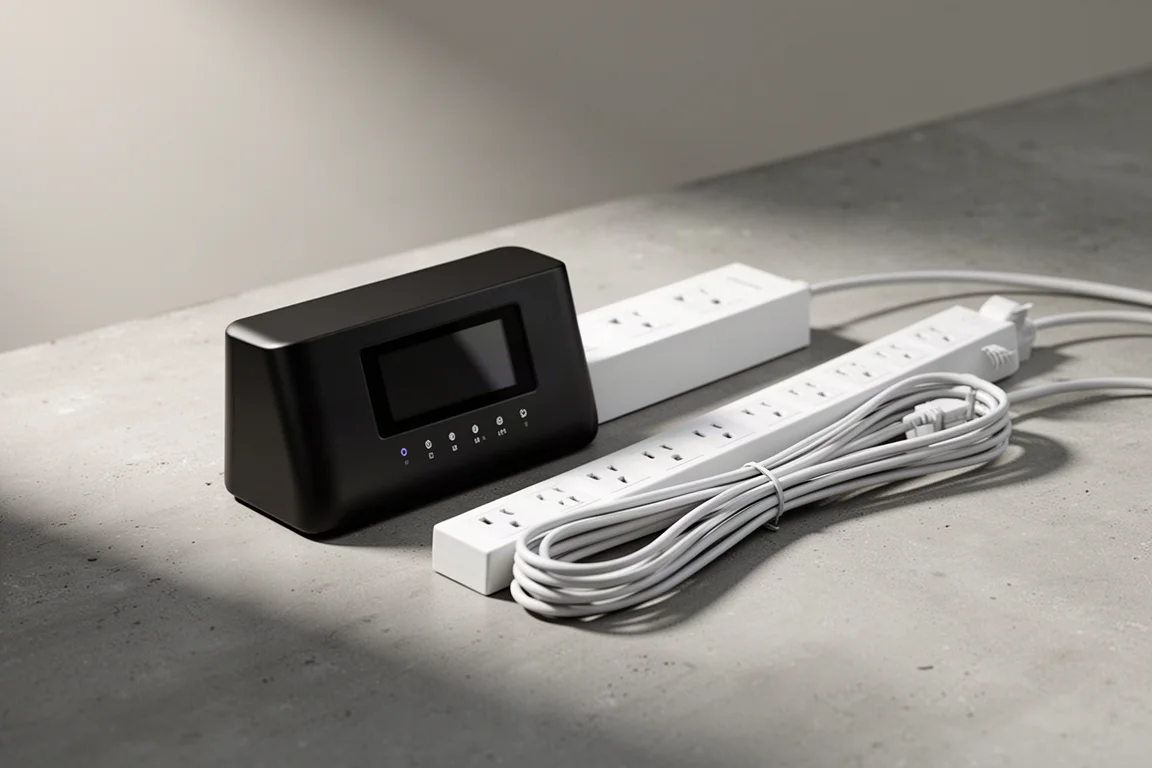
Neptune Apex Review: What a Reef Tank Controller Really Buys You
A practical look at the Neptune Apex aquarium controller, from monitoring and alerts to outlet planning, heater thresholds, and leak detection.
Aquarium Controllers
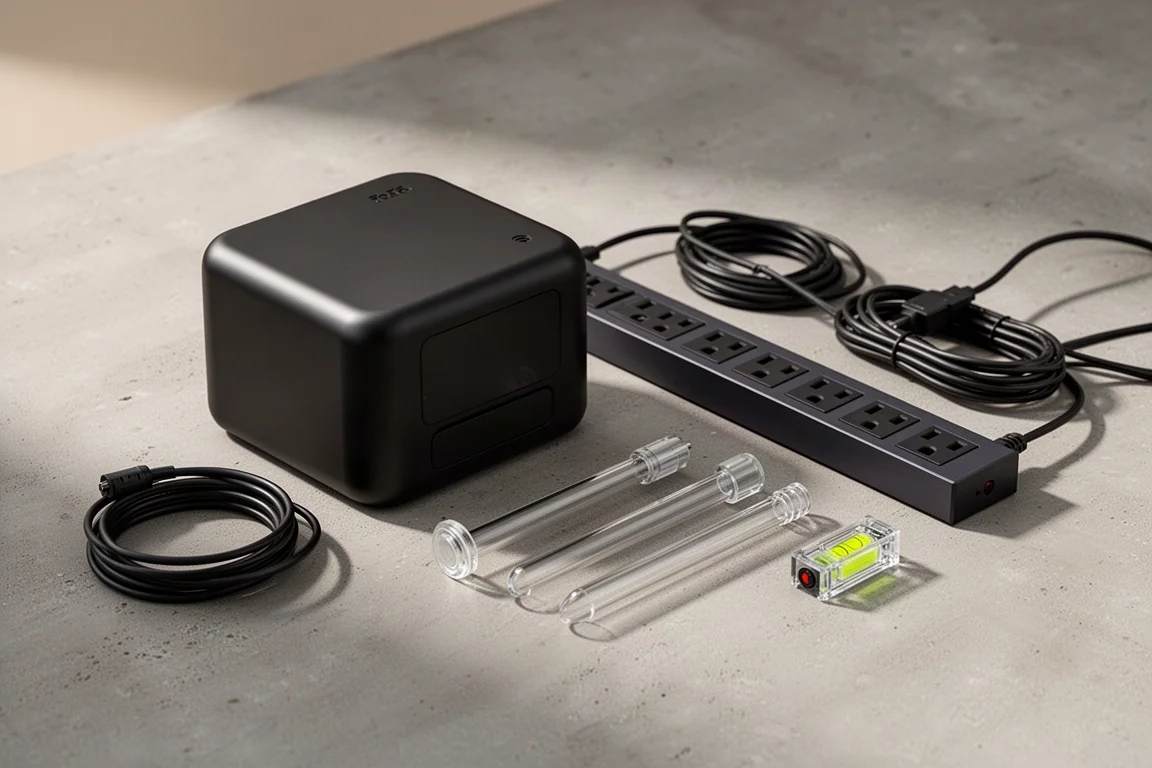
Neptune Systems A3 Apex vs A3 Apex Pro: A Practical Guide to Choosing
How the A3 Apex behaves when the internet drops, what the Pro model adds, whether you need to program anything, and how probe calibration and heater protection work in practice.