Aquarium Controllers
Neptune Apex Review: What a Reef Tank Controller Really Buys You
A practical look at the Neptune Apex aquarium controller, from monitoring and alerts to outlet planning, heater thresholds, and leak detection.
Introduction
Every reef tank is, at its core, a large box of water living inside a home, and large boxes of water tend to develop problems on a long enough timeline. Return pumps seize, heaters stick, top-off systems overflow, and a slow drip behind a stand can quietly rot the cabinet it sits on. The real question is not whether something will eventually fail, but how long it takes you to find out.
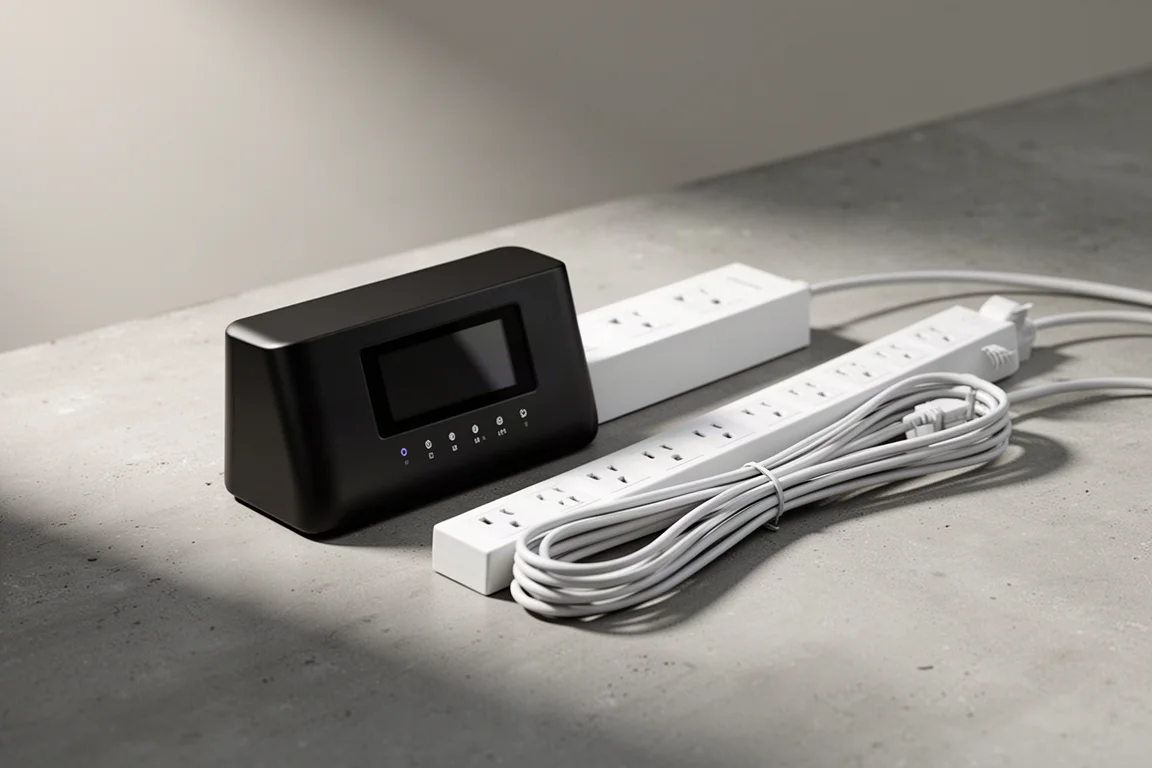
The Neptune Apex is an aquarium controller designed around exactly that question. It combines an energy bar with a set of inputs for probes and sensors, then relays what it measures and what it detects to a phone or tablet through Neptune Fusion. The hardware is only half the story. How you plan the outlets, the alarms, and the safety layers around it has a lot to do with how much value you actually get.
This article focuses on the practical side of ownership: what the Apex is genuinely good at, where setups tend to go wrong, and which habits and add-ons make it worth the money.
Who the Neptune Apex Is For
The Apex tends to make the most sense for reef keepers who already have something to lose. If you are three years into the hobby, with corals that have grown from small frags into colonies you are proud of, and with equipment beginning to reach the age where failures become routine, the calculation changes. At that point, knowing the moment a return pump stops or a heater sticks becomes worth real money.
It is a harder sell for someone just starting out with a modest tank and very little livestock. The controller is a meaningful spend, and it cannot compensate for a system that is still finding its footing.
What makes the Apex broadly appealing is that the core benefit is universal. Ask almost any hobbyist whether they would want to know if their return pump, skimmer, or heater had failed, and the answer is yes. Ask whether they would want to know if their lights or refugium light were stuck on, and the answer is the same. The Apex answers those questions.
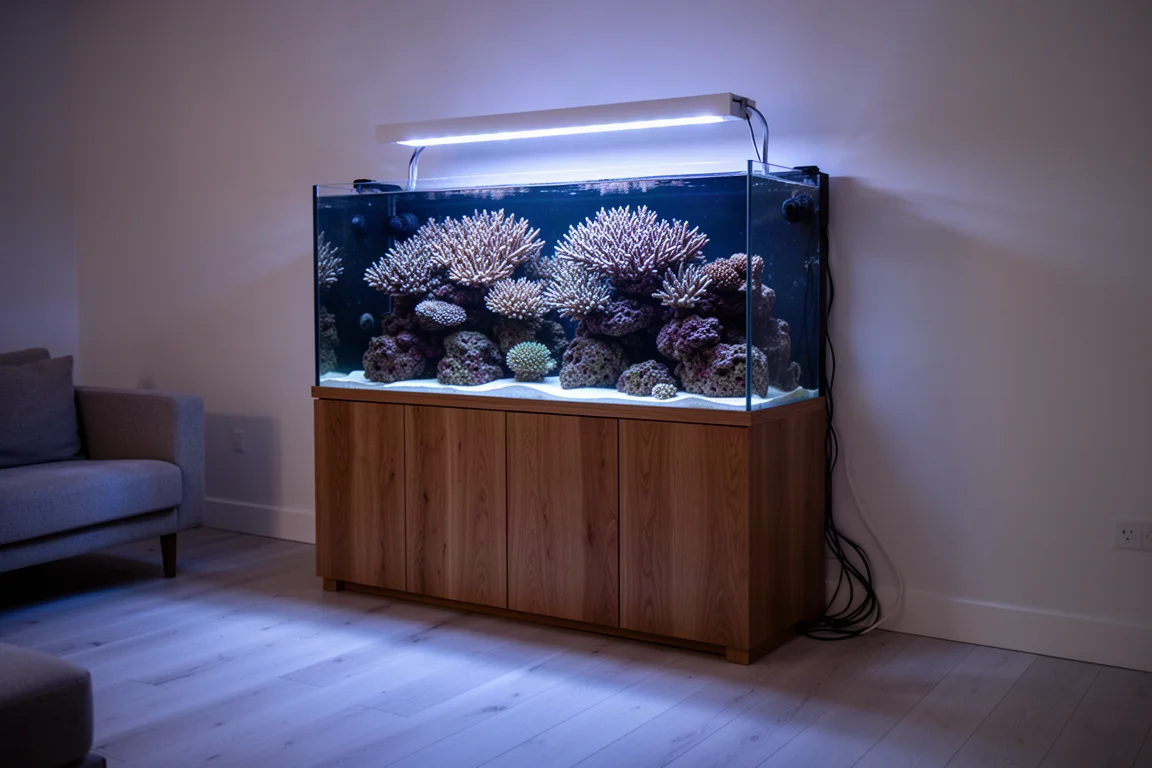
It is worth noting that the same feature set serves two different personalities. Some owners want a single place to switch everything on and off, run a feed mode across the whole system, and program layered fail-safes. Others simply want an alert on their phone the moment something breaks. Both are legitimate reasons to buy one.
Monitoring Is the Real Reason to Own a Controller
The most common mistake new owners make is fixating on control and overlooking monitoring. Switching outlets on and off from a phone is satisfying, and it is easy to spend the first few months treating the controller as a remote switch for the tank.
Monitoring is where the money actually goes. The value of an alert is measured in the time it saves you. If a heater fails while you are at work, if a return pump stops overnight, or if a top-off system starts overflowing, the difference between finding out in five minutes and finding out in five hours can be the difference between a nuisance and a loss. A notification on your phone, plus an audible alarm in the house, closes that gap.
That single capability extends the practical lifespan of a tank, because most disasters are not instantaneous. They are slow problems that nobody noticed in time. An owner who checks parameters by hand once a week, or who only notices a fault when they happen to be standing in front of the glass, will always be working with a delay the controller removes.
Equipment Integration: Apex Ready and Beyond
There is a meaningful difference between equipment that is merely Apex ready and equipment built specifically for the Neptune ecosystem.
Apex ready gear connects through a standard control input and gives you finer adjustment than the device’s own controller offers. A DC pump with five built-in speed steps, for example, can be driven in many more increments through the Apex, which is a genuine improvement for flow tuning.
Neptune’s own accessories go further, because the controller and the device share information. A Cor DC pump can report why it stopped, whether it overheated, or whether it is beginning to experience friction from buildup. An ATK is not just an auto top-off unit; it also provides leak sensing and optical sensors alongside its pump. That diagnostic layer is what separates an integrated system from a set of disconnected parts.
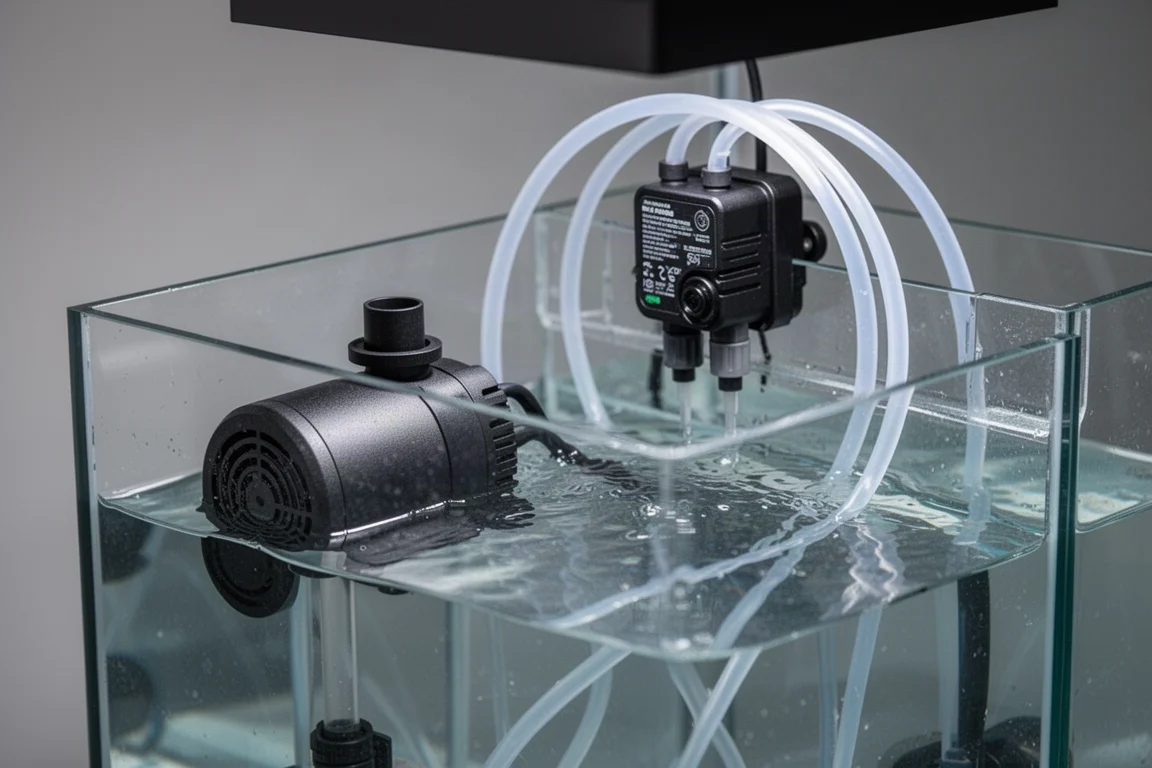
The takeaway is worth planning for before you buy. If you are choosing between a generic pump and one built for the ecosystem, the difference is not only control resolution. It is the quality of the information you get when something goes wrong. Spending a little more on the accessory side can be more useful than adding another outlet-controlled device.
Things to Consider Before Buying
Alarms Only Help If They Stay On
The single most self-defeating habit owners fall into is muting an alert. A pH reading drifts slightly outside its band at two in the morning, the phone buzzes, and the sensible-feeling move is to switch that alert off and deal with it later. The problem is that alarms rarely get switched back on.
Once the alerts are muted, the safety net is gone, and nothing reminds you that it is gone. This is a genuine gap rather than a user failure. An automatic re-enable after 24 hours, or a daily reminder that alarms are currently disabled, would solve the problem cheaply. Until that exists, treat alarms as something you never disable permanently.
Heater Thresholds and Outlet Wear
Stability matters in a reef tank, but it is possible to chase it too aggressively. Setting a heater to hold within a tenth of a degree sounds precise, yet it forces the outlet to toggle constantly, potentially switching millions of times a year. That is a straightforward route to wearing out an expensive energy bar outlet.
A wider band is the more durable choice. Somewhere around three tenths to half a degree keeps temperature steady enough in practice while dramatically reducing switching. Some keepers run a full degree without issue. Natural reefs fluctuate with currents and depth, so a small swing is not the problem it is often made out to be.
Outlet Planning, Displays, and Clean Installs
The energy bar has eight outlets, and they are not cheap real estate. Anything with its own app-based controller, such as a powerhead, can run from a standard power strip unless the Apex is adding something specific you actually want. A system-wide feed mode triggered from one button is a good reason to spend the outlet. Convenience alone, spread across four separate powerheads, probably is not.
The other common oversight is assuming your phone will always be with you. A small display module, or an inexpensive tablet running Fusion in a browser and mounted near the tank, is often the better interface for quick checks and manual entries. A touchscreen monitor paired with a low-cost small PC takes the idea further, showing everything at once.
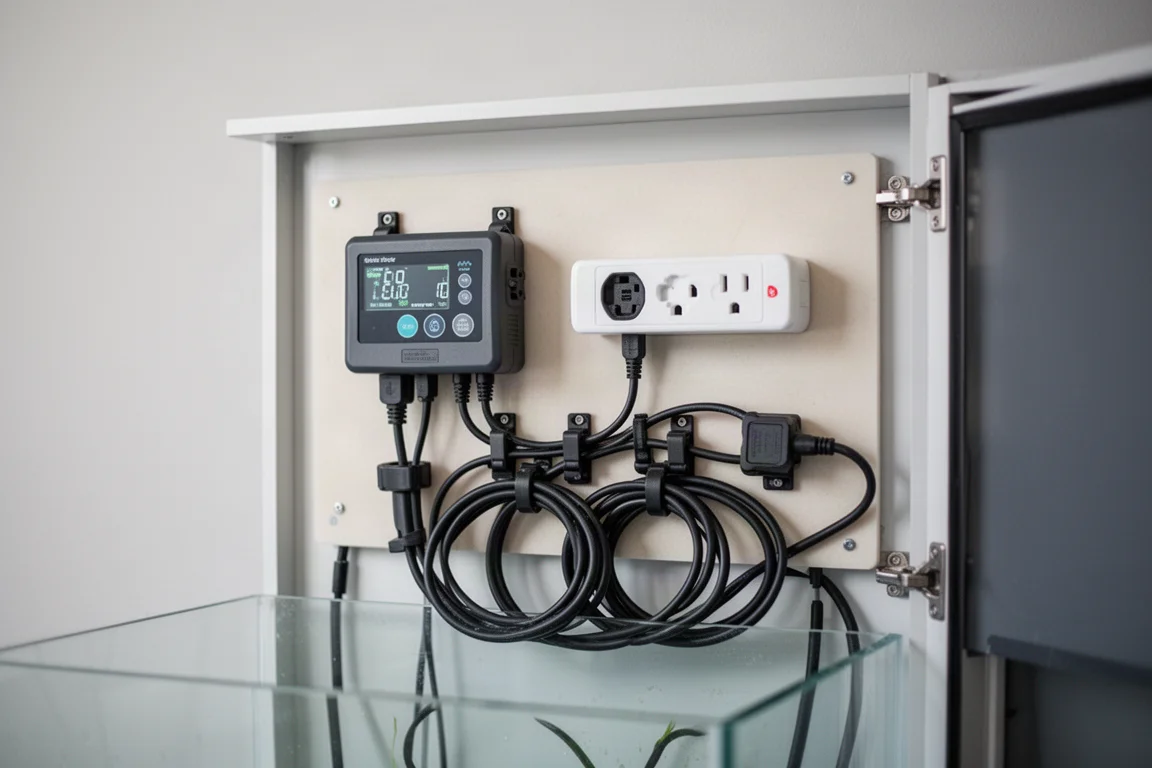
Finally, plan how the controller and its cables will be mounted. Controller boards make an installation easier to read and easier to service, and they hide the cable runs that would otherwise sit loose inside a stand. A clean install is also a safer one, particularly in a cabinet that holds water.
Leak Detection: The Most Overlooked Safety Layer
Of everything the Apex can monitor, leak detection is the easiest to skip and the most likely to save you serious money. Leak sensors can be added through several routes, including the FMM module, an ATK, a flow meter kit, or the dedicated leak detection kit.
The sensors themselves are inexpensive, which makes skipping them hard to justify. Place them wherever water should not be, particularly at the base of the stand and around the sump. Most reef systems will develop a leak at some point, and the worst cases are often not dramatic failures at all. A small drip running unnoticed down the inside of a stand can soften and destroy the cabinet over months.

Whether the cost makes sense depends on what sits under your tank. Above expensive hardwood flooring, a handful of sensors is trivial next to the repair bill. Above bare concrete, the calculation is less urgent, and a mop handles most of it. Either way, the likelihood of needing them eventually is high enough to plan around.
A leak sensor is also one of the few additions that protects the home as much as the tank. It is worth thinking about before the first drop appears rather than after.
Buying Advice
The debate over whether anyone needs an aquarium controller is largely the wrong conversation. For almost everyone, the answer to whether they would like to know the instant a piece of life support fails is yes. The honest question is whether the timing and the cost make sense for you.
If you currently have about $500 invested in your tank, spending a similar amount on a controller is hard to justify. If you are several years in, with colonies grown from frags and equipment approaching the age where failures become routine, the value shifts considerably. The controller is worth more than the livestock it protects, and less than the tank it sits next to.
If you do buy one, build value in stages. Start with monitoring and safety: alerts on the equipment that keeps livestock alive, plus leak detection. Add the control side afterwards, and consider Neptune accessories where the diagnostics genuinely help. Keep the installation tidy, keep the alarms enabled, and widen the heater band so the hardware lasts.
Approached that way, the Apex stops being a gadget and becomes a system you can trust when you are not standing in front of the tank. The two payoffs are simple: knowing the moment anything fails, and, for owners who want to go further, building redundancies and fail-safes that act in real time.
Conclusion
The Neptune Apex is not the right purchase for every stage of the hobby, and it will not fix a tank that needs better fundamentals. What it does deliver is early warning, and early warning is the difference between most equipment failures being an inconvenience and being a loss.
Buy it when you have something worth protecting, set it up with monitoring and leak detection first, and treat your alerts as something that stays on.
Product link
View more details for Neptune Apex
This product is mentioned in the review. Check the specifications, options, and compatibility before buying.
View more details for Neptune ApexFurther reading
Related Reviews
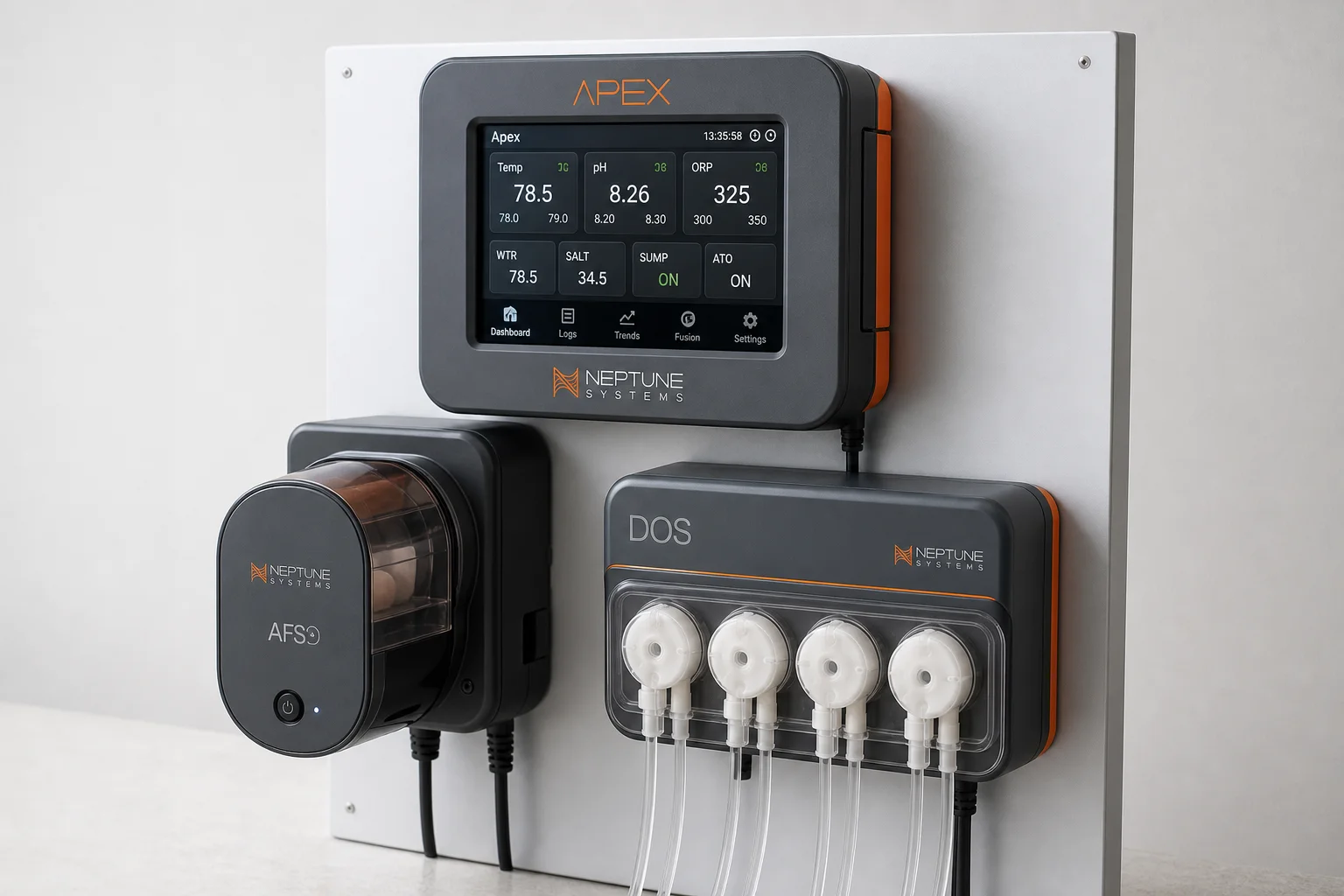
Aquarium Controllers
Neptune Apex Feeding Guide: Automate Fish and Coral Feeding with Feed Modes, AFS, and DOS
Master three Neptune Apex tools to automate and optimize your tank feeding: custom feed modes, the AFS automatic feeder, and the DOS dosing system for precise nutrient delivery.
Aquarium Controllers
Neptune Systems A3 Apex vs A3 Apex Pro: A Practical Guide to Choosing
How the A3 Apex behaves when the internet drops, what the Pro model adds, whether you need to program anything, and how probe calibration and heater protection work in practice.
Aquarium Controllers
Neptune Systems Apex Review: Real Time Control for Reef Tanks
A practical look at the Neptune Systems Apex aquarium controller, covering real time monitoring, app based scheduling, power management, and who it actually suits.