Aquarium Equipment
Reef Octopus Protein Skimmers Compared: Classic, Classic 152, and Regal
A practical look at three Reef Octopus protein skimmers, how AC and DC models differ, and which one suits a lightly or heavily stocked reef tank.
Introduction
Protein skimmers built around AC pumps have been a staple of reef filtration for years, and the Reef Octopus Classic line is one of the most familiar examples. It is also one of the most misunderstood. Because there is no speed controller on the pump, plenty of hobbyists assume there is nothing to tune. In practice, there are three separate adjustment points, and knowing them changes how the skimmer behaves in a sump.
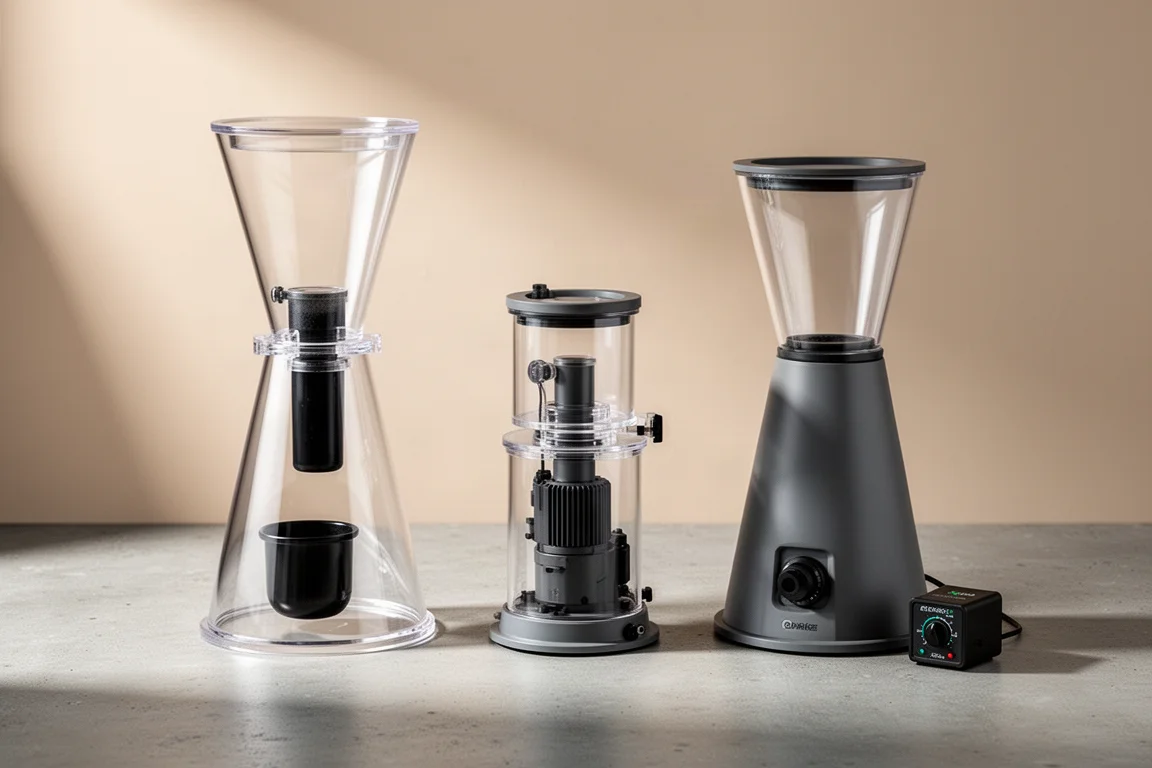
This guide looks at three models from the same family: the standard Classic, the space-saving Classic 152 with its internal pump, and the DC-controlled Regal. Each occupies a different spot on the cost and capability scale, and each makes sense for a different kind of tank.
How AC Skimmers Are Tuned: Three Adjustment Points
The Classic series runs on an AC-driven pump, which means output cannot be dialled up or down with a button the way a DC pump can. That does not make the skimmer untunable, but it does mean the adjustment happens elsewhere.
The first point is the most obvious: opening or closing the gate valve on the riser pipe changes how much water moves through the body. The second is water depth in the sump. The third is the volume of air drawn into the pump, which can be adjusted by fitting an inline valve with stem-to-barb adapters onto the air line.
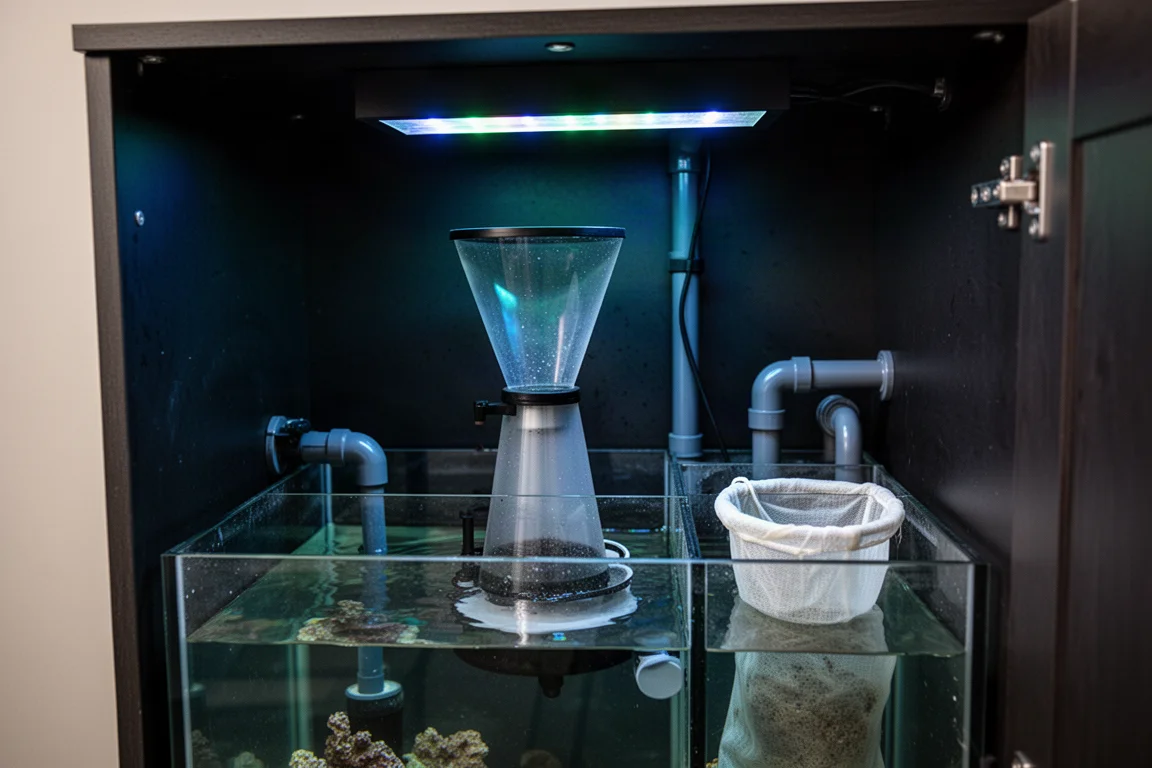
Air adjustment is the most limited of the three. Reducing air increases the proportion of water in the mix, which shortens contact time, so it works as a fine correction rather than a broad range control. Used that way, it is genuinely useful, particularly on tanks with very little organic material.
Water Depth: The Setting Most Owners Get Wrong
Water depth deserves more attention than it usually gets. Manufacturers publish a recommended sump water level for these skimmers, and it typically sits right in the middle of the usable range. Drift too far from it and performance changes noticeably.
If the sump level sits too low, the pump fights back pressure and struggles to draw in enough air and water. If it sits too high, there may not be enough back pressure at all, and the skimmer can run away and overflow. A difference of an inch and a half to two inches is enough to explain disappointing results, so it is worth confirming the level before chasing any other cause.
Reef Octopus Classic: The Entry-Level Workhorse
The standard Classic is the most cost-effective route into the line, and it is best understood as an entry-level skimmer rather than a flagship one. Its real strength is consistency. It runs a comparatively modest amount of air, which means it keeps producing foam even when the tank carries only a small organic load.
That same design choice sets the ceiling. Fancier skimmers push three or four times as much air, and in a lightly stocked tank those bubbles tend to burst rather than collect, producing a rolling boil that never makes it into the cup. The Classic avoids that failure mode, but on a heavily stocked system with a lot of waste it will not extract as aggressively as a larger, air-hungry unit.
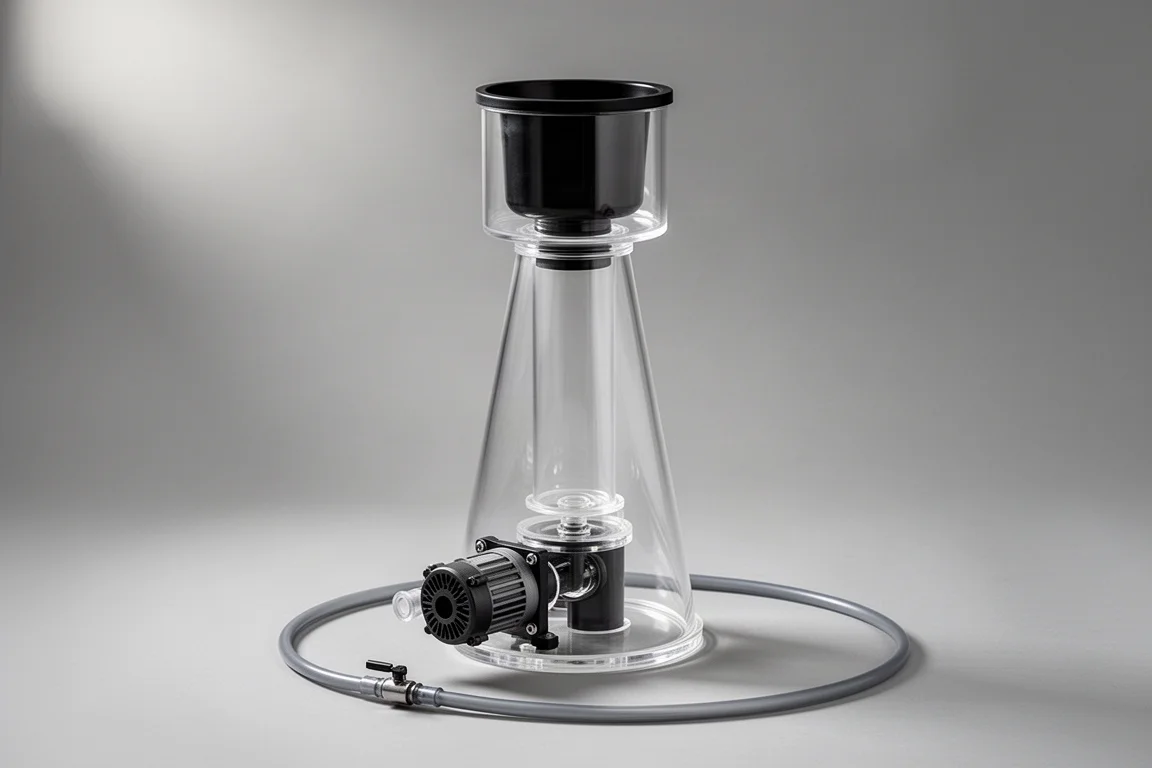
The gate valve is a quiet advantage here. Fine adjustments are easy to make, easy to repeat, and the on and off positions are marked on the body, which is not always the case with wedge-pipe designs.
Reef Octopus Classic 152: Space-Saving With Full Classic Features
The Classic 152 keeps the AC pump of the standard Classic but moves it inside the body, which reduces the footprint in the sump. Many space-saving designs give something up to get there, usually the collection cup drain port. This one does not. It retains a collection cup with a drain port, a gate valve, and the same general layout as the rest of the Classic range.
It also looks more polished than a bare-bones skimmer. The base comes apart with a few thumb screws, so a deep clean does not require dismantling the whole unit. For a modest amount more than the standard Classic, the 152 is worth a look for anyone whose sump space is tight.

If the standard Classic fits your sump comfortably, the decision comes down to whether the tidier footprint and cleaner finish are worth the small premium. Driven by the same pump type, it tunes in the same three ways and behaves much like its larger-footprint sibling.
Reef Octopus Regal: DC Control That Grows With the Tank
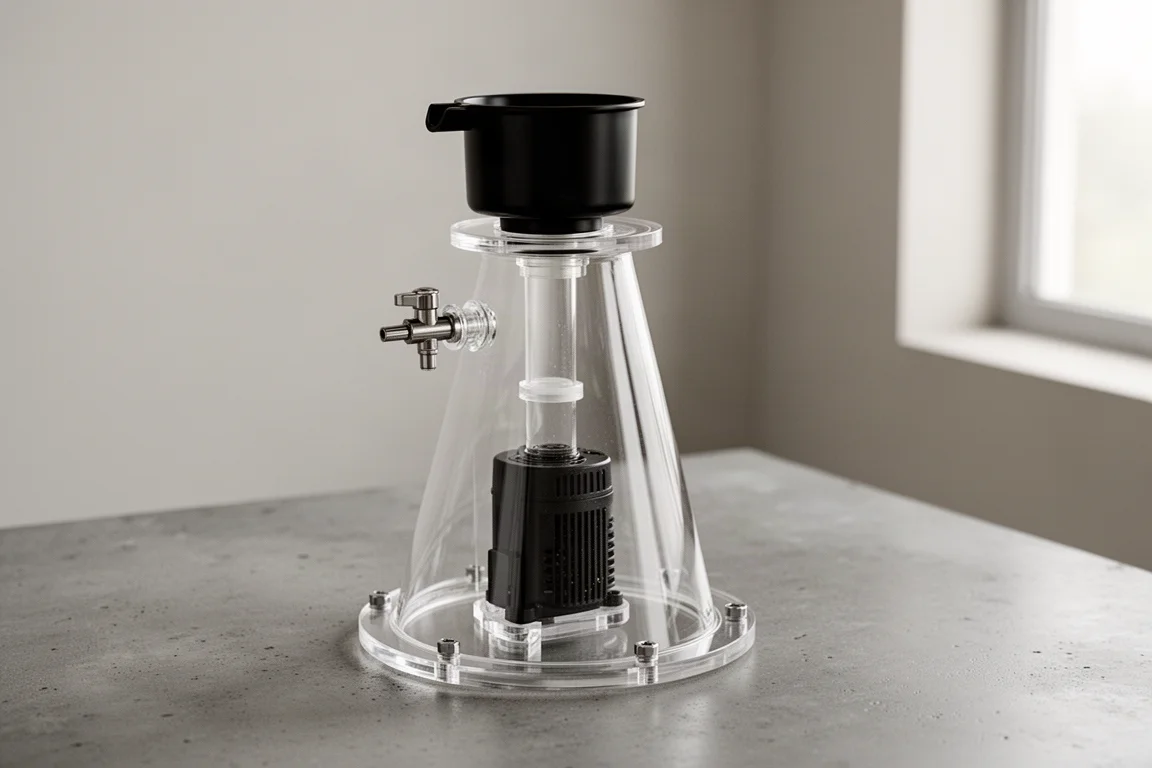
The Regal line moves to a DC pump, and that single change has more influence on the buying decision than any specification. A DC pump can be turned down now and turned up later, so the same skimmer can suit a lightly stocked tank today and handle a heavier bioload after the tank matures.
That flexibility is the reason to decide early whether DC matters to you. Buying a Classic first and a Regal later means paying twice, while going straight to a Regal costs more up front but removes the need for a second purchase. If you already know the tank will grow, the Regal is the more economical path over time.
Sizing and Airflow: Why Bigger Is Not Better
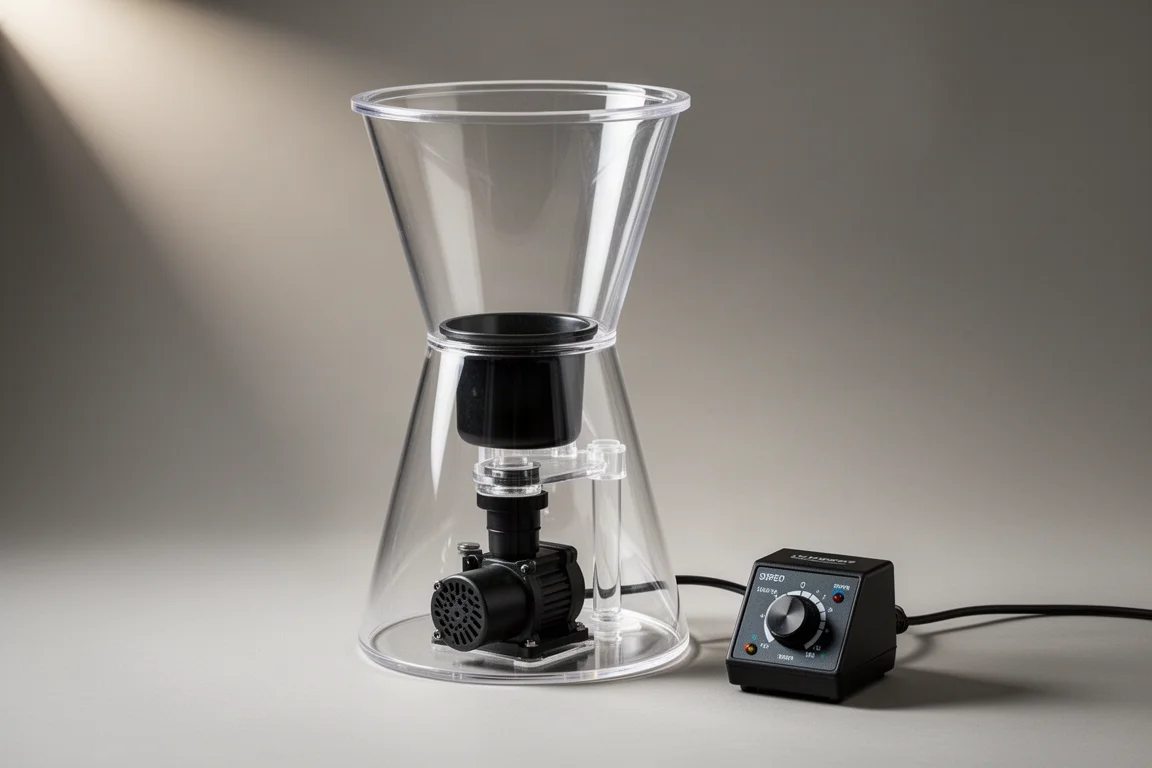
A common piece of advice is that you cannot oversize a skimmer. That is not correct. A large skimmer on a lightly stocked tank cannot operate properly, because there is not enough organic material for the volume of air and water passing through it, and the foam never stabilises into anything worth collecting.
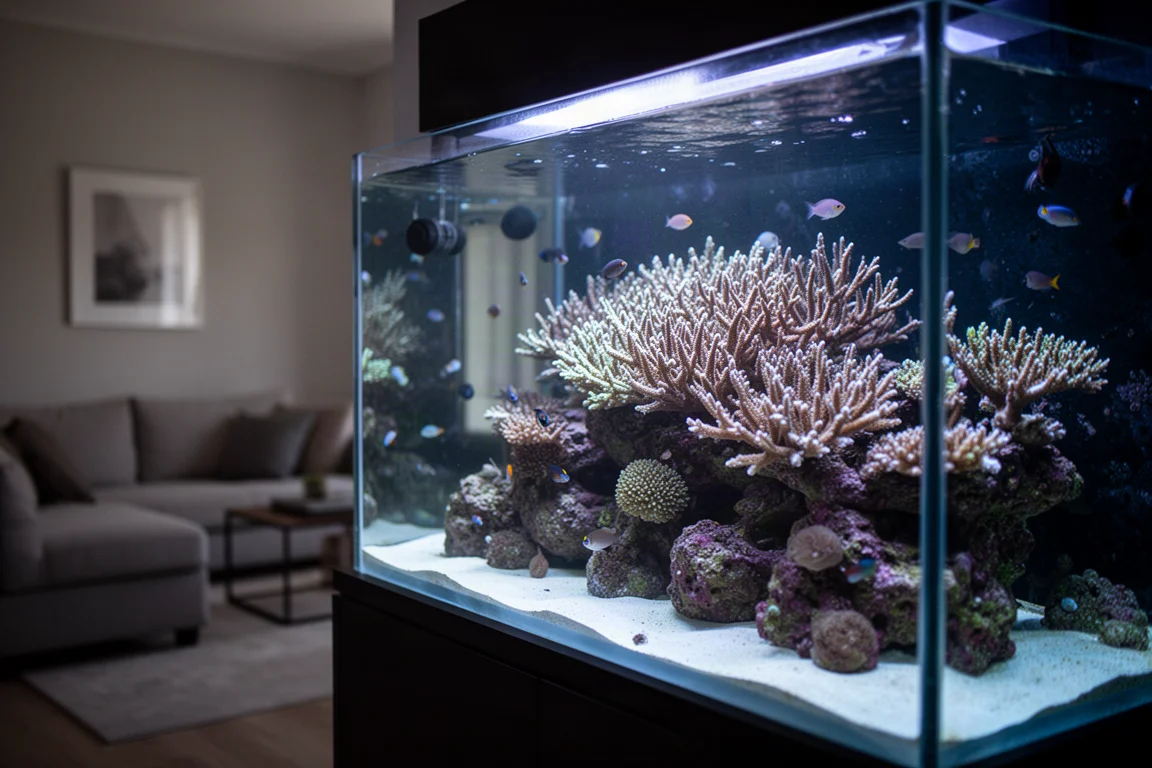
Where two options are close, the smaller unit is generally the safer choice. It produces more consistently on a low organic load, and it usually costs less as well. The right answer is the correct size for the tank, not the largest one that will fit in the chamber.
Matching the Skimmer to Your Maintenance Habits
Reliance is the other variable worth weighing before you buy. If you feed heavily, change filter socks infrequently, and let water changes slide, the skimmer is carrying a large share of the filtration work, and paying more for stronger performance is money well spent.
If you change filter socks every few days, keep feeding measured, and stay on top of water changes, the skimmer matters much less. In that routine, a lower-cost Classic can do the job perfectly well, and the extra spend on a more capable model is harder to justify. Be honest about which routine looks like yours.
Final Buying Advice: Decide on DC Before You Buy
Two decisions shape everything else. First, work out whether DC control is right for you now rather than after a purchase you might regret. Second, decide how dependent the tank will be on the skimmer, because that determines how much performance you actually need.
Get those two right and the rest is straightforward. Set the skimmer at the recommended water depth, use the gate valve for broad water-level adjustments, and use an inline air valve for fine corrections when a lightly stocked tank produces rolling bubbles instead of collectable foam.

Expect entry-level performance from the Classic and value consistency over raw extraction power. The 152 adds a tidier footprint without losing the drain port or gate valve, and the Regal adds DC control for a tank that will change over the coming years.
Conclusion
Across the range, the Classic is the value pick, the Classic 152 adds a space-saving layout without giving up the collection cup drain port or the gate valve, and the Regal adds DC control for tanks that will grow. Sizing slightly small and getting the water depth right will do more for performance than upgrading for its own sake.
Further reading
Related Reviews
Aquarium Equipment
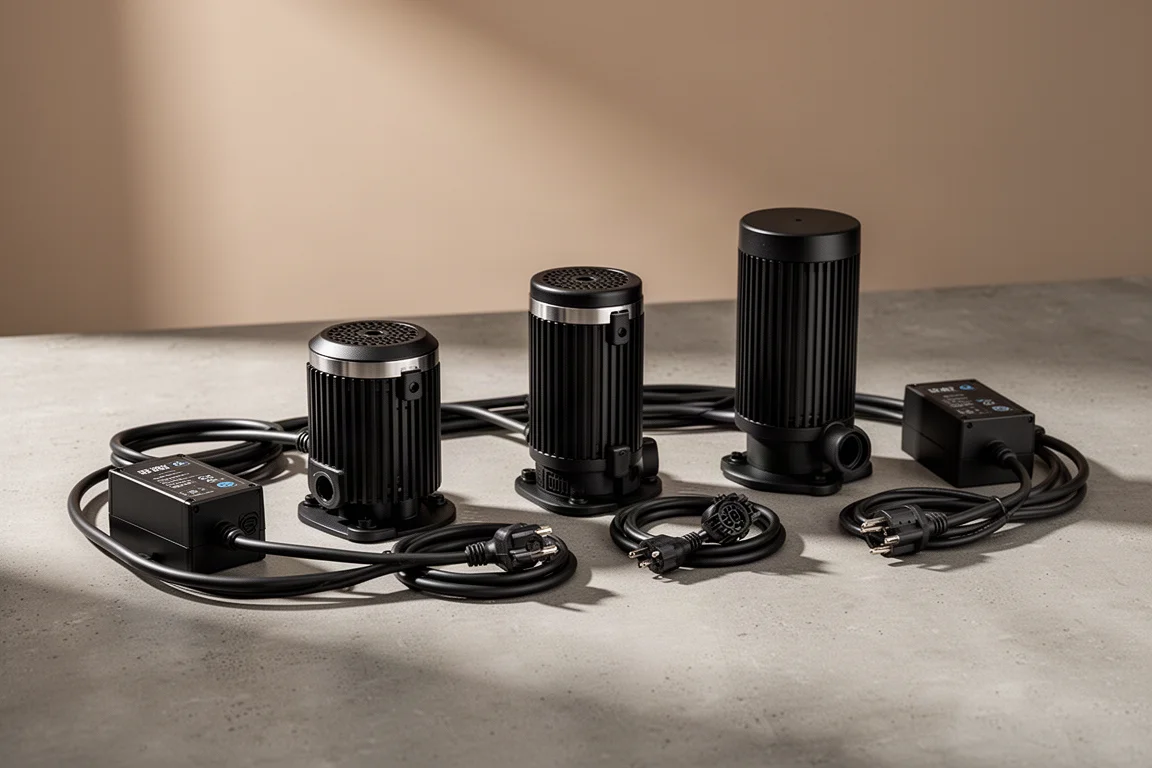
Abyzz Professional DC Pumps: A100, A200, and A400 Reviewed
A closer look at three German-made DC return pumps built for large reef systems, with titanium internals, fine flow control, and a 10-year warranty.
Aquarium Equipment
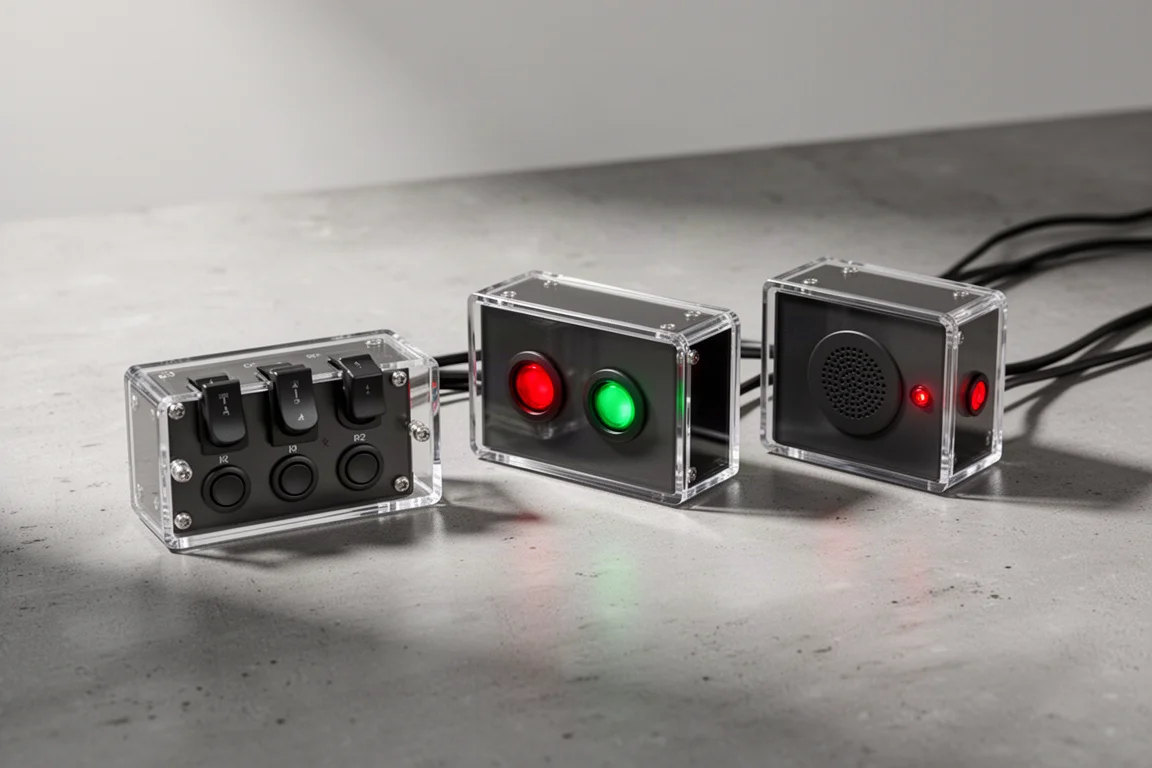
AdaptiveReef Controller Accessories: Three Tactile Upgrades for Your Reef Controller
A practical look at three AdaptiveReef add-ons that put physical switches, at-a-glance status lights, and a loud alarm within arm's reach of your reef tank.
Aquarium Equipment
Adaptive Reef Controller Boards: Basic vs Deluxe for Cleaner Aquarium Gear
A practical look at the Adaptive Reef Basic and Deluxe controller boards, what each one includes, and how to choose the right size for your tank gear.