Aquarium Equipment
Reef Octopus Octo Pulse Review: Quiet DC Wave Pumps for Reef Tanks
A practical look at the Octo Pulse 2 and Octo Pulse 4 wave pumps, covering flow pattern, magnetic mounting, controller modes, and 0 to 10 volt control.
Introduction
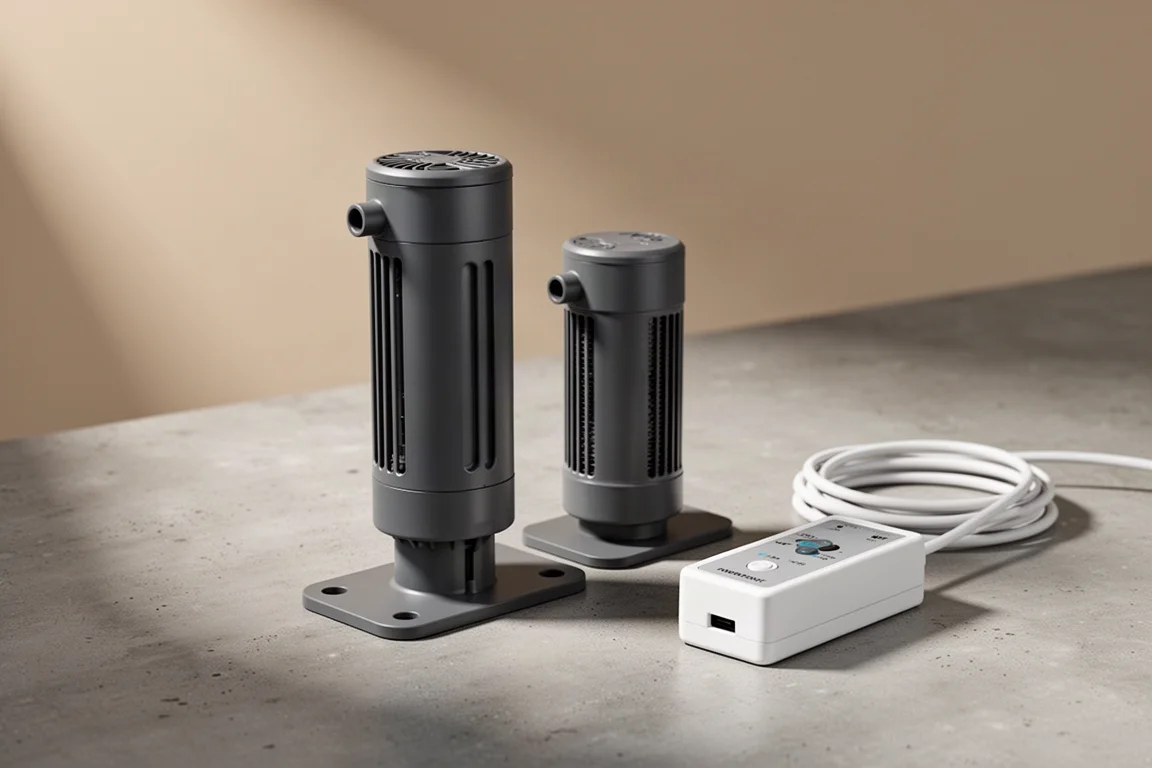
Flow does a lot of quiet work in a reef tank. It drives gas exchange and oxygenation, distributes nutrients and elements to corals and other sessile invertebrates, and keeps waste suspended so it can move into the filtration system. Wave pumps are how most reefers deliver that movement, and the Reef Octopus Octo Pulse line is built around the features that matter most: a compact form factor, a wide and gentle flow pattern, quiet DC operation, and a controller that is genuinely easy to understand.
There are two models in the line, the Octo Pulse 2 and the Octo Pulse 4, and both add a 0 to 10 volt variable speed port for use with Apex or similar controllers. This review covers how the two compare, what the controller offers, and what to check before picking one.
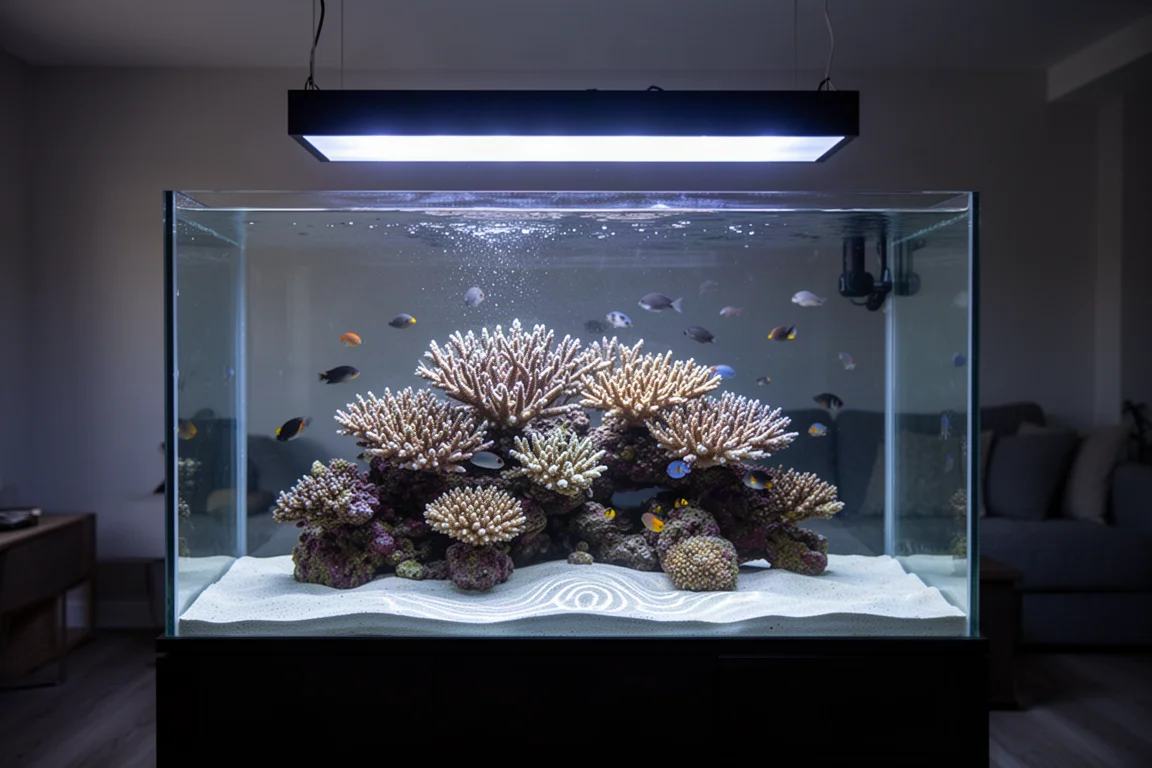
The short version is that the Octo Pulse is a very easy pump to live with. It moves a large volume of water in a useful way, it can be aimed rather than simply fixed in place, and the control options scale from a simple onboard controller to full external scheduling.
What to Look for in a Wave Pump
Most reefers work from the same shortlist. A compact, unobtrusive body matters because the pump sits in the display. A wide, high-volume flow pattern matters because indirect movement throughout the aquarium serves corals better than a narrow jet. Quiet operation matters because the tank is usually close to living space. A DC motor with multiple flow modes and the ability to direct the flow where it is needed rounds out the list.
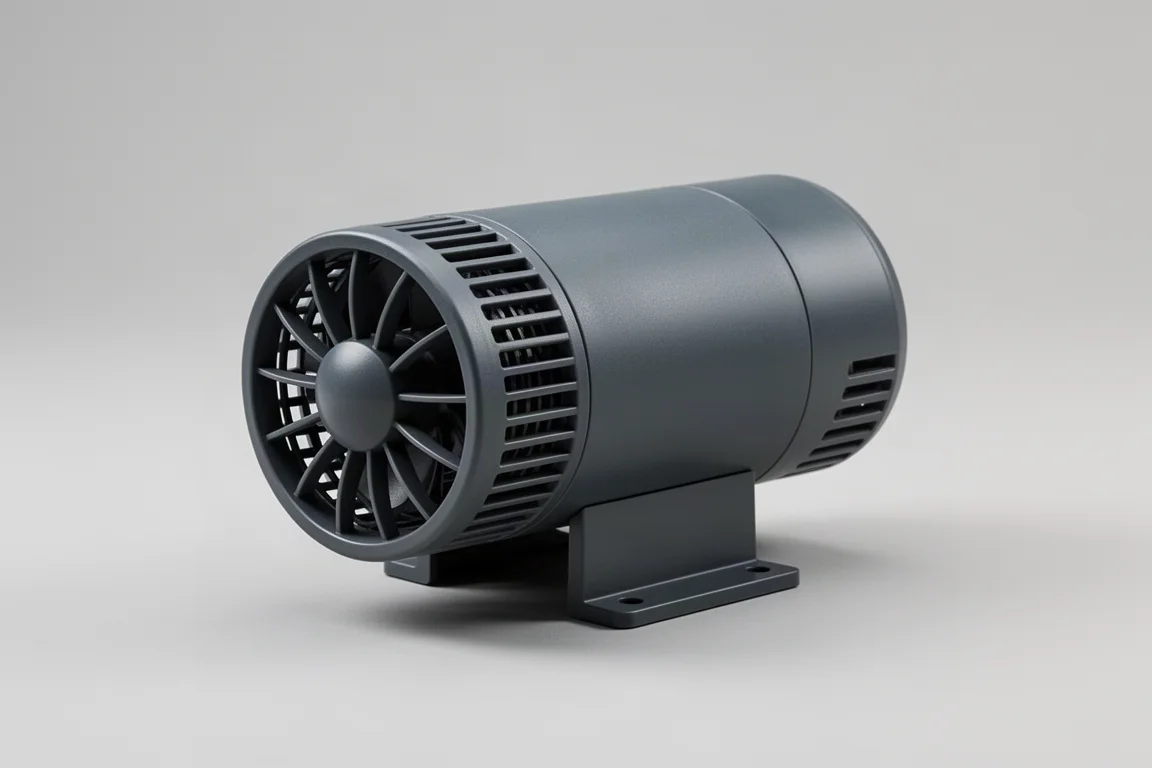
The Octo Pulse hits each of those points. It is a propeller-style pump, so its output is wide and gentle while still moving a large amount of water, which means it should do a good job of getting water circulating usefully for corals no matter where it is placed. Pair that flow pattern with the ability to aim the pump body, and you end up with a pump that is straightforward to position well.
Reef Octopus Octo Pulse 2: Compact Flow for Smaller Tanks
The Octo Pulse 2 pushes roughly 1,600 gallons per hour while drawing only 10 watts, and its magnet mount fits panels up to half an inch thick. On the supplied controller, the eight preset speed settings start from a minimum flow of 850 gallons per hour.
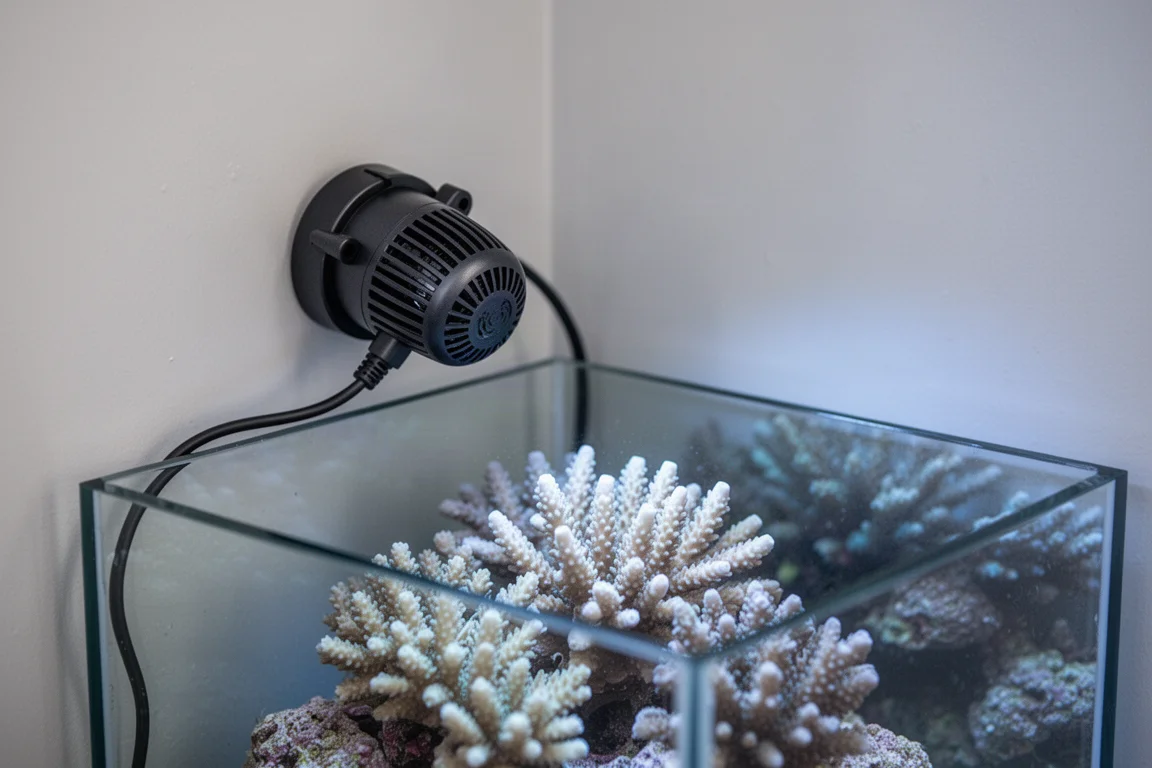
The mount is one of the more thoughtful details. It uses a slim but strong design with a cupped internal magnet, so the pump can be directed and aimed once it is on the glass. Grip is generous enough that the pump can hang quite far off the mount, even out of water, and stay in place. Being able to aim the flow also makes the pump easier to hide: you can tuck it into a corner further back and higher up to reduce the amount of cord visible in the display, then point it down and across toward the corals.
Reef Octopus Octo Pulse 4: High Volume for Larger Systems
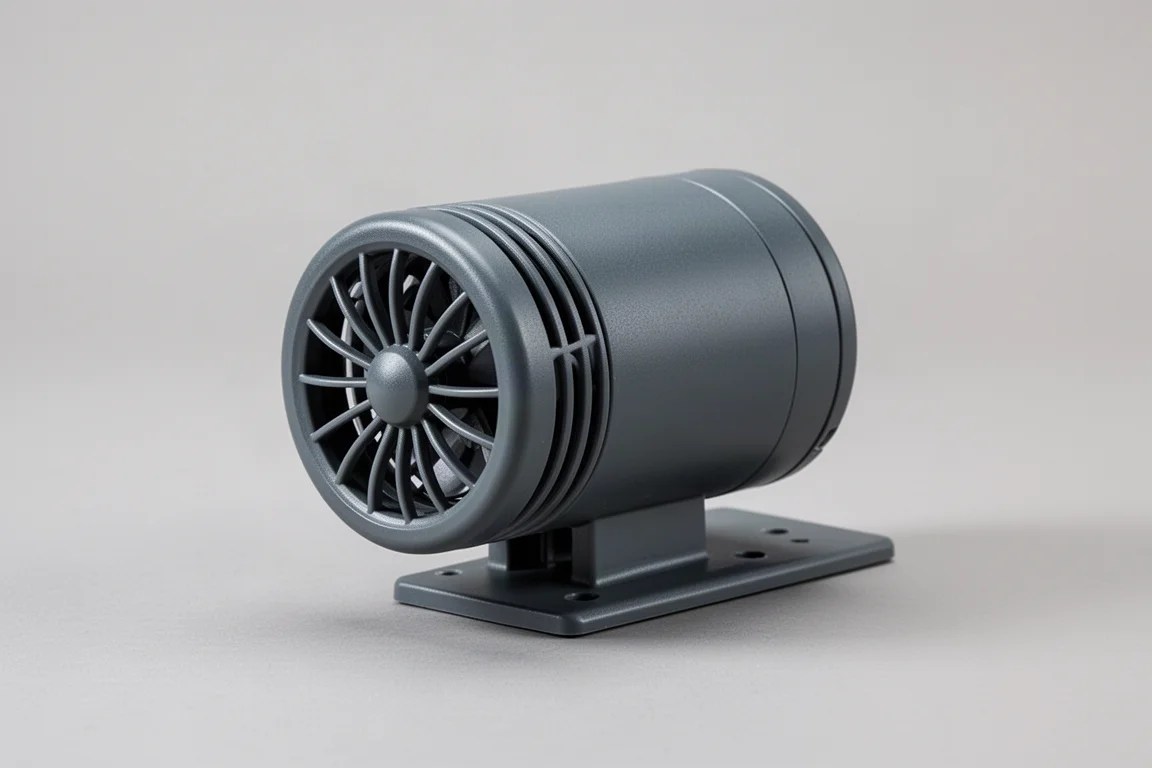
The Octo Pulse 4 is the larger model, rated at a claimed 4,500 gallons per hour at 32 watts, with a minimum controller flow of 1,400 gallons per hour. Its magnet mount fits panels up to 5/8 of an inch thick.
It shares the same propeller-style flow pattern, the same slim magnetic mount, and the same controller layout as the smaller model. In practice, the decision between the two comes down to how much water movement a system needs and how thick the panel is that the pump will be mounted on.
Controller, Flow Modes, and External Control
Both models use the same simple controller layout. Pick a flow mode, set the maximum flow, and you are done. There are eight preset speed settings and four flow patterns: Constant Speed, Stream Flow for a short pulse, Tide Flow for a long pulse, and a Random mode. Feed modes of 15 and 60 minutes let the pump pause while food is in the water.
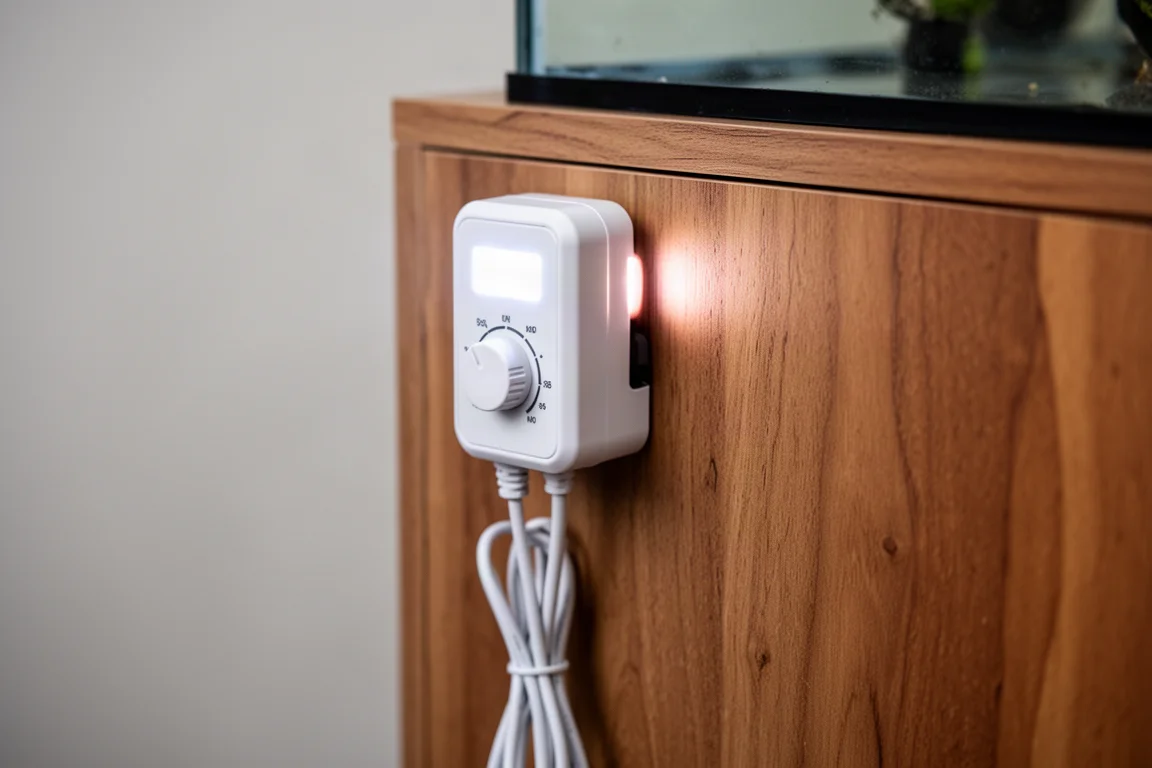
For finer control, the 0 to 10 volt port connects up to two Octo Pulse pumps to an Apex or similar controller using an optional connector cable. The pump controller automatically recognizes that it is connected to an external controller and is ready for commands. External control opens up a wider and more precise range of flow intensities, allows the minimum and maximum flow to be set more precisely in constant mode, and makes custom schedules possible. If you want the flow to drop to minimum in the evening, or while an automatic feeder is running, the pumps can respond alongside the rest of your gear.
Mounting, Placement, and Cord Management
In the box you get the pump, the exterior and interior magnet mounts, the controller with its own mount, the power supply and cable, and a cord management pack. The aiming capability is the detail that shapes day-to-day use: because the flow can be directed, you can choose the pump’s position based on where it is least visible and still send water across to the areas where the corals are.
The panel thickness limit is worth confirming against your own tank before ordering, since the two models differ here. Beyond that, placement is mostly a matter of finding a spot where the pump body disappears into the rockwork or a corner and the flow still reaches the length of the display.
Buying Advice
Choosing between the two is largely a question of volume. The Octo Pulse 2 is rated at roughly 1,600 gallons per hour at 10 watts, with a minimum flow of 850 gallons per hour, which suits systems that need broad but moderate movement without much added power draw. The Octo Pulse 4 is rated at 4,500 gallons per hour at 32 watts, with a minimum flow of 1,400 gallons per hour, for larger aquariums that need substantially more total water movement.
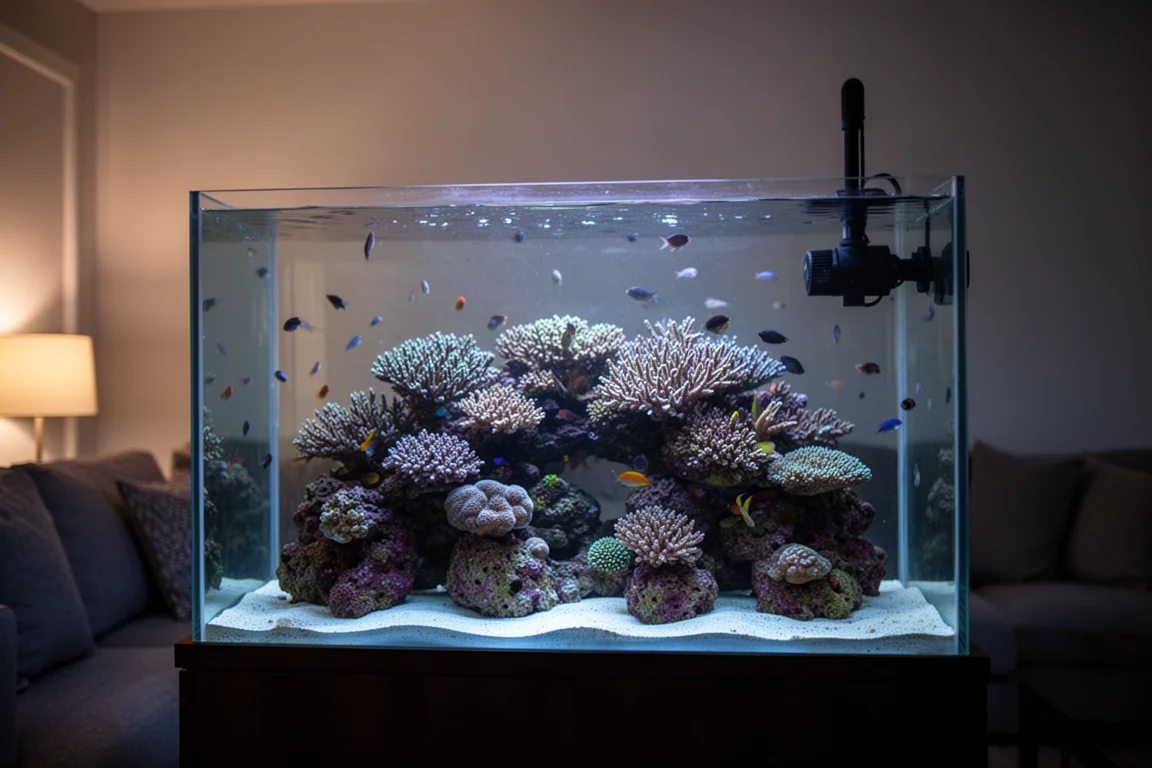
Check the mounting limit as well. The Octo Pulse 2 fits panels up to half an inch thick, while the Octo Pulse 4 fits panels up to 5/8 of an inch thick. If you plan to run either pump from an Apex or another external controller, factor in the optional connector cable, and note that a single 0 to 10 volt port can drive up to two pumps, which is useful if you want a pair responding together.
As for the flow itself, the pumps are only part of the picture. Knowing how to set them up to achieve healthy, thriving reef conditions matters just as much as the hardware, so it is worth spending time on placement, aiming, and schedule before assuming a tank needs more pumps.
Conclusion
The Reef Octopus Octo Pulse line covers the essentials well: quiet DC operation, a wide and gentle propeller flow pattern, a strong magnetic mount that can be aimed, and a controller that takes minutes to learn. The 0 to 10 volt port adds meaningful flexibility for anyone running an Apex or similar system, and the two models make the choice simple. Pick the Octo Pulse 2 for moderate, efficient flow in smaller systems, or the Octo Pulse 4 when a larger aquarium needs substantially more water movement.
Further reading
Related Reviews
Aquarium Equipment
Abyzz Professional DC Pumps: A100, A200, and A400 Reviewed
A closer look at three German-made DC return pumps built for large reef systems, with titanium internals, fine flow control, and a 10-year warranty.
Aquarium Equipment
AdaptiveReef Controller Accessories: Three Tactile Upgrades for Your Reef Controller
A practical look at three AdaptiveReef add-ons that put physical switches, at-a-glance status lights, and a loud alarm within arm's reach of your reef tank.
Aquarium Equipment
Adaptive Reef Controller Boards: Basic vs Deluxe for Cleaner Aquarium Gear
A practical look at the Adaptive Reef Basic and Deluxe controller boards, what each one includes, and how to choose the right size for your tank gear.