Handlebars
Redshift Top Shelf and Kitchen Sink Handlebars: Raising Your Front End Without Losing Reach
Two riser drop handlebars that add height at the front end without a flipped stem or a tall spacer stack, and what that means for comfort, control and long-ride position.
Introduction
For years, the fastest-looking position on a road bike was also the lowest one. Professional riders ran slammed stems because it felt quicker, and a generation of riders copied the look on the assumption that lower meant faster. The accepted trade-off was always the same: performance on one side, comfort on the other.
That assumption is now being questioned. A growing line of thinking suggests that raising the front end is not simply a concession for riders who have given up on speed. In some cases it can improve comfort, control, and even the ability to hold an aerodynamic position. This article looks at two handlebars built around that idea, what they change on a bike, and who they make sense for.
Why a Higher Front End Is Getting a Second Look
The logic starts with the body. A higher handlebar puts you in a more upright position, which relieves pressure on the hands, arms, shoulders, neck and lower back. Riders who have spent years forcing themselves into a long, low reach often find that a small amount of extra height at the front makes a larger difference than almost any other single adjustment.
That matters most for riders who are no longer racing or riding as much as they once did. Holding an aggressive position takes flexibility and conditioning, and when either fades, a position that once felt fast starts to feel like work.

There is a control argument as well. A higher front end changes how your weight sits over the bike, and on rougher surfaces that can translate into a more stable, more confident ride. Mountain bikers have used riser bars for years for exactly this reason, and the same thinking has been migrating to drop-bar bikes.
Comfort, Control, and the Gravel Case
Off-road riding is where the argument becomes most concrete. Gravel descents, rocky terrain and fast group sections all reward a position that lets you move your weight around rather than loading it permanently over the front wheel. A slammed stem puts more weight on the front, and on loose or uneven ground that can compromise handling.
Fatigue sharpens the point. Late in a long ride, when concentration is harder to hold, a relaxed front end is easier to manage than a position that demands constant tension through the shoulders and neck.
The Aero Question: Higher Hands, Faster Position
The counter-argument has always been aerodynamic drag, and it deserves to be taken seriously. But the picture is more interesting than it first appears.
Time trial bikes offer the clearest evidence. In the 1990s and early 2000s, riders ran much lower front ends, with the armrests sitting well below the saddle. Modern time trial positions look almost level, with the armrests close to saddle height. The reason is that raising the hands slightly relaxes the shoulders, which makes it easier to drop the head between them into a genuinely aerodynamic shape.
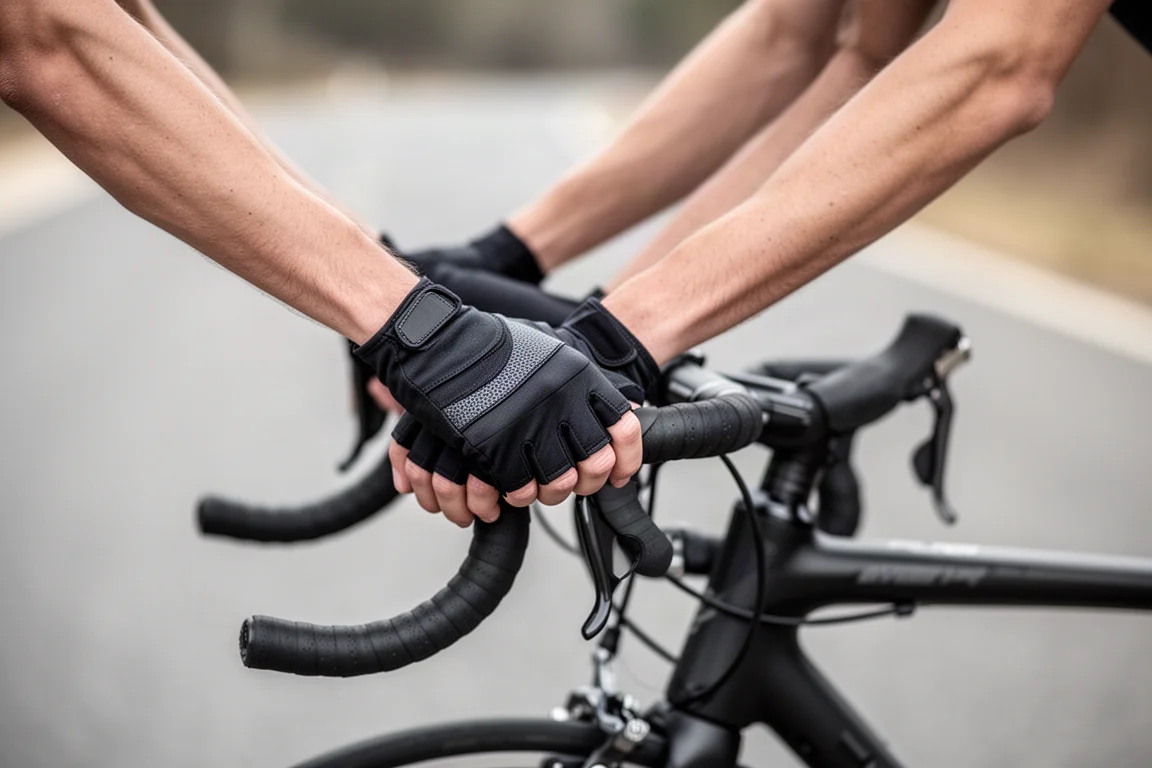
With the hands lower, the shoulders carry more tension and the neck has to work harder to hold the head down. Raising the front end can therefore make an aero position more sustainable, and a position you can hold is faster than one you cannot. It is a nuance rather than a guarantee, but it explains why some riders have been adding spacers under their stems rather than removing them.
What a Conventional Stem Change Cannot Fix
Most bikes offer roughly 20 to 30 mm of adjustment at the front. That is not a design flaw, it is simply how most frames are built, and plenty of riders are perfectly happy within that range.
For riders who need more, the usual answers are less than ideal. You can buy a different bike built around a taller front end, which is expensive and means giving up a bike you already like. Or you can flip the stem upward and stack spacers on the steerer, which changes the bike’s appearance considerably. Frames are designed and photographed with a low, downward-pointing stem, and a tall stack of spacers moves a bike a long way from that look.
There is a fit problem too. Because of the steerer tube angle, raising the front end in the conventional way also brings the bars closer, which can leave taller riders feeling cramped. This is where the handlebars below take a different approach.
Redshift Top Shelf Handlebar
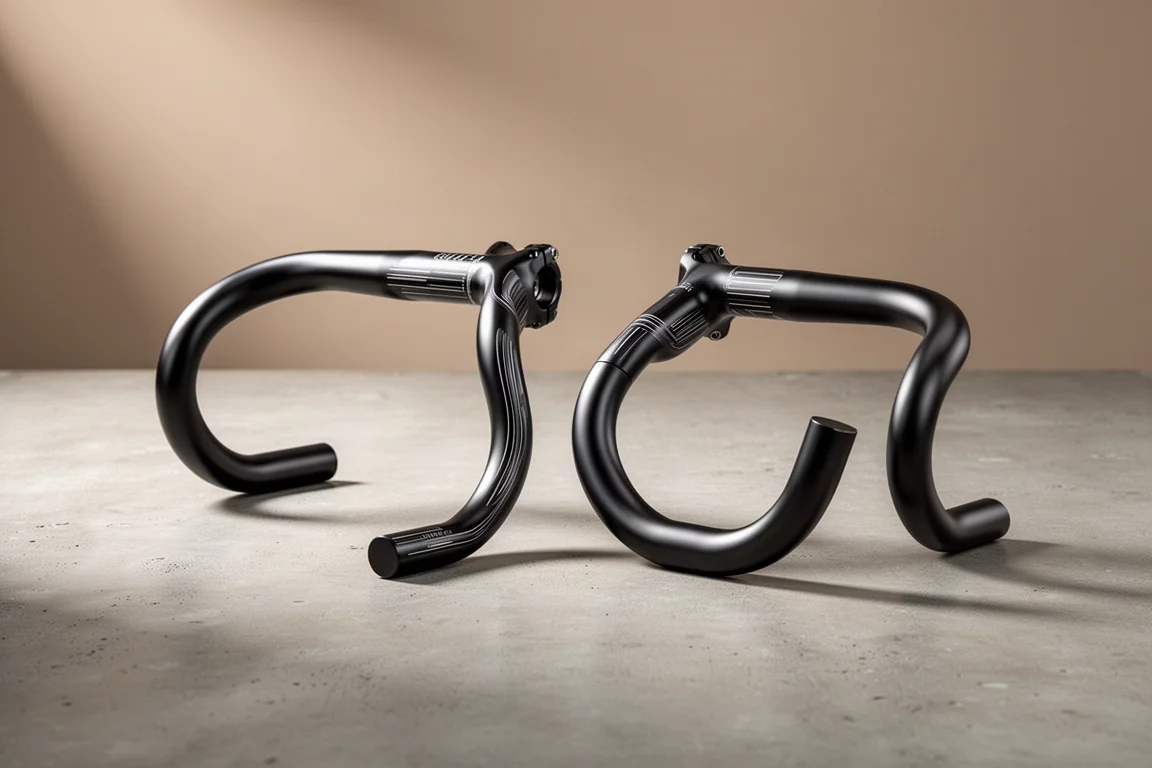
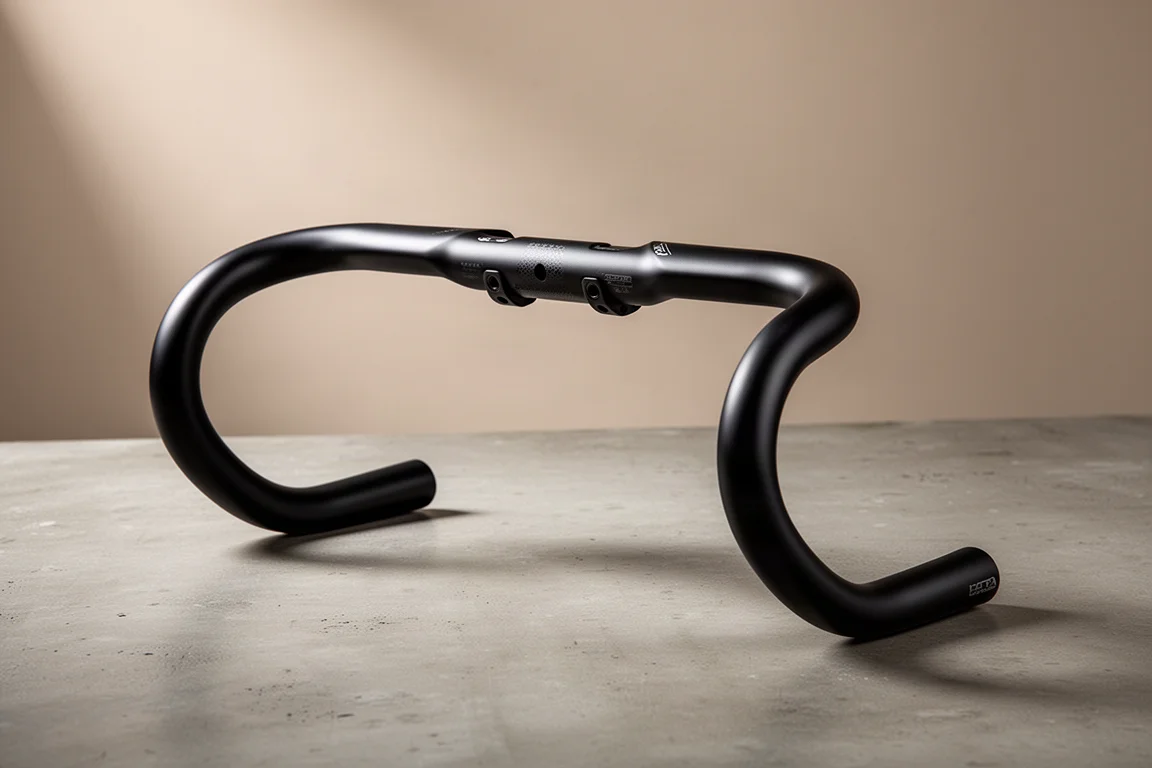
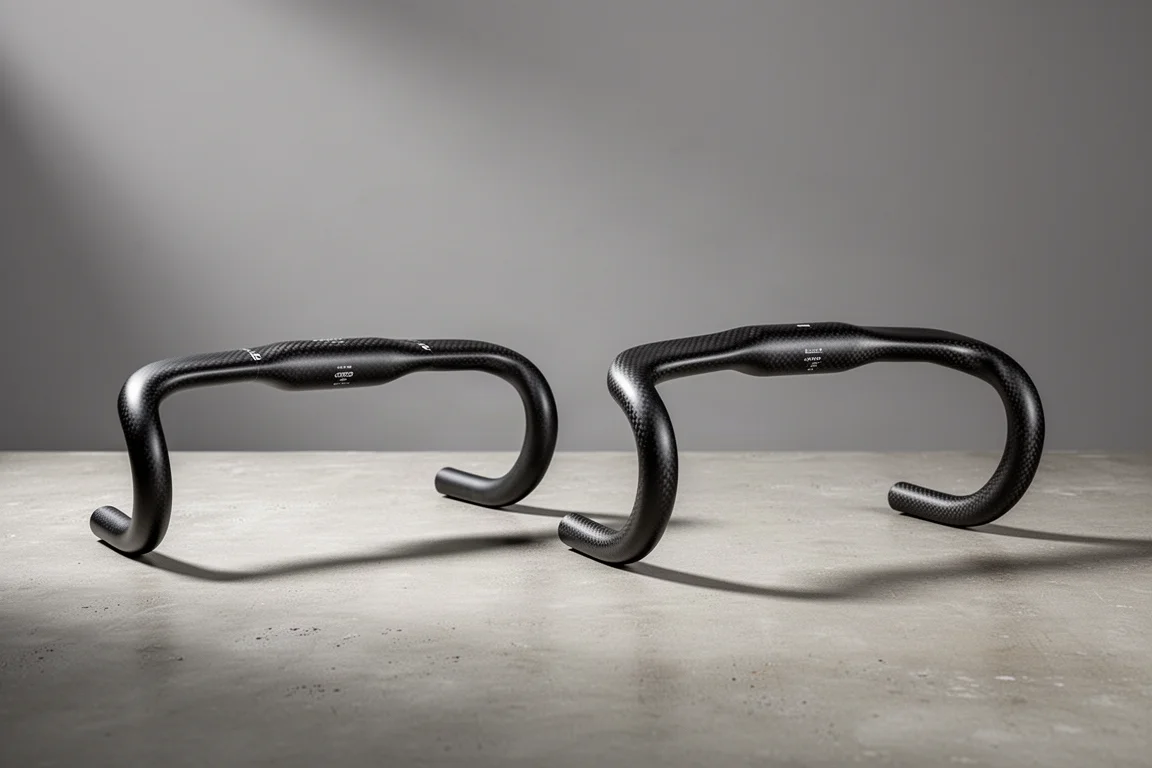
The Redshift Top Shelf is a drop handlebar designed to raise the front end without disturbing the bike’s side profile. Depending on the bar you choose, it adds an extra 5 to 7 cm of height at the front, and the silhouette from the side stays clean, with no stack of spacers and no inverted stem.
The bars come in 10 or 25 degree flare options and widths from 41 to 53 cm, and they are designed for road and gravel bikes. There is also an option with a bar bag at the front, which covers the front end entirely.
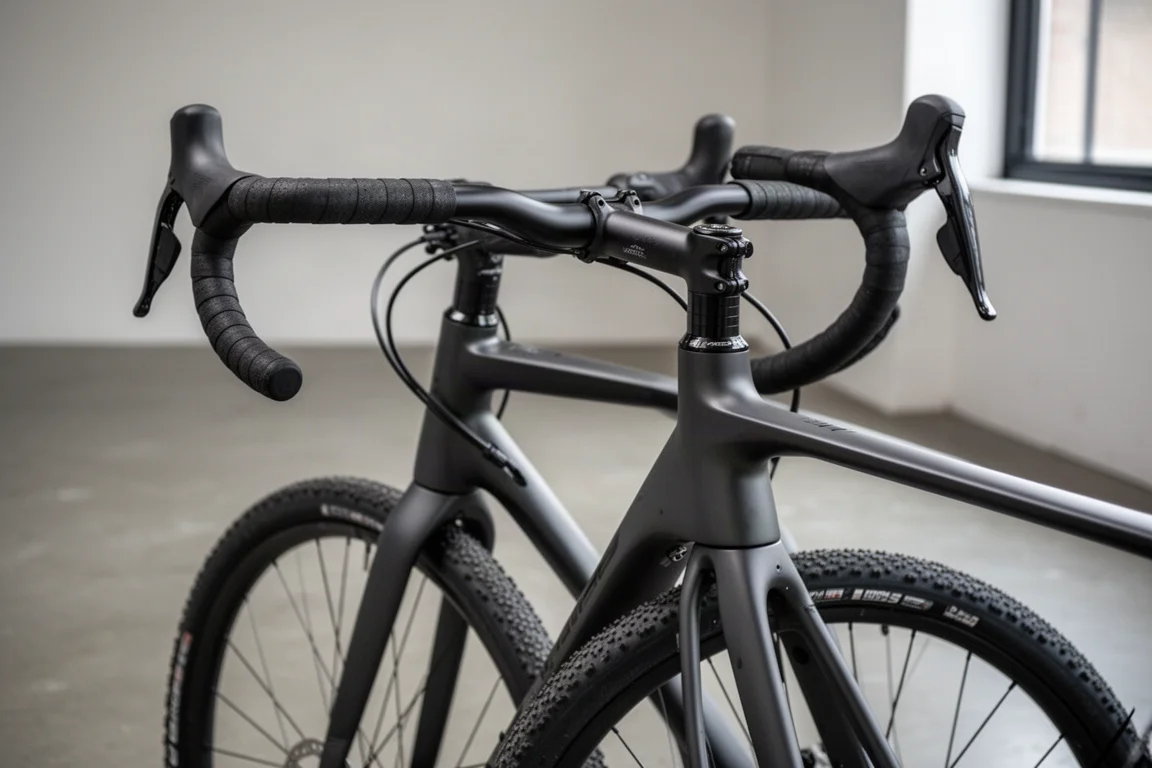
The detail that matters most for fit is reach. Raising the front end conventionally pulls the bars closer, but these bars lift the position while maintaining reach, so taller riders do not end up feeling compressed.
Redshift Kitchen Sink Handlebar
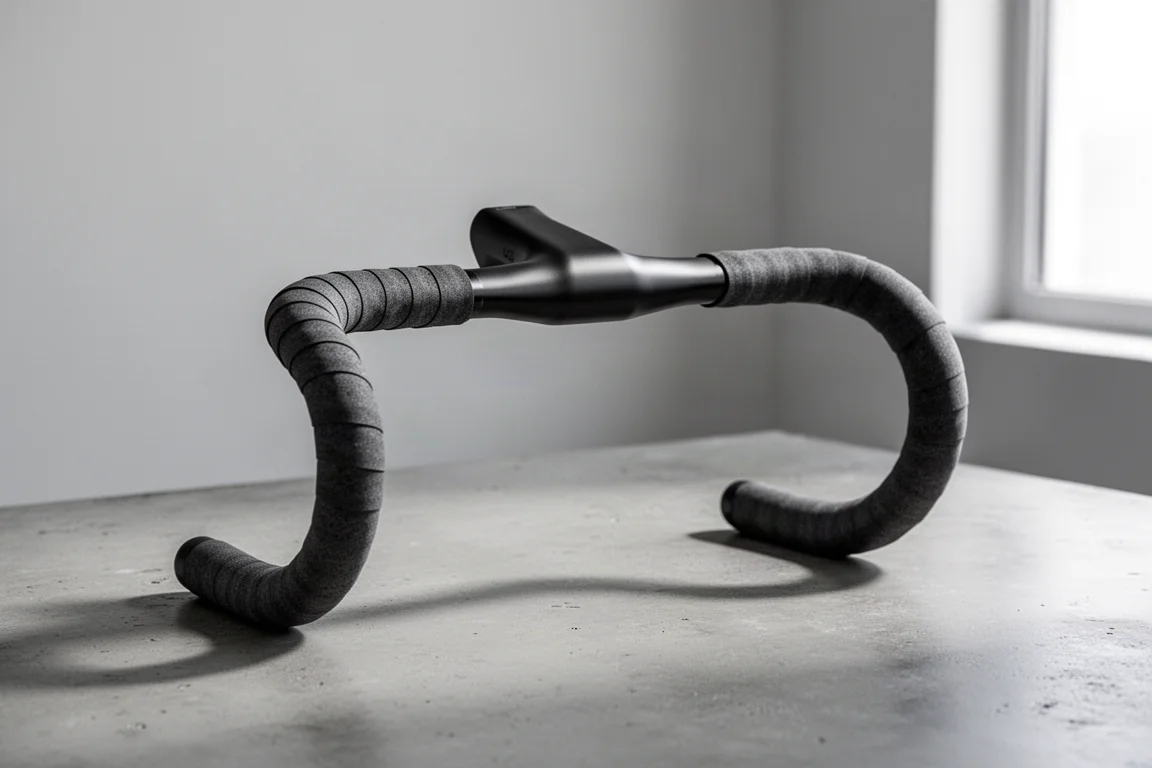
The Redshift Kitchen Sink is the bar that made this approach work in practice on a gravel bike, raising the front end on a frame that would otherwise have sat too low. It has been used across long and demanding gravel rides, and it remains a straightforward way to change a bike you already own rather than replace it.
It suits riders who want a higher, more relaxed front end and who would rather solve the problem with a component than with a new frame. If your discomfort comes from pressure on the hands, shoulders and neck rather than from reach, this is the simpler of the two routes.
Choosing Between the Top Shelf and the Kitchen Sink
Both bars solve the same underlying problem: a front end that sits lower than you want, on a bike you would rather keep. The difference is mainly about how much choice you want in the details.
The Top Shelf is the more configurable option, with flare and width choices across a wide range and the extra height it adds at the front. The Kitchen Sink is the simpler path, a gravel bar for riders who want a higher, more relaxed position without working through a long list of variants.
A useful way to decide is to start with the discomfort rather than the component. If the problem is pressure on the hands, shoulders and neck, or a feeling of being pitched over the front wheel on descents, a bar with rise addresses it directly. If the problem is reach rather than height, these bars are not the fix, because they are designed to keep reach where it is.
Conclusion
Slammed handlebars are not wrong. They suit flexible riders who ride often and want the lowest possible front end. But they are not the only reasonable position, and for many riders a raised front end delivers more comfort, better control on rough ground, and a position that is easier to hold for hours.
The Redshift Top Shelf and Kitchen Sink handlebars offer a way to get that height without the visual and fit compromises of a flipped stem and a tall spacer stack. If your current position has stopped working for you, they are a practical place to start.
Further reading
Related Reviews
Handlebars
Best Drop Handlebars Ranked: 9 Road and Gravel Bars Compared
Nine drop handlebars ranked by reach, drop shape, width range and integrated routing compatibility, from designs that fight the rider to bars that solve a real fit problem.
Handlebars
Redshift Top Shelf Handlebar Review: 50 mm and 70 mm of Rise for a More Relaxed Ride
A close look at the Redshift Top Shelf Handlebar, a flared drop bar with 50 mm or 70 mm of rise built to lift the front end and take weight off your hands.
Handlebars
WXR Narrow and Super Narrow Handlebars: Do Ultra Narrow Bars Actually Deliver?
A wind tunnel comparison of the WXR Narrow and Super Narrow handlebars against a 36 cm baseline, covering the watt savings, fit notes and handling trade-offs.