Handlebars
Best Drop Handlebars Ranked: 9 Road and Gravel Bars Compared
Nine drop handlebars ranked by reach, drop shape, width range and integrated routing compatibility, from designs that fight the rider to bars that solve a real fit problem.
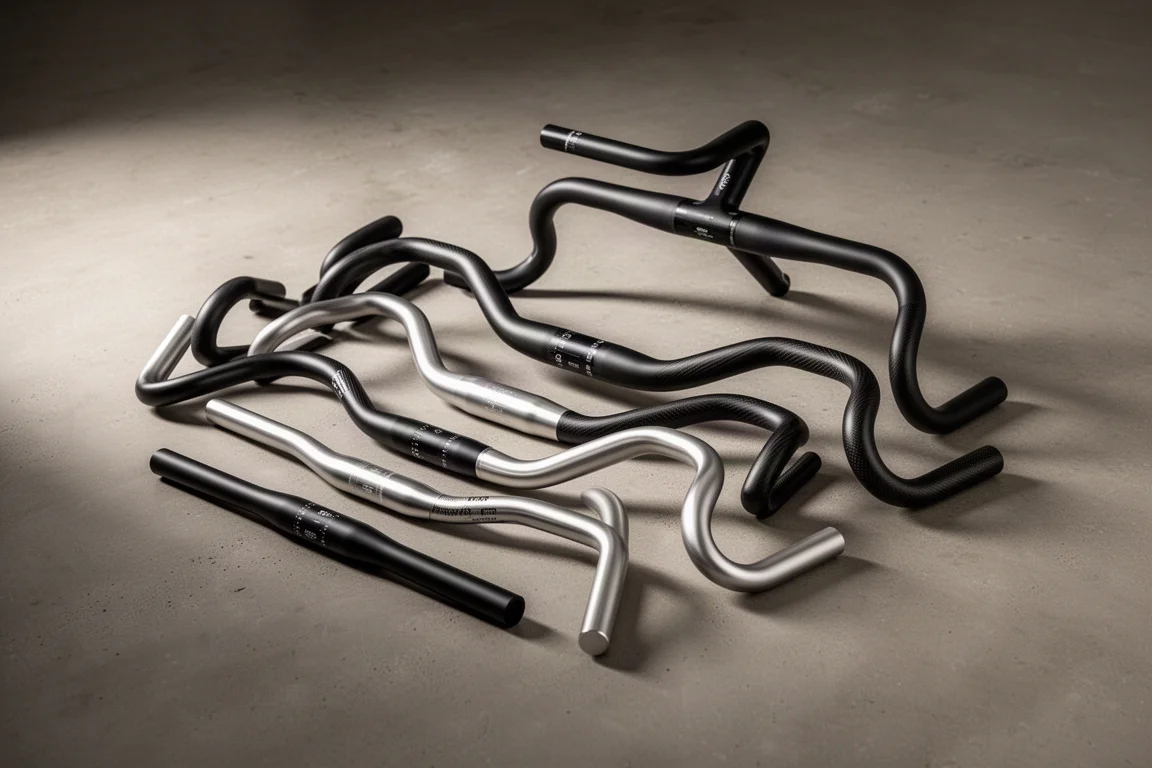
Introduction
Drop handlebars look almost identical in photographs, yet the differences between them shape how a bike fits more than most riders expect. Reach decides how far the controls sit from your shoulders. Drop shape decides whether the lower position is comfortable enough to use for more than a few seconds. Width decides how naturally you reach the brake levers.
This ranking runs from the bars that create fit problems to the ones that solve them. The first three entries force compromises that are hard or impossible to work around. The rest address specific needs: shortening the front of a bike that feels too long, finding a genuinely narrow bar, or lifting the front end without stacking spacers.
How These Handlebars Were Assessed
Five factors separate a good drop bar from a frustrating one: total reach, drop shape, the range of widths available, whether the bar can be rotated to fine-tune its angle, and compatibility with integrated cable routing.
Rotation is the factor most often overlooked. A bar whose angle is locked to the head angle of the frame behaves differently on a small bike than on a large one, and no stem change corrects it.
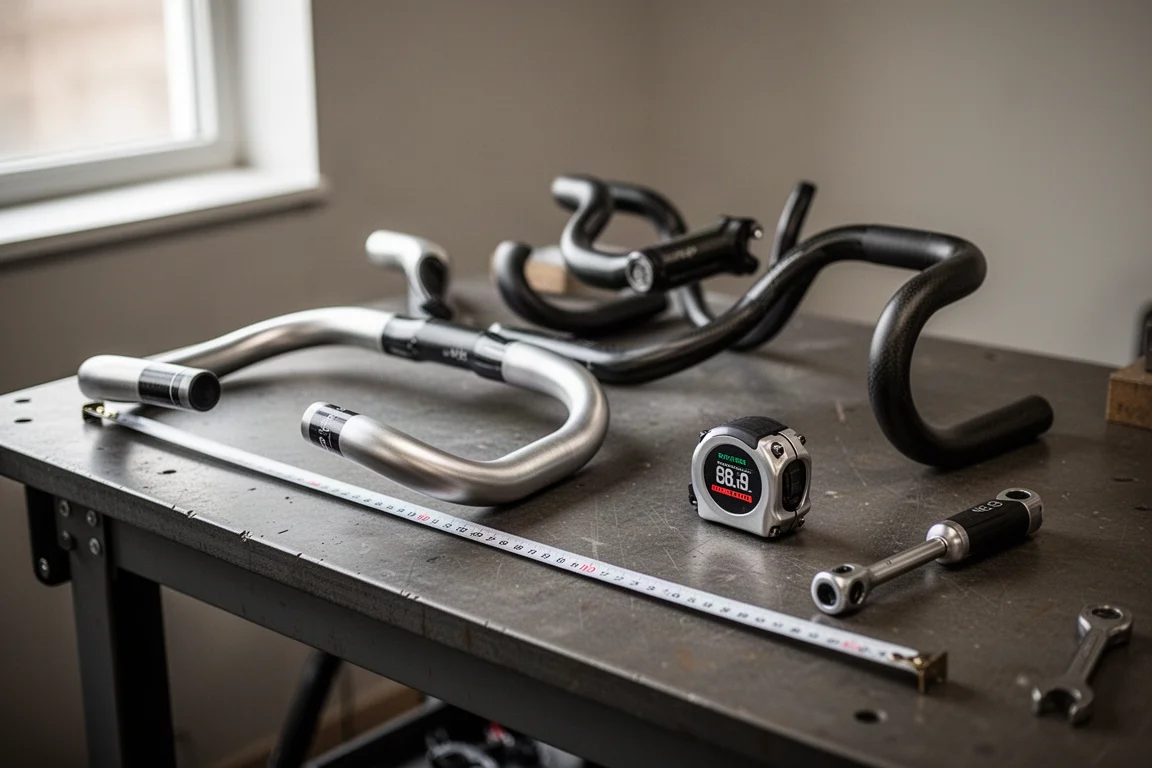
Integrated routing compatibility, usually listed as ACR or DCR, matters on any modern frame where brake hoses run inside the bar. A bar without hose ports simply will not work on that kind of bike, however good its shape. Price comes last, and it is rarely the deciding factor, because several of the strongest options here are also among the least expensive.
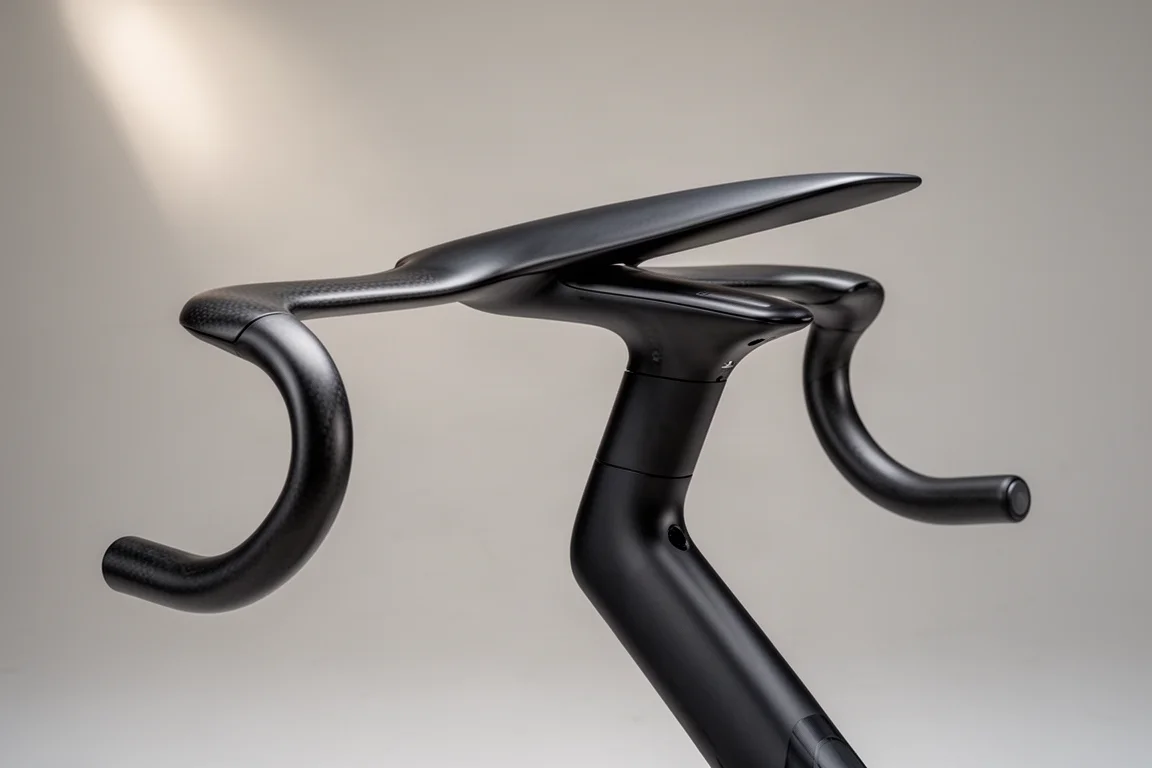
Giant Contact SL Aero: A Fixed Rotation Compromise
This bar is effectively reserved for owners of the Giant Propel, since it is part of a fully integrated front end. The design leaves no adjustment for handlebar rotation, so the angle of the drops is dictated by the head angle of the frame rather than by the rider. On a smaller bike the bar sits noticeably more upright; on a larger bike it flattens out.
Reach is short, and the drops are very short as well, which leaves little room to work with if the position does not suit you.
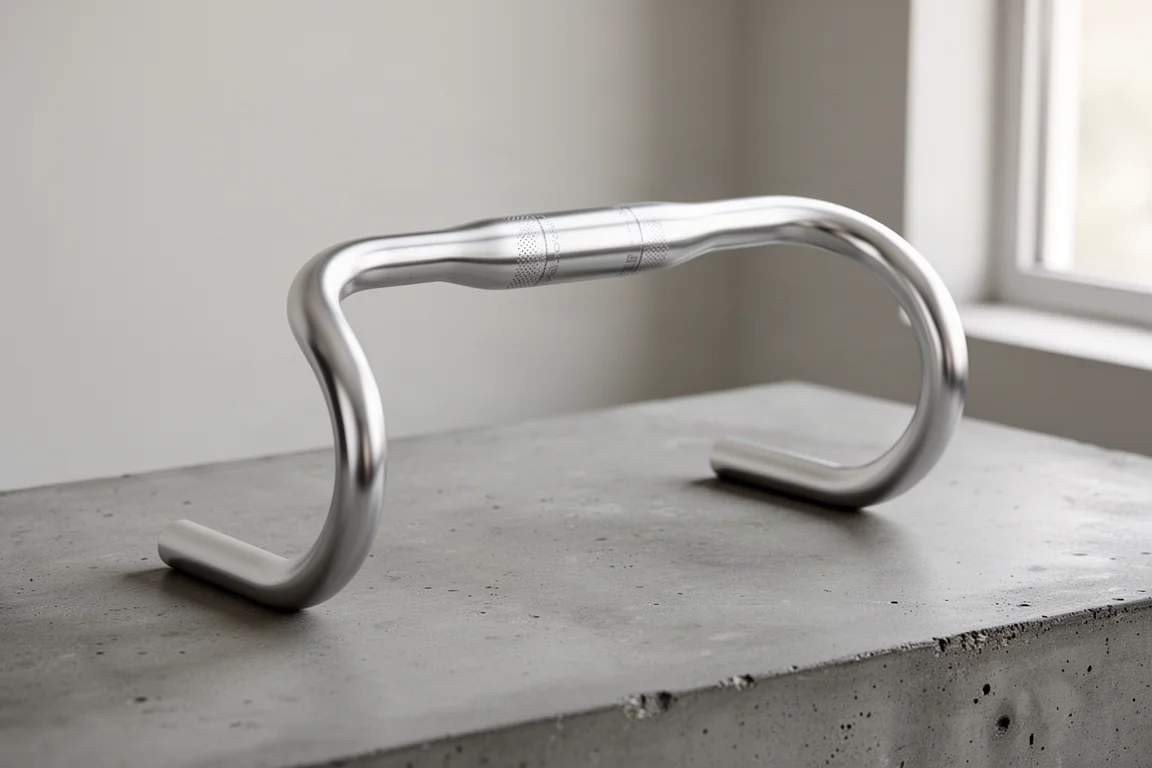
Ritchey Pro Logic: A Dated Anatomic Bend
This anatomic bend belongs to an earlier period of handlebar design. Reach is relatively long, and the drop contains a step that makes the lower position awkward to hold. Compact and ergonomic bends have largely replaced shapes like this, and the reason becomes obvious once you spend time on the drops.
Bontrager VR-C: Exceptional Reach to Watch For
The VR-C shape is rare on higher-end bikes but still appears on entry-level models. The drop itself has a genuinely pleasant curve, but the reach is exceptionally long and adds a lot of unnecessary length to the front of the bike. Combine that with hoods that often leave the factory in the wrong position and you can be looking at roughly 30 to 40 mm of extra reach, which tends to surface later as saddle discomfort, hand pressure, and neck or shoulder tension.
If you own a recent entry-level bike with this bar, replacing it is worth considering, and stepping down one width size at the same time is a sensible move.
Specialized Short Reach: Less Reach for Little Money
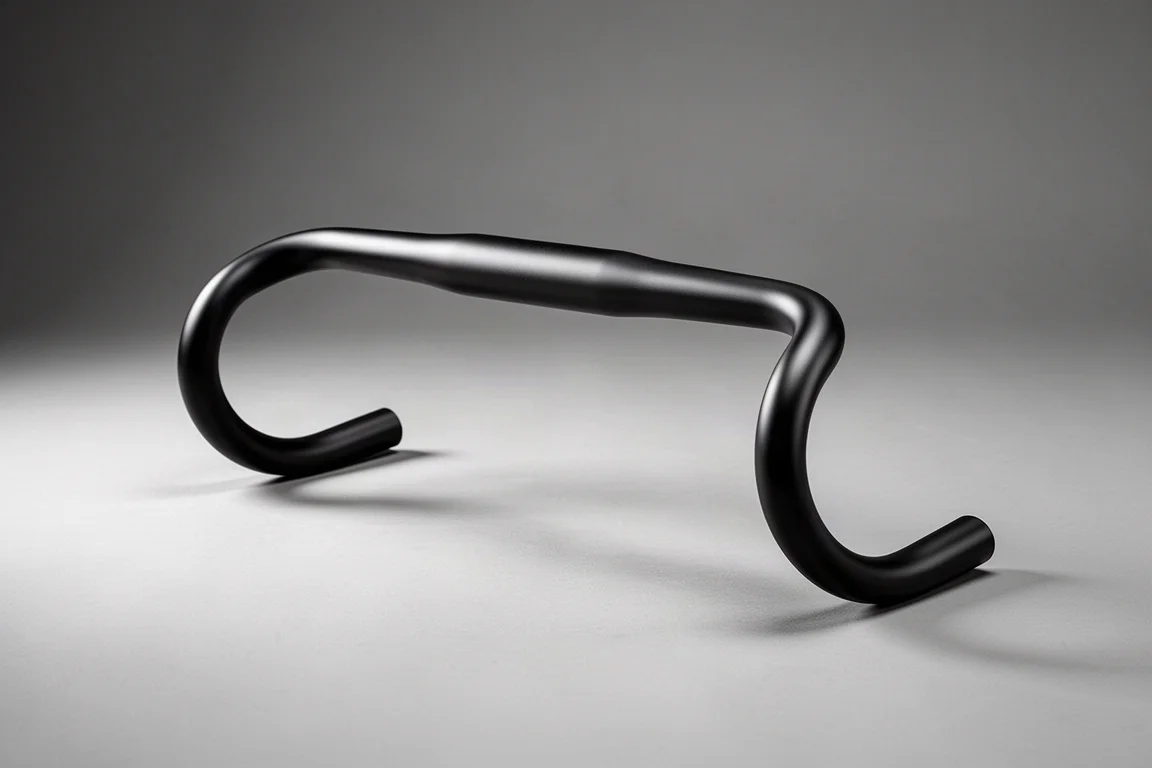
Reach here measures 65 mm, roughly 10 mm shorter than a comparable Deda bar, which brings the controls closer to the rider. That makes it a practical way to take length out of the front of a bike that still feels too long.
Sizes run from 36 cm up to 44 cm in 2 cm increments, the construction is aluminium, and the price sits around £30 to £40.
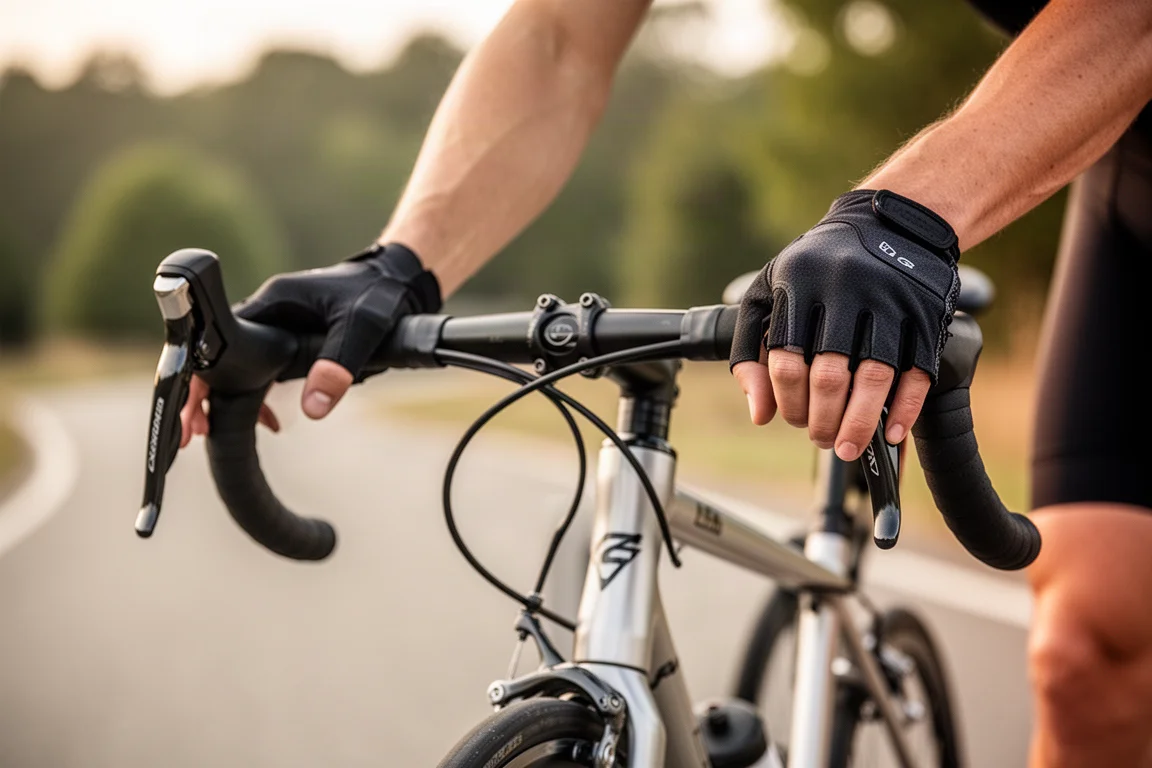
The short reach also helps riders who feel stretched on a frame that is otherwise the right size, and it is one of the least expensive ways to change how a bike fits at the front.
Deda Zero 02: Affordable Entry into Integrated Routing
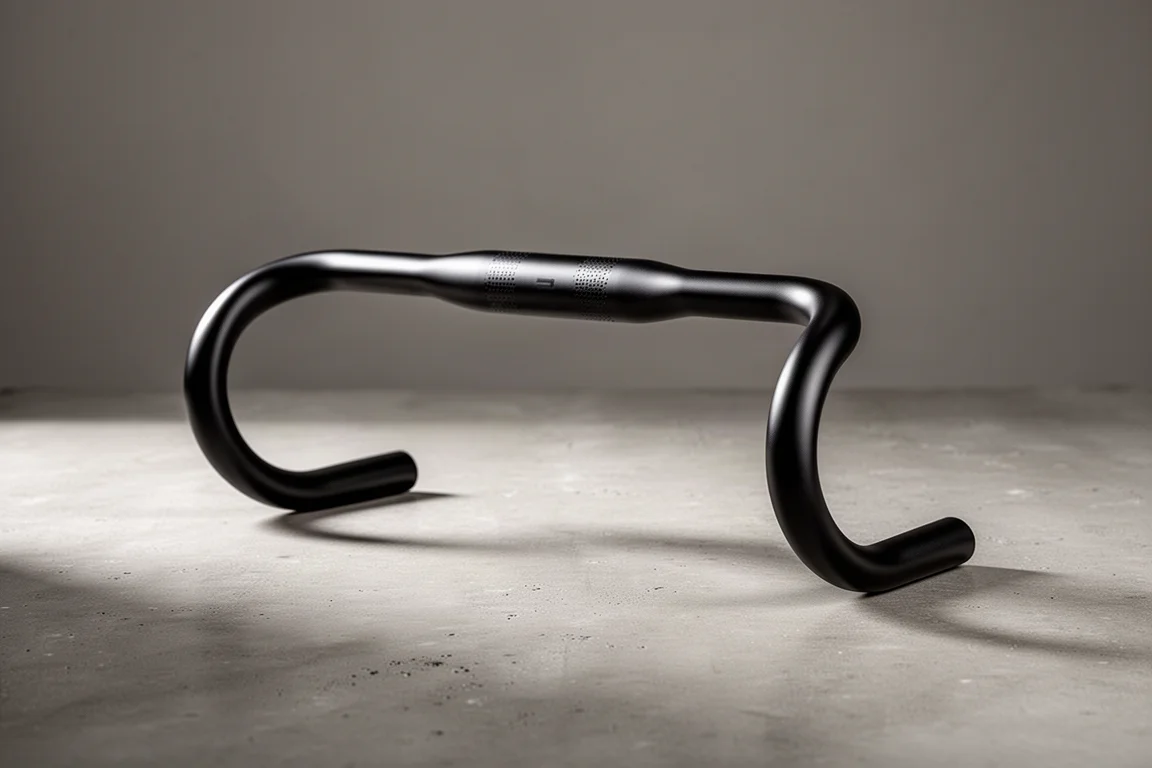
With ports at the back for brake hoses, this bar is both ACR and DCR compatible, which is what a modern integrated frame requires. It spans 38 cm to 44 cm, uses a flat aluminium top section, and follows Deda’s 75 mm reach and 128 mm drop.
At around £58 it is one of the cheapest integrated-compatible handlebars on the market, and it still covers a reasonable fit range for smaller riders.
FSA Energy Super Compact: The Narrowest Integrated Bar
This bar is ACR compatible and technically sold as a 36 cm, though it actually measures closer to 34 cm. That makes it the narrowest ACR and DCR compatible handlebar available. It comes in aluminium only and costs around £134.
For riders who cannot get comfortable on a conventional 36 cm bar, those extra centimetres make a real difference at the levers.
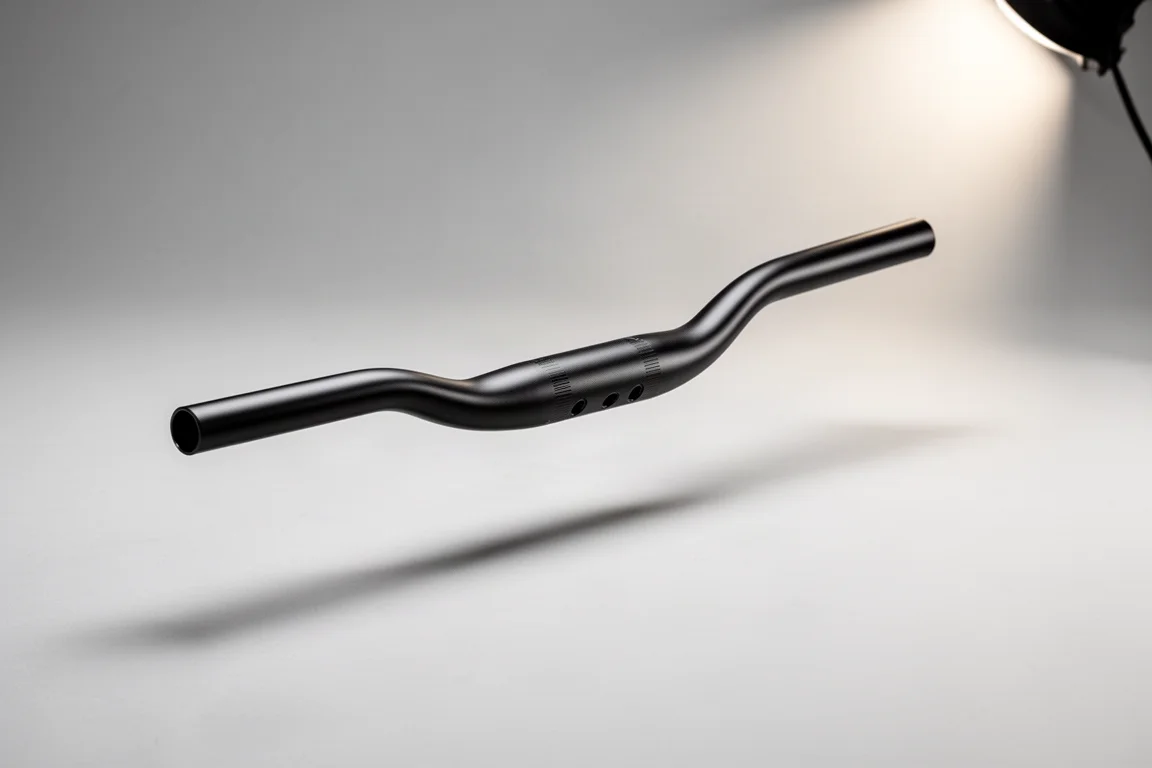
Fouriers HB-RA012-DA6DT: A 32 cm Bar That Exists
A 32 cm drop bar barely exists as a product category, which is what makes this one stand out. It uses a 75 mm reach and 128 mm drop, and at around £50 it is inexpensive for such a specialised shape.
Narrow bars make it easier to reach the brake levers and reduce the need to roll the wrist, which is often linked to hand numbness, tingling and pins and needles. Riders generally gain a little more confidence as a result.
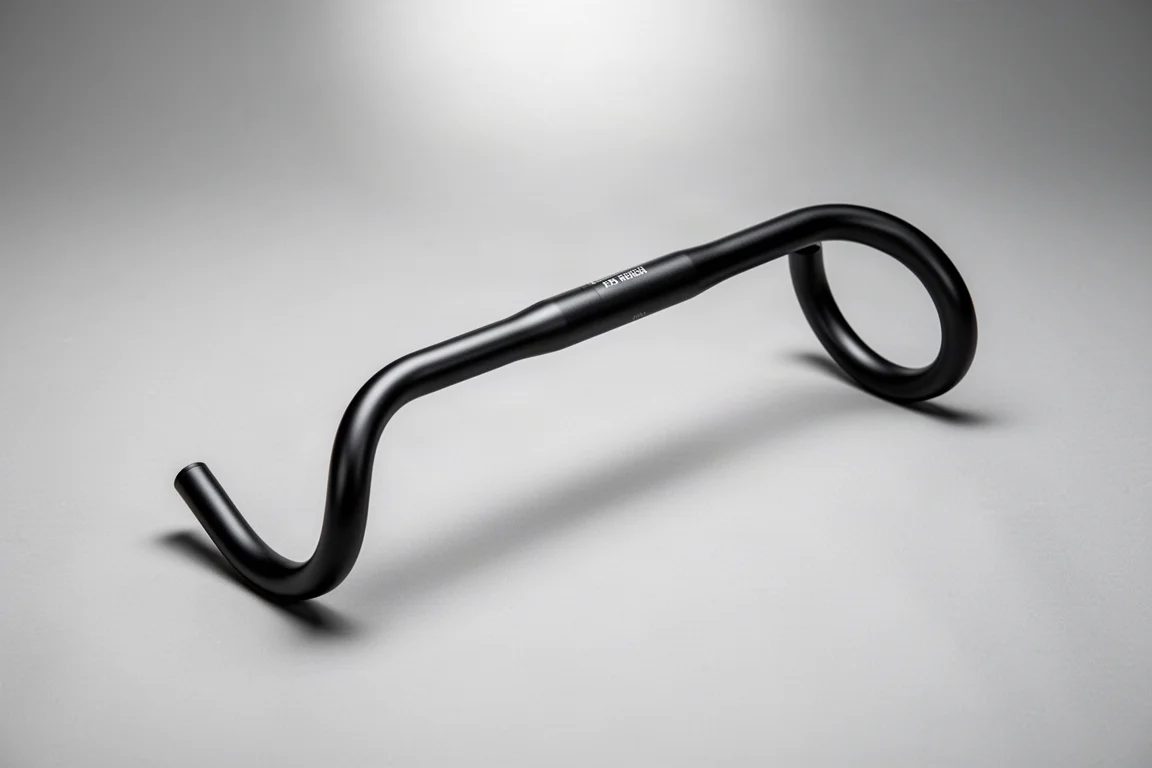
Deda Gravel 100: Flare for Gravel Riders
Built on the Deda 100 platform, this aluminium bar has an ergonomic shape and 12 degrees of flare, and it goes down to 38 cm, which is uncommon for a flared bar. It is Di2 compatible but not ACR compatible, so it will not suit a frame with hoses routed through the bar. Reach, shape and drop are all pleasant in the hand.
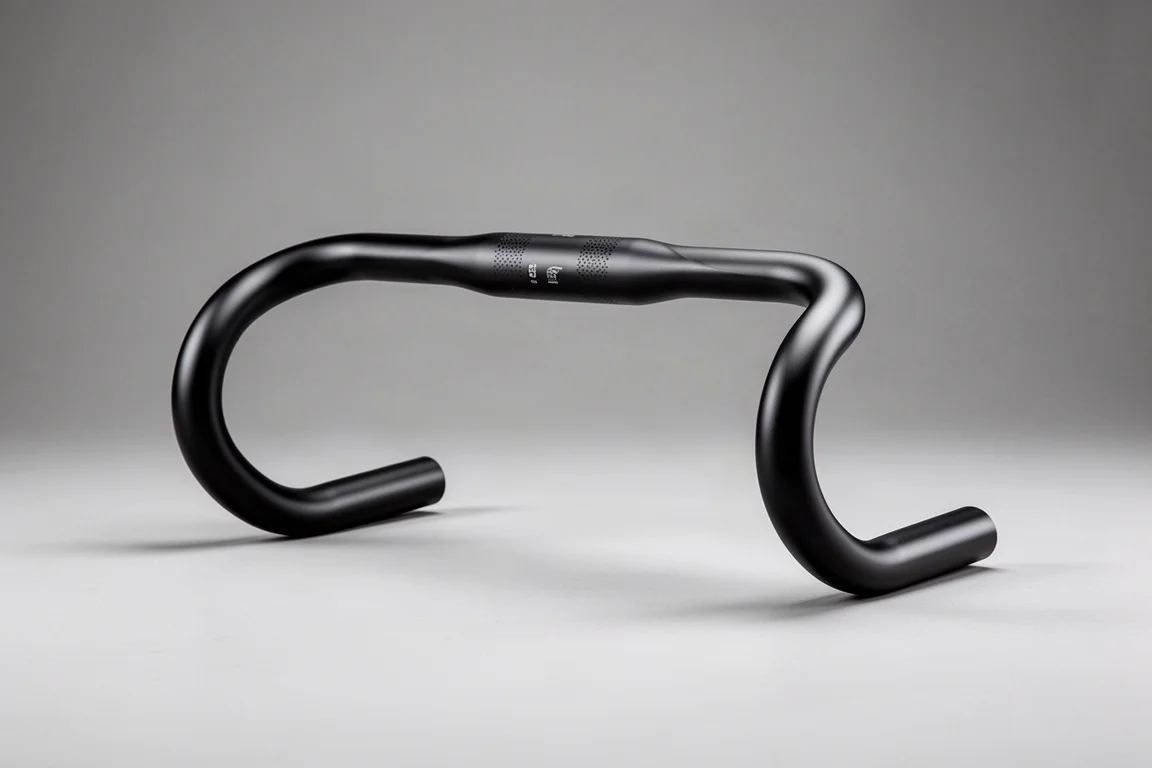
Genetic D-Riser: Raising the Front End Without Spacers
This one is unconventional. It is a rise bar that lifts the front end by 20 mm, so the contact points come up without inverting the stem or adding spacers. Sizes run from 38 cm to 46 cm with a small amount of flare and an ergonomic top section.
It suits riders who want a taller front end without rebuilding the cockpit around a different stem.
Buying Advice
Start with the frame. If your bike routes brake hoses through the bar, ACR or DCR compatibility comes first, and only a few of the bars here qualify. If your front end feels too long, a short-reach bar such as the Specialized Short Reach is the least expensive way to pull the controls back toward you.
Width deserves the same attention as reach. Riders who measure between 32 cm and 38 cm across the shoulders are poorly served by most stock bars, and the Fouriers and FSA options cover that ground. Treat an entry-level long-reach bar as a component to replace rather than a fit problem to live with, and if the front end simply sits too low, the Genetic D-Riser solves it without touching the stem.
Conclusion
Three of these bars create more problems than they solve, whether through a locked rotation angle, a stepped anatomic drop or excessive reach. The remaining six earn their place by fixing something specific: shorter reach, a genuinely narrow width, integrated routing ports, flared drops for gravel, or a raised front end. Match the bar to the problem you actually have, and the bike will feel better for it.
Further reading
Related Reviews
Handlebars
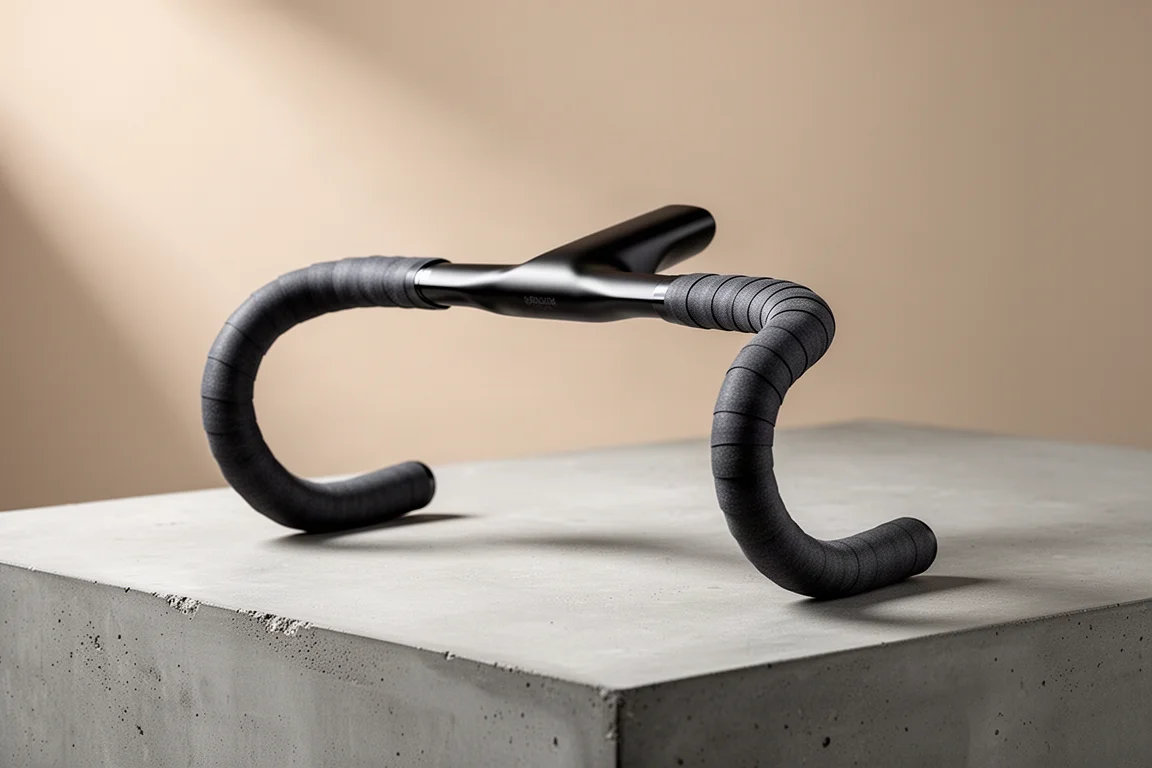
Redshift Top Shelf Handlebar Review: 50 mm and 70 mm of Rise for a More Relaxed Ride
A close look at the Redshift Top Shelf Handlebar, a flared drop bar with 50 mm or 70 mm of rise built to lift the front end and take weight off your hands.
Handlebars
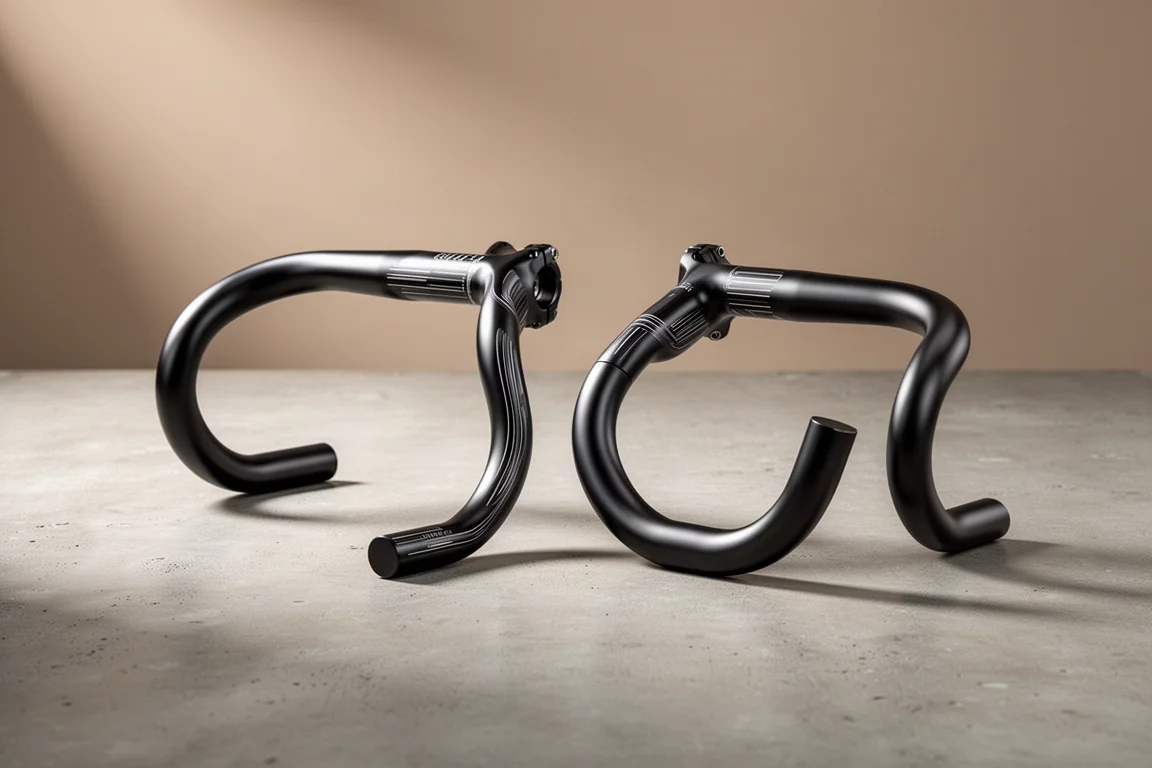
Redshift Top Shelf and Kitchen Sink Handlebars: Raising Your Front End Without Losing Reach
Two riser drop handlebars that add height at the front end without a flipped stem or a tall spacer stack, and what that means for comfort, control and long-ride position.
Handlebars
WXR Narrow and Super Narrow Handlebars: Do Ultra Narrow Bars Actually Deliver?
A wind tunnel comparison of the WXR Narrow and Super Narrow handlebars against a 36 cm baseline, covering the watt savings, fit notes and handling trade-offs.