Outdoor Safety Gear
RECCO Reflector Review: A Passive Backup for Backcountry Search and Rescue
A practical look at the RECCO reflector: how the passive harmonic reflector works, where it genuinely helps, and where detector coverage limits its value.
Introduction
The RECCO reflector is one of those small pieces of gear that splits opinion the moment it appears on a pack strap. It weighs almost nothing, it has no buttons, and it cannot call for help on its own. What it does is make the wearer detectable by a specific class of search equipment, and that distinction matters more than the assumptions that surround it.
Start with what it is not. A RECCO is not an SOS device. There is no button to press and no message to send. Unlike a personal locator beacon or a satellite communicator, it never transmits anything on its own. It works best alongside those devices rather than as a replacement for them.
The technology dates back to the 1980s, when it was developed to help find people buried by avalanches. It is entirely passive: no battery, no subscription, no maintenance. You clip it on, or you buy it already built into a piece of gear, and it is ready to go.

That combination of negligible weight and zero upkeep is why the reflector keeps coming up in conversations about backcountry safety. The more useful question is whether the rescue infrastructure where you travel actually supports it, because that single factor shapes almost everything about its value.
Who this product is for
The reflector makes the most sense for people who travel in mountains, snow, and dense vegetation inside regions where search and rescue teams carry RECCO detectors. Backcountry skiers, snowboarders, mountaineers, and hikers in those areas are the clearest fit.
It also suits anyone who already carries a satellite communicator or a personal locator beacon and wants a passive backup that cannot run out of power. If those devices fail, if their batteries die over several days in the field, or if you are unable to trigger them at all, the reflector keeps working.
It is a poor fit for anyone outside supported regions, and it is not a substitute for two-way communication. If your only goal is to call for help, a satellite communicator does that job and the reflector does not.
Main strengths
Entirely passive, with no battery or subscription
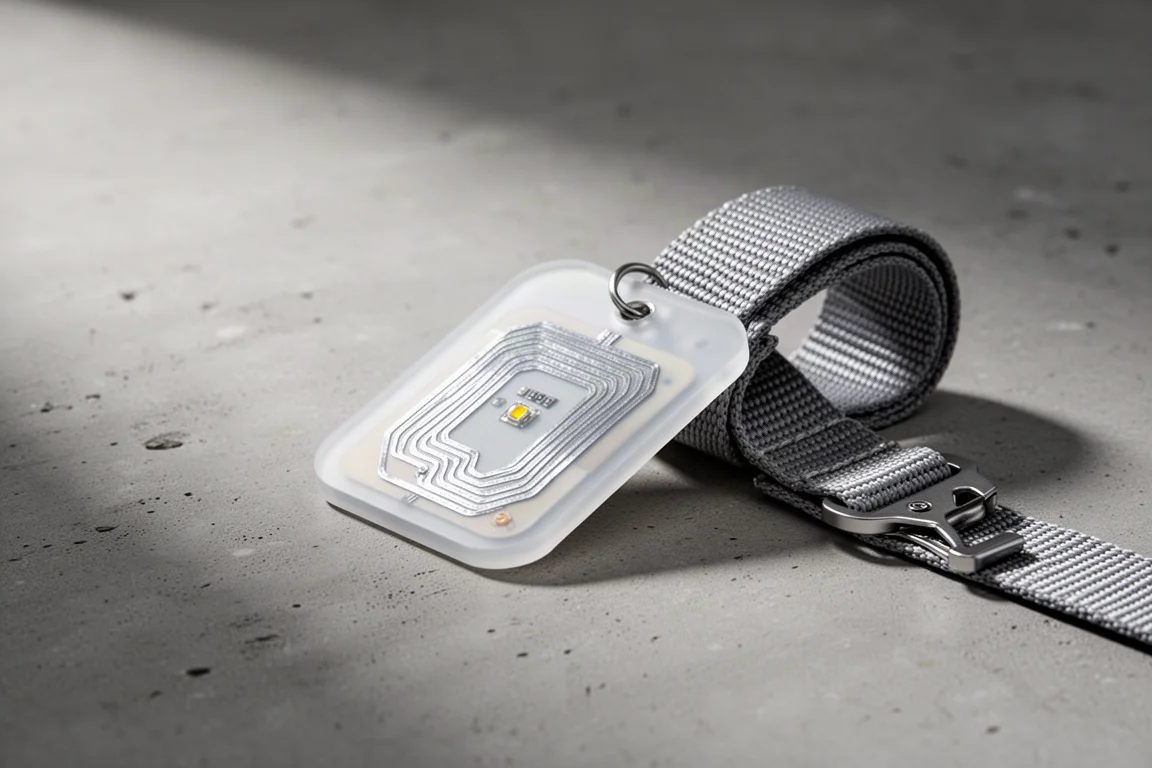
Inside the reflector are two foil antennas connected by a diode. It is not RFID. It is a harmonic reflector. Rescue teams transmit on a specific frequency that matches the reflector, and the signal returns at double the wavelength as a distinct chirp. Teams use handheld units and aircraft-mounted units, the latter with a range of up to 100 metres.
Because nothing needs charging, pairing, or updating, the reflector can sit in a pack for years and still function. There is no subscription to renew and no maintenance schedule to follow.
Built around avalanche burial and backcountry search
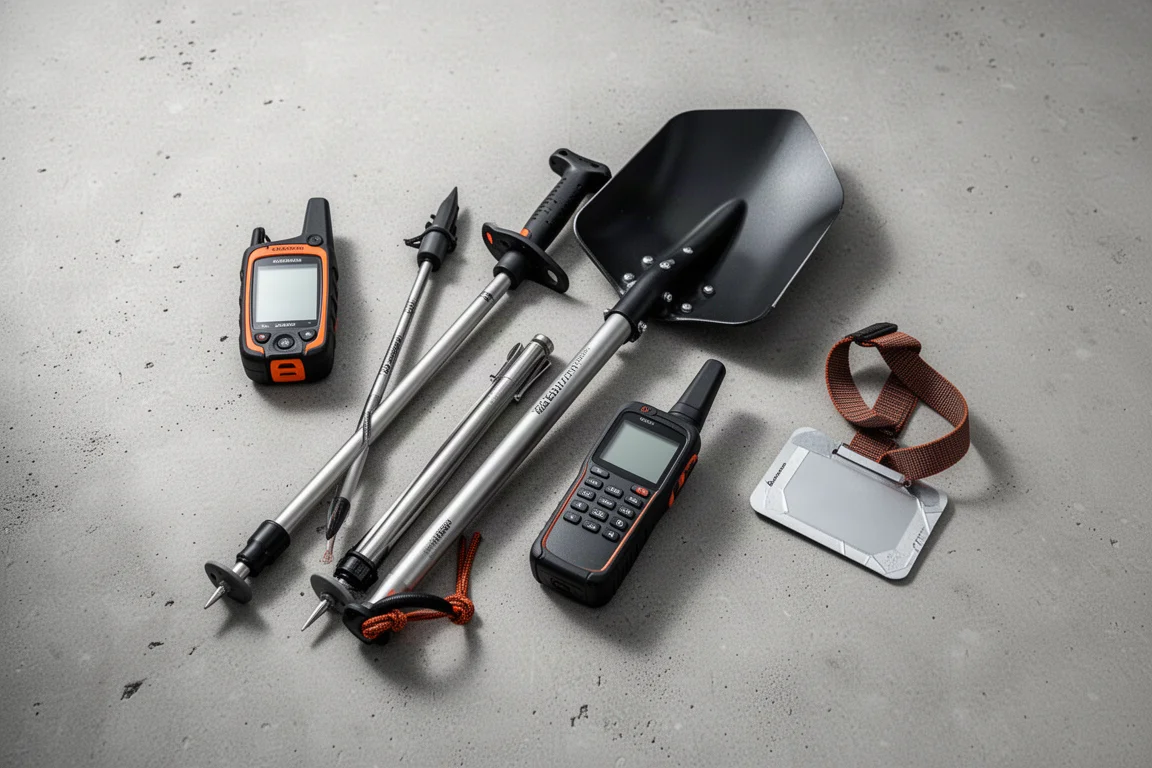
The original design goal was finding people buried by avalanches, and that remains the core use case. Search and rescue teams that train with the system point out that cameras and infrared sensors cannot see through vegetation, while a reflector can be detected in vegetation or under snow in exactly those situations where other search tools struggle.
Recoveries of deceased skiers and climbers using the system are documented, including a well-known mountaineering accident in Alaska. There is no technical reason a living person could not be located the same way, and the practical limitation so far has simply been how few people carry a reflector.
One further detail worth knowing: metallic items, phones, and other gear can produce false readings. The chirp returned by an actual reflector is stronger and more distinct than those false hits, and the stronger the chirp becomes, the closer the rescuer is to the wearer.
Low weight and easy to move between packs
The reflector weighs only a couple of grams, which is why it tends to stay attached to whatever pack is in rotation. It can be transferred between backpacks in seconds, and it also comes built into a wide range of gear. Much of that is snow sports equipment, along with some backpacks and, more recently, some trail running gear, so it is worth checking what you already own before buying a separate unit.
Things to consider before buying
It is not an SOS device
This is the most common misunderstanding. The reflector cannot send a distress signal, and it cannot tell rescuers that you need help. If you carry one, note it in your emergency plan and in the notes attached to your beacon or satellite communicator, so a team searching for you knows to bring the appropriate detector.
Mounting position involves a real trade-off
There are two schools of thought. The first is to mount the reflector high on the backpack, which is the placement shown in official guidance. The logic is that if you fall or become unconscious, your body will not be lying on top of the device, and fewer layers between the reflector and the transmitter means a less diluted signal. The second is to carry it on your person, such as on a belt loop, in case you become separated from your pack. Some people carry two. Deciding where yours goes is part of buying it.
Coverage is the real limitation
The reflector only helps where teams have the equipment to detect it. Coverage maps show which regions have ground and aircraft detectors, and adoption is not uniform. New sheriff’s departments and search and rescue teams do acquire the equipment, but the process is slow. Proceeds from reflector sales are reinvested into building transmitters for teams, which makes the whole system a gradual, chicken-and-egg effort.
Where the equipment exists, it is actively used. In Southern California, the Los Angeles County Sheriff’s Department has had a detector for a couple of years and trains with it. If you travel outside supported areas, the case for buying one becomes much weaker.

Cost versus materials
The reflector typically sells for around $38, and it occasionally appears at a discount. Judged purely on materials, that is a large markup: the internal parts are simple, and a determined person could assemble something similar with a diode and antenna wire. What the purchase actually covers is a tested device that fits into an established rescue ecosystem, with no need for the buyer to verify that it works.
Buying advice
Decide based on where you travel first, and on the device second. If your usual terrain falls inside a region with RECCO-equipped teams, a reflector is a cheap, weightless addition that never needs charging. If it does not, the money is better spent on a satellite communicator or a personal locator beacon.
Wherever you land, the reflector belongs at the end of a layered plan rather than at the start of one. Leaving an itinerary with someone at home, sharing a live tracking breadcrumb trail over satellite, and enabling fall detection on a compatible watch all address the same problem in different ways. Every one of those depends on power. The reflector does not, which is precisely why it is useful as a final layer when everything else has failed.
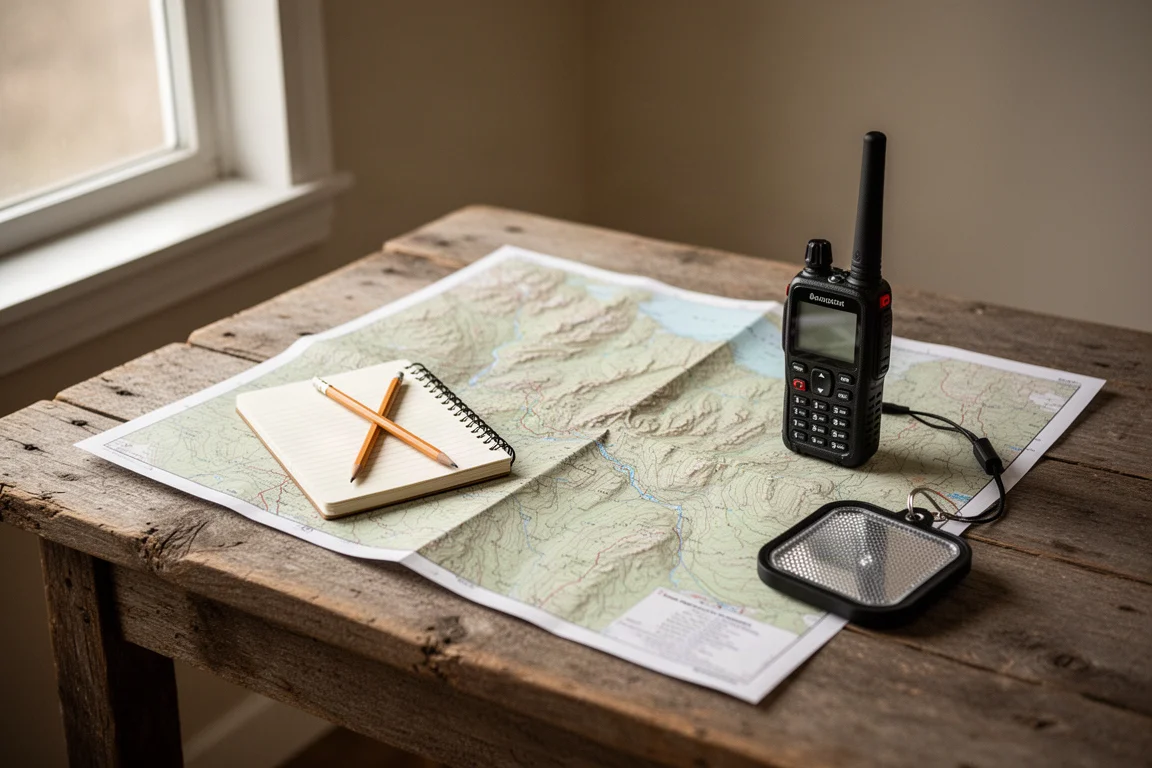
For most people who carry it, the calculation is simple: a couple of grams and a one-time cost in exchange for a passive chance of being found in a situation where nothing else works. That is a modest bet, and it is the reason the reflector tends to stay in the pack once it is there.
Conclusion
The RECCO reflector is not a rescue device in the way most people imagine one. It cannot call for help, it cannot confirm that you need help, and it only functions where teams have the matching detectors. Within those limits it is a genuinely useful, maintenance-free backup that works when batteries and buttons do not. Buy it for the scenario it covers, not for the one it does not.
Product link
View more details for RECCO Reflector
This product is mentioned in the review. Check the specifications, options, and compatibility before buying.
View more details for RECCO ReflectorFurther reading
Related Reviews
Outdoor Safety Gear
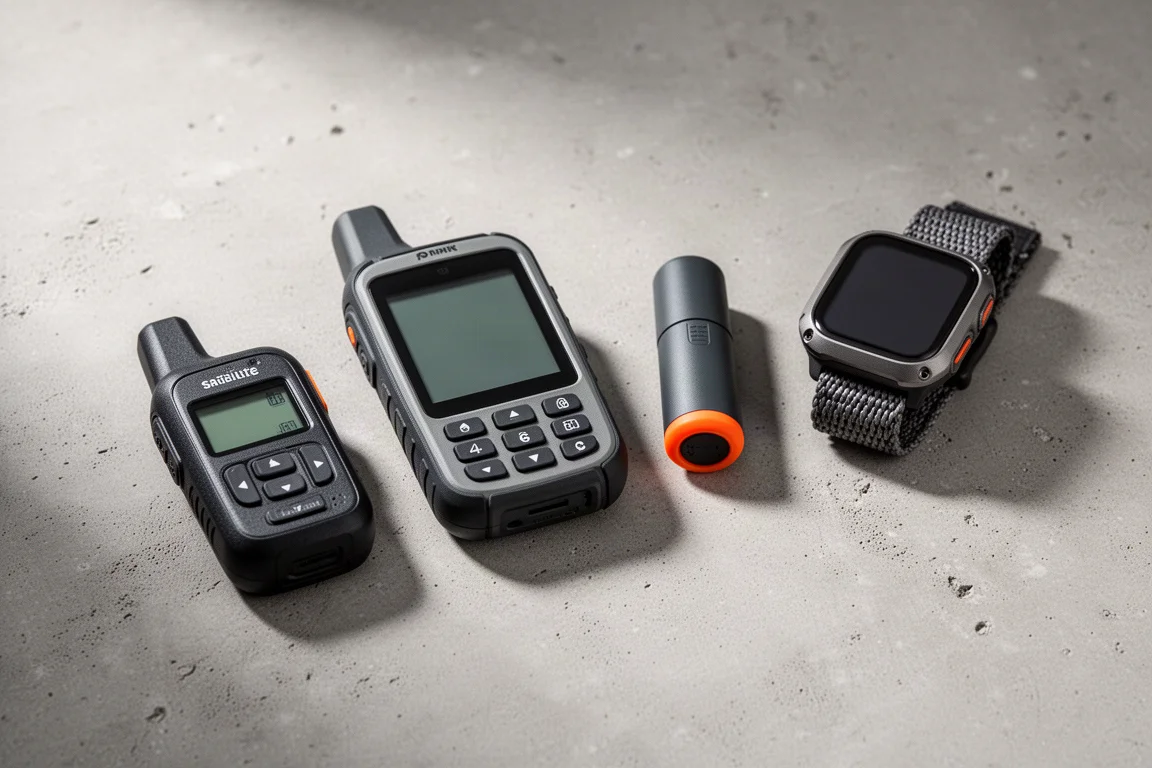
Best Satellite Communicators 2026: How to Choose a Backcountry Safety Device
A practical comparison of satellite communicators and satellite SOS features, from Iridium messengers to Globalstar devices, with guidance on matching a device to your trips.
Outdoor Gear
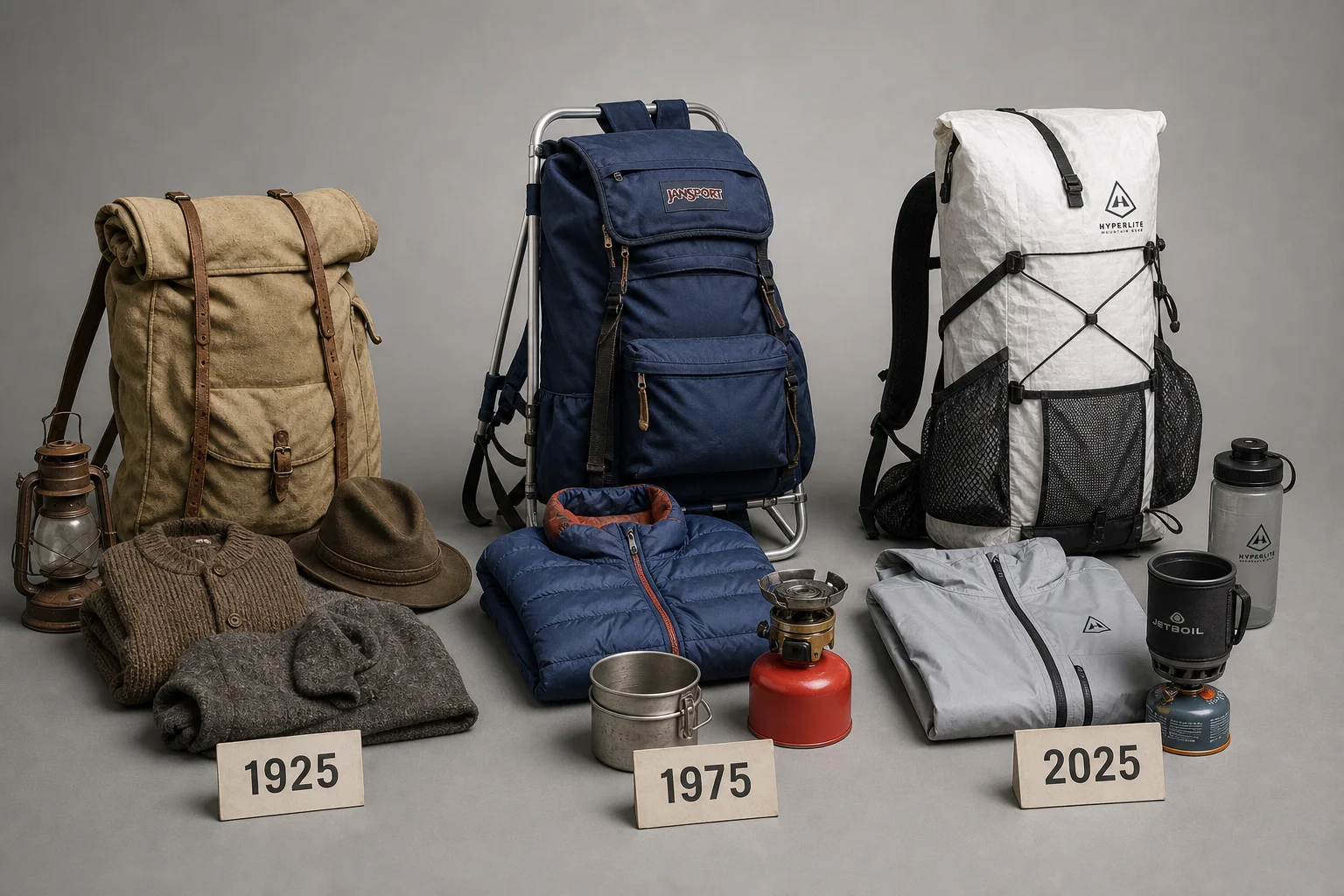
Backpacking Gear Evolution: 100 Years of Technology Compared
We tested backpacking gear from 1925, 1975, and 2025 across a three-day hike in Yosemite. Here's how technology has transformed comfort, weight, and the outdoor experience.
Backpacking Water Filters
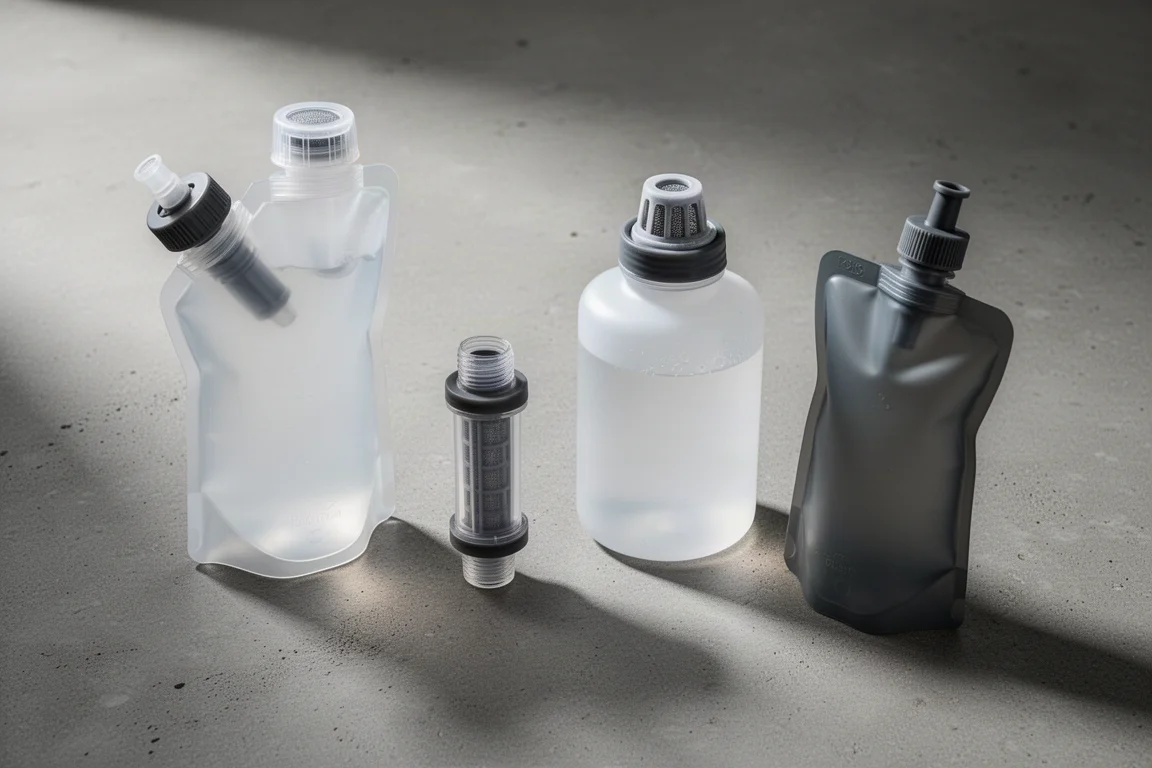
Backpacking Water Filters Compared: LifeStraw Peak Series, Sawyer Squeeze, Katadyn BeFree, and Platypus QuickDraw
A practical comparison of four hollow fiber squeeze filters, covering flow, filling, packability, weight, and thread compatibility.