Outdoor Safety Gear
Best Satellite Communicators 2026: How to Choose a Backcountry Safety Device
A practical comparison of satellite communicators and satellite SOS features, from Iridium messengers to Globalstar devices, with guidance on matching a device to your trips.
Introduction
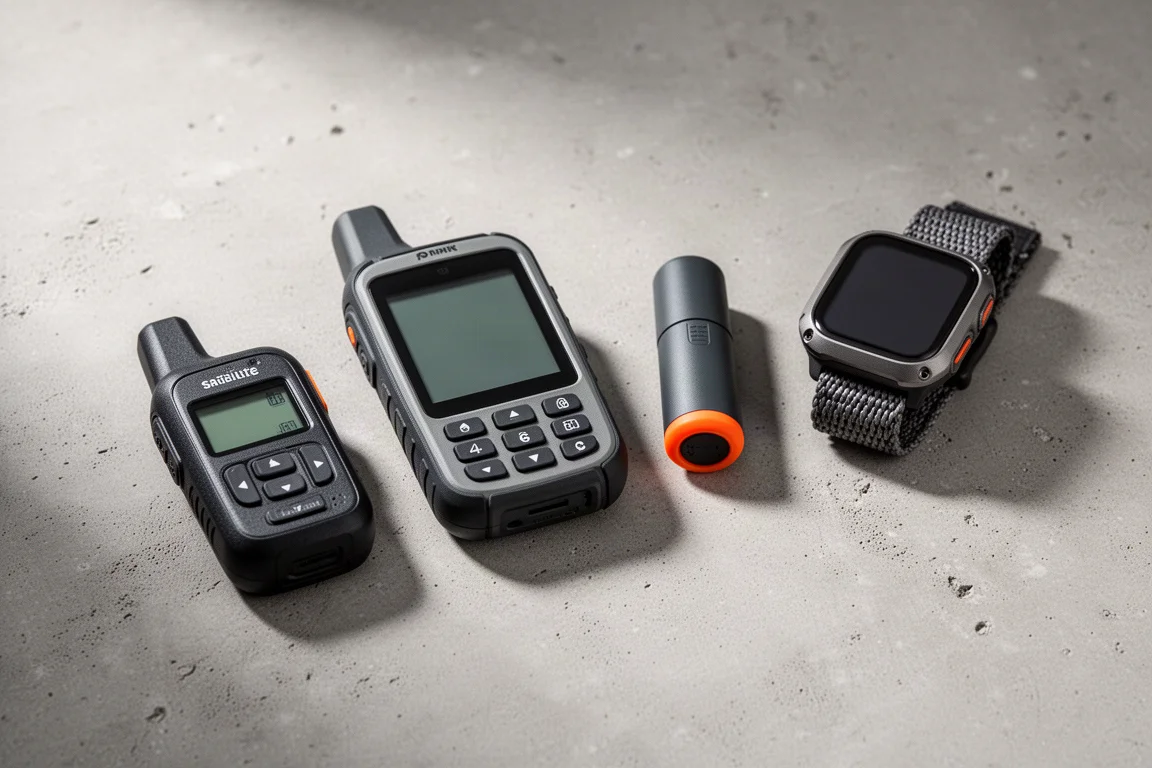
Satellite communicators have moved from niche expedition gear to a standard piece of kit for hikers, riders, and anyone who travels beyond reliable cell coverage. The current field divides along two lines: the satellite network a device runs on, and how much the device does beyond sending an emergency alert. Some units are pocket-sized messengers, others are full handheld navigators, and a couple of the newest options are features built into phones and watches you may already own.
This guide looks at the main options, what separates them in daily use, and how to decide which one is worth carrying.
How Satellite Communicators Differ
Most of the well-known messengers run on the Iridium satellite network. Garmin, ZOLEO, Bivy Stick, and Somewear all essentially rent time on Iridium to send messages back and forth, so the satellite backbone is largely shared across brands. The differences that matter sit in the feature set and in how the service plans are structured. Some plans charge per message, while others bundle certain capabilities such as tracking or weather into the subscription.
Network choice is the second dividing line. The SPOT Gen4 runs on Globalstar, and Globalstar is also the network behind the satellite features in the Apple iPhone 14, so those two sit in a different ecosystem from the Iridium-based units.

Three questions do most of the work when you compare devices: can you send and receive ordinary, non-emergency messages, how much navigation lives on the device itself, and how the plan charges you for the way you actually travel. Two-way messaging matters because it lets you talk to a response centre, ask for advice, and get an answer rather than simply broadcasting a distress signal.
Garmin inReach Mini 2: The Compact Everyday Choice
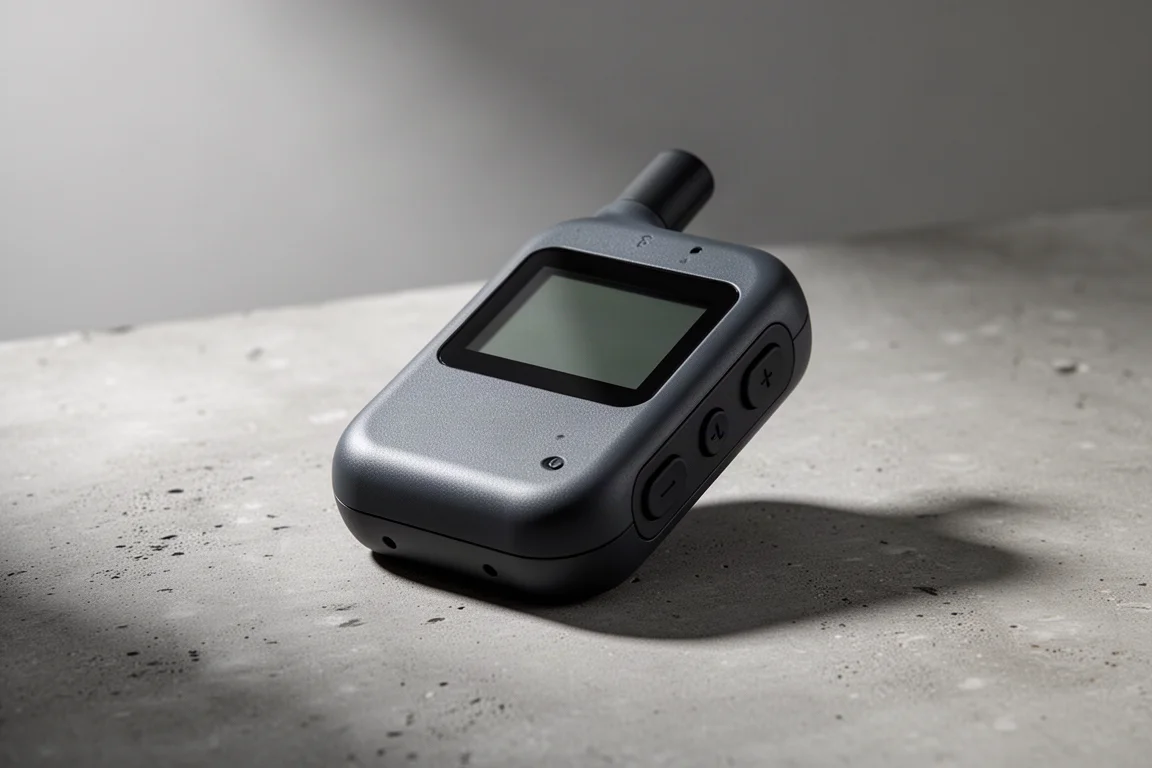
For lighter trips that are not especially demanding, the inReach Mini 2 is the device most likely to be picked up. Its LCD screen and physical buttons are the practical advantage: when you are running late, turned around, or mildly panicked, being able to scroll through a known set of buttons and reach what you need quickly has real value.
Day to day, texting is the main use. Two-way non-emergency messaging is what separates an inReach from the satellite features built into a phone, which are limited to a basic check-in and an SOS alert.
Garmin GPSMAP 66i: Navigation Backup for Harder Routes
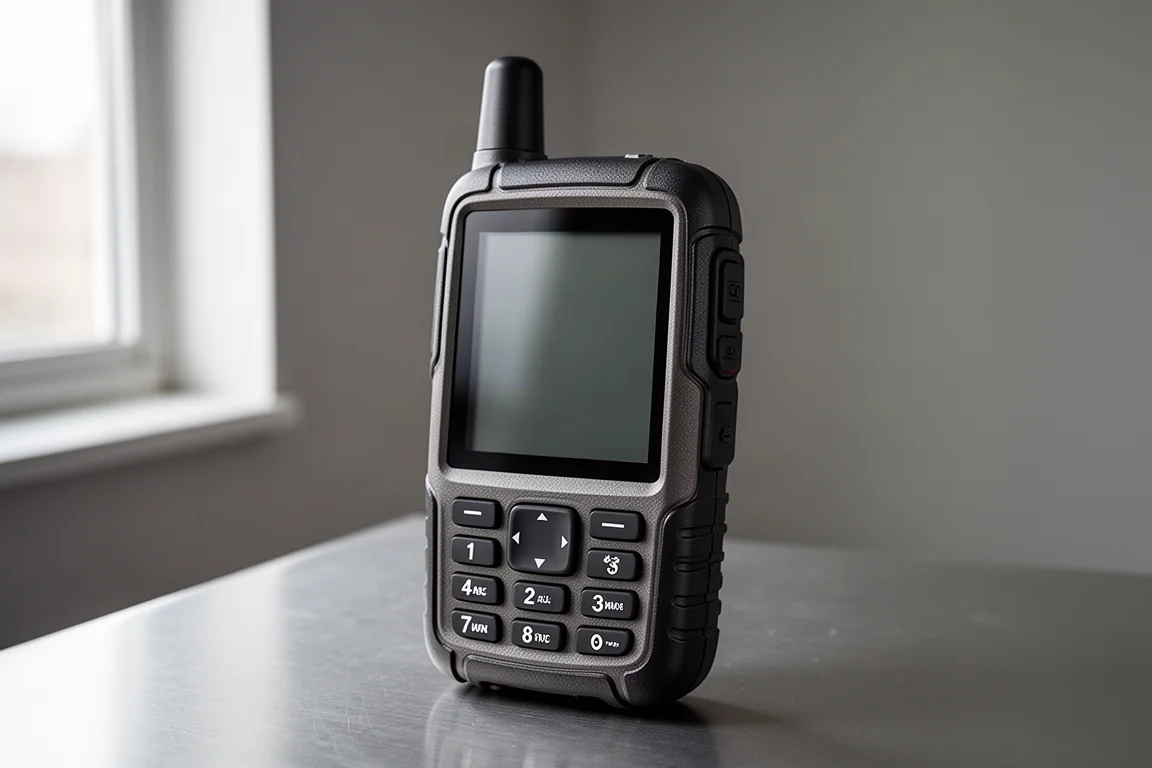
When the trip is more serious and navigation backup is part of the plan, the GPSMAP 66i is the natural step up. It is a handheld that pairs satellite messaging with on-device navigation, which is why it comes along on harder routes rather than on a straightforward day hike.

The choice between the Mini 2 and the 66i is mostly about how much navigation you want in the same device as your messaging. If you already navigate confidently with a phone or a watch and simply want a dependable way to reach people, the smaller unit covers it. If you want a dedicated screen for route-following when conditions get messy, the handheld earns its place.
Garmin GPSMAP 67i: The Newer GPSMAP Option
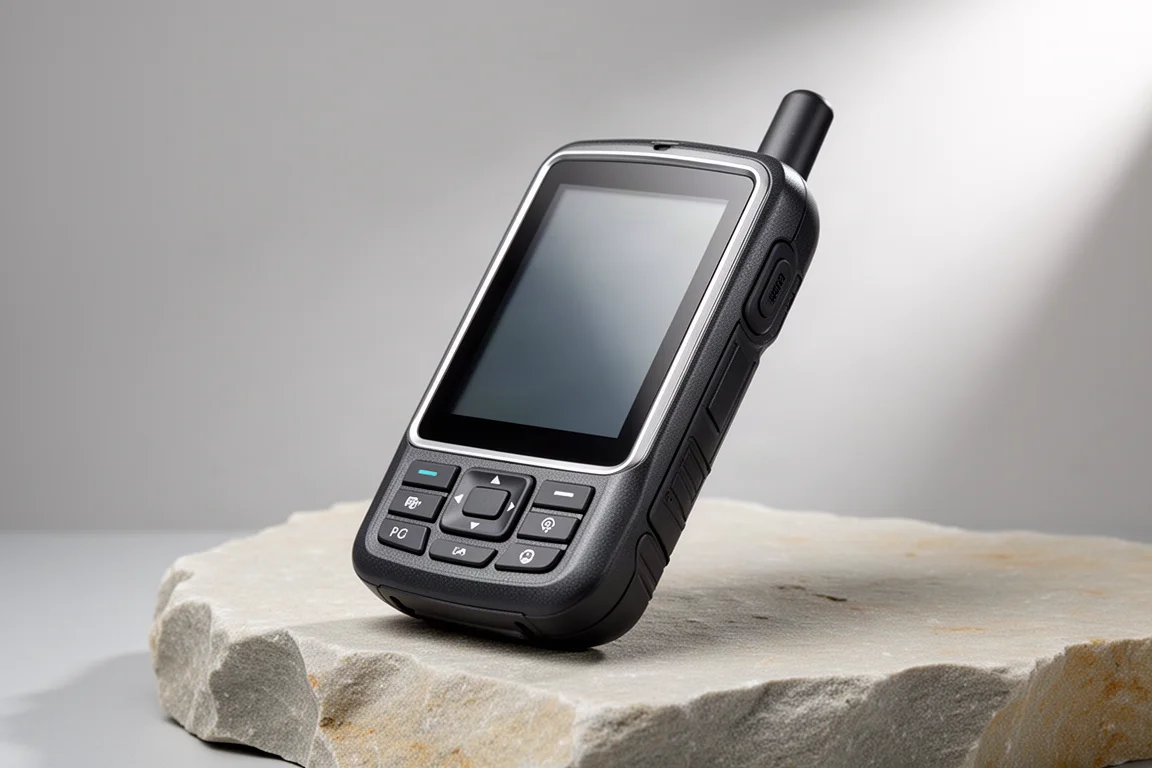
The GPSMAP 67i is the newest addition to the GPSMAP family, arriving shortly after the 66i. It occupies the same role: a navigation-capable handheld with satellite messaging built in, aimed at the same kind of demanding trips.
If you are shopping between the two, the decision is less about capability and more about how much you value the latest model in the line. Both are built for the trips where a pocket messenger alone feels like too little.
ZOLEO: Messaging-First Satellite Communication
ZOLEO belongs to the Iridium group, so the network side of the equation is familiar. What sets it apart is the shape of the product and the way the plan is put together, which is exactly where the real differences between Iridium messengers live.
For buyers, the sensible approach is to compare the feature set and the subscription side by side with the other Iridium options rather than assuming they behave the same way once you are on a trail.
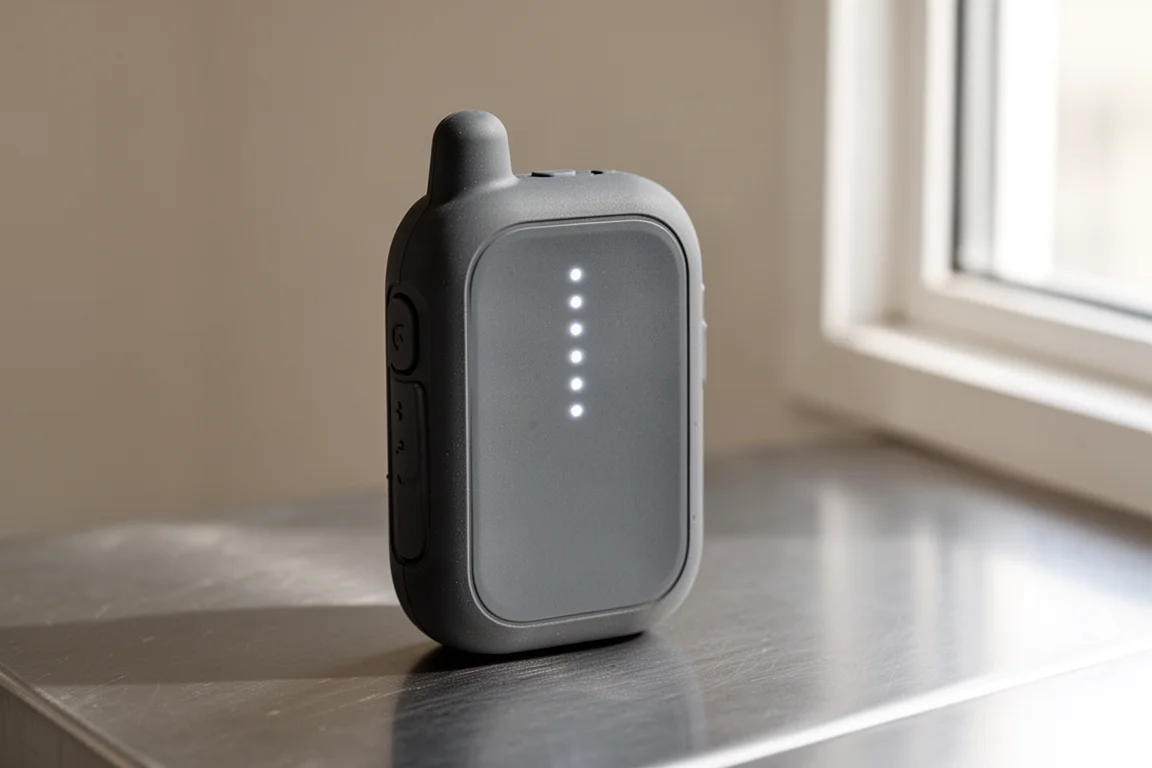
Bivy Stick: A Lightweight Iridium Messenger
The Bivy Stick is another Iridium-based messenger, and it fits the same general brief: a compact device for keeping in touch and raising an alert when something goes wrong. As with ZOLEO, the deciding factors are the feature set and how the subscription charges you.
That makes it a strong candidate for anyone who wants messaging and emergency contact in a small package and is willing to read the plan details carefully before committing.
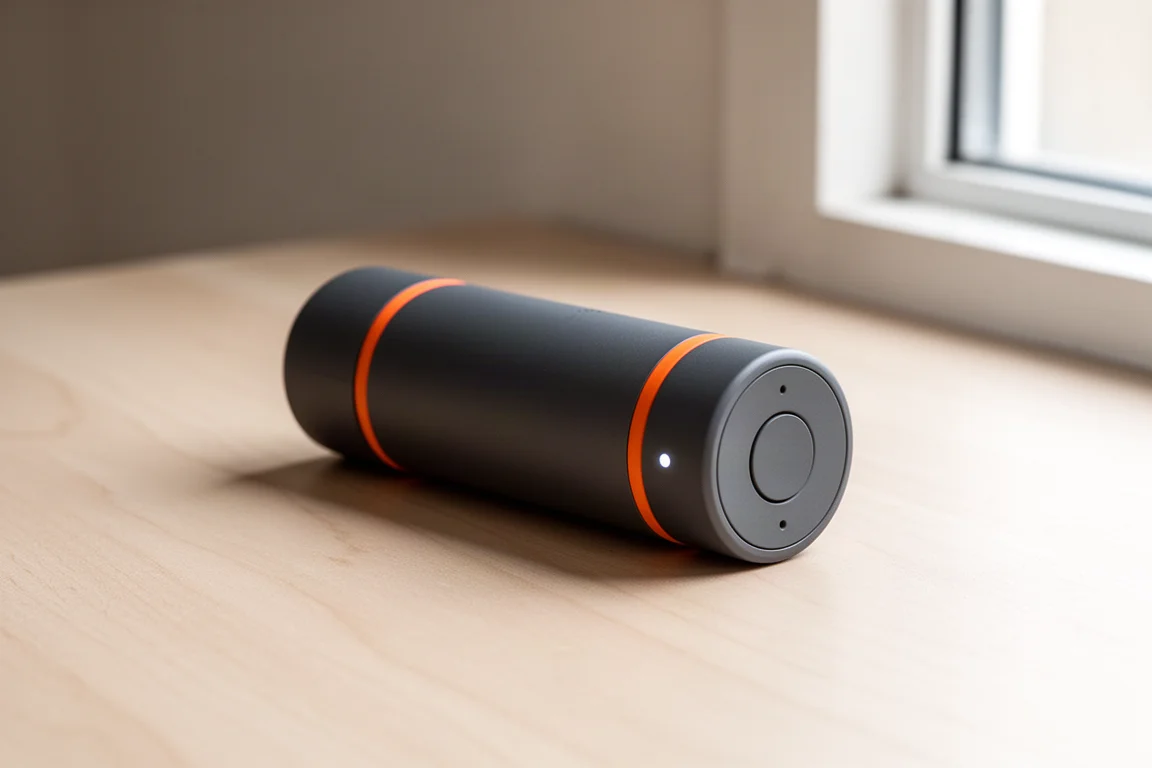
SPOT Gen4: Globalstar-Based Check-In and SOS
The SPOT Gen4 is the odd one out on the network side. It uses Globalstar rather than Iridium, which places it in a different ecosystem from Garmin, ZOLEO, and Bivy Stick.
For buyers, that means the network and the plan structure are worth comparing on their own terms rather than assuming parity with the Iridium options. If you are curious about the Globalstar side of the market, this is the established device to look at.
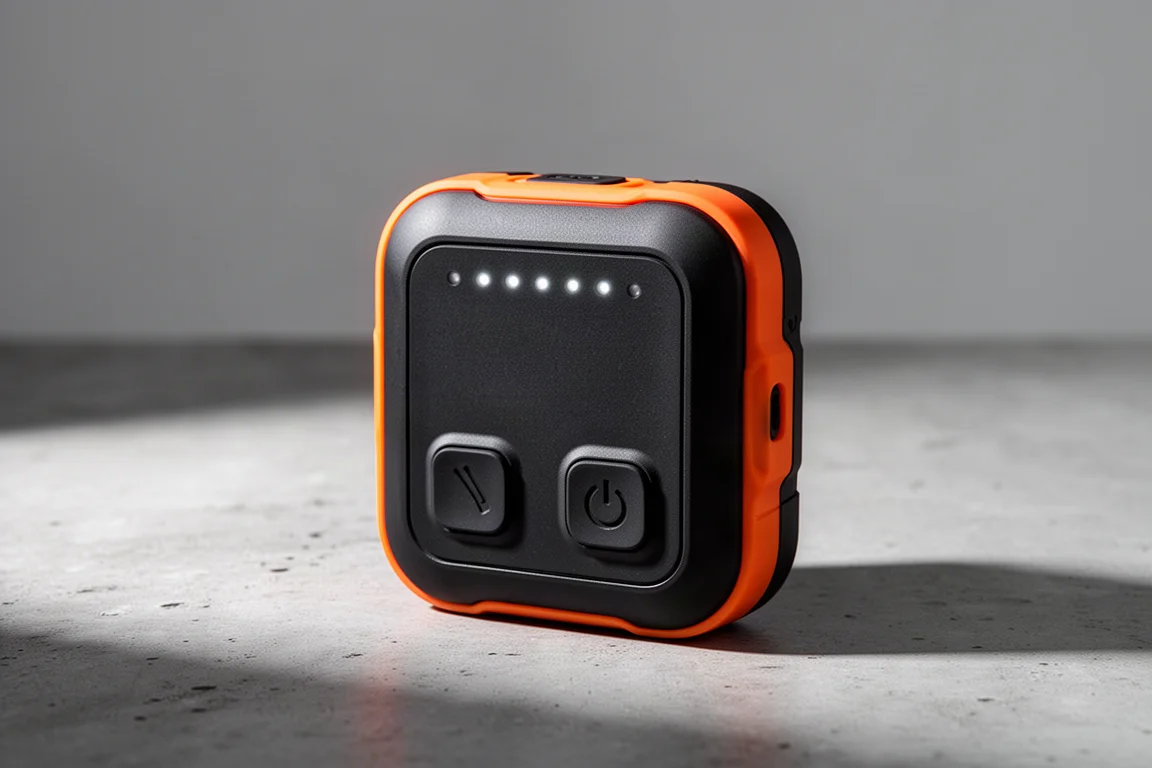
Apple iPhone 14: Satellite SOS as a Backup
The iPhone 14 brought satellite capability to a mainstream phone through Globalstar. Its scope is deliberately narrow: a basic check-in and an SOS alert, without the non-emergency two-way texting that a dedicated messenger provides.

That makes it a genuinely useful safety net rather than a replacement. If you are upgrading to a phone that includes the feature, you gain a backup that lives in your pocket with no extra hardware to carry, but it will not carry an ordinary conversation with the people waiting for you at home.
Apple Watch Ultra: Tough Tracking Without Bundled Navigation
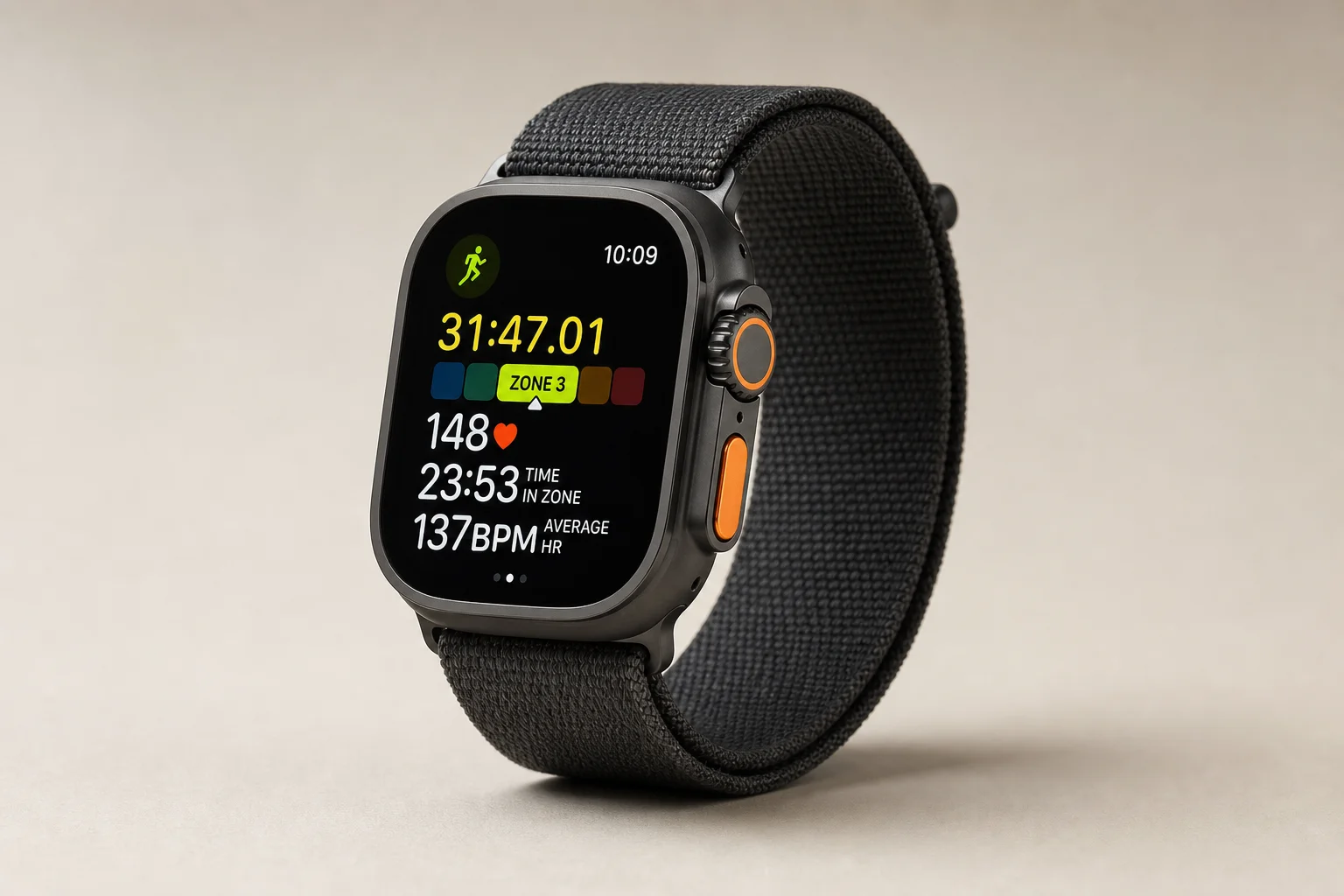
The Apple Watch Ultra is a tough watch with a longer battery life, and it handles activity tracking well. It can record your route and guide you back the way you came. What it does not offer is bundled navigation to a destination: ask it to take you from point A to point B and it will not give you directions along the way. For anyone with a poor sense of direction who relies on a GPS to confirm the right fork in the trail, that is a real limitation.
It is a strong training and tracking companion, and it is comfortable wearing the newest hardware on your wrist. It is not a substitute for a dedicated satellite communicator.
What an SOS Actually Costs
The most common reason people hesitate before pressing SOS is money, and that hesitation is worth removing. Talking to a rescue service is not a paid call, and in genuine need of a rescue there is no charge. Cost only comes into play where negligence is involved. A real emergency should never be delayed because of a feared bill.
It helps to know what kind of rescue you are asking for. A backcountry rescue moves you from inside the backcountry to the front country. From a campground deep inside a canyon, for example, that typically means a helicopter to the rim and then an ambulance onward, and the ambulance portion is usually something insurance covers, subject to a deductible. A front-country air ambulance from a road or a trailhead is a separate category again.
Time is the asset in any emergency, whether the problem is a medical condition or failing daylight. Because two-way communicators let you describe the situation and ask questions, responders can judge the right response instead of guessing, and you can talk through the options rather than accepting the first one offered.
Buying Advice: Matching a Device to Your Trips
Start with the trips you actually take. For light hikes and everyday wandering, the inReach Mini 2 covers messaging and alerts in the smallest package, with buttons and a screen that stay predictable under stress.
For harder routes where you want navigation backup in the same device, look at the GPSMAP 66i or the newer GPSMAP 67i. If your priority is messaging with a plan that matches your habits, ZOLEO and Bivy Stick are the direct comparisons, and the SPOT Gen4 is the alternative for anyone drawn to the Globalstar ecosystem.
If you already carry a recent iPhone, its satellite check-in and SOS is a sensible extra layer on top of whatever else you bring, and the Apple Watch Ultra is a good tracker for people who navigate confidently by other means. It is worth watching the category as well: Motorola has a set of satellite devices on the way, including a small satellite hotspot puck and two phones, one rugged and one with satellite technology built into the handset. More competition in this space should push pricing and plan structures to adapt, which is good news for anyone buying.
Conclusion
There is no single best satellite communicator, only the one that matches how you travel. Decide whether you need two-way messaging, whether you need navigation on the device itself, and how you want to pay for service. Then choose the smallest, simplest device that answers those three questions, and carry it every time you leave the trailhead.
Further reading
Related Reviews
Outdoor Safety Gear
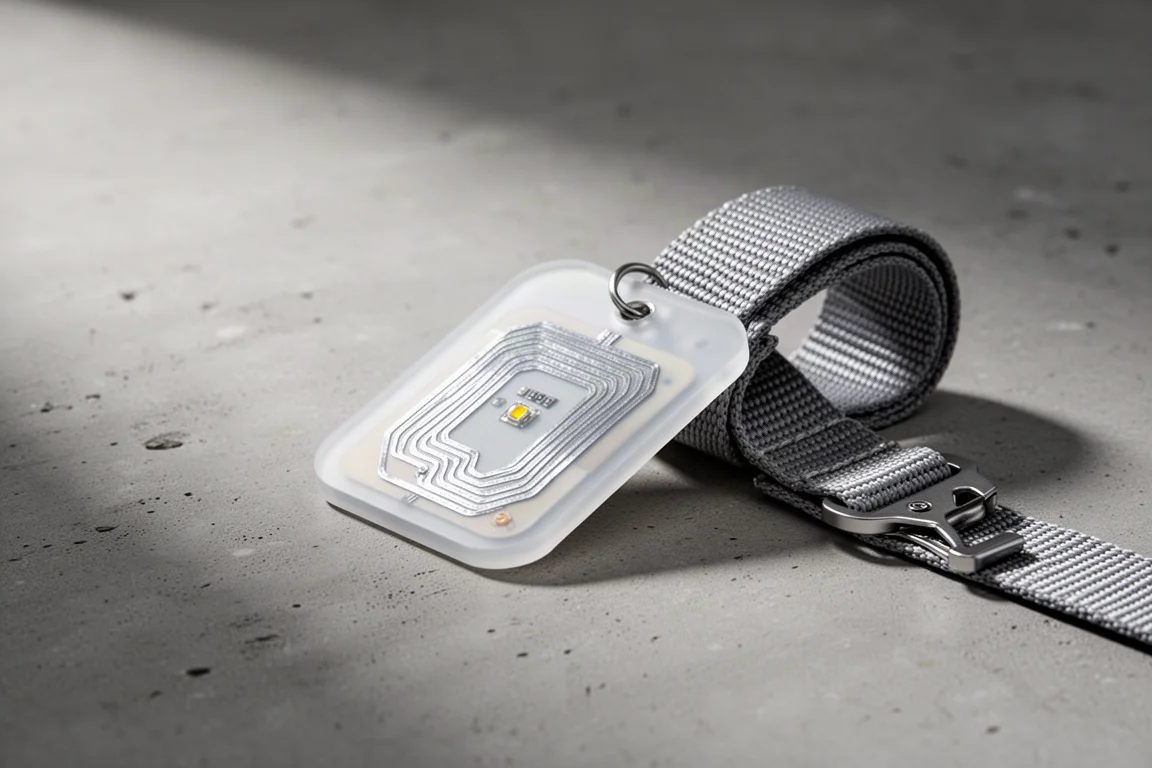
RECCO Reflector Review: A Passive Backup for Backcountry Search and Rescue
A practical look at the RECCO reflector: how the passive harmonic reflector works, where it genuinely helps, and where detector coverage limits its value.

Backpacking Gear
Building a 10 lb Base Weight: An Ultralight Backpacking Gear List
A practical walkthrough of the ultralight pieces behind a 10 lb base weight, from a 765 g pack and a roomy one-person tent to a full camp chair and a dependable water filter.

Road Bikes
10 New Road Bikes Worth Watching: Aero, Titanium, Steel and Endurance Standouts
A practical roundup of 10 new road bikes, from aero flagships chasing single-watt gains to titanium, steel and endurance platforms built for real roads.