Cycling Gear
Real vs Fake Cycling Gear: Five Genuine Products Worth Buying
Counterfeit cycling gear often costs nearly as much as the real thing. Here is how five genuine products compare, and what the copies get wrong.
Introduction
Counterfeit cycling products have become easy to buy and, in several cases, almost as expensive as the genuine item. That price overlap is the real problem. A copy that saves a few pounds while failing after a handful of rides is not a discount, it is a false economy, and in some categories it is a safety question rather than a comfort one.
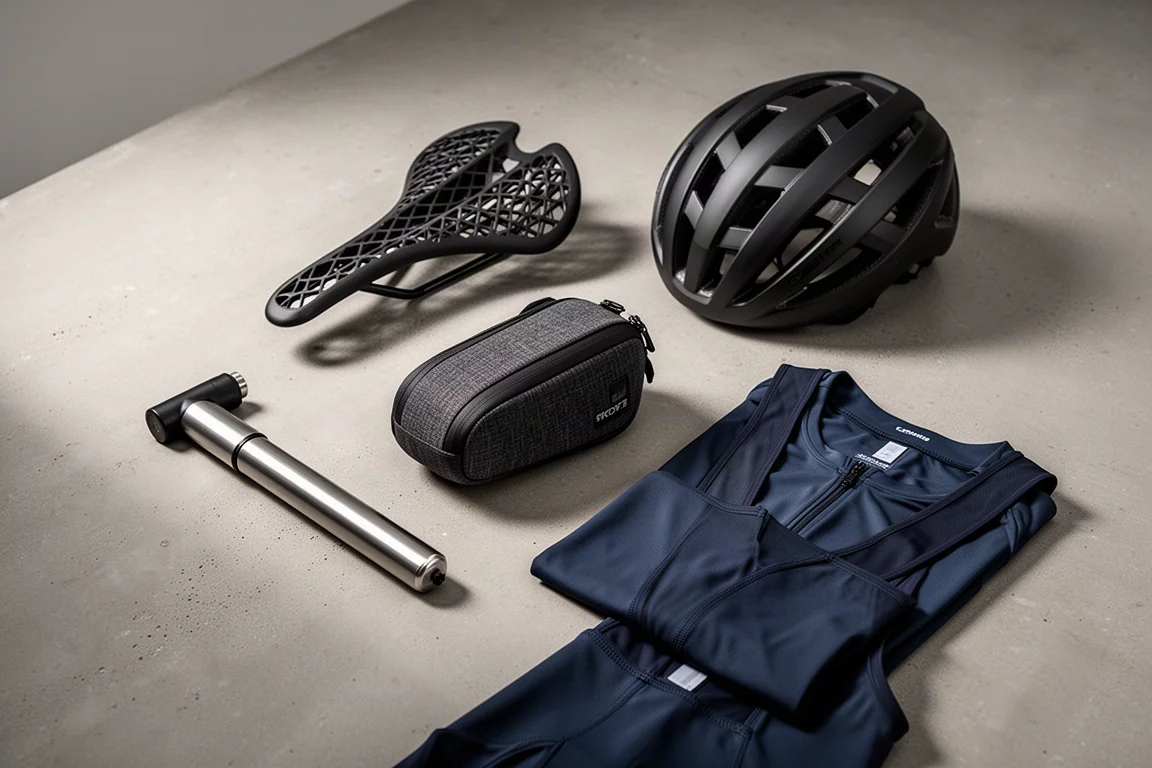
This guide covers five genuine products that are frequently copied, from a hand pump and a saddle to a helmet and a full kit. For each one, the differences between the original and the counterfeit are set out, along with what those differences mean in practice.
What Separates Genuine Cycling Gear From Counterfeits
Counterfeits usually fail in the details rather than the overall silhouette. A copy can look convincing from a metre away while getting the internal structure, hardware and finishing wrong.
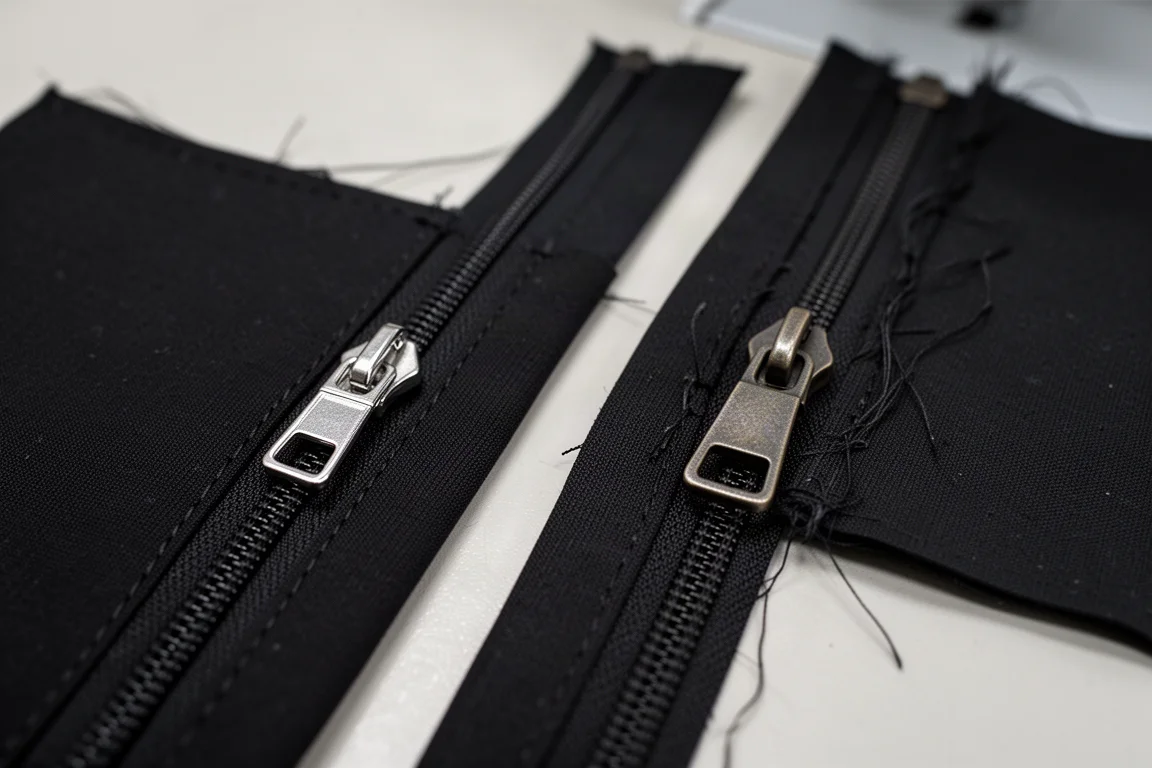
Common weak points include zippers that carry a brand name without the matching hardware, dial closures that imitate a mechanism rather than being the real thing, embossed logos that are soft or off-centre, and fabrics that feel waxy because they are not seam sealed. On helmets the differences move from cosmetic to structural, including shell geometry, how the foam bonds to the outer shell, and whether any internal reinforcement exists at all.
Price is not a reliable guide either. Several counterfeits in this comparison cost close to, or more than, the genuine retail price.
Silca Pocket Impero
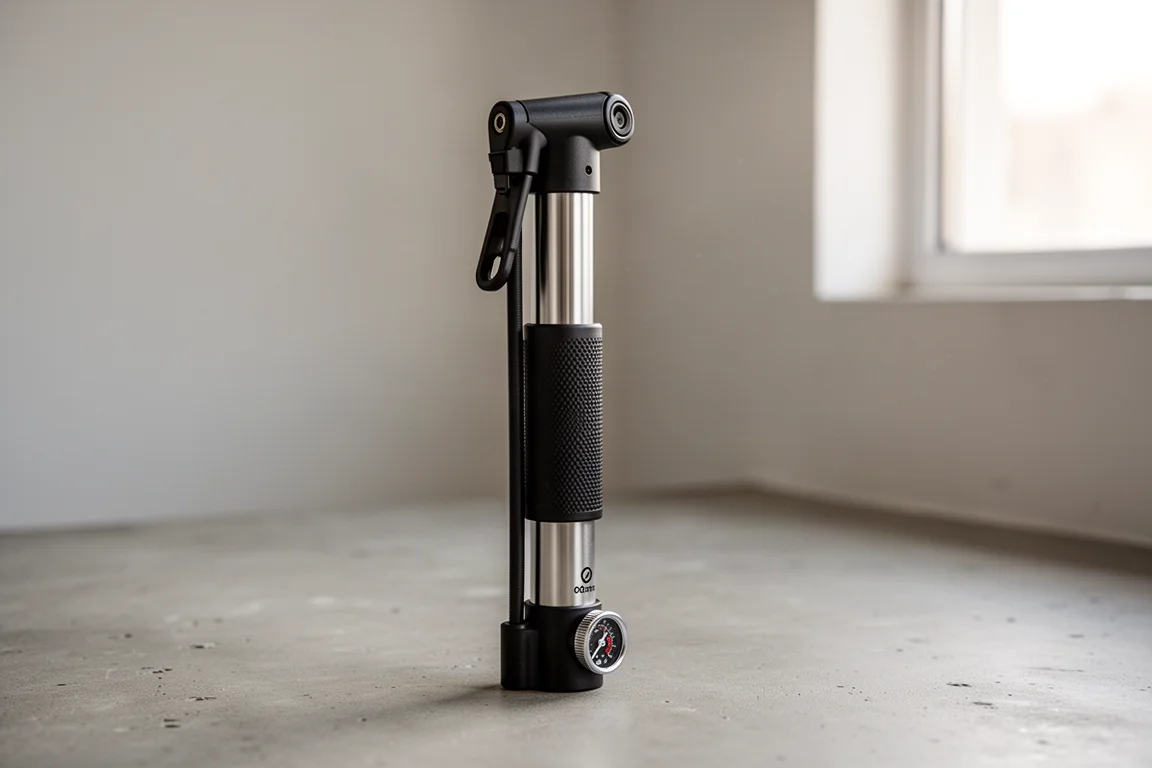
The Silca Pocket Impero is a compact hand pump with a genuine retail price of around £125. A marketplace copy was bought for £135, which makes it more expensive than the original it imitates.
The performance gap is immediate. The counterfeit struggled to move air at all, sometimes pushing nothing into the tyre, and after roughly three minutes of pumping it had effectively stopped working. Measured with the genuine pump, the tyre had reached about 19 PSI, which is not enough pressure to get a rider home.
The genuine pump served as the reference gauge for that measurement, which is the practical argument for carrying one. A pump that cannot be trusted to inflate a tyre is dead weight on a ride, and the Pocket Impero is the version that does the job it is sold for.
Fizik Antares Versus Evo 3D Printed Saddle
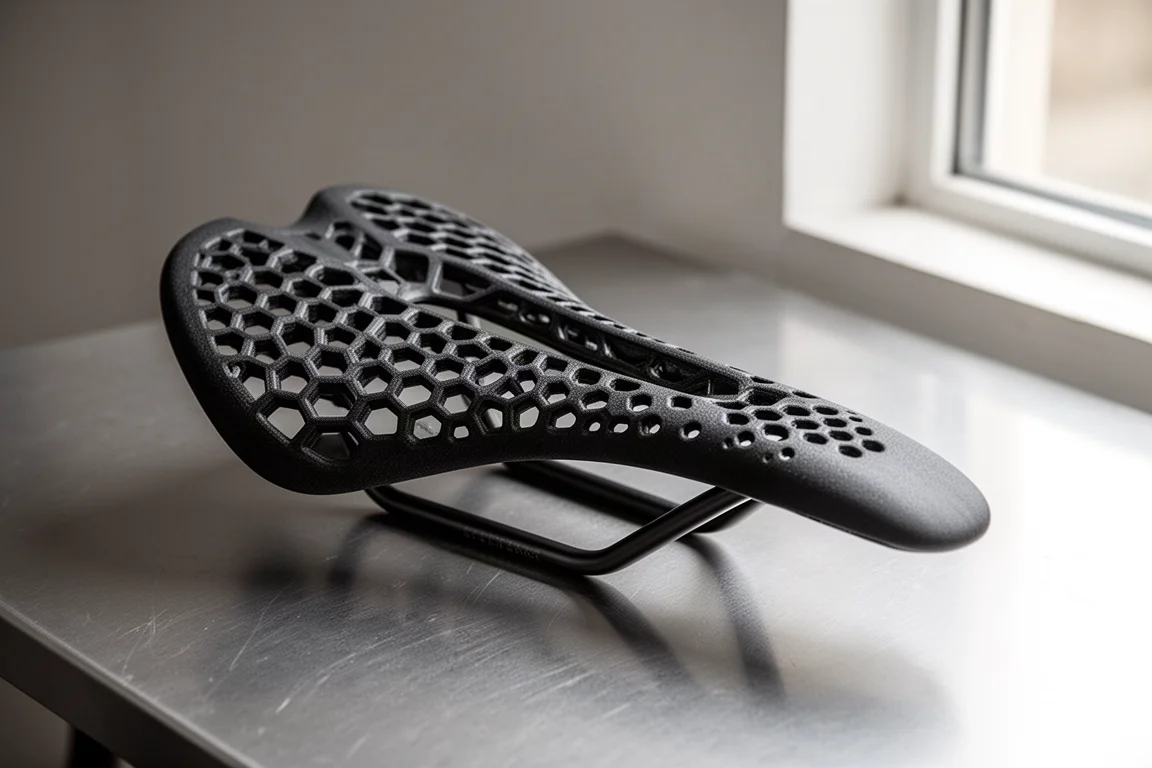
The Fizik Antares Versus Evo uses a 3D printed upper with cushioning that varies across the surface, softer in some zones and firmer in others. The genuine saddle has an RRP of around £300, while the counterfeit cost £77.
The copy got the cushioning zoning surprisingly close, and it is only slightly heavier than the original. Everything around the padding is where it falls apart. The surface is noticeably glossy, the rails flex far more than they should, and the cover began peeling after a single ride.
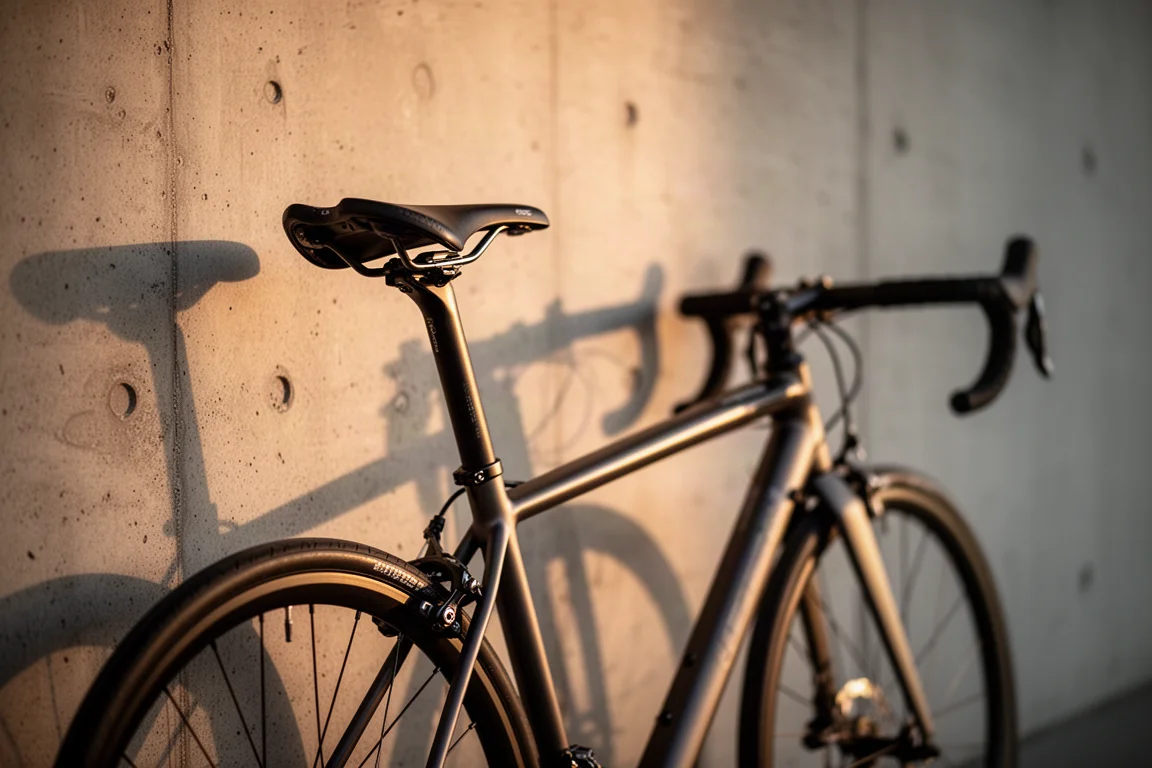
Flex through the rails is the more serious issue. It makes the saddle feel weak under load, and it is the kind of fault that cannot be corrected after purchase. For a component that carries most of a rider’s weight, that is a difficult compromise to accept.
Saddle shape and sizing are personal, which is exactly why this is a part worth buying once from a source you can trust rather than replacing twice a season.
Silca Mattone Saddle Bag
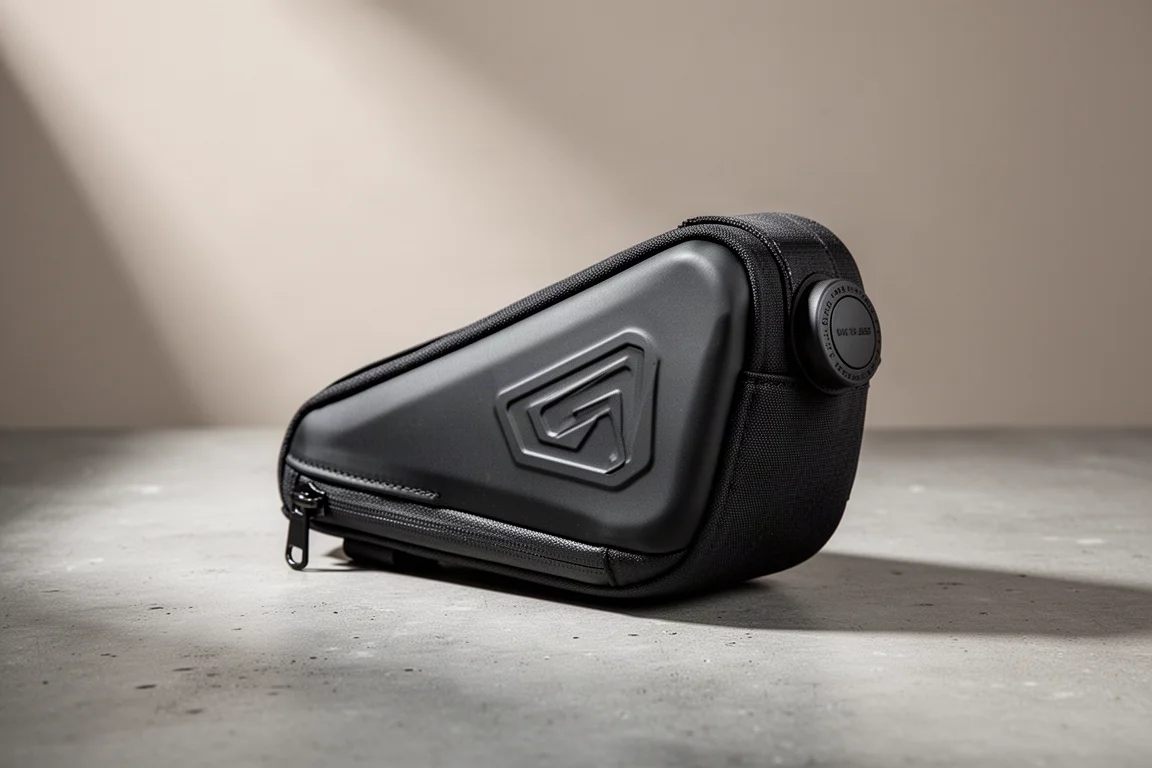
The Silca Mattone is a compact saddle bag with a genuine price of around £60. The counterfeit version cost about £17, and it took two months to arrive.
The real bag holds its shape thanks to a structured body, and the embossed logo is crisp. It uses a genuine Boa dial and a genuine YKK zip, and the fabric is waterproof. There is also a small backing panel that keeps the bag from scuffing the saddle or the frame, and the internal branding matches the outside.
The copy gets almost all of this wrong. The body has no structure, the logo print is poor, and the red trim does not even match the original. The Boa is a copy rather than the real mechanism, and the zip simply carries an embossed brand name. The fabric feels waxy and is not seam sealed, so water can still get in, and the flimsy plastic end piece came away with light pulling. The same test on the genuine bag did not move anything.
MET Trenta Helmet
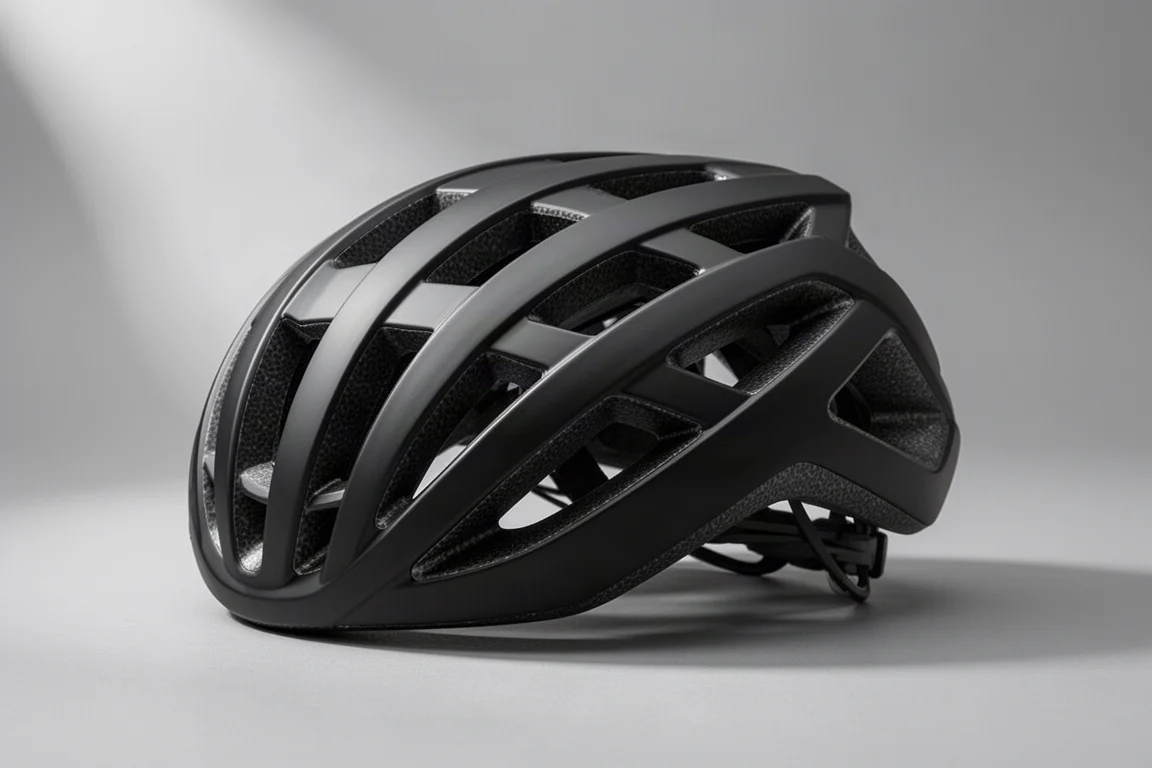
The MET Trenta has a genuine price of around £220, while the counterfeit was bought for £27.65. The price gap here is the largest of any product in this comparison, and so is the difference in construction.

A helmet works by stretching out the time over which an impact force reaches the head, which lowers the peak force of that impact. Doing that reliably depends on the foam, the outer shell and how the two are bonded together, along with the overall geometry of the shell.
The genuine Trenta contains a 3K carbon rib that runs through the bridge of the helmet, adding rigidity and support across the structure. The counterfeit has a carbon-effect finish with no carbon inside. Its geometry differs from the original, and the foam has not bonded properly to the outer shell, leaving gaps where the material can blow out. The finishing along the shell edges is rough by comparison, and the rear rib is a different size.
Taken together, those faults mean the copy cannot be expected to perform like the helmet it imitates. A helmet is the one piece of kit where a poor copy is not a compromise but a risk.
Rapha RCC Kit
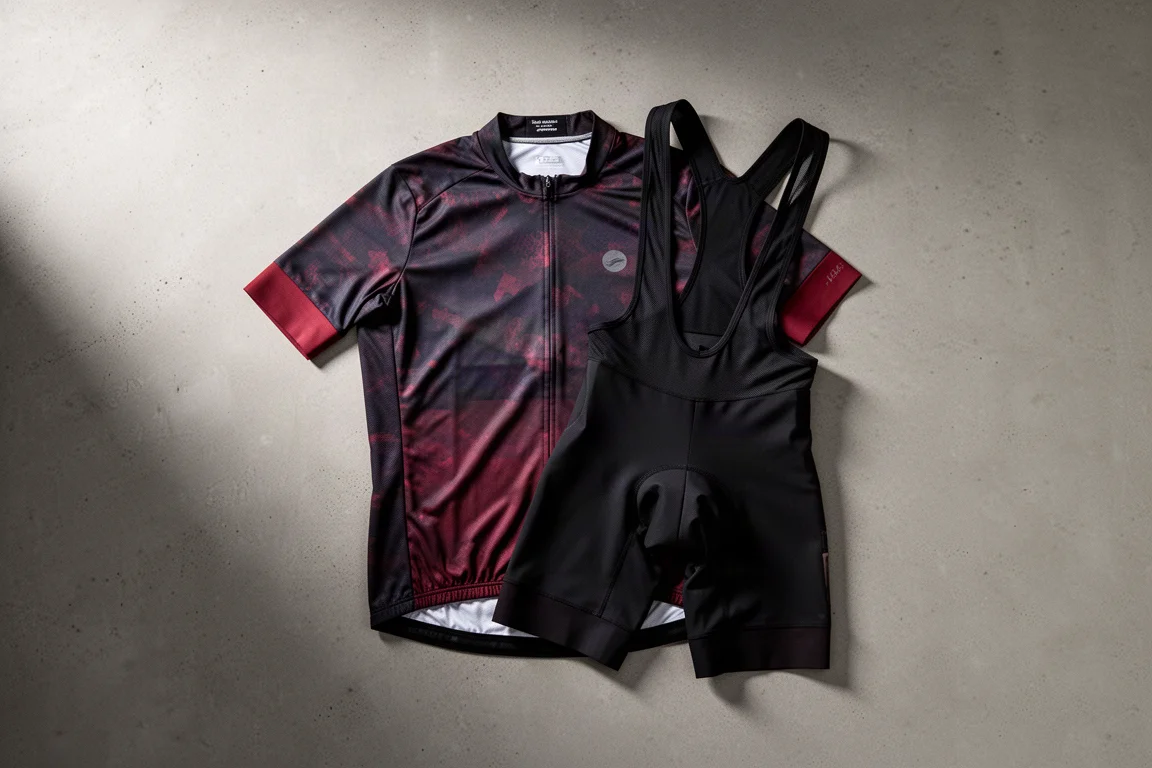
The Rapha RCC kit, a jersey and bib shorts combination, sells for around £300. The counterfeit set cost £224, which is close enough to the genuine price that the value argument disappears entirely.
Fabrics are the least of the problems. Technical fabric generally functions, and the counterfeit kit will likely survive a reasonable number of washes. The pad and the fit are what let it down. The pad is the weakest element, and the fit is wrong in several places at once: the shorts are very short, the sleeves are baggy on a small size, the collar is too big, and the back fabric feels itchy against the skin.
The result is a kit that becomes uncomfortable within the first few minutes, which is the opposite of what cycling clothing is for. When the price difference is this small, the decision is less about budget and more about whether the item will be worn more than once.
Buying Advice: Where the Money Goes
The counterfeits in this comparison ranged from about £17 to £224, while the genuine products ranged from around £60 to £300. In one case the copy cost more than the original, and in another it came within roughly a quarter of the genuine price. Counterfeit pricing is not the bargain it appears to be.
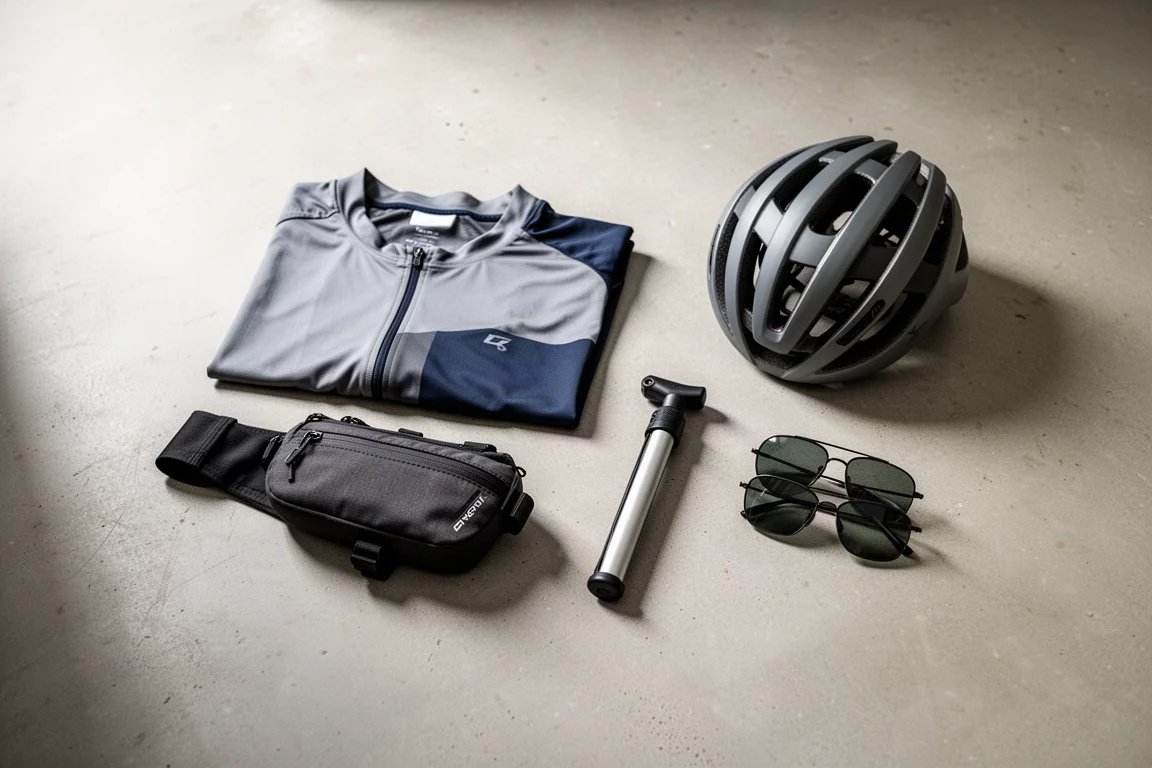
When you are checking a listing, look for the details that are hardest to copy. Genuine hardware, correct stitching, structured shapes, sealed seams and finishing that is clean along every edge are all difficult to reproduce at low cost. If a price looks low but the product photographs look glossy, flexy or poorly finished, that is usually a sign that the internals have been skipped.
It is also worth remembering that the products being copied are not the only good options. There are plenty of well-made, reasonably priced brands that do not carry a premium badge, and buying from one of those is a better route than paying near full price for a copy of something else.
Conclusion
Five products, five clear verdicts. The genuine Silca Pocket Impero inflates tyres and can double as a pressure reference. The Fizik Antares Versus Evo delivers the zoned 3D printed cushioning it promises. The Silca Mattone holds its shape and its hardware. The MET Trenta has the internal reinforcement the copy lacks. The Rapha RCC kit fits and pads the way technical clothing should.
Counterfeit gear is not automatically cheaper, and it is rarely equivalent. Where the price gap is small, the genuine product is the simpler decision. Where the product protects your head or carries your weight, it is the only sensible one.
Further reading
Related Reviews
Cycling Gear
8 Cycling Products Riders Keep Coming Back To
Eight cycling components and accessories with clear strengths, honest trade-offs and long-standing reputations among riders and mechanics.
Cycling Gear
Aero Helmets and Bottle Setups Tested: Six Options Ranked by Measured Watt Savings
Wind tunnel data on six aero helmets and bottle setups, with real watt savings, practical trade-offs, and guidance on what is worth buying first.
Cycling Gear
Aero Road Bikes and Fast Tires Worth Watching in 2026
Four aero road bikes and one fast road tire, with the real strengths, the open questions, and what to check before you buy.