Cycling Gear
Real vs Counterfeit Cycling Gear: Six Products Worth Buying Genuine
Six frequently copied cycling products, what the genuine versions deliver, and where the counterfeits fall apart in real use.
Introduction
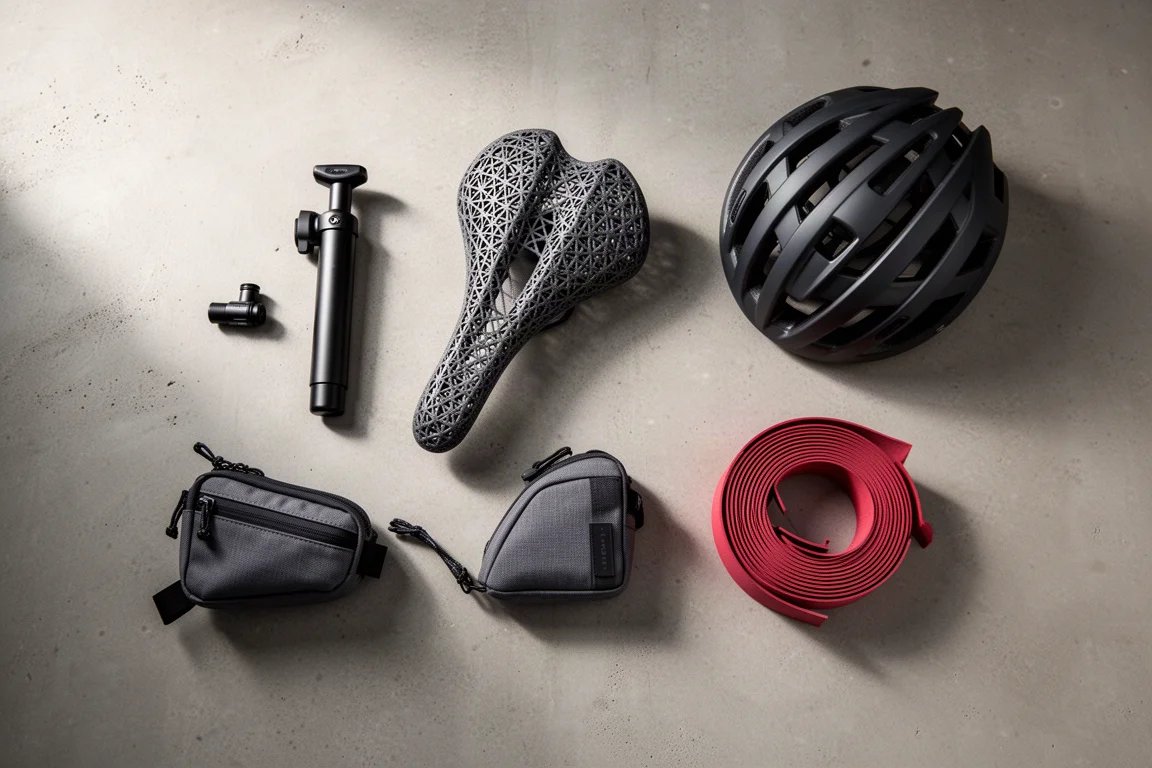
Counterfeit cycling products are no longer obvious. Logos are embossed, packaging is copied, and photographs of a copy can look almost indistinguishable from the real thing. The differences tend to surface in use instead: a pump that stops moving air, a saddle cover that peels after a single ride, or a helmet with no structural reinforcement where the genuine version has a carbon rib.
This guide covers six products that are frequently copied, what the genuine version offers, and where the copies fall short. Prices shown are the genuine retail figures, with counterfeit pricing noted where it was known.
What Separates Genuine Gear From Counterfeits
Price is an unreliable signal. In one case here the counterfeit sold for more than the genuine item, and a low price on its own does not confirm that something is fake. The dependable differences are physical. Look at how a logo is embossed, whether hardware is genuinely branded or simply stamped with a brand name, how the layers of a helmet shell are bonded, and how the product is finished on the inside, where no one is expected to look.
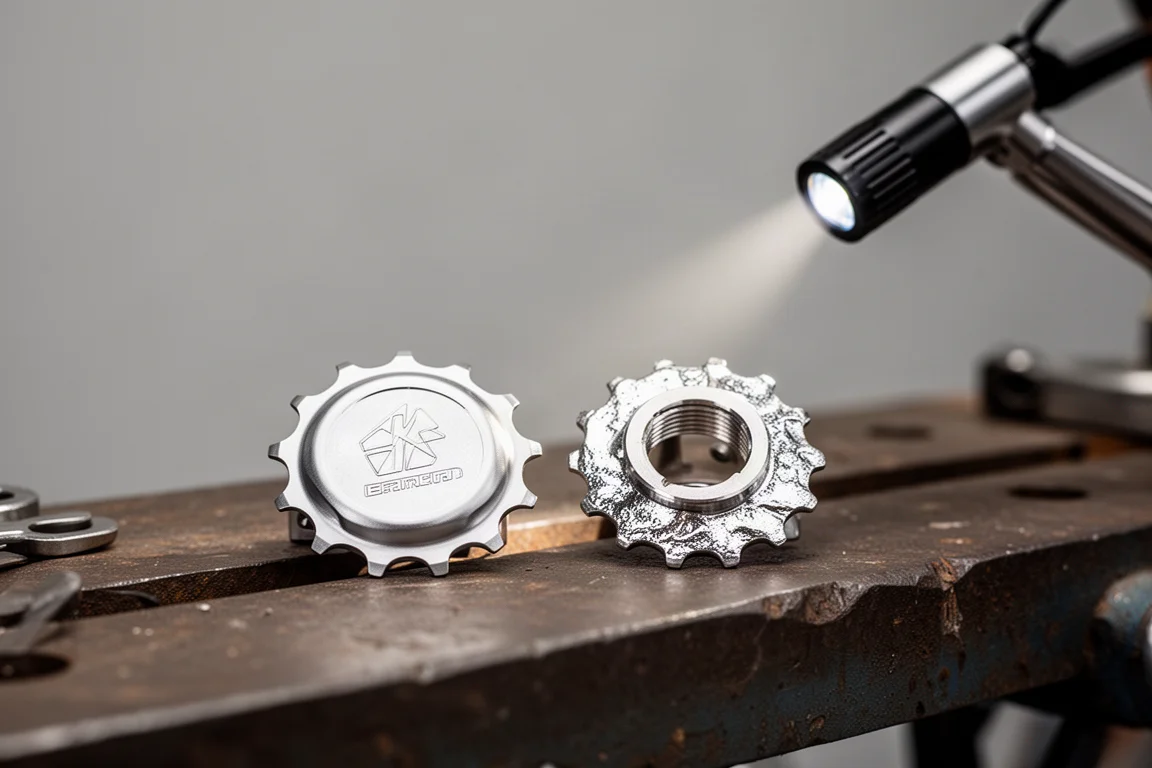
Use is the real test. A saddle bag whose closure end comes away under light pulling, bar tape so thin that externally routed cables can be felt through it, or a pump that delivers intermittent airflow after several minutes of effort: these are the failures that a photograph will never reveal.
For safety-critical items, the stakes are different. A helmet’s entire purpose is to manage impact, and that depends on materials, geometry and bonding that a cosmetic copy does not reproduce.
Silca Impero Pocket Pump
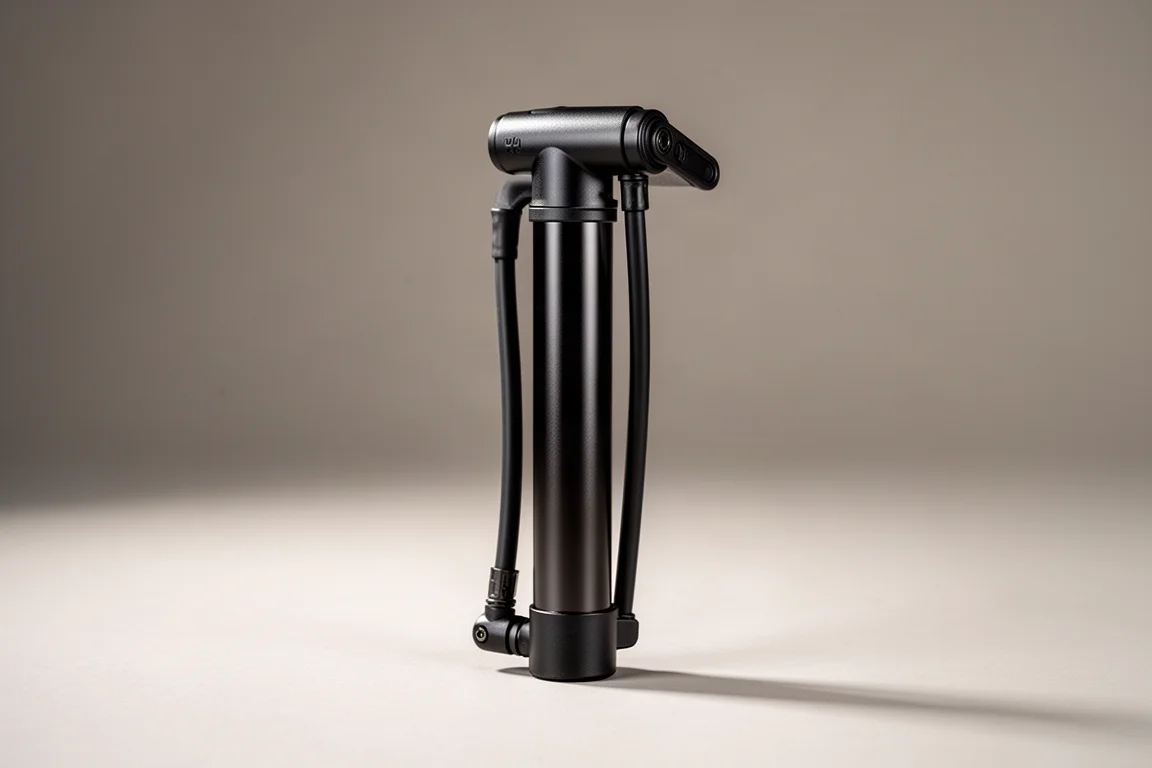
The genuine Impero pocket pump retails around £125, and it is the version that works. In a direct comparison, the counterfeit copy, which actually cost more than the genuine item, took several minutes of pumping and produced roughly 19 PSI before it stopped moving air consistently. A genuine pump had to be used to measure that pressure in the first place, because the copy gave no reliable indication of its own output.
For a pump, that failure mode matters more than it would for almost any other accessory. A mini pump exists for the moment a ride goes wrong, and one that cannot reach a usable pressure, or that stops working partway through, leaves a rider with no way home.
Fizik Antares Versus Evo 3D Printed Saddle
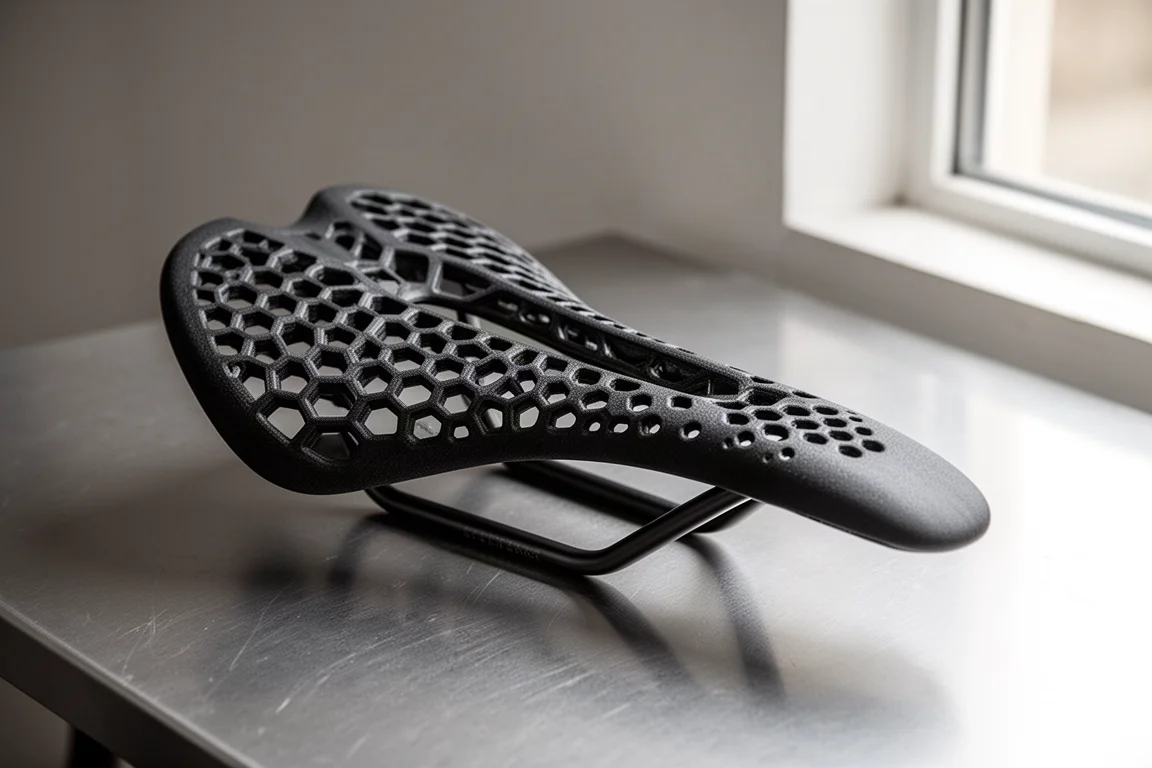
The genuine saddle sells for around £300, while the copy was priced at roughly £77. The copy is immediately shinier, noticeably more flexible at the rails, and its cover began peeling after a single ride. It does reproduce the 3D-printed cushioning layout, with softer and firmer zones in the same positions as the original, and that is the one area where the copy comes close.
The genuine saddle is lighter, and its rails and cover hold up in a way the copy does not. That matters on a component that carries a rider’s weight and flexes constantly.
Silca Mattone Saddle Bag
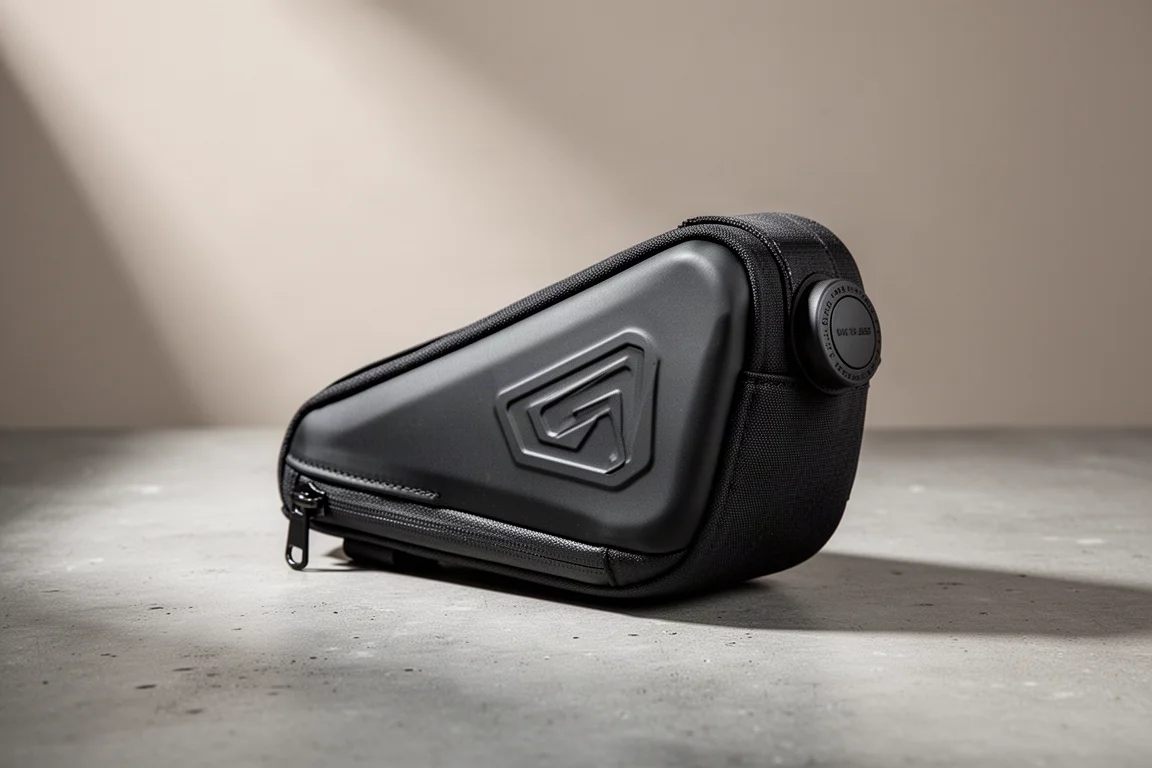
The genuine Mattone costs around £60 and the copy around £17. Side by side, the genuine bag has visible structure, a crisp embossed logo, a real closure dial, a genuine YKK zip, waterproof fabric, and a protective backing that keeps the bag from scuffing the bike. The internal branding is completely different between the two.
The copy’s closure dial is a copy, its zip carries the YKK name as embossing rather than being a genuine YKK zip, and the plastic end of the closure came away under light pulling. The genuine bag did not move at all under much harder pulling.
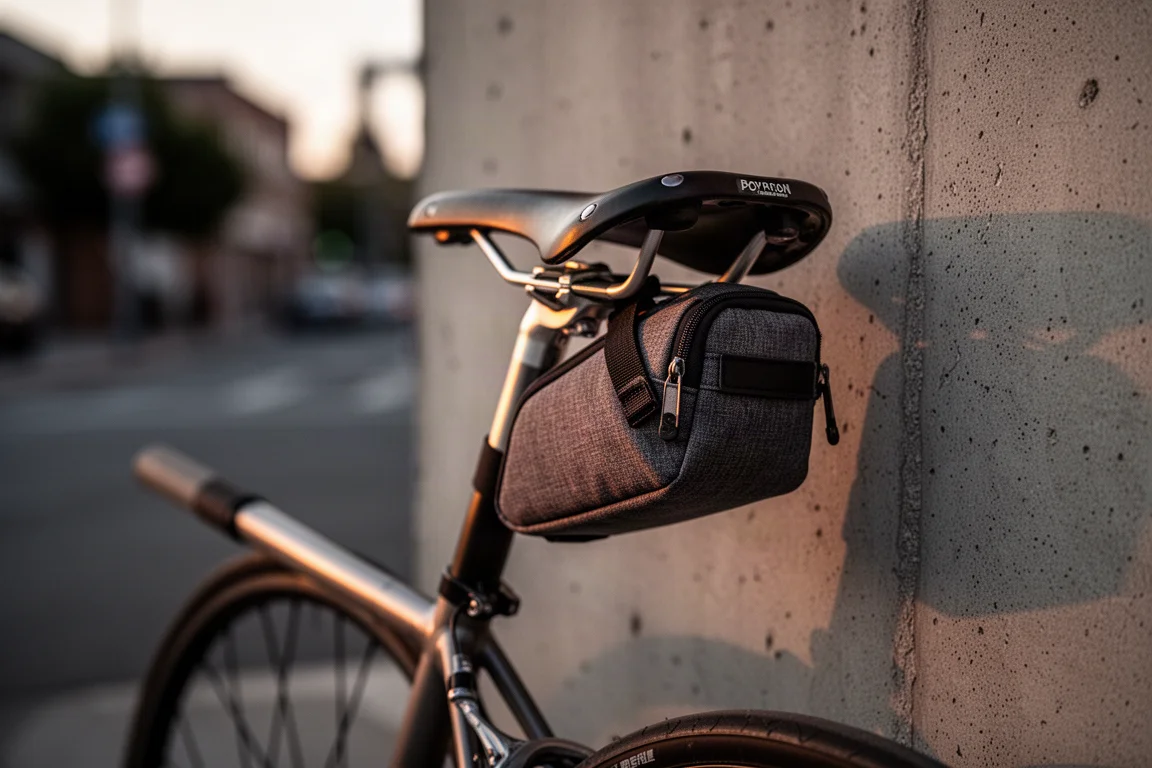
Hardware is where counterfeit bags usually give themselves away. A closure dial and a zip are the two parts that get used on every ride, and they are also the two parts most often faked with cosmetic detail rather than real function.
Super C Bar Tape
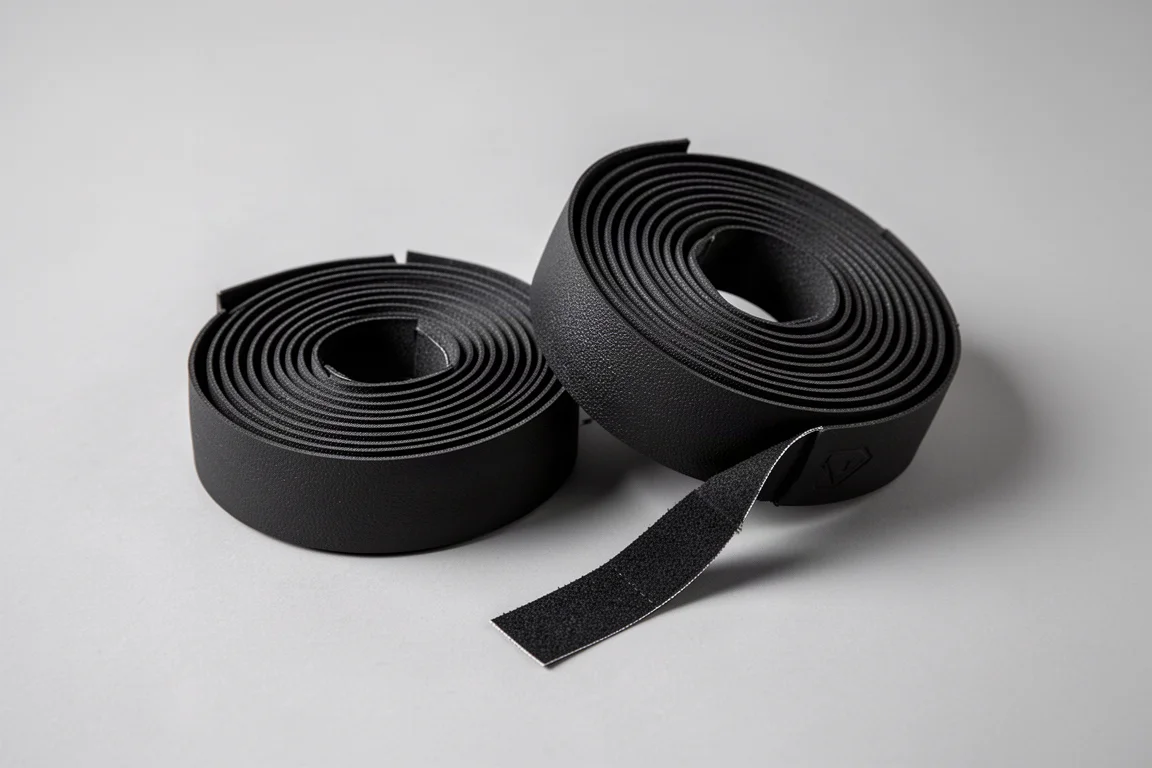
Genuine Super C bar tape is around £33 per set, and the copy was around £7. Both were fitted to the same bike for roughly 1,500 miles, one on each side, and both stayed grippy with no significant wear. On durability alone, the two were closer than expected.
The difference is cushioning. The copy is extremely thin, and with externally routed cables running under the tape, the shape of those cables can be felt through it. The genuine tape has enough cushioning to hide them. It is worth noting that genuine Super C sits at a premium price, and cheaper tape from established brands can feel just as comfortable.
MET Trenta Helmet
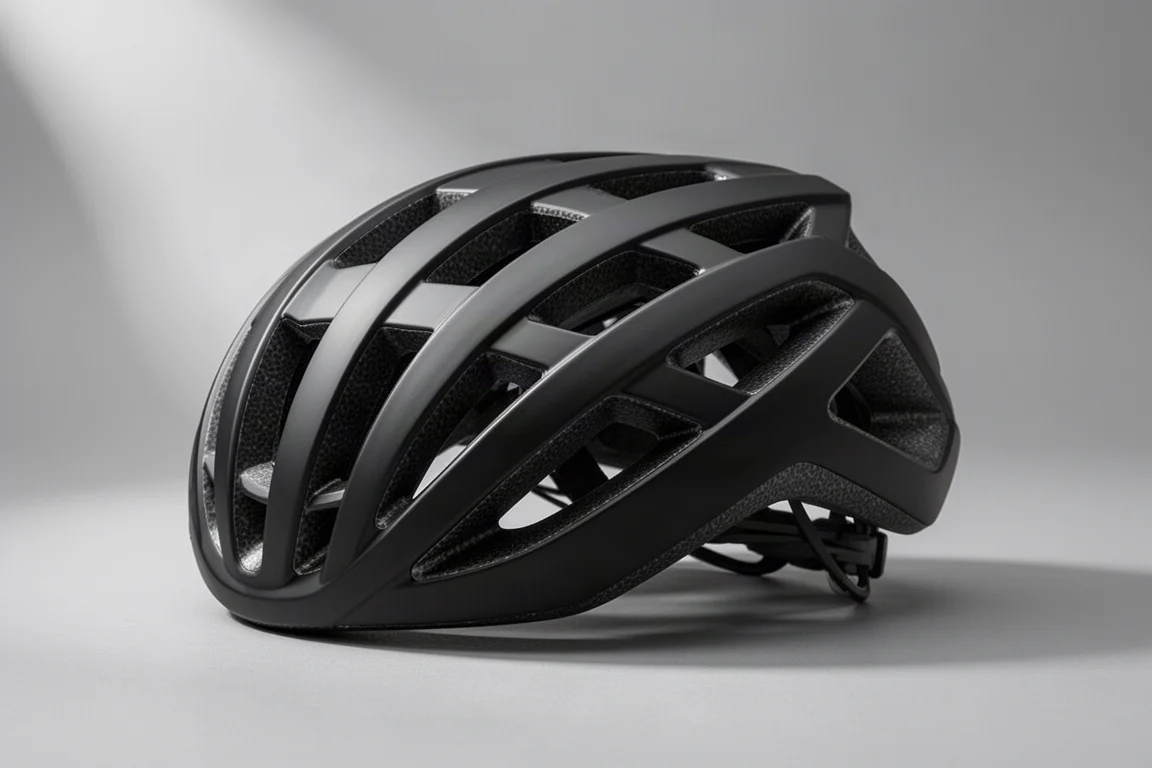
The genuine Trenta is around £220 and the copy around £27.65. The copy uses a carbon-effect finish rather than carbon, has different rear rib geometry, and lacks the carbon rib that runs through the bridge of the genuine helmet to add rigidity across the shell.
The structural differences go further. In the genuine helmet, the polycarbonate shell is bonded to the EPS foam liner. In the copy, the two are not bonded, leaving gaps where the foam can blow out, and the finish is visibly poorer. Assessment of the copy was blunt: badly made and unsafe.
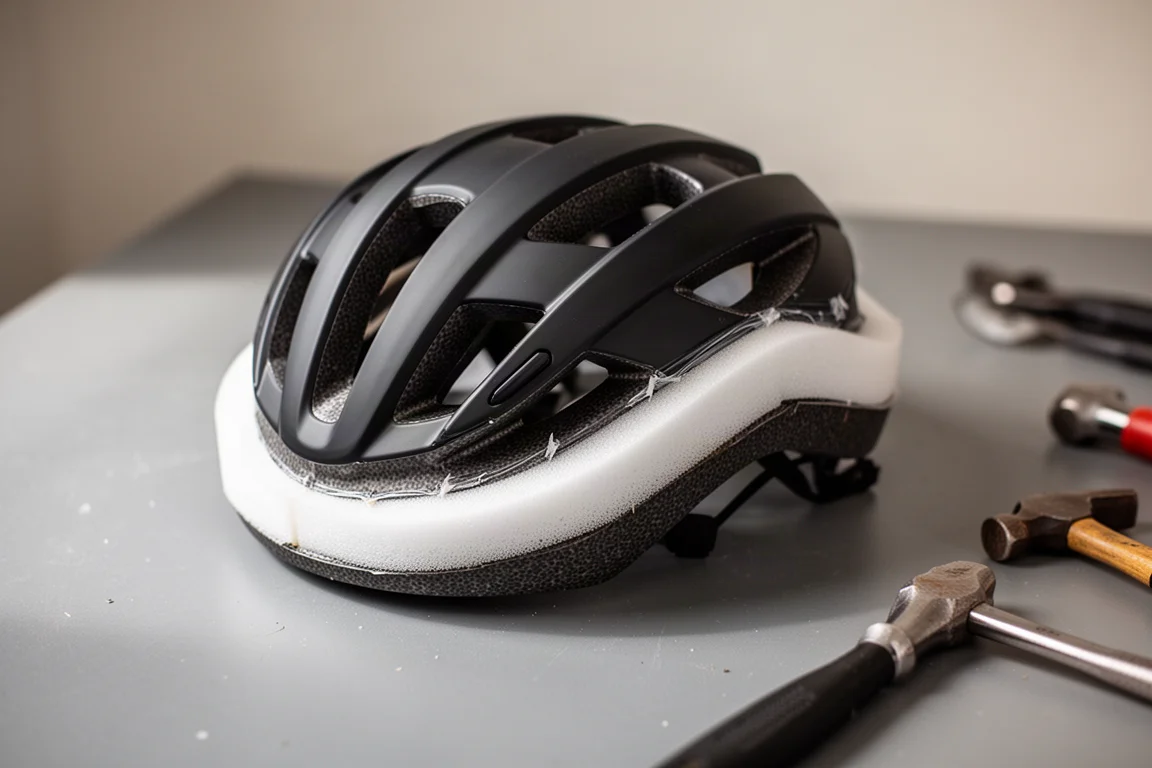
A helmet is the one product in this list where a copy should never be considered. Its entire purpose is to manage impact, and that depends on materials, geometry and bonding that a counterfeit does not reproduce.
Rapha RCC Kit
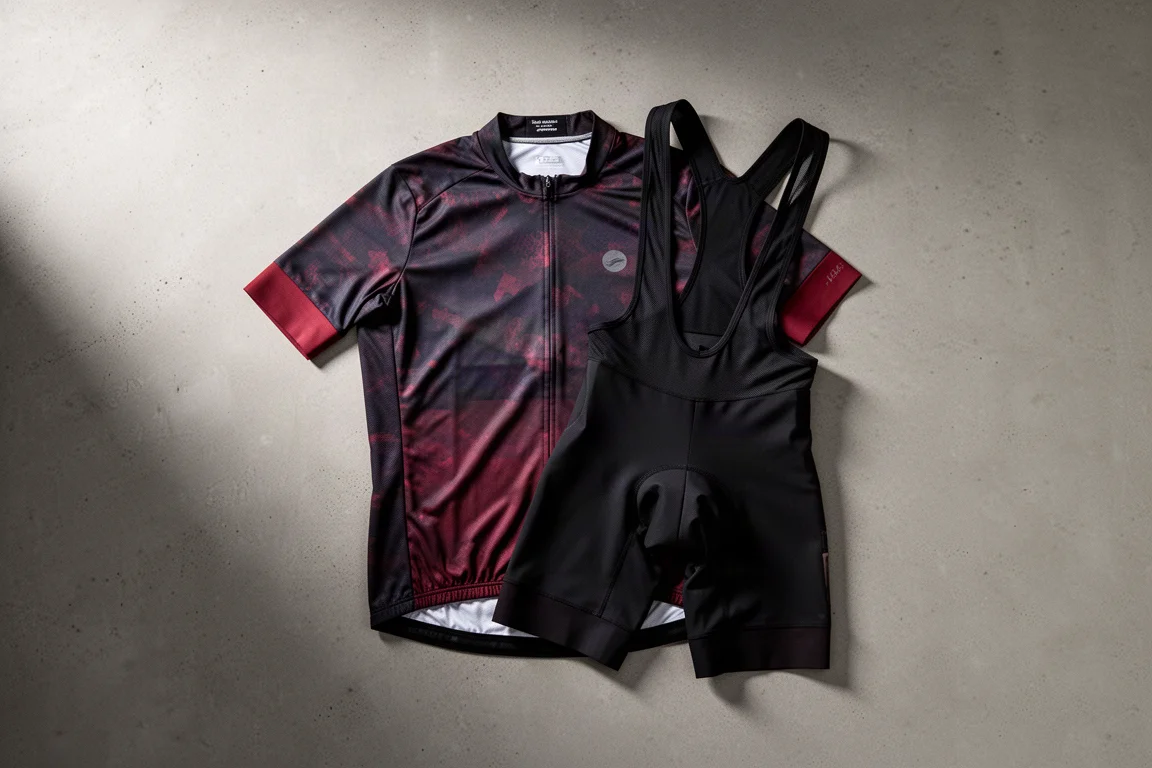
The genuine kit is around £300 for the bib shorts and jersey. The copy was £224, the smallest gap between genuine and counterfeit in this group, and it still is not close.
The fabric is likely to be the best part of the copy, and it will probably prove reasonably durable. The problems are the pad and the fit. The shorts run short, the sleeves are baggy for a small, the collar is large, and the back of the shorts is itchy against the skin. The pad is the weak point, of the type associated with low-cost production. The result is kit uncomfortable enough to cut a ride short.
Buying Advice
Buy safety-critical items such as helmets from authorised sellers. The saving on a copy is not worth the risk, and the structural differences are invisible from the outside.
On everything else, judge the product rather than the price. Look at hardware quality, the finish inside, and whether the brand’s own details are genuinely present. Where a copy sits close in price to the real thing, as happened with the pump in this group, there is no reason to take the risk at all.

Good value does not have to mean counterfeit. There are established brands making dependable kit at sensible prices, and choosing those is a better route than buying a copy of a premium product. The bar tape comparison here makes the point neatly: both sides lasted the distance, but only the genuine tape was comfortable.
Conclusion
Counterfeit cycling products are convincing in photographs and disappointing in use. The six products here follow the same pattern each time. The copy looks right, the copy is cheaper, or occasionally not cheaper at all, and the copy fails at the part that matters. That might be a pump that cannot inflate, a pad that cannot be sat on comfortably, or a helmet that cannot protect.
Buy the genuine version where it counts. Where the budget does not stretch, look at well-established value brands rather than a copy of a premium product.
Further reading
Related Reviews
Cycling Gear
8 Cycling Products Riders Keep Coming Back To
Eight cycling components and accessories with clear strengths, honest trade-offs and long-standing reputations among riders and mechanics.
Cycling Gear
Aero Helmets and Bottle Setups Tested: Six Options Ranked by Measured Watt Savings
Wind tunnel data on six aero helmets and bottle setups, with real watt savings, practical trade-offs, and guidance on what is worth buying first.
Cycling Gear
Aero Road Bikes and Fast Tires Worth Watching in 2026
Four aero road bikes and one fast road tire, with the real strengths, the open questions, and what to check before you buy.