Floorstanding Speakers
RBH SVTR Review: A Reference Full-Range Tower Built in Two Parts
The RBH SVTR pairs a monitor tower with a reference subwoofer module in one bolted-together cabinet. Here is what that design delivers and what to weigh before buying.
Introduction
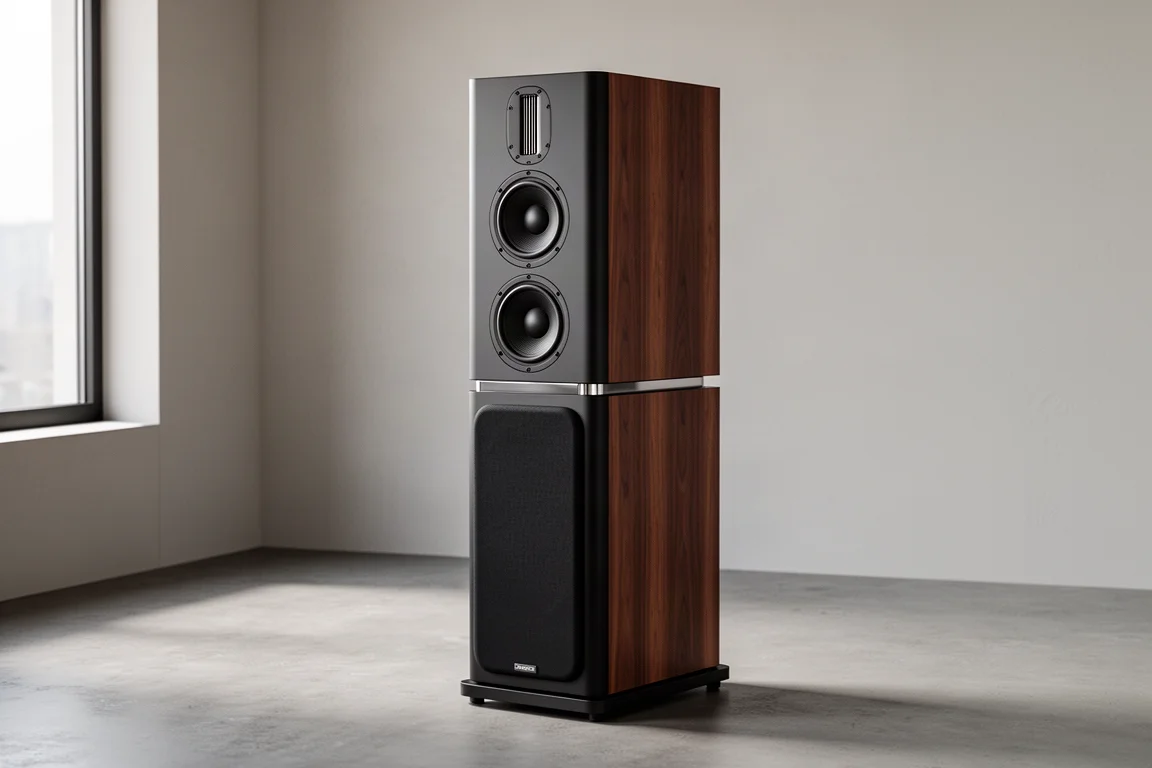
The RBH SVTR is not a conventional tower speaker. It is a two-part design: a monitor tower sits on top with three woofers, and the base module underneath is effectively the RBH reference subwoofer. The two sections are bolted together with a steel plate that keeps the assembly cushioned and taut, so the finished speaker reads as a single, very solid column rather than a stack of separate boxes.
That construction is the whole idea behind the SVTR. The tower reference is made up of the RBH SV831R monitor and the SV-1212NR subwoofer, where N means non-powered and R means reference. The result is a full-range loudspeaker with the coherence of a purpose-built monitor and the low-frequency authority of a dedicated reference subwoofer.
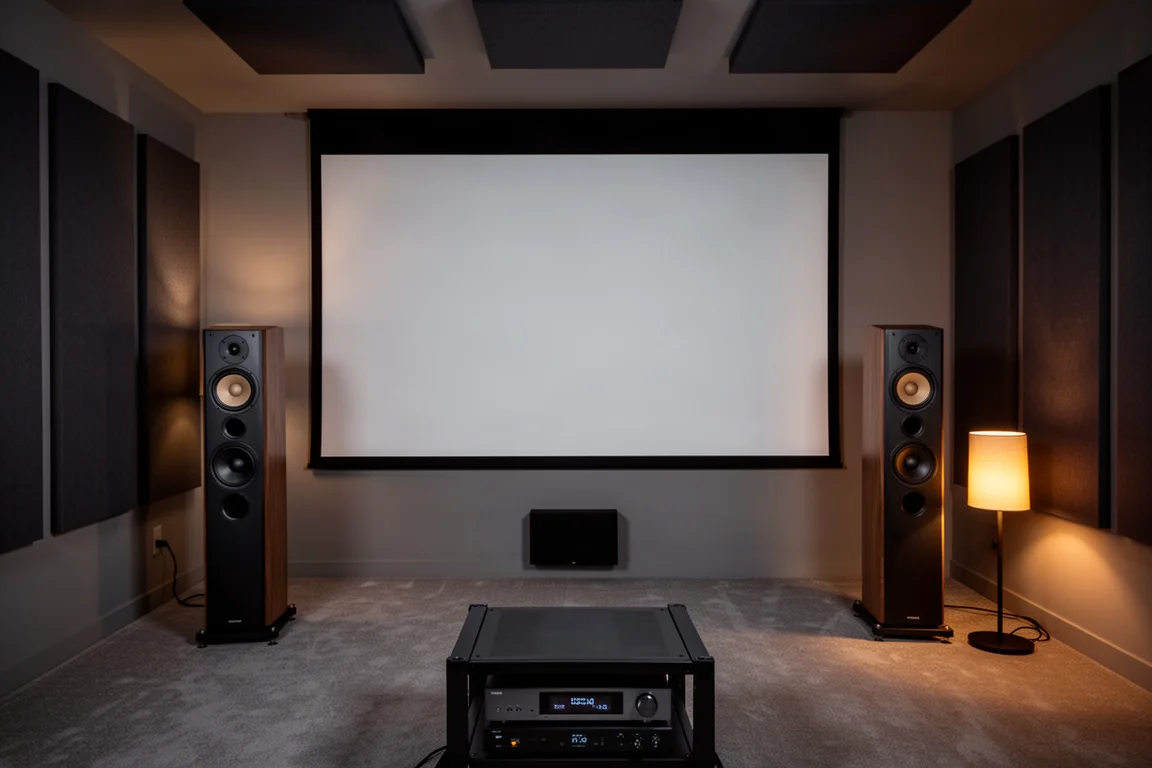
In practice, the speaker behaves as one system rather than two. The crossover work is high quality, the drivers are properly phase aligned, and the transition between the monitor section and the bass module is not something a listener can pick apart by ear.
Who the RBH SVTR Is For
This is a speaker for listeners who want a genuine full-range tower and do not want to add a separate subwoofer. Because the bass module is a reference subwoofer in its own right, the SVTR covers the full spectrum on its own, which makes it equally at home with two-channel music and with film soundtracks.
It also suits people who value midrange clarity and top-end finesse without brightness. The upper registers stay articulate and detailed rather than forward or harsh, and the bass is physical in a way that is difficult to describe until you sit in front of it.
It is not, however, a speaker for anyone who likes to rearrange a room often. Each module weighs close to a hundred pounds, and a complete speaker lands somewhere in the region of 205 to 220 pounds. Once they are in place, you will not want to move them.
Main Strengths
The first thing that stands out is how coherent the SVTR sounds. Despite being assembled from two cabinets, there is no audible seam between the monitor and the subwoofer module. Everything is properly phase aligned, the speaker measures exceptionally well in a room, and the tonal character holds together from top to bottom.
Midrange clarity is a strong point, with plenty of finesse in the upper frequencies that never tips into hardness. The design also delivers the kind of low-frequency output that has to be experienced rather than read about. It is the visceral quality of the bass that tends to stay with listeners long after the session ends.
Because the speaker handles music so convincingly, it follows that it handles movies just as well. Dialogue, effects, and score all sit in a stable, well-defined space, and the low end gives film material real weight without sounding bloated or slow.
Coherent Full-Range Performance
The SVTR is a ported design, although you would not know it by looking at the cabinet. The port is underneath, on the bottom of the enclosure, which keeps the front baffle clean and avoids the chuffing and port noise that can affect lesser designs.
Cabinet construction is serious. The baffle is 38 millimeters thick and the rest of the cabinet is 24 millimeters thick, which helps explain the weight and the inert feel of the enclosure. The payoff is a speaker that performs at a consistently high level and stays composed when the material gets demanding.
AMT Tweeter and Driver Integration
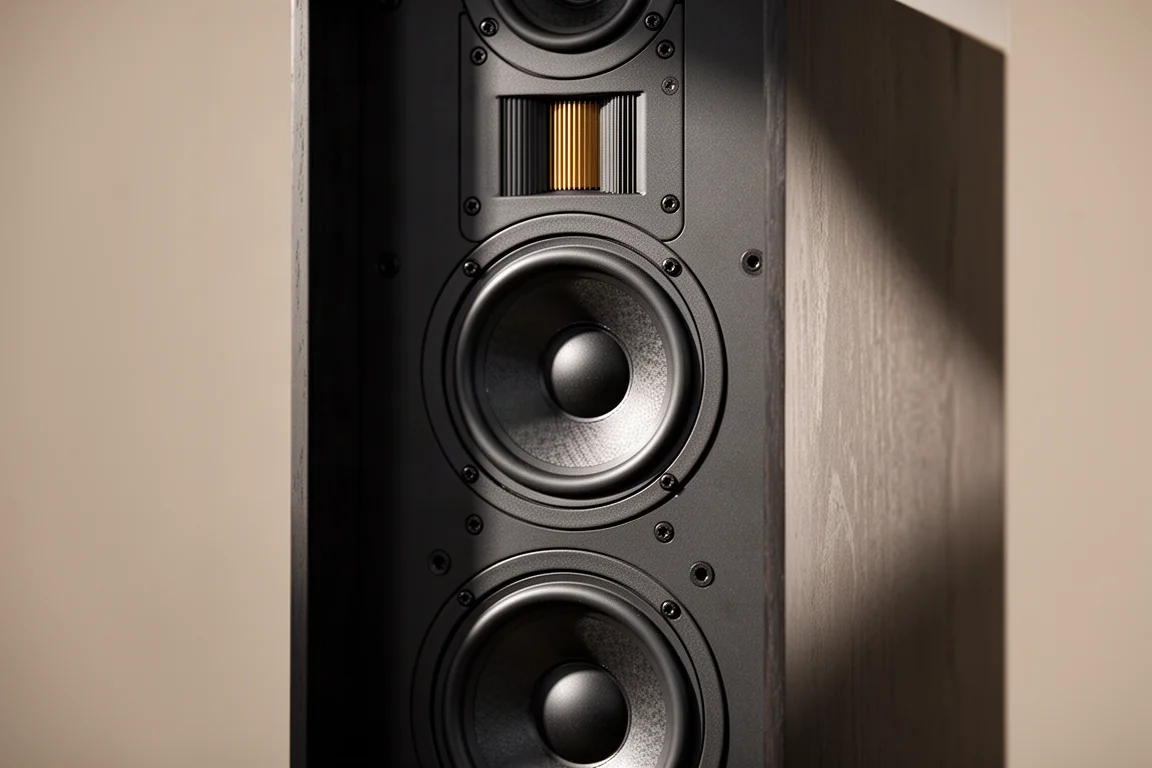
A 4.72 by 1 inch AMT tweeter sits at the heart of the high-frequency performance, and it makes an audible difference. This type of tweeter is designed for high-performance speakers, and here it produces a transient response that is fast, quick, articulate, and detailed.
Soundstaging benefits as well. The drivers each cover their own frequency range and are meticulously crossed over, so instruments and effects are placed with precision rather than smeared across the front of the room.
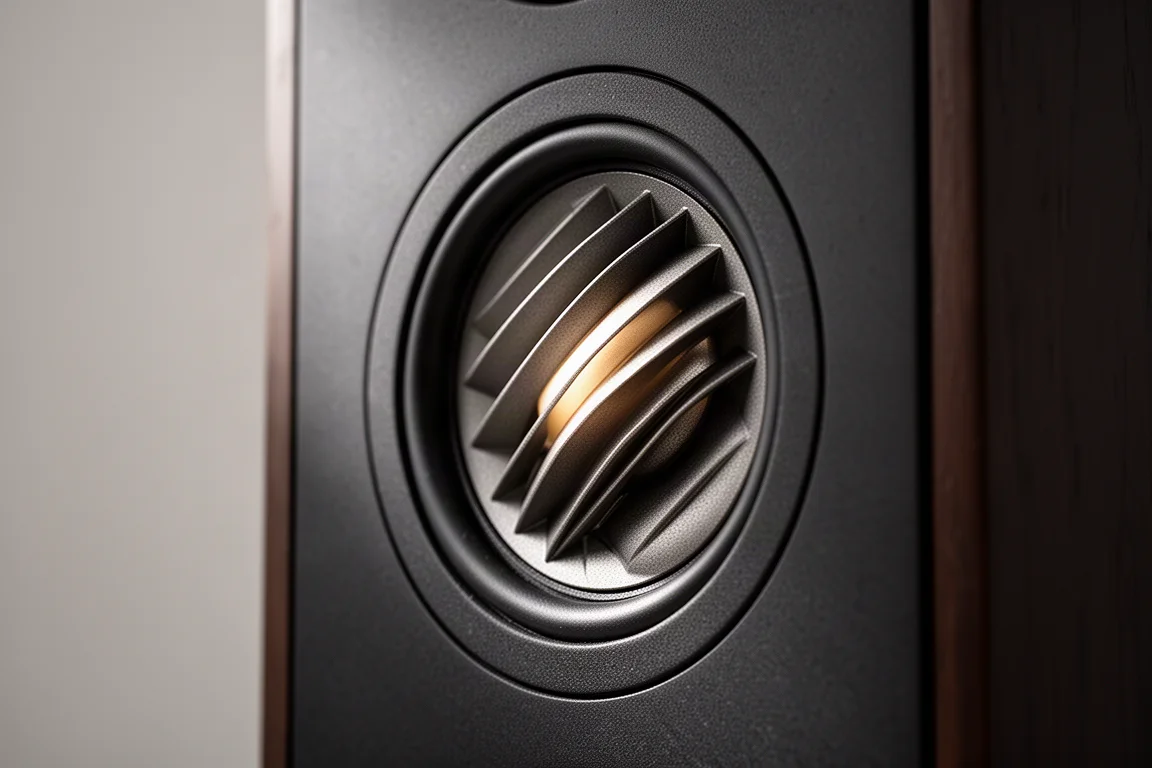
The practical outcome is a speaker that will satisfy even the most demanding listener. Nothing about the top end calls attention to itself, and nothing about the midrange feels compressed or veiled.
Visceral Bass and Home Theater Impact
The bass module is the element that separates the SVTR from typical towers. It is a reference subwoofer built into the speaker, and the output it produces is unlike what most tower speakers can manage.
For home theater use, that translates into physical impact. Low-frequency effects land with real force, and the sense of power in the room is immediate. The same quality makes the speaker compelling for music with deep bass content, where the foundation under the rest of the mix feels solid and controlled rather than detached.
Things to Consider Before Buying
Weight and Placement
The numbers matter here. Each module weighs close to a hundred pounds, and a complete SVTR comes in around 205 to 220 pounds. That is a two-person job at minimum, and floor loading, doorway width, and final positioning are worth planning before the speakers arrive.
The supplied feet are substantial, roughly a couple of pounds each, which is what you would expect for a cabinet of this mass. Fitting isolator pucks under those stock feet is a simple experiment, and doing so brought a small perceived improvement in sound quality. It is an inexpensive tweak rather than a requirement.
Grille Design and Setup Flexibility
The grilles ship as two separate sets, one for the monitor section and one for the bass module. A single grille covering the whole front would be a tidier solution, and that is about the only genuine nitpick with the design.
Flexibility, on the other hand, is excellent. On the back of the cabinet there is a pigtail cable linking the top and bottom modules, and it can be disconnected. Once separated, the bottom module can be run as a subwoofer fed from an LFE channel alongside an external rack-mounted subwoofer. That gives the SVTR far more configuration options than a fixed full-range tower.
There is also a sand-loading feature. The rear of the cabinet can be opened and loaded with up to 75 pounds of sand, which is intended to improve performance further. It is an optional step rather than something you must do to enjoy the speaker.
Buying Advice
Amplification is straightforward, and the SVTR responds well to a flexible setup. A capable AV receiver can handle processing and crossover duties, with the front channels driven by an external multichannel amplifier rated at around 200 watts per channel. The subwoofer section can be fed separately: the receiver sends the subwoofer and LFE channels directly to a pair of monoblock class D amplifiers, while all crossover points are managed in the receiver.
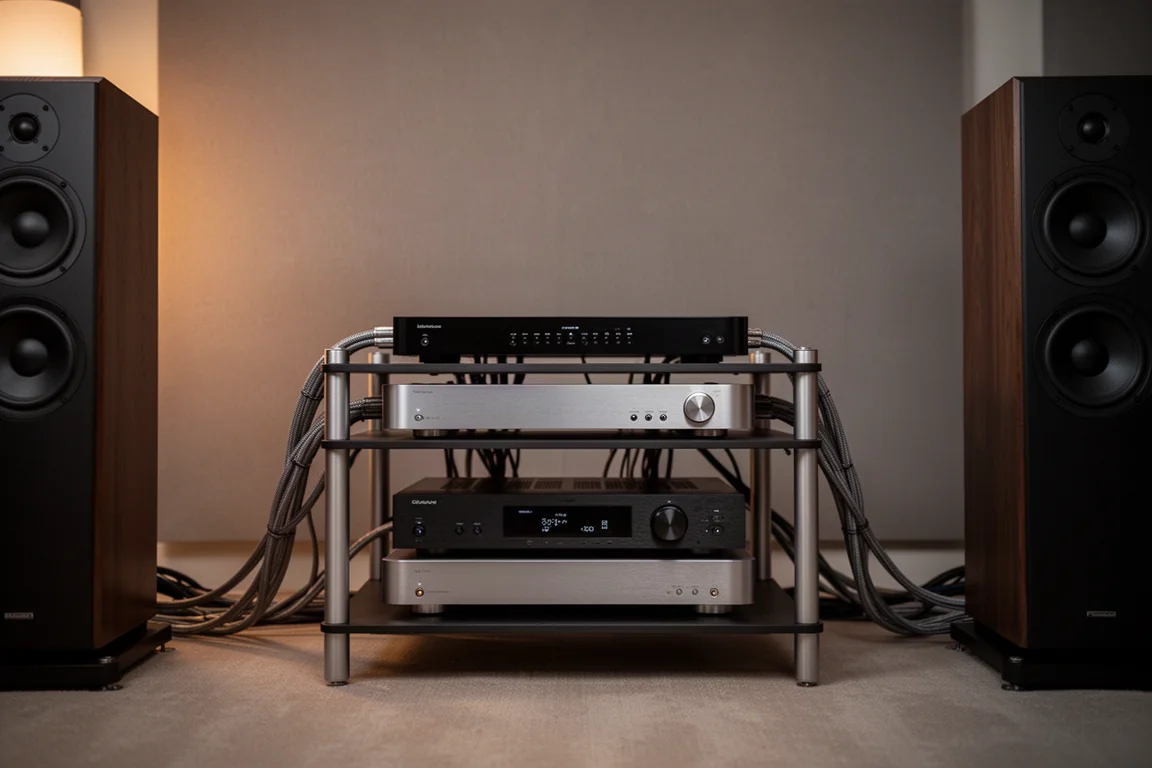
That arrangement keeps the low-frequency workload away from the main amplifier and lets the bass module receive the dedicated power it deserves. It is also a useful template if you plan to run the bottom module independently later with an external subwoofer.
If you are weighing the purchase, think about it in terms of system cost rather than speaker cost alone. The SVTR removes the need for a separate subwoofer, which is a meaningful part of the value equation for a reference-grade full-range speaker, and the build quality and driver complement reflect that level of ambition. Budget for the space, the help, and the amplification, and the rest is straightforward.
Conclusion
The RBH SVTR is an incredibly well-designed, articulate, full-range speaker, and it earns the reference label. The two-part construction, the thick cabinet walls, the underside port, the AMT tweeter, and the integrated reference subwoofer all add up to a speaker that delivers clarity through the midrange, finesse at the top, and bass you feel as much as hear.
If you want one pair of towers to cover music and home theater without a separate subwoofer, and you have the room and the muscle to place them properly, the SVTR is a compelling place to end the search.
Product link
View more details for RBH SVTR
This product is mentioned in the review. Check the specifications, options, and compatibility before buying.
View more details for RBH SVTRFurther reading
Related Reviews
Floorstanding Speakers
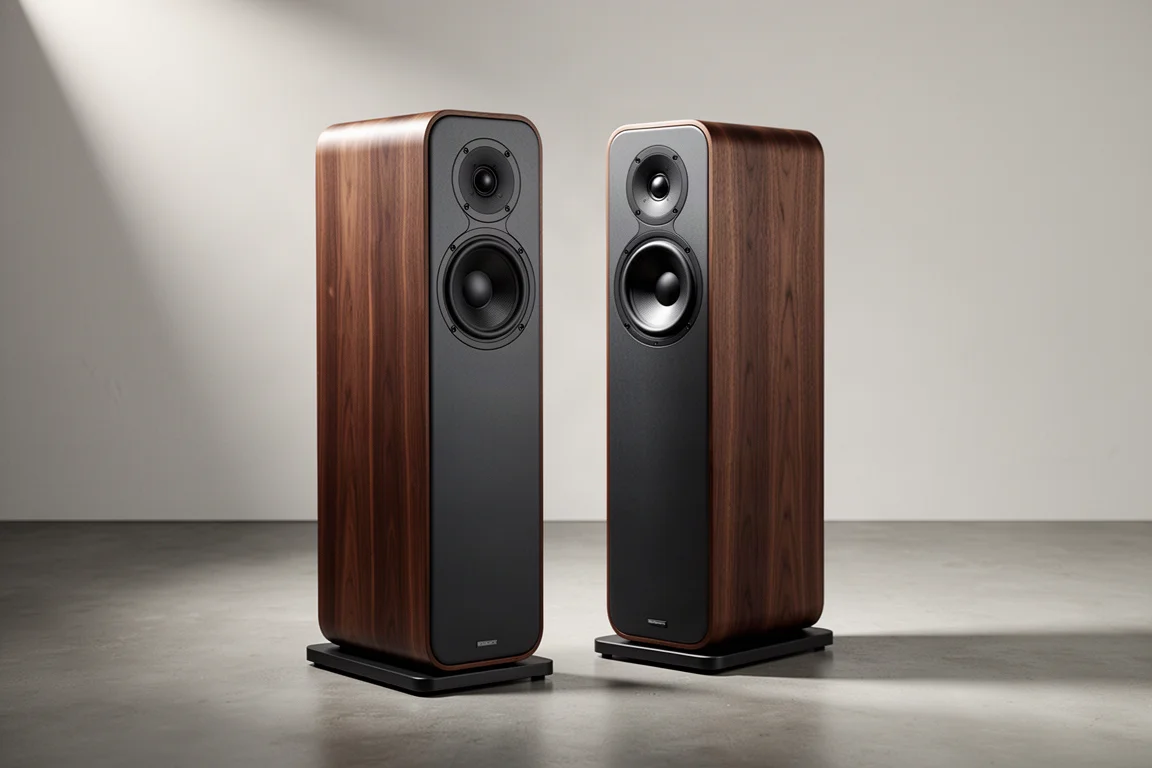
Acoustic Energy AE109 Mark II Review: A Refined Floorstander at £699
The Acoustic Energy AE109 Mark II is a slim, warm sounding floorstander that delivers clarity, midrange body and strong imaging in small to medium rooms.
Floorstanding Speakers
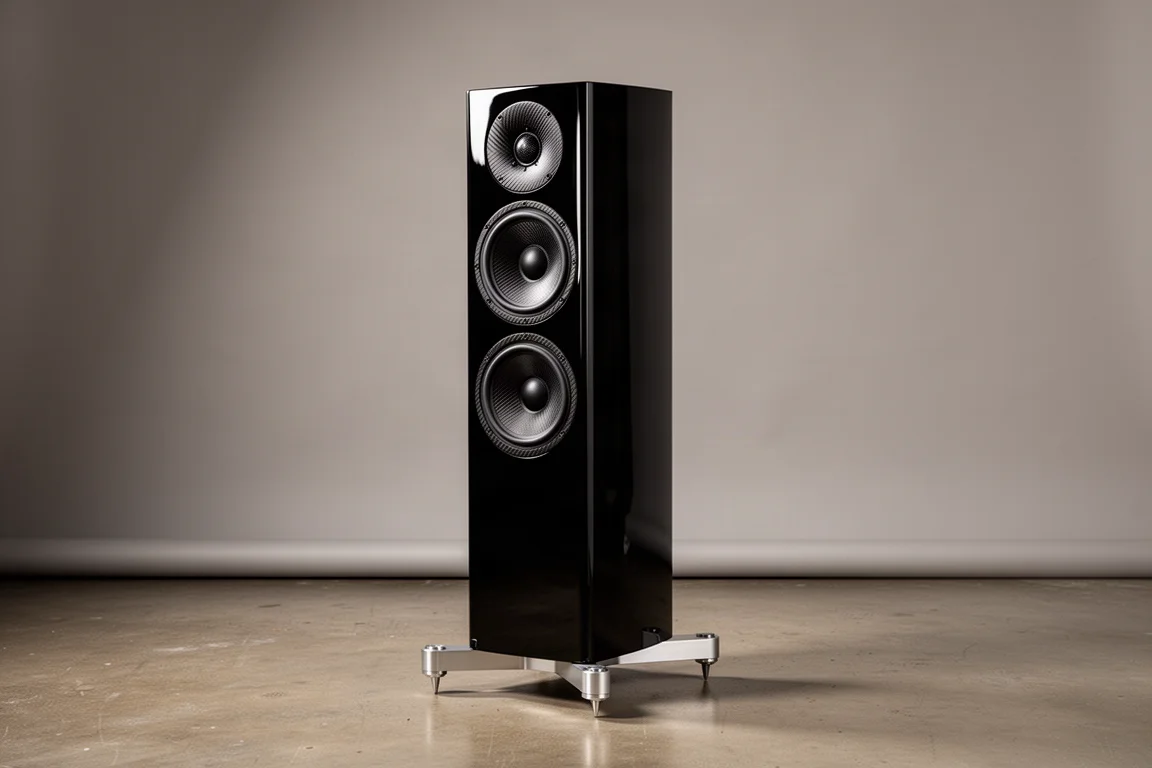
Acoustic Energy AE509 Review: A Slim Floorstander With Deep, Defined Bass
A practical look at the Acoustic Energy AE509, a slim floorstanding speaker with carbon fibre drivers, deep and well-defined bass, and an easy-going character that rewards careful system matching.
Floorstanding Speakers
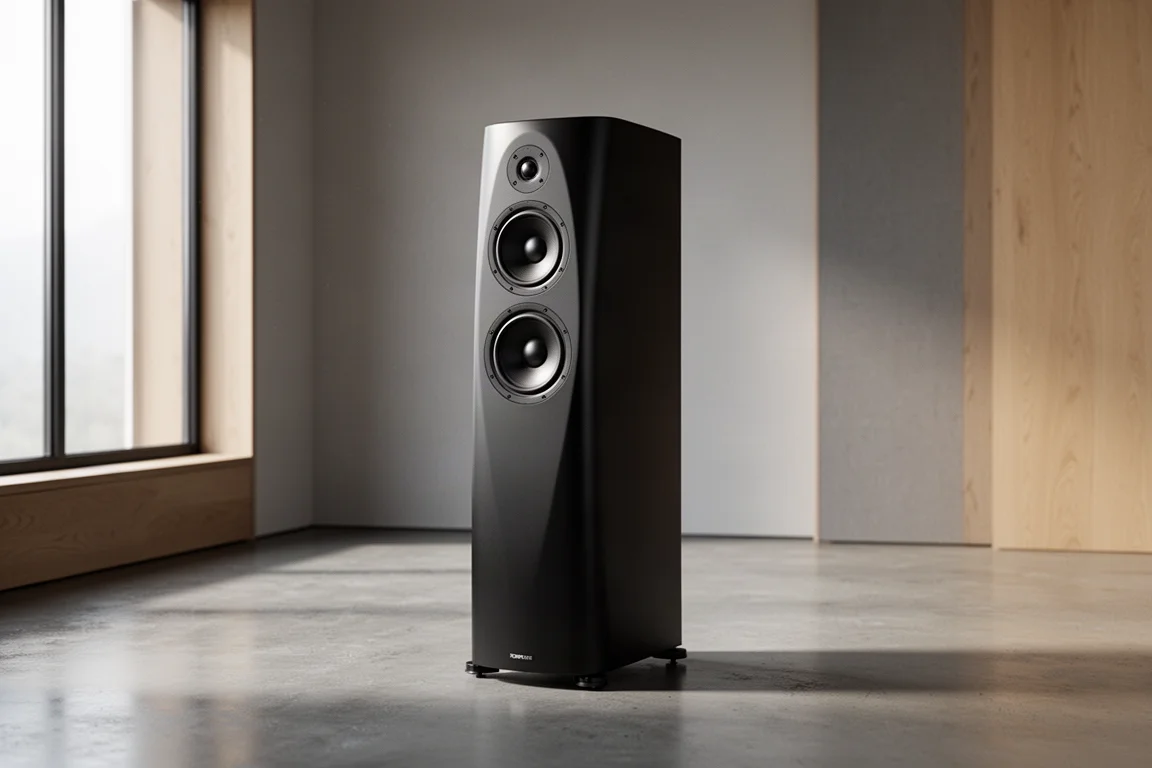
Arendal 1528 Tower 8 Review: Reference Neutrality With Real Demands
A close look at the Arendal 1528 Tower 8, a nearly five-foot, 200-pound floorstander that rewards generous space, serious power, and high listening levels with reference-grade neutrality.