Cycling
Six Radical Road and Gravel Bikes of 2022: A Practical Buyer's Roundup
A look at six of the boldest new road and gravel bikes of 2022, covering what each design does well and the trade-offs worth weighing before you buy.
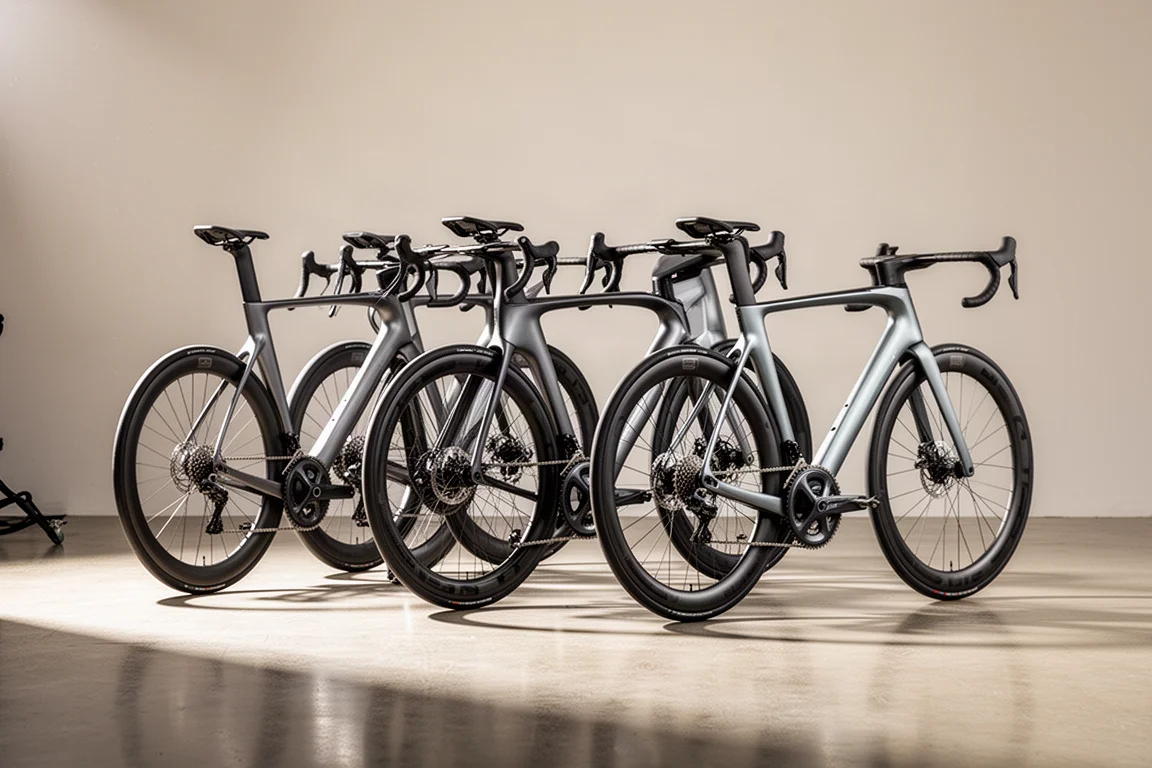
Introduction
2022 was a remarkably busy year for new road and gravel bikes. Several brands used the season to push design in genuinely new directions, from reworked comfort systems to aerodynamic features that had never appeared on a production frame. History has a way of sorting bold ideas into those that change the category and those that quietly disappear, and it will take a few more seasons before we know which of these designs survive.
The six bikes below are worth a closer look because each one makes a clear argument about where road and gravel design is heading. Most of those arguments come with a real trade-off attached, and that trade-off is usually what determines whether a bike suits you.
What Makes These Bikes Worth Noticing
The most interesting launches of the year share a few common threads. Several rework long-standing comfort systems to save weight or package suspension more cleanly. Others lean hard into aerodynamics, adding new frame shapes, narrower cockpits and one-piece bar and stem setups. A third group takes integration further than before, embedding lights, radar or electronics directly into the frame.
Each of those directions has a cost. Weight savings can firm up the ride, aero features can be difficult to verify in real-world conditions, and integration can remove the freedom to choose your own components. The bikes below represent the strongest expressions of each approach.
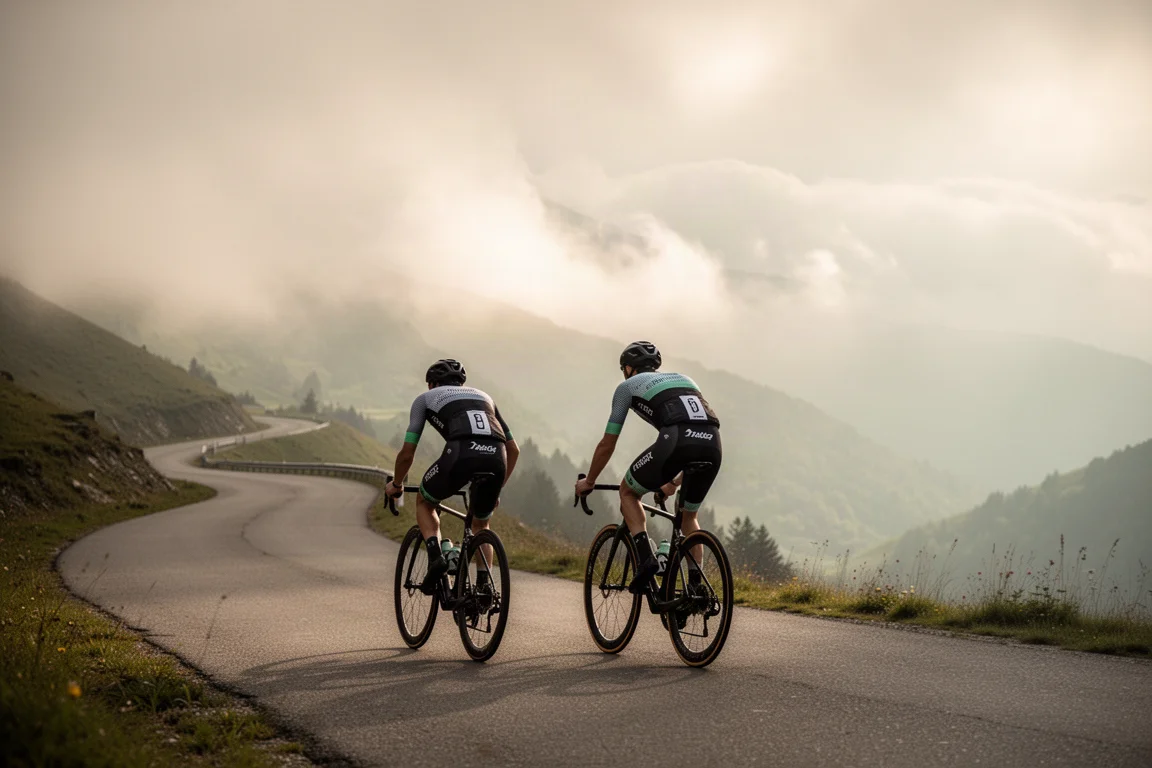
The useful question is not whether a design is radical, but whether the radical part delivers something you will actually feel on a normal ride. That is the lens used throughout this roundup.
Trek Madone: The IsoFlow Experiment
The Madone was one of the most talked-about launches of the year, thanks to a new design that replaces the previous IsoSpeed decoupler with a shaped opening in the seat tube. The IsoSpeed system separated the seat tube from the rest of the frame to add comfort in the saddle, and it had been carried over from the endurance side of the range. Removing it saves meaningful frame weight, and the opening in the seat tube is how the top tube, seat tube and seat post junction is repackaged without it.
Trek claims the comfort is broadly unchanged, though in practice the new bike rides noticeably firmer than the version it replaces. For a race bike that is a reasonable compromise, but it is not among the plushest aero bikes on the market. Aero claims around the seat tube opening drew plenty of scepticism, largely because that area of the frame sits in the turbulent air coming off a rider’s spinning legs, and the savings attributed to it are small. The larger aero gains come from a new one-piece cockpit that is considerably narrower than a conventional setup.
Questions about structural durability followed the launch, and while a short test period is not enough to draw firm conclusions, the design held up without issue over several weeks of riding. The Madone remains a striking bike in person, and much of the early reaction has softened as riders have seen it up close.
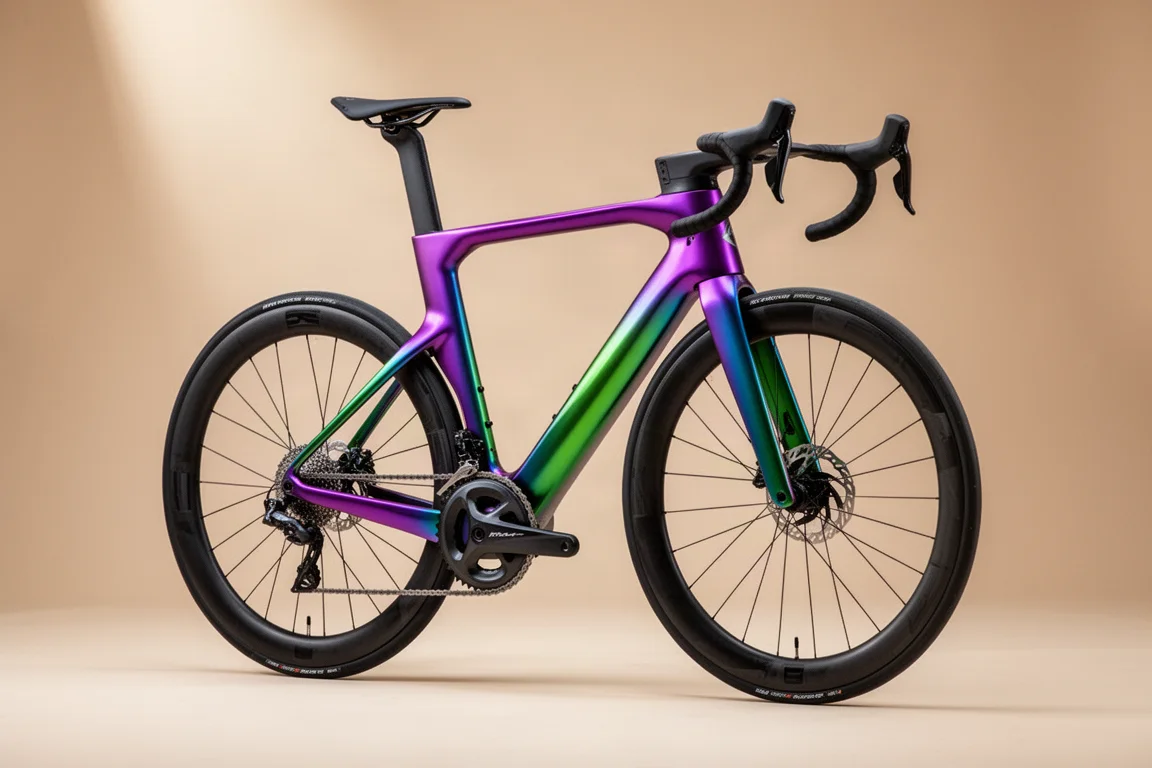
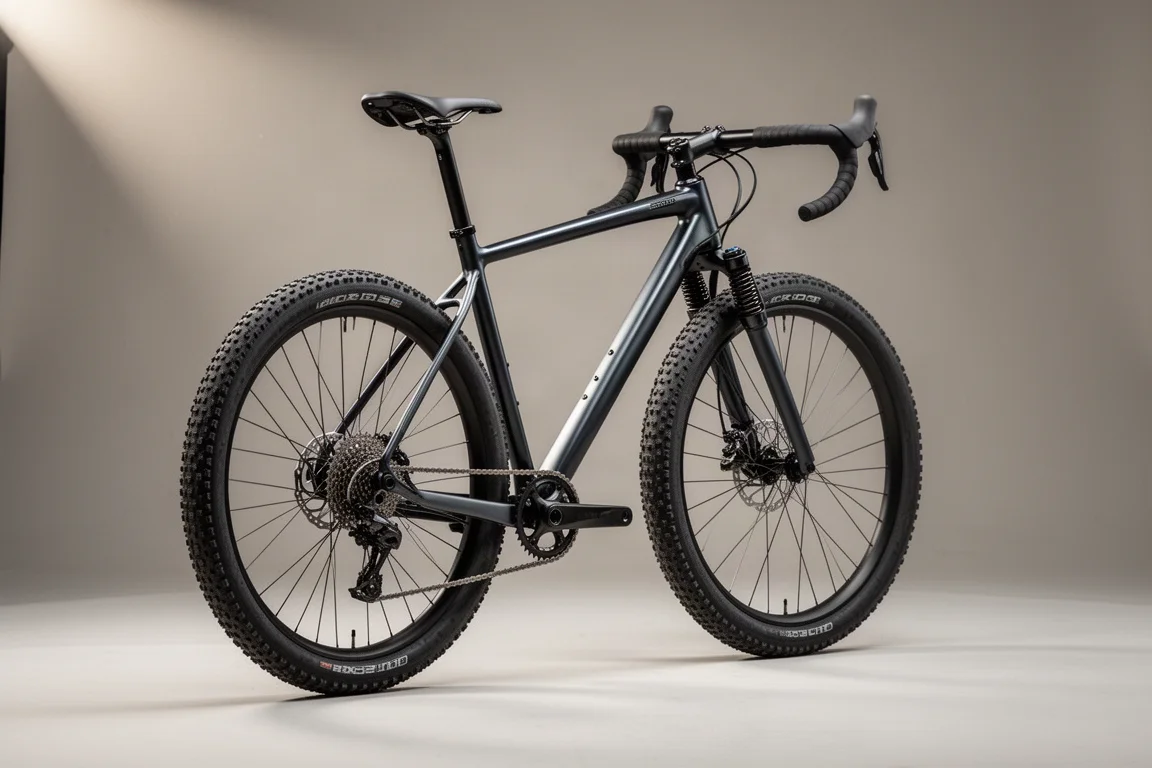
Specialized Diverge STR: Rear Suspension for Gravel
The Diverge has been a popular gravel and adventure platform for several generations, and much of that popularity came from the Future Shock, a spring housed under the stem that provides up to 20mm of travel and can be locked out from a dial on top. It smooths vibration and impact through the handlebar compared with a rigid front end.
The new STR takes that idea and moves it to the rear. A flexing seat post works with a hydraulic damper housed inside the top tube, and the result is a genuinely smooth ride, smoother than a rigid gravel bike and smoother than other suspended gravel options. Riding it across mixed terrain for two days made the benefit clear: the system works.
The trade-offs are real, though. The hydraulic damper is not serviceable and must be replaced when it wears out, and the design is covered by a two-year warranty. Lab and real-world testing claims aside, long-term reliability will only become clear once ordinary riders have put real mileage on the platform. The distinctive rear assembly has divided opinion on looks, and the price places it well out of reach for many buyers. For riders who value comfort above simplicity, the case is strong. For riders who want a gravel bike they can abuse and maintain easily, the proposition is harder.
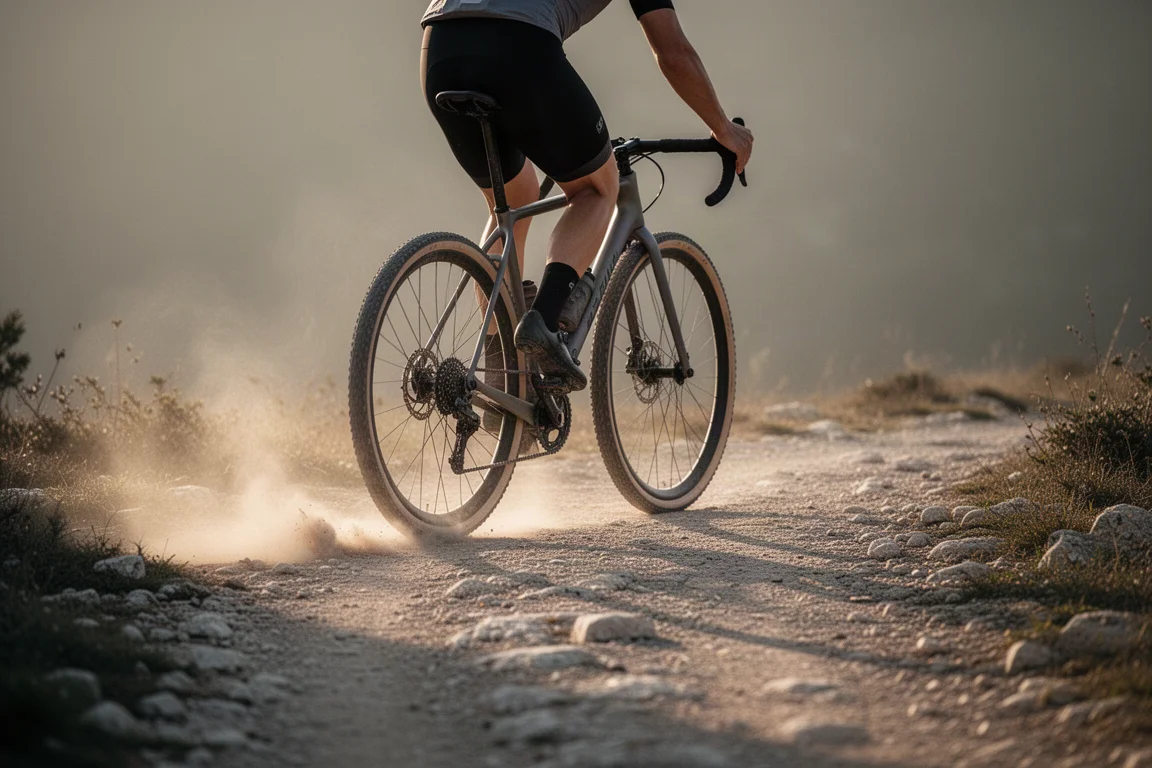
If smoothness is the single most important quality you want from a gravel bike, this is the rare design that delivers it in a way nothing else quite matches.
Bianchi Oltre RC: Air Deflectors and Controversy
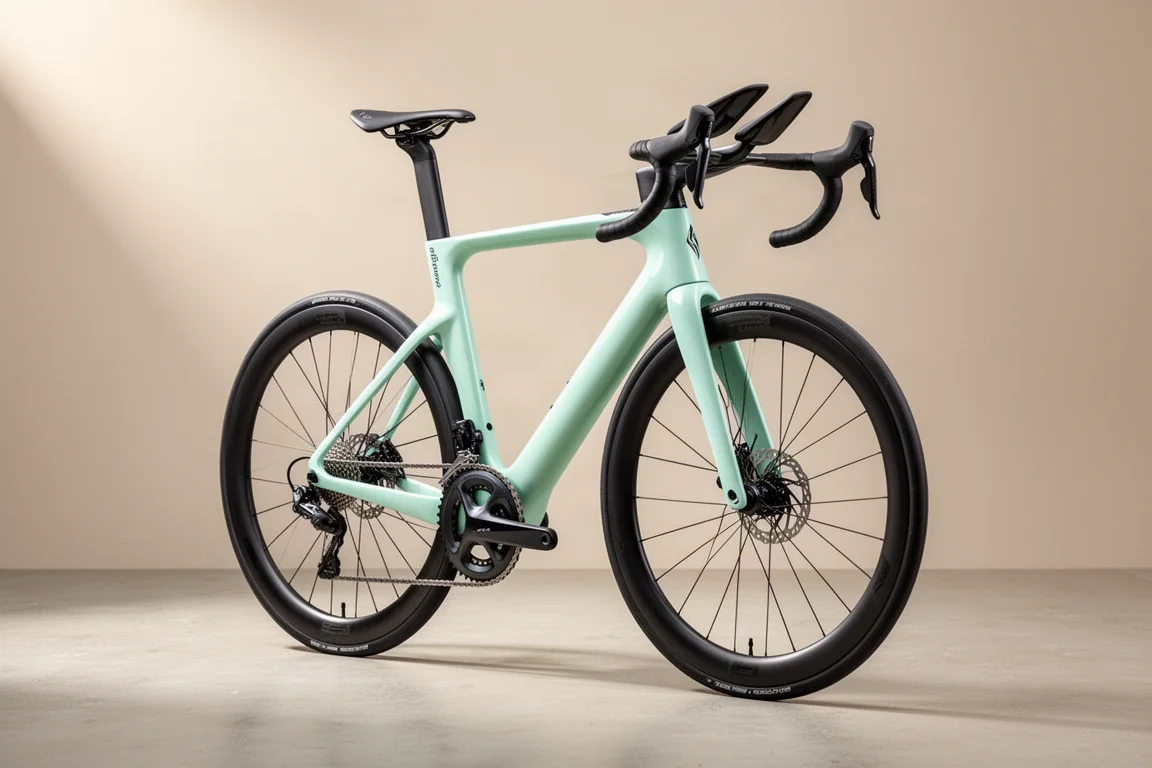
The Oltre RC was easily the most controversial launch of the year. The previous Oltre was a fine-riding bike, smooth and well-finished, and a new model made sense if Bianchi wanted to compete directly with the fastest aero bikes in the category. What Bianchi delivered went considerably further than expected.
The headline feature is a pair of air deflectors added to the frame, shaped to channel airflow around the head tube. They are not permitted in racing, which makes their real-world value harder to justify. Combined with a new V-shaped handlebar that has an opening in the middle, Bianchi claims a drag saving of around 17 watts over the previous model. Aero matters on a race bike, and narrower, more sculpted cockpits have become common for good reason, but the deflectors read as more of a talking point than a practical gain.
The result is a bike that looks unmistakably modern from every angle. For riders who want the most visually aggressive aero frame on the market, it delivers. For riders who want a progressive evolution of a familiar platform, it asks for more patience than most will have. Whether the design holds up over time is an open question.
Cannondale Synapse: Integration and SmartSense
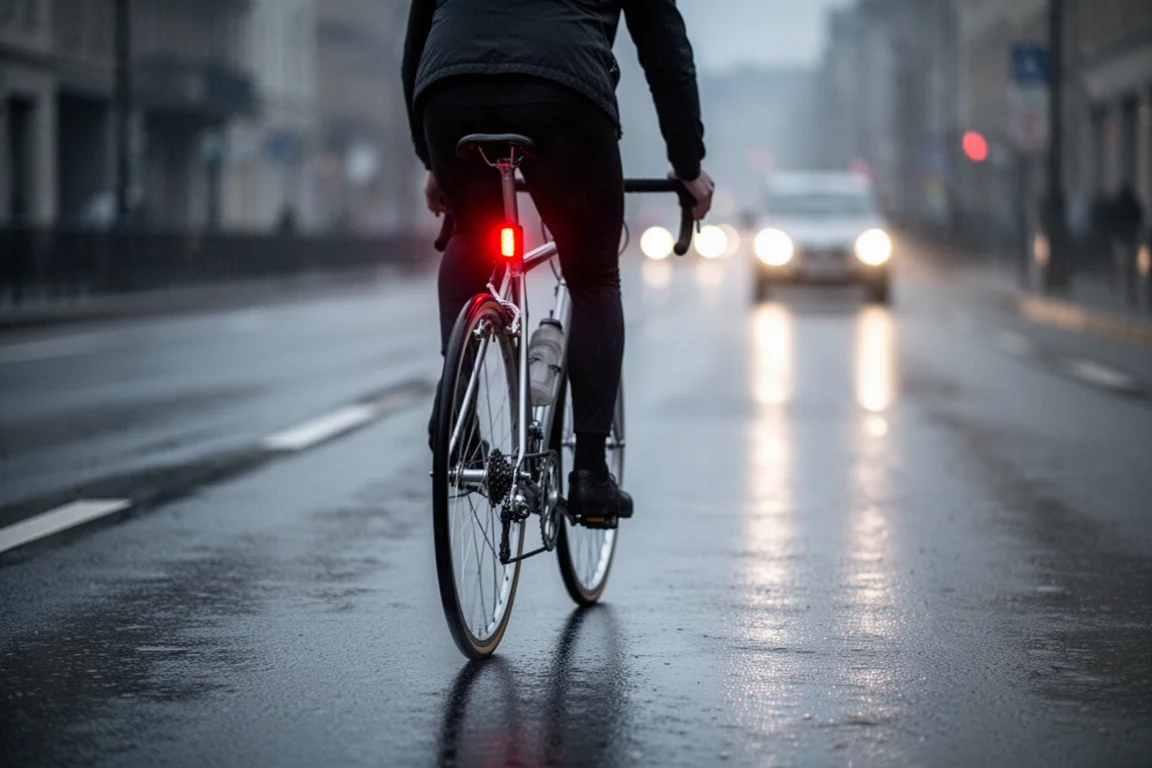
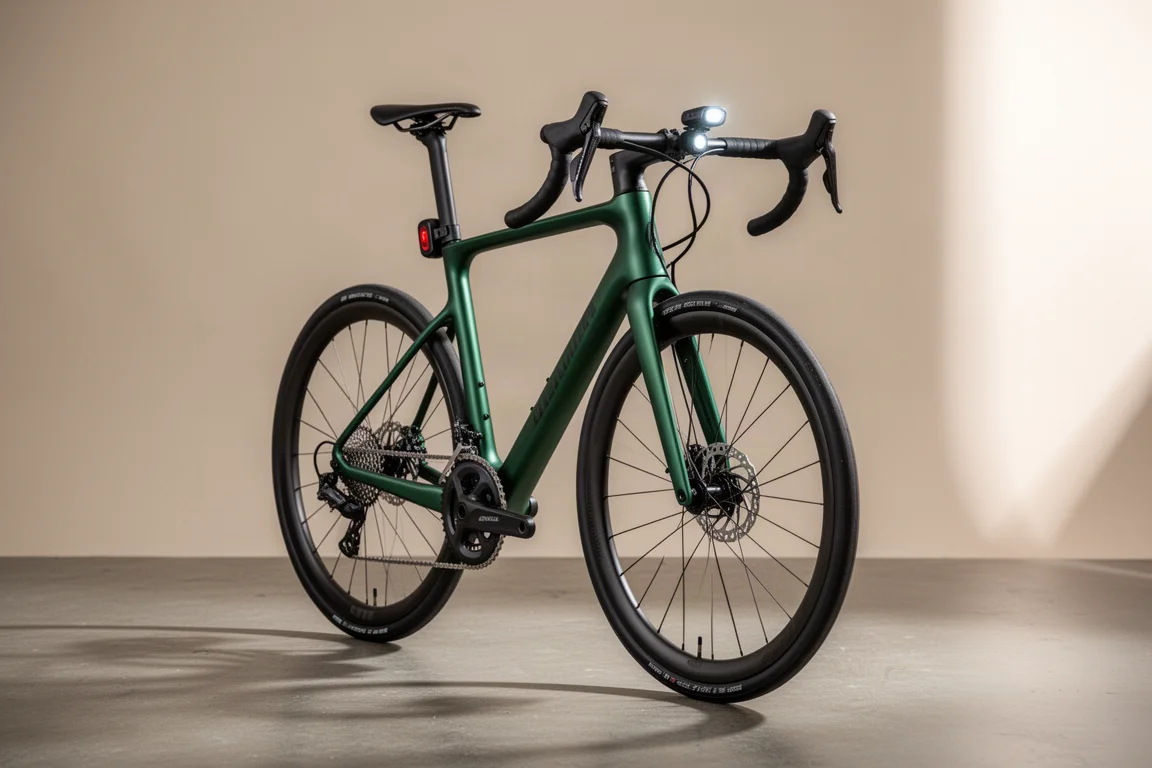
The Synapse has long been a popular endurance bike, and the new version pushes integration further than almost anything else in the category. Lights, radar and a battery are built into the frame, and they are not optional or easily removed.
The technology itself is genuinely useful. Daytime running lights have become common for good reason, and a rear radar that warns of approaching traffic is a feature that is hard to give up once you have used it. The problem is not the idea but the way it is applied. Riders currently choose their own lights and radar from a wide range of brands and price points, and being locked into a single integrated system removes that choice entirely.
That is a shame, because the bike underneath is excellent. The new frame is faster than the previous generation, tire clearance is generous, ride quality remains smooth, and for the first time the Synapse uses a threaded bottom bracket rather than a press-fit design. A version without the integrated electronics, or the option to add it separately, would have made a strong bike considerably easier to recommend.
It will be interesting to see how the range evolves, and whether future model years offer more flexibility around the integrated technology.
Enve Melee: A Wheel Brand Builds a Bike
The Melee is not the most radical bike here in terms of silhouette. It looks like most other aero road bikes on sale, which is no criticism at all. What makes it notable is who built it. Enve built its reputation on wheels, handlebars and components, and the Melee is the company’s first mass-manufactured frame, positioned against established aero platforms from the largest brands in the sport.
Enve has made a road bike before, a handmade custom model built in the United States with fully custom geometry. The Melee is different. It is made in Taiwan and offered in a range of stock sizes, which makes it less customisable but far closer in concept to a mainstream aero road bike.
The detail that stands out most is how completely the bike is finished in Enve’s own parts. Outside the groupset, nearly every component carries the Enve name, from the wheels and tires to the handlebar, stem, bar tape and saddle. Component branding across a whole bike is nothing new from the largest manufacturers, but seeing a wheel specialist become a bicycle manufacturer and then ship a bike almost entirely built from its own catalogue is a bold move. The Melee competes on specification and finish rather than on price or volume, and for riders who already trust the brand’s components, that consistency is the main appeal.
Colnago C68: A Classic Goes Modern
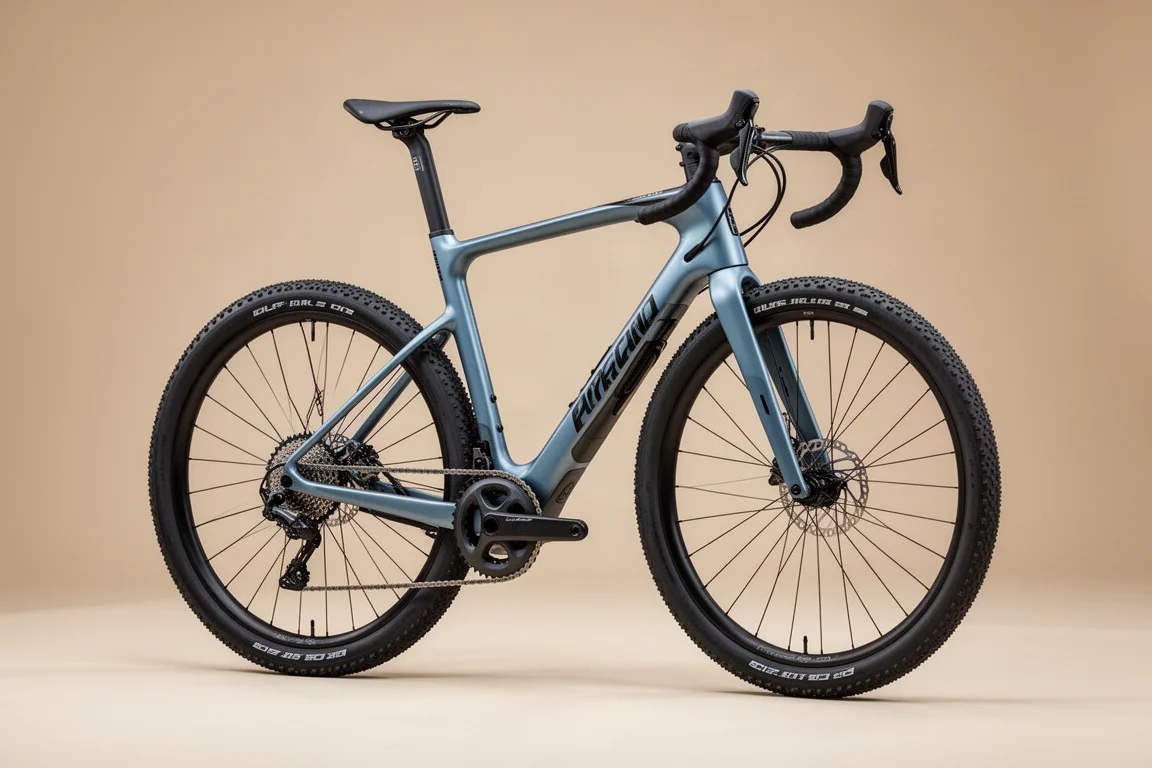
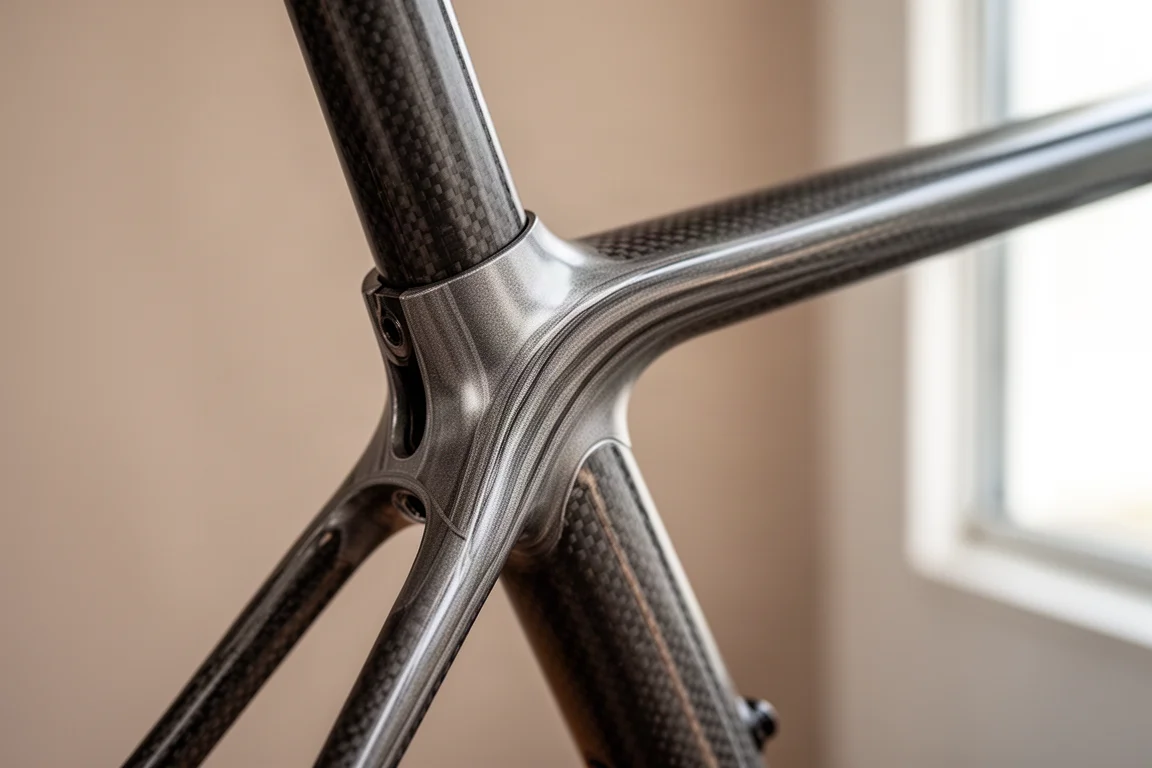
The C68 is a radical departure from a design language Colnago had maintained for roughly three decades. The frame still uses lug and tube construction, a method that reaches back to the 1990s, but the execution is thoroughly modern: sleek, sculpted and visibly aerodynamic.
That combination of traditional construction and contemporary shaping met a mixed reaction at launch. A version with 3D printed titanium lugs pushed the price into a much higher bracket and introduced the first custom option in the C Series. More significant for buyers is what sits in the range plans: the C68 will be offered not only as a race-focused road bike, as the C Series always has been, but also as an all-road version and a gravel version. That is an ambitious and risky expansion for a frame family with such a strong classic identity.
An all-road variant makes obvious sense, since wide tires have become appealing to almost every rider. A gravel version is a bigger stretch and may not sit comfortably with the traditional customer base. None of those variants have been seen in detail yet, so judgement on the broader range has to wait. The road bike itself rides extremely well, and it represents a genuine, large-scale shift for a brand that had stayed remarkably consistent in appearance for a very long time.
Buying Advice
Each of these bikes makes sense for a specific kind of rider, and matching the bike to the riding you actually do matters more than chasing the most dramatic design.
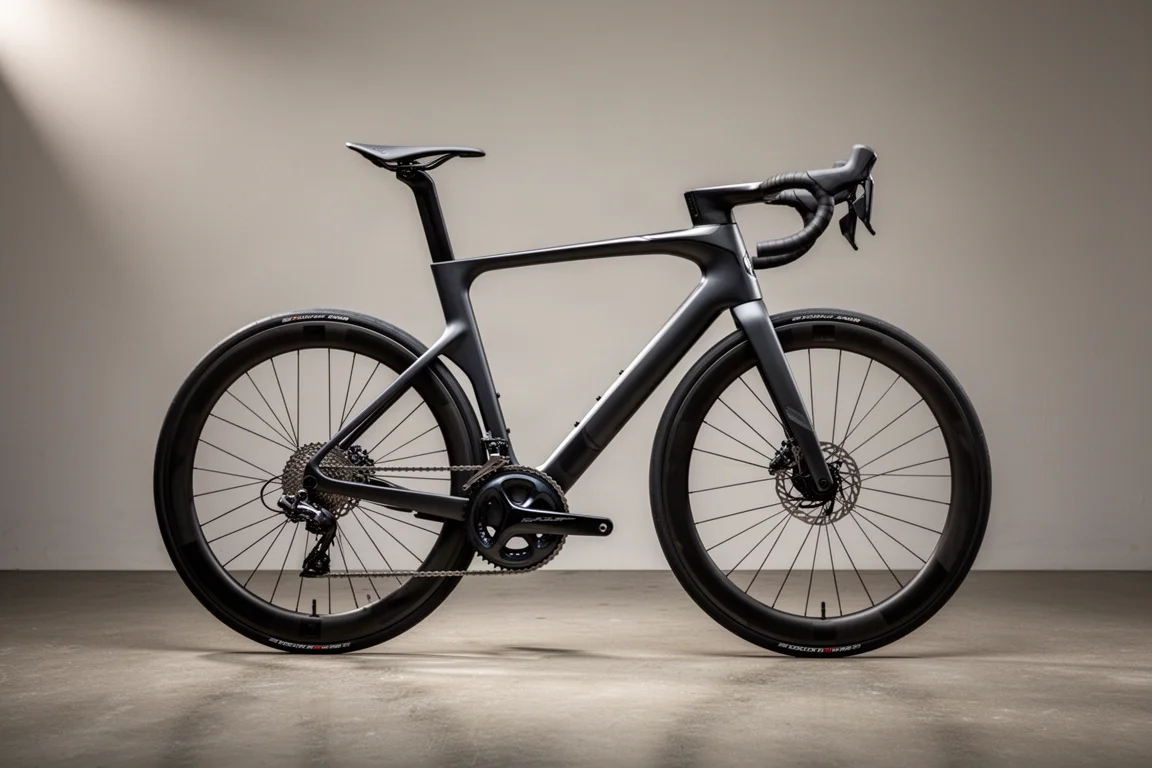
If you want a fast aero race bike and can live with a firmer ride, the Madone and the Oltre RC both deliver. The Madone pairs its weight-saving design with a genuinely narrow cockpit and a striking look, while the Oltre RC leans fully into aggressive aerodynamics and visual impact. The Melee appeals to riders who want a cohesive, component-matched aero platform from a specialist brand, accepting stock sizing rather than a custom fit.
For comfort-led riding on mixed surfaces, the Diverge STR is the most compelling option here, provided you accept the serviceability limits of its rear damper and the higher price. On the road, the Synapse is a strong endurance platform whose only real drawback is the non-optional integrated electronics. The C68 suits riders who want modern aero performance with classic construction methods, and it will be worth watching how the all-road and gravel versions develop.
A sensible approach is to decide first whether you prioritise speed, comfort or integration, then choose the bike whose compromise you can live with for several seasons rather than the one whose launch generated the most noise.
Conclusion
2022 produced a genuinely varied set of new road and gravel bikes, and each of the six above takes a real position on where the category should go. Some of those positions, like the Diverge STR’s rear suspension, deliver a benefit you can feel on the first ride. Others, like the Bianchi air deflectors or the Cannondale integrated electronics, ask buyers to accept a trade-off in exchange for a headline feature.
The practical takeaway is straightforward. Choose the bike whose strengths match your riding and whose compromise you can tolerate. Comfort systems, aero features and integrated electronics all have a place, and the six bikes here show just how differently each brand has chosen to interpret that brief.
Further reading
Related Reviews
Cycling
2026 Bike of the Year and the Cycling Gear Worth Watching
A drop bar roundup for 2026 covering the Ridley Kanzo Fast 2.0, Shimano Dura-Ace Di2 R9300, Trek Checkpoint ALR Gen 3, Specialized Tarmac SL9, Garmin Fenix 9 and Insta360 X6.
Cycling
Best All-Road Bikes 2026: Six Versatile Endurance Road Bikes Worth Considering
A practical look at six all-road and endurance road bikes, from lightweight carbon speed machines to steel all-rounders and comfort-focused mile eaters.
Cycling
Best All-Road Bikes 2026: 8 Endurance Bikes for Road and Light Gravel
Eight all-road bikes that blur the line between endurance road and light gravel, compared on tire clearance, ride character, practicality, and value.