Cycling
Race Bike of the Year 2024: Five Category Winners Worth Buying
Five standout road race bikes from a season of back-to-back testing, covering aero speed, climbing, value, and the overall race bike of the year.
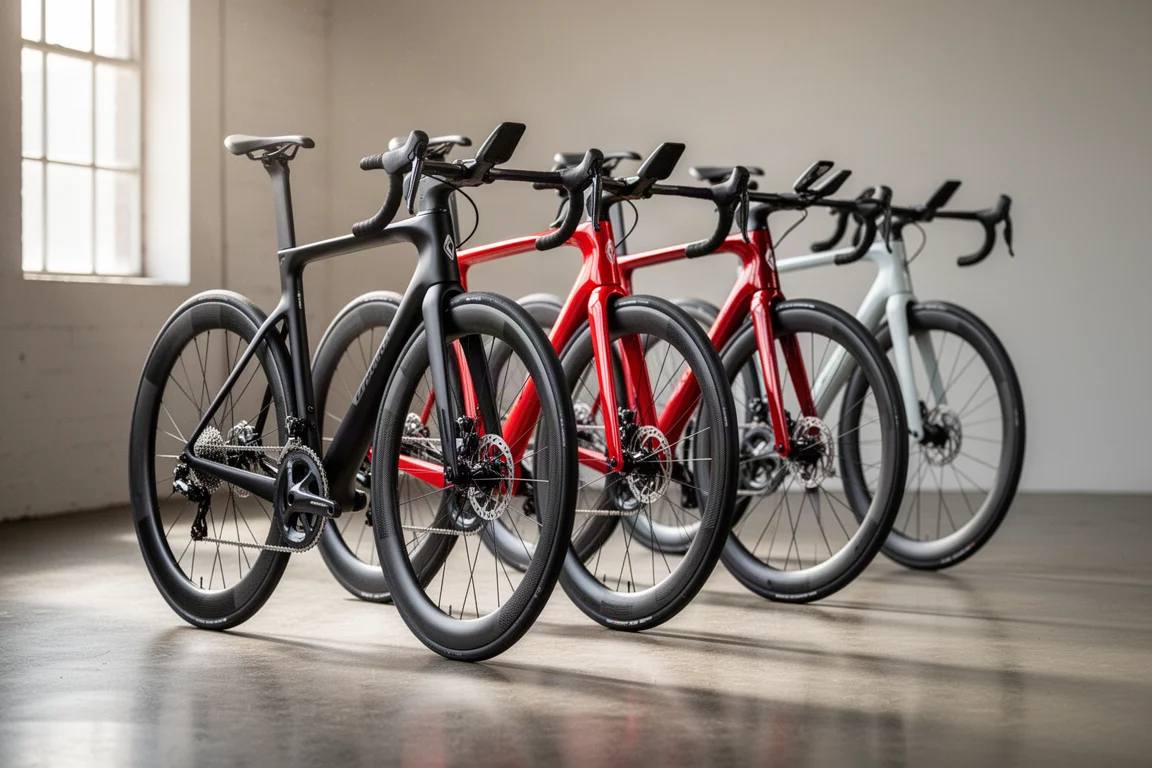
Introduction
Almost every race bike on the market now goes through some form of aerodynamic development, whether in a wind tunnel or through computational fluid dynamics. That has narrowed the gap between all-rounders and dedicated aero machines. What still separates them is intent, and in the aero category the question is simple: which bike would a sprinter choose?
Across a season of back-to-back testing, five bikes stood out: a best aero race bike, a best value race bike, a best climbing bike, a wild card most desirable award, and the overall race bike of the year. These are the winners and the reasons they convinced.
How These Race Bikes Were Evaluated
Stiffness sits at the top of the list. Aero bikes are ridden by more powerful riders, and bottom bracket stiffness is something you feel immediately, both in how directly the bike accelerates and in how planted it feels underneath you. Handling matters just as much, because these bikes are ridden at high speed and in bunch sprints, so stability and quick steering both count.
Beyond that, weight, geometry and comfort all shape the ride. Chainstay length is a useful indicator: shorter stays change direction faster, while slightly longer stays add stability. Comfort is not a luxury on a race bike either, since long race days and long training rides are the norm. Value was judged separately, by comparing what each brand offers at a given price rather than by reputation.
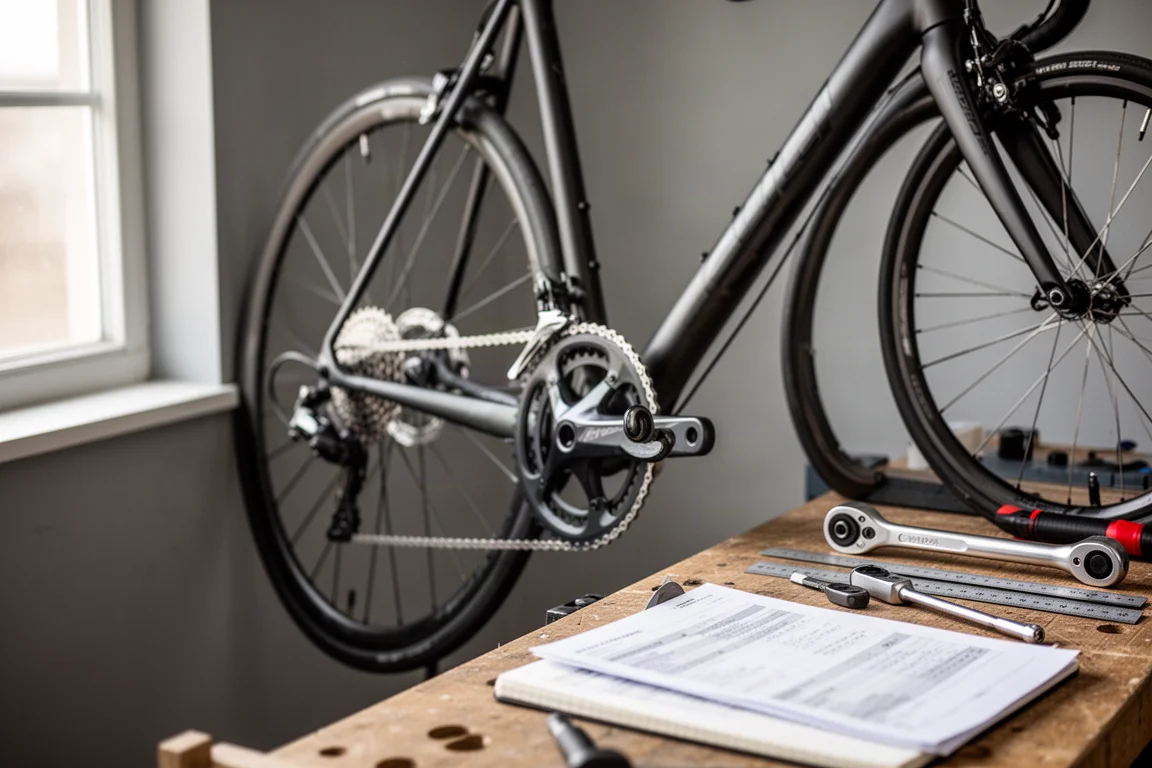
Judging was deliberately consistent. Brand loyalty was set aside, every bike was ridden back to back, and the specification sheets were compared afterwards to establish which brand delivers the most bike for the money. The same approach applied across the climbing, value and aero categories.
Best Aero Race Bike: Look 795 Blade RS
The Look 795 Blade RS was released at the Tour de France and has been raced at the top level for around twelve months. It won this category on stiffness. It was one of the stiffest bikes on test, both under sprinting and on climbs, and the way it accelerates is the quality that stands out most.
Once up to speed it holds that speed very well, helped by a light Corima wheelset that supports both acceleration and top-end pace. The cockpit deserves credit too: it is stiff, which is not always true of in-house designs, yet it stays comfortable enough for long days in the saddle, and the two-piece setup is neatly integrated.
Weight comes in at 7.48 kg for the build tested, which is respectable for the category, and it climbs better than several other aero bikes. Handling is where it separates further. With 410 mm chainstays the bike is a touch less eager to change direction than some rivals, but it was the most stable bike on test, and that pays off on technical terrain and in bunch sprints. Against the Enve Melee, which is very quick and comfortable at speed, the Look gets up to pace faster, and it feels livelier than the Canyon Aeroad, which is fast but has a slightly numb ride quality.
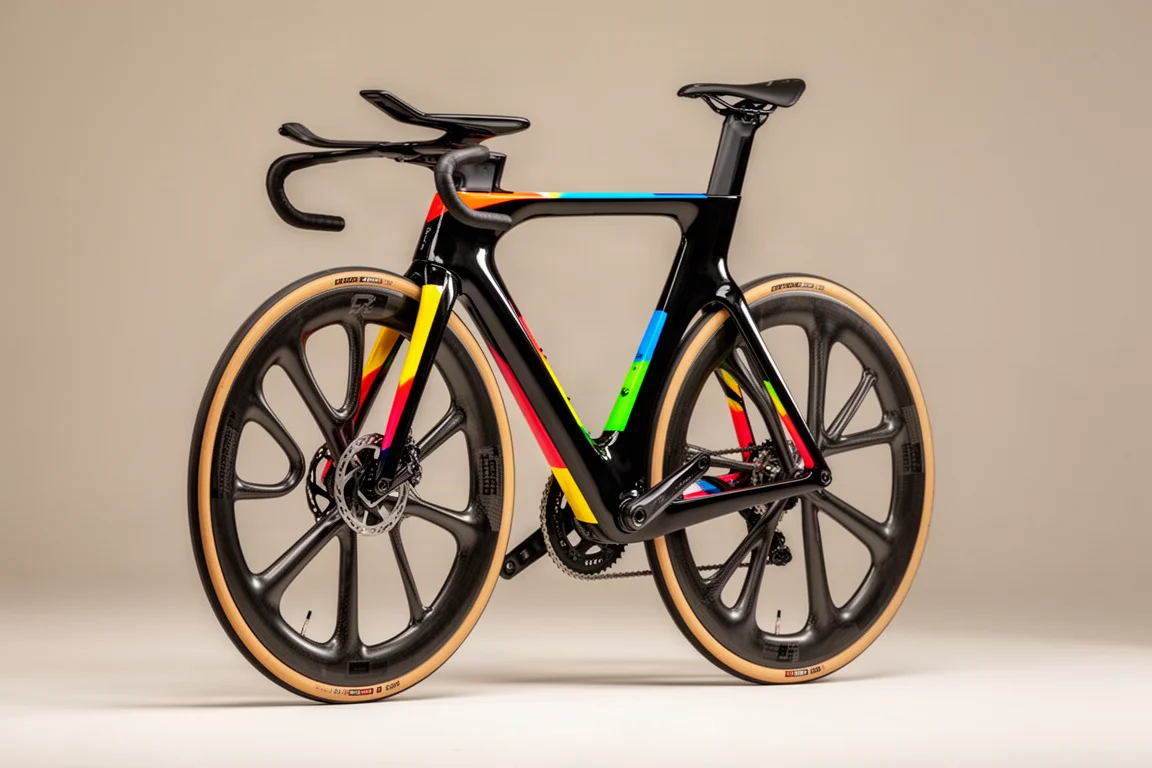
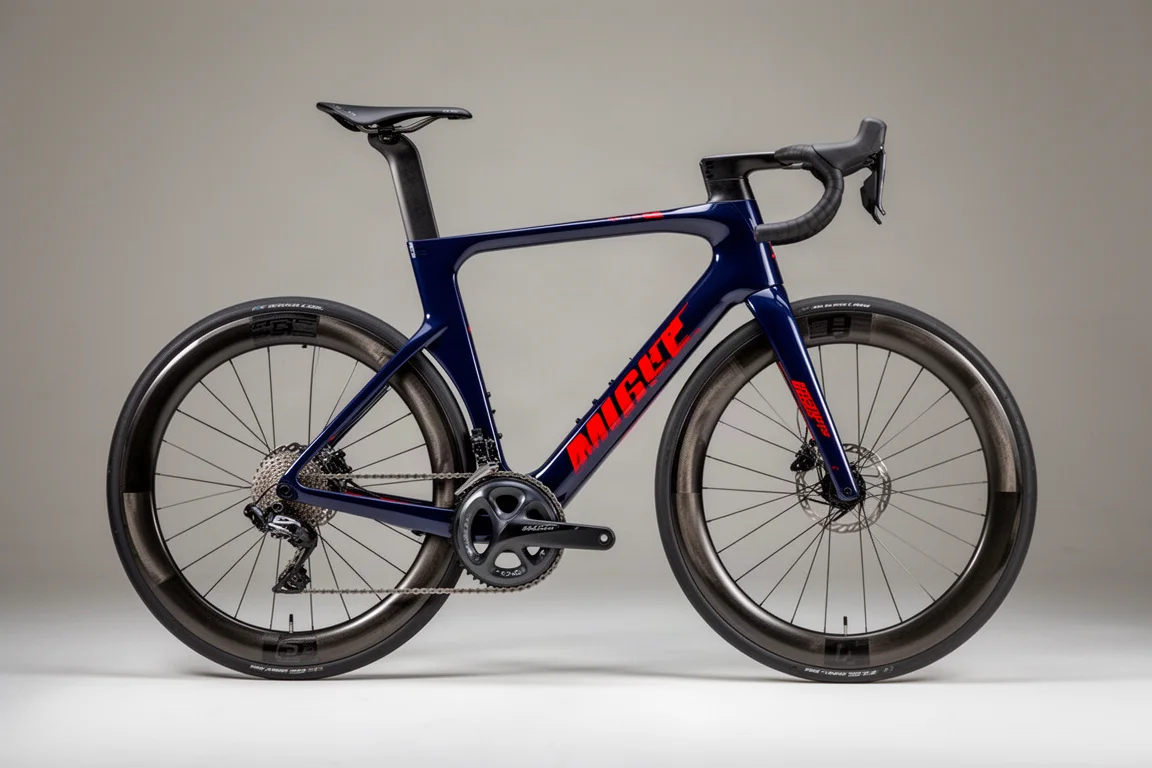
Best Value Race Bike: Merida Scultura 9000
The Merida Scultura 9000 is the pick that raises eyebrows, and the reasoning is straightforward. Its bottom bracket is extremely stiff, which gives the bike an electric, immediate feel under acceleration, and it achieves that at a price of £6,750 for a top-level frame set. An equivalent build from a larger brand runs well over £10,000.
The frame is quoted at 830 g in a size 56, and the bike remains very much a climbing machine. Its tube profiles are arguably a little dated next to newer all-round designs, but the underlying formula has stood the test of time and has been proven at WorldTour level. Merida also specced it well, with SRAM Force and the brand’s own slim cockpit, which keeps aerodynamics in mind while staying stiff in the right places and comfortable elsewhere.
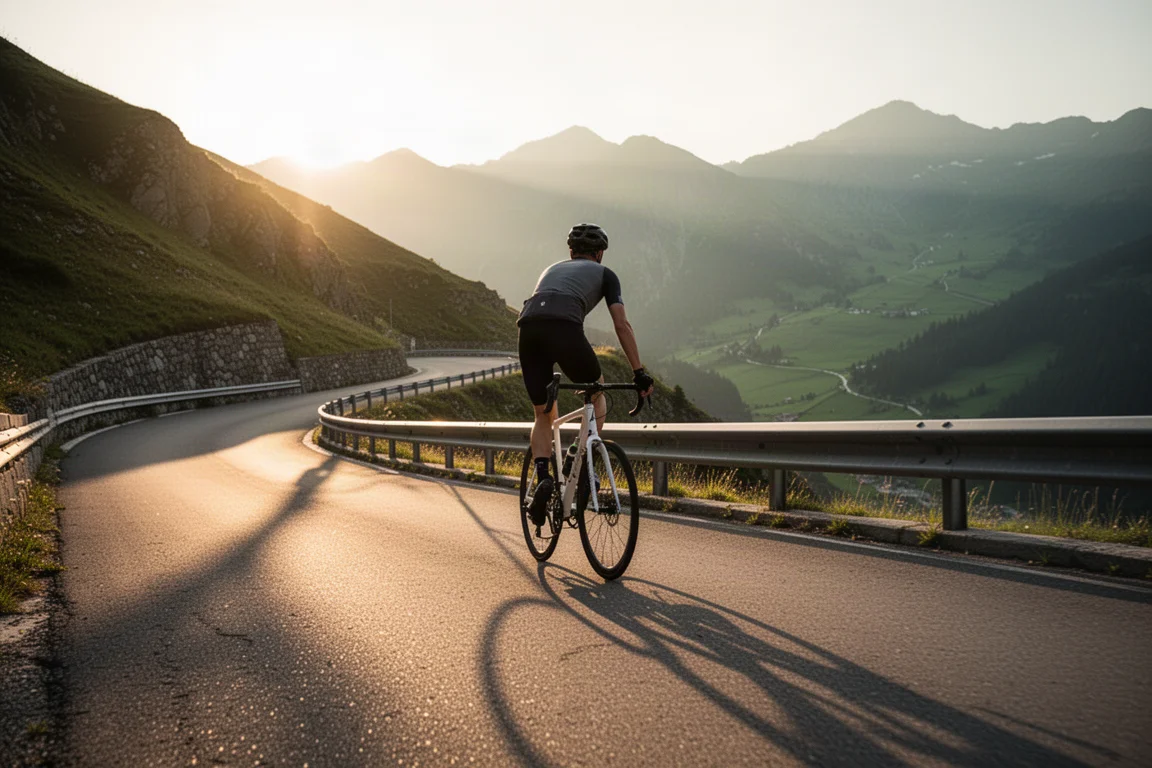
The geometry is shared with the Merida Reacto, the brand’s aero bike, and the stiff bottom bracket and head tube make it fly uphill and feel confident on descents. That combination, set against the price, made it the clear value winner of the group.
Best Climbing Bike: Giant TCR Advanced SL 0
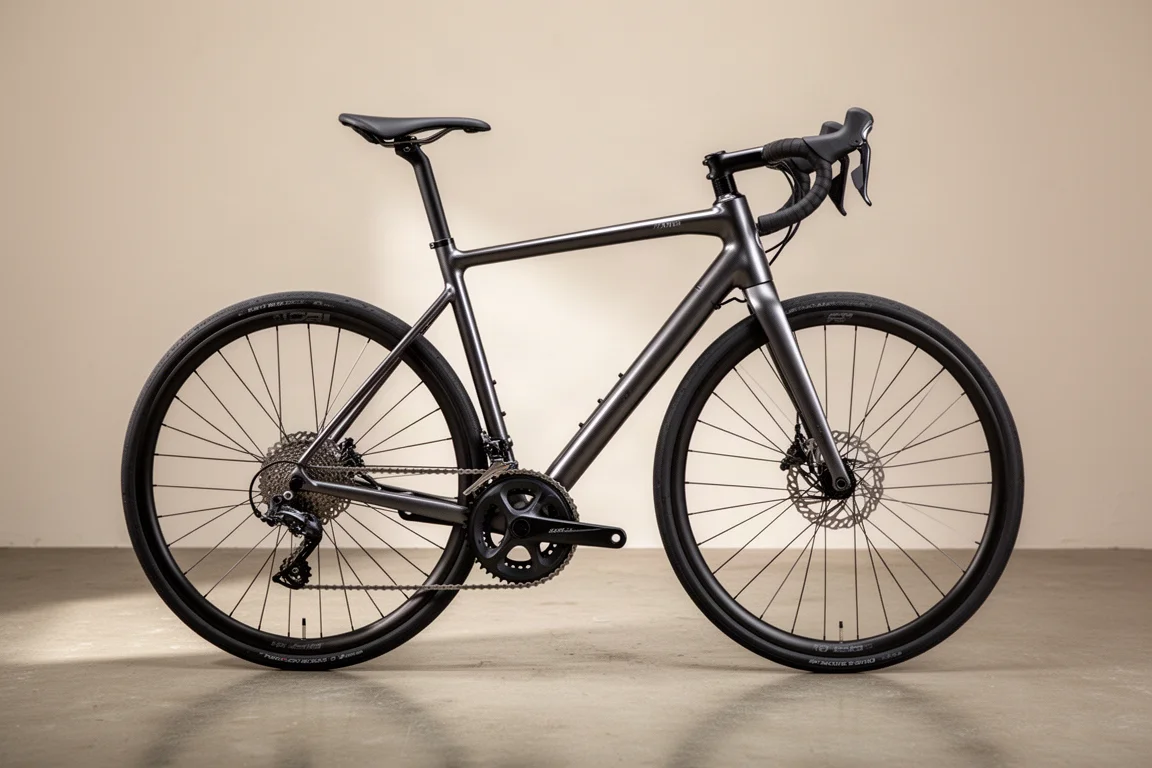
The Giant TCR Advanced SL 0 is the newest bike here, the tenth iteration of a model that reshaped road bike geometry in the early 2000s by borrowing compact geometry from mountain biking. Frame weight has dropped to 690 g unpainted, the second lightest on test, and this generation also refined aerodynamics with internal cables and revised tube shapes that bring it within 5 watts of the Giant Propel aero bike.
Full build weight is around 6.4 kg, and the bike climbs as well as anything on test, including the Factor O2 VAM, which is lighter still at around 6.3 kg for a complete build but does not match the Giant elsewhere. What sets the TCR apart is how it behaves once the road flattens out. In fast group rides and on flatter training loops it stays genuinely quick rather than feeling like a compromise.
Handling is sharp, thanks to 405 mm chainstays that help it dance out of the saddle on climbs and change direction quickly. Head tube stiffness is excellent, staying stable under hard handlebar inputs at high speed, which adds real confidence. It is not the most assured descender in the group, where the Enve Melee and the Specialized Tarmac feel more planted, but it is close.
As a range-topping build it gives away nothing, and Giant’s habit of filtering technology down the range keeps the cheaper models worth a look. Those drop the Kadex wheels and the specific seat clamp design, and use a more standard seatpost with a little more frame weight, but the fundamentals of stiffness and geometry carry over.
Most Desirable Race Bike: Enve Melee
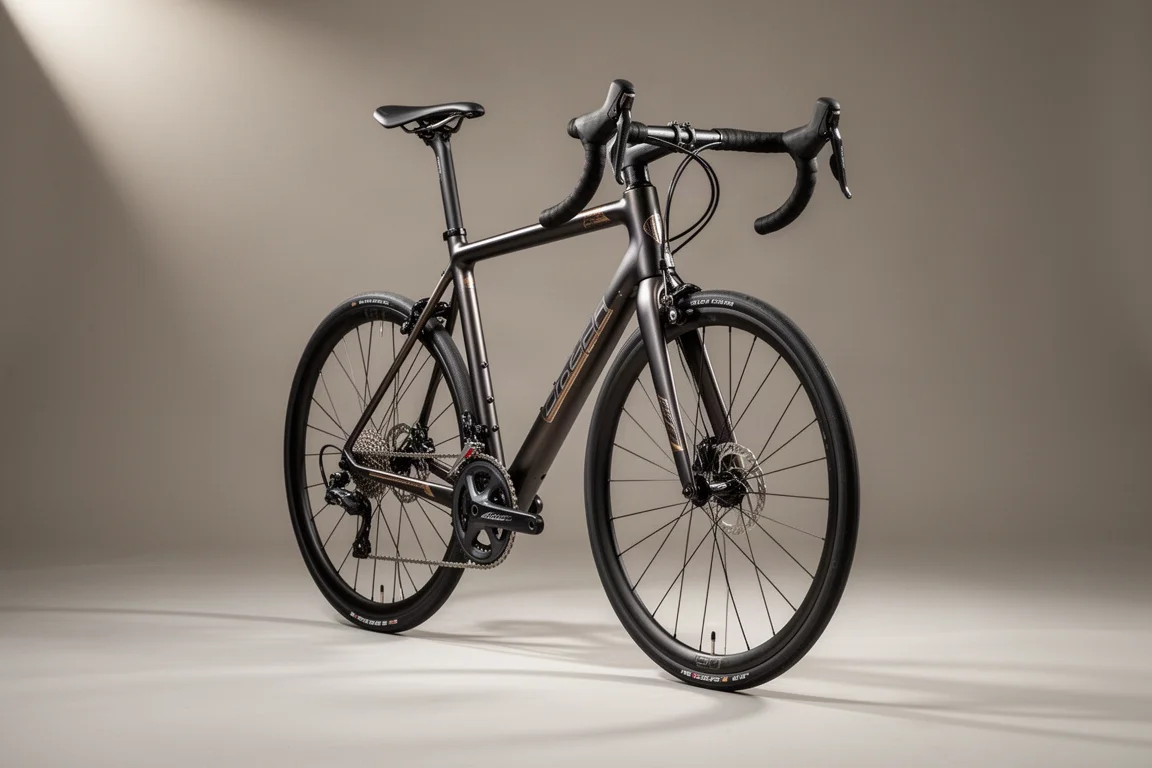
This category looks for something aspirational with genuine personality, customisable and ready to ride from the moment it arrives. The Enve Melee won it comfortably. First impressions from press images were underwhelming, but in person the finish and proportions read as classy and understated.
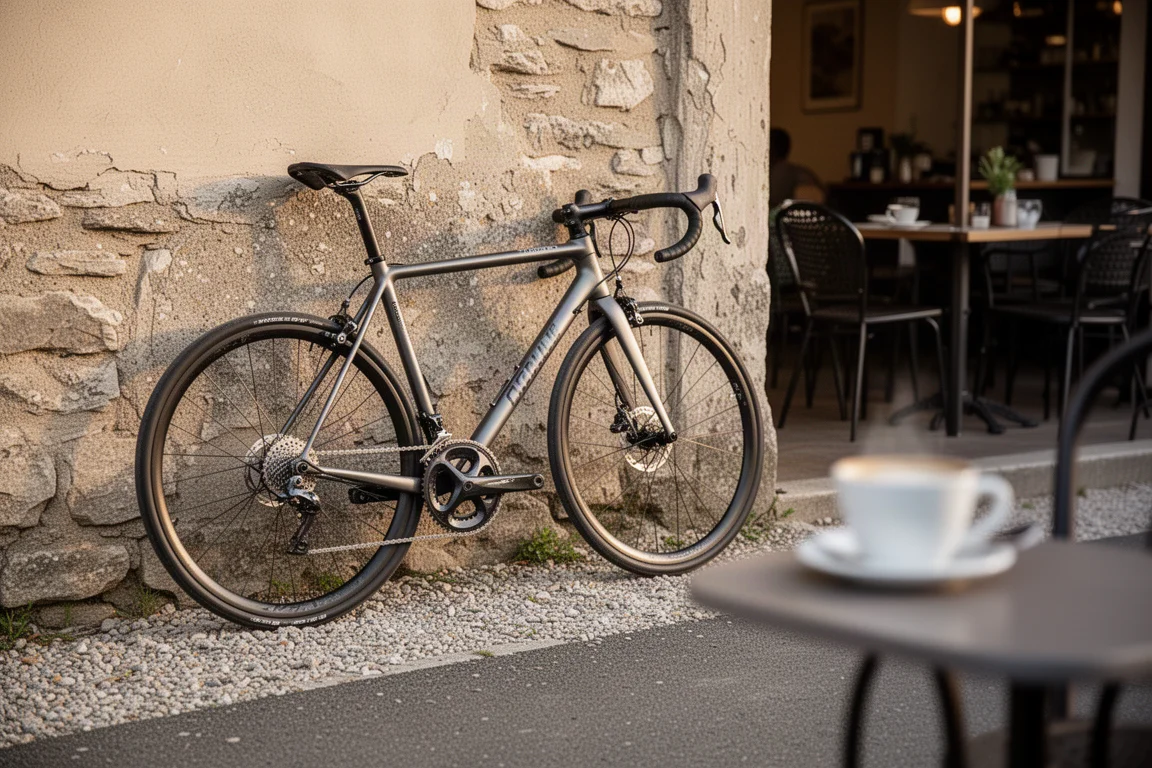
Everything on the bike is either Enve or Shimano, down to a collaboration saddle branded by Enve, and the quality of the components is what really sets it apart: the handlebar feels right, the wheels are very fast, and the overall look is elegant rather than loud. Enve only began making frames in 2021, so the frame itself is a newer proposition than the finishing kit.
It is not the lightest at around 7.5 kg and leans more toward the aero side of the spectrum. It does not climb as quickly as the Giant TCR and feels a little more laboured on steep gradients, but it is remarkably versatile: it accepts up to 35 mm tires and even has mudguard mounts without spoiling the lines. Above all it has a magic carpet quality at speed, comfortable enough for long miles and steady enough to push hard on descents. Sold as a rolling frame set, it can be built to your own specification.
Overall Race Bike of the Year: Specialized S-Works Tarmac SL8
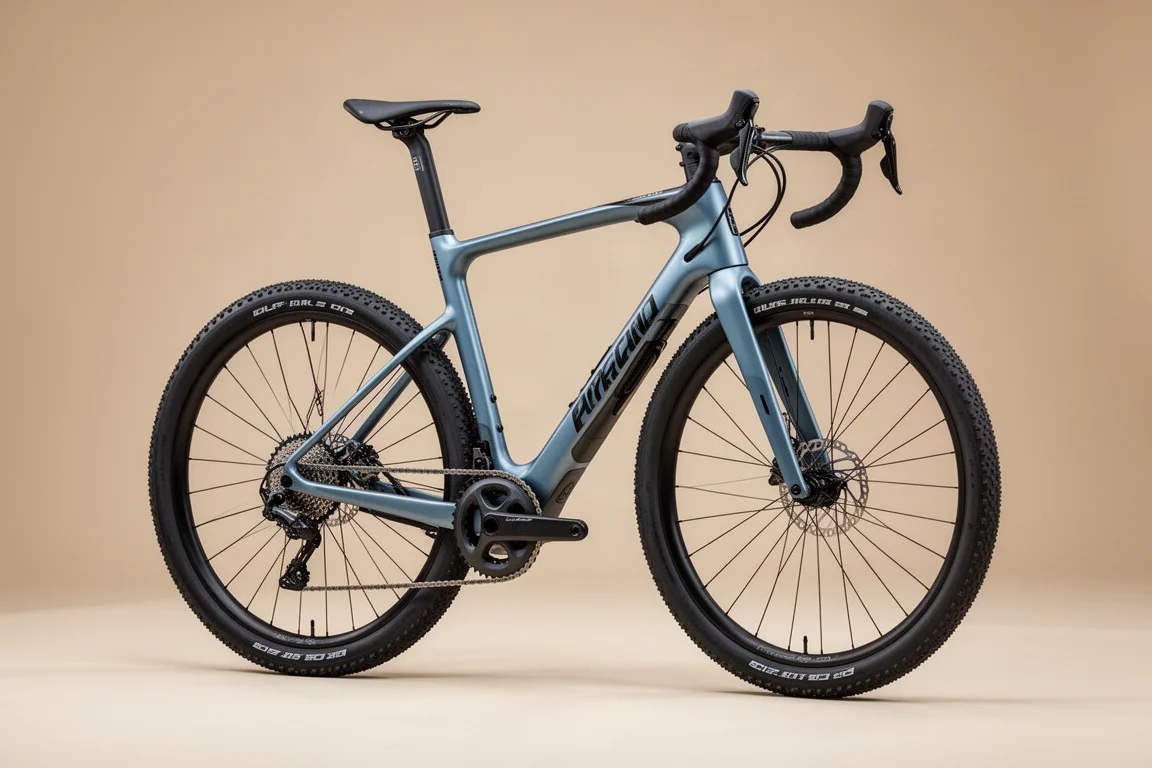
The overall winner needs to do everything: be aerodynamic, handle quickly, stay stable in a sprint, respond when the road tilts up, and remain comfortable over long distances. The Specialized S-Works Tarmac SL8 does all of it. The build tested weighed 6.68 kg ready to ride, with a painted size 56 frame at 685 g and Roval CLX 2 wheels that are widely regarded as an industry standard.
It was the fastest bike on flat roads in the test group and climbs as well as any of them, with the possible exception of the very steepest gradients, where the Giant TCR has a slight edge. Specialized raised the stiffness-to-weight ratio and raw stiffness at the same time, and the bottom bracket and head tube feel rock solid. Under hard cornering there is a small amount of movement at the bottom bracket, which is forgivable given the weight, but it is the one area with room to improve.
The shortest wheelbase in the group, with 405 mm chainstays, makes it change direction instantly. That agility rewards an experienced rider, though it is less immediately confidence-inspiring than the Enve for someone newer to race geometry. The cockpit geometry is excellent and stiff without excessive road buzz, but width options are limited, and 42 cm bars on a size 54 is wider than the current trend toward narrow handlebars suggests.
Taken as a whole, across comfort, aerodynamics, stiffness, handling and geometry, this is the strongest race bike package in the test.
Buying Advice: Matching the Bike to Your Riding
The right choice depends on what you value most. If outright acceleration and stability at speed matter above all, the Look 795 Blade RS is the aero pick. If you want top-level performance without the top-level price, the Merida Scultura 9000 delivers a stiff, engaging climbing platform for considerably less than an equivalent build from a larger brand.
For riders who split their time between climbs and fast group rides, the Giant TCR Advanced SL 0 is the most balanced of the lightweight options, and its lower-tier models keep much of the frame quality. If the bike needs to feel special every time you open the garage door, the Enve Melee offers custom build options and unusual versatility for a race bike.
And if the goal is one bike that covers everything, from flat sprints to long days and steep climbs, the Specialized S-Works Tarmac SL8 is the most complete package in this group, provided you accept the bottom bracket compromise and check cockpit width carefully before ordering.
Conclusion
Five categories, five different answers, and no single bike wins every one. The Look 795 Blade RS is the aero specialist, the Merida Scultura 9000 is the value standout, the Giant TCR Advanced SL 0 is the climbing benchmark with genuine flat-road speed, and the Enve Melee is the most desirable machine of the group. The Specialized S-Works Tarmac SL8 takes the overall award because it does more things well at once than anything else tested.
Further reading
Related Reviews
Cycling
2026 Bike of the Year and the Cycling Gear Worth Watching
A drop bar roundup for 2026 covering the Ridley Kanzo Fast 2.0, Shimano Dura-Ace Di2 R9300, Trek Checkpoint ALR Gen 3, Specialized Tarmac SL9, Garmin Fenix 9 and Insta360 X6.
Cycling
Best All-Road Bikes 2026: Six Versatile Endurance Road Bikes Worth Considering
A practical look at six all-road and endurance road bikes, from lightweight carbon speed machines to steel all-rounders and comfort-focused mile eaters.
Cycling
Best All-Road Bikes 2026: 8 Endurance Bikes for Road and Light Gravel
Eight all-road bikes that blur the line between endurance road and light gravel, compared on tire clearance, ride character, practicality, and value.