Rucksacks
Rab Veil XP 30L Rucksack Review: A Fastpacking Hybrid for Fast-Moving Days
A close look at the Rab Veil XP 30L, a waterproof rucksack and running vest hybrid built for ultralight overnight trips and quick days on the hill.
Introduction
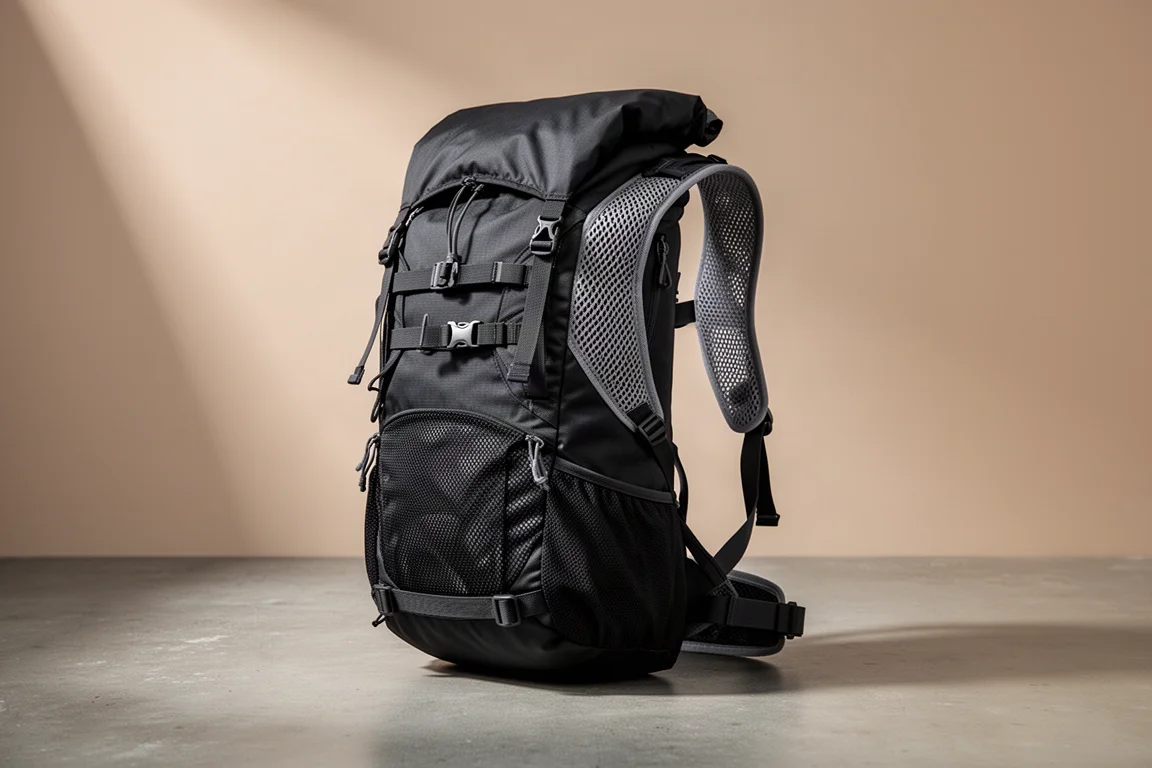
The Rab Veil XP 30L is a fastpacking hybrid: half rucksack, half running vest. Rab offers the pack in two sizes, a small at 500 g and a medium at 512 g, and there is also a smaller 20 L version for trips where the kit list is tighter and more dialed in. This article focuses on the 30 L pack.
It has been used over a couple of months as a day pack on shorter hikes and 10 to 15 mile days, and as a weekend wild camping pack. The appeal is straightforward: it carries a serious amount of kit in a compact, low profile shape, and it does not get in the way when you want to move quickly.
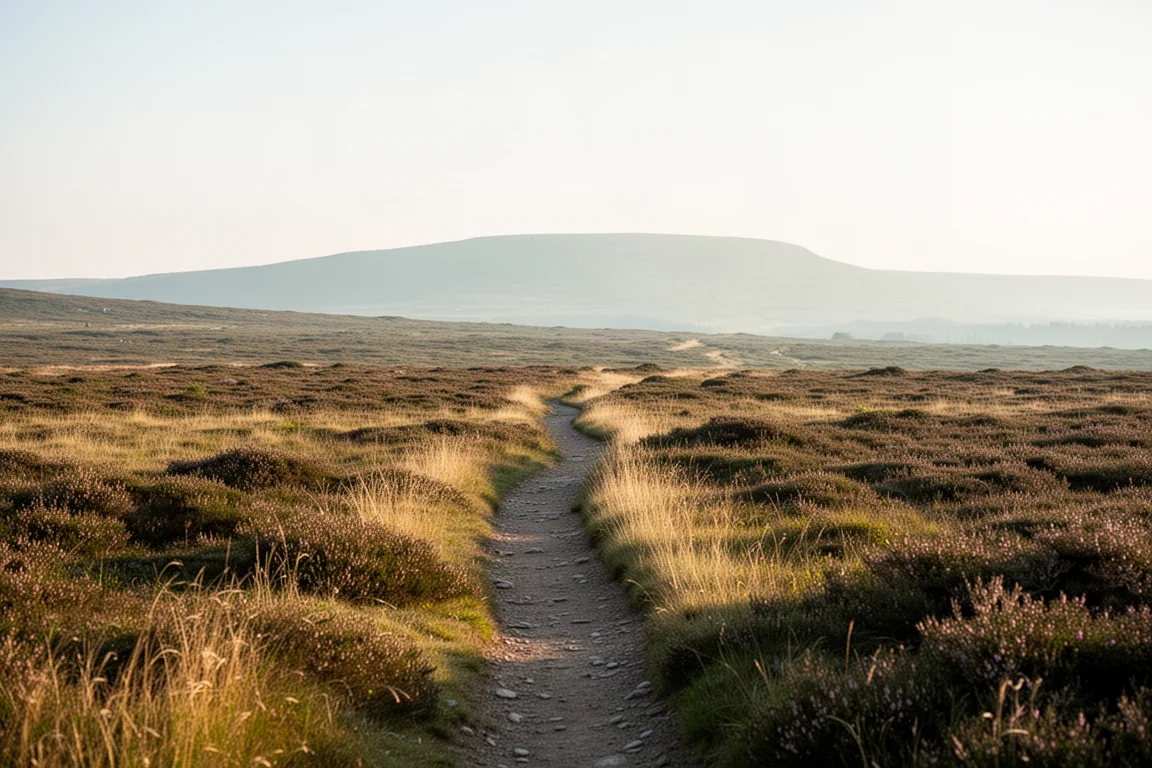
The pack is set up here around a two-day fastpacking and ultralight wild camping load, which is the scenario where this design makes the most sense. What follows covers the materials, the harness, the pocket layout, how it behaves on the trail, and the points worth checking before you buy.
Who the Veil XP 30L Is For
The Veil XP 30L is built for fast-moving people who still need to carry a decent amount of kit. The design is aimed at long, continuous efforts where weight and quick access matter, the sort of ground covered in events such as the Spine Race or the Lakeland 100.
That said, you do not need to be an elite athlete to get value from it. The same qualities that suit a racer, a low profile, a stable carry and quick access to essentials, also make it a very good day pack for shorter hikes. It works well for 10 to 15 mile days and for weekend wild camping trips where you want to cover ground efficiently.
If your trips are short and tightly planned, the smaller 20 L version covers similar ground with less volume.
Design, Materials and Weather Protection
The main body uses a robust 40 denier fabric treated with a silicone coating. Water beads and runs off it in the same way it would on a typical waterproof jacket. Internally the pack is fully tape seamed, so there is no route for water to enter through the seams, and the roll top closure seals the top of the pack against the weather.
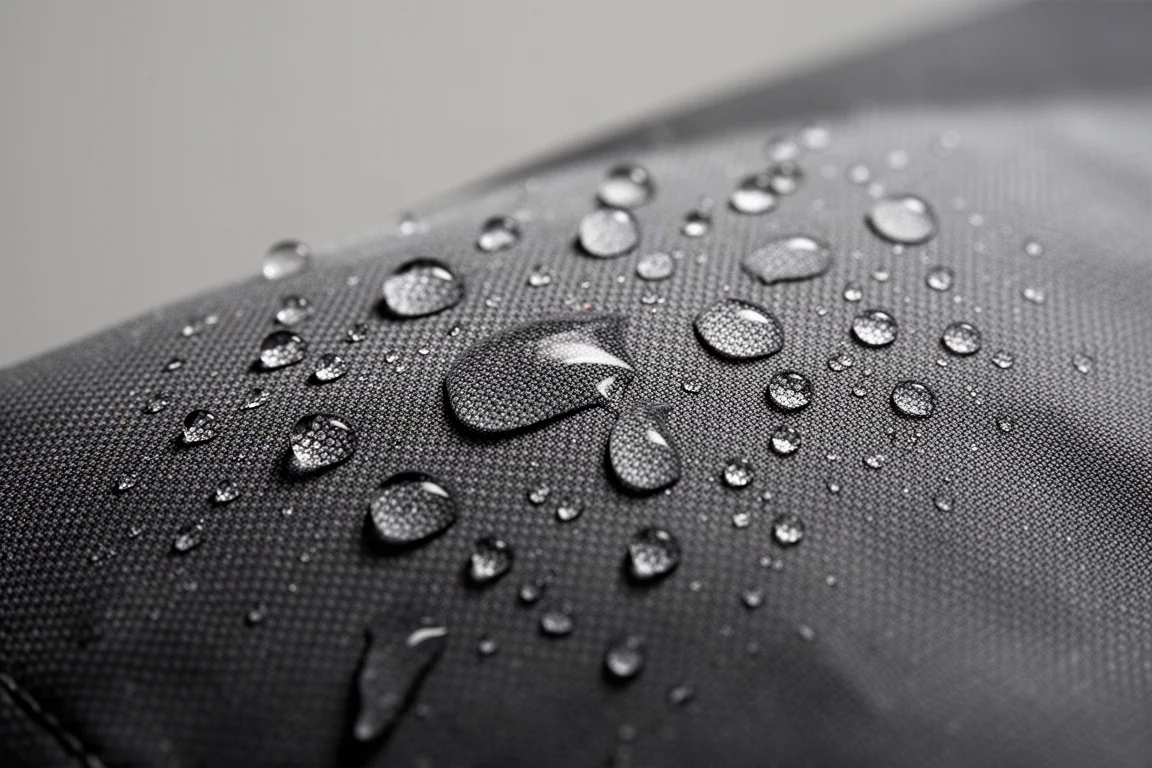
In practice that means the contents stay dry and safe regardless of what the weather is doing, without rucksack covers or dry bags. Leaving those items behind also removes the small amount of extra weight they would otherwise add to your kit.
The roll top closure keeps the weather out and gives the top of the pack a clean, low profile finish that sits neatly against the back.
Harness, Pockets and Carry Layout
This is where the running vest influence shows. The harness has two shoulder strap pockets that will hold soft flasks or water bottles, and they work just as well for a phone or a pair of sunglasses. Dual sternum straps run across the chest and, together with the hip belt, steady the load and take pressure off the shoulders by spreading it across the chest.
The shoulder straps are made from a see-through mono mesh that gives them both stretch and rigidity. They do not absorb water and they are highly breathable, so water vapour moves straight through rather than sitting against your chest.
Pockets are everywhere. Two large water bottle pockets sit on the front, and they can also take sunglasses or a mobile phone. In front of them are two zip pockets, useful for keys, snacks or anything else you want to reach on the go. There is a large stretch mesh pocket on the front and two mesh pockets on the sides.
Along the back, the pack uses a 3D spacer mesh roughly a quarter of an inch thick. It sits the pack slightly off your back to let some air flow through, and it adds a little padding. Behind it there is a sleeve intended for a water bladder, and a sit pad works just as well there, adding stability and a bit of extra padding.
The hip belt pocket is deliberately minimal: perforated, closed with a hook and loop fastening and a simple buckle on the side. It is there for stability rather than load bearing, keeping the pack tight against your back.
Two pole sleeves are another distinctive touch. Trekking poles slide straight in and straight out, and they can be reached on the move. They also give you a designated place to stow poles when travelling to and from the trailhead, and they will take tent poles as well. If you would rather not rethread them into a quiver, poles can be carried under the arms at the front and pulled out whenever you need them.
How It Performs on the Trail
Fitting a full overnight kit into such a small, neat package is genuinely liberating, particularly with an ultralight setup. The pack sits out of the way, stays tight against the back, and lets you move down the trail without feeling encumbered.
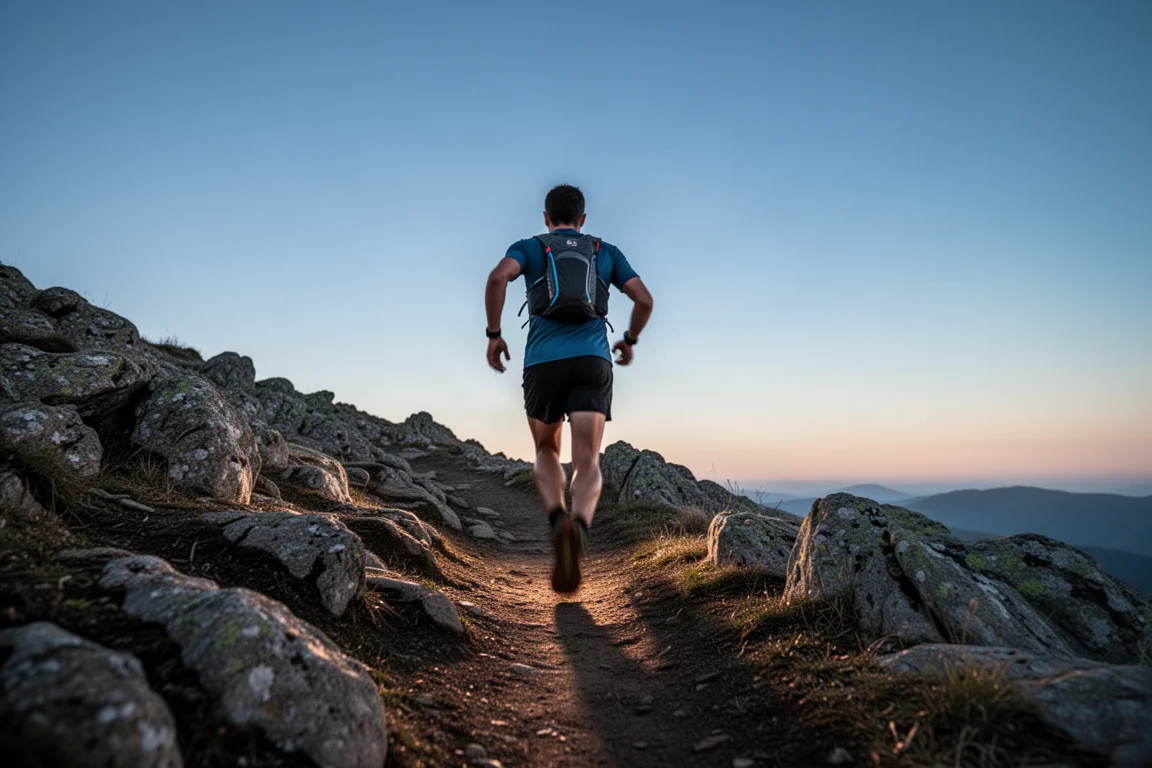
Stability is the standout quality. Between the harness, the dual sternum straps and the hip belt, the load stays close to the body rather than swinging around, which matters most when the terrain gets rough or when you are moving fast.
Packing It for an Overnight Trip
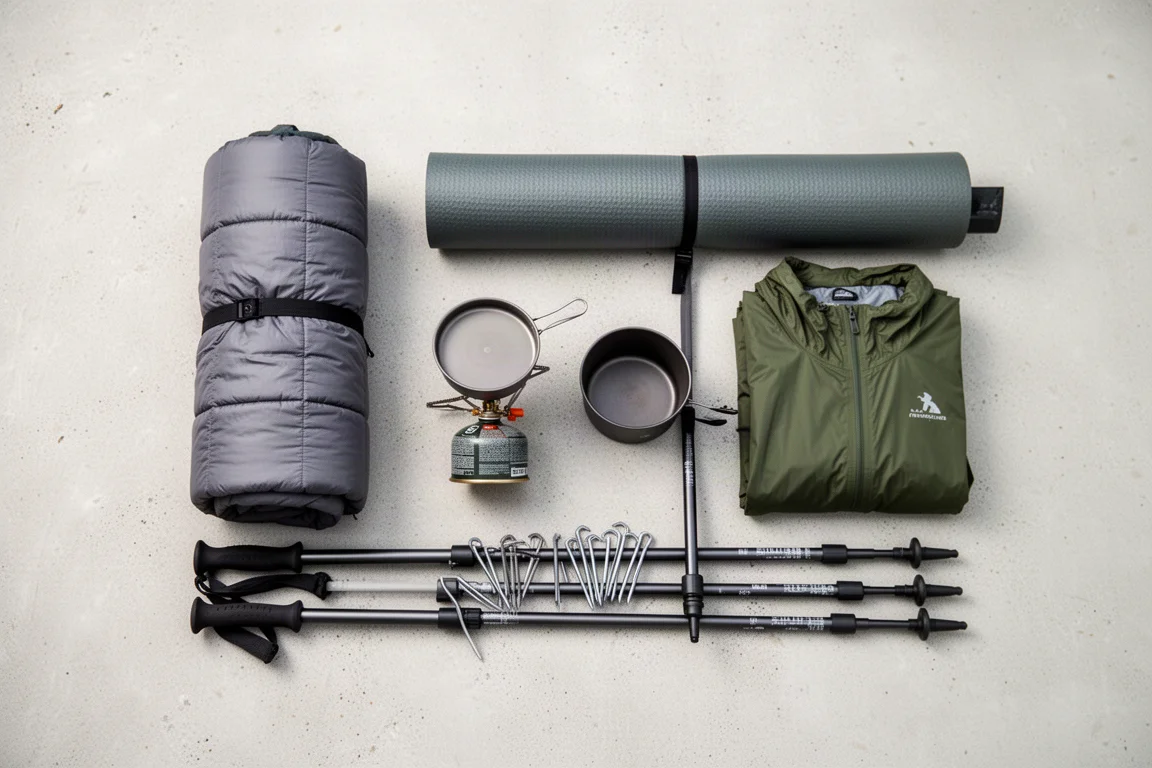
For a two-day fastpacking and wild camping trip, the 30 L pack takes a complete kit.
On the outside, a two-person ultralight shelter rides in the front mesh pocket, where it is quick to grab on arrival at camp. Two trekking poles sit in the pole sleeves. One sleeve also takes a hat, a buff and a cold weather hat for sleeping. A large side pocket holds a phone, head torch, headphones and car keys. The front mesh pocket carries waterproof trousers, a lightweight waterproof shell and tent pegs, all kept outside for fast access. A sit pad goes in the bladder sleeve. The two bottle pockets take a water filter, a standard sports-cap bottle, some sweets, gels and a satellite communicator.
Inside the roll top, two days of food fit comfortably: two breakfasts, two main meals and snacks. There is room for a puffy jacket, an electronics pouch with a power bank and charging leads, spare underwear, spare socks, sleep clothing and an extra base layer. A compact cook kit with a pot, gas, a mug and a canister stove fits as well, alongside a sleeping pad and a quilt.
That adds up to a complete two-day load in a 30 L pack weighing around 512 g when empty.
Things to Consider Before Buying
The hip belt is intentionally minimal. It is built for stability rather than load transfer, so if you routinely carry heavy loads, this is not the pack for that job. It is at its best with a light, carefully chosen kit.
The waterproof construction removes the need for a cover or dry bags, but it also means the roll top needs to be properly closed to deliver that benefit.
The pole sleeves are sized around trekking poles. They will take tent poles too, but bulky items will not slide in the same way.
Size and volume matter. The pack comes in a small at 500 g and a medium at 512 g, and a 20 L version is available for shorter, more dialed in trips. Choosing between them comes down to how much kit your trips actually require.
Buying Advice
Choose this pack if your trips are about covering ground efficiently rather than carrying comfort. Fast packers, ultra runners and fast-moving wild campers are the natural audience, and the same design makes it a genuinely enjoyable day pack for long hill days.
If your priority is a heavy load or a multi-day trip with a generous kit list, look elsewhere, because the minimal hip belt and the low profile shape are tuned for light, compact loads. For everyone else, the combination of waterproof materials, taped seams and a vest-style harness with quick-access pockets is a compelling one.
Conclusion
The Rab Veil XP 30L is a well-designed, low profile, waterproof pack that carries a two-day ultralight load in a package weighing around 512 g in the medium size. It suits fast-moving people, and it works just as pleasantly as a day pack. Match it to a light kit list and it does exactly what it promises.
Product link
View more details for Rab Veil XP 30L Rucksack
This product is mentioned in the review. Check the specifications, options, and compatibility before buying.
View more details for Rab Veil XP 30L RucksackFurther reading
Related Reviews
Rucksacks
Osprey Talon 22 Review: A Light, Ventilated Daypack With a Price to Think About
A light, well-ventilated 22 litre daypack for walking, hiking and cycling, with a comfortable harness, sensible pocketing and a price that deserves a careful look.

Backpacking Gear
Building a 10 lb Base Weight: An Ultralight Backpacking Gear List
A practical walkthrough of the ultralight pieces behind a 10 lb base weight, from a 765 g pack and a roomy one-person tent to a full camp chair and a dependable water filter.

Road Bikes
10 New Road Bikes Worth Watching: Aero, Titanium, Steel and Endurance Standouts
A practical roundup of 10 new road bikes, from aero flagships chasing single-watt gains to titanium, steel and endurance platforms built for real roads.