Down Jackets
Rab Neutrino Pro Review: The Classic 800-Fill Down Jacket Explained
A close look at the Rab Neutrino Pro down jacket: 800 fill goose down, Pertex Quantum Pro fabric, stitch-through construction, and the fit advice that actually matters.
Introduction
Some down jackets are designed around a single extreme and end up awkward everywhere else. The Rab Neutrino Pro takes the opposite approach. Rab has been making down jackets and sleeping bags for more than 40 years, and this model sits deliberately in the middle of a range that runs from very light jackets at one end to much bulkier, warmer designs at the other.
That middle position is the whole point. The Neutrino Pro is not the warmest jacket Rab builds, and it is not the lightest either. What it offers is a well-rounded balance that covers a wide spread of cold-weather use, from a chilly morning at the crag to an evening outdoors with the family.
Who This Jacket Is For
If you want one insulated jacket that handles most of what you actually do in cold weather, this is the profile to look at. It is warm enough for genuinely cold conditions without being so warm that you overheat the moment you start moving or step indoors.
It is comfortable with a rucksack on, which matters if you are carrying anything. It works just as well for low-key days as for more serious ones: a session at the boulders, an evening watching fireworks, a walk in the woods with children. The construction is durable enough to take that without feeling heavy on your back.
Mountaineering features are built in, but they do not get in the way if you never climb anything. In practice they tend to be useful anyway, which is a good sign that the design is not over-specialised.

For anyone who is not chasing the absolute lightest possible kit or the warmest possible belay jacket, the Neutrino Pro lands in a place that is easy to live with across a whole winter rather than for one trip.
Materials and Construction
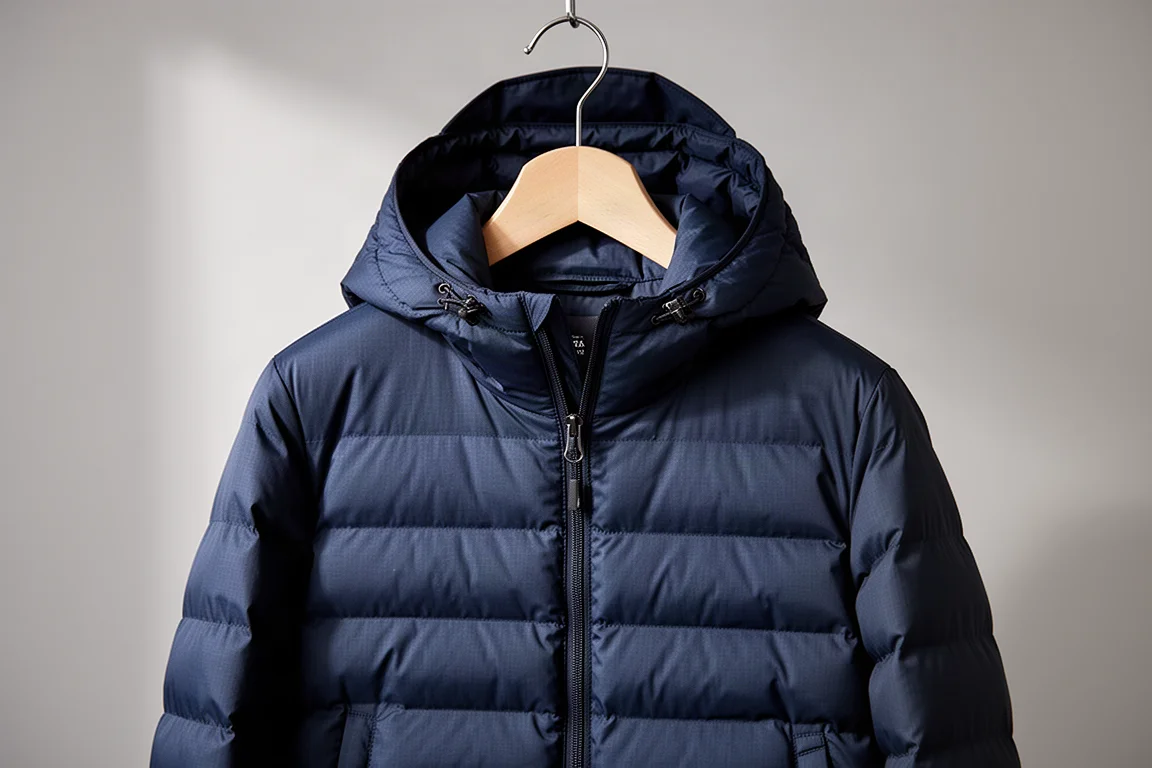
The fill is 800 fill power European goose down, which is a genuinely high grade. Lighter and fluffier down exists, but it comes at a significant cost and usually requires thinner, more delicate face fabrics that do not hold up as well across a broad range of conditions.
That down carries a hydrophobic treatment developed with Grangers, a long-running collaboration between the two brands. The practical effect is that the insulation copes far better with damp than untreated down, which is a meaningful advantage in changeable weather.
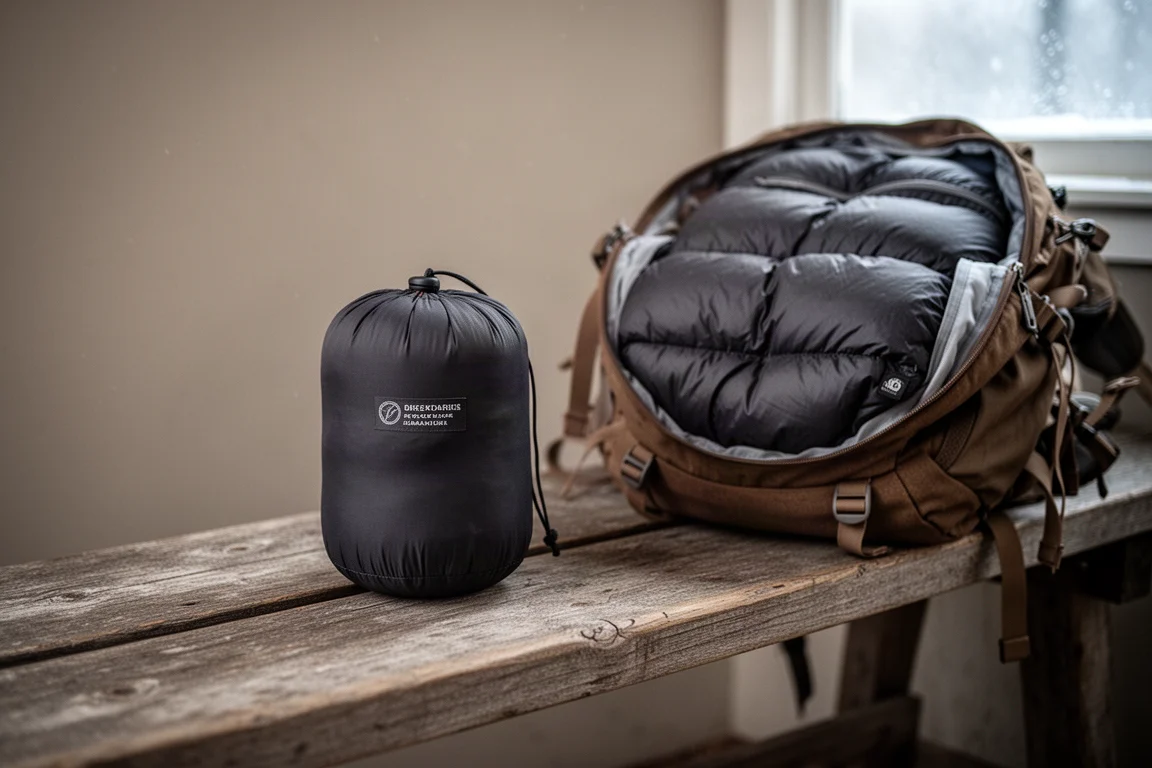
The jacket uses stitch-through construction. Compared with a box wall design, this is the better choice for compressibility: it packs down small and the baffles loft up well. The trade-off is that warmth is slightly less consistent across the jacket, and box wall construction, which avoids that, is both more expensive and considerably bulkier. For a jacket in this position, stitch-through is a sensible compromise.
The face fabric is Pertex Quantum Pro at 20 denier. Many comparable jackets use lighter fabrics that can be less durable, whereas this one balances a light, compressible feel with real resistance to wear. It also carries a PFAS-free DWR finish, so light rain and damp snow bead up and roll off rather than soaking straight in.
Inside, the lining is 20 denier recycled Pertex Quantum. It leaves off the water-resistant treatment because it does not need it, which makes it noticeably softer against the skin or over a base layer.
The medium size carries 212 g of that 800 fill down, and the complete jacket weighs 563 g in a medium. Neither figure is extreme in either direction, and that is exactly what makes it so easy to pack and carry for a wide range of outings.
Fit and Sizing
Sizing is the part of a down jacket purchase people most often get wrong. As a reference point, someone around 6 feet 4 inches and over 90 kg found a large to be about right: comfortable thrown over a t-shirt between boulder problems, with enough room to add a hard shell and mid layers underneath for a mountain day.
That does not mean you should buy the largest size that can accommodate every layer you own. A jacket you wear once a year on an expedition, and which looks oversized for the rest of the year, is a poor investment.
The goal is a jacket that touches everywhere without squashing the baffles. Too much space inside means a pocket of air that takes a long time to warm up, plus loose fabric that flaps and makes you feel colder. Too tight is worse still: the warmth in a down jacket comes from loft, so compressing the baffles directly reduces how warm it can be.
Main Strengths in Daily Use
The details are where this jacket earns its reputation.
The two-way front zip with a popper at the bottom is more useful than it sounds. It lets you open the jacket from below for freedom of movement when you sit down, and it is genuinely handy if you are belaying while wearing it.
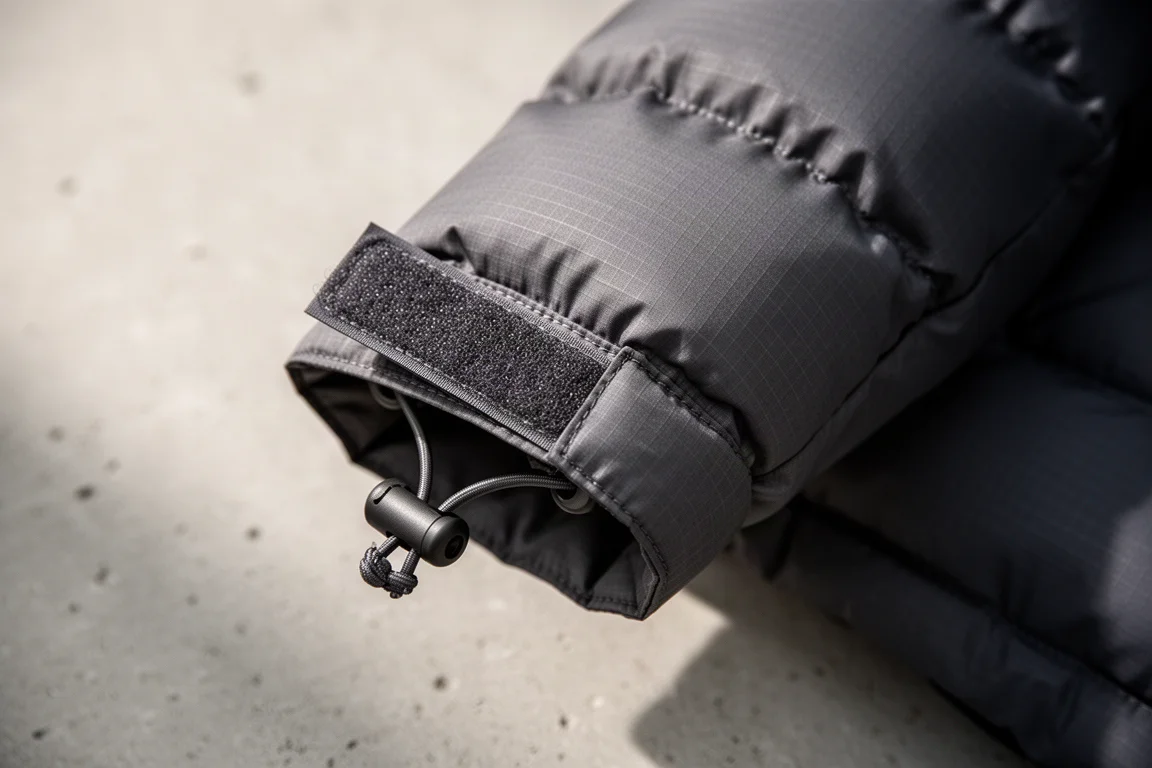
The cuffs use hook-and-loop closures that open wide enough to pull gloves through, then cinch down snugly to keep warm air in. The hem has two pull cords to seal the bottom edge, and they release easily when you want a looser fit.
The hood is exceptionally well filled. It fits over a climbing helmet, and it can also be cinched down with a hook-and-loop closure and two front pull cords when you are not wearing one. The peak contains a wire, so it stands proud like a cap rather than collapsing into your face. If you would rather not wear the hood at all, the same hook-and-loop tab rolls it away neatly to form a high collar.
The hand pockets deserve particular credit. They are fleece lined, with down outside the fleece, so they feel warm and soft the moment you put your hands in. On a cold, damp morning that is a small luxury you use constantly.
Inside there are two more pockets: a small zipped pocket that suits a phone or keys, and a large dump pocket on the other side that swallows gloves, a hat, or climbing shoes while you warm up. On a mountaineering day it is also a sensible place for a water bottle, where body heat can help stop it freezing.
What to Consider Before Buying
The main thing to weigh is the stitch-through construction. It is the right call for compressibility and packability, but it does mean warmth is marginally less even than a box wall jacket of similar fill weight. If your priority is maximum warmth in severe cold, a bulkier box wall design will serve you better.
This is also not a specialist jacket in either direction. It is not the lightest option available, and it is not the warmest. If you need an ultralight layer for fast alpine movement, or a heavyweight belay jacket for deep winter, other designs in the range will fit those jobs more precisely.
Finally, be honest about sizing and layering. Buy for the conditions and layers you will actually wear most of the year, and accept that you can squeeze an extra layer underneath on the occasional bigger day.
Care and Moisture Management
Two features work together when the weather turns wet. The PFAS-free DWR on the face fabric sheds light rain and snow, and the hydrophobic down treatment handles whatever moisture makes it through. That combination means the jacket copes with damp far better than untreated down, which is reassuring on long days in changeable conditions.
Because the warmth comes from loft, it pays to avoid compressing the jacket more than necessary. Packing it down small is one of its strengths, but keeping it lofted when it is not in use helps it stay as warm as it was designed to be.
Buying Advice
The strongest argument for the Neutrino Pro is that it removes a decision. Instead of owning a light jacket for cool days and a heavy one for cold days, you get a single layer that handles the broad middle ground well: warm enough to matter, light enough to carry, durable enough to use without worrying about it.
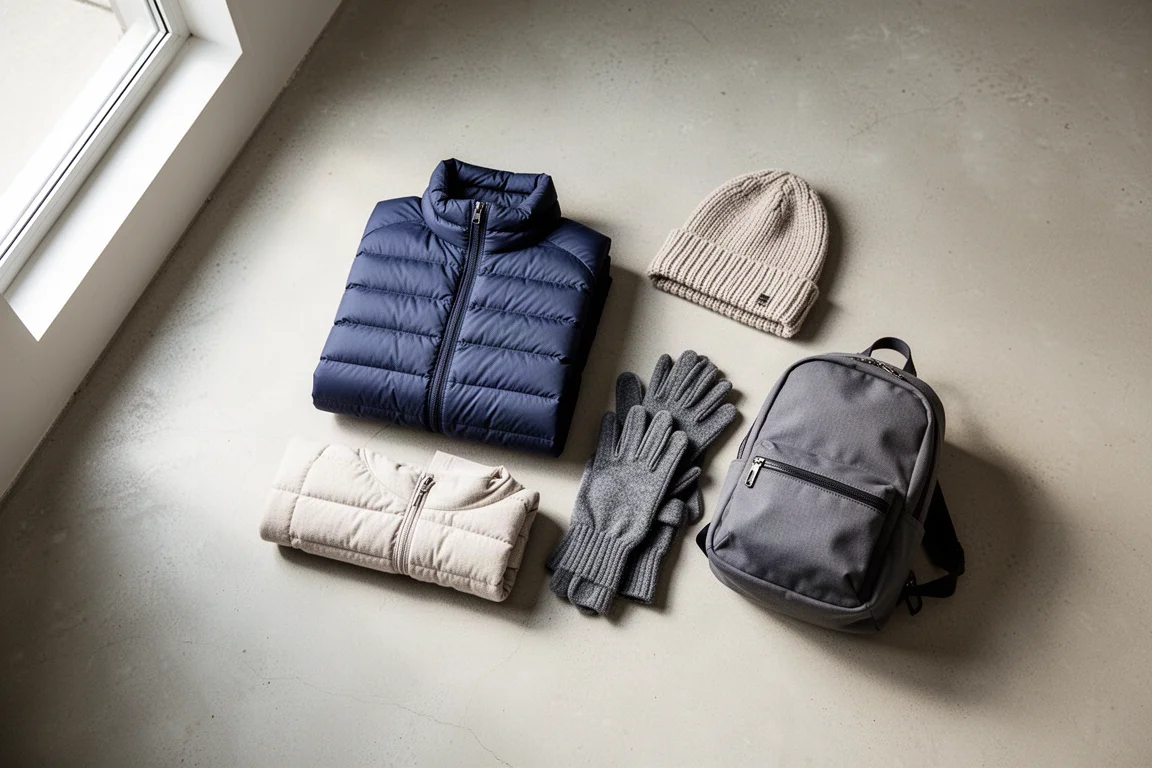
It suits anyone who wants one dependable down jacket for winter walking, climbing, bouldering, and everyday cold-weather use. It suits people who carry a pack and want something that stands up to contact with rock, branches, and straps. And it suits anyone who values well-judged details like the fleece-lined pockets and the wired hood peak.
If you are shopping for a first serious down jacket, or replacing one that never quite covered enough situations, this is a safe and sensible place to land. The materials are high quality, the construction is chosen for real-world packability, and the feature set is generous without becoming fussy.
Conclusion
The Rab Neutrino Pro is about as classic as a down jacket gets, and that reputation is built on sensible choices rather than marketing. High-grade 800 fill down with a hydrophobic treatment, a durable 20 denier Pertex Quantum Pro face fabric, stitch-through construction that packs down small, and a set of mountaineering features that stay useful even if you never set foot on a mountain.
It is not the warmest jacket you can buy and it is not the lightest. It is, however, unusually easy to recommend to anyone who wants a single insulated jacket that does the job across a whole winter.
Product link
View more details for Rab Neutrino Pro
This product is mentioned in the review. Check the specifications, options, and compatibility before buying.
View more details for Rab Neutrino ProFurther reading
Related Reviews
Down Jackets
Best Budget Down Jackets 2026: Three Picks Worth Considering
A practical look at three budget down jackets between $80 and $150, compared on warmth, features, build quality, and weight.
Down Jackets
Best Down Jackets 2026: From Budget Warmth to Extreme Cold
Nine technical jackets compared by warmth, weight, price, and availability, from an affordable $120 layer to a 537 g expedition jacket worn down to -30°C.
Down Jackets
RAB Mythic G vs Decathlon MT500: What a $525 Down Jacket Actually Buys You
Two down jackets with similar warmth on paper and a price gap of nearly $400. Here is where the money goes and which one suits which kind of buyer.