Backpacking Packs
RAB MUON 50 Review: A Sub-1kg Multi-Day Pack for Fast and Light Backpacking
A close look at RAB's first lightweight multi-day rucksack, covering its 100 denier Spectra ripstop fabric, removable floating lid, Triflex carry system, and the trade-offs worth weighing before you buy.
Introduction
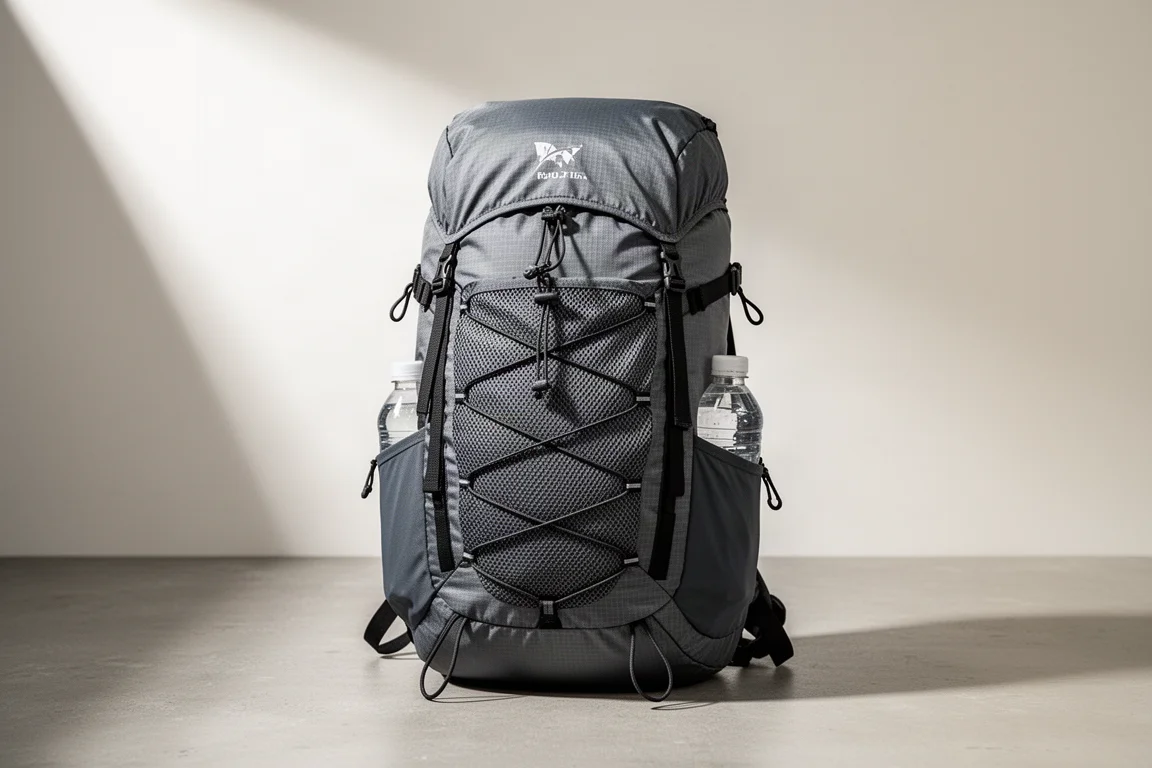
RAB has built its reputation on climbing gear and running packs, and the MUON 50 is its first real move into genuinely light multi-day rucksacks. The design openly borrows from both sides of that catalogue, taking the durability of the brand’s climbing packs and the comfort and speed of its newer running range, then combining them into a single backpacking pack.
The headline number is weight. The 50 litre version comes in at just under a kilogram, and the smaller 40 litre version lands at 900 g. For a pack this size, that is a serious figure, and it is the reason the MUON 50 sits in a different category from a conventional trekking rucksack.
What matters more is whether the low weight comes at a cost. On the evidence here, very little has been stripped away to achieve it.
Who This Product Is For
This range is clearly designed around multi-day backpacking, whether that means long routes in Europe, the United States or the UK. It suits walkers who want to move quickly with a lighter load, and it also works for anyone who simply wants a big pack that does not feel like one.
The 50 litre version is the one with the top pocket, while the 40 litre version drops the lid for a simpler and even lighter setup. Both come in a women’s fit as well as a men’s fit. The women’s version adjusts the shoulders and hips differently, and it does not have to be chosen only by women: shorter male walkers may well find that fit works better for them.

One point worth noting is how flexible the pack is in practice. Because it weighs less than many smaller day packs, there is a reasonable argument for using the MUON 50 for single-day hill walks when you want to carry layers, food and a flask without thinking about volume. It does not feel like overkill on a short outing.
Lightweight Build and Durable Fabric
The face fabric is 100 denier nylon with a Spectra ripstop, which is what makes the pack so light while still feeling genuinely tough. It is not a waterproof fabric, but it is highly water resistant, and importantly it does not soak up moisture and gain weight over a long, wet day.
There is also a deliberate design detail aimed at sun exposure. The pack is built so it does not absorb too much sun and suffer sun damage, which matters less in the UK but is a real consideration on long routes in sunnier climates where packs can deteriorate noticeably over years of use.
The materials throughout feel light and strong, and the fabric used on the lid has an obvious water-repellent quality to it. That combination of low weight and weather resistance is exactly what a multi-day pack needs.
Pockets and Access on the Move
Storage is one of the strongest parts of this design, and the emphasis is on getting to things without stopping.
The large bungee front pocket can be loaded from almost any angle, and it is big enough to swallow a jacket and a pair of trousers at the same time. Because the pocket has mesh in it, wet kit gets some airflow and can dry while you walk, rather than being sealed inside the main body. The two side pockets are equally generous, easily taking a large water bottle, and they can be reached while the pack is on your back.
External carry options are well thought out too. A strap at the bottom of the front panel extends to lash a tent or a roll mat across the pack if the main body is already full, and walking poles can be stowed down the sides. The side compression straps have a useful thumb loop for pulling them tight, and each side runs two separate strands so you can tension one section harder than another to hold a specific item in place.
Up front, the shoulder straps carry pockets sized for a soft bottle, a phone, a compass or snacks, which keeps the essentials within reach without breaking stride. The pack is also bladder compatible, with a hose port routing the tube down to the shoulder strap if you prefer drinking that way.
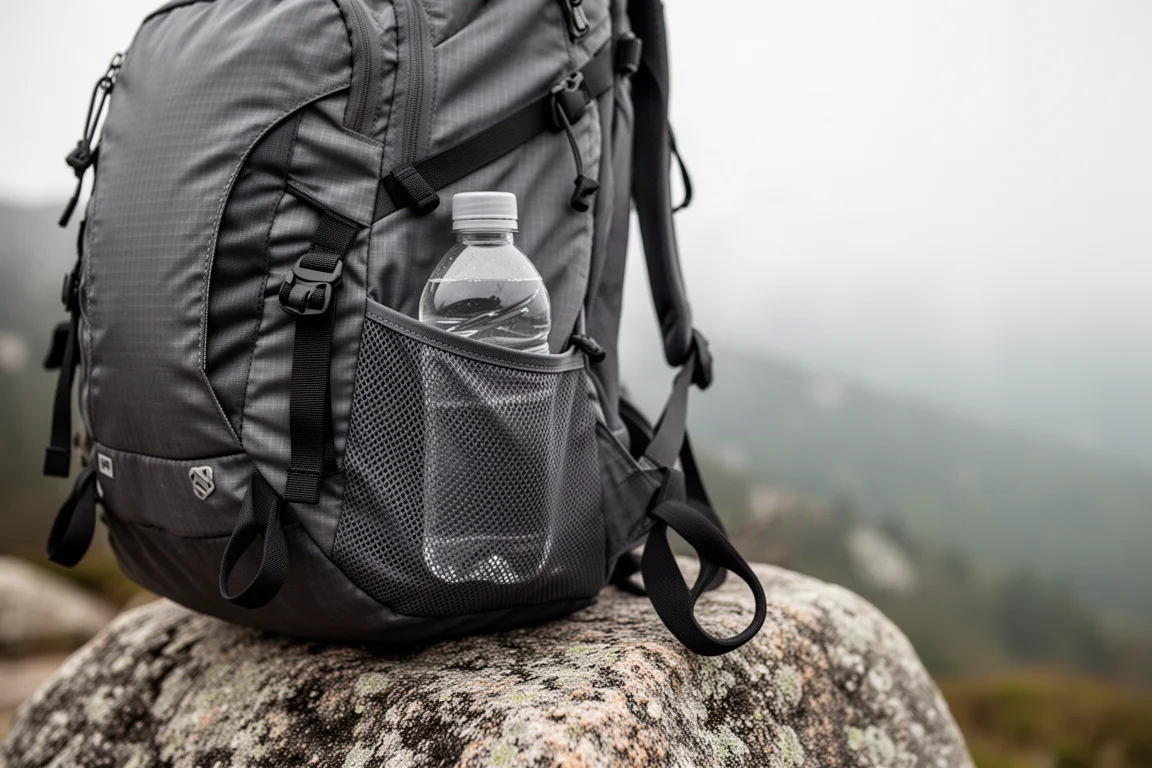
For walkers who like to keep moving, this layout is the practical core of the pack. Layers, water and snacks all live outside the main compartment, so a sudden shower or a quick break does not mean unpacking the whole load.
The Triflex Carry System and Fit
The back system is called Triflex, and the first thing to notice is what it does not have: there is no trampoline-style vented back panel. That is a sensible choice here. Sitting closer to your back makes the pack feel more stable and more secure, which matters if you are moving quickly, jogging or covering rough ground.
The shoulder straps are adapted from the brand’s Veil running packs, with additional padding to handle more weight. Anyone who has used a race vest will recognise the appeal: gear sits high and close, and everything stays handy.
The hip belt is a clever piece of design. The webbing is attached all the way to the pack body at the back, so tightening the belt does not simply cinch the strap, it pulls the rucksack closer to you. The result is a very secure fit that does not shift around. There are no bungee pockets on the hip belt, which is a deliberate omission: they can be awkward to fill on a curved belt, and the front shoulder pockets cover much of the same need.
There is a proper frame inside, which is impressive at this weight. It transfers a meaningful amount of load onto the hips rather than the shoulders. The frame is removable if you want to save more weight, but leaving it in is the better call for anything beyond an overnight trip, because it spreads the load properly. The back panel itself is breathable, with mesh and venting throughout, so hot weather should not be a problem.
Two back lengths are available through the men’s and women’s fits, and after that the back length is fixed. Tension straps let you fine-tune the fit, and the chest strap uses the hook-style design from the running range, so it can be positioned wherever it sits most comfortably. Tall walkers with long backs should check sizing carefully, since the pack is designed to hug the body closely rather than sit away from it like a traditional trekking pack.
Packing Volume and Load Carrying
The lid is more than a lid. It is a large, easily accessible pocket in its own right, and it has two useful tricks.
First, it floats. If you have filled the main body to the brim, you can extend the lid upward and pack it high. Second, it comes off entirely. Remove it and the pack becomes lighter and more nimble, with a small closure covering the top to keep most of the weather out. The lid straps can be removed as well, so they do not flap around and irritate you when the lid is not in use.
Inside the lid there is another large zip pocket with a key clip, and the pocket uses a see-through mesh so you can spot what you are reaching for instead of digging around blind. Beneath the lid there is space that suits a rope, a roll mat or a tent, and climbers in particular will recognise that as the natural home for a rope.
With the lid floated and the main body packed out, the usable volume feels like it comfortably exceeds the nominal 50 litres. Gear such as a tent, sleeping bag, roll mat, waterproofs and a down jacket all disappear inside with room left over.
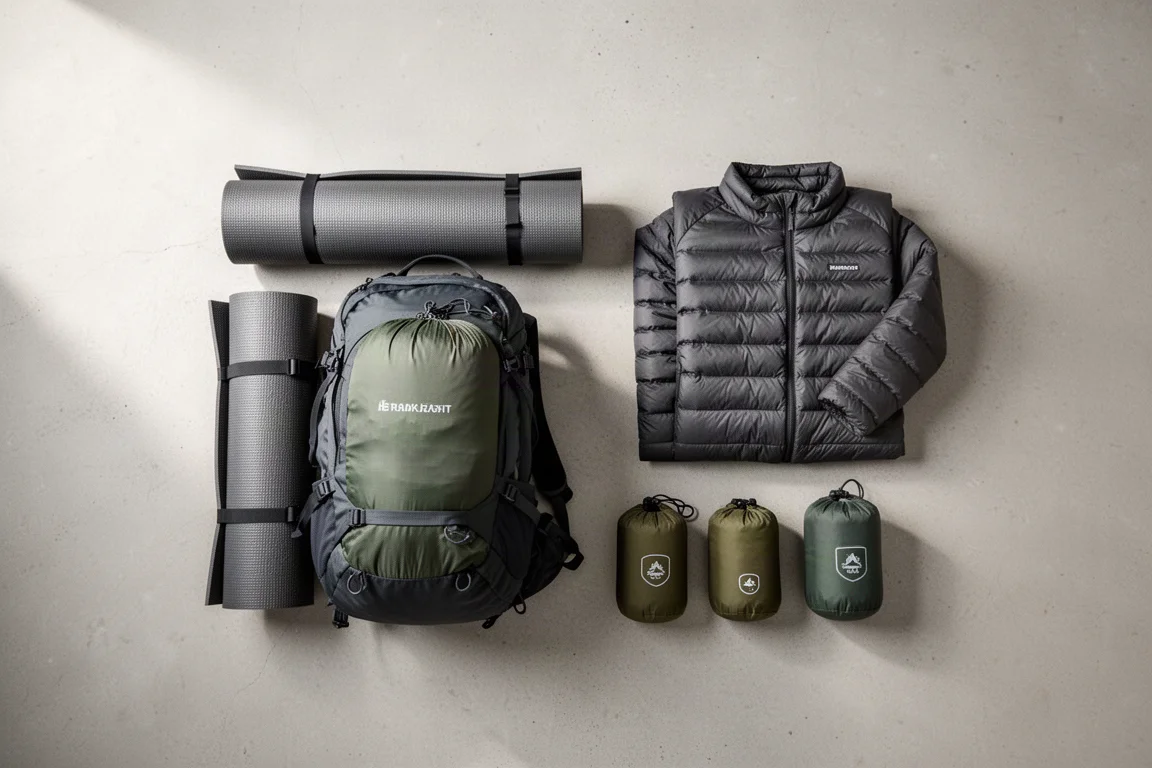
That combination of a floating, removable lid and a genuinely large main compartment gives the MUON 50 a wider working range than its weight suggests. It can be a stripped-back fast pack or a fully loaded multi-day hauler, depending on how you set it up.
Things to Consider Before Buying
The fabric is water resistant rather than waterproof, so a dry bag or liner for the essentials is still sensible on wet trips.
The back length is fixed once you have chosen between the two available fits. There is no sliding or adjustable frame, so getting the right size matters, particularly for tall walkers with long backs who may find themselves near the upper limit of the fit.
The hip belt has no pockets. Small items need to go into the shoulder pockets, the lid or the main body.
The frame is removable, but it is worth leaving in place for load transfer, so the weight saving from taking it out is largely theoretical for multi-day use.
Finally, this is not an old-school trekking pack and it does not try to feel like one. It carries close to the body, like a race vest scaled up. Walkers who prefer a pack that sits away from their back will notice the difference immediately.
Buying Advice
Choose the 50 litre version if you want the lid, the extra volume and the flexibility to float or remove it depending on the trip. Choose the 40 litre version if you pack light, do not need a top pocket, and want the lightest possible setup at 900 g.
Whichever you pick, get the fit right first. Load the pack with your normal multi-day kit before committing to it, tighten the hip belt properly so the webbing pulls the pack close to your body, and check that the shoulder pockets sit where you can reach them comfortably.
Keep the frame in for multi-day trips. Use the bungee front pocket and the side pockets for wet layers and bottles so the inside of the pack stays dry and organised. If you are heading somewhere sunny, the sun-resistant construction is a genuine bonus over years of use.
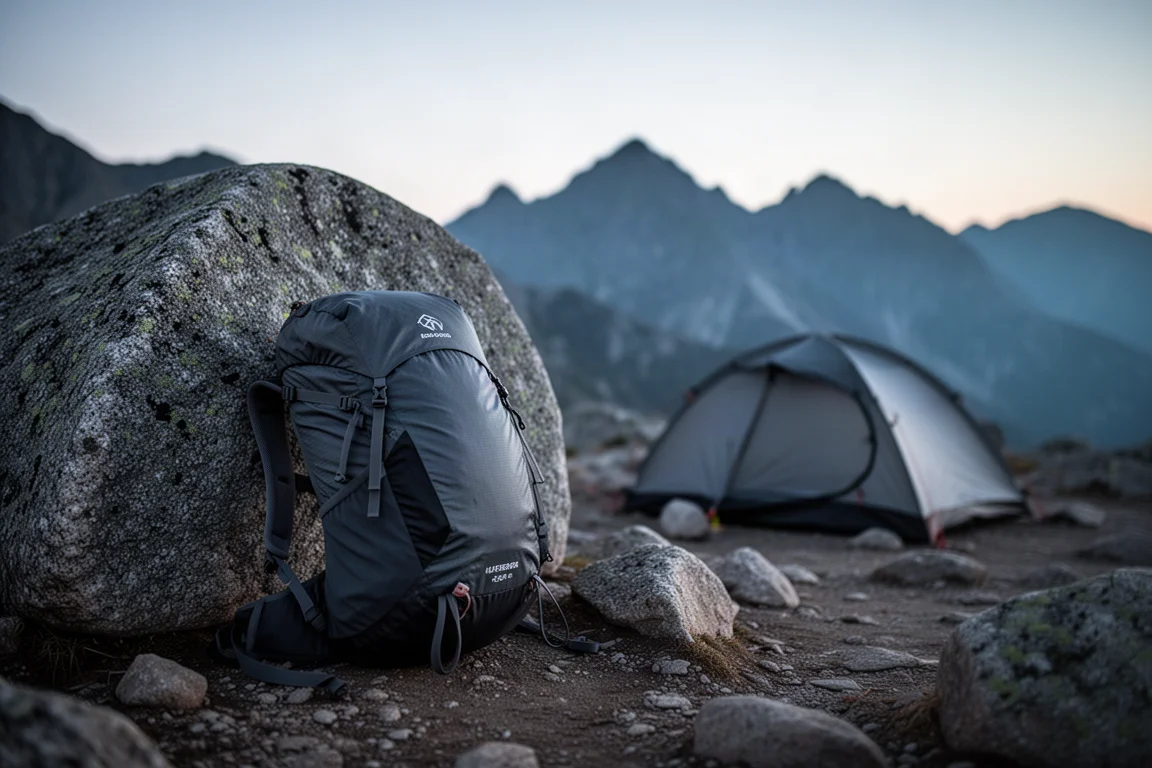
The MUON 50 is an impressive first attempt at this category. For walkers who want a big pack that carries like something much smaller, and who are willing to trade a little adjustability for a lot of weight savings, it deserves a serious look.
Conclusion
The RAB MUON 50 brings climbing-pack toughness and running-pack comfort together in a multi-day rucksack that weighs just under a kilogram. The 100 denier Spectra ripstop fabric keeps weight low without feeling fragile, the pocket layout is genuinely usable on the move, and the Triflex carry system with its close-fitting hip belt and proper frame makes a light load feel secure rather than skittish.
The trade-offs are honest ones: water resistance rather than waterproofing, a fixed back length in two fits, and no hip belt pockets. If those are acceptable, and if you want a 50 litre pack that you could almost run in, this is a strong option to build a fast and light kit around.
Product link
View more details for RAB MUON 50
This product is mentioned in the review. Check the specifications, options, and compatibility before buying.
View more details for RAB MUON 50Further reading
Related Reviews
Backpacking Packs
Backpacking Pack Types Compared: Traditional, Ultralight, Frameless, and Hybrid
Four pack categories, four representative packs, and a practical way to decide which kind of backpacking pack matches the weight of your gear.
Backpacking Packs
Best Backpacking Packs 2026: Six Picks for Every Style of Trip
Six backpacking packs that earned their place by weight class and purpose, with the real strengths and trade-offs to weigh before you buy.
Backpacking Packs
Big Agnes Prospector 50 Review: A Hybrid Pack That Sits Between Two Worlds
A 50-liter backpacking pack that mixes ultralight features with traditional padding and panel access. Here is who it suits and where it falls short.