Speakers
Quad S2 Review: True Ribbon Tweeters in a Compact Mini Monitor
A compact two-way speaker with a true ribbon tweeter, tight bass when placed close to a wall, and a bright, highly detailed treble that rewards careful setup and warm amplification.
Introduction
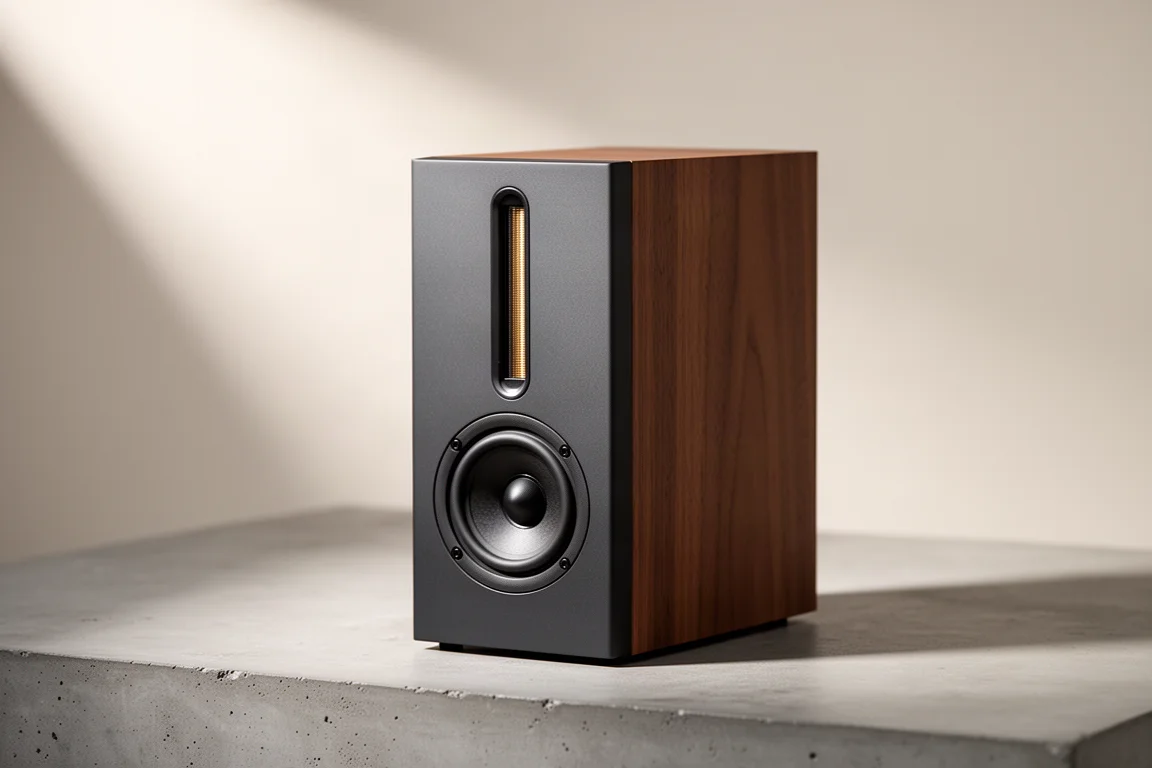
True ribbon tweeters are one of those designs that usually arrive with a serious price tag. They tend to appear in speakers costing several times what most people want to spend on a compact pair, which is exactly what makes the Quad S2 interesting. It is a small two-way mini monitor built around a true ribbon tweeter and priced at around $1,200, a bracket where that driver technology is rarely found.
The rest of the recipe is deliberately modest. The cabinet is compact, the woofer is small, and the published specification points to roughly 45 Hz of low-frequency extension, which already suggests this is not a speaker designed around room-shaking bass.
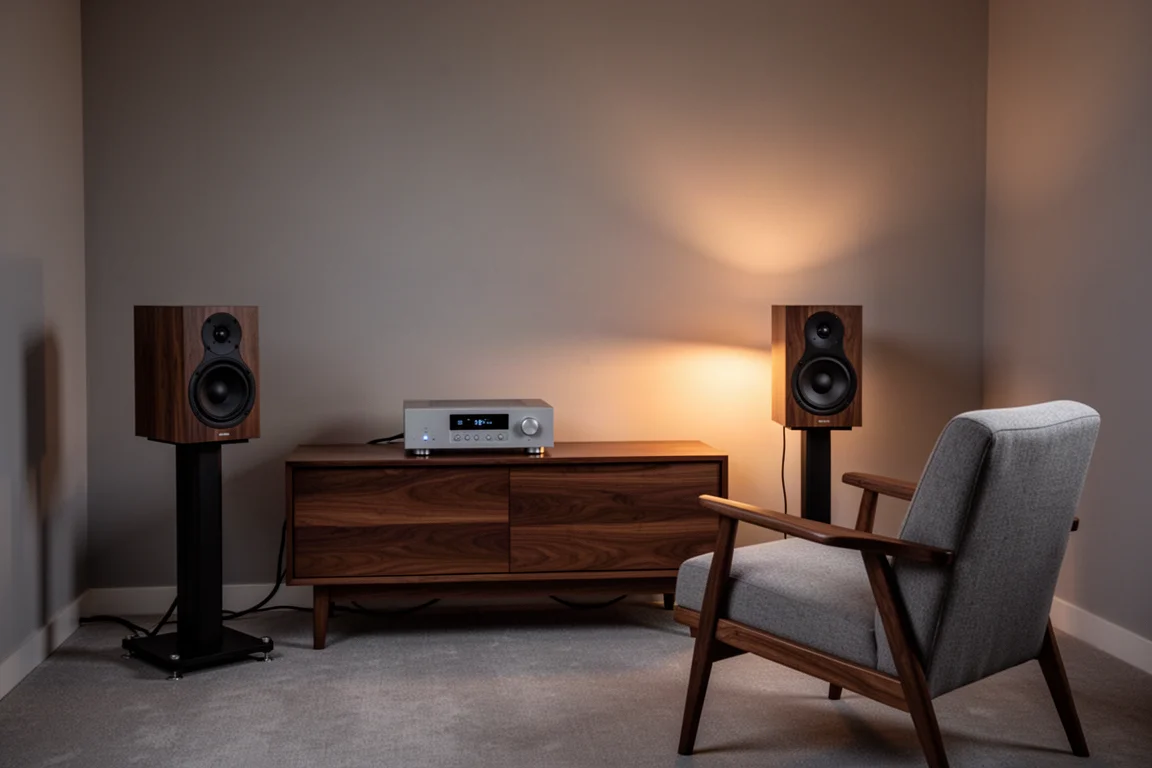
So the real question is whether the ribbon design delivers the transparency and air people associate with it, or whether the trade-offs simply move elsewhere in the frequency range. After spending time with the Quad S2 across a wide range of music, the answer is genuinely mixed, and it depends heavily on how the speakers are placed and what is driving them.
Who This Speaker Is For
The Quad S2 is best understood as a mini monitor. Its strengths sit in the upper frequencies and in the way it projects a stereo image, not in low-end weight.
That makes it a natural fit for small to medium rooms, for listeners who care about detail retrieval, and for anyone who enjoys hearing the texture of individual instruments inside a mix. It also suits people who are willing to spend a little time on setup, because the S2 responds noticeably to positioning and to the character of the amplifier behind it.
It is a less obvious choice for anyone who wants deep, chest-hitting bass from a standmount speaker, or who prefers a relaxed, laid-back treble presentation. If a warm and forgiving top end is the priority, this is not the speaker that hands it over without some care.
Main Strengths: Treble Detail, Air, and Soundstage
High-frequency extension and midrange articulation are where the Quad S2 earns its place. At around $1,200 it delivers a level of nuance and detail retrieval normally associated with considerably more expensive speakers. There is a lot of air and a lot of information in the top end, and the speaker separates small details in a recording with real precision.
The soundstage is the other standout. For a compact monitor with a ribbon tweeter, the stage is unusually large and stretches well beyond the physical position of the cabinets. Spatial cues inside the mix are handled very well, small instruments and bells are easy to pick out, and centre imaging is strong.
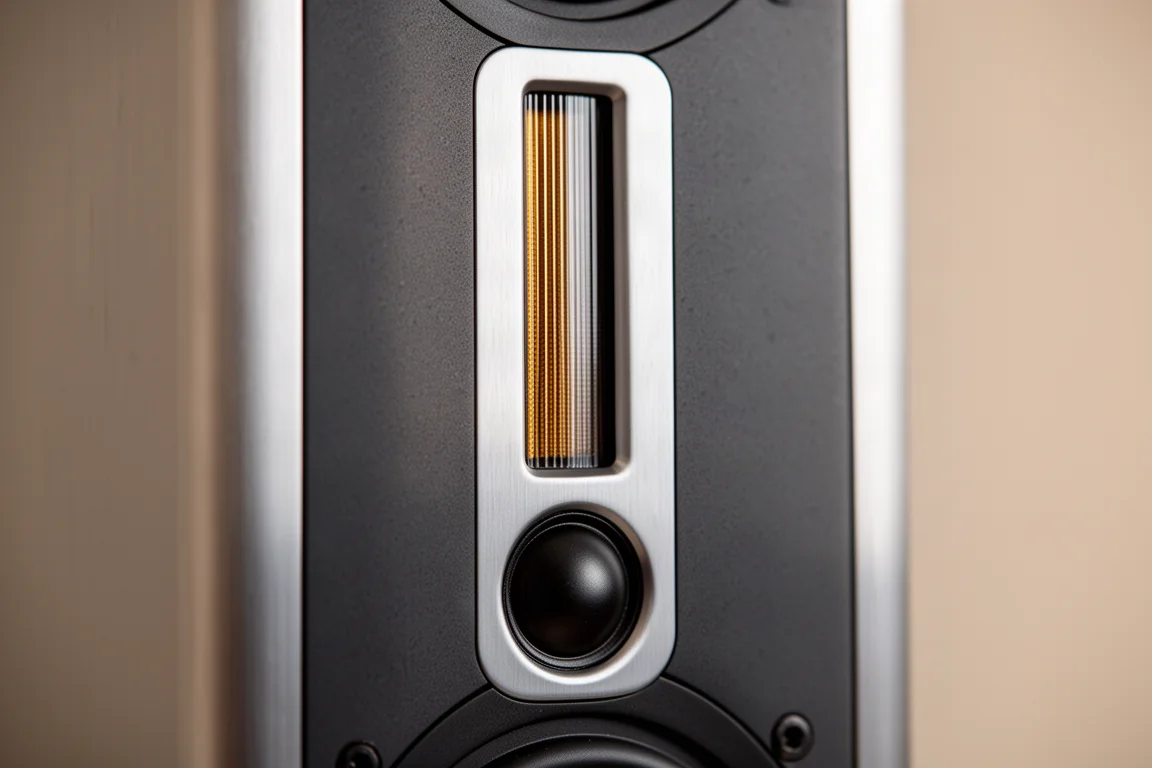
Ribbon tweeters are often described as highly directional, which normally narrows the sweet spot and shrinks the image. That is not what happens here. In practice the S2 behaves much more like a conventional soft dome or metal dome tweeter in terms of directivity, and it held solid centre imaging even when the cabinets were angled straight out into the room rather than pointed at the listening position.
Main Strengths: Tight Bass When Placed Correctly
Bass performance depends almost entirely on placement, and the difference is dramatic. Positioned three to four feet out into the room, the S2 sounds thin. The midrange pulls back, the mid-bass loses its presence, and the low end effectively disappears. In that position it is easy to conclude that a subwoofer is mandatory.
Move the speakers closer to the wall, roughly one to one and a half feet away or even nearer, and room gain changes the picture completely. The same speaker then produces a genuinely satisfying low end: tight, controlled, and with clean attack and decay.
It is tight bass rather than boosted bass. There is no mid-bass hump adding extra weight or bloom, so bass lines arrive with a crisp, almost percussive snap instead of a thick thump. Some listeners will still want a little more mid-bass punch than the S2 offers, even after it has been moved closer to the wall.
As for how low it reaches, the S2 does not dig down to 30 Hz, and in practice it does not truly deliver the lowest octaves that make a room feel like it is shaking. What it does instead is fill in the lower presence of a recording, adding ambience and body so that tracks with low-end content sound complete in small to medium rooms. It will not produce the full-body, enveloping low end of a large floorstanding speaker, and it should not be expected to.
Things to Consider: Midrange Thinness and Vocal Sibilance
The main trade-off is the midrange. Compared with the top end, the middle of the frequency range sounds thin, and that thinness shapes how the whole speaker comes across.
The more obvious issue is vocal sibilance. With the speakers toed in directly toward the listening position in a tight triangle, the emphasis on sharper consonant sounds became severe enough that listening sessions had to be cut short after around thirty minutes. Toeing the speakers out so they face straight into the room reduces the problem considerably, and centre imaging holds up well in that position, but the sibilance does not disappear entirely.
Part of this comes down to decay. On vocals, those sharper consonants linger a little longer than they should instead of snapping cleanly, which makes them stand out against the rest of the mix. A small amount of sibilance is actually useful, since it adds realism and articulation to a voice. Here it goes further than that, and at higher volume levels the top end becomes piercing and fatiguing on tracks with strong consonant content.
Instruments are a different story. Bells, chimes, and piano notes sound pure, sweet, and delicate, with a real sense of scale on classical material. The problems show up specifically with voices rather than with instruments.
Things to Consider: Amplification Matching and Positioning
Power is not the issue. The Quad S2 does not demand a high-output amplifier, and around 100 watts is more than sufficient, which is a common figure in modern integrated designs.
What matters far more is the voicing of the amplifier. Because the speaker already leans forward in the upper frequencies, a warmer-sounding amplifier smooths the top end, adds body, and makes the sibilance much more tolerable. A warm amplifier with good low-end grip proved the most enjoyable match. A leaner, more affordable amplifier still worked, but it left the top end less refined and the midrange texture a little coarser.
Positioning deserves the same attention. Toe-in has a bigger effect here than on most speakers: angled straight at the ears, the treble becomes aggressive, while angled out into the room the presentation becomes far more balanced and the imaging stays intact. Pulling the speakers closer to the wall is what unlocks the bass. Both adjustments cost nothing, and both change the character of the speaker more than most component upgrades would.
Buying Advice
The Quad S2 makes sense for a specific listener. If you want a compact speaker with genuine ribbon tweeter detail, a large and precisely drawn soundstage, and tight bass that responds well to room gain, this is a lot of performance for around $1,200. It competes in the detail department with speakers that cost considerably more, and it does so from a small cabinet.
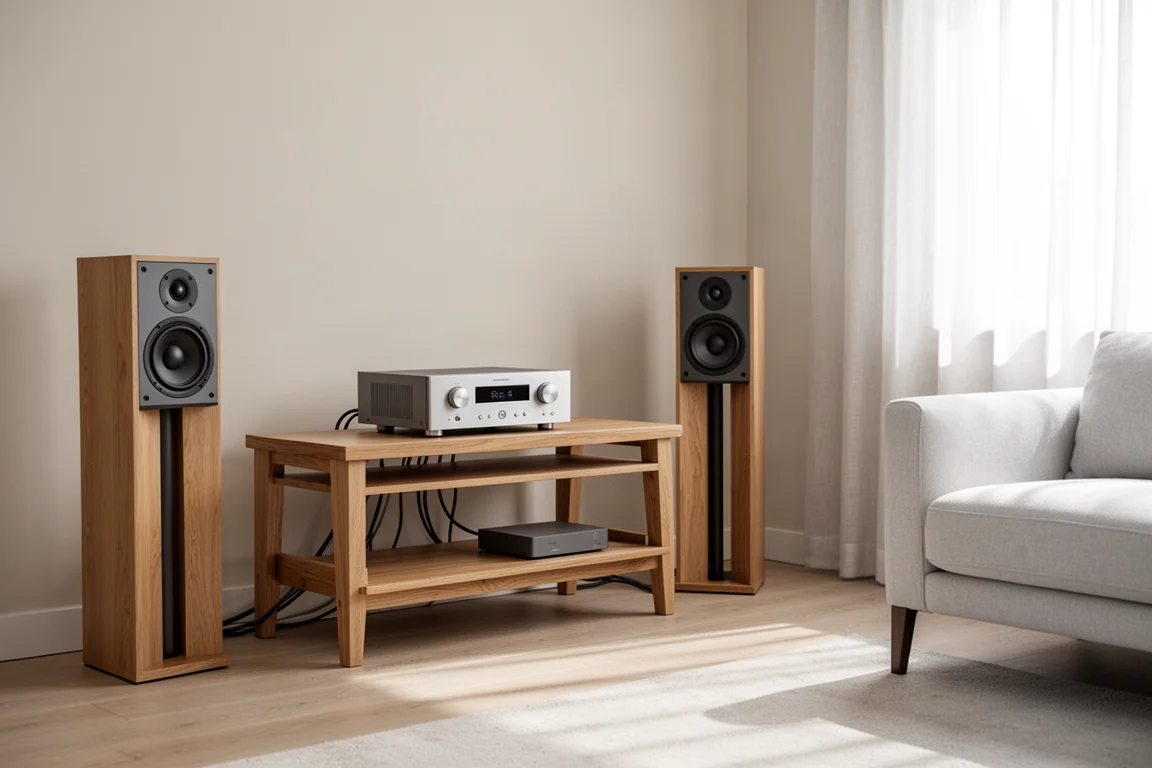
The case for buying it depends on accepting two conditions. First, the speakers need to sit near a wall with toe-in adjusted by ear rather than left in free space. Second, they need amplification that leans warm, because the S2 will expose a bright or forward amplifier without mercy. When both conditions are met, the result is a detailed and engaging presentation that is easy to enjoy for long sessions.
If instead you want a forgiving top end, a fuller midrange, or deep bass without a subwoofer, this is not the speaker to buy, and no amount of setup will change that. It rewards a particular set of priorities rather than appealing to everyone.
Conclusion
The Quad S2 is a true ribbon tweeter speaker at a price where that design is rarely available. It delivers exceptional treble detail, air, and soundstage for the money, along with tight bass once it is placed close to a wall. Its midrange is thin, its vocal sibilance is pronounced unless the speakers are toed out and matched with warmer amplification, and it will not produce deep, room-shaking low frequencies.
For listeners who chase detail and imaging on a moderate budget and are willing to tune placement and pairing, it is a compelling option. For those who want warmth and weight without the fuss, it is an easy pass.
Product link
View more details for Quad S2
This product is mentioned in the review. Check the specifications, options, and compatibility before buying.
View more details for Quad S2Further reading
Related Reviews
Speakers
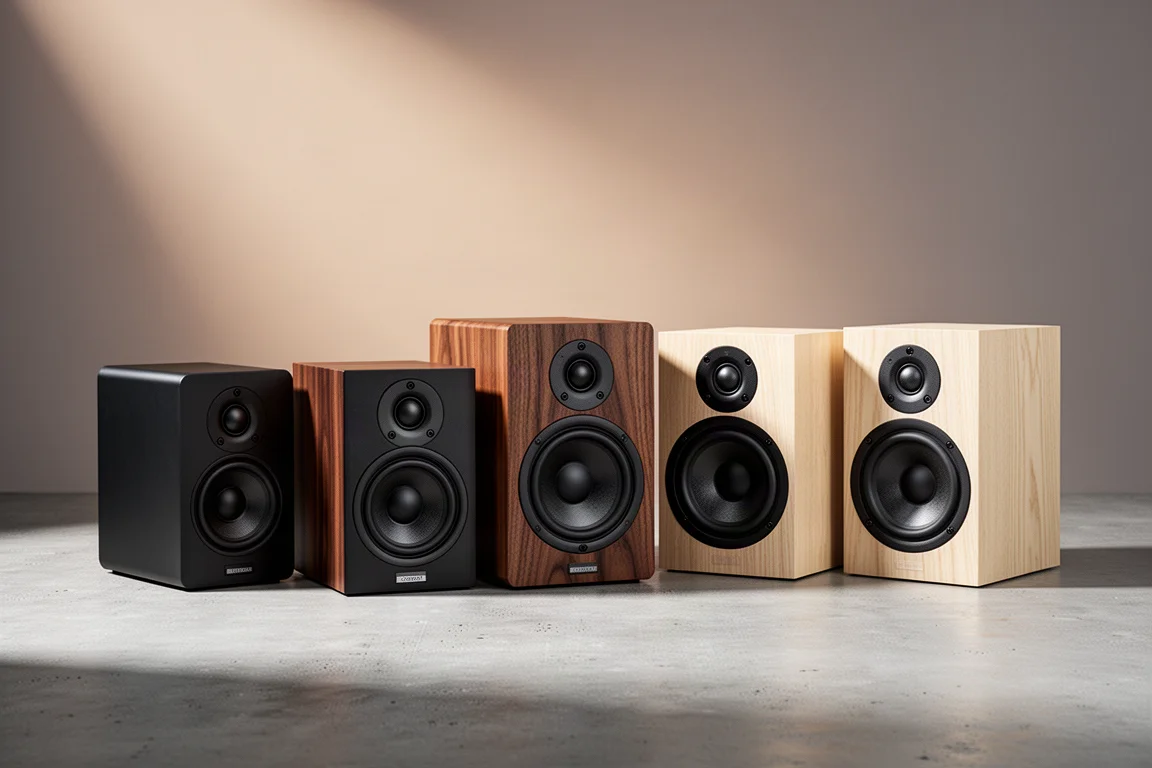
13 Under-the-Radar Speakers Still Worth Buying
Thirteen speakers that quietly stayed in production while newer models took the spotlight, from budget bookshelf pairs to a full-size tower.
Speakers
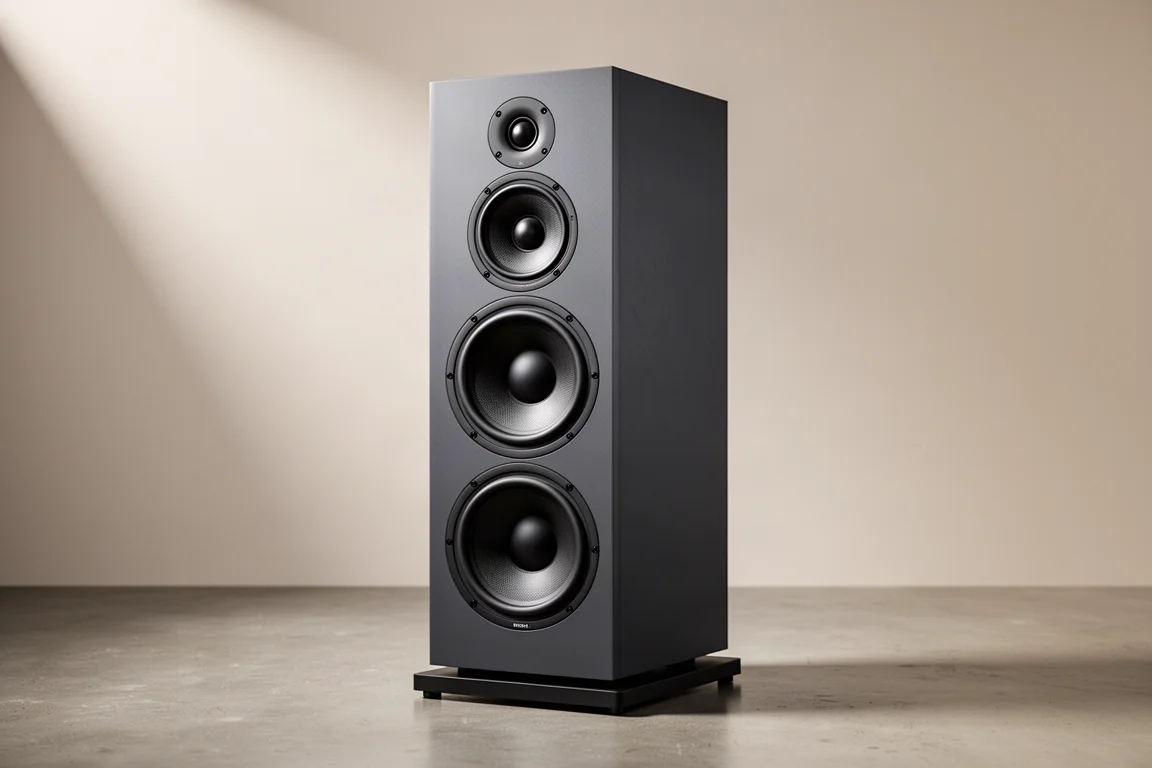
Arendal 1528 Monitor 8 Review: A Three-Way Standmount With Serious Dynamic Headroom
A three-way standmount speaker with extremely low distortion, high output capability, and deep bass for its size, plus the setup details worth knowing before buying.
Speakers
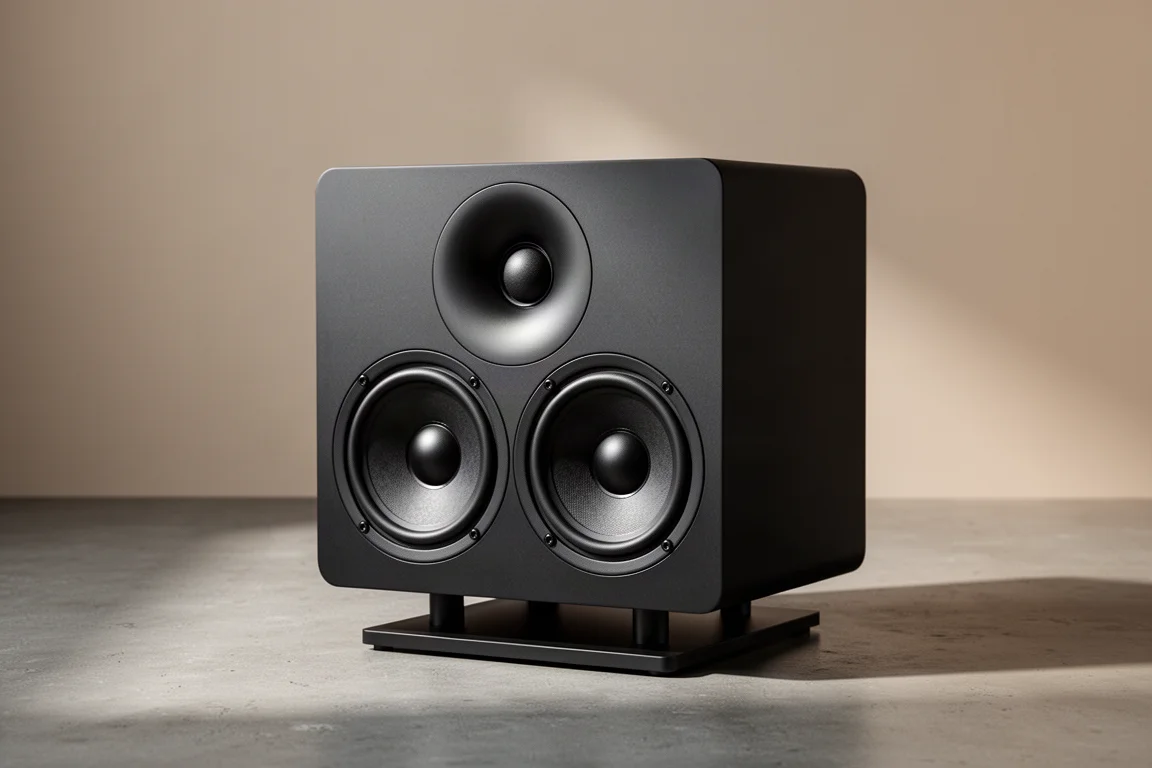
Arendal 1723 Monitor S Review: A Compact Monitor With Serious Ambition
A close look at the Arendal 1723 Monitor S, a compact MTM monitor with a waveguide-loaded tweeter, an HDF cabinet, and flexible ported or sealed operation for music and home theater.