Cycling Accessories
Quad Lock Stem Cap Mounts: Two Ways to Put Your Phone on the Bike
A closer look at the Quad Lock Stem Cap Mount and the adjustable version, including weight, stem angle ranges, and what you need to make a phone work as a bike display.
Introduction
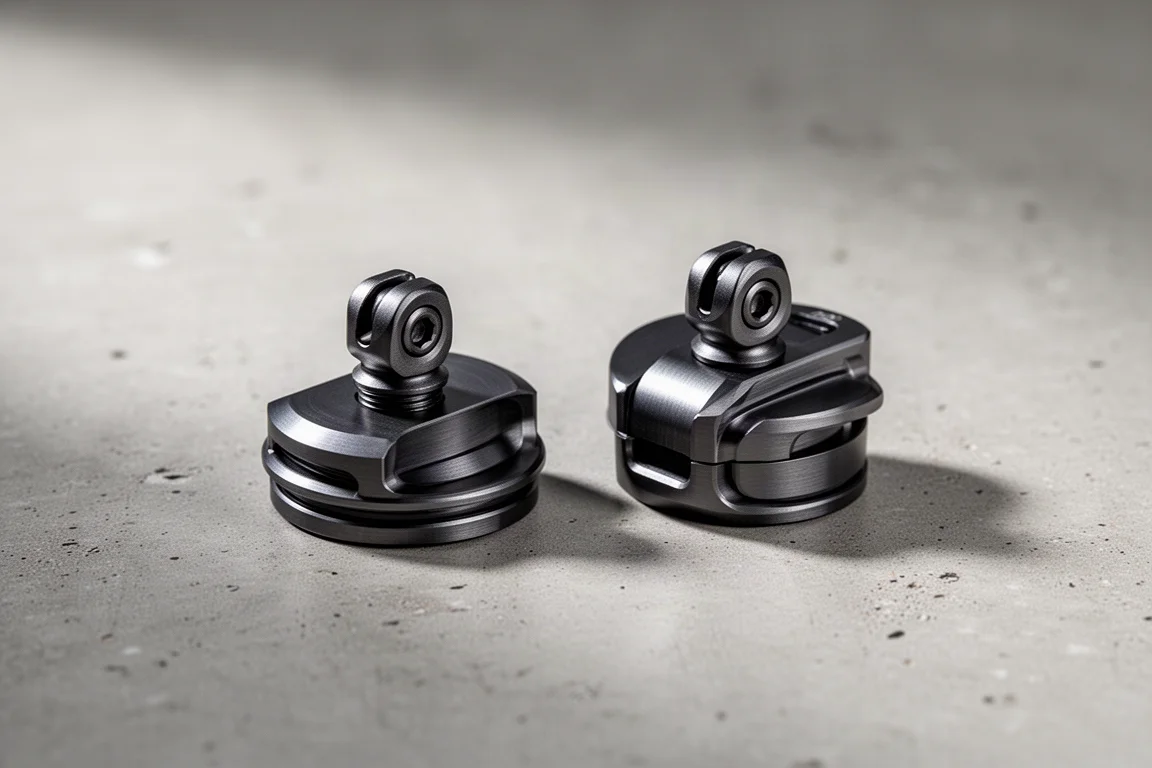
Quad Lock has introduced two stem cap mounts for cyclists: the Stem Cap Mount and the Stem Cap Mount Adjustable. Both replace the cap at the top of the steerer tube with a mount that carries a smartphone, which keeps the handlebar itself clear for lights, bar bags, bells, and anything else you want within reach.
Bike computers have come a long way, but for flexibility, mapping detail, and everyday usefulness, the phone already in your pocket is still hard to beat. These two mounts are aimed at riders who would rather use that phone than buy and charge a separate device.
Why Use a Phone Instead of a Bike Computer
A bike computer makes sense when the route is planned in advance and a set of sensors is paired to it. Exploring a city or an unfamiliar area is a different job. Mapping apps on a phone let you search for a business or a specific address, change the map type, and see cycling infrastructure, and the much larger touchscreen is comparatively easier to work with.

Cost is part of the appeal as well. Bike computers can be very expensive, while a phone is already in your pocket. The trade-off is that a phone needs a mount that holds it firmly, which is exactly the problem these stem cap mounts are designed to solve.
Quad Lock Stem Cap Mount: Standard Version
The standard version is made from aircraft-grade aluminium that is heat treated for extra strength, and it weighs around 30 g. It is compact enough that it almost disappears once a phone is attached, and because it sits above the steerer tube rather than on the bar, it uses space that is often wasted on road and gravel bikes.
Its angle range covers stems up to plus or minus 15 degrees, which suits relatively low, sporty riding positions.
Quad Lock Stem Cap Mount Adjustable: For Upright Positions
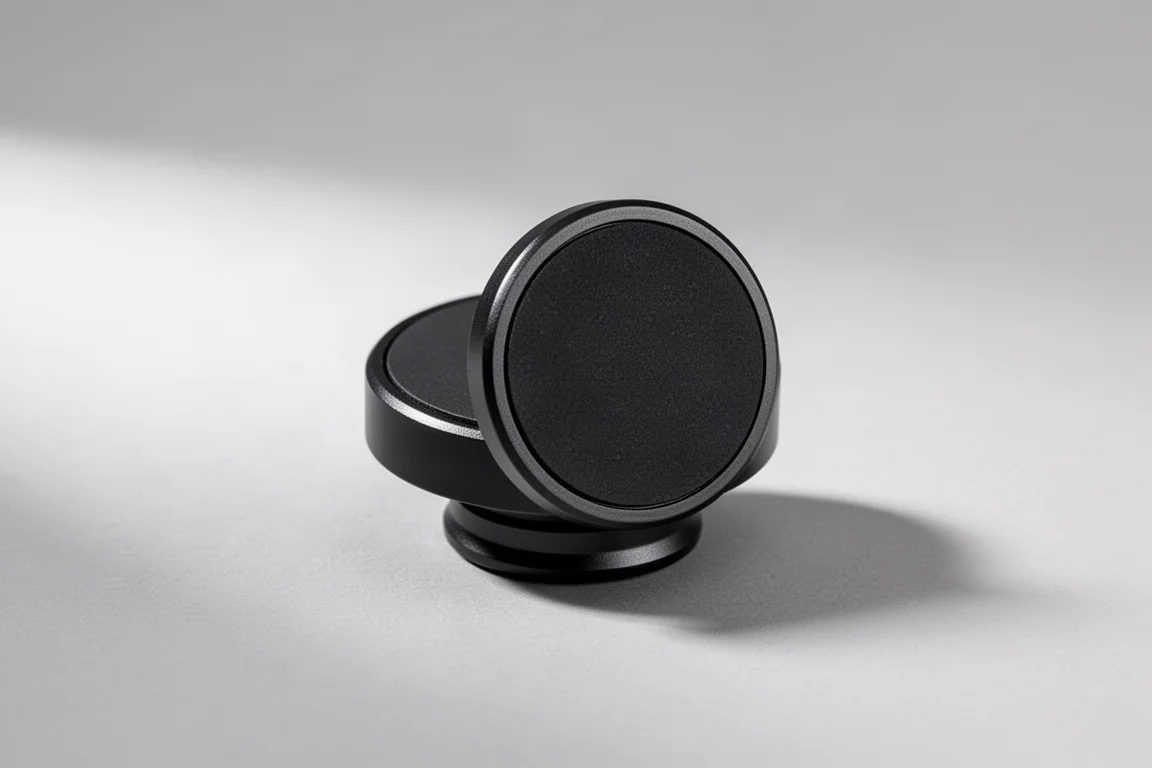
The adjustable version is the more flexible of the two. It handles 35 degrees in its normal orientation and up to 55 degrees when reversed, and it weighs around 45 g. That wider range is what makes it relevant for commuter and city bikes with a more upright position, where a slammed stem angle would fall outside the standard mount’s limits.
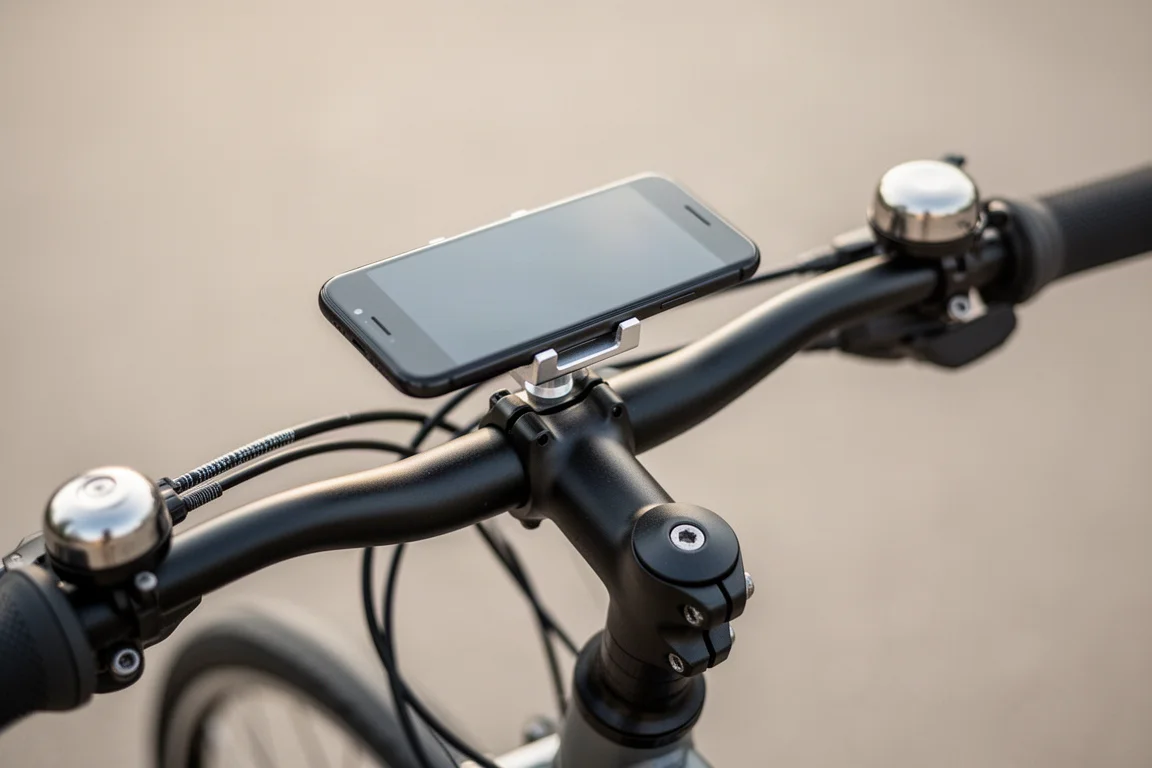
Both versions are built for bikes with a standard 28.6 mm steerer tube, and offering two variants means most bikes in that category have a compatible option.
Build Quality and Mounting Security
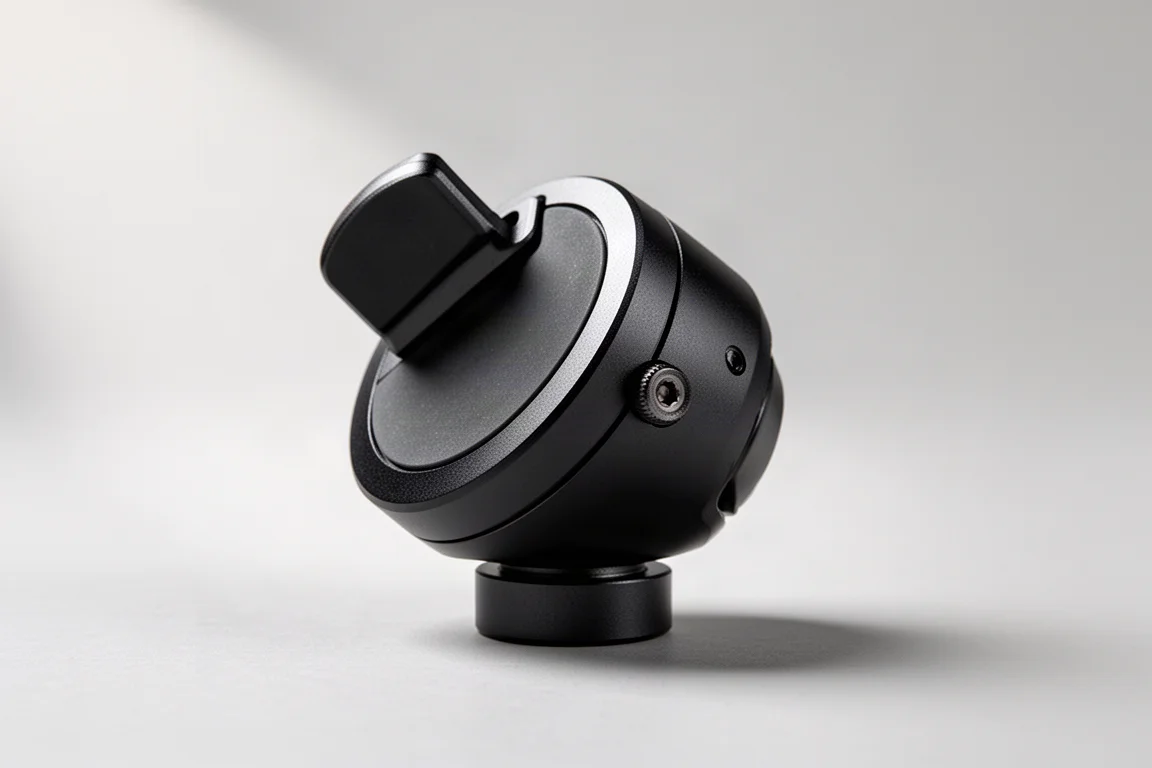
Both mounts share the same twist-lock interface. Once the phone is twisted into place, a spring-loaded retainer mechanism helps keep everything secure so it cannot be knocked off unintentionally, and mounting is as quick as clipping into a bike computer. The aluminium construction is described as strong enough to keep a phone in place over bumps and potholes, which matters on rough surfaces.
Weight is modest at around 30 g and 45 g, so neither version adds meaningful mass to the front end of the bike, and both stay visually unobtrusive.
Phone Cases and Universal Adapters
To use the twist-lock mount, you need either a compatible phone case or a universal adapter that sticks to the back of any phone case, or directly to the phone if you prefer. Cases start at just under £26 or $35, while universal adapters start at just under £12 or $15. Bundles are also available that combine a mount with a case or adapter, which can simplify the purchase.
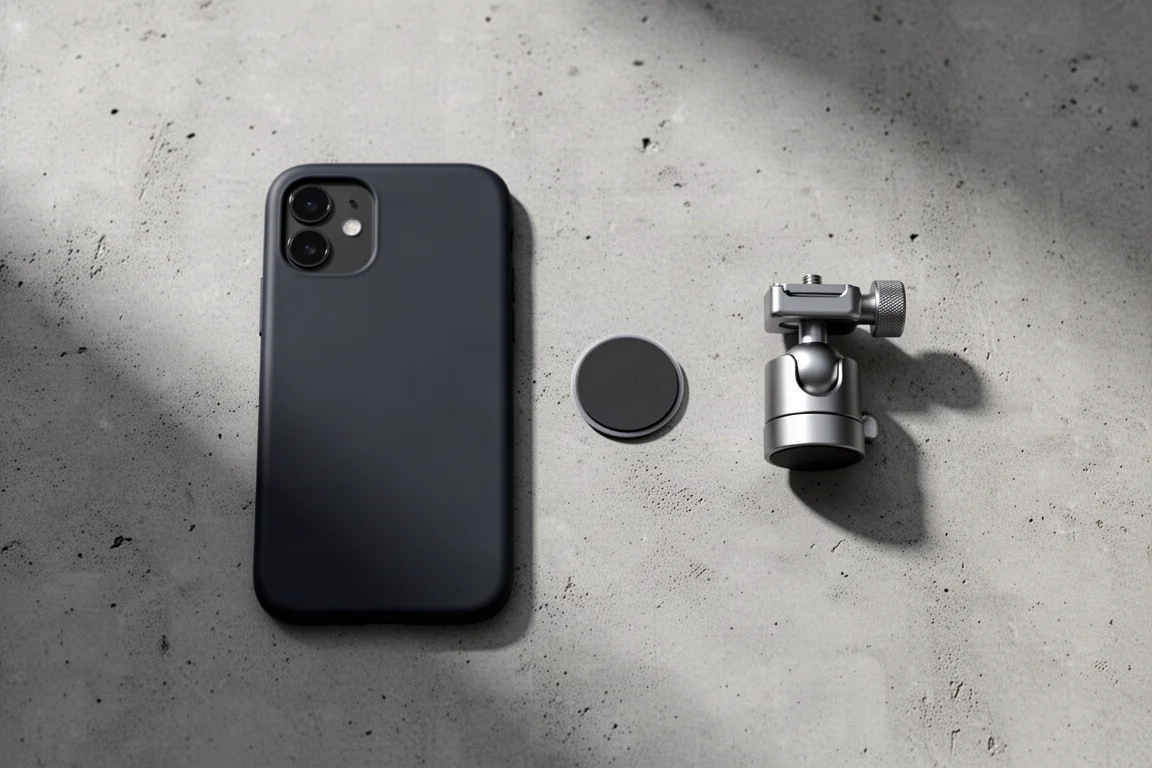
Weather protection is a separate consideration. A poncho, essentially a TPU shell, covers the phone while still allowing full use of the touchscreen, which is useful if you ride in mud, wind, or heavy rain.
Things to Consider Before Buying
Modern smartphones are large, and a phone mounted on the handlebar dwarfs most bike computers. Moving it back to the stem cap helps because that area is usually unused, but a big phone still occupies space that might otherwise go to a bar bag, a light, or a bell.
Since smartphones generally cost more than bike computers, using one out in the mud and rain is a reasonable worry. Many recent phones are water resistant, but a case and a poncho add protection. It is also worth factoring in the cost of a compatible case or adapter if you do not already own one.
Buying Advice
Choose the standard Stem Cap Mount if your bike has a relatively low stem angle of up to 15 degrees, which covers many road and gravel setups. Choose the Adjustable version if your stem is steeper, as is common on commuter and upright bikes, where the 35-degree range or the reversed 55-degree position gives you room to get the phone sitting flat and readable.
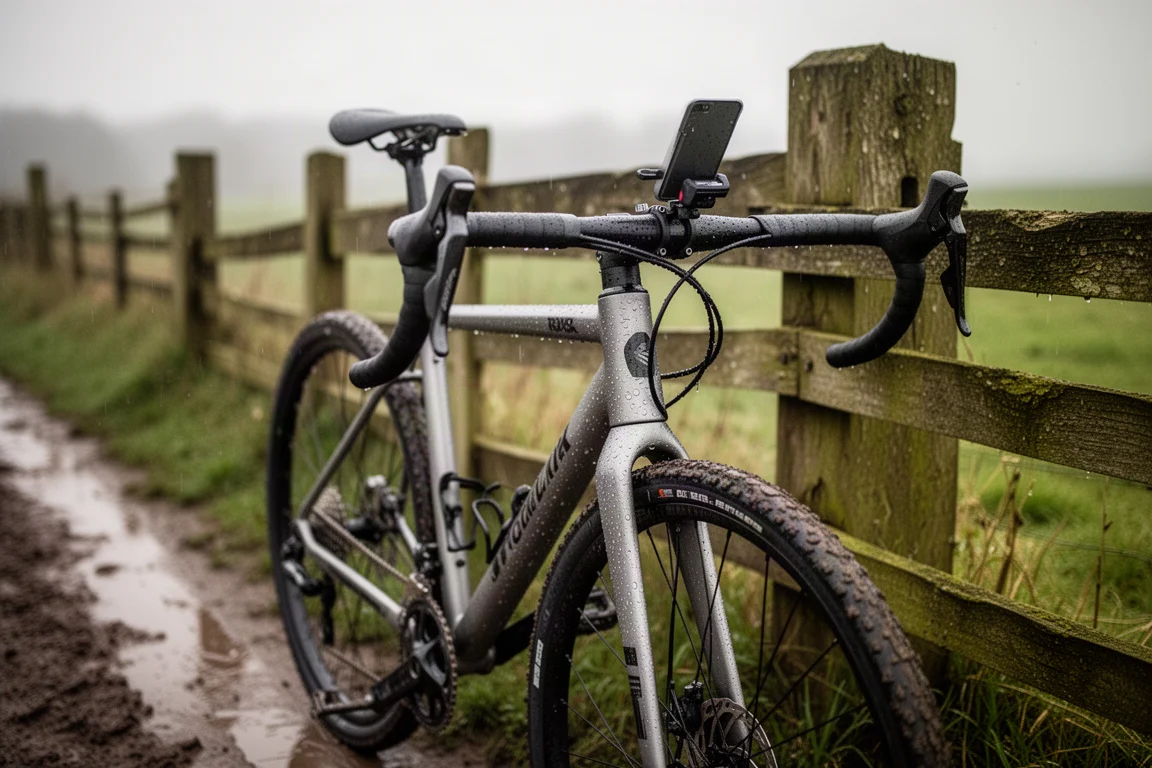
Whichever you pick, check that your bike uses a standard 28.6 mm steerer tube, and budget for a compatible case or universal adapter if you do not have one. If you ride in wet or muddy conditions, a poncho is a sensible addition to the order.
Conclusion
The Quad Lock Stem Cap Mount and the Adjustable version address a simple problem: a phone is a capable navigation and mapping tool, but it needs somewhere sensible to live on the bike. The stem cap position keeps the handlebar uncluttered, the aluminium bodies are light enough to forget about, and the two angle ranges cover both low and upright riding positions. For riders who would rather use the phone they already own than buy a dedicated computer, these mounts are a practical and tidy solution.
Further reading
Related Reviews
Cycling Accessories
7 Inexpensive Everyday Products That Are Brilliant for Cyclists
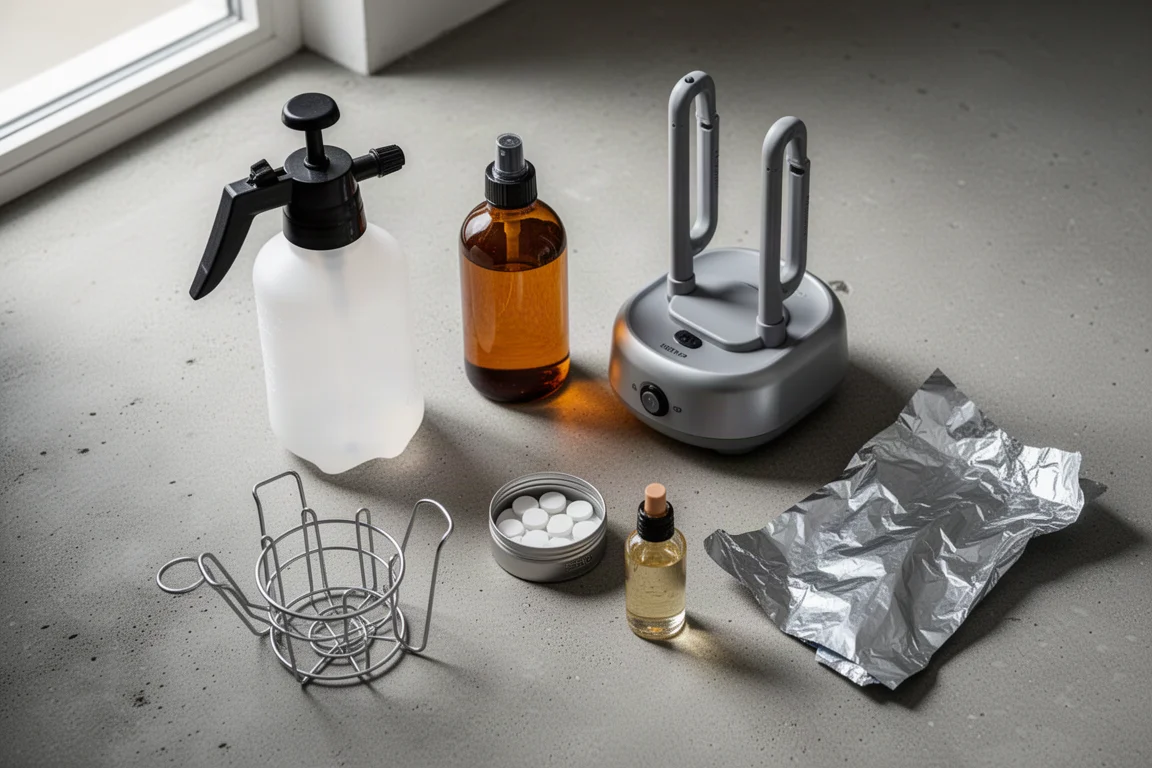
Seven cheap household products that solve real problems for cyclists, from portable bike washing and dry shoes to clean bottles and protected paintwork.
Cycling Accessories
Amazon Cycling Accessories Worth Buying: Five Practical Picks
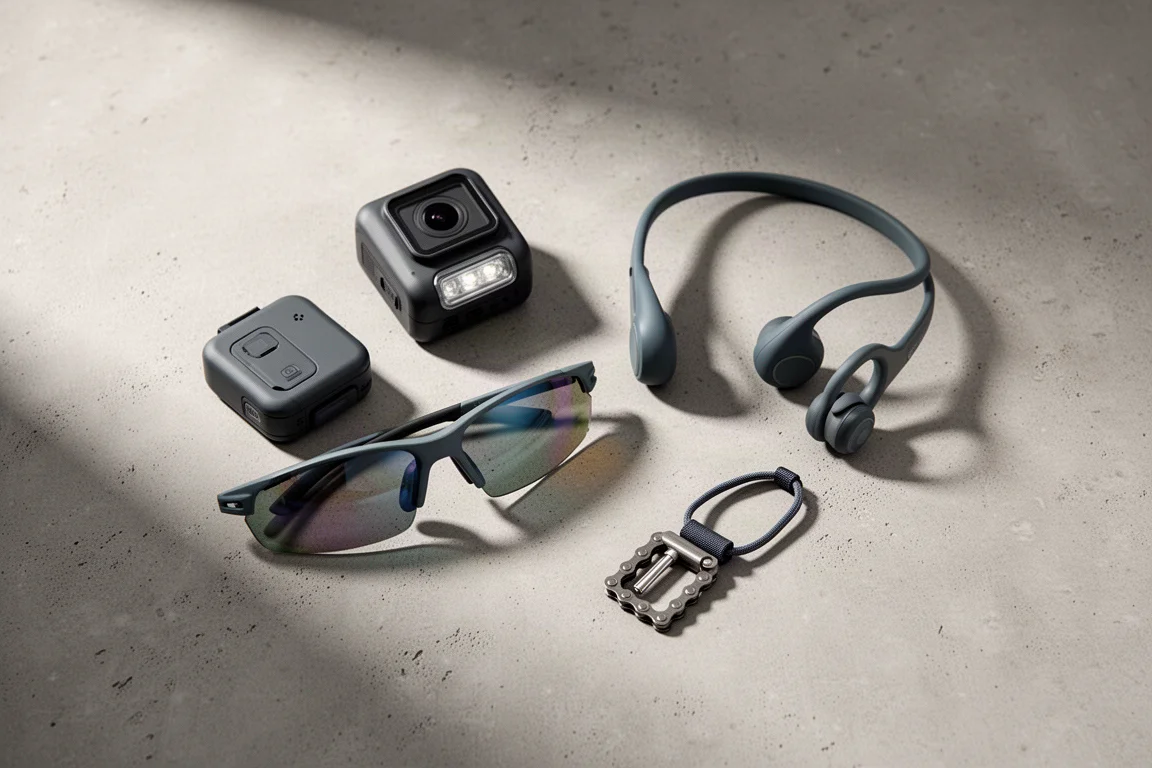
A basket of low-cost cycling accessories judged on real-world use, from a dash cam style camera and light combo to bone conduction headphones and one tool best left on the shelf.
Cycling Accessories
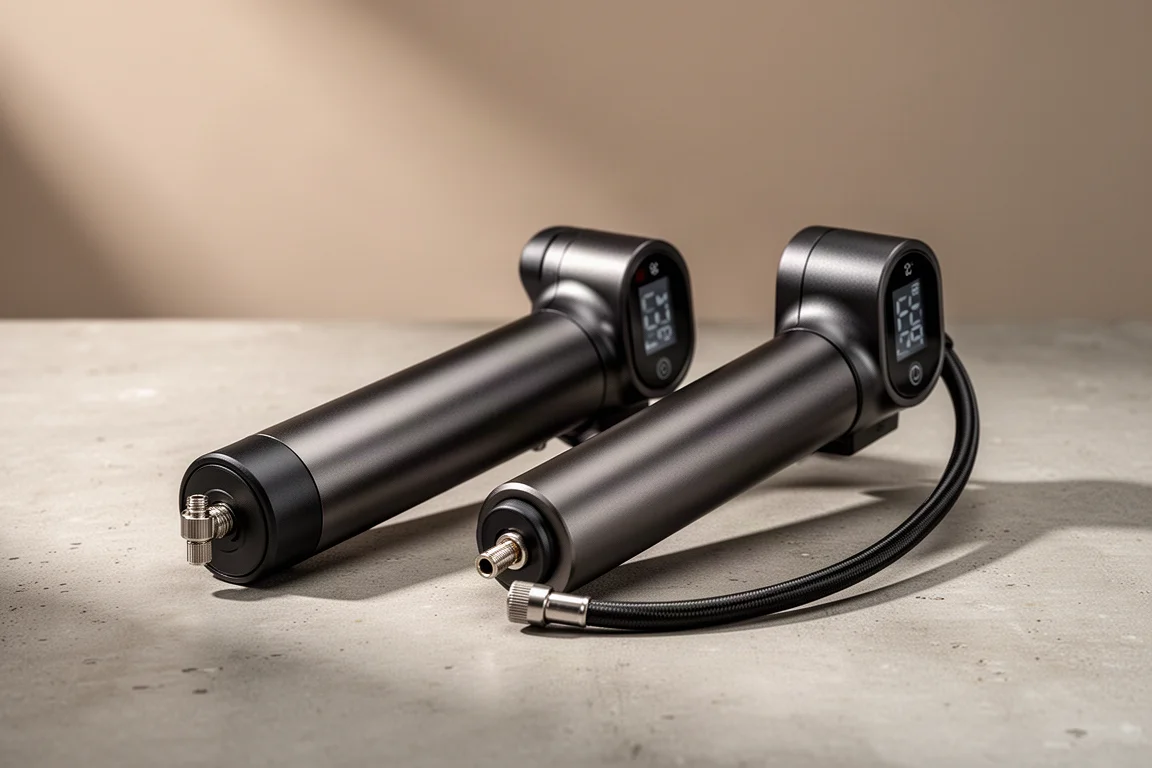
Electric Bike Pumps Compared: AS2 Pro Tiny Pump vs AS2 Pro Max
A practical look at two battery-powered bike pumps: what they do well, where they fall short, and which one suits which kind of rider.