Cycling Accessories
Amazon Cycling Accessories Worth Buying: Five Practical Picks
A basket of low-cost cycling accessories judged on real-world use, from a dash cam style camera and light combo to bone conduction headphones and one tool best left on the shelf.
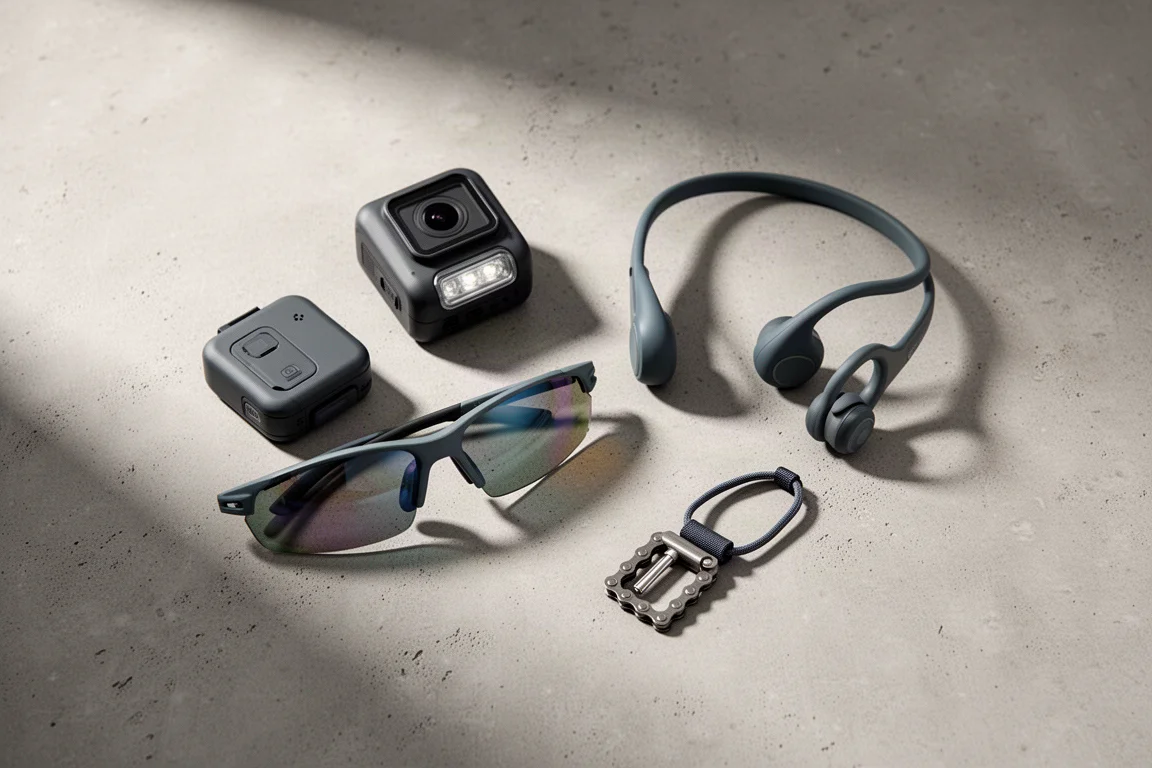
Introduction
Rider-facing kit from the big brands tends to dominate the conversation, but some of the most interesting value sits much further down the price ladder, in the accessories that are cheap and easy to buy online. This roundup looks at exactly that end of the market: a basket of low-cost cycling accessories judged on how well they work on a real ride rather than how glossy they look on a product page. Several of them turned out to be genuinely good buys. One is best left in the basket.
What Separates a Good Budget Accessory From a Bad One
Three questions decide whether a cheap accessory earns its place in a saddle bag. Does it solve a real problem, or merely a symptom of one? Does it fit and feel right in use, since a glove that bunches in the palm or a mount that rattles undoes the saving almost immediately? And does it hold up in the conditions you actually ride in, where waterproofing, battery life and low-light behaviour matter far more than a headline specification?
A low price is never a problem on its own. The accessories that impressed most here were the ones that did a single job honestly and without pretending to be flagship products.
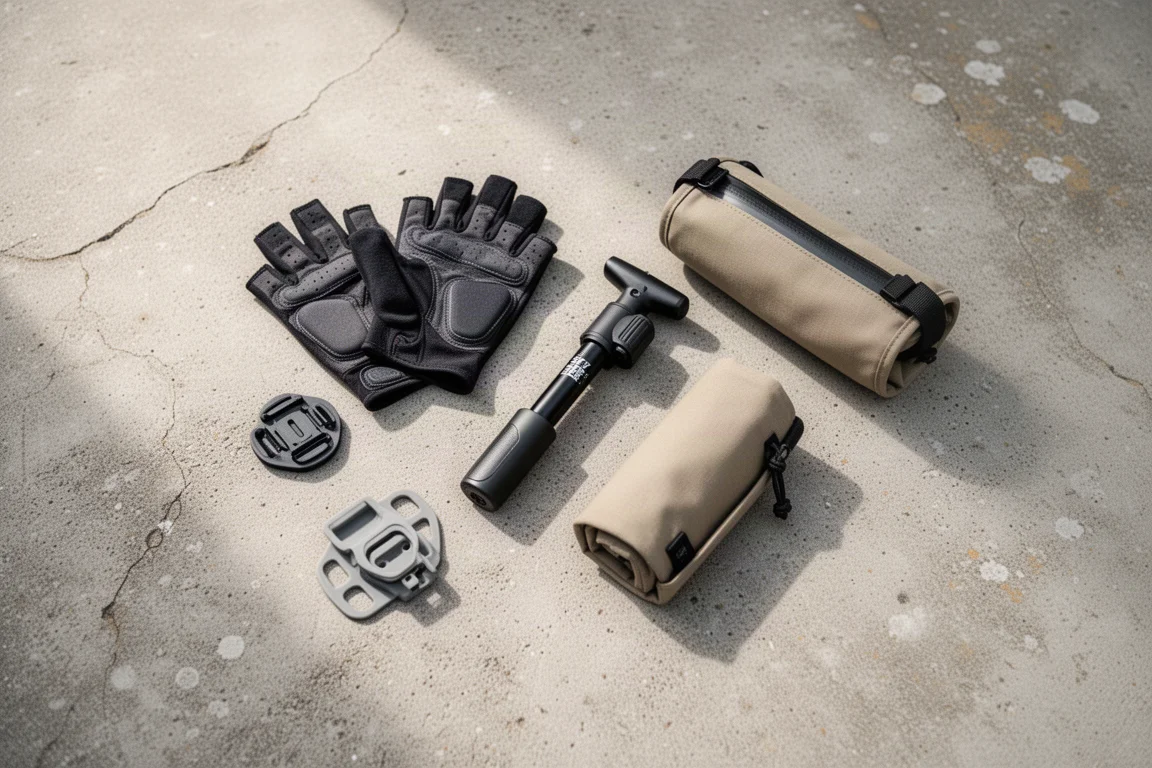
Where budget kit tends to fall down is in the details that are easy to cut: the fit of a glove, the beam pattern of a light, the speed of a lens change. Those are the things worth checking before you buy, because they are the differences you notice on every ride rather than the ones you notice on a specification list.
Camera and Light in One: Techalogic CF1
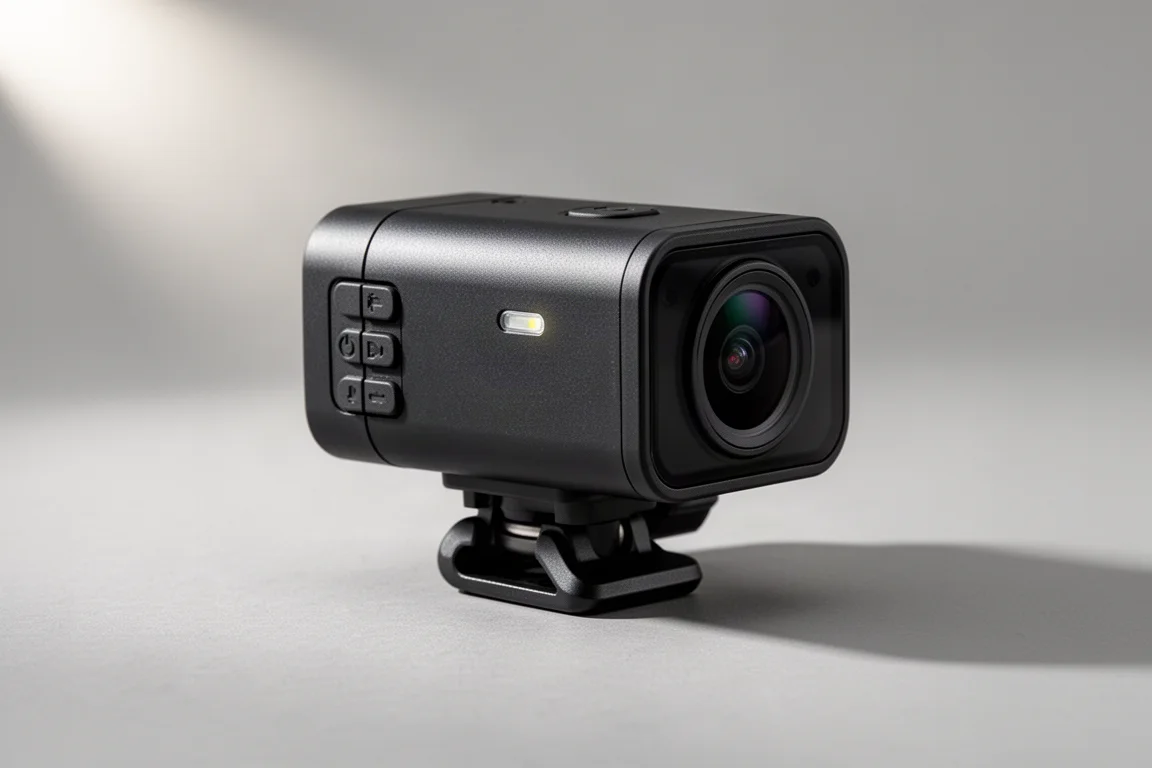
The Techalogic CF1 is a front camera and light in one unit, and the most useful way to think about it is as a dash cam for the handlebars rather than a rival to a dedicated action camera. It looks basic and boxy, and the 400-lumen front light does not throw as much usable light as other 400-lumen units. That makes it a good match for well-lit roads, while genuinely dark lanes remain a job for a dedicated front light.
Controls are deliberately minimal. Three buttons on the side handle power, the light and a still photo, and a single LED stands in for a screen. None of that matters much for the job it does, because as a dash cam it performs well: footage is captured in high definition and is of fairly high quality, so an incident or a close shave with wildlife is properly documented.
Battery life is workable too. Expect around four hours when filming with the front light on, stretching to seven hours if you are only filming.
The Feature-Rich Alternative: Cycliq Fly 12
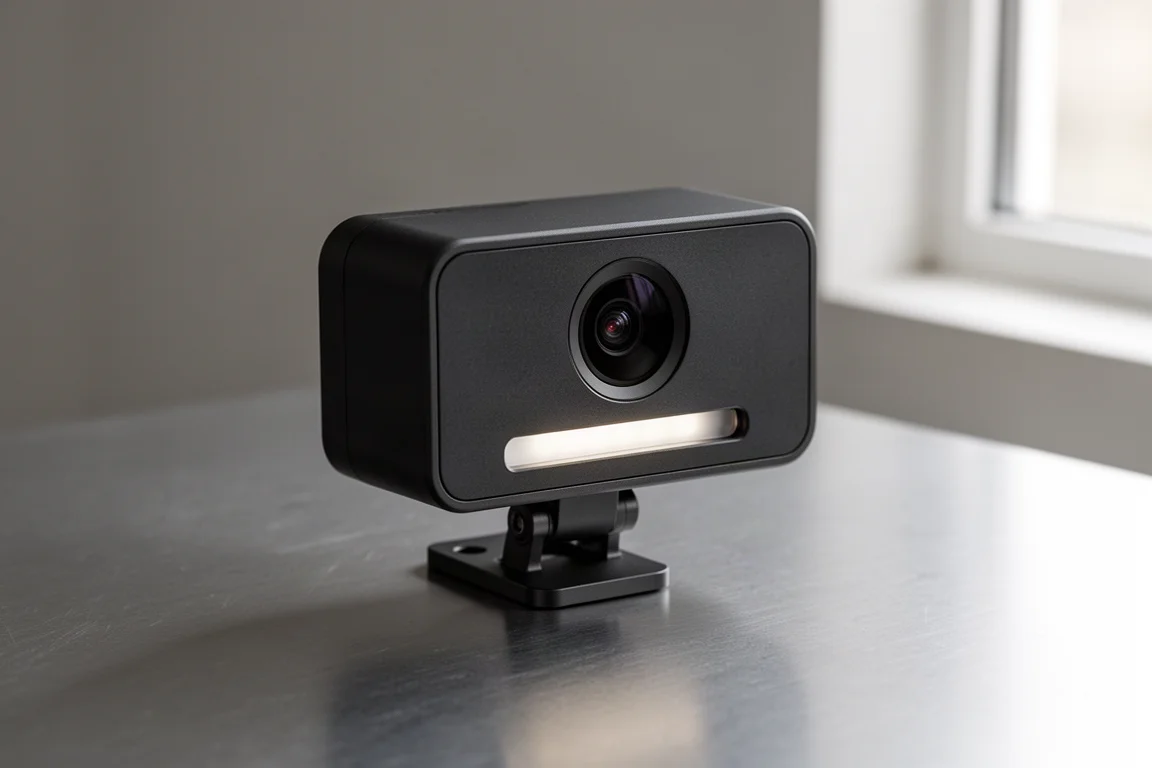
The natural alternative is the Cycliq Fly 12, which is packed with features and priced accordingly at roughly three times the cost of the CF1. That is the trade on offer: a far more capable camera and light unit, or the essentials at a fraction of the price.
For anyone who simply wants a camera and light combo recording the ride, the CF1 covers the core job. The Fly 12 is the option for riders who want the extra functionality and accept the price that comes with it.
Photochromic Sunglasses: Tofosi Rails
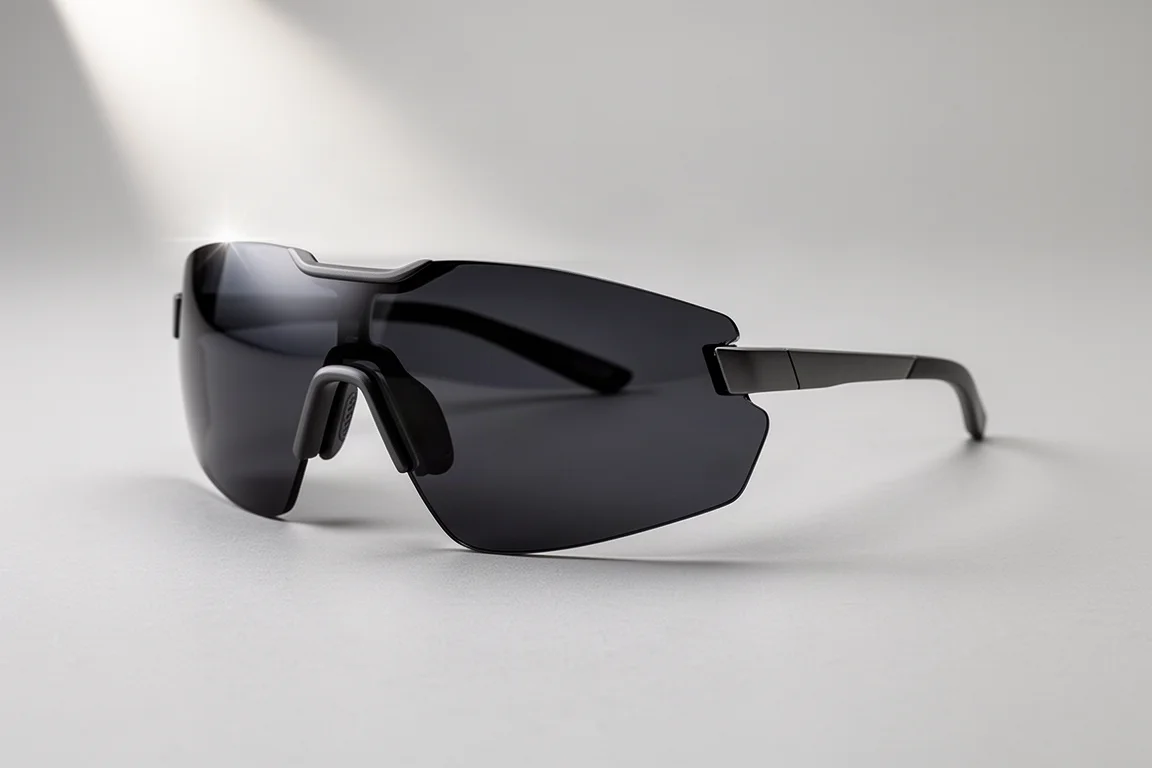
The Tofosi Rails sit at the performance end of the eyewear in this basket, listed at $79.95. They are roughly the point at which spending more starts to bring only marginal gains, which makes them a sensible place to stop for riders who want a lens that adapts as the light changes.
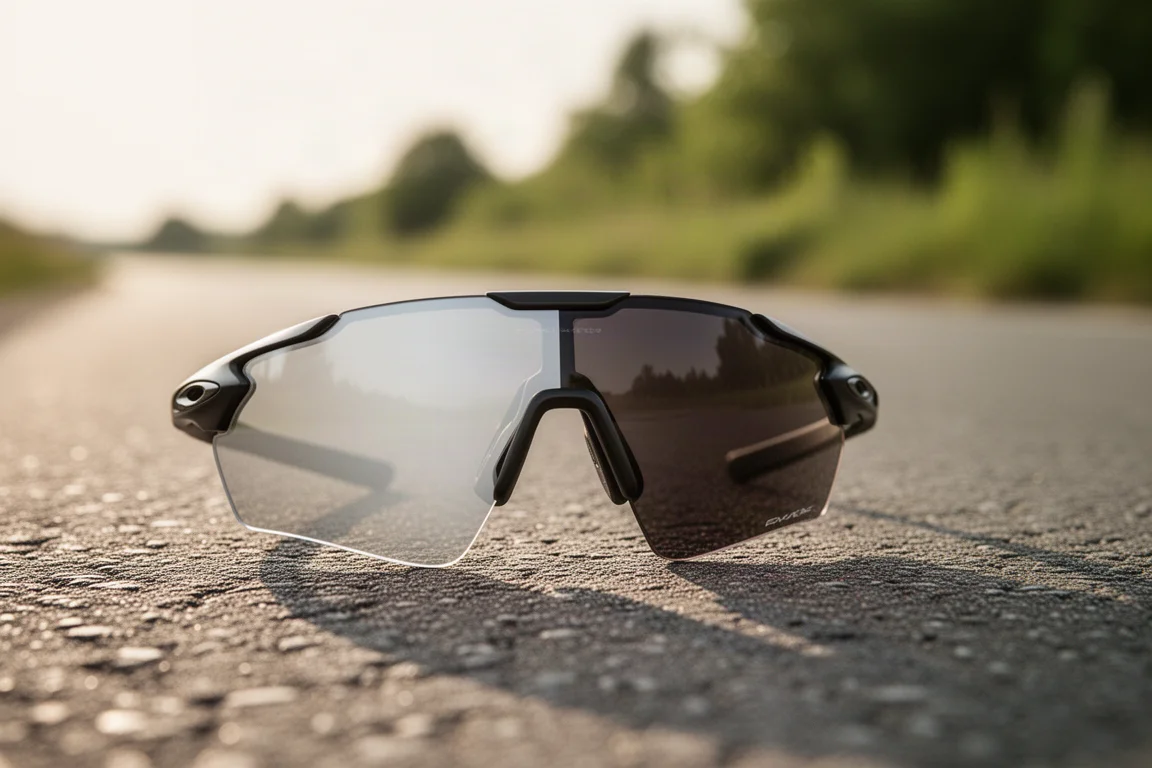
Photochromic lenses live or die by their range. A pair with a narrow range ends up usable for roughly 45 minutes either side of dawn and sunset, and will not cover night riding, where a clear lens is the right answer. Transition speed matters as well: some lenses cope well with gradual shifts in cloud cover but struggle to keep up when you are moving in and out of woodland shade. Those are the details to check before buying any adaptive lens.
If your eyes are sensitive to bright light, or you ride somewhere with strong sun, a heavier tint will matter more to you than an adaptive one.
Bone Conduction Headphones: Shokz OpenRun
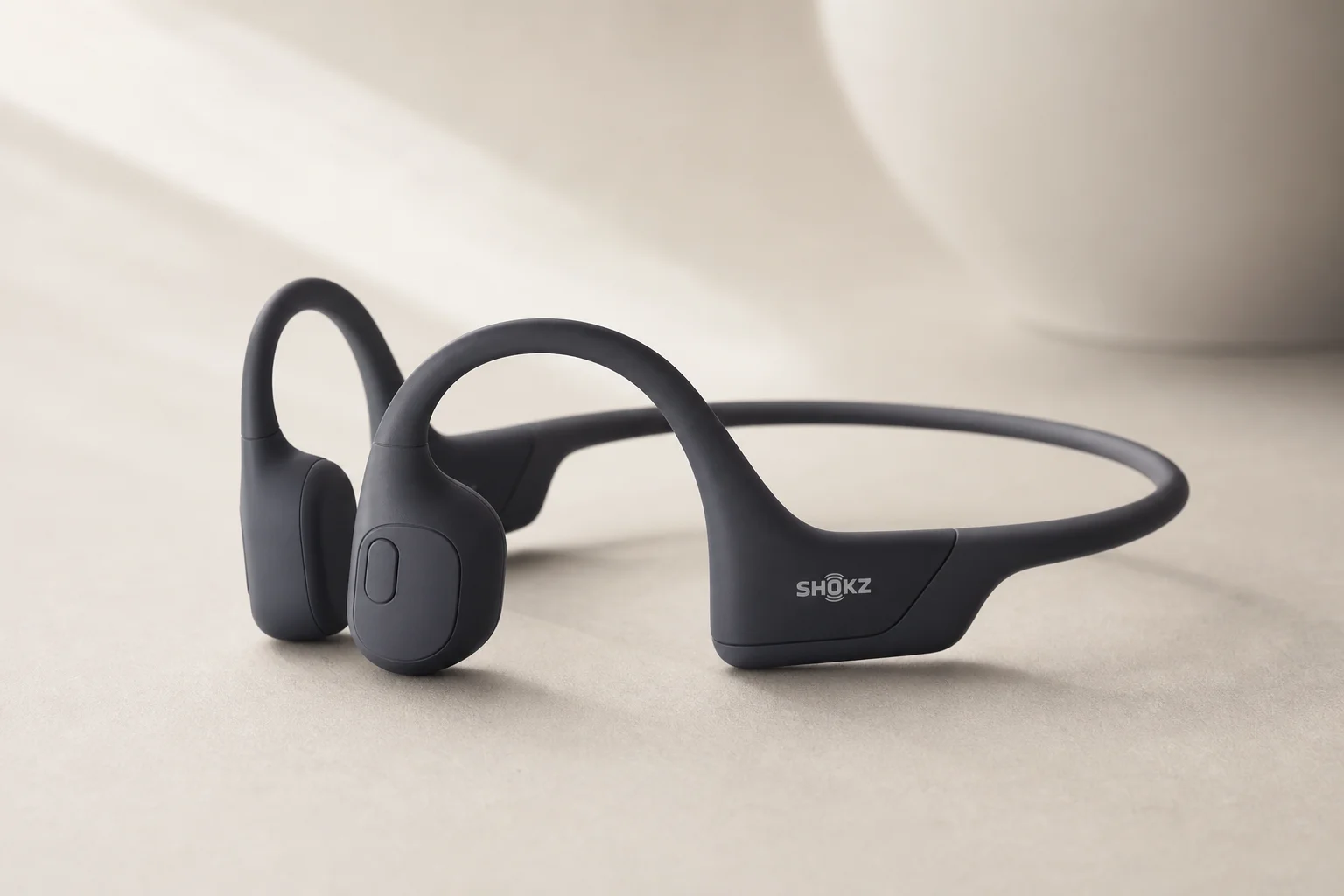
Bone conduction headphones leave the ear canal completely open, so audio travels through the bone and you keep hearing the traffic around you. For indoor sessions that get sweaty, the open design also keeps sweat out of the earpieces, which lowers the risk of water damage.
The Shokz OpenRun is the more complete product here at around £130, and the difference is audible. Bass handling is much better, where cheaper bone conduction models can sound thin and tinny. Charging is done through a proprietary magnetic clip-on cable rather than the micro-USB connection used on budget alternatives, which is a more sophisticated approach even though it does the same job.
The trade-off is financial. A budget alternative at roughly £30 is a fraction of the price and a reasonable way to find out whether open-ear audio suits your riding at all, particularly as it can take a bit of a beating. If you want the fuller experience, the Shokz is the one to buy.
A Chain Tool That Misses the Point: Rehook
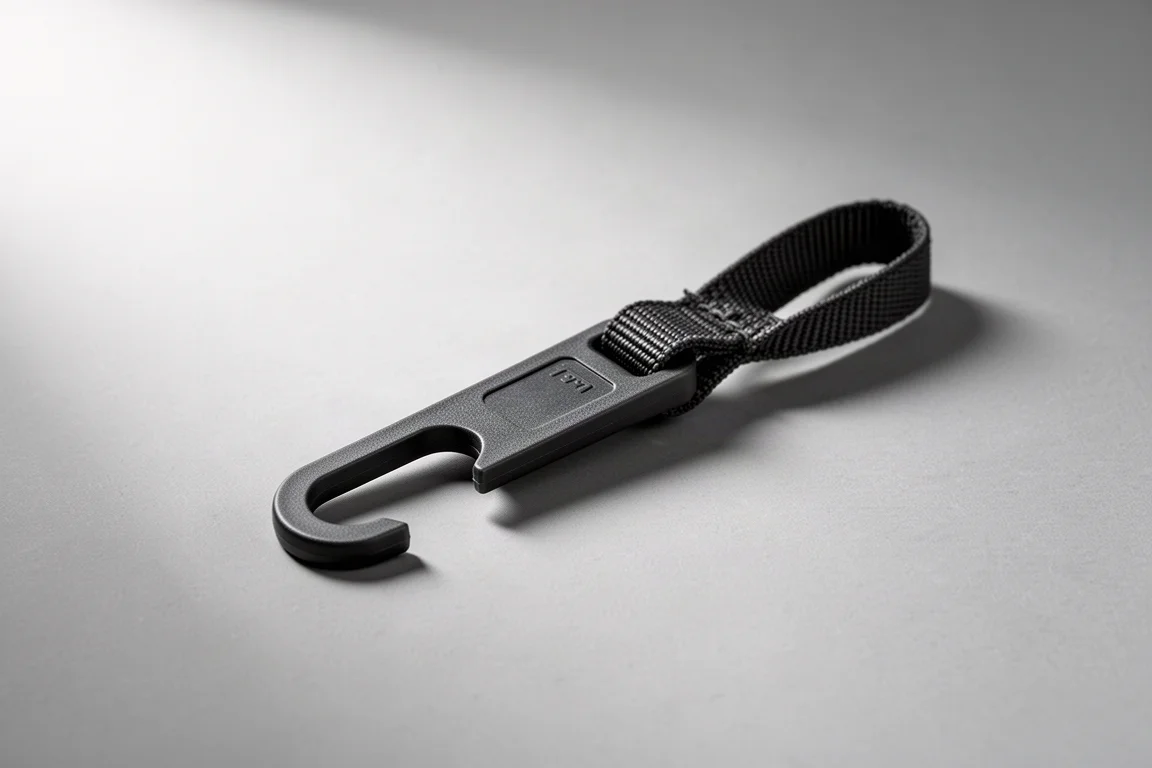
The Rehook is a small tool for putting a dropped chain back on, and it treats a symptom rather than a cause. A chain should not be coming off often enough to justify a dedicated tool for it. If it happens regularly, the work worth doing is checking chain wear, gear indexing and chainring wear, which addresses why the chain is dropping in the first place.
In use, the Rehook is very good at its job. It sits inside the wider links of the chain so you can loop the chain back onto the chainring, which is a nicer experience than fishing around with a leaf or a twig. It weighs just 20 grams and comes with an elasticated strap for mounting to the frame.
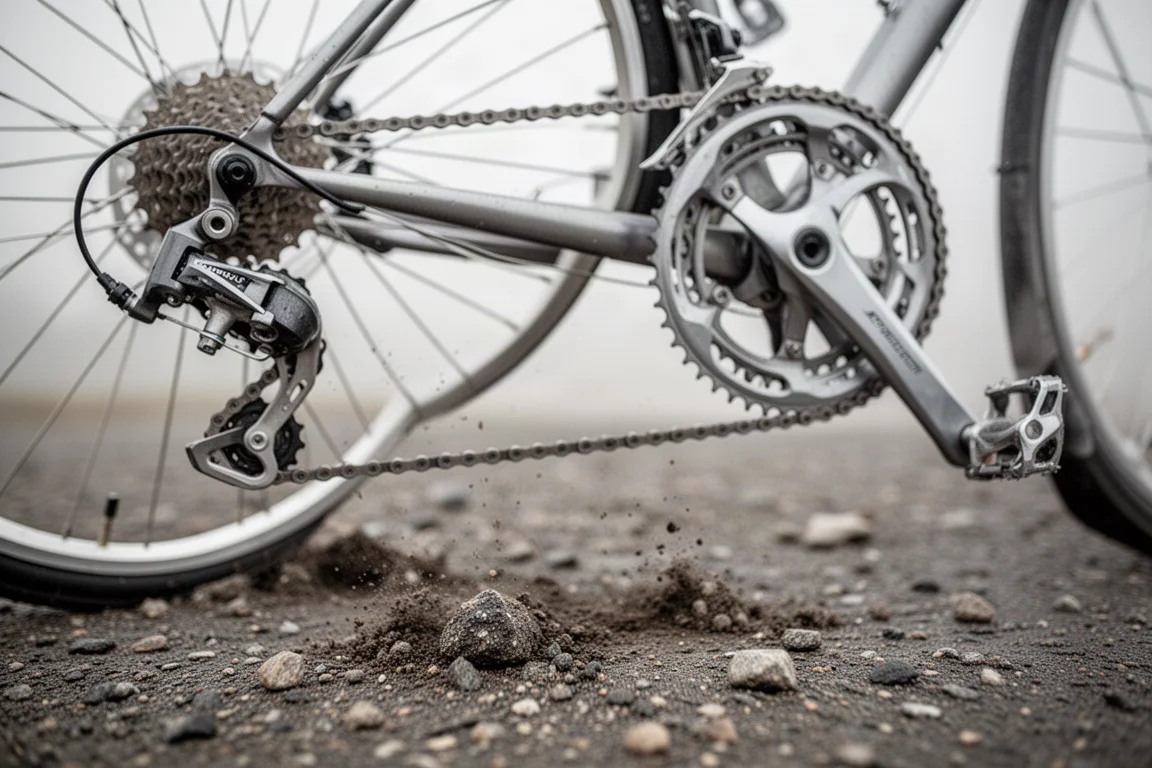
A disposable glove does the same job for less money and less weight, and packs neatly into a saddle bag. The Rehook does at least cut down on single-use plastics, which is a narrow advantage. Given that the underlying problem should not exist, this is one to leave in the basket.
What the Basket Taught Us About Cheap Cycling Kit
The pattern across this basket was consistent. Cheap accessories work when they do one job simply and honestly, and they disappoint when they try to imitate something far more expensive. A camera and light unit that records in high definition and runs for hours is good value even with a modest beam. A pair of adaptive sunglasses that covers most of a daylight ride is good value even if the lens is not the fastest to change.
The items that fell short failed for predictable reasons: fit that did not hold up once you gripped a handlebar, waterproofing that gave way quickly, or a product built around a problem you should be fixing rather than working around. None of that is unique to budget kit, but at these prices it is easier to forgive and harder to ignore.
Buying Advice: Where to Spend and Where to Save
Save on the straightforward jobs. Where an accessory does one thing clearly, the inexpensive version is often all you need, and the money is better kept for the parts of your riding that matter more.
Spend where the difference is felt on every ride. Audio quality is a good example: better bass handling and a more refined charging setup justify the jump to a premium open-ear headset if you listen while you ride. Eyewear follows a similar curve, though the gains flatten out quickly, which is why a mid-priced performance pair is often the sensible ceiling.
And skip anything that solves a symptom. Before buying a tool to deal with a recurring mechanical problem, check chain wear, indexing and chainring wear first, because the fix is usually cheaper than the workaround.
Conclusion
The cheap end of the market is more interesting than it looks. A dash cam style camera and light combo, a performance-orientated pair of sunglasses and a bone conduction headset that handles bass properly all earn their place, and each one makes a clear case for itself at its price. The Rehook is the exception: it works well at a job that should not need doing.
Further reading
Related Reviews
Cycling Accessories
7 Inexpensive Everyday Products That Are Brilliant for Cyclists
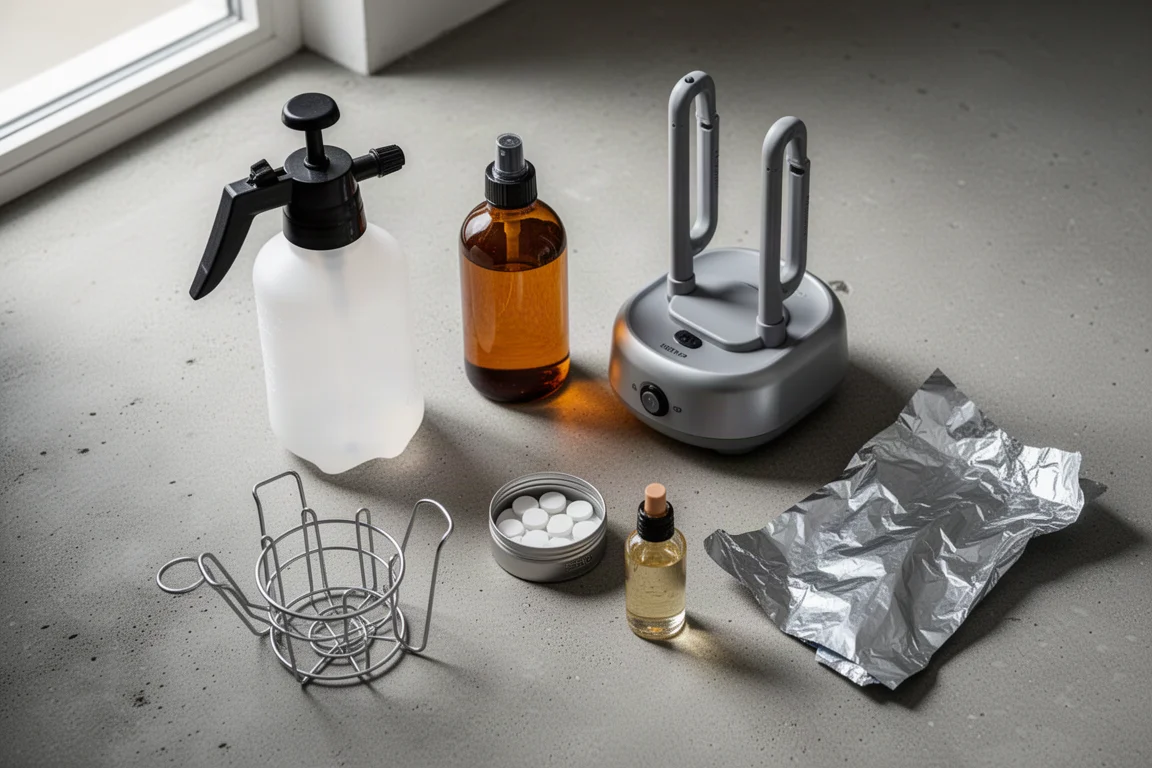
Seven cheap household products that solve real problems for cyclists, from portable bike washing and dry shoes to clean bottles and protected paintwork.
Cycling Accessories
Electric Bike Pumps Compared: AS2 Pro Tiny Pump vs AS2 Pro Max
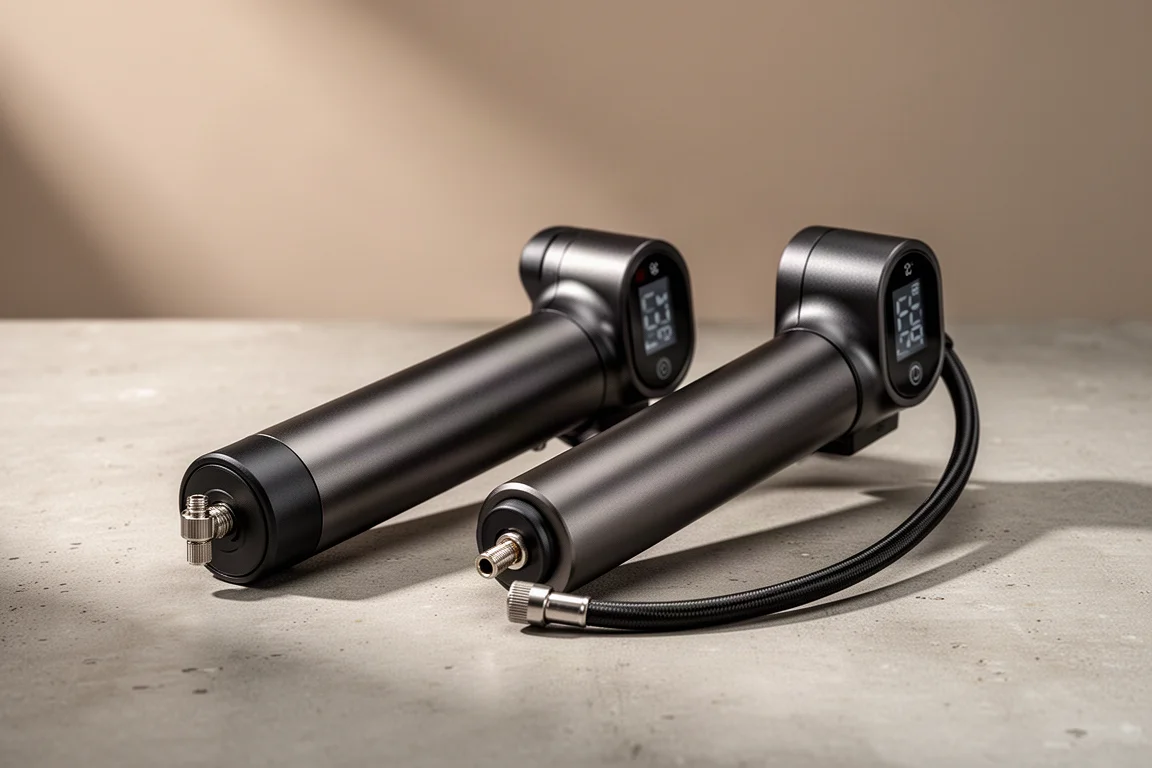
A practical look at two battery-powered bike pumps: what they do well, where they fall short, and which one suits which kind of rider.
Cycling Accessories
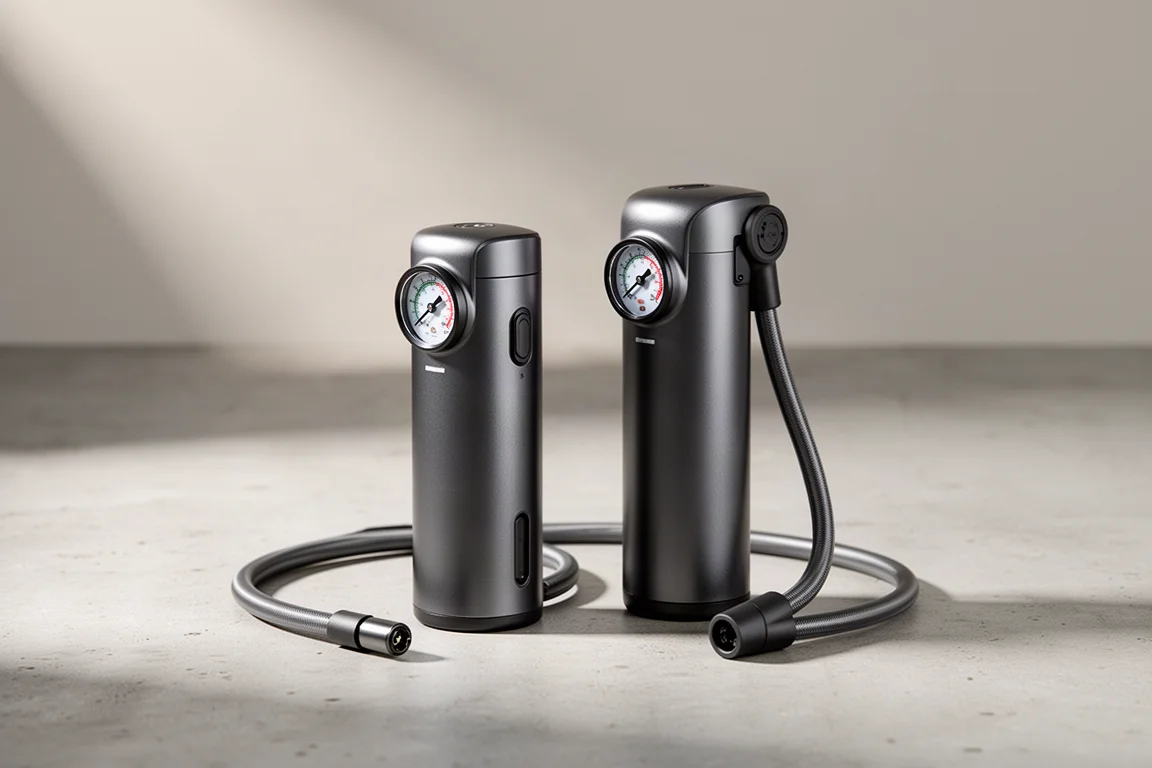
AS2 Pro Tiny Pump vs AS2 Pro Max: Two Electric Pumps Tested Over Six Months
A practical comparison of the AS2 Pro Tiny Pump and the AS2 Pro Max after six months of real riding, covering pressure control, runtime, noise, and what they cannot do.