Cycling Accessories
Quad Lock Stem Cap Mount Review: Two Aluminium Phone Mounts for a Cleaner Cockpit
Quad Lock's two stem cap phone mounts move navigation off the handlebar, with a fixed version for low stems and an adjustable version for upright bikes.
Introduction
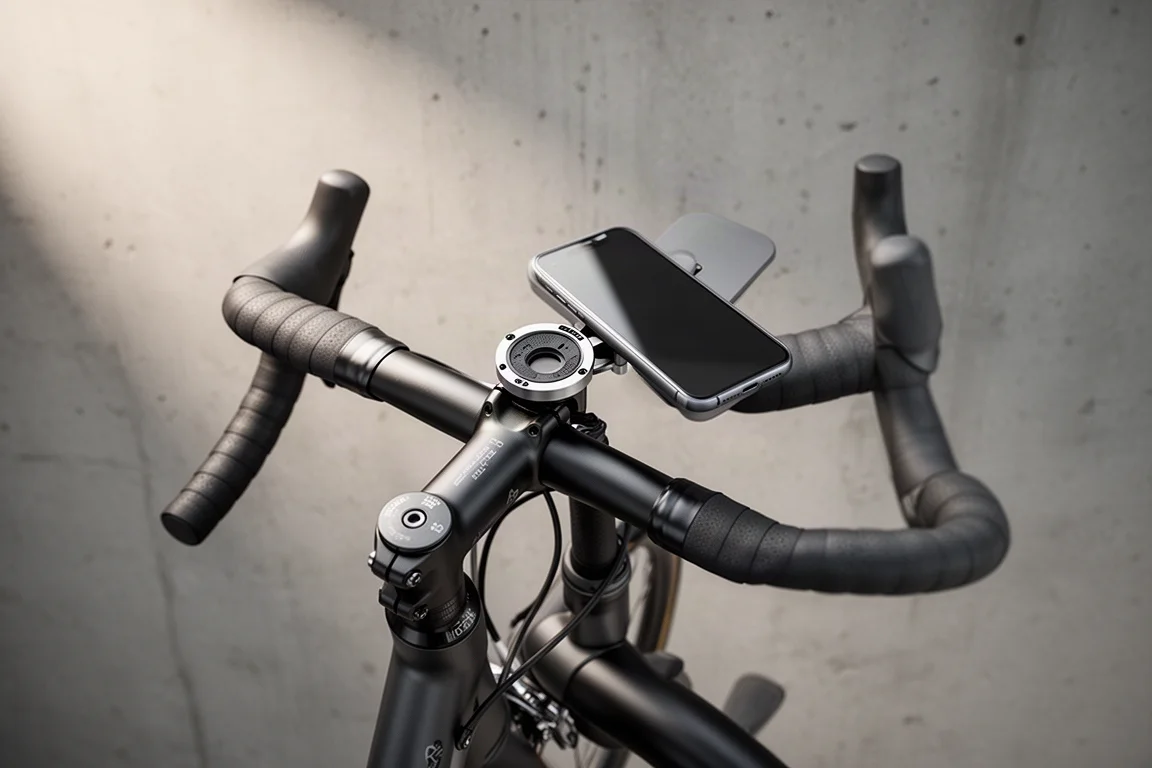
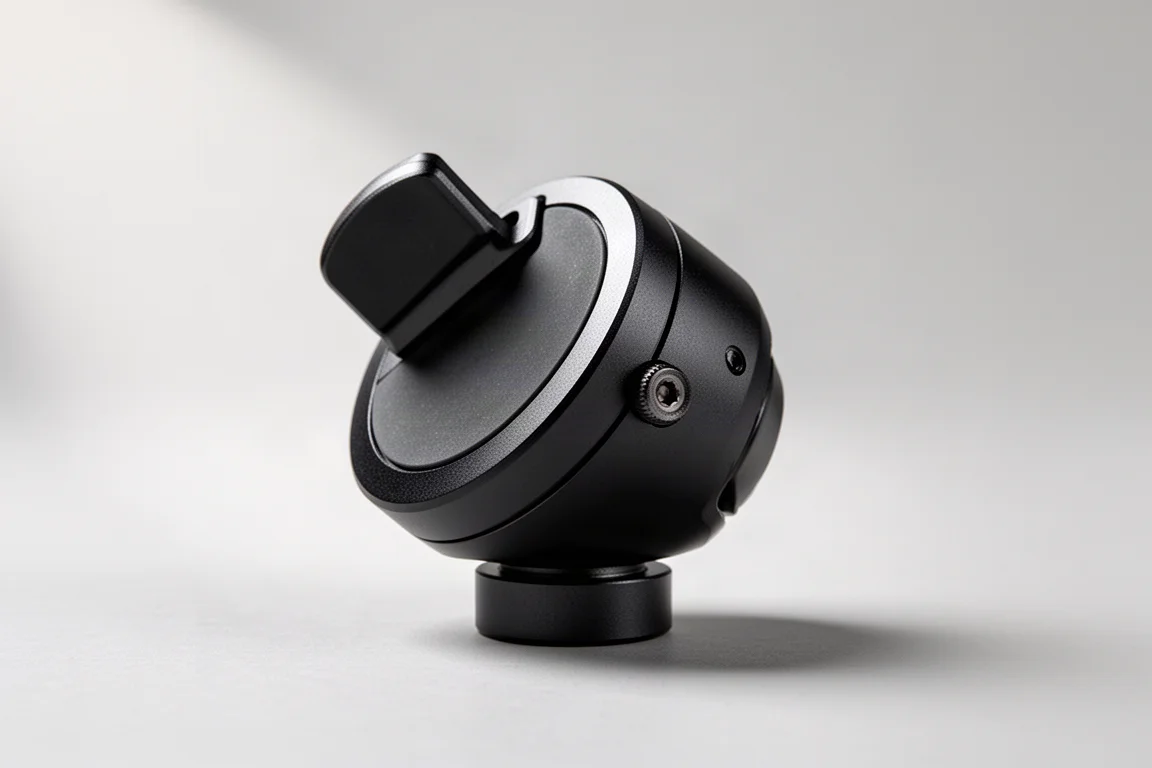
Quad Lock has added two stem cap mounts to its range, both aimed at cyclists who would rather use the phone already in their pocket than buy a separate bike computer. Instead of clamping to the handlebar, these mounts use the space directly above the steerer tube, so the bar itself stays clear for lights, a bell, or a bar bag.
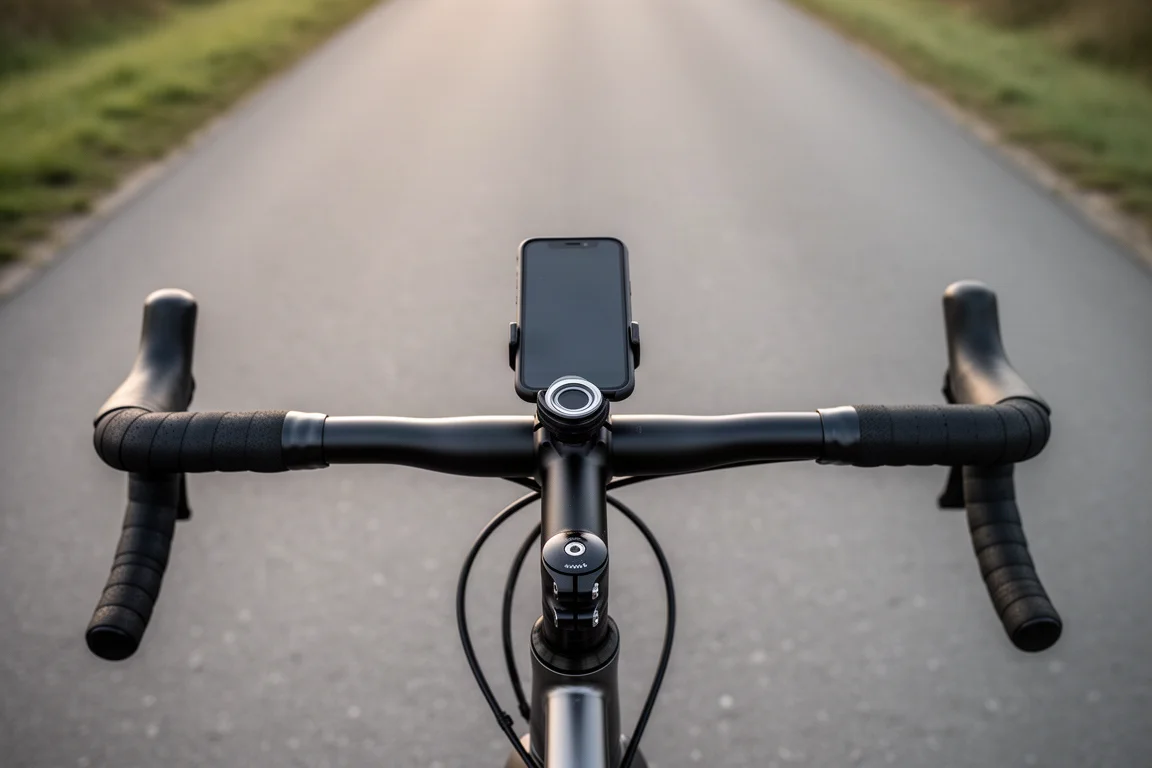
Both versions are made from aircraft grade aluminium and heat treated for extra strength. Quad Lock says they are strong enough to keep a phone attached when you hit a bump or a pothole, and both are compact enough to almost disappear once a phone is locked onto them.
Shared Design and Build Quality
The two mounts follow the same recipe. Aircraft grade aluminium, heat treated for strength, and a small footprint that leaves the cockpit looking tidy. The standard version weighs 30 g and the adjustable version 45 g, so neither adds meaningful weight to the front of the bike.
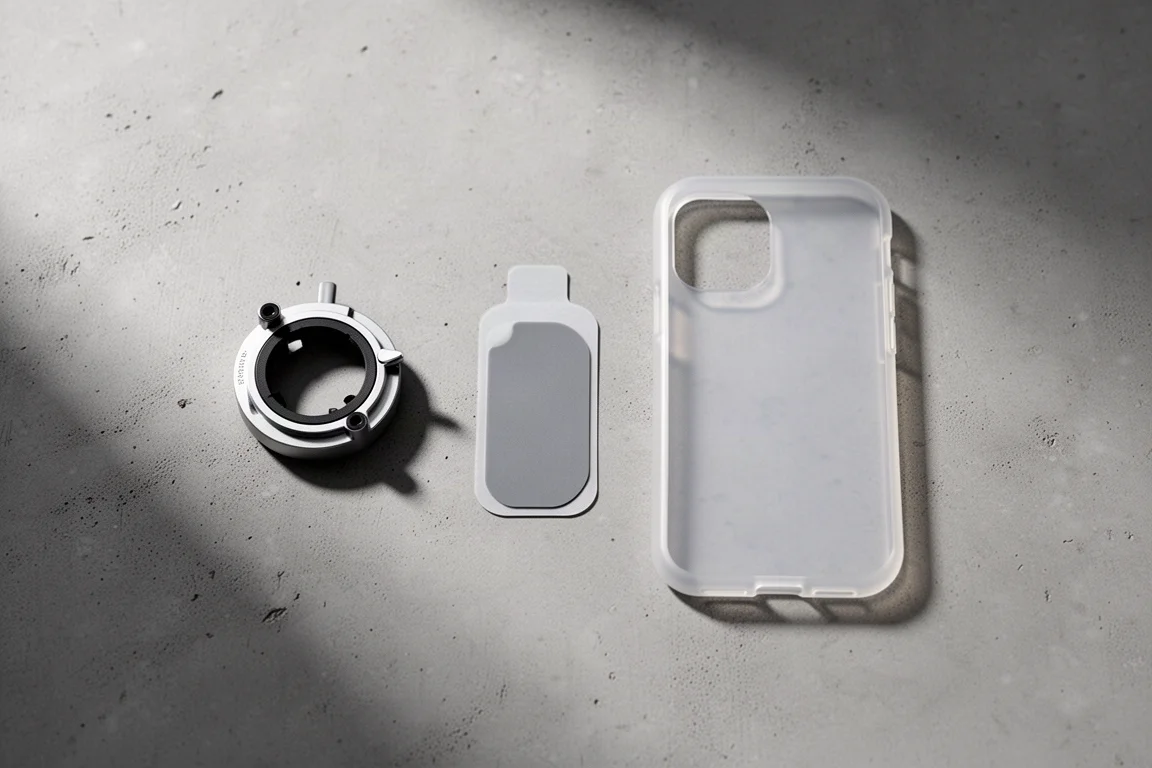
Locking a phone in place works much like fitting a bike computer. A spring loaded retainer mechanism helps keep everything secure so the phone cannot be knocked off unintentionally. To use the system you need a Quad Lock compatible phone case, or a universal adapter that sticks to the back of a case or directly to a phone.
Both mounts are built around a standard 28.6 mm steerer tube, which is the common size on the majority of bikes on the market. That shared sizing is why Quad Lock offers two versions rather than one: the real difference between them is how much the mount can tilt.
Quad Lock Stem Cap Mount: The Standard Version
The standard Stem Cap Mount handles stems up to roughly plus or minus 15 degrees. That range covers a great many road and gravel bikes, where the stem already sits low and the phone lands at a usable viewing angle without any extra hardware.
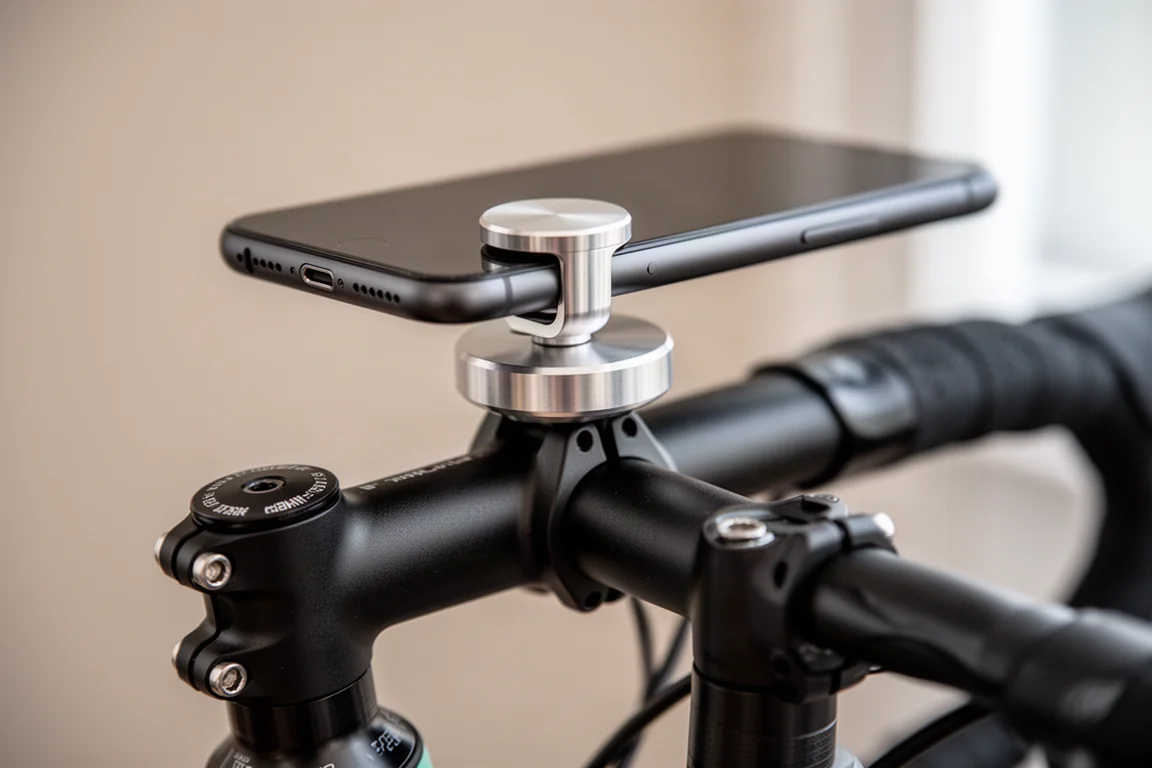
At 30 g it is the lighter of the two, and the simpler choice if you already know your riding position and do not expect to change it. Quad Lock lists the mount at just under $40, or just under £30.
For riders with a fixed, fairly aggressive setup, there is little reason to pay for adjustment that will never be used. The fixed head keeps the mount as small as possible, which matters when the whole point is reclaiming handlebar space.
Quad Lock Stem Cap Mount Adjustable
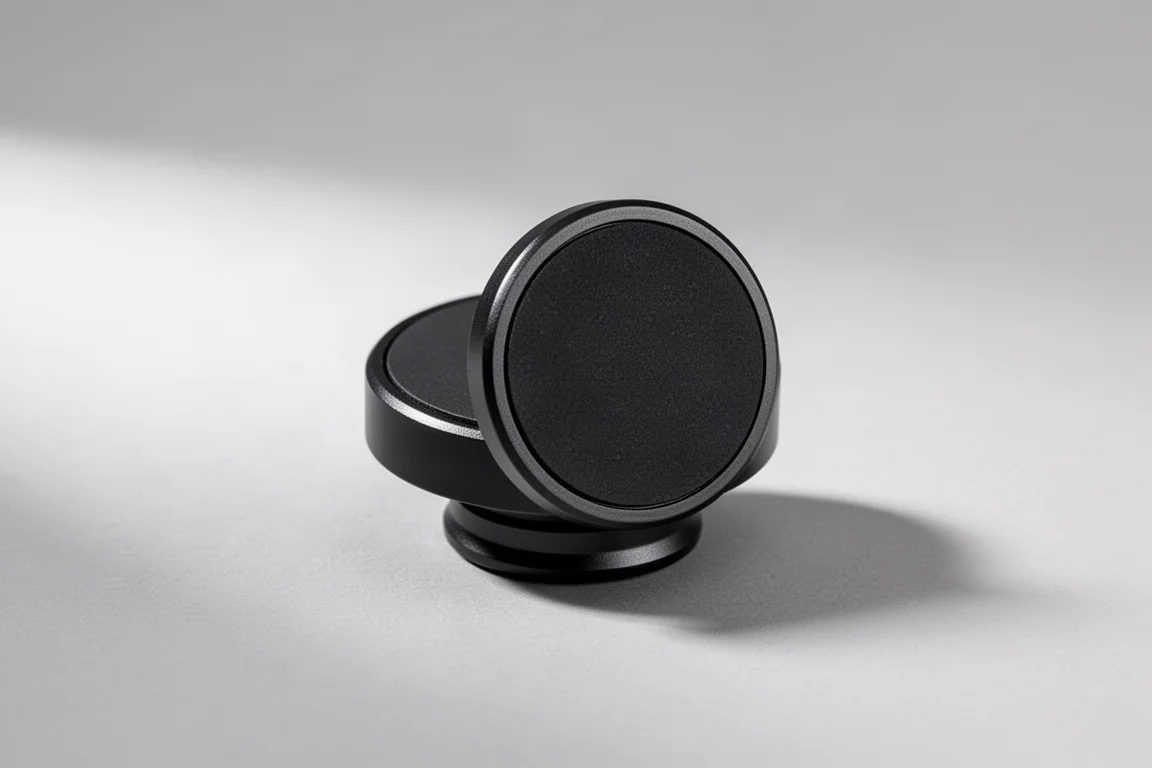
The adjustable version adds a hinged head that tilts to 35 degrees in its normal orientation, and up to 55 degrees when it is reversed. That wider range is what makes it relevant to commuter and hybrid bikes, where a more upright riding position would otherwise leave the screen angled away from the rider.
It weighs 45 g, which is still light enough to forget about, and it sits above the standard version on price. The extra grams buy flexibility rather than performance, so the decision comes down to your stem angle rather than the scale.
Both mounts keep the phone low and central, which is the part that genuinely changes how a cockpit feels. Instead of a large screen sitting across the middle of the bar, the phone sits back over the steerer tube, leaving the grips and the space around them free.
Phone Mount or Bike Computer?
Bike computers have improved a great deal in recent years, but for sheer flexibility a phone still does more. On a predetermined route with a set of sensors connected, a computer is the cleaner tool. For exploring a city or an unfamiliar area, the experience is far less pleasant.

Mapping apps on a phone let you search for a business or an address, change the map type, and see cycling infrastructure, all on a screen that is much larger and considerably easier to tap and scroll. That is the core argument for mounting a phone in the first place.
The trade-offs are real, though. Modern smartphones are large, and a compact model such as an iPhone 12 mini already dwarfs most bike computers. On the handlebar a phone can crowd out a bar bag, lights, or a bell, which is exactly why moving it back to the stem helps: on most road and gravel bikes that area is wasted space anyway.
There is also the cost question. Phones usually cost more than bike computers, so mud, wind, and rain feel like a bigger risk. Many current phones are water resistant, but a storm or a muddy trail can still make you think twice about strapping one to the bars.
Compatibility and Phone Protection
Two accessories make the system work. A Quad Lock compatible phone case, with prices starting at just under $35, or a universal adapter from just under $15 that sticks to the back of any case or phone. Both are also offered as part of a bundle.
If weather is the main worry, the Quad Lock poncho is a TPU shell that covers the phone while keeping the touchscreen fully usable. It is a sensible addition for anyone riding through winter or spending time on wet, gritty surfaces.
Buying Advice
Choose the standard Stem Cap Mount if your bike already has a low, forward stem position and you want the lightest, simplest option. It covers stems up to about plus or minus 15 degrees, which is enough for a settled position on a road or gravel bike.
Choose the adjustable version if your bars sit higher or your stem angle is steeper. Its 35 degree range, or 55 degrees when reversed, is often the difference between a screen you can read at a glance and one you have to lean over to see.
Either way, budget for the case or the adapter as well as the mount. That is the part that makes a phone compatible with the twist lock system, and it is easy to overlook when comparing prices.
Conclusion
Both mounts solve the same problem in a tidy way: the phone sits over the steerer tube, the handlebar stays usable, and the hardware is small enough to forget about once it is fitted. The standard version suits fixed, sportier positions, while the adjustable version earns its extra weight and cost on upright bikes where the screen would otherwise tilt out of view.
Further reading
Related Reviews
Cycling Accessories
7 Inexpensive Everyday Products That Are Brilliant for Cyclists
Seven cheap household products that solve real problems for cyclists, from portable bike washing and dry shoes to clean bottles and protected paintwork.
Cycling Accessories
Amazon Cycling Accessories Worth Buying: Five Practical Picks
A basket of low-cost cycling accessories judged on real-world use, from a dash cam style camera and light combo to bone conduction headphones and one tool best left on the shelf.
Cycling Accessories
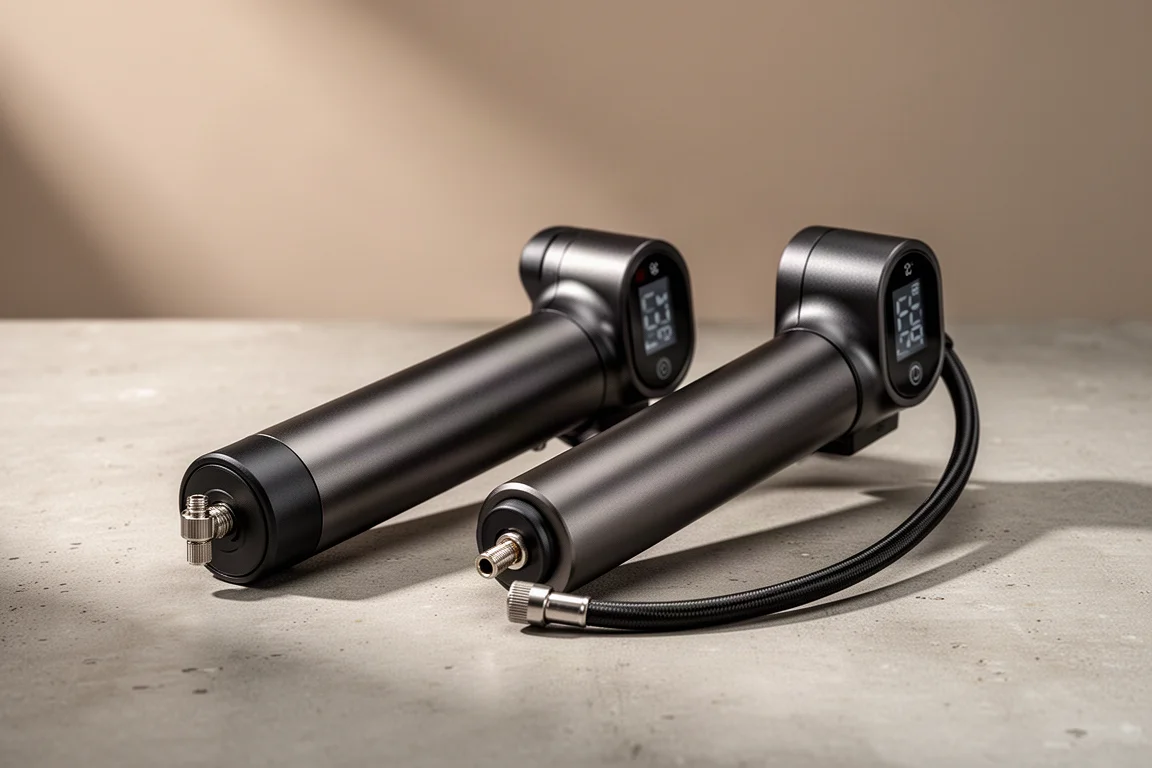
Electric Bike Pumps Compared: AS2 Pro Tiny Pump vs AS2 Pro Max
A practical look at two battery-powered bike pumps: what they do well, where they fall short, and which one suits which kind of rider.