3D Printers
Qidi Q2 3D Printer Review: Strong Features at $499, But Software Quirks Hold It Back
The Qidi Q2 delivers impressive hardware including a 370°C hotend, active chamber heating, and a large build volume. However, software bugs and build plate adhesion issues prevent it from being an easy recommendation despite its competitive price.
Introduction
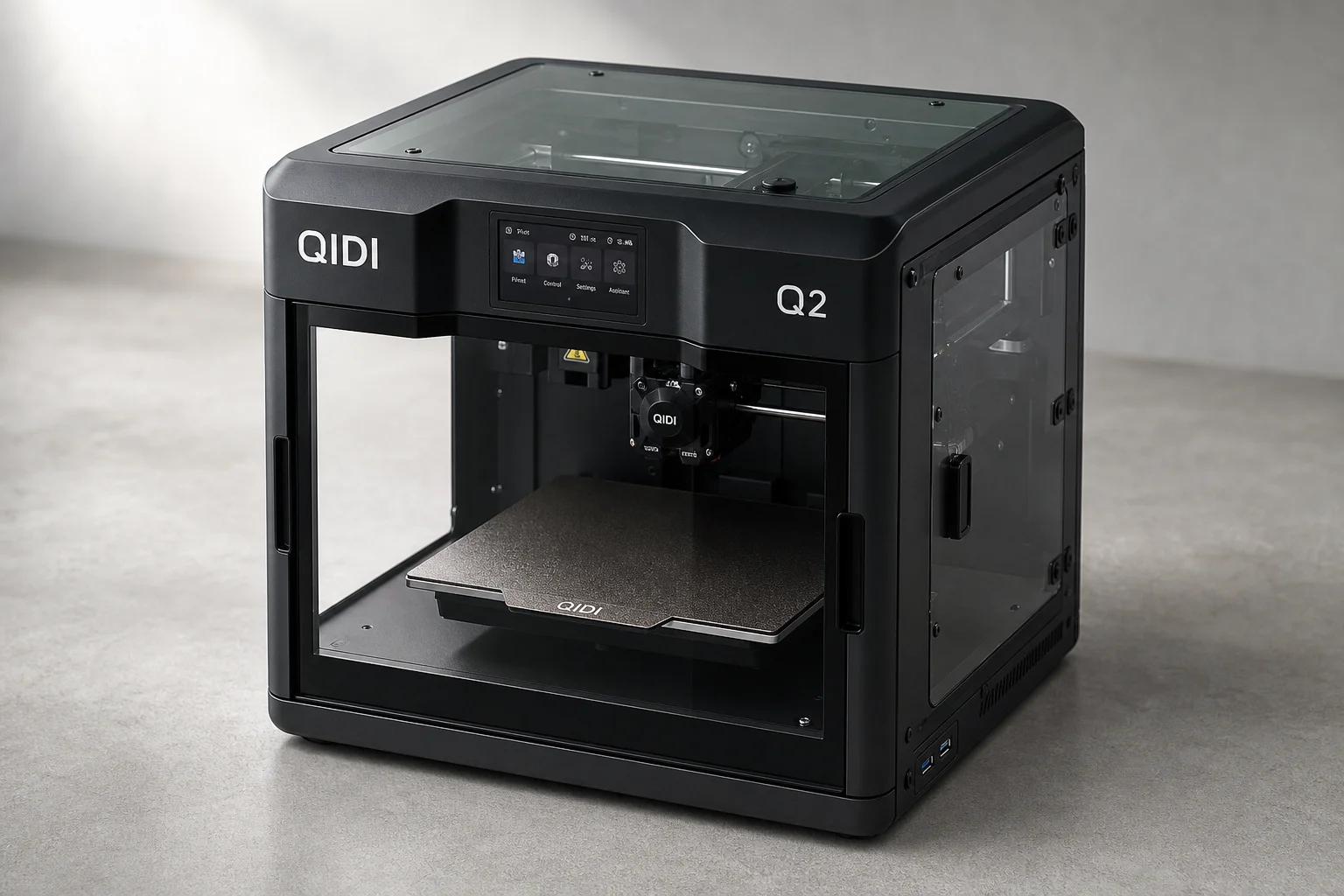
The Qidi Q2 enters the market at $499 with an impressive specification sheet: a 370°C hotend, active chamber heating up to 65°C, a build volume larger than many Bambu Lab printers, and fast print speeds. After extensive real-world testing across hundreds of hours of printing, including a large filament storage project, the hardware delivers on most promises. However, software bugs and build plate adhesion inconsistencies create friction that undermines the overall value proposition, even at this competitive price point.
Who This Printer Is For
The Q2 appeals to makers who want to explore advanced materials beyond standard PLA. The high-temperature hotend and heated chamber enable printing with nylon, polycarbonate, and other engineering plastics. The large build volume suits users who need to print bigger parts or multiple items in a single run. The included air filter with G3 pre-filter, H12 HEPA filter, and activated carbon makes it a reasonable choice for indoor spaces where fume management matters.
The printer also makes sense for users upgrading from entry-level machines who want more capability without jumping to premium-tier pricing. The availability of replacement parts directly from Qidi is a significant advantage often missing from competitors.
High-Temperature Hardware and Material Compatibility
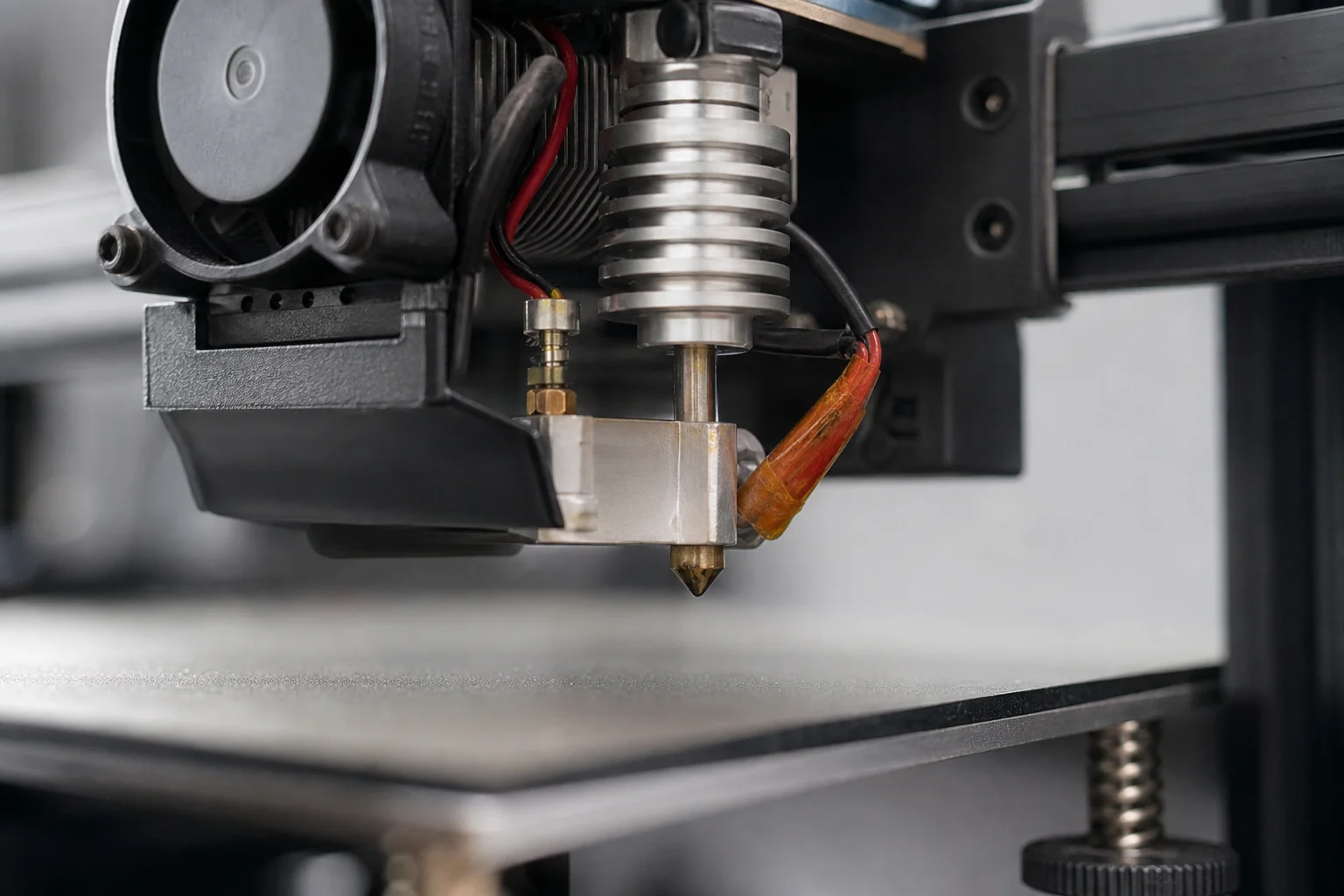
The 370°C hotend paired with a 120°C heated bed opens access to a wide range of filament types. This hardware combination is genuinely useful for anyone planning to work with high-performance materials. The active chamber heater maintains temperatures up to 65°C, which is essential for printing ABS and ASA without warping. During testing with ABS frames for a filament storage project, the chamber heating performed reliably and produced dimensionally stable parts.
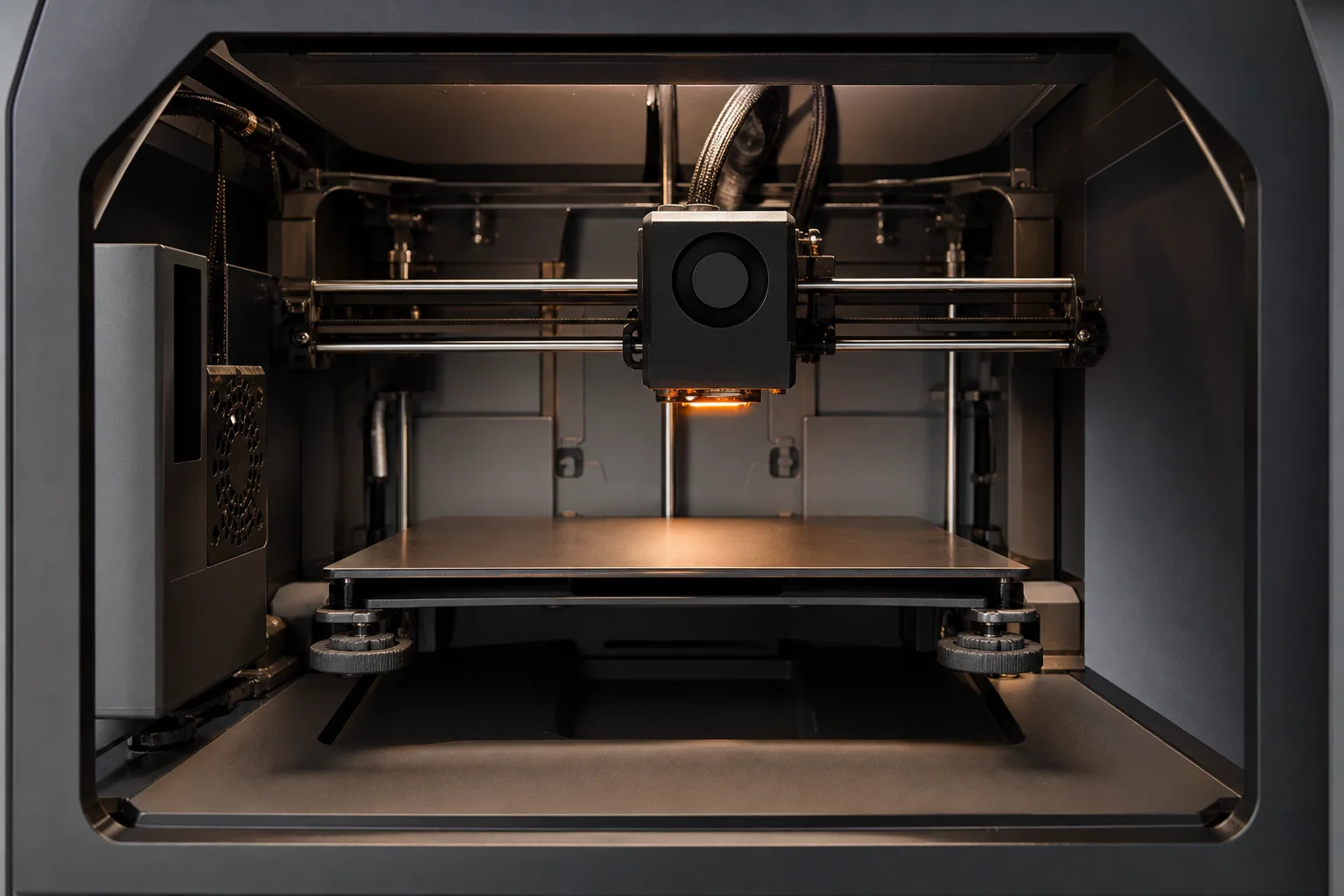
The semi-locking top panel is a thoughtful design choice. It slides back to allow PLA and PETG printing without trapping excessive heat, which would otherwise soften filament in the extruder gear and cause clogs. This flexibility means the printer handles both heat-sensitive and heat-demanding materials without requiring separate machines or workarounds. The panel removal process is straightforward, a welcome contrast to printers where accessing the top requires significant disassembly.
Print Quality and Tolerance Performance
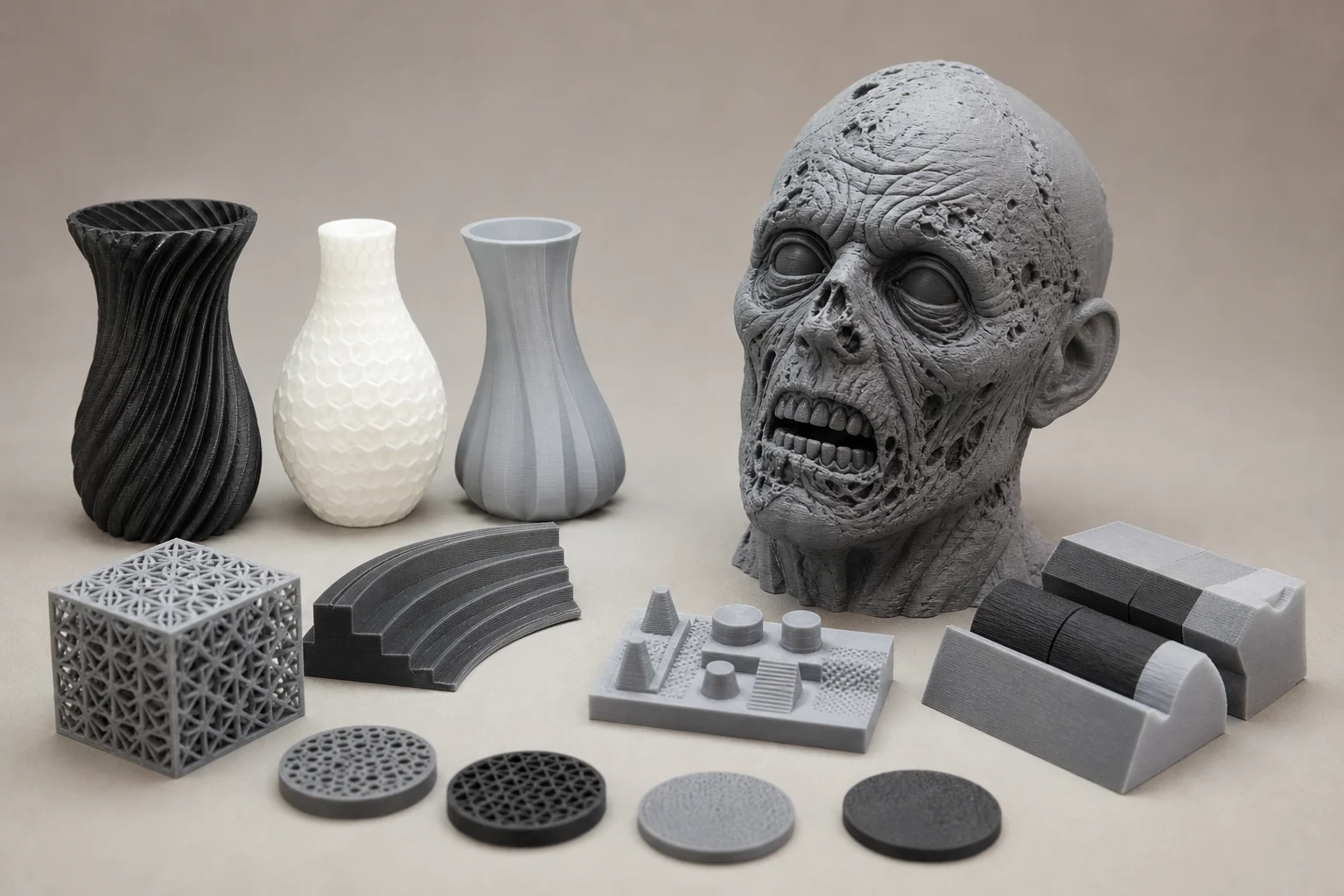
Print quality is inconsistent. Some parts, such as a detailed zombie head printed in Bambu Lab ABS, emerged with excellent surface finish and detail. Other prints showed noticeable ringing and vertical fine artifacts (VFAs). A preloaded tolerance test performed well, with all tolerance checks releasing cleanly and overhangs holding up to 15 degrees. Bridging was adequate in most areas, though some sections showed visible defects and ringing on the sides.
The included build plate presents a recurring issue. Multiple prints stuck excessively to the surface, with ABS filament remaining bonded even after removal attempts. The PEI coating appears to gain adhesion with use, which tracks with observations from other users. This suggests either a manufacturing inconsistency or a design that requires a break-in period. Qidi’s willingness to send a replacement plate was helpful, but the underlying adhesion problem persists and requires workarounds or aftermarket solutions.
Chamber Heating and Material Handling
The active chamber heating system works as intended for high-temperature materials. Maintaining a warm enclosure prevents the rapid cooling that causes warping in ABS and ASA. During extended ABS printing sessions, the chamber held temperature consistently and produced parts with minimal dimensional drift.
The spool holder, while included, feels flimsy and has caused visible bowing of the rear panel during use. This is a minor structural concern that suggests the mounting bracket may need reinforcement or redesign. The glass side panels are a nice addition for monitoring prints from multiple angles, similar to the Bambu Lab H2D design.
Software, Interface, and User Experience
Software is where the Q2 stumbles most noticeably. The mobile app and desktop slicer both have persistent logout issues, requiring repeated re-authentication. During a 13-hour print with approximately one hour remaining, tapping a speaker icon in the app triggered an unexpected print cancellation prompt. The function of this button remains unclear and undocumented.
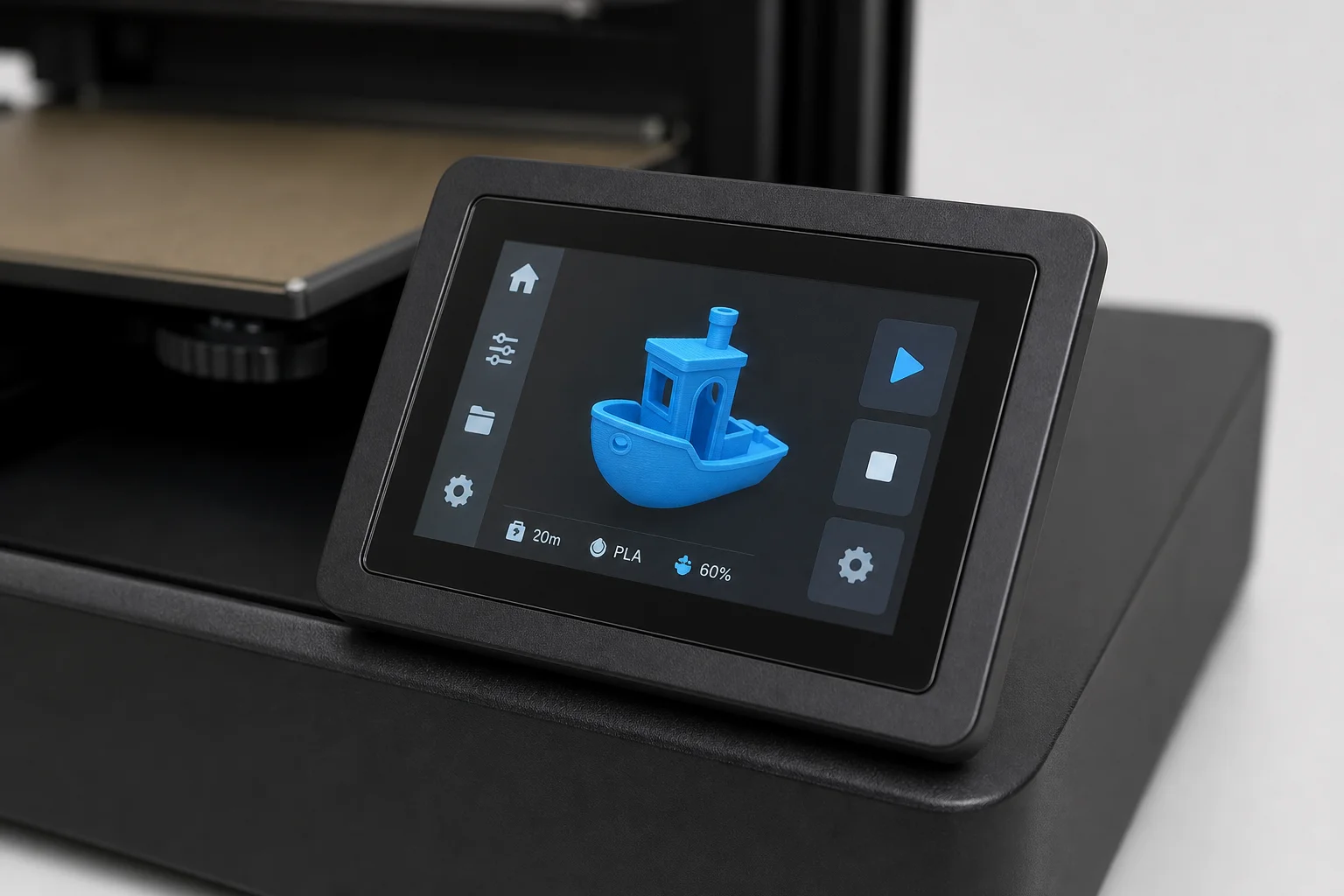
The 3.3-inch color touchscreen is responsive but limited to 480x272 resolution. Viewing angles are narrow, and the mounting bracket feels inexpensive. Despite these limitations, the interface is functional for basic operations.
The camera is advertised as 1080p but delivers noticeably lower resolution. Timelapses suffer from the same limitation, producing grainy footage unsuitable for detailed documentation. More frustratingly, the slicer cannot download timelapses directly; users must manually enter the printer’s IP address in a web browser to access them. This workflow defeats the purpose of a branded slicer and suggests incomplete software integration.
Buying Advice
At $499, the Q2 occupies a competitive middle ground between budget and mid-range printers. The hardware specifications justify the price if you plan to use the high-temperature capabilities or need a larger build volume. The inclusion of an air filter and replacement parts availability are genuine advantages.
However, the software bugs and build plate adhesion issues are not trivial. If you prioritize a seamless out-of-box experience, the Q2 requires patience and workarounds. If you are comfortable troubleshooting and can accept that some features need refinement, the printer delivers solid value. The question of whether it is better than competing printers at the same price depends on your specific material needs and tolerance for software friction.
Conclusion
The Qidi Q2 is a capable machine with impressive hardware specifications at a reasonable price. The 370°C hotend, active chamber heating, and large build volume are genuine strengths. However, software bugs, build plate adhesion inconsistencies, and incomplete feature implementation prevent it from being an unqualified recommendation. For users willing to work around these issues, the printer offers good value. For those seeking a trouble-free experience, alternatives may be worth considering.
Product link
View more details for Qidi Q2
This product is mentioned in the review. Check the specifications, options, and compatibility before buying.
View more details for Qidi Q2Further reading
Related Reviews
3D Printers
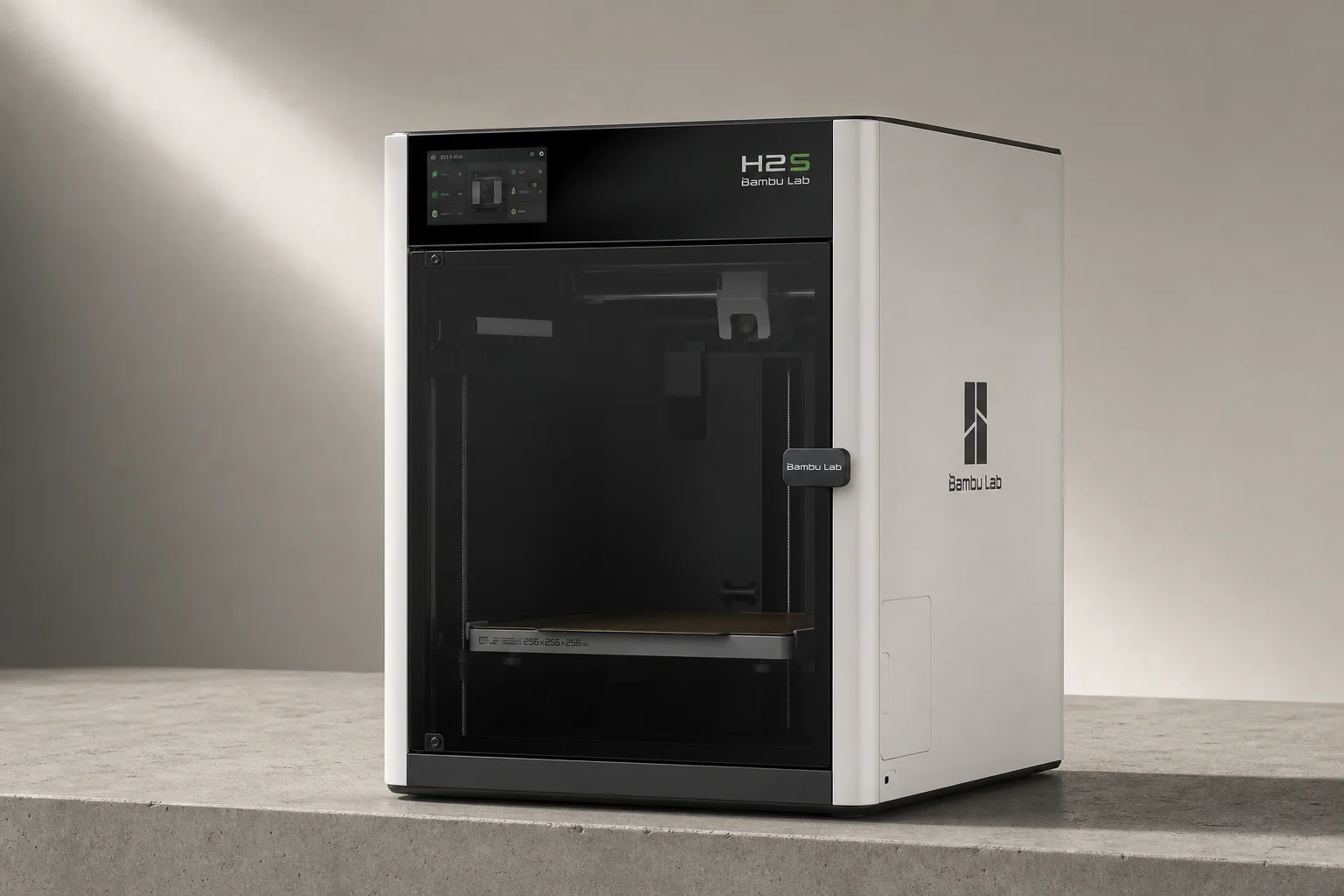
Bambu Lab H2S Review: Large-Format 3D Printing Without the Dual Extruder
The H2S strips away the H2D's dual-nozzle complexity for a simpler, cheaper large-format printer. Here's what that trade-off means for your prints.
3D Printers
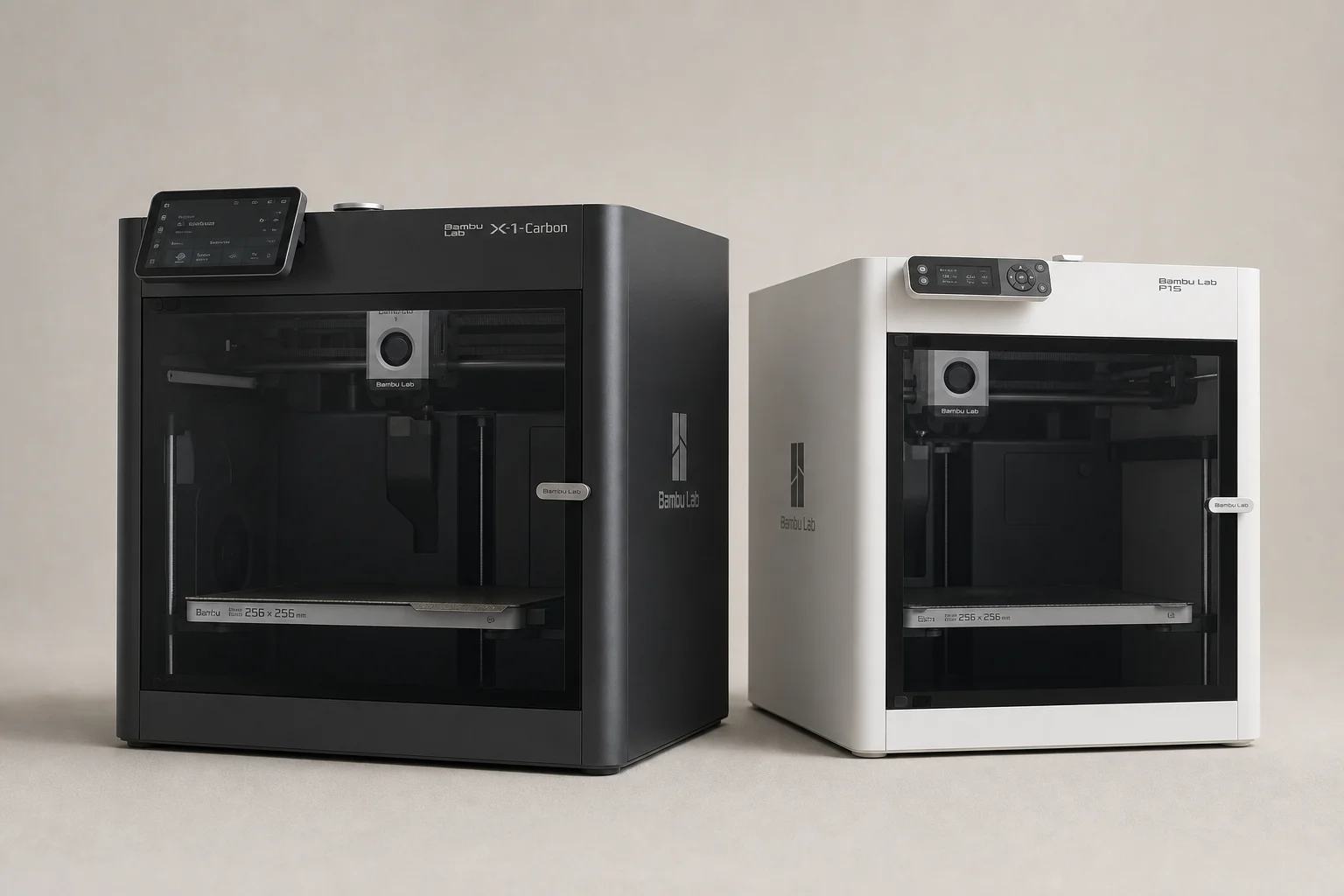
Bambu Lab P1S vs X1 Carbon: Why the Budget Option Wins
After testing both printers side by side, the P1S delivers nearly identical print quality at half the price. Here's what the premium features actually cost you.
3D Printers
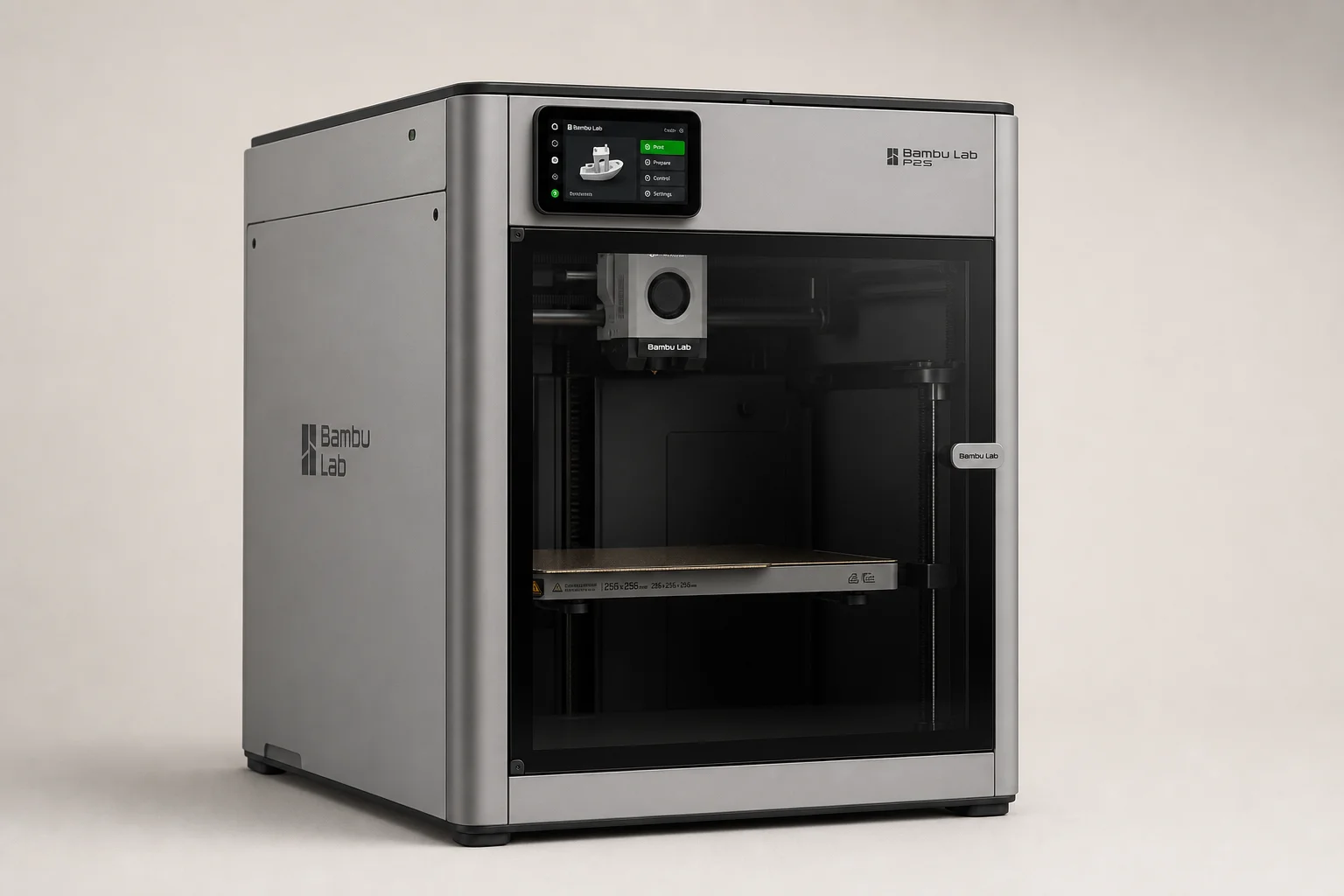
Bambu Lab P2S Review: A Strong Mid-Range 3D Printer Worth Considering
The Bambu Lab P2S brings significant upgrades over its predecessor, including a new touchscreen, improved cooling, and quick-swap nozzles. Here's what real-world use reveals about its strengths and trade-offs.