Floorstanding Speakers
Q Acoustics 5050 Review: Floorstanding Sound With Real Vocal Presence
A close look at the Q Acoustics 5050 floorstanding speaker, from its curved-cone woofers and sealed tweeter to how it behaves in a real listening room.
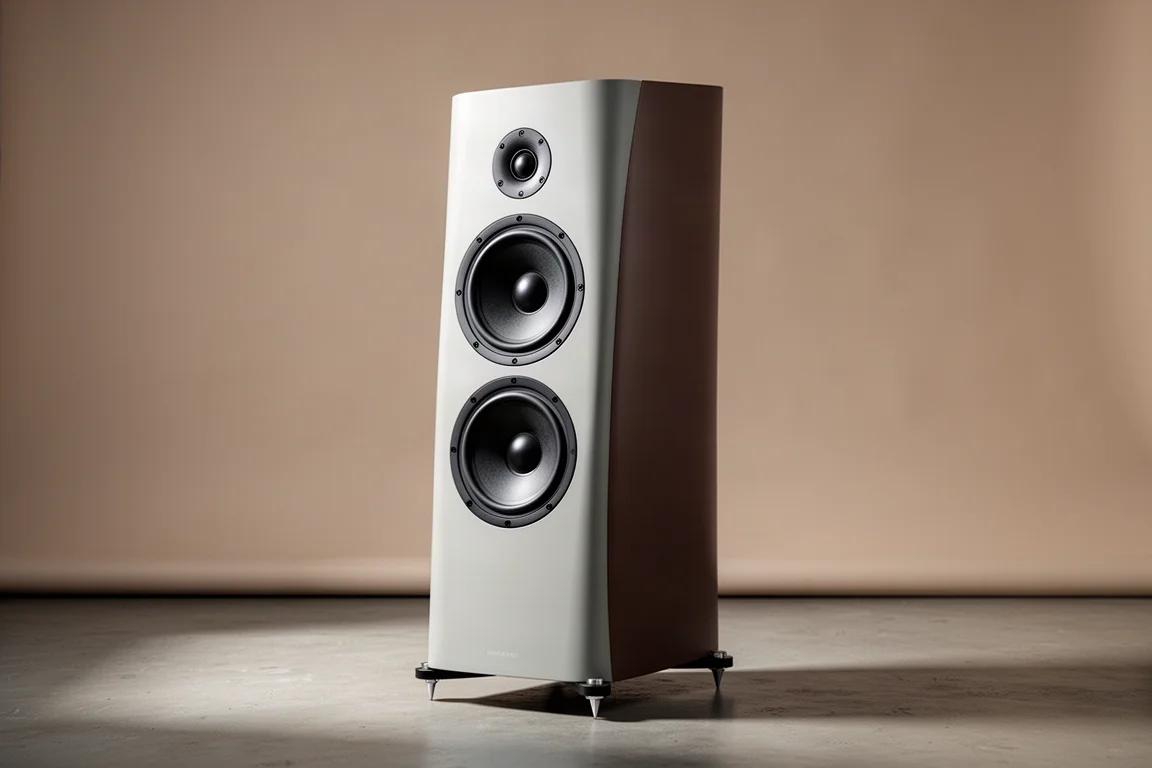
Introduction
The Q Acoustics 5050 is the newest floorstanding speaker in the company’s 5000 series, and at $2,000 it sits at the top of that range. The smaller 5040 floorstander comes in at $1,500, while the standmount 5020 sits around $800 to $900. Across high-end audio pricing generally, the 5000 series is regarded as a mid-tier line, and the 5050 is the largest and most expensive member of it.
That price gap matters, because the 5050 is not simply a louder 5040. It adds cabinet volume, a second 6-inch woofer, and several engineering details carried over from the Concept series. The result is a speaker that behaves differently in a room, and one that asks a little more of the space around it.
Who the Q Acoustics 5050 Is For
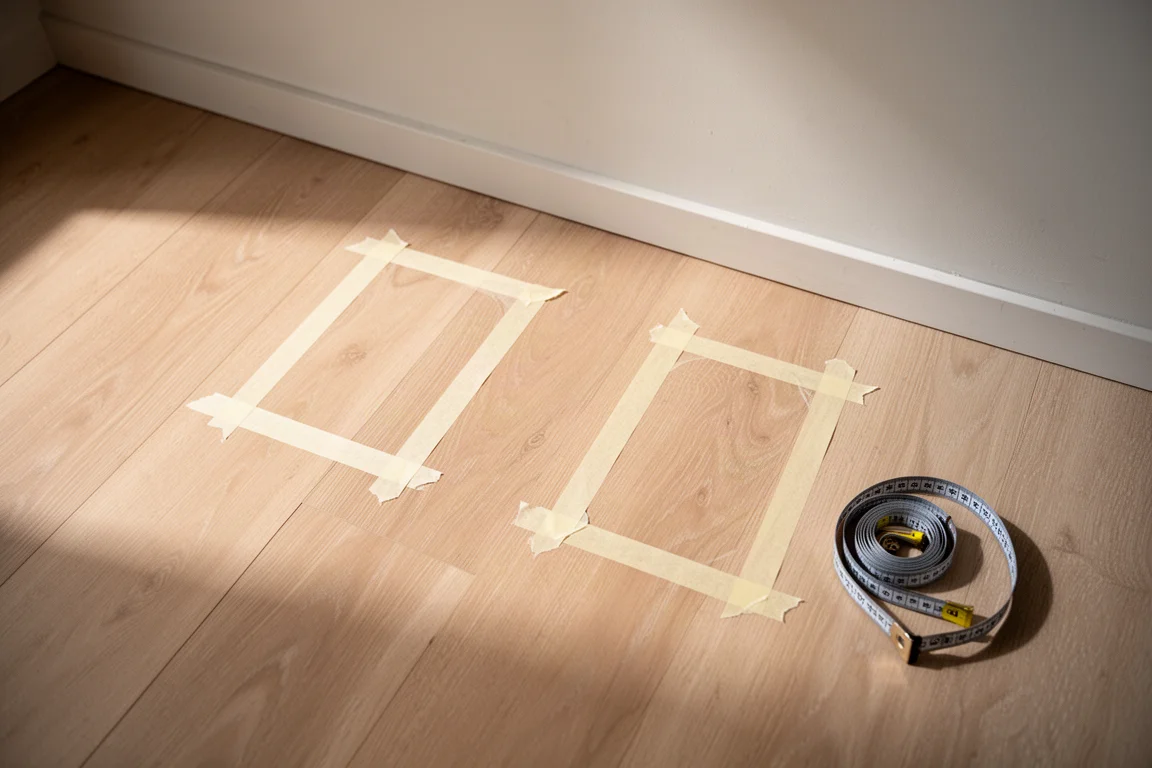
This is a speaker for listeners who have room to give it. The 5050 produces a lot of bass presence, and it does not sound its best pushed close to a rear wall. A larger listening room, or at least a setup where the speakers can sit a reasonable distance from the boundary behind them, suits it far better than a compact space.
It is also a good match for anyone who prioritizes natural tone over sheer excitement. The 5050 is not a bright, forward speaker. Its appeal lies in how convincing instruments and voices sound rather than in how aggressively it grabs attention.
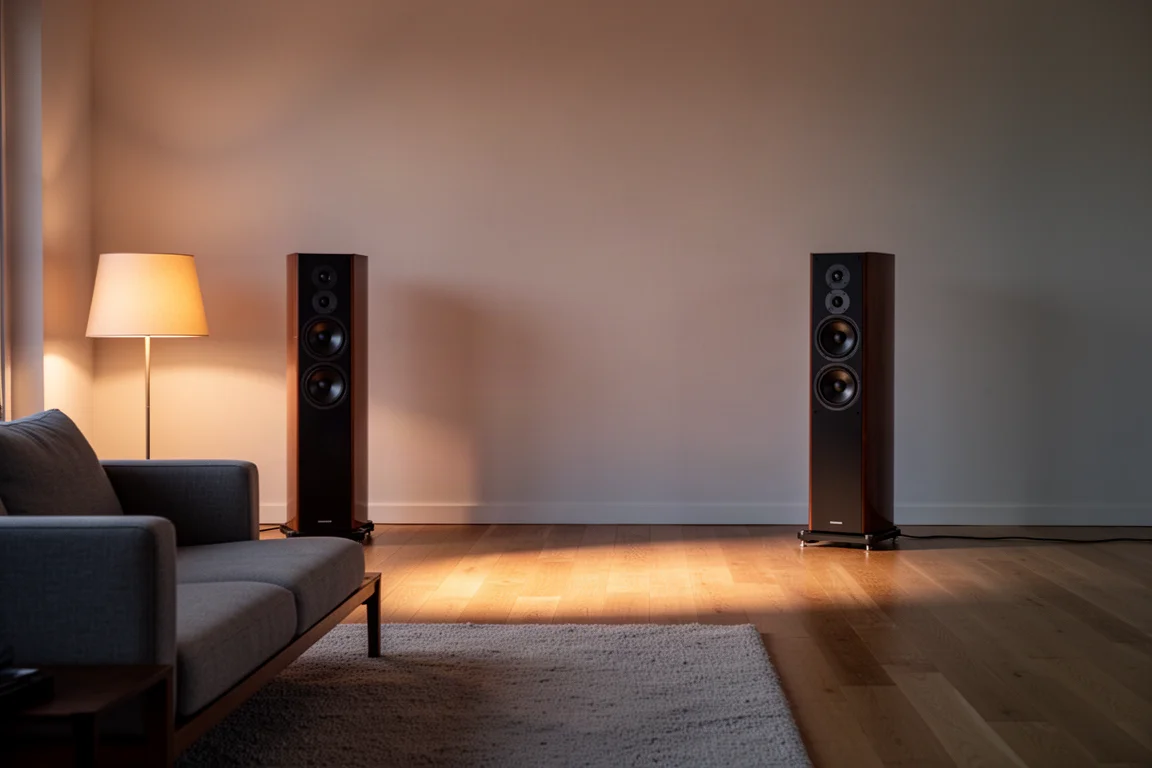
Amplifier matching is straightforward. Recommended amplifier power is listed at 25 to 150 watts, and the 5050 never felt short of power when driven by a 150-watt integrated amplifier. Sensitivity is rated at 91.8 dB, so it does not demand enormous output to reach a comfortable listening level, though the 6-ohm nominal impedance and 3-ohm minimum mean a capable amplifier is still worth having.
Main Strengths
The driver complement is two 6-inch woofers and a 1-inch tweeter. The woofers use the trademarked C3 Continuous Curved Cone design, a cone made from impregnated paper, and the cabinet uses a Helmholtz Pressure Equalizer to manage pressure inside the enclosure. The tweeter is hermetically sealed and mechanically isolated from the cabinet, a technique borrowed from the Concept series.
The published numbers are respectable for the class. Frequency response is quoted from 37 Hz to 30,000 Hz, effective cabinet volume is 39.7 litres, and the speaker ships with spikes and stabilizers plus rear outrigger feet. Those outriggers are not optional decoration. The cabinet is curved at the bottom, and the feet are what keep it standing securely.
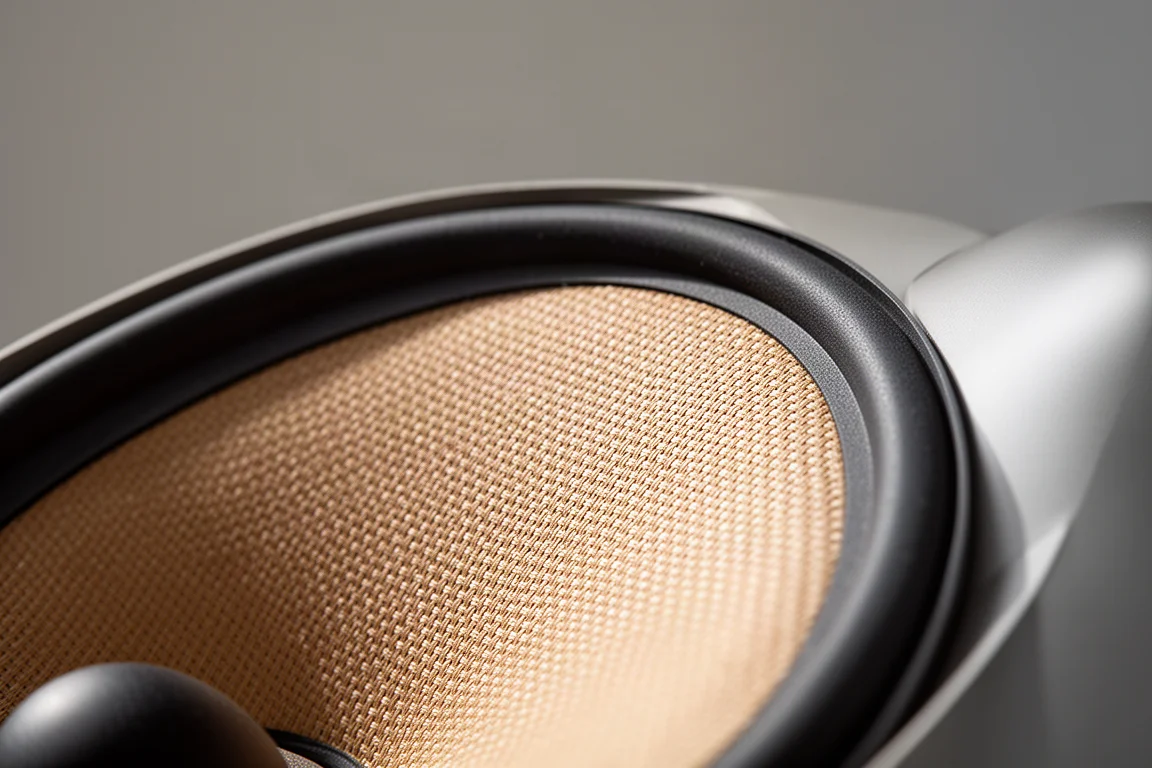
What stands out most in listening is timbre. Strings and, above all, voices come across as unusually realistic, with a vocal clarity and mid-range richness that stays detailed rather than thick. Dynamics are a strong point too, which matters for film scores and for any music that moves quickly between quiet and loud passages. Bass is punchy and controlled rather than muddy, and the presentation holds together as a coherent whole instead of separate drivers each doing their own job.
Sound Character in Practice
One practical detail is tweeter height. From a normal seated position on a sofa, the tweeter can end up slightly above ear level, and it is natural to assume that costs you treble detail. In practice the 5050 behaves much like a point source, so the difference between sitting at tweeter height and sitting slightly below it is small. Stand well above the speaker and you will hear some treble roll-off, but across ordinary seated listening positions the speaker stays easy-going.
Placement is the bigger variable. Given a bit of space behind them, the 5050s sound open and controlled. Given very little, the low end starts to dominate the room. The 5040, with its smaller cabinet, is the more forgiving of the two in tighter spaces and shares much of the same character. Set against the smaller Concept 30 standmount, the 5050 and its 5040 sibling come across as noticeably more dynamic and lively.
Things to Consider Before Buying
The first consideration is price. At $2,000 the 5050 is not a casual purchase, and the 5040 delivers a good portion of the same musical character for $1,500. The second is room fit. The 5050 is a floorstander with genuine low-frequency output, and it is a poor match for a smallish room or a position hard against a wall.
There is also a matter of taste. If what you want from a speaker is maximum air and sparkle in the upper mid-range and treble, this is not the tuning the 5050 chases. Its priorities are natural tone and vocal realism, and listeners who prefer a more forward, detail-first presentation may find another speaker more to their liking. Neither approach is wrong, but they are different, and it is worth knowing which one you are shopping for.
Buying Advice
Pairing matters less than placement, but it still counts. A 150-watt integrated amplifier drove the 5050 with plenty of headroom and produced the detail this speaker is capable of. A more powerful amplifier with a class A bias option available sounded richer, which suited some material but slightly obscured the fine detail the 5050 does so well.
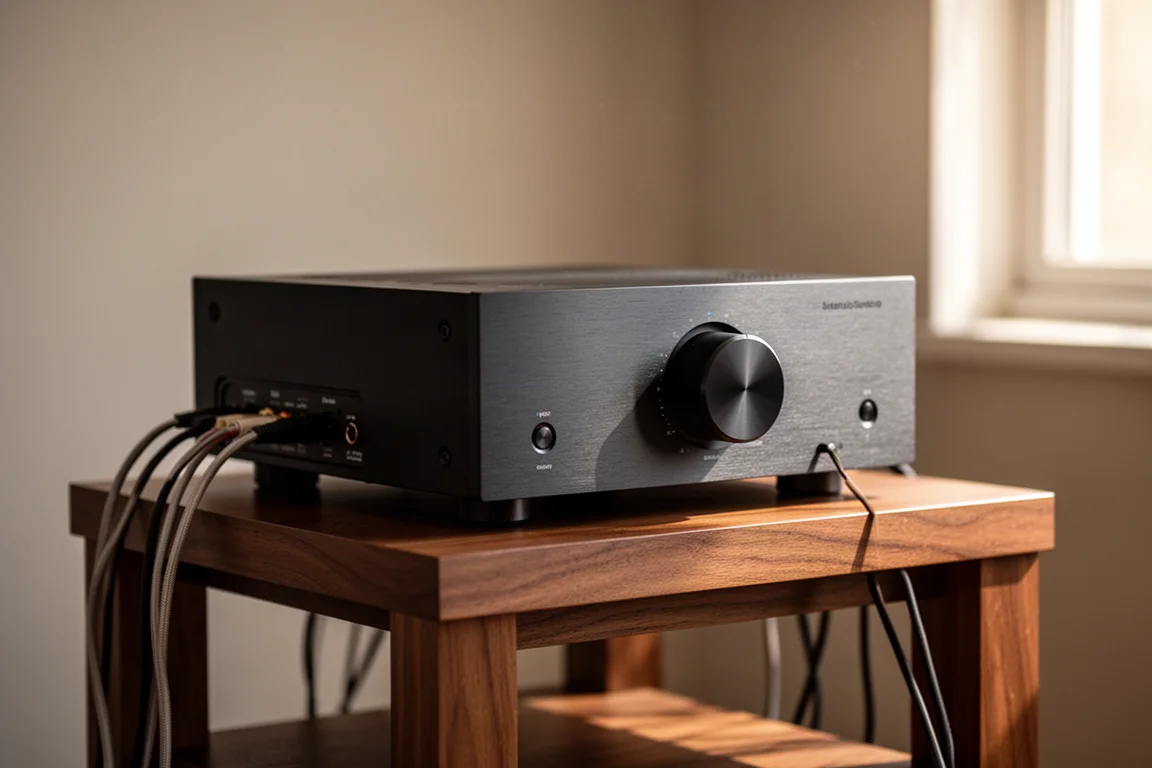
If you have a large room and a budget that reaches $2,000, the 5050 is the straightforward choice within the 5000 series. If your room is moderate or your budget is tighter, look at the 5040 first, since it carries much of the same character in a smaller and less expensive package. Either way, plan for a little breathing room behind the speakers, because that is what lets this range sound its best.
Conclusion
The Q Acoustics 5050 is a floorstanding speaker built around realism rather than spectacle. Its sealed, mechanically isolated tweeter, curved-cone woofers, and pressure-equalized cabinet add up to a sound that makes voices and strings feel present in the room, with dynamics and bass weight that hold up on demanding material. It needs space, it needs a capable amplifier, and at $2,000 it is a serious purchase. For a large room and a listener who values natural timbre above all, it is an easy speaker to live with.
Product link
View more details for Q Acoustics 5050
This product is mentioned in the review. Check the specifications, options, and compatibility before buying.
View more details for Q Acoustics 5050Further reading
Related Reviews
Floorstanding Speakers
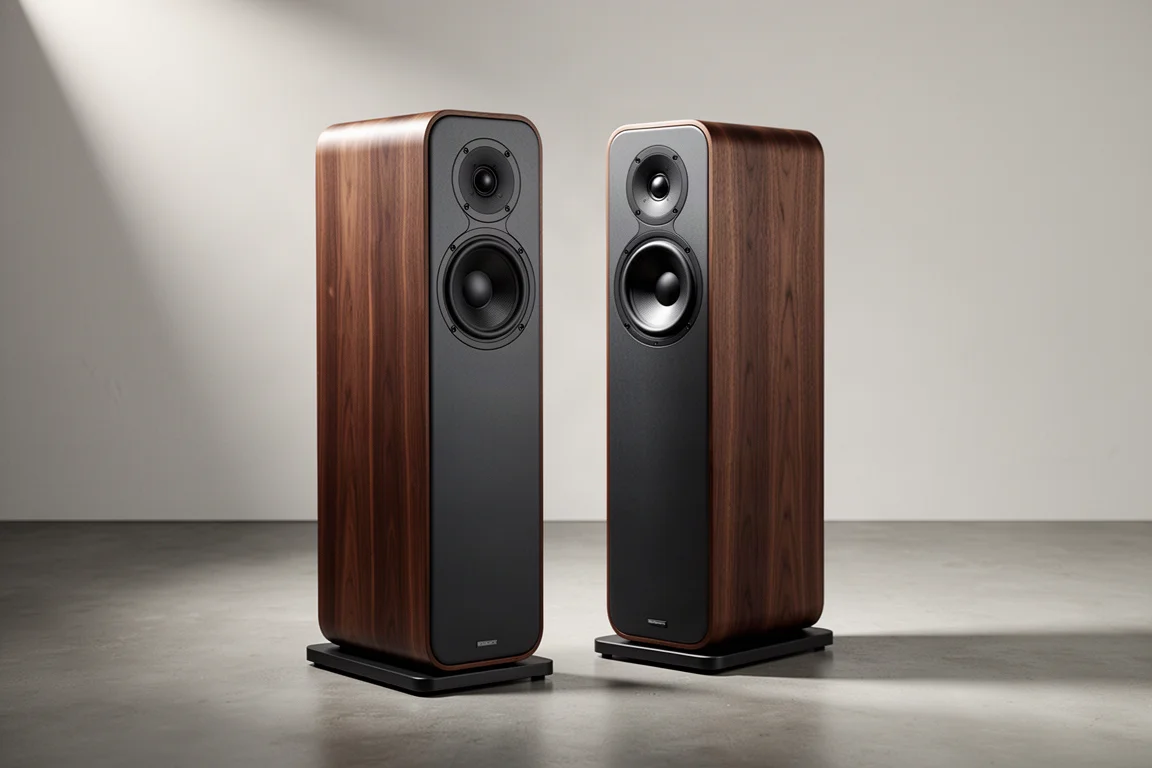
Acoustic Energy AE109 Mark II Review: A Refined Floorstander at £699
The Acoustic Energy AE109 Mark II is a slim, warm sounding floorstander that delivers clarity, midrange body and strong imaging in small to medium rooms.
Floorstanding Speakers
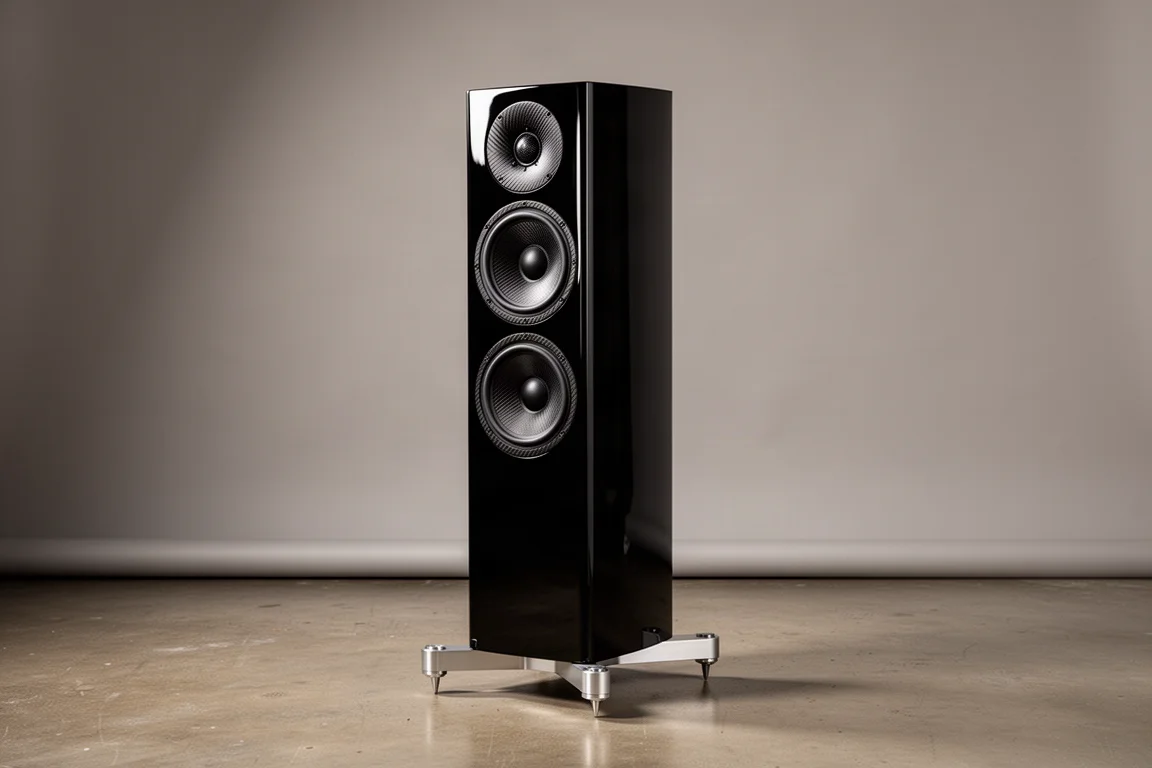
Acoustic Energy AE509 Review: A Slim Floorstander With Deep, Defined Bass
A practical look at the Acoustic Energy AE509, a slim floorstanding speaker with carbon fibre drivers, deep and well-defined bass, and an easy-going character that rewards careful system matching.
Floorstanding Speakers
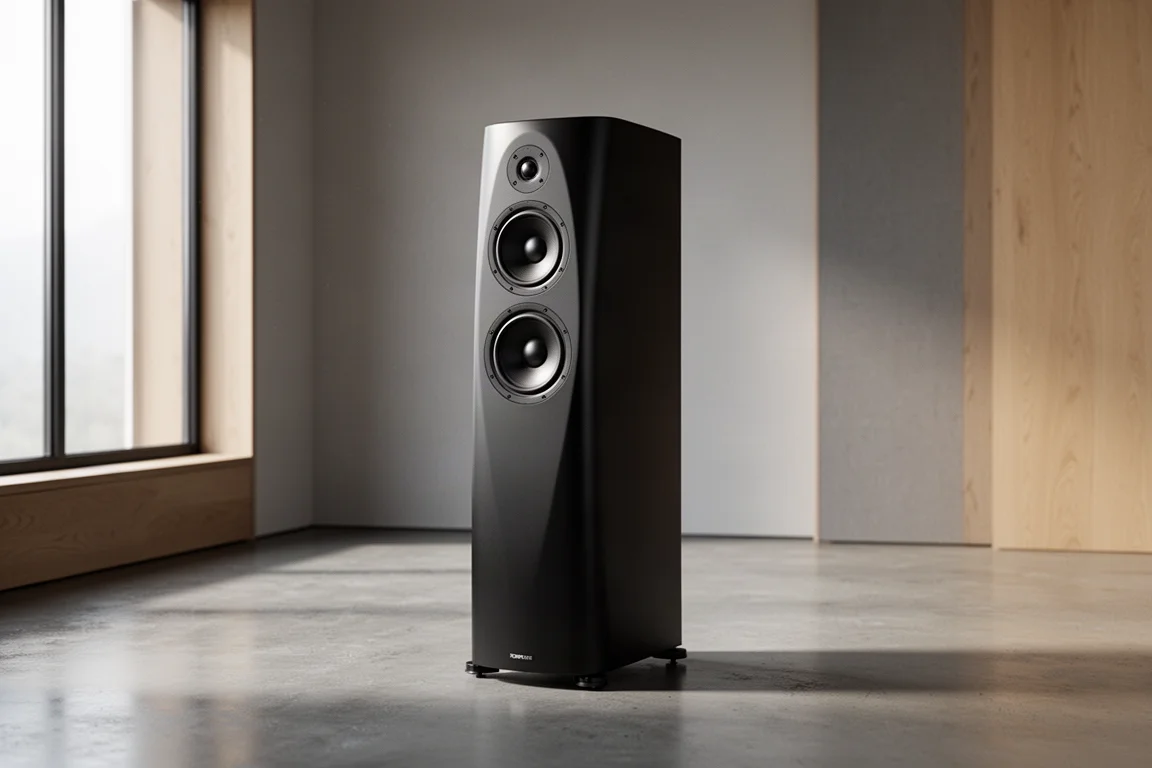
Arendal 1528 Tower 8 Review: Reference Neutrality With Real Demands
A close look at the Arendal 1528 Tower 8, a nearly five-foot, 200-pound floorstander that rewards generous space, serious power, and high listening levels with reference-grade neutrality.