Speakers
PSB Synchrony B600 Review: A Standmount Speaker That Rewards Careful Matching
A close look at the PSB Synchrony B600, a $2,500 standmount with titanium and carbon fiber drivers, a five-year warranty, and a sound that opens up with the right amplifier.
Introduction
The PSB Synchrony B600 is a two-way standmount speaker priced at $2,500 per pair. It was designed by Paul Barton, whose approach to speaker design leans heavily on measurement and double-blind listening tests, and it sits in a range that also includes a tower model, the Synchrony T600, at $8,000 per pair.
On paper it looks like a conventional compact two-way. In a room, it behaves like something larger. The B600 has genuine dynamic scale for its cabinet size, and it can energize a listening space in a way that smaller standmounts rarely manage.
The catch is that it does not give everything away immediately. Its strengths emerge over days of listening, and they depend noticeably on the amplifier feeding it.
Design and Key Specifications
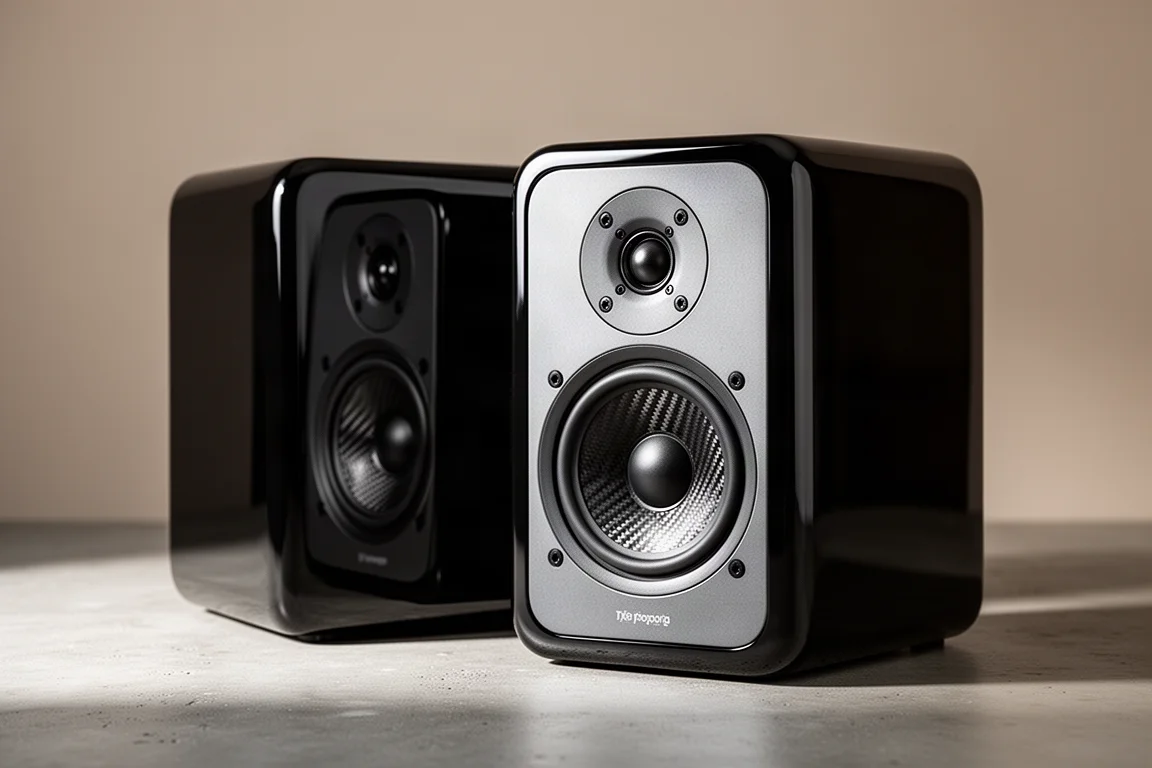
The drive units are purpose-built rather than generic parts. The tweeter is a one-inch titanium dome with a phase plug, and the mid-bass unit is a six-and-a-half-inch woven carbon fiber driver mounted on a cast aluminum basket.
The cabinet is finished to a high standard. The front baffle is clad in five millimeters of aluminum, which adds rigidity and gives the speaker a clean, purposeful appearance. Around the back there is a large bass port and a set of bi-wire connectors. The review sample came in piano black, which is genuinely striking, though the satin walnut option looks equally appealing in photographs.
One detail is easy to miss until the speaker comes out of the box: the isolation feet are pre-mounted to the bottom of the cabinet, and they are designed by IsoAcoustics rather than being generic hardware.
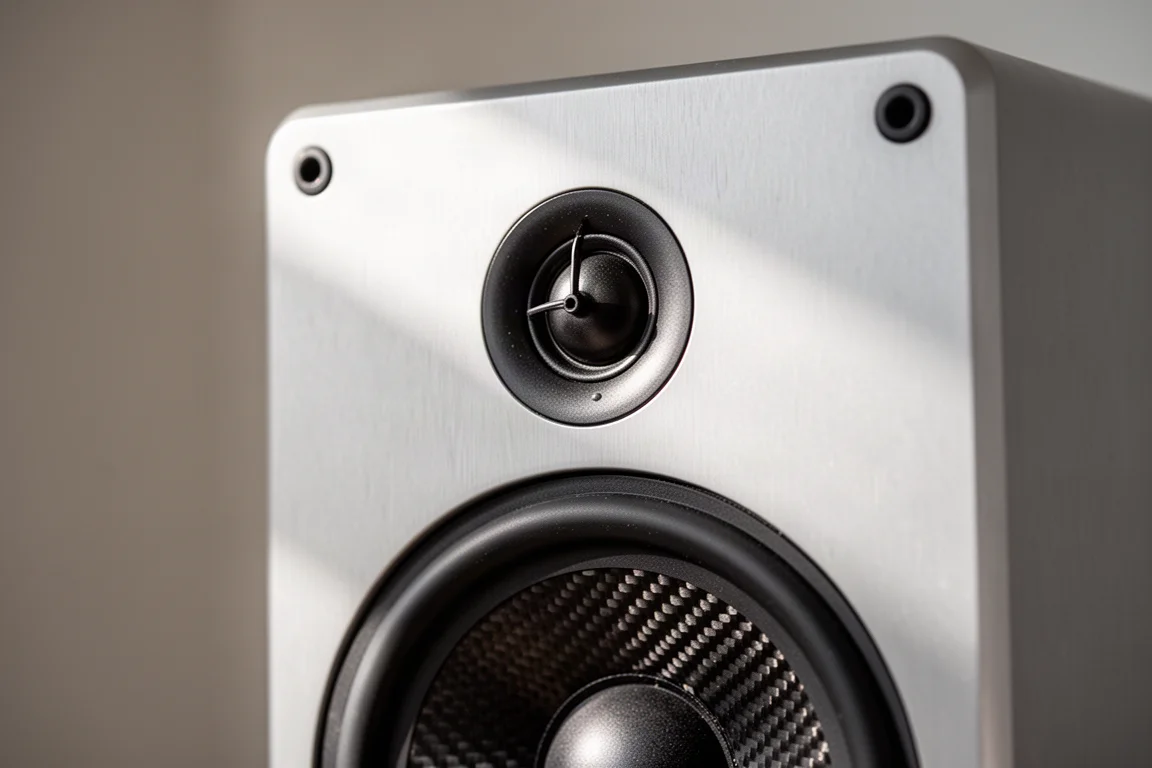
The published figures are a nominal impedance of six ohms with no minimum specified, sensitivity of 88 dB, and claimed bass extension down to 50 Hz. The warranty runs for five years, which is a meaningful number at this price.
Who This Speaker Is For
The B600 suits listeners who want a compact speaker that still delivers weight and scale, rather than a small monitor that trades impact for precision. It makes the most sense for someone who owns an amplifier with real current delivery and who listens across a wide range of material, from vinyl to digital.
It also suits buyers who are willing to live with a speaker for a while before judging it. This is not a design that flatters in the first ten minutes and then fades; it is the other way around.
Main Strengths
Dynamics are the headline. The B600 moves air with an ease that is unusual for a cabinet this size, and it fills a room more completely than its dimensions suggest. Played through a high-power pre and power amplifier combination, it sounded alive, dynamic and effortless at volume.
Clarity on dense recordings is excellent. Pink Floyd’s Animals, a mix with a great deal happening at once, stayed legible, and the bass lines carried real drive and muscularity. The low end felt physical rather than merely audible.
Energy is handled just as well. R.E.M.’s Murmur on vinyl had kick and forward momentum, and the same album on CD was cleaner and more precise but less moving, which made the differences between the two sources easy to hear. Billie Eilish’s earlier record showed what the speaker does with modern production: the bass parts were phenomenal, and the vocal energy came through intact.
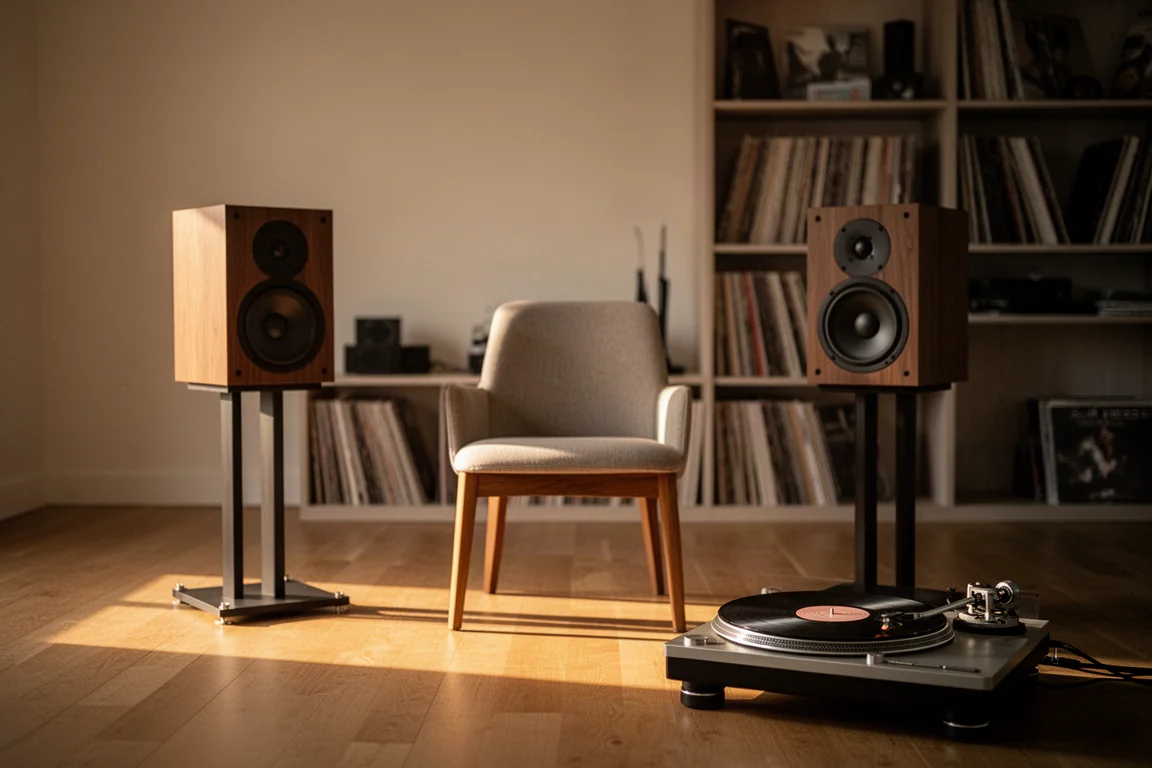
Vocals are another strength. On Frank Sinatra’s Only the Lonely, the phrasing and nuance arrived with the power delivery intact, and the singer felt present in the room. Nelson Riddle’s arrangements and the interplay between instruments came across cleanly.
The titanium dome tweeters deserve a specific note. They do not sound like stereotypically bright metal domes. They behave more like the best soft domes: easy to listen to over long sessions, yet highly resolving.
System Matching and Amplifier Choice
This is the part of ownership that matters most. With a high-power pre and power amplifier setup, the B600 was more alive, more dynamic, and it played loudly with greater ease. It was genuinely exciting.
Switching to a 50-watt-per-channel integrated amplifier changed the character. At moderate levels the speaker seemed more even and flatter, and noticeably less midrange-forward. Some listeners may prefer that balance.
The practical takeaway is that amplifier matching is part of the deal here. The B600 is not a speaker that sounds identical on every system, and the differences are large enough to plan around.
Tonality and Low-Frequency Performance
PSB claims bass response down to 50 Hz, which is respectable for a standmount. In practice the speaker stayed healthy deeper than that, with solid output into the mid-forties.
Tonal character is worth understanding before buying. Compared with a smaller, more neutral standmount such as the KEF LS50 Meta, the B600 sounds bigger, more dynamically alive and more visceral. The smaller speaker is more even across the frequency range, while the B600 is less flat and can lean slightly forward through the midrange depending on the amplifier.
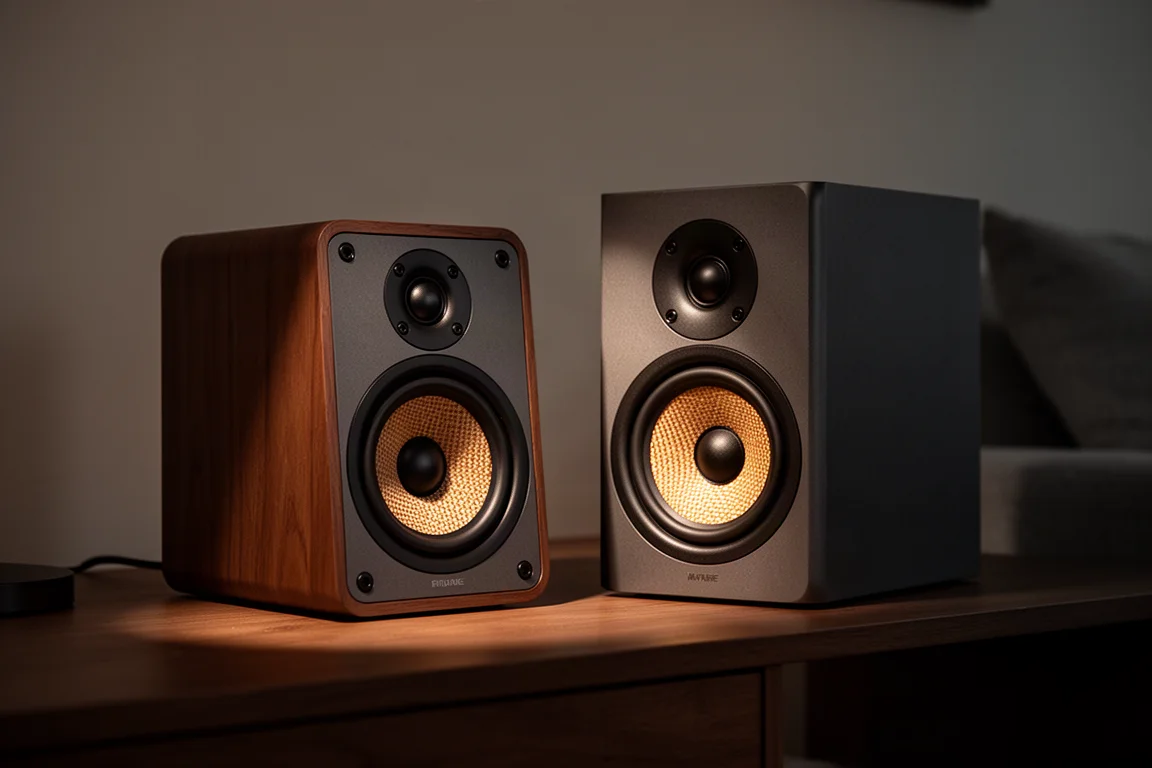
That trade-off is the heart of the design. You get scale, weight and excitement, and in exchange you accept a slightly less even tonal balance than the most neutral compact speakers on the market.
Things to Consider Before Buying
First impressions can be misleading. The sample heard here was fully broken in, and it still took time to make sense of. Listeners expecting an immediate wow may need patience; the reward comes after several listening sessions.
Amplifier choice is not a minor detail. The speaker changed character noticeably between a high-power setup and a modest integrated, so it is worth considering what you will drive it with before committing.
The tonal balance is not the most neutral available in a compact speaker. If evenness and a flat response matter more to you than dynamics and scale, a smaller neutral standmount may be the better fit.
The nominal impedance is six ohms with no minimum published, so it is worth checking that your amplifier is comfortable with the load. And at $2,500 per pair, the B600 sits in a serious price bracket where expectations are high.
Finish choice is a small but real decision. Piano black is striking, but satin walnut is also offered and may suit more rooms.
Buying Advice
At $2,500 per pair with a five-year warranty, the Synchrony B600 is a considered purchase rather than an impulse one. The warranty is worth weighing in the decision, because it covers a speaker you can reasonably expect to keep for a long time.
Budget for amplification as part of the total cost. The B600 gives more when it is driven properly, and a modest 50-watt integrated will produce a different, more even presentation that some listeners will prefer and others will not.
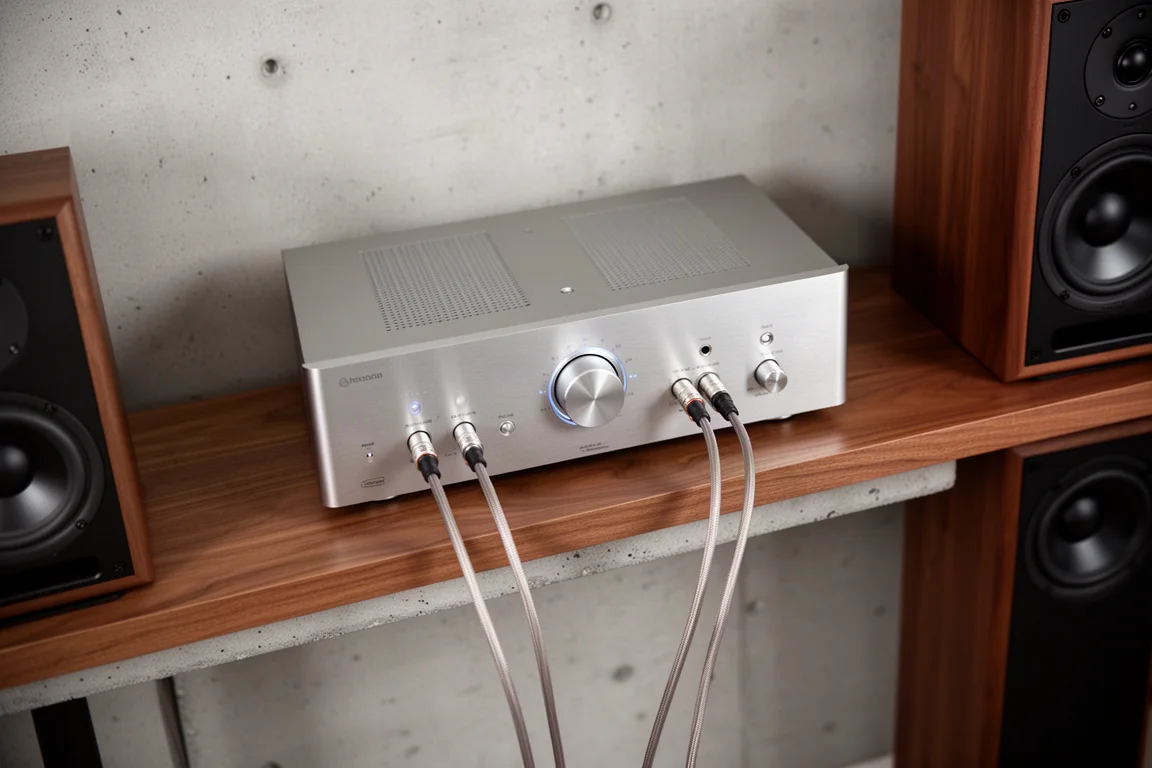
If you want the same design philosophy with more low-frequency weight and no need for stands, PSB also offers the tower version, the Synchrony T600, at $8,000 per pair. For most rooms and budgets, the standmount is the more accessible entry point into the range.
Finally, give the speaker time. Its qualities are cumulative rather than instant, and the listening notes here only made sense after living with it across a wide range of records.
Conclusion
The PSB Synchrony B600 is a compelling compact speaker for listeners who value dynamics, scale and the ability to energize a room. It delivers weight and clarity that belie its cabinet size, its titanium tweeter stays easy to listen to, and the five-year warranty adds real long-term confidence.
It is not the most tonally even standmount you can buy, and it asks for careful amplifier matching and a little patience. Buyers who accept those conditions and want a small speaker with genuine muscle will find a great deal to like here.
Product link
View more details for PSB Synchrony B600
This product is mentioned in the review. Check the specifications, options, and compatibility before buying.
View more details for PSB Synchrony B600Further reading
Related Reviews
Speakers
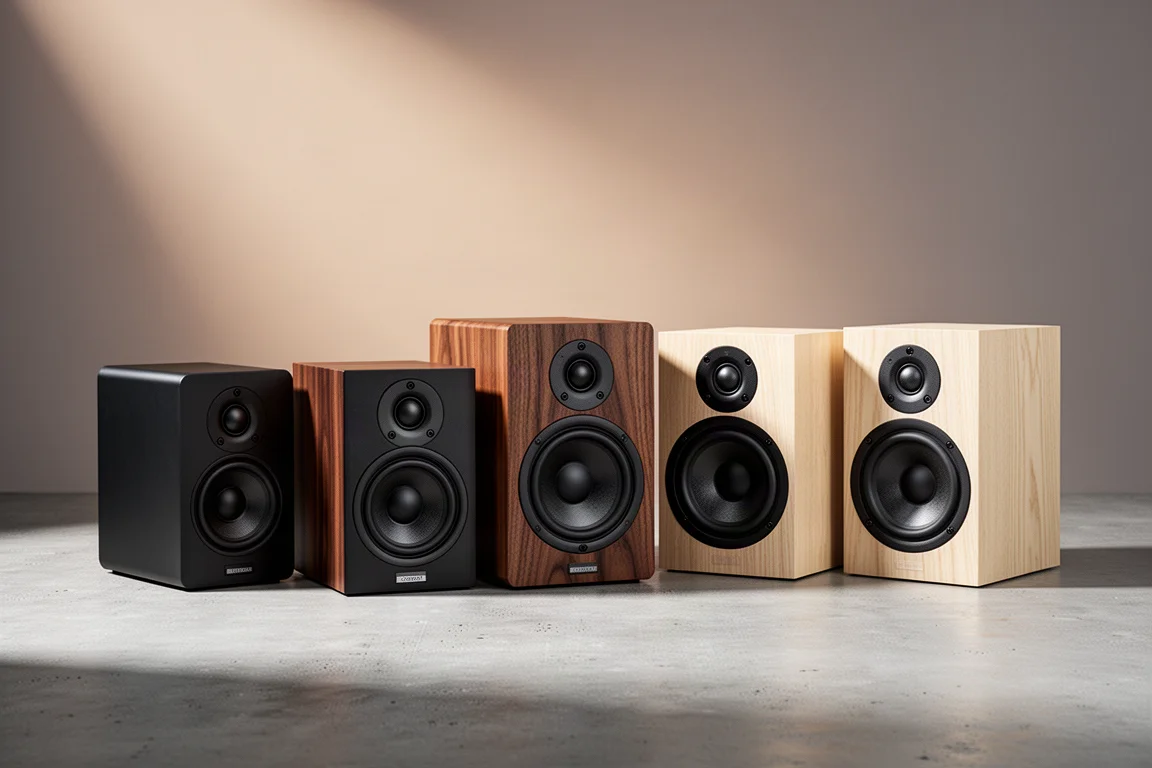
13 Under-the-Radar Speakers Still Worth Buying
Thirteen speakers that quietly stayed in production while newer models took the spotlight, from budget bookshelf pairs to a full-size tower.
Speakers
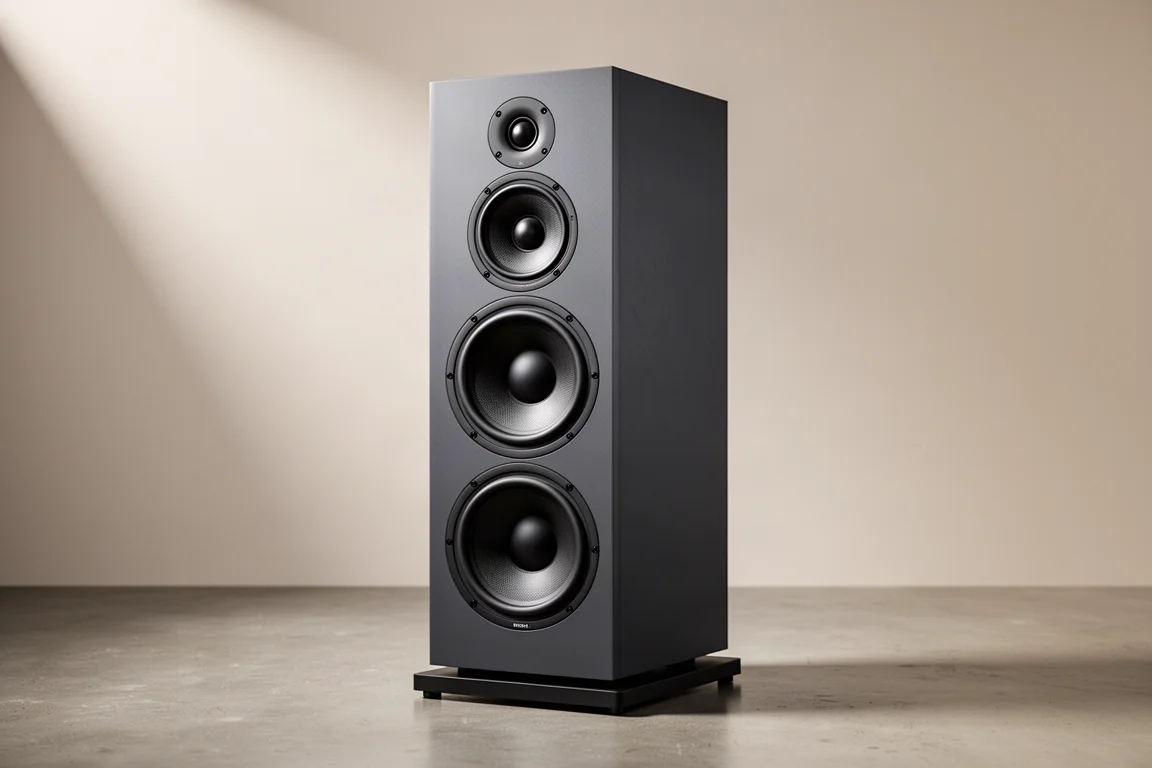
Arendal 1528 Monitor 8 Review: A Three-Way Standmount With Serious Dynamic Headroom
A three-way standmount speaker with extremely low distortion, high output capability, and deep bass for its size, plus the setup details worth knowing before buying.
Speakers
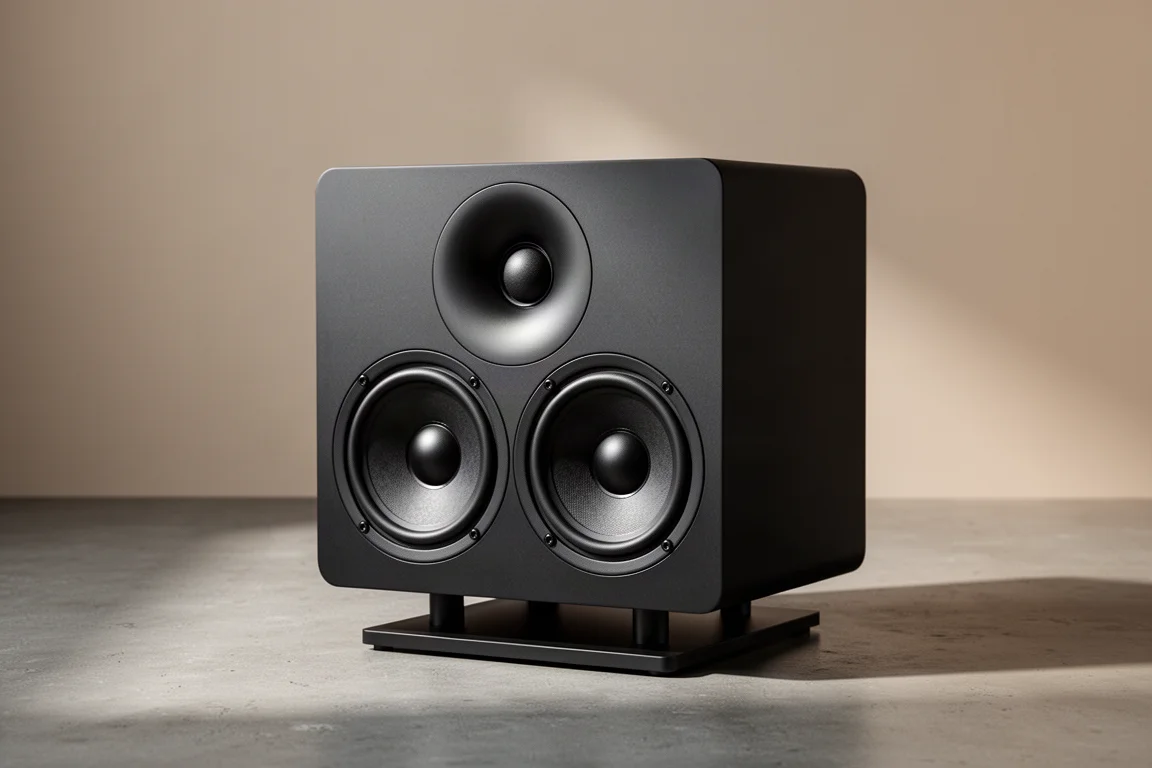
Arendal 1723 Monitor S Review: A Compact Monitor With Serious Ambition
A close look at the Arendal 1723 Monitor S, a compact MTM monitor with a waveguide-loaded tweeter, an HDF cabinet, and flexible ported or sealed operation for music and home theater.