Loudspeakers
PS Audio FR5 Review: A Compact Passive Radiator Speaker With Serious Bass Weight
A close look at the PS Audio FR5, a two-way passive radiator loudspeaker with a warm, bass-forward character, an easy amplifier load, and modest sensitivity that rewards high-power amplification.
Introduction
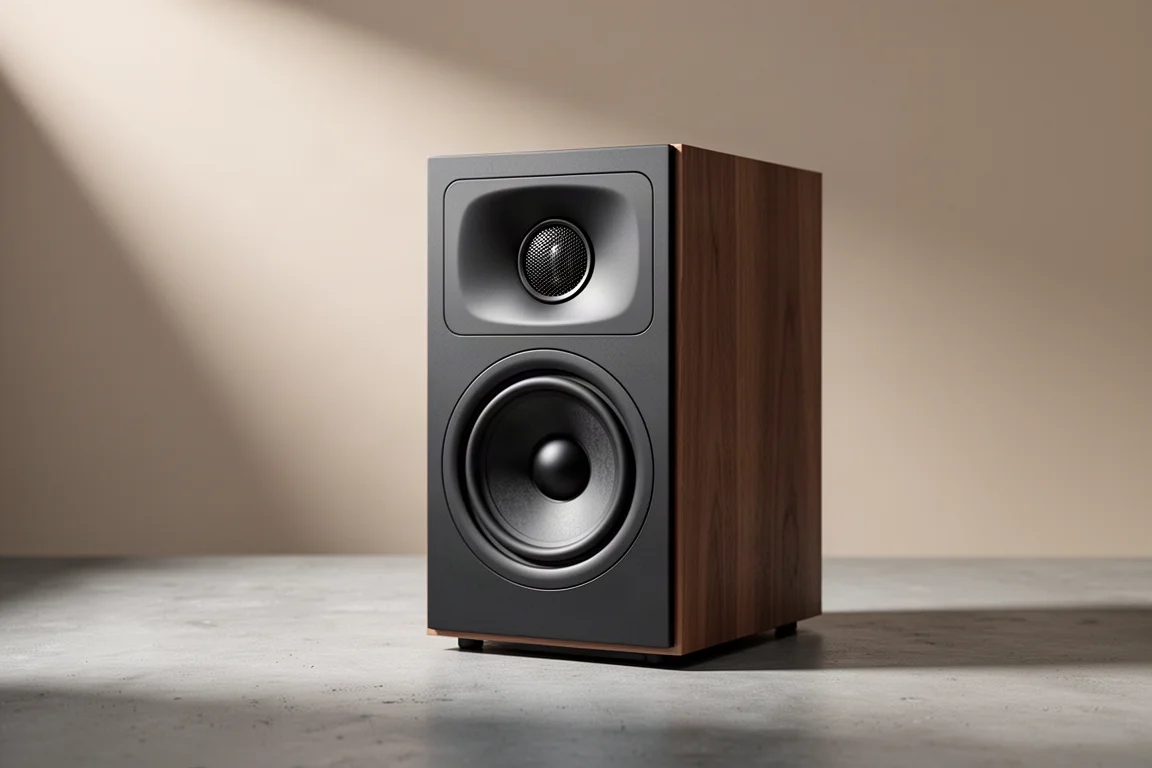
The PS Audio FR5 is the most affordable model in the company’s loudspeaker range, which makes it an unusually interesting proposition. Instead of trimming the engineering to hit a price, it carries the same design philosophy as the larger models: a compact two-way cabinet, a rear passive radiator instead of a port, a planar magnetic tweeter and a polypropylene woofer.
The result is a speaker that leans warm and full-bodied rather than lean and analytical. Bass weight is the headline, and the top end is deliberately relaxed. That combination will delight some listeners and leave others wanting more sparkle, which makes understanding the trade-offs before buying far more useful than a simple verdict.
Who the PS Audio FR5 Is For
This is a speaker for listeners who want the physical sensation of deep, textured bass from a cabinet that does not dominate the room. It suits anyone who runs a high-power integrated amplifier or separates and who values a rich, non-fatiguing presentation across long listening sessions.
It is a less natural fit for owners of low-power tube amplifiers, and for listeners who prioritise maximum treble air, bite and micro-detail above all else. The FR5 gives up some of that crispness in exchange for a relaxed, easygoing top end.
It also rewards a listener who is willing to experiment. The character of the speaker shifts noticeably depending on what is driving it, so the amplifier you already own matters as much as the speaker itself. For someone who enjoys tuning a system, that flexibility is a feature. For someone who wants a fixed result straight out of the box, it is something to plan around.
Design and Build Quality
The cabinet is mostly MDF, while the front baffle is made from a resin fiberglass composite material that PS Audio describes as highly damped. That choice gives the front of the speaker a distinct look, and the styling is likely to divide opinion: some listeners will appreciate the departure from a conventional box, others will not.
The rear of the cabinet carries a passive radiator rather than a port. It works on the same principle as a port, but it allows the designer to shrink the cabinet while still reaching deeper bass extension than a small sealed or ported box would typically manage. This is the same approach used in well-regarded passive radiator designs, and it explains much of the FR5’s low-frequency behaviour.
The high frequencies are handled by a 2.5 inch planar magnetic tweeter set into a small waveguide, with shaped corners around it to reduce edge diffraction. Low frequencies come from a 6.5 inch polypropylene woofer. The binding posts are nicely executed and ship with jumpers, and the crossover uses air coil inductors along with resistors that are not sandcast, which is a reasonable standard at this price point.
Sound Character
The overall tone is warm and rich, with visceral bass extension and a genuinely physical mid-bass. Bass is the highlight of the speaker: it carries weight and texture that would normally be associated with a much larger cabinet, and on material with deep drum resonance or low synth content the presentation is full and involving rather than thin.
Attack and decay sit squarely in the middle. The bass is neither especially fast nor noticeably slow, and that same balance carries through the midrange and treble. The overall tonality is on the thicker side and never sounds sterile, but how thick it becomes is largely determined by the amplifier behind it. Some pairings produce a fuller, denser presentation, while others lean out the sound noticeably.
The soundstage is expansive with equally impressive imaging, particularly through the midrange, where vocals and instruments sound rich and well separated. Treble is the area where the speaker makes a conscious choice. It is subdued and relaxed, which is excellent for long sessions and for anyone sensitive to forward highs, but it is not the last word in crispness or snap. Listeners chasing every nuance and a lot of airiness will find the FR5 holds back.
Volume behaviour is worth noting too. The speaker comes alive at moderate to higher listening levels, and at low levels it can sound somewhat subdued rather than fully expressive.
Amplifier Pairing and Power Needs
The impedance is an easy load. Nominal impedance sits around 5.9 to 6 ohms and does not dip below roughly 5.6 ohms, so the speaker is not demanding in that respect. Sensitivity, however, is rated at 83.9 dB, which is fairly low. The practical consequence is that power is needed to reach listening levels rather than to cope with a difficult load.
This is a textbook example of Hoffman’s Iron Law: a design cannot simultaneously deliver deep bass, a small enclosure and high sensitivity. The FR5 chooses a small enclosure and strong bass extension, so sensitivity is the parameter that gives way. In a small to medium room, roughly 100 to 200 watts is a sensible starting point, and larger spaces call for 200 watts or more. A low-power tube amplifier is unlikely to be a good match.
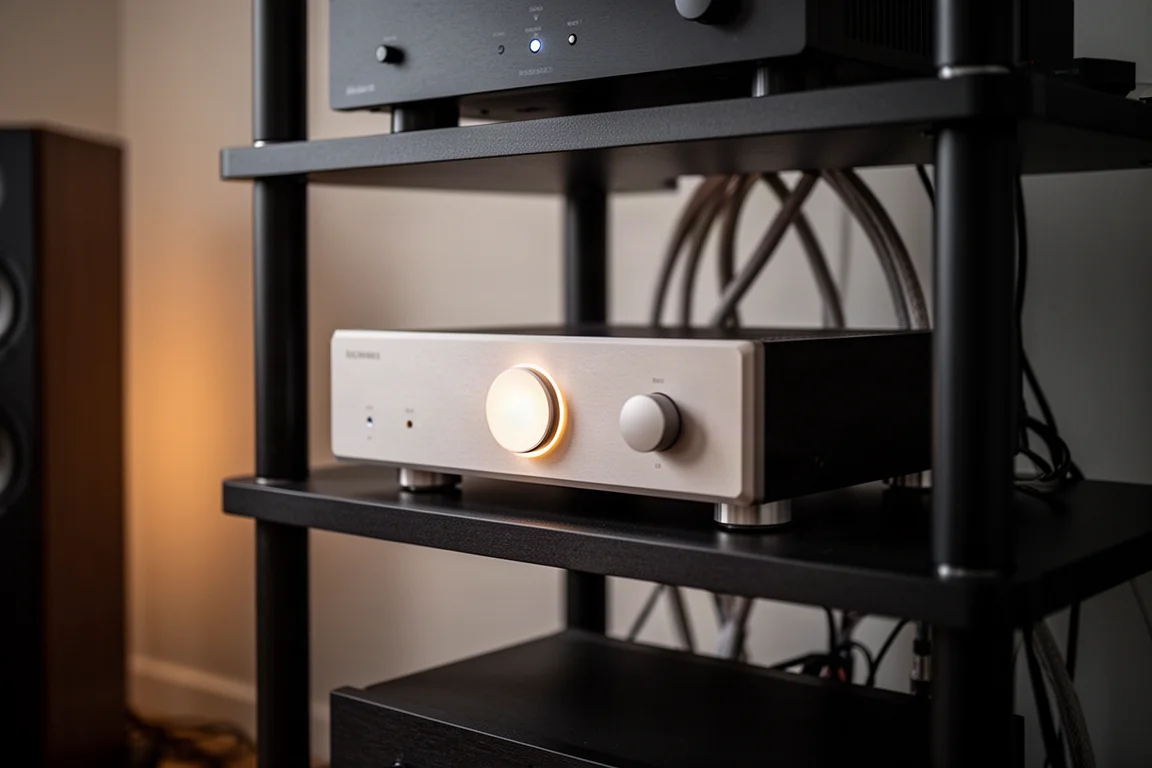
Pairing changes the result more than with most speakers. A Hegel H400 produced a warm, inviting sound with richly textured, weighty bass and an intimate, front-row presentation, though it was the least lively at low volumes. A Forté 1 integrated gave a wider and deeper soundstage, a more present top end, faster attack and decay, and tighter but slightly leaner bass. A Cambridge Evo 150, the least expensive of the three integrated amplifiers, turned out to be the favourite: its slightly brighter balance met the FR5’s warmth and produced a more neutral overall tonality, a large soundstage and punchy, piston-like bass.
A separates chain built around a streamer, a DAC, a tube preamplifier and monoblock power amplifiers pushed the same qualities further, with a wider, deeper and more holographic stage, sweeter vocals, tactile and dynamic bass, and the airiest treble the speaker produced in any configuration.
Placement and Room Setup
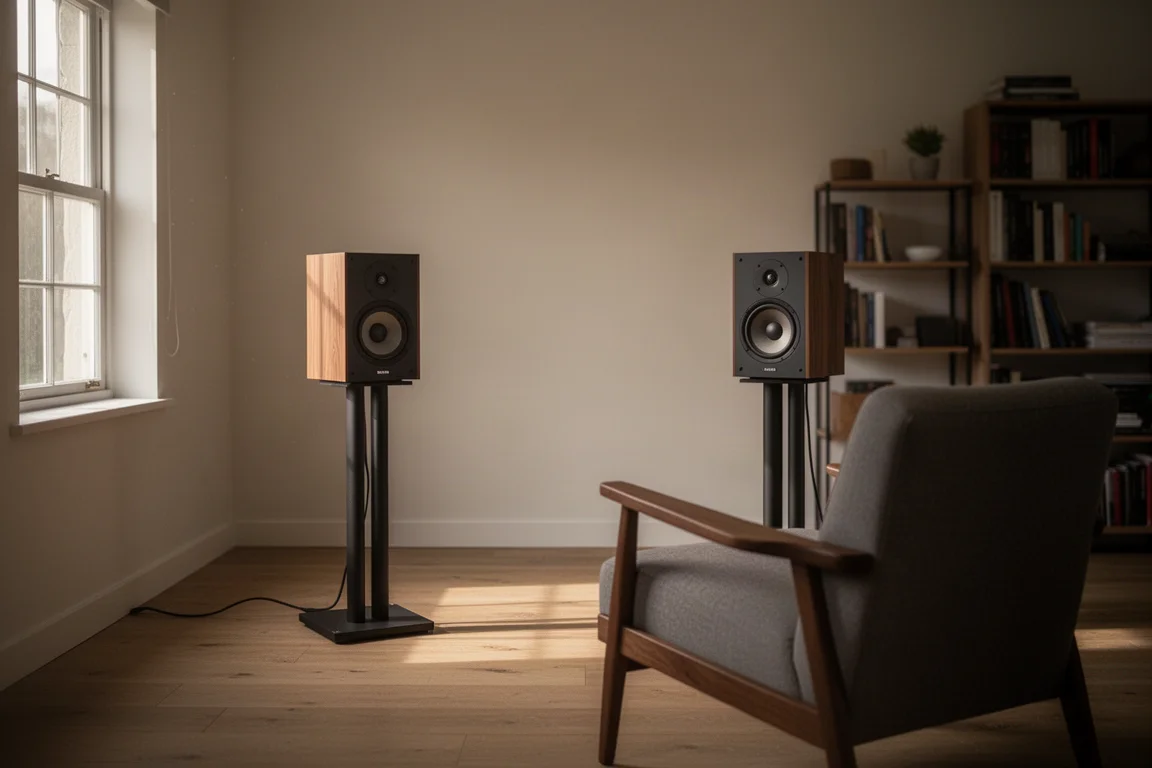
Because of the passive radiator and the strong low-frequency output, distance from the rear wall matters a great deal. Around 2.2 feet from the back wall to the rear of the speaker was the practical minimum in the test room, and it delivered a good tonal balance. Moving the speaker closer than that produced bass that became bloated and less controlled.
Toe-in is a useful tool on this speaker. Angling the speakers toward the listening position sharpens imaging focus, while angling them out toward the room widens and deepens the soundstage. A slight toe-in was the preferred compromise, preserving a wide and deep stage while keeping imaging precise.
Measurements and What They Suggest
The on-axis response is good, with a few minor dips that add character rather than harm. Notably, dips fall around the regions where vocal sibilance lives, which means those harsher consonants are less prominent than the rest of the frequency range. That lines up with how easy the speaker is to listen to for extended periods.
A tilted-up high frequency in anechoic conditions might suggest brightness, but that does not translate into a bright speaker in a real room. In-room the high frequencies tend to roll down, which matches what the speaker actually sounds like in practice.
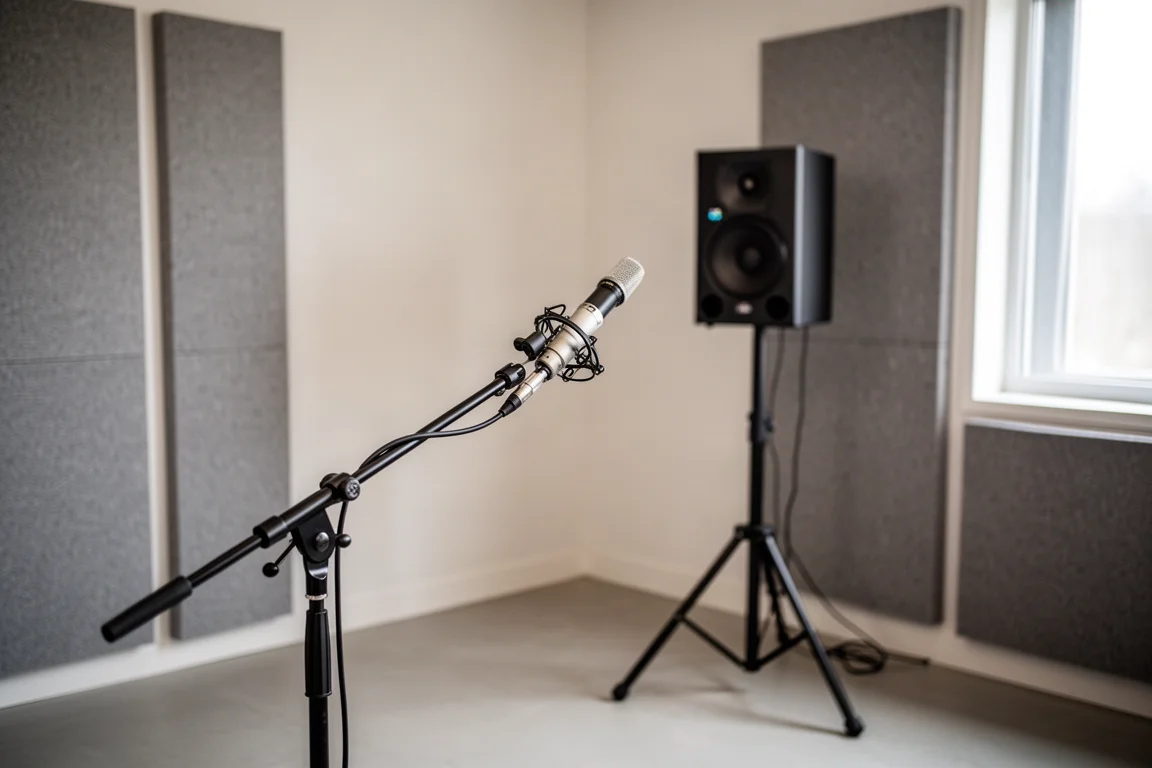
Off-axis behaviour is close to textbook, with the high frequencies rolling off gradually as the speaker is toed out. The slight depressed region between roughly 2 and 3 kHz fills in off-axis, which helps the speaker hold together as you move around the room. Taken together, the measurements describe a fairly linear loudspeaker that gains a modest bass lift once placed in a room.
Things to Consider Before Buying
The sensitivity figure is the biggest practical consideration. At 83.9 dB, the FR5 needs meaningful amplifier power to reach satisfying volume, so budget for amplification alongside the speaker itself. Anyone planning to use a low-output tube amplifier should look elsewhere.
The treble is relaxed by design, so listeners who want maximum air, bite and high-frequency extension may find it too polite. The speaker also changes character significantly with different amplifiers, which is either an advantage or an unwelcome variable depending on your temperament. Finally, the styling is polarising, and it has not yet been placed on a formal recommendation list, pending direct comparisons with other speakers in the same price band.
Buying Advice
The FR5 makes the most sense when it is matched to an amplifier with plenty of power and a slightly forward or neutral tonal balance. That combination fills in the treble and balances the speaker’s natural warmth, which is exactly why a brighter integrated amplifier produced the most satisfying all-round result.
If your priority is deep, tactile bass and a presentation you can listen to for hours without fatigue, this speaker delivers a great deal of what makes high-end audio enjoyable. Give it room to breathe at the rear wall, spend time on toe-in, and plan for an amplifier that can supply real power.
If your priority is treble sparkle, maximum detail retrieval or the ability to drive the speaker with a small tube amplifier, the FR5’s compromises will be the parts you notice first. Match it to the right system and the right room, and it is a compelling option in its price class.
Conclusion
The PS Audio FR5 is a compact speaker that behaves like a much larger one in the lower registers. Its passive radiator cabinet, planar magnetic tweeter and polypropylene woofer come together in a warm, richly textured sound with an expansive stage, an easy amplifier load and a deliberately relaxed top end.
The trade-offs are clear and worth repeating: low sensitivity demands power, treble extension is modest, and the sound shifts noticeably with component choice. Buyers who plan for those factors will find a speaker that rewards careful system matching with bass weight and musicality that are hard to find at this size.
Product link
View more details for PS Audio FR5
This product is mentioned in the review. Check the specifications, options, and compatibility before buying.
View more details for PS Audio FR5Further reading
Related Reviews
Loudspeakers
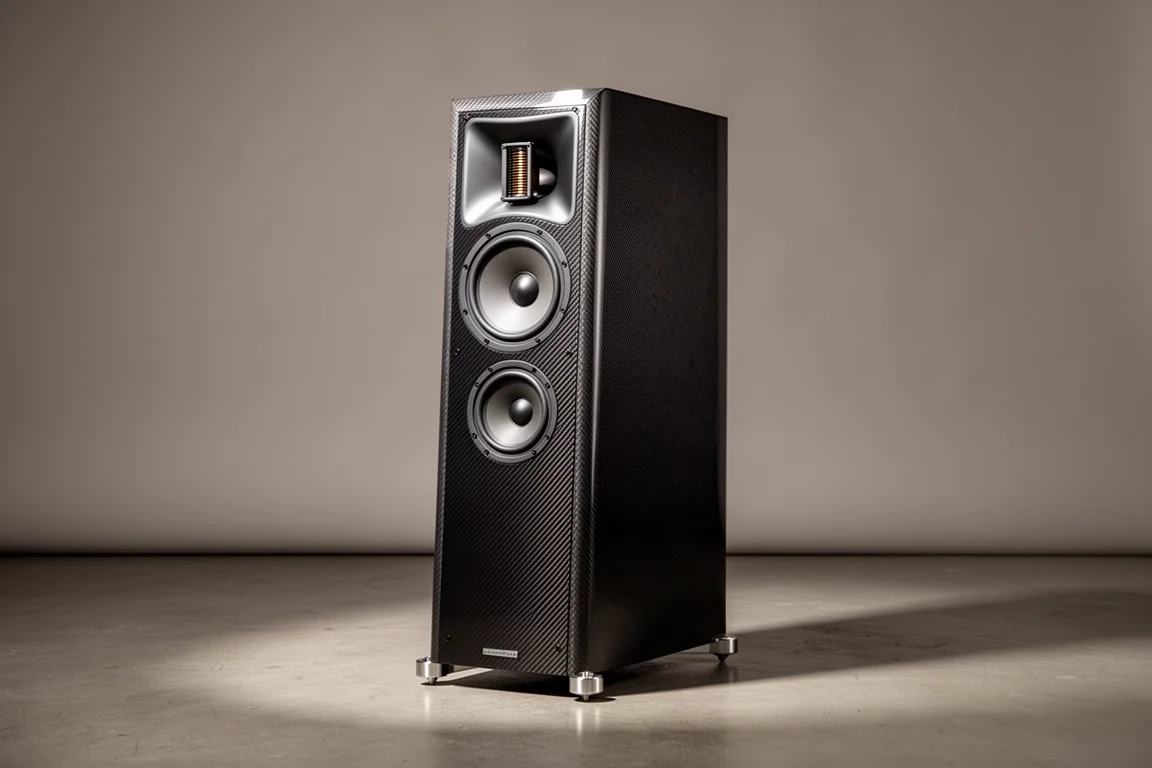
Borresen X2 Review: Deep Bass and a Warm Balance From a Slim Floorstander
A close look at the Borresen X2 loudspeaker: ribbon tweeter and carbon fiber drivers, bass below 30 Hz without a subwoofer, and how it behaves with solid state, integrated and tube amplification.
Loudspeakers
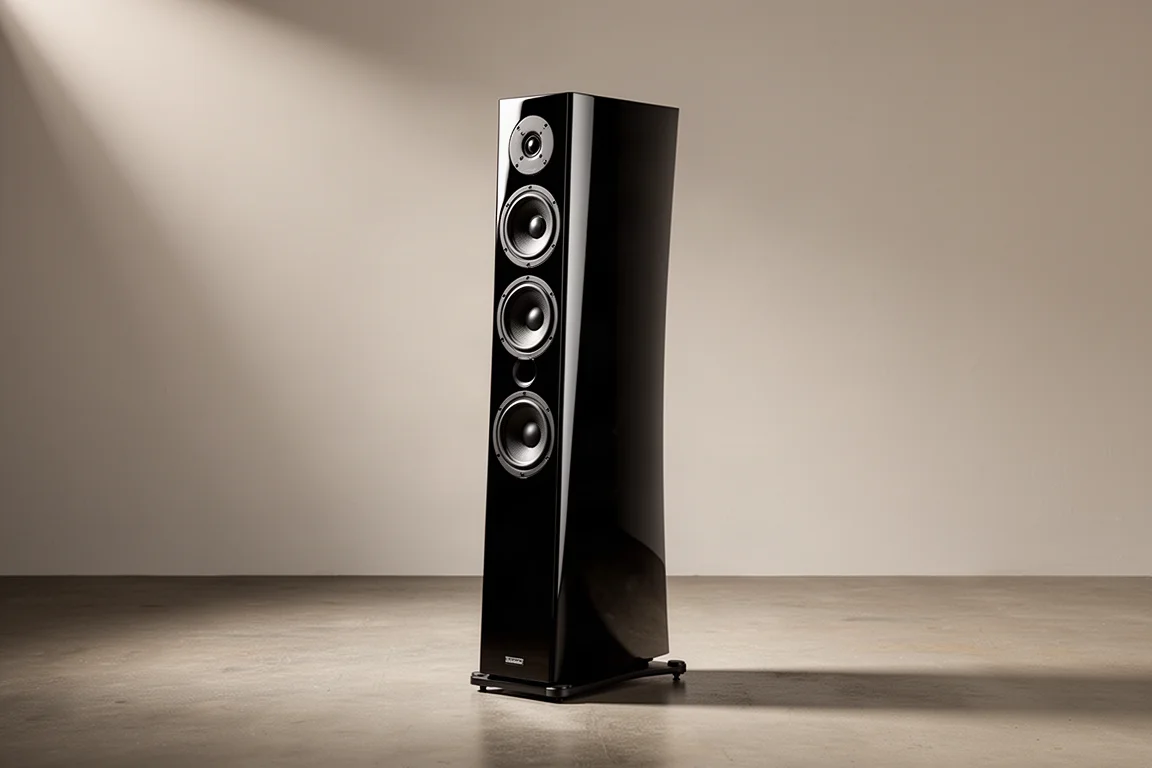
Borresen X3 Review: A Danish Floorstander Built Around Soundstaging
The Borresen X3 pairs a true ribbon tweeter and a slim Danish cabinet with remarkable imaging, fast transients, and a few practical trade-offs worth knowing before you buy.
Loudspeakers
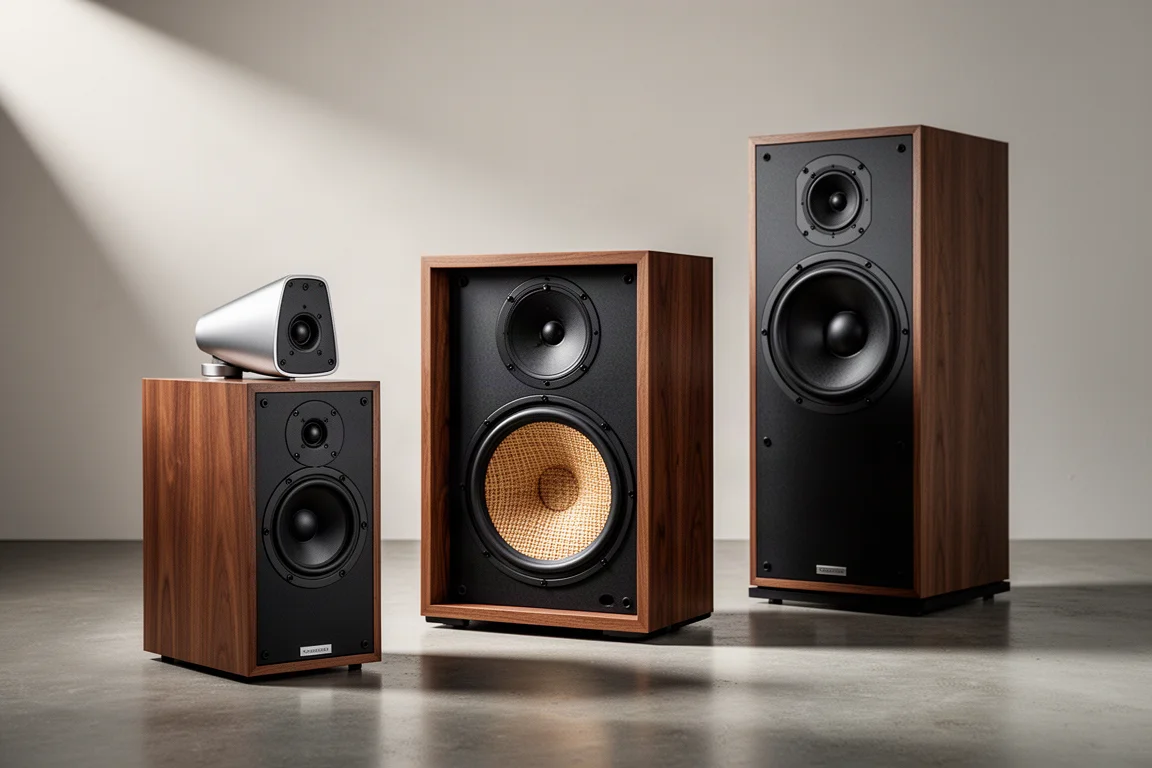
Bowers & Wilkins 705 S3 vs Wharfedale Linton vs Zu Audio DWX: Three Standmount Speakers Compared
A three-way standmount loudspeaker comparison covering the detail-led Bowers & Wilkins 705 S3, the value-focused Wharfedale Linton, and the dynamic Zu Audio DWX.