Floorstanding Speakers
PS Audio Aspen FR10 Review: A Warm, Wide, Dynamic Floorstander
A $10,000-per-pair tower with twin 6-inch mid-bass drivers, planar ribbon drivers, and a consistently wide soundstage, plus the measured dips worth knowing about.
Introduction
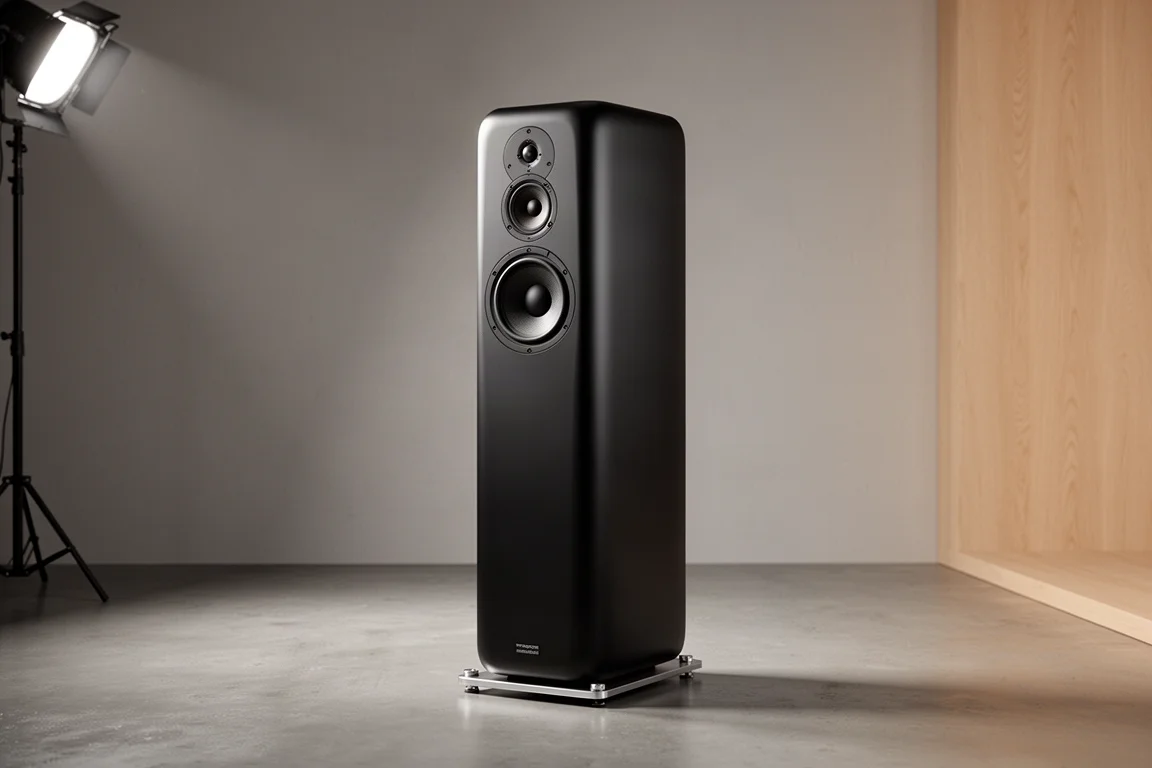
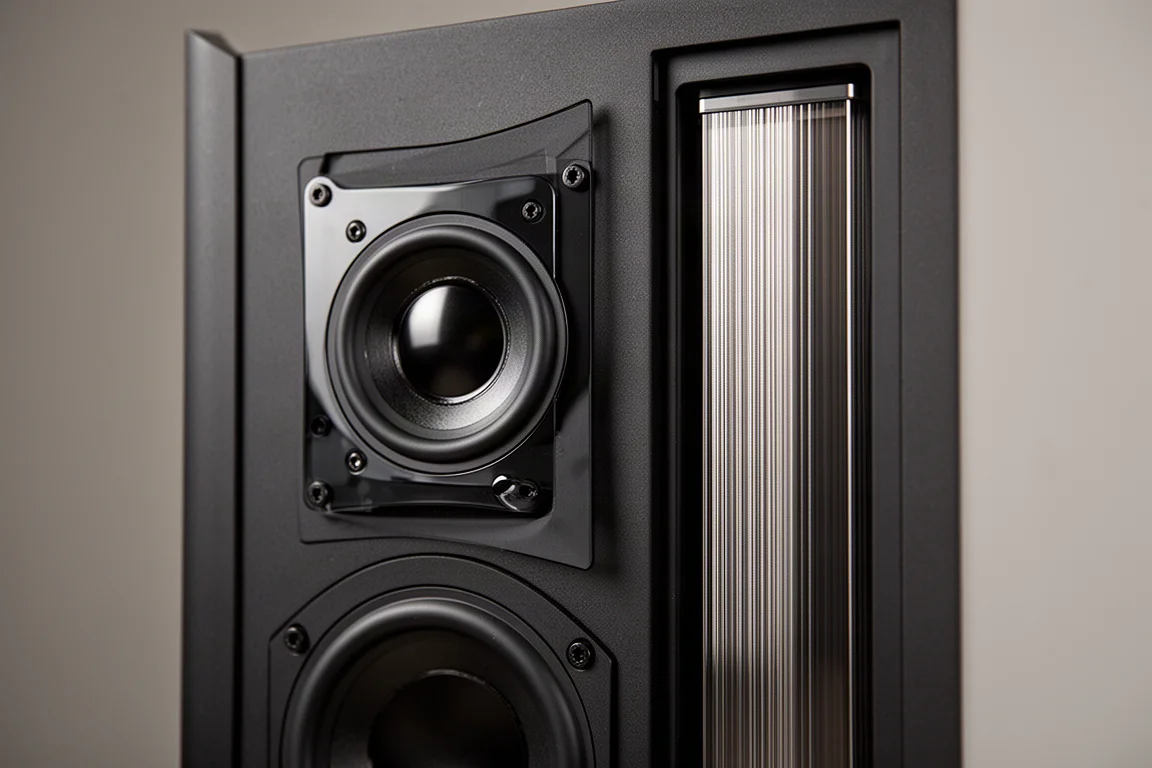
The PS Audio Aspen FR10 is a floorstanding loudspeaker priced at $10,000 per pair, and at that level the details of the design matter as much as the finish. The cabinet stands roughly 41 inches tall and weighs around 76 pounds each, and it rests on a metal base. Internally, the FR10 uses two 6-inch mid-bass drivers at the bottom of the front baffle, an 8-inch planar ribbon midrange, and a planar ribbon tweeter, supported by three 6 by 9 inch passive radiators on the back of the cabinet. Buyers can choose between a white satin and a black satin finish.
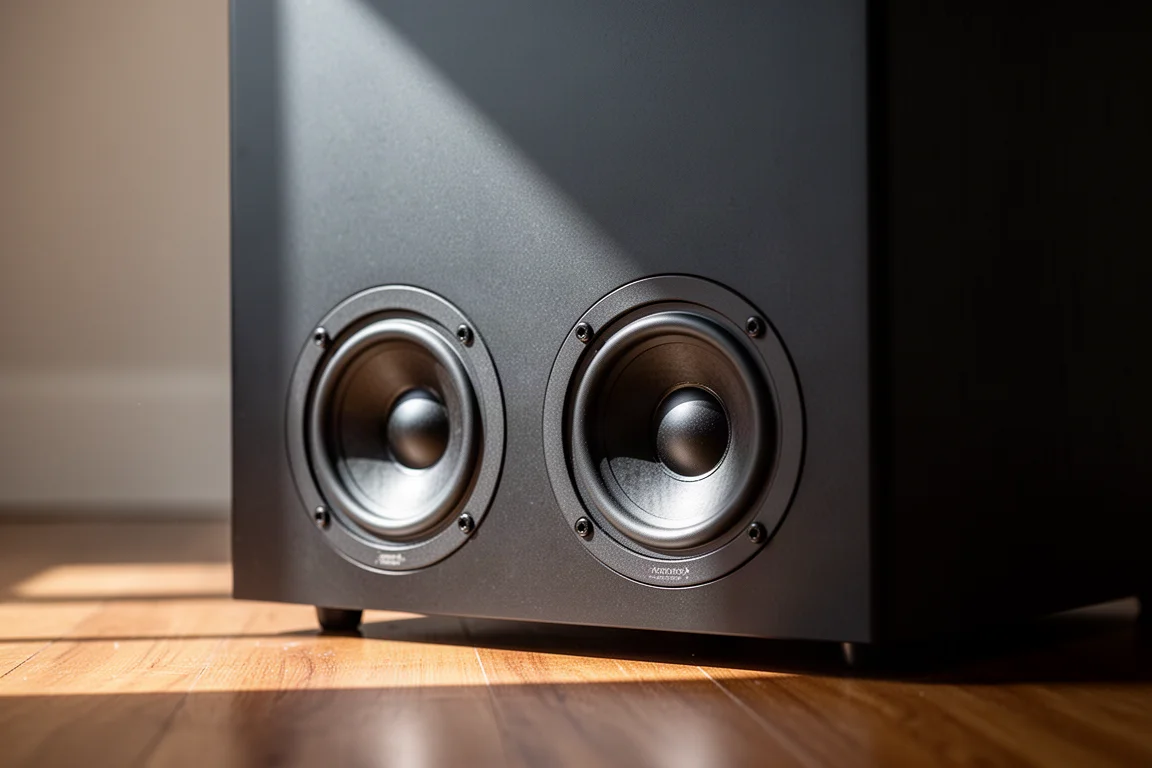
Build quality is a clear part of the pitch. The cabinet is sturdy and heavily constructed, and the proportions are tall and slim enough to sit comfortably in a normal room without dominating it. The most consequential design decision, though, is where the mid-bass drivers sit: right down near the floor.
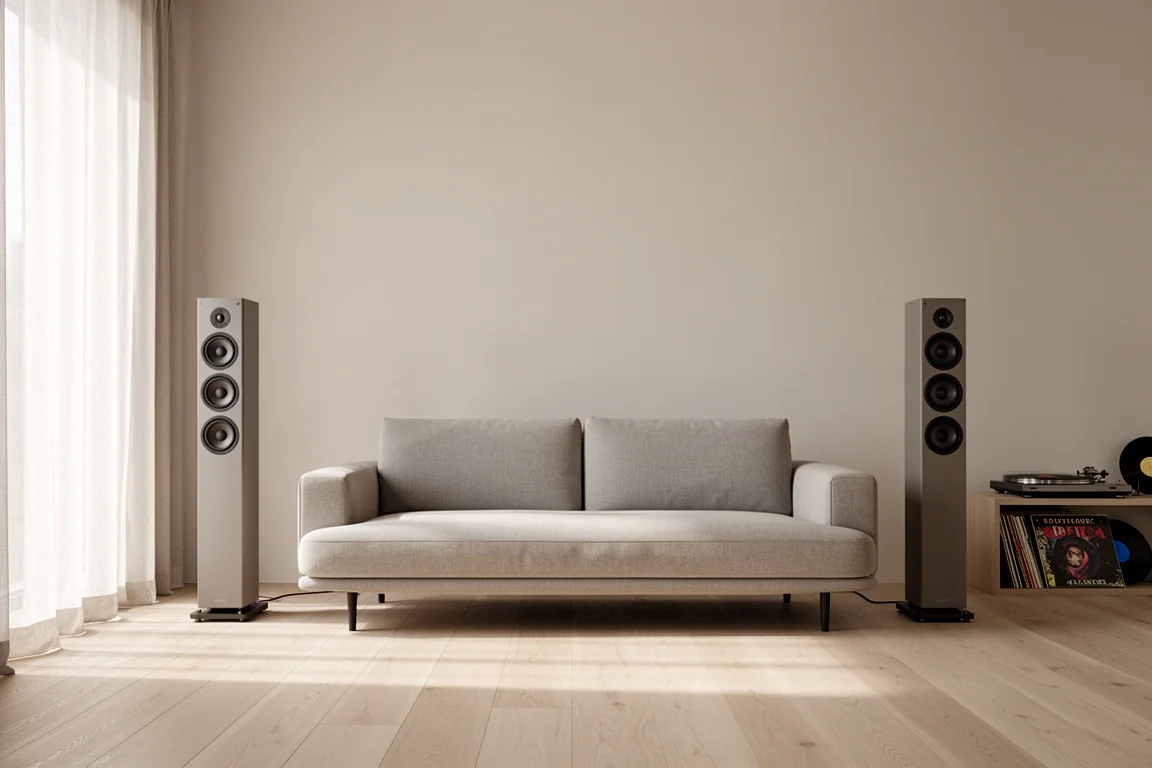
That low placement shapes almost everything about how the FR10 sounds. Drivers positioned close to the floor interact less with the floor bounce that typically creates a cancellation in the upper mid-bass, which is why the handoff between the mid-bass and the lower midrange on this speaker feels unusually well blended. The result is a presentation that leans warm rather than clinical, with real punch in the lower registers and a soundstage that stays wide and stable as you move through the frequency range.
Who the PS Audio Aspen FR10 Is For
This is a speaker for listeners who value tone and physicality over textbook neutrality. If your priorities are a wide, enveloping soundstage, strong dynamic contrast, and a full-bodied lower midrange, the FR10 plays directly to those strengths. It also suits rooms where the speakers cannot sit three feet out into the space: the measured response steps down gradually around 150 Hz, which means the cabinet can be placed relatively close to the wall behind it without turning boomy.
It is less obviously aimed at listeners chasing maximum accuracy through the vocal range. A dip in the measured response around 600 Hz leaves vocals slightly leaner than they could be, and anyone who expects a ruler-flat response at this price should weigh that carefully. The FR10 is better understood as a characterful, engaging speaker than as a neutral monitor.
Main Strengths: Mid-Bass Punch and Lower Midrange Blend
The standout quality is the transition between the mid-bass and the lower midrange, roughly the 200 to 500 Hz region. That area sounds cohesive and natural, and there is a satisfying upper mid-bass punch that gives drums and bass guitar a genuine sense of weight. Because the mid-bass drivers sit near the floor, the usual floor-bounce cancellation in that band is largely mitigated, and the blend into the ribbon midrange stays smooth rather than sounding like two separate drivers doing separate jobs.
Dynamics are another strong point. The speaker sounds fast and controlled when the music asks for sudden shifts in level, and the low measured distortion supports what the ear reports. Bass extends lower than the cabinet size might suggest: measured output reaches its -3 dB point at 47 Hz and its -10 dB point at 28 Hz, with a gentle rolloff in between. For many listeners, especially those whose music rarely reaches below about 40 Hz, the FR10 can carry a system without a subwoofer at all.
The bass shelf around 150 Hz is worth calling out as a feature rather than a flaw. By stepping the lower mid-bass response down slightly, the design tolerates closer placement to the wall behind the speaker. In practice, moving the cabinet out into the room reduces some of the extra weight in the 50 to 80 Hz region, but the effect is milder than with many other speakers, so placement is more forgiving than the price class might imply.
Soundstage, Imaging, and Treble Balance
Width is the FR10’s other signature. The horizontal radiation stays broad, holding close to full output until roughly 80 to 85 degrees off axis, where output finally falls by about 6 dB. Because the speaker radiates widely and consistently across the range, the soundstage does not collapse or shift as instruments move up and down the frequency spectrum. Layered productions keep their layers, and panned elements stay anchored where they belong while retaining audible space around them.
Imaging precision benefits from the same trait. On material with hard-panned effects that travel across the stage, each step or accent is clearly placed rather than stacking up on top of its neighbours, which makes for a convincing sense of envelopment.
Treble is detailed without turning hard. Pointed straight at the listening position, the top end is a touch elevated, but far less so than the brighter presentations found in some ribbon and electrostatic designs. Toeing the speakers about 20 degrees off axis, which the manual recommends, smooths that lift and pushes the overall balance toward warm. Sustained high-frequency content, the kind that can become fatiguing on a bright speaker, stays comfortable over long sessions.
What the Measurements Show
Measured sensitivity is about 84.4 dB at 2.83 volts at 1 meter, which is on the lower side and means the FR10 rewards a capable amplifier. The on-axis response shows a dip around 600 Hz, a second dip near 1.2 kHz, a rise around 2 kHz, and a narrow but pronounced dip somewhere around 6 to 7 kHz. The 600 Hz dip is the one that is audible as slightly reduced vocal fullness; the 6 to 7 kHz dip is narrow and did not draw attention on its own, and for listeners who are sensitive to sibilance, a dip in that region is generally preferable to a peak.
Multi-tone distortion, which captures modulated distortion as well as harmonic distortion, measures very low, including at high frequencies. Dynamic range testing shows only modest compression, with minor anomalies around 800 Hz and again in the region of 12 kHz, and a slight increase in output below 50 Hz that adds to the perceived punch. Vertical directivity is tighter than the horizontal behaviour, so listening height matters: the speaker is designed to be heard with ears level with the tweeter.
One practical measurement note concerns room treatment. Because so much of the FR10’s spaciousness comes from wide radiation reflecting off the sidewalls, heavy absorption is counterproductive. Even a 2-inch panel absorbs noticeably from roughly 8 kHz upward and more as frequency rises, which dulls exactly the quality that makes this speaker distinctive. Diffusion or a largely untreated, sensibly furnished room suits it better.
Things to Consider Before Buying
The first consideration is the midrange scoop around 600 Hz. Applying corrective EQ in that band restores some vocal fullness, but it is not a change most listeners will make. If full-bodied vocals are your top priority, this is the trade-off to weigh against the speaker’s strengths.
Second, the FR10 asks for clean power. At roughly 84.4 dB sensitivity it will not flatter a small amplifier, and the low bass extension means an amp that stays composed into low impedances is a sensible match. Third, setup matters more than usual: listening on the tweeter axis, following the manual’s guidance to start around 18 inches from the wall behind the speaker and then move it out gradually, and toeing it in about 20 degrees will get you most of the way to the intended sound.
Finally, consider the physical reality. Two 76-pound towers with a metal base need a floor that can take the load, and the black satin and white satin finishes are the only two options.
Buying Advice
At $10,000 per pair, the FR10 sits in a bracket where expectations run high, and the honest summary is that it trades some measured neutrality for qualities that are harder to measure: a wide and stable stage, excellent imaging, a beautifully blended mid-bass and lower midrange, and low distortion. The dip around 600 Hz and the narrow dip near 6 to 7 kHz are real, but neither undermines the overall listening experience, and the narrow treble dip is arguably preferable to a peak in a region where sibilance can grate.
Buyers who prioritise dynamics, tone, and envelopment, and who can position the speakers with ears at tweeter height and avoid heavy absorption on the sidewalls, will find a great deal to like here. Those who want the flattest possible response through the vocal band should compare carefully before committing. Matching the FR10 to an amplifier with genuine current delivery will pay off more than any accessory purchase.
Conclusion
The PS Audio Aspen FR10 is a warm-leaning, wide-radiating floorstander with an exceptional mid-bass and lower midrange handoff, precise imaging, low distortion, and bass extension that can stand in for a subwoofer in many rooms. Its measured response is not perfectly smooth, particularly around 600 Hz, and its lower sensitivity means it needs a competent amplifier. For listeners who value engagement, dynamics, and a broad, enveloping soundstage at this price point, the FR10 is well worth an audition.
Product link
View more details for PS Audio Aspen FR10
This product is mentioned in the review. Check the specifications, options, and compatibility before buying.
View more details for PS Audio Aspen FR10Further reading
Related Reviews
Floorstanding Speakers
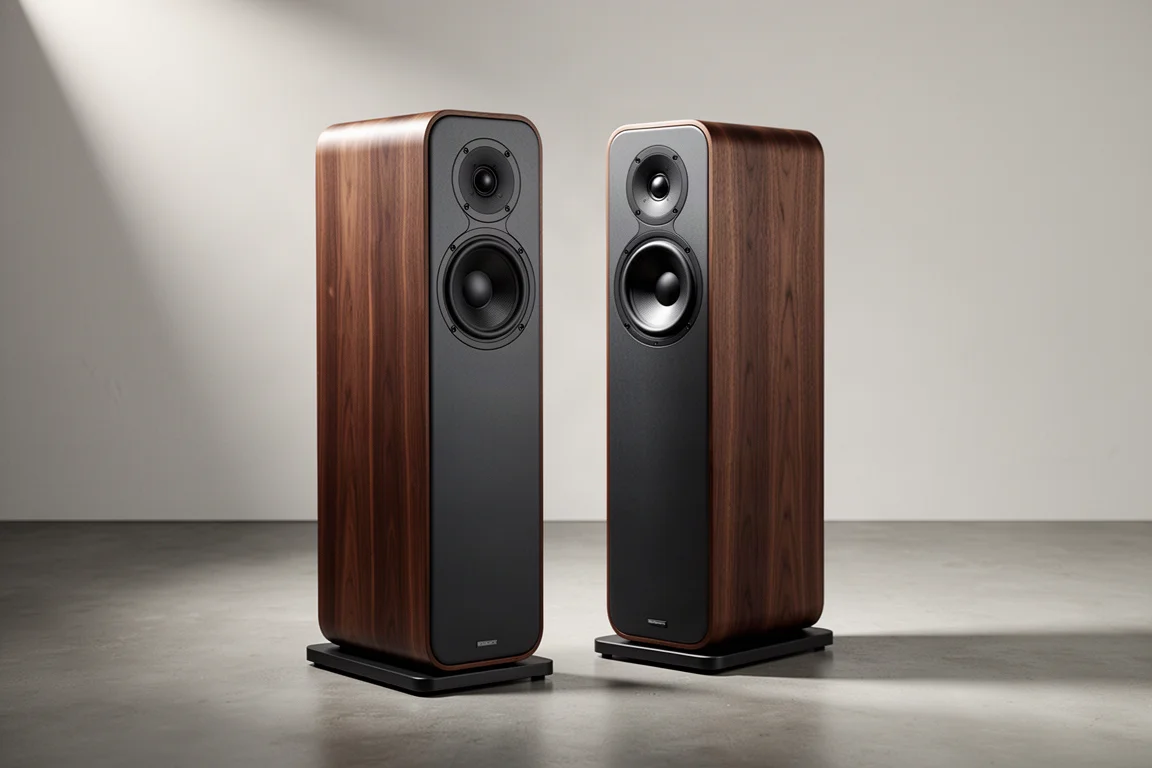
Acoustic Energy AE109 Mark II Review: A Refined Floorstander at £699
The Acoustic Energy AE109 Mark II is a slim, warm sounding floorstander that delivers clarity, midrange body and strong imaging in small to medium rooms.
Floorstanding Speakers
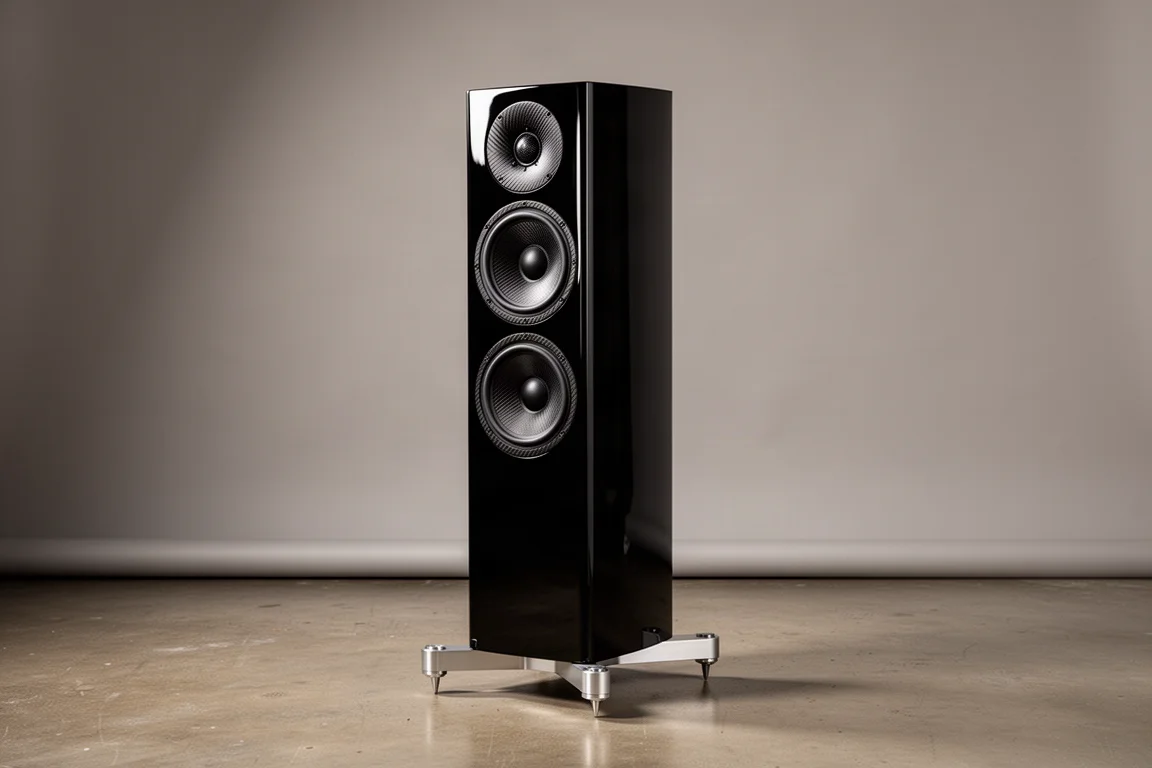
Acoustic Energy AE509 Review: A Slim Floorstander With Deep, Defined Bass
A practical look at the Acoustic Energy AE509, a slim floorstanding speaker with carbon fibre drivers, deep and well-defined bass, and an easy-going character that rewards careful system matching.
Floorstanding Speakers
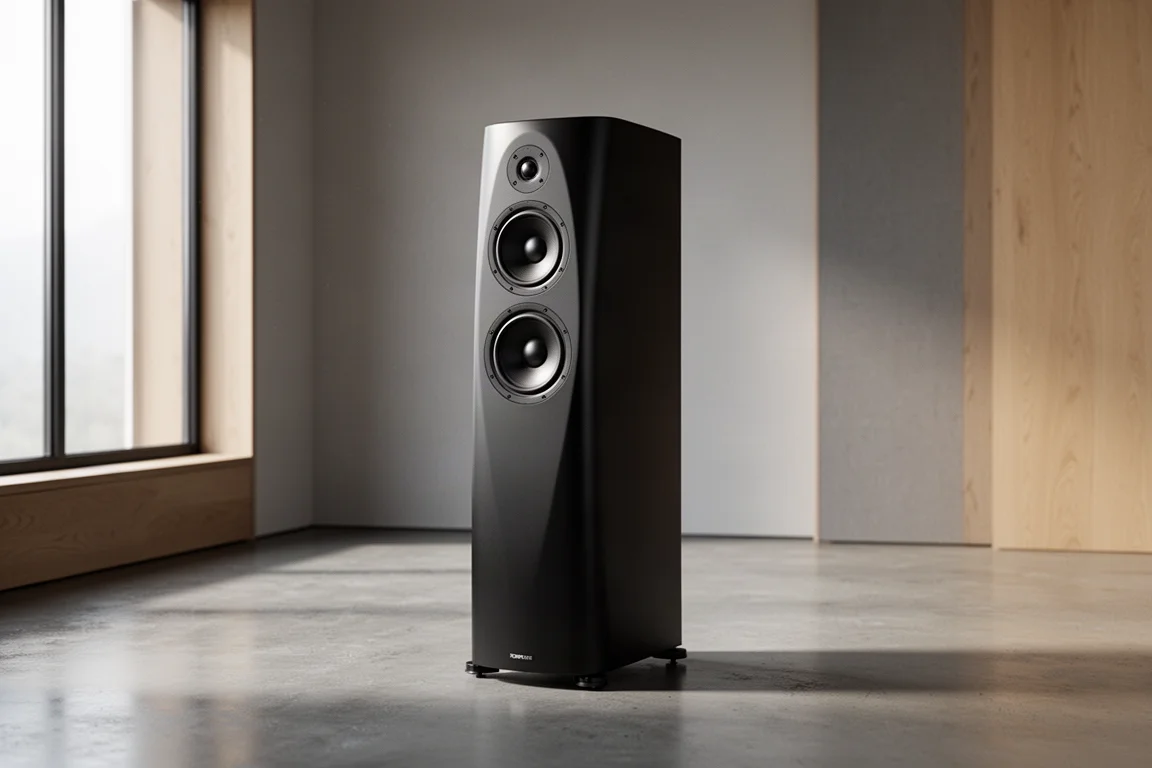
Arendal 1528 Tower 8 Review: Reference Neutrality With Real Demands
A close look at the Arendal 1528 Tower 8, a nearly five-foot, 200-pound floorstander that rewards generous space, serious power, and high listening levels with reference-grade neutrality.