Road Bikes
Pro Road Bikes to Watch: A 2024 Race Bike Roundup
Eight pro level road race bikes worth watching this season, from lightweight aero all rounders to Grand Tour proven flagships, with the details that actually matter before you buy.
Introduction
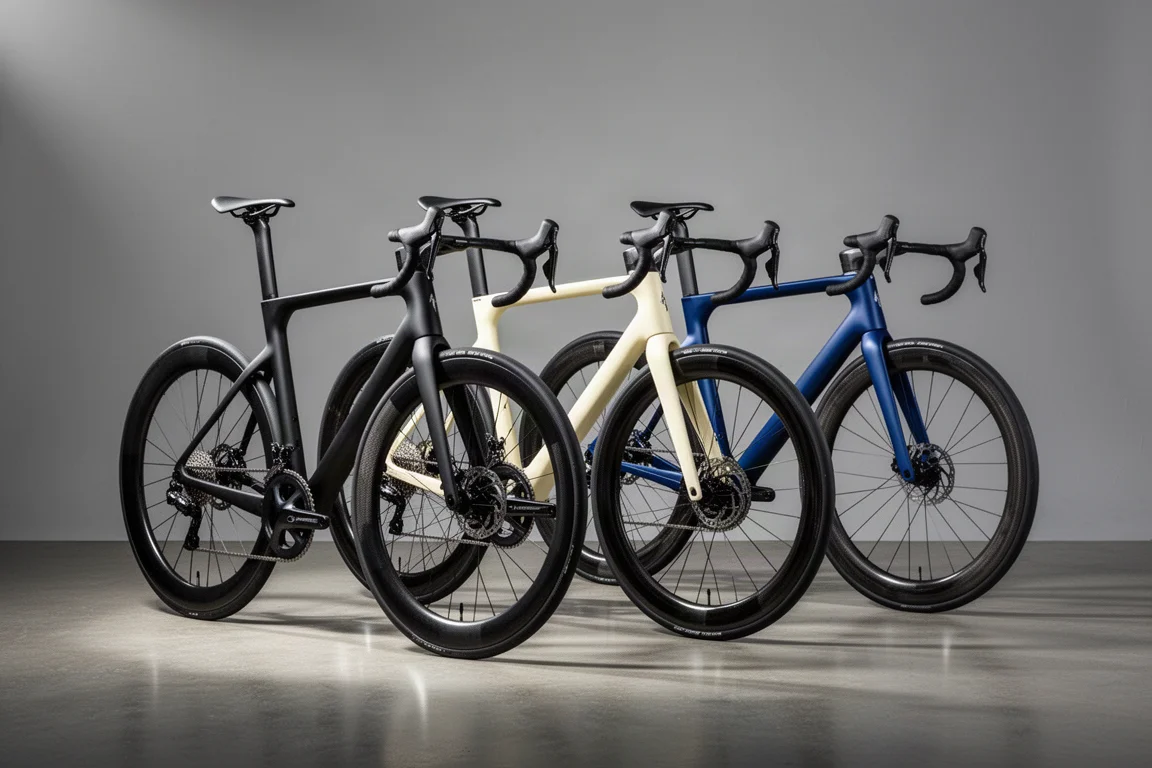
Pro team bikes are one of the clearest windows into where road bike design is heading, and this season delivers a genuinely interesting mix. There are brand new frames, expected updates, and several component shifts that say as much about the direction of the sport as any paint scheme. This roundup covers the race bikes worth watching, what is confirmed about each one, and where the details are still thin.
What to Look For in a 2024 Pro-Level Race Bike
A few themes run through the bikes below. The first is convergence: aero and lightweight designs keep moving closer together, and several teams now have a single machine that covers both the mountains and the flatlands. The second is integration, with one-piece cockpits and front ends designed specifically for their framesets. That cleans up cable routing and looks fast, but it makes fit changes more involved than they used to be.
Component ecosystems matter just as much. Groupset changes at team level ripple outward into wheels, computers, and pedals, and 1x drivetrains continue to appear in selected races, particularly in the women’s peloton, which has been quicker to experiment with the format.
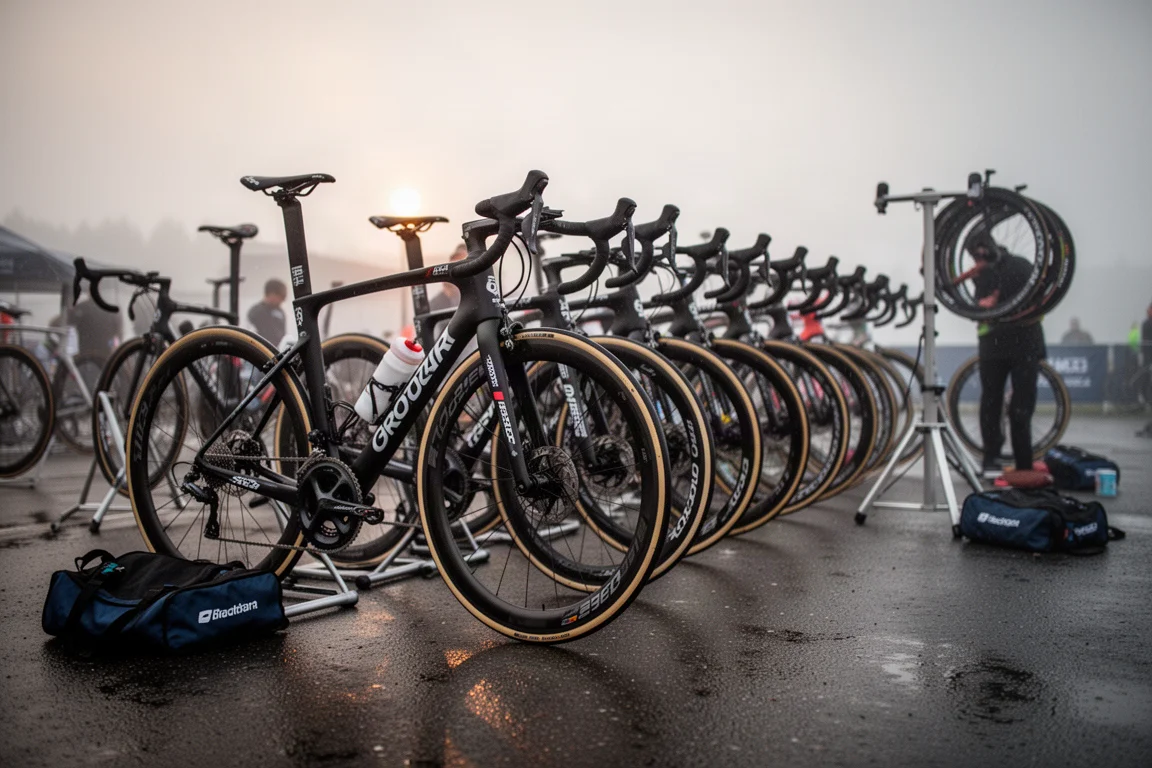
Weight claims deserve a careful read. Frame figures are usually quoted at one specific size, and race builds sit close to the 6.8 kg minimum, so a claimed frame weight does not always translate into a light complete bike. It is also worth noting that some pro teams have ridden rebadged standard high-mod frames, which is encouraging news for riders shopping further down the price range.
Cannondale SuperSix Evo
Cannondale’s race range covers both the SystemSix and the SuperSix, each with an integrated front end designed to work with its own frameset. Builds run a full Shimano Dura-Ace Di2 groupset, Garmin Rally RS 200 power pedals that provide a wide range of data points and carry a strong reputation for accuracy, Scope R series race wheels, and Pirelli P Zero Race TLR tyres.
The Lab 71 version of the SuperSix Evo sits at the top of the range and carries a premium price tag. Its new frame is claimed at 770 g in a size 56 and claimed to be 12 W more efficient at 45 km/h than the previous version. Pro builds should in theory be able to approach the 6.8 kg figure, although a size 48 race bike weighed 7.395 kg, which is a useful reminder that claimed frame weights and complete bike weights are two different conversations.
Trek Emonda
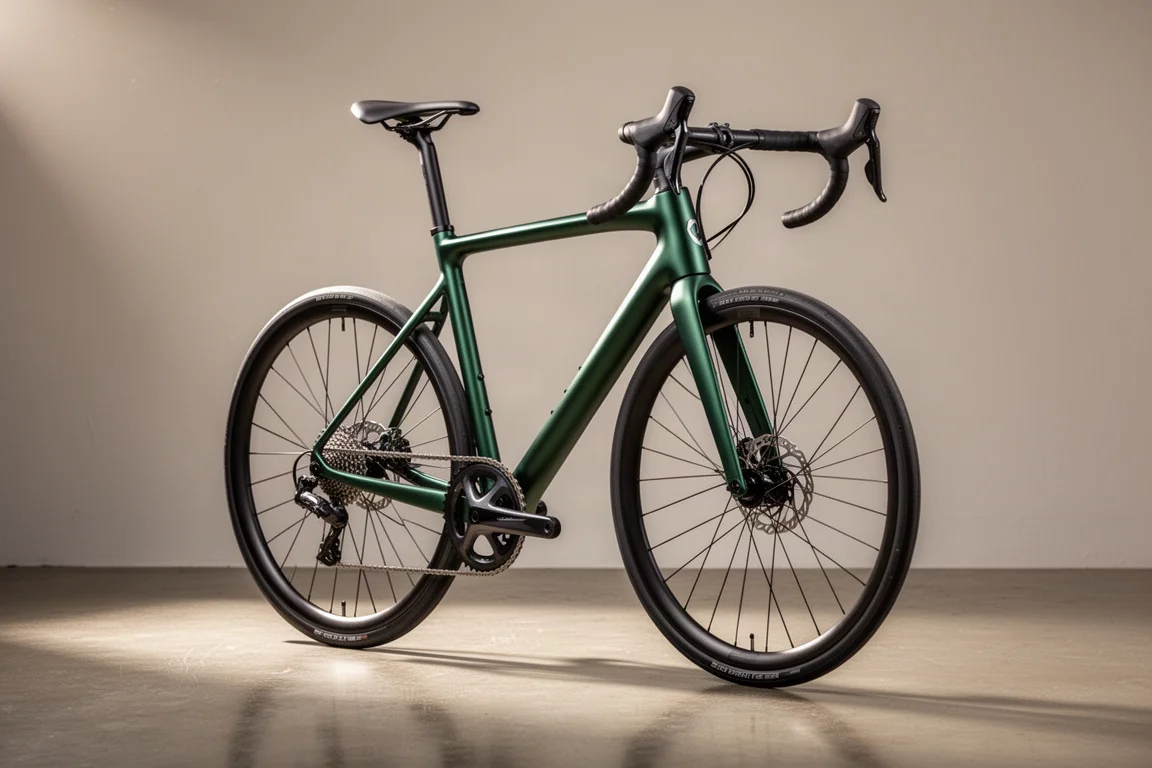
Trek’s custom Project One programme is a big part of why its team bikes look different from week to week, and riders get custom machines through the season. The front end is a very clean integrated setup, with the bar sitting narrower at the hoods for a more aerodynamic riding position. SRAM supplies the RED AXS drivetrain with an integrated power meter crankset, and the team’s pedals come from SRAM’s Time brand.
The bigger story is the expected arrival of a brand new lightweight Emonda at some point this year. Details are scarce for now, which makes this one to watch rather than one to buy on specification alone.
Scott Foil RC
Scott’s team has a fresh white look, and riders can choose between the Foil RC and the Addict RC depending on the terrain. The Syncros integrated cockpit pairs a traditional drop with a long stem and a narrow width, and it gives the bike a very fast silhouette.
The Foil was developed with Drag2Zero’s Simon Smart and is claimed to save 16 W at 40 km/h. Scott has also worked hard on weight, with a similarly equipped test bike coming in at 7.43 kg in a size 56. That is impressive for a full aero race bike, and it is the main reason the Foil reads as a genuinely versatile race platform rather than a flatland specialist.
Van Rysel RCR Pro
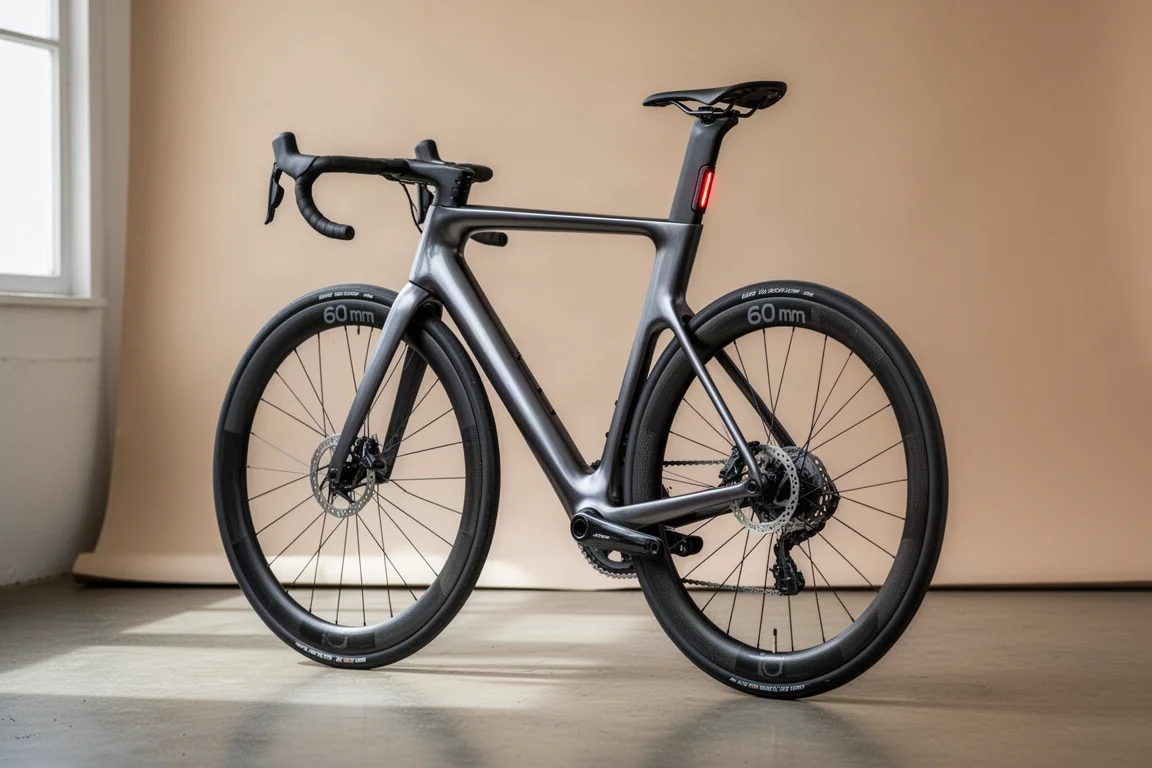
Decathlon stepped into the WorldTour with the Van Rysel RCR Pro, a lightweight aero road bike that is relatively affordable compared with much of the grid. The RCR Pro frameset has drawn plenty of comparisons to the Specialized Tarmac SL7, a bike with a long list of WorldTour wins behind it. Aero optimised tube shapes and a claimed build weight of 6.82 kg put it in serious company, and most of the team’s riders were expected to use it for the majority of the season.
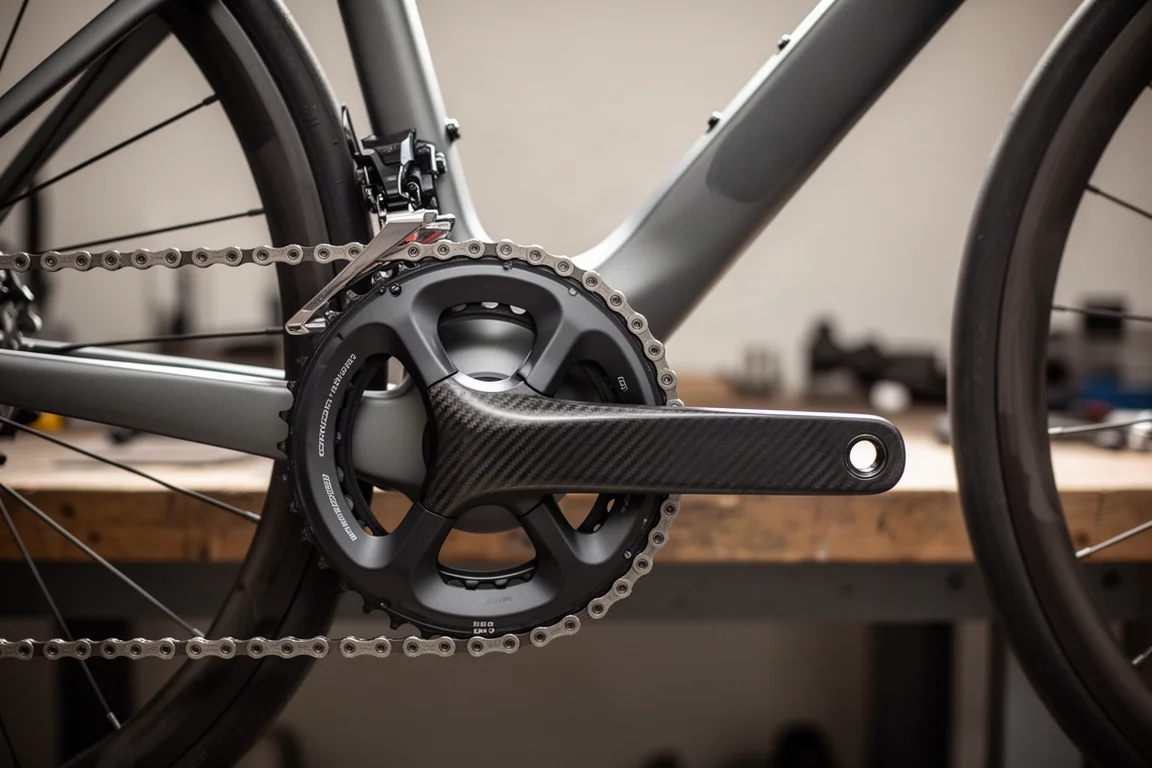
Van Rysel has also revealed a dedicated aero road bike called the FCR, which is on its way. Its front end is fully integrated and features a subtle hourglass head tube with a truncated trailing edge. The team’s sponsorship changes also pushed BMC and Campagnolo out of the WorldTour, at least for this season, which makes the RCR Pro one of the more closely watched value plays in the peloton.
Specialized Tarmac SL8
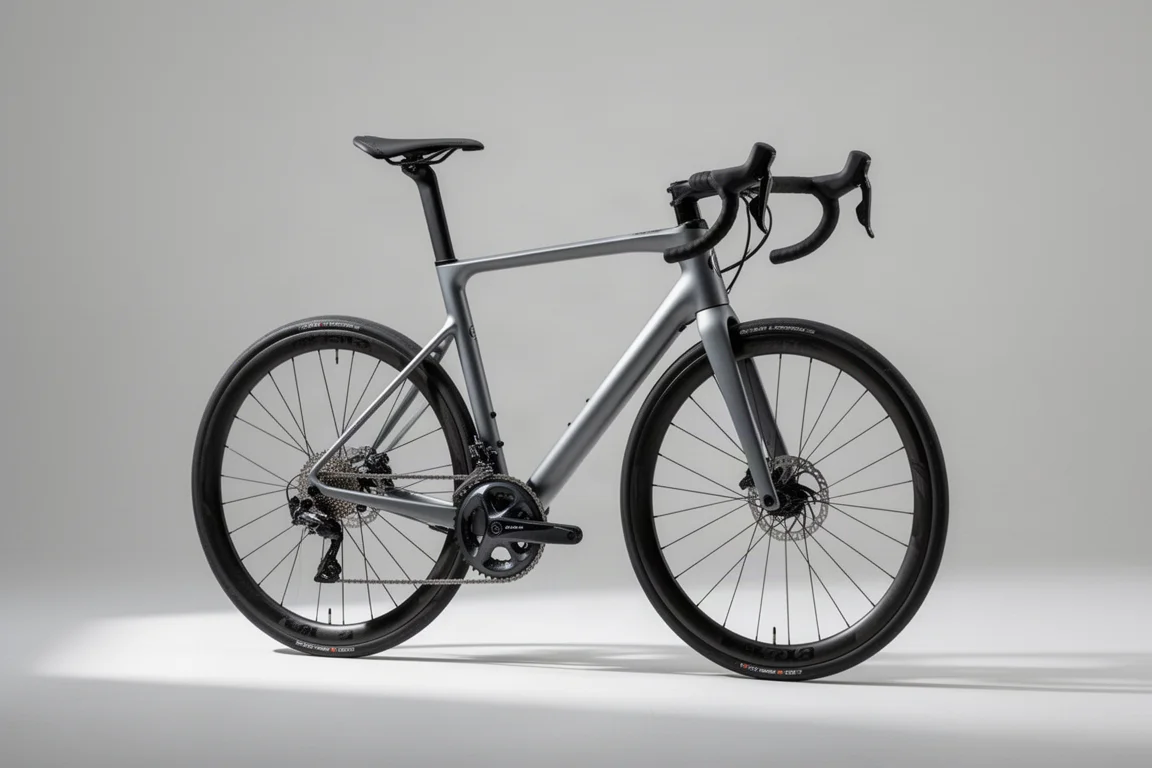
One of the biggest equipment stories of the season is the groupset takeover at Bora-Hansgrohe, where SRAM displaced Shimano. The team continues to ride Specialized bikes with Roval wheels and moved from the Tarmac SL7 to the Tarmac SL8 during 2023, while the drivetrain switched to SRAM RED AXS.
Riders have said they are excited to use 1x setups in certain races, which fits a wider pattern of experimentation at the top of the sport. SRAM’s Hammerhead computers have also replaced Wahoo on the team’s bars, although the bikes still appear to be fitted with Shimano Dura-Ace pedals. The results have followed, with a stage win and the leaders jersey at the Tour Down Under.
Wilier Filante SLR
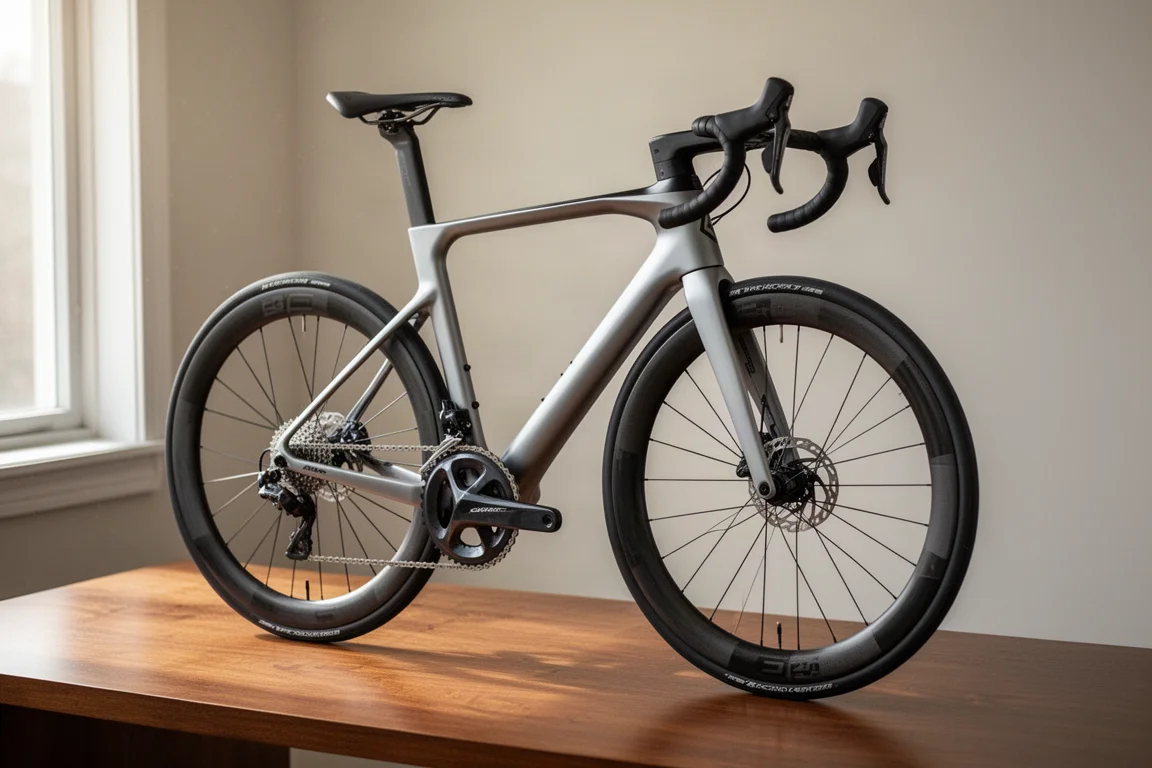
Groupama-FDJ’s switch from Lapierre to Wilier ends a relationship that started back in 2002, and it stands out as one of the more surprising equipment moves of the year. The Filante SLR becomes the team’s main bike, following the now standard aero meets lightweight approach, and Wilier claims top spec builds can be brought down to 6.8 kg.
Shimano continues to supply groupsets and wheelsets, with top of the range Dura-Ace kit on the frames. Wilier provides its own integrated cockpit, so riders will have spent time getting fitted to the new system. It also raises an interesting question about the UCI’s recent restrictions on turned-in hoods and whether some positions will remain legal this season.
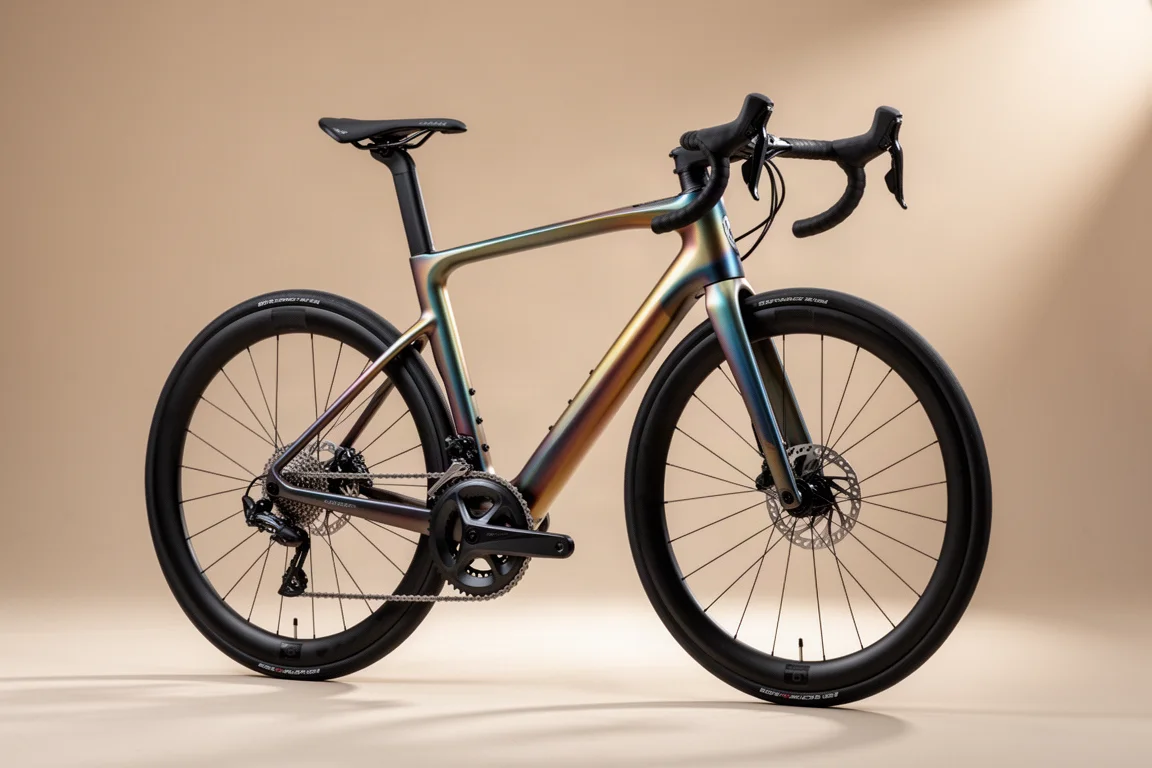
Giant Propel Advanced
Jayco-AlUla continues with the Giant Propel Advanced, an aero race bike that can be built down to 6.91 kg in a size medium-large, with pro builds using tubular wheels and tyres likely to be lighter still. Giant’s hugely popular TCR is also due an update, and the interesting question is whether a slightly more aero TCR is worth pursuing when the weight saving over the Propel works out at only around 100 grams. Liv continues to supply women specific bikes to the women’s team.
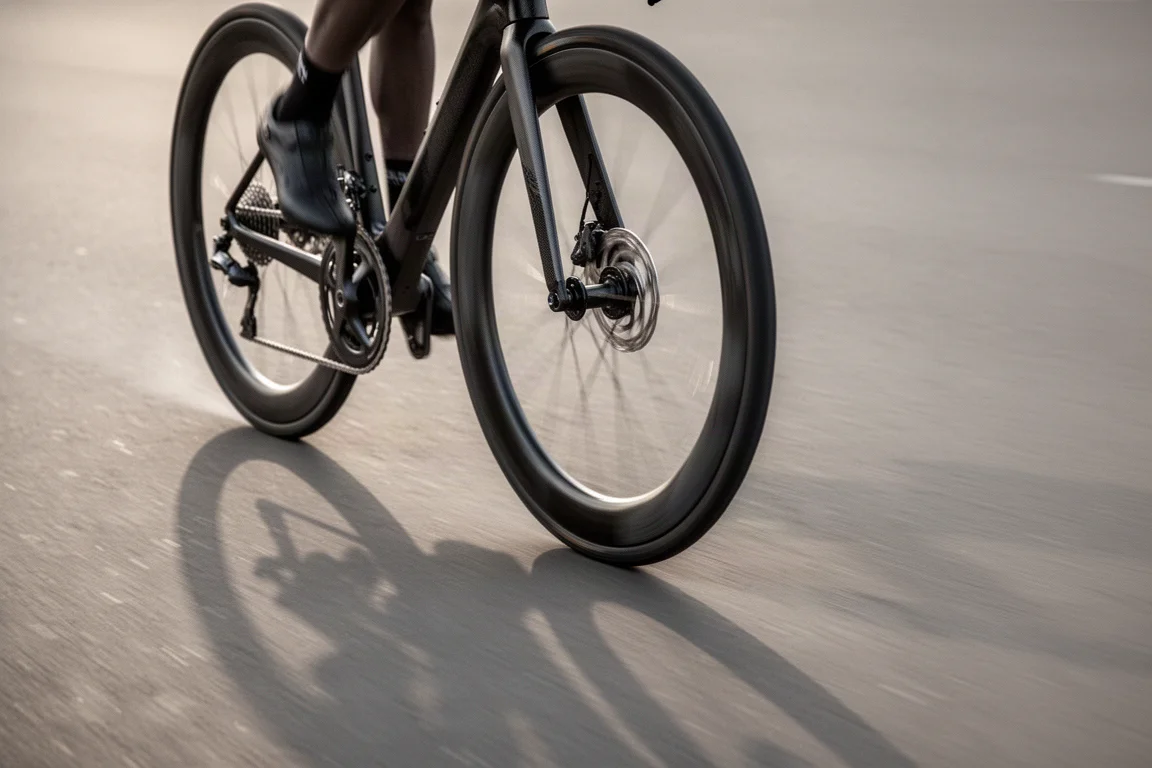
For riders shopping at this level, the Propel makes the case that aero no longer has to mean heavy. The main trade-off to weigh up is whether you want the deepest tube profiles available or a frame that leans a little further toward climbing feel, and the numbers here suggest the gap between those two approaches is smaller than it once was.
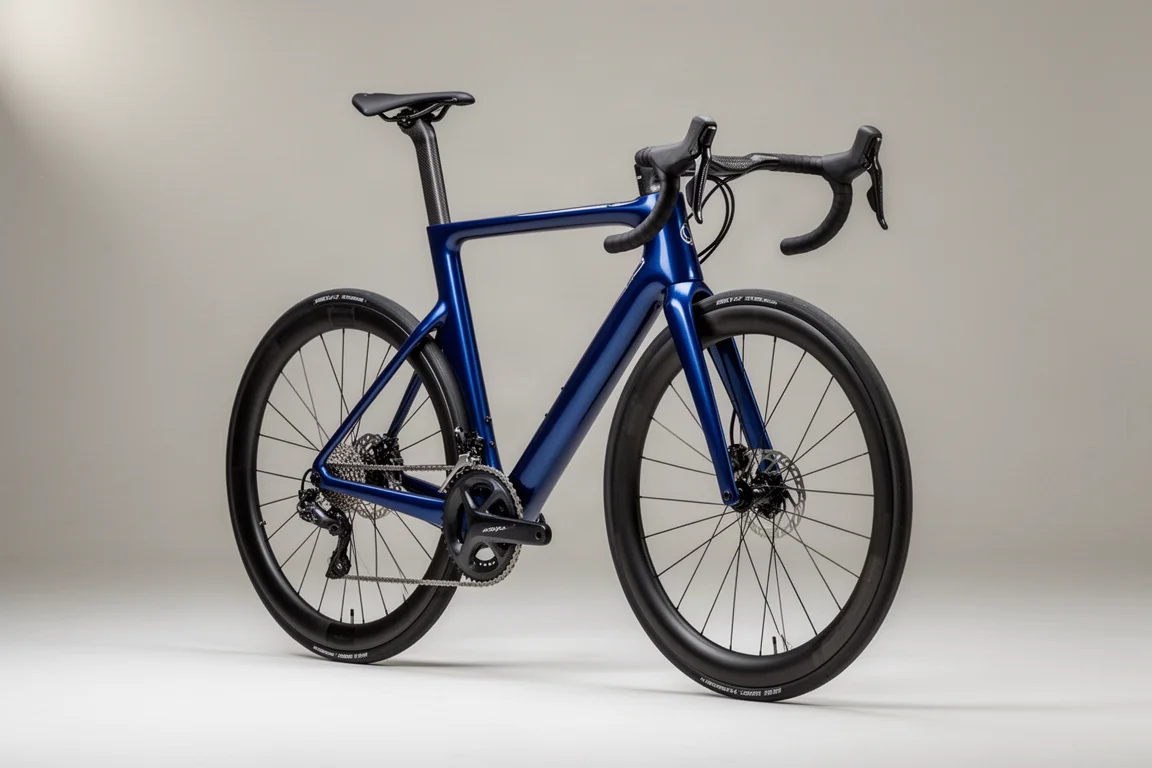
Pinarello Dogma F
Ineos made only subtle changes this season: a fresh lick of paint and a single component swap. Fizik, which had been with the team since its inception, has been replaced by Prologo for saddles. The rest of the setup continues with a full Shimano Dura-Ace build, and if you look closely at the cranks, crank length is shaping up to be one of the notable tech trends of the year.
Shimano and Princeton Carbon Works provide wheelsets, with the latter officially supplied for time trial duties only. There is a chance riders could request a swap for key road races if testing finds them faster, which would make an already fast bike faster still.
Overall Buying Advice
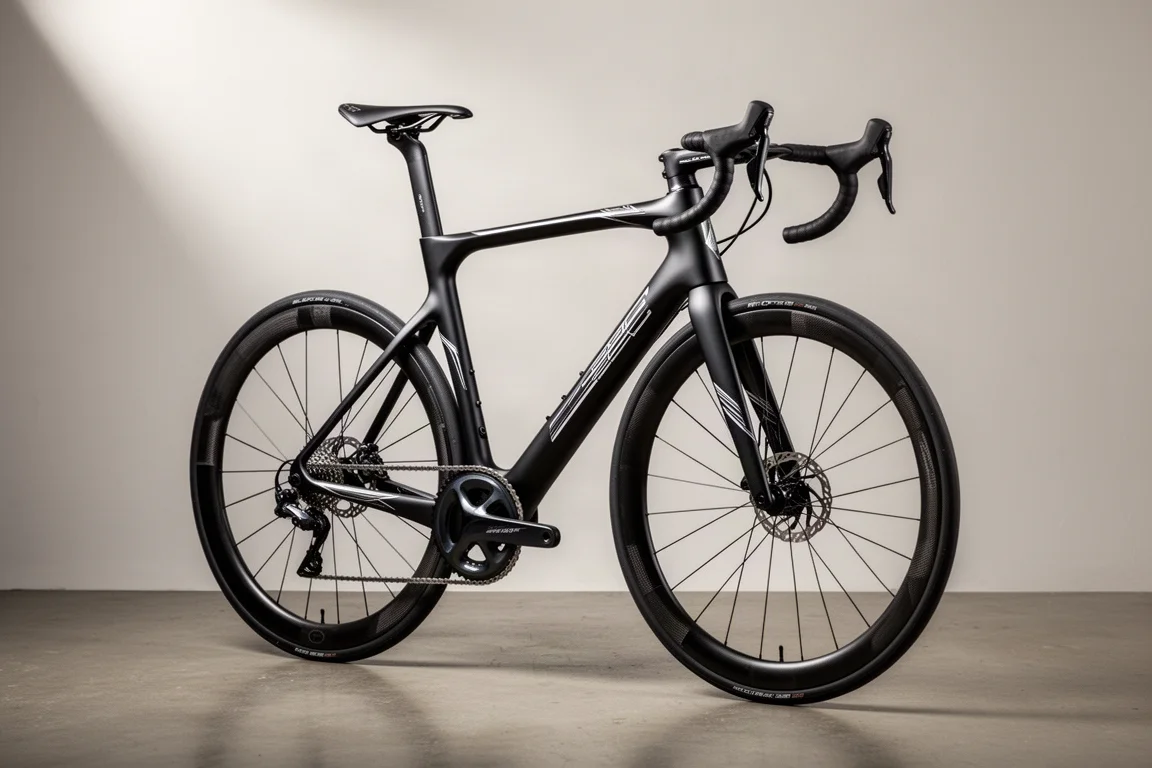
Pro bikes are useful reference points, but they are built around race priorities: a 6.8 kg minimum weight, aggressive positions, and components chosen for a specific course. The most transferable lessons are structural. Integrated front ends have become the default on race bikes, aero and lightweight design continue to merge, and 1x drivetrains are being tested in real races rather than only in training.
Groupset choice is worth thinking about as an ecosystem rather than a single component. A move to SRAM at team level also brought Hammerhead computers into the picture, while pedals stayed with Shimano, and riders still mix and match where it suits them. If you are building a bike, decide early which ecosystem you want to live with, because swapping later is expensive.
There is also good news for riders who do not want to spend at the very top. Some teams have been riding rebadged standard high-mod frames, and the Van Rysel RCR Pro shows that a WorldTour level design can exist at a more approachable price. Compare claimed frame weights against complete bike weights carefully, since race builds rarely land exactly where a headline figure suggests.
Conclusion
The pro peloton is a good place to see where road bikes are heading: cleaner front ends, aero frames that no longer feel heavy, and component ecosystems shifting underneath the riders. The Cannondale SuperSix Evo, Scott Foil RC, Van Rysel RCR Pro, Specialized Tarmac SL8, Wilier Filante SLR, Giant Propel Advanced, and Pinarello Dogma F each offer a slightly different answer to the same question, and the expected Trek Emonda update is the one to keep an eye on. Match the bike to the riding you actually do, and the specification will make far more sense.
Further reading
Related Reviews

Road Bikes
10 New Road Bikes Worth Watching: Aero, Titanium, Steel and Endurance Standouts
A practical roundup of 10 new road bikes, from aero flagships chasing single-watt gains to titanium, steel and endurance platforms built for real roads.
Road Bikes
2026 Tour de France Road Bikes: Six Race Machines Worth a Closer Look
Six race bikes from the 2026 Tour de France grid, reviewed for paint, silhouette, wheels and the specification details that matter to buyers.
Road Bikes
3T Strada Italia Review: A Radical Aero Road Bike That Rides Smooth
A made in Italy carbon aero road bike with a deep head tube, wide tire clearance and a genuinely comfortable ride. Here is what to know before buying.