Gardening
Pro-Mix for Microgreens: How It Stacks Up Against Coconut Coir
Seven microgreen varieties grown side by side in Pro-Mix and coconut coir reveal clear strengths, a few surprises, and practical buying advice.
Introduction
If you are starting with microgreens and wondering which growing medium to pick, the short answer is simple: Pro-Mix is the easier starting point. It handles most varieties with less trouble, while coconut coir demands a bit more experience to get right. But the fuller picture, tested across seven microgreen varieties, is more interesting than one simply being better than the other. They are just different, and each suits different crops.
What Pro-Mix and Coconut Coir Are Made Of
Pro-Mix is a blend: peat moss, peat humus, perlite, limestone, a wetting agent, and mycorrhizae, which benefits plants during the early stages of their life cycle. Coconut coir is a single ingredient: dried, ground coconut husks.
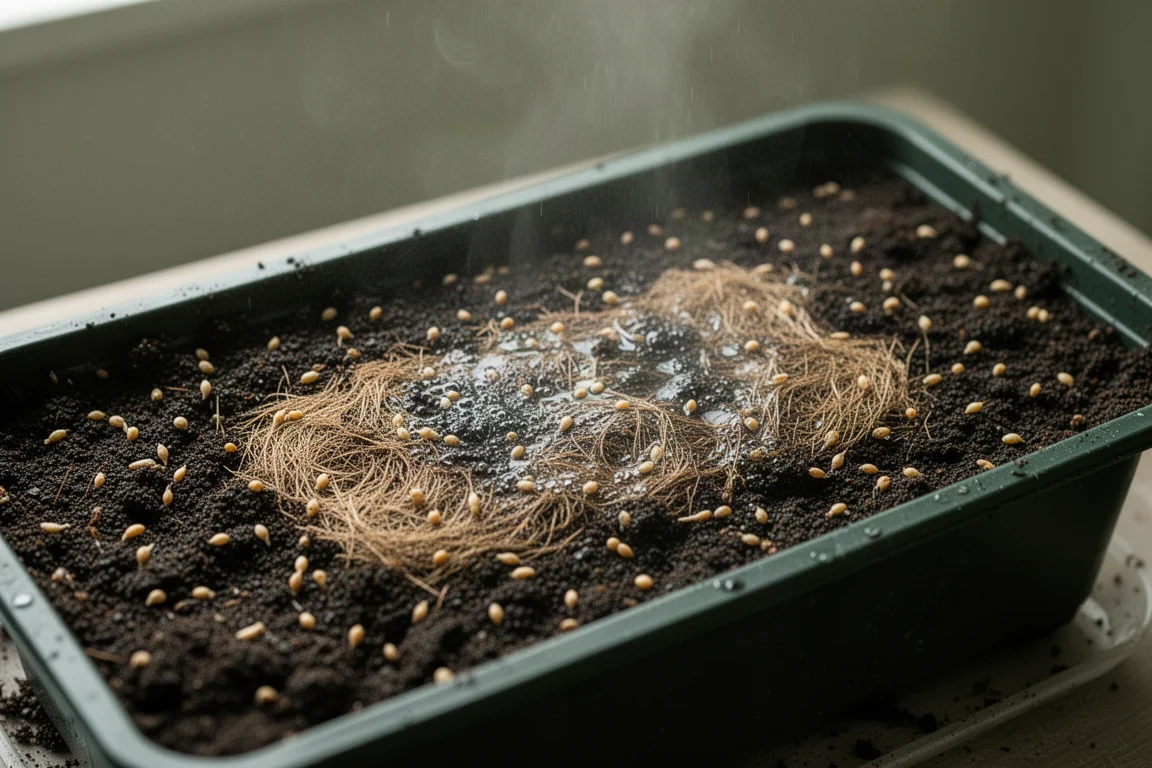
Both mediums are deficient in certain nutrients. Pro-Mix tends to run low in iron and magnesium, while coconut coir is low in nitrogen and can be slightly too high in phosphorus. In practice, either medium benefits from liquid fertilizer or being mixed with compost for the best results. Because coir is a single ingredient, it is popular for custom blends and terrariums where growers want more control. Pro-Mix is more of a done-for-you mix, well-rounded and ready for most crops.
Price and Practicality
On average, Pro-Mix is far cheaper than coconut coir. It is always worth checking local garden shops first, both for better prices and to support local businesses.
One thing you will notice immediately is texture. Coconut coir is much finer than Pro-Mix, and that single difference drives most of the results below.
How the Test Was Set Up
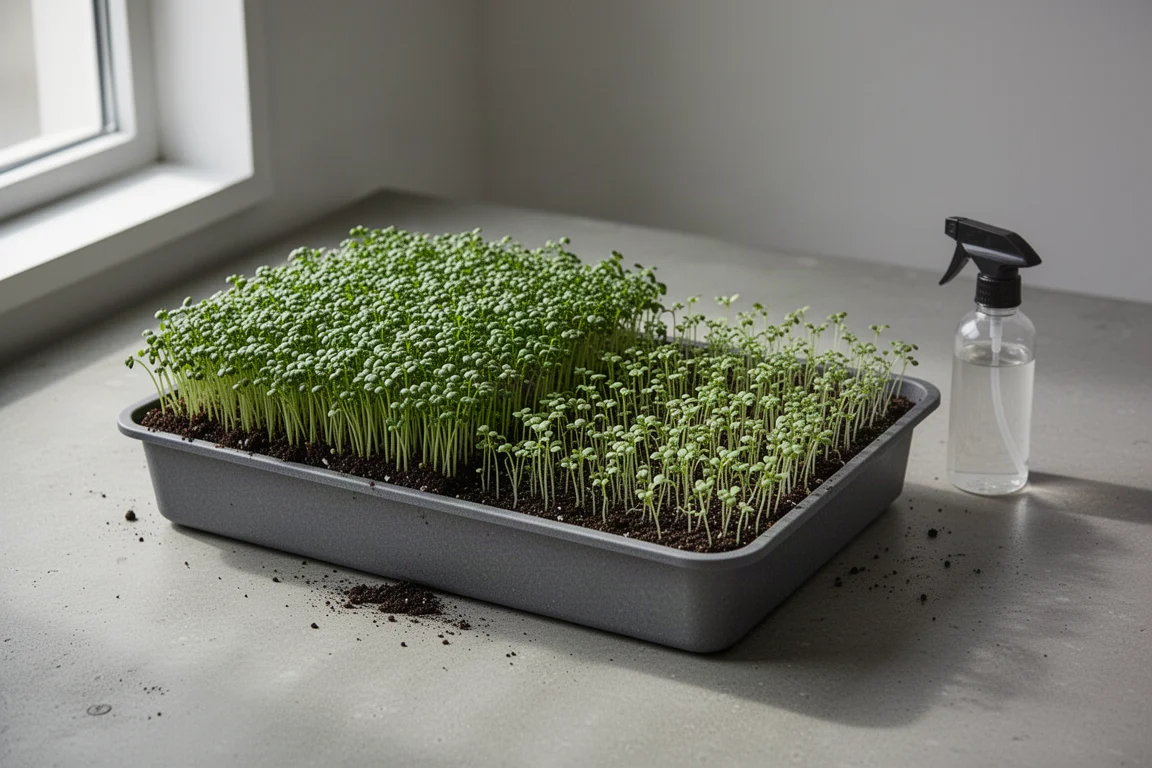
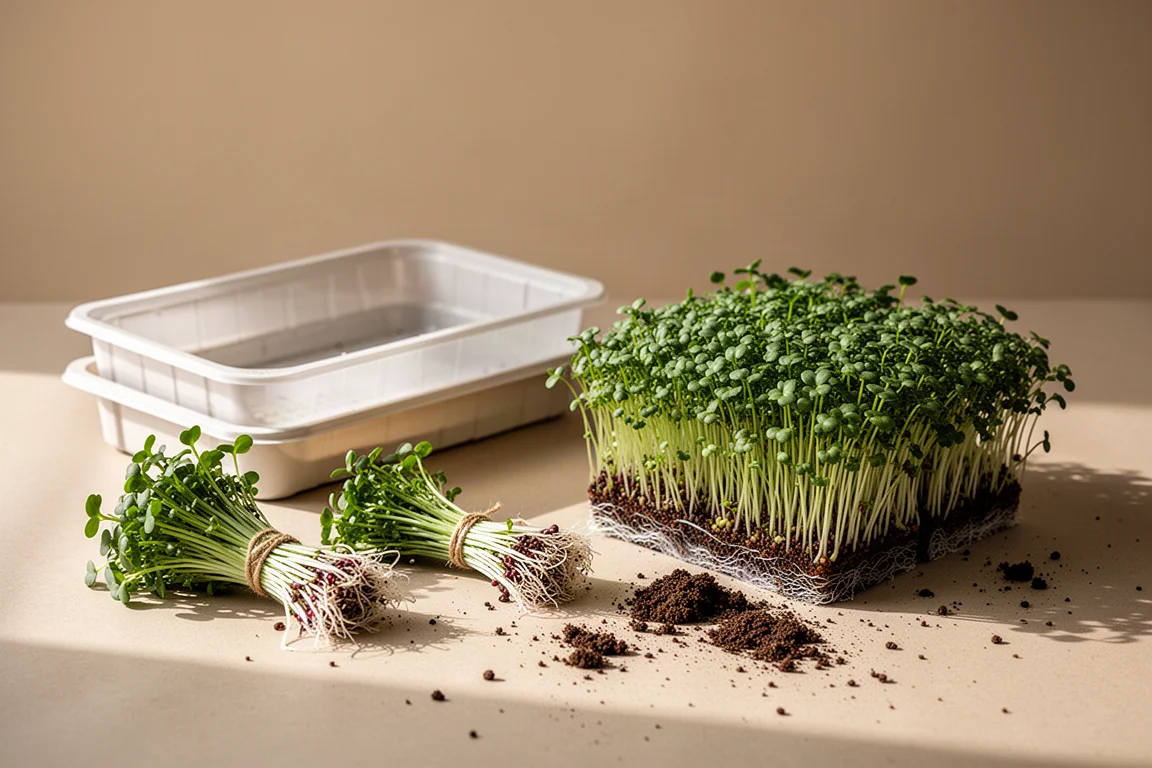
Seven varieties were grown side by side: wheatgrass, barley grass, sunflowers, Bull’s Blood beets, sweet peas, broccoli, and Rambo radish. Each 10x20 tray, with holes sitting in a tray without holes, was planted half in coconut coir and half in Pro-Mix, with a shallow layer of medium, evenly spread seed, and full saturation before going into germination.
Germination Results After Four Days
After four days in germination, most trays looked strong across both mediums. Rambo radish, wheatgrass, and broccoli germinated evenly from side to side, with seeds burrowing into both mediums just fine. Sunflowers looked even, though the edges ran a little dry. The beets, which had been buried, were only just beginning to emerge, as expected for such large seeds.
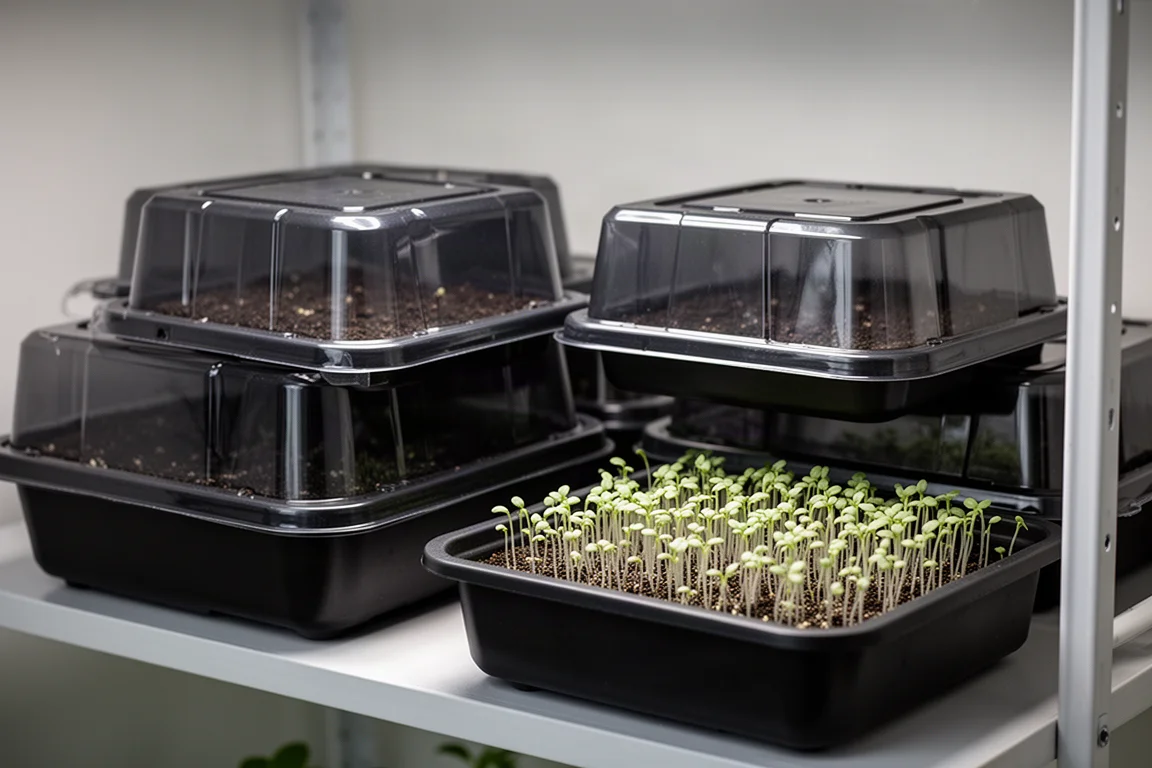
Sweet peas were the first sign of trouble: the Pro-Mix side looked slightly less developed at this stage, and the tray read a bit dry, but the coir side was holding water better in those early days. Wheatgrass and barley grass trays looked phenomenal across both sides and went straight under the lights.
Where Differences Started to Show
Bull’s Blood beets revealed a texture problem for Pro-Mix. The hard, rock-like seed heads struggled more to push up through the coarser Pro-Mix surface, while sprouts poked up more easily in the finer coir. Loosening the top layer of Pro-Mix helped.
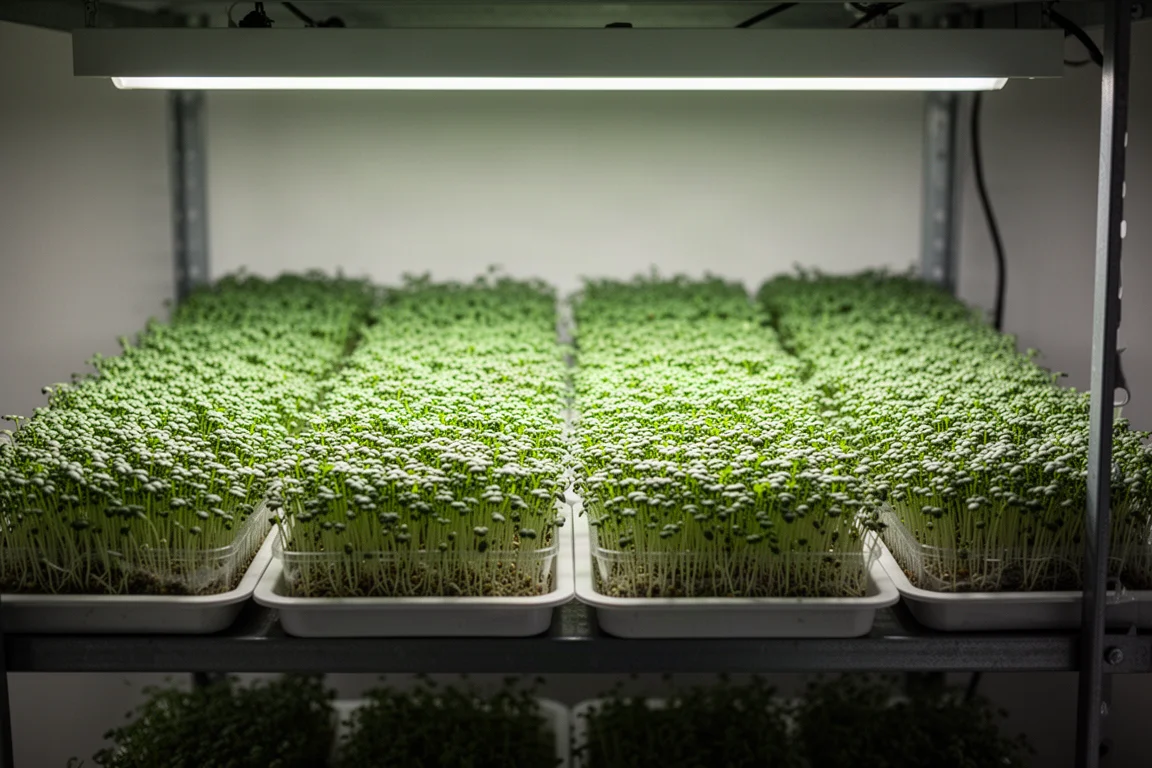
Under the lights, the sweet peas showed a clear difference in the other direction: the coconut coir side was visibly struggling compared to Pro-Mix, likely because coir carries higher levels of phosphorus and potassium. That is something to think about before choosing a medium for legumes.
Final Results After Fifteen Days
After fifteen days, the verdicts split cleanly by variety:
- Wheatgrass and barley grass: both mediums did a great job. No difference worth fussing over.
- Rambo radish: both sides looked identical. A perfect, harvest-ready grow in either medium.
- Broccoli: the coconut coir side looked just a little fuller and thicker. The Pro-Mix side was healthy, just not as dense.
- Bull’s Blood beets: both grew well with no stress, but seedlings emerged more easily from the finer coir.
- Sunflowers: the coir side developed damping off, with stems drying out and falling over. Pro-Mix did not show this. A fresh coir block can be fine for a few weeks, but once it gets wet, expands, and sits, damping off can appear.
- Sweet peas: the Pro-Mix side was rich, full, and thick, while the coir side was patchy with wide gaps. The weight difference was dramatic: roughly a pound on the Pro-Mix half versus maybe four to five ounces on the coir half.
Should You Buy Pro-Mix?
For beginners, Pro-Mix is the recommended starting point. It is easier to use, cheaper on average, and far less prone to damping off in sensitive varieties like sunflowers and sweet peas.
Choose coconut coir instead if you are growing Bull’s Blood beets or want denser broccoli, or if you want a single-ingredient medium for building custom blends. Either way, plan to supplement with liquid fertilizer or compost, since both mediums have nutritional gaps. Neither is better overall; they are simply different tools for different crops.
Conclusion
Seven varieties, one clear lesson: match the medium to the crop. Pro-Mix is the safer, easier, and more affordable all-rounder, especially for sunflowers and sweet peas. Coconut coir rewards growers who want finer texture for buried beet seeds, fuller broccoli, and total control over custom mixes. Start with Pro-Mix if you are new, and reach for coir when a specific crop or blend calls for it.
Product link
View more details for Pro-Mix
This product is mentioned in the review. Check the specifications, options, and compatibility before buying.
View more details for Pro-MixFurther reading
Related Reviews
Gardening
Best Air Pruning Pots: Three Brands Compared for Healthier Roots
Air-Pot by Superoots, Air Pot Pro, and Ultra Oxy air pruning pots compared, with assembly, potting mix, and watering tips for stronger root systems.
Gardening
Best Baker Creek Seeds to Grow: 11 Varieties Worth Your Garden Space
From dwarf moringa and pink dandelion to the Sartre Louise tomato and a hydroponic loofah experiment, these Baker Creek seed picks cover flavor, medicine, pollinators, and pure fun.
Gardening
Best Giant Sunflower Seeds: Five Varieties Grown and Compared
We grew five giant sunflower varieties side by side in a small urban garden to see which ones deliver real height, big blooms, and reliable germination.