Gardening
Best Air Pruning Pots: Three Brands Compared for Healthier Roots
Air-Pot by Superoots, Air Pot Pro, and Ultra Oxy air pruning pots compared, with assembly, potting mix, and watering tips for stronger root systems.
Introduction
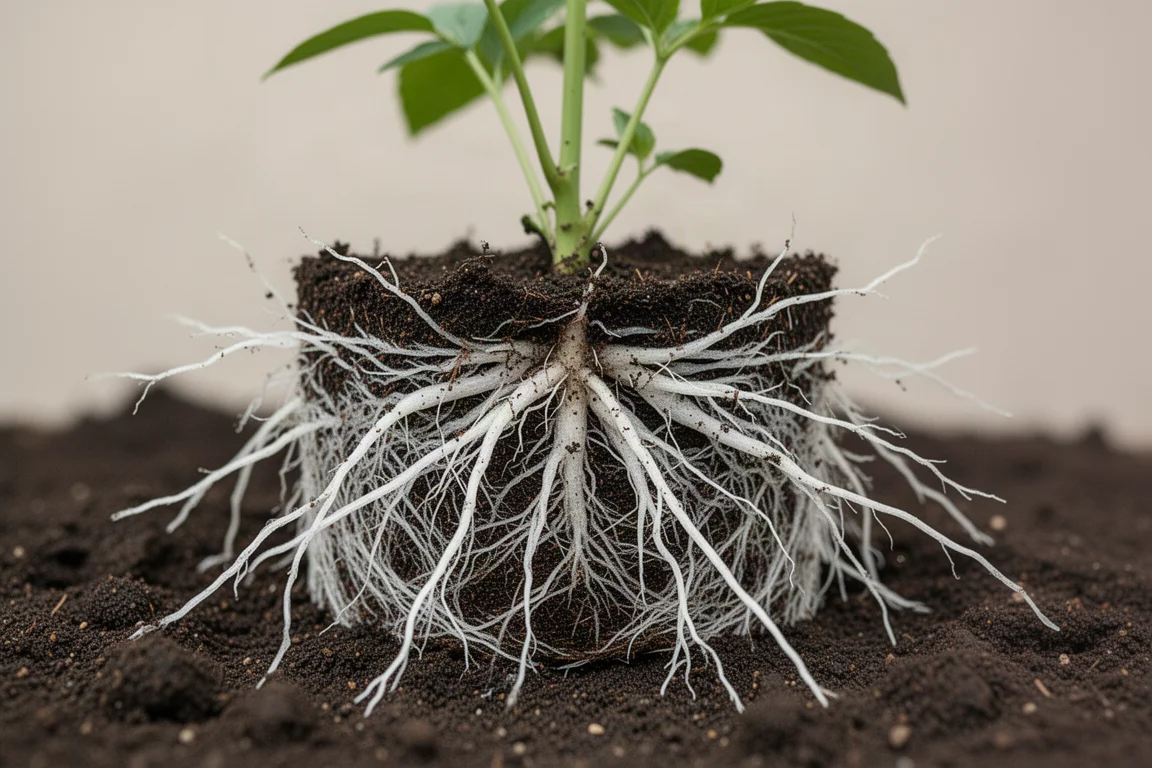
If you have ever pulled a plant out of a standard plastic pot and found a tangled spiral of roots circling the bottom, you already know the problem air pruning pots are built to solve. Instead of letting roots race around the sidewall until they thicken and girdle the plant, these sculpted containers channel root tips to open points where air dries them out and stops their growth. The plant responds by pushing fresh roots from the center, building a dense fibrous network that explodes outward the moment you plant it out.
This guide compares three popular air pruning pots: the original Air-Pot by Superoots, the Air Pot Pro sold by Growermax, and the Ultra Oxy Air Pruning Pot. Along the way, we cover assembly, the best potting mix, and how to keep these fast-draining containers properly watered.
How Air Pruning Pots Work
Plant roots need oxygen, and air pruning pots deliver it in spades. In a normal smooth plastic pot, roots grow outward until they hit the sidewall, then turn and circle endlessly. For short-lived annuals this is survivable, but for woody perennials, bushes, and trees it sets the plant up for failure. Those tangled roots never straighten out. They get thicker year after year until they strangle the plant from within, which is exactly why many growers prefer bare-root trees planted directly in native soil.
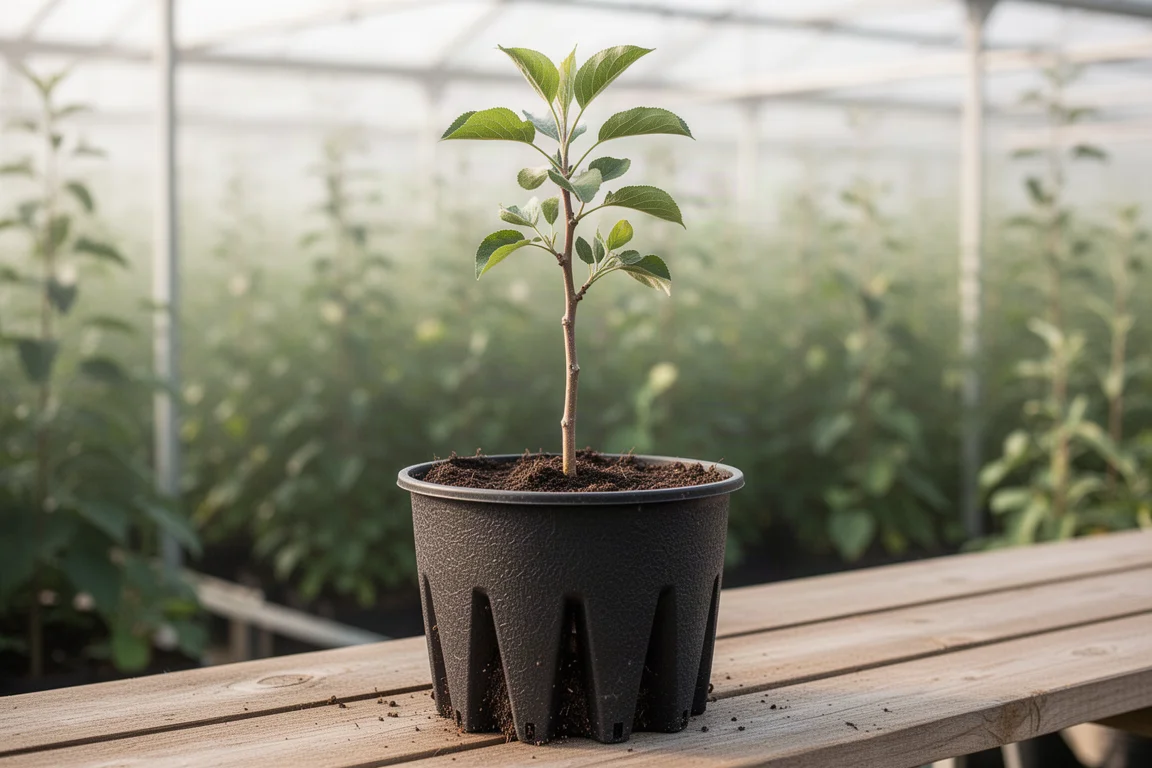
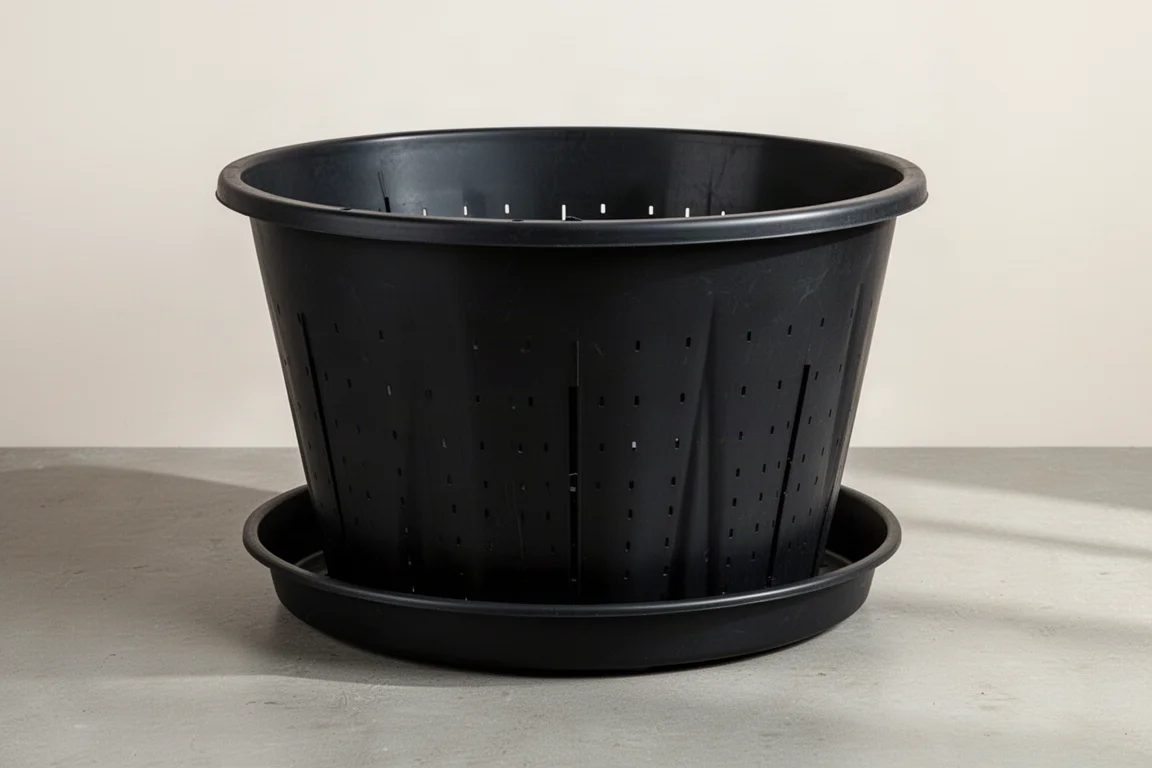
Air pruning pots stop the circling in its tracks. Roots are channeled toward the open cone points on the sidewall, and once the tips reach the openings they dry out and terminate. The plant responds by branching from the center, creating that dense root ball that holds together cleanly at transplant time. This also makes them ideal if you are not ready to plant right away: you can grow out and train a young tree all season without worrying about it becoming root bound or developing girdling issues years down the road.
Beyond home gardens, these pots are popular for high-end nursery stock and indoor grow operations, and they work well for giving peppers or tomatoes a head start on the season.
Air-Pot by Superoots: The Original
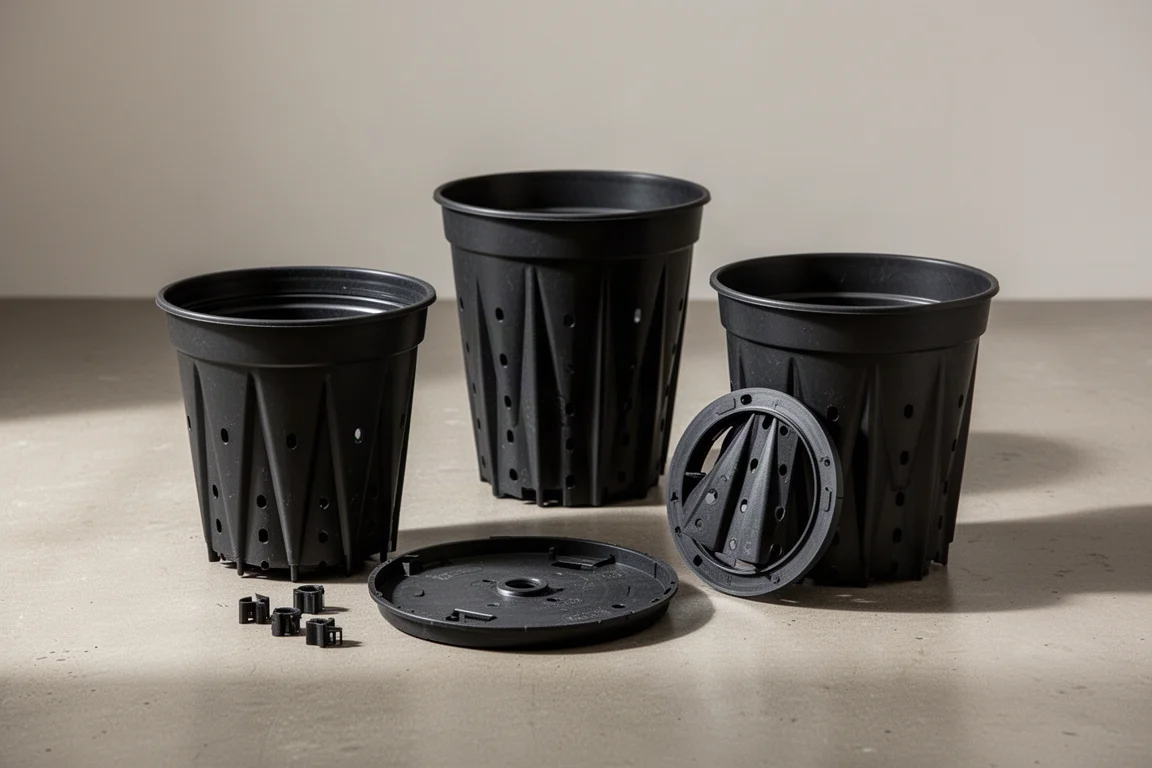
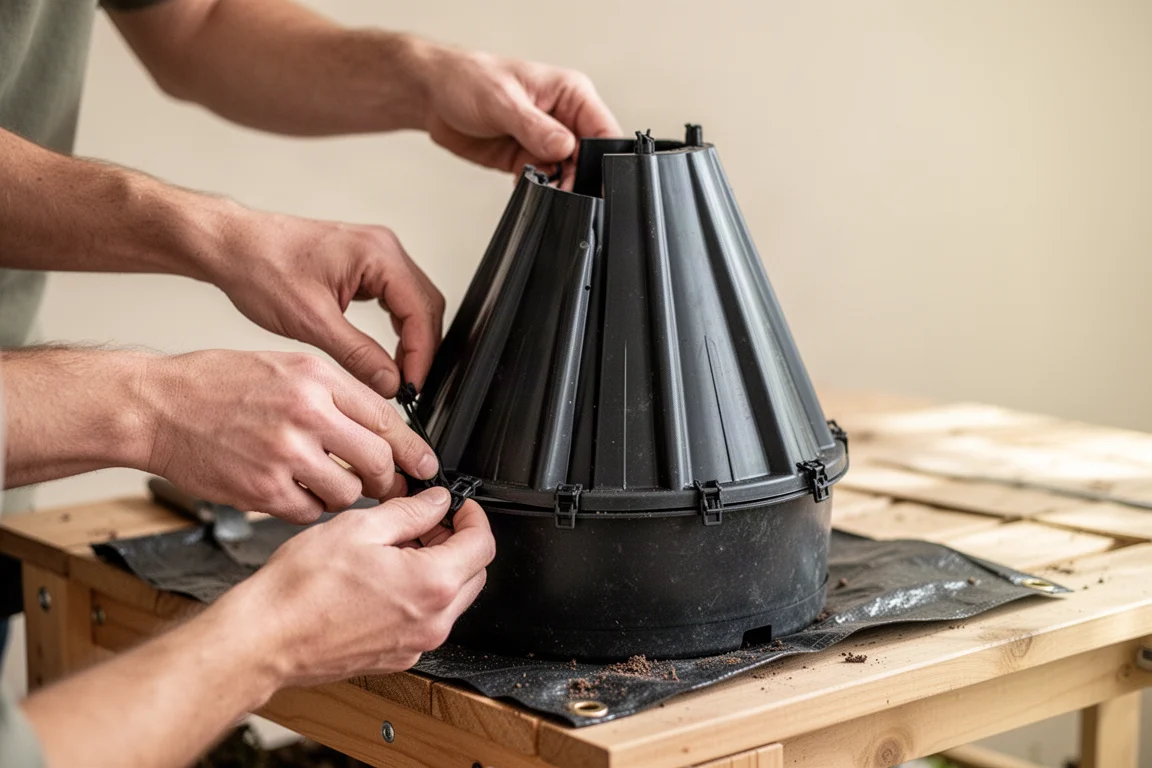
The Air-Pot is the trademarked original brand, and it shows in the construction. These pots are extra thick and notably durable, and they store flat: disassemble the sidewall, stack it on a shelf, and grab a base, the right sidewall, and some clips when you need one. Assembly is straightforward once you know the tricks. The top row of the sidewall has no holes to prevent runoff when watering, so place the sidewall flat with the holes pointing down. The base is labeled on the bottom side, so double-check it is not upside down. Wrap the sidewall tight so you overlap a full row of cones, then twist in the clips: small pots need one, larger sizes take two.
The main complaint is price. Air-Pots are not cheap, which matters if you are buying many at once. The counterargument is durability: you can reuse them season after season, which makes the investment easier to justify for perennials and long-lived plants.
Air Pot Pro by Growermax: A Solid Alternative
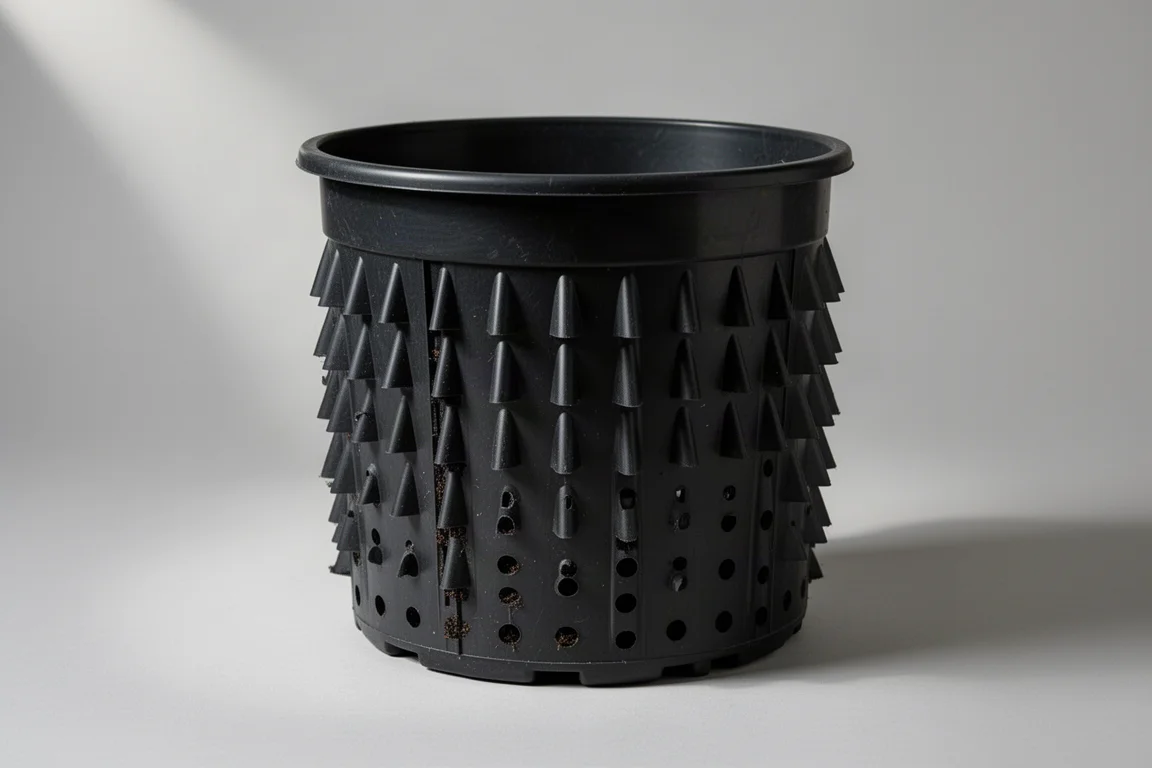
When a larger size was needed, the Air Pot Pro sold by Growermax turned up as a worthwhile alternative. These are not the original Air-Pot brand, but they are constructed pretty well. The clips and base design differ from the original, and the plastic is fairly thick, though the side holes run a little smaller than the original’s.
If you want Air-Pot-style performance with a slightly different build, this is the middle path between the premium original and the budget option below.
Ultra Oxy Air Pruning Pot: Big Volume on a Budget
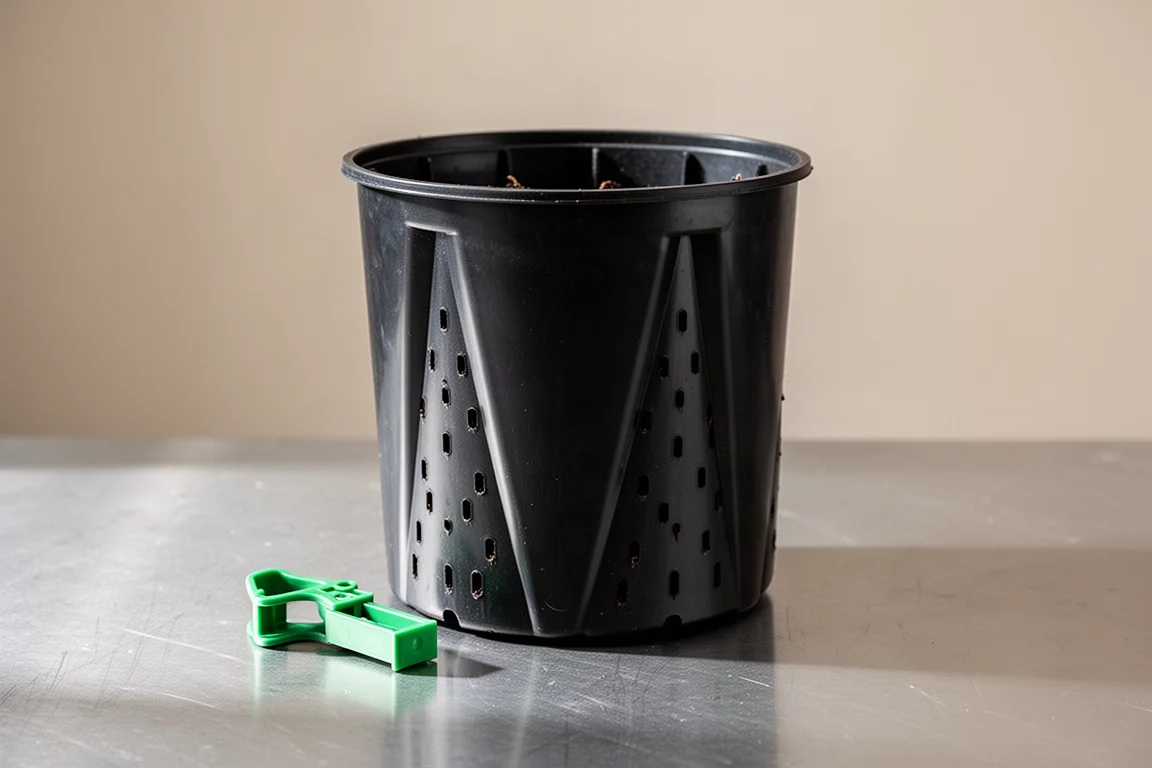
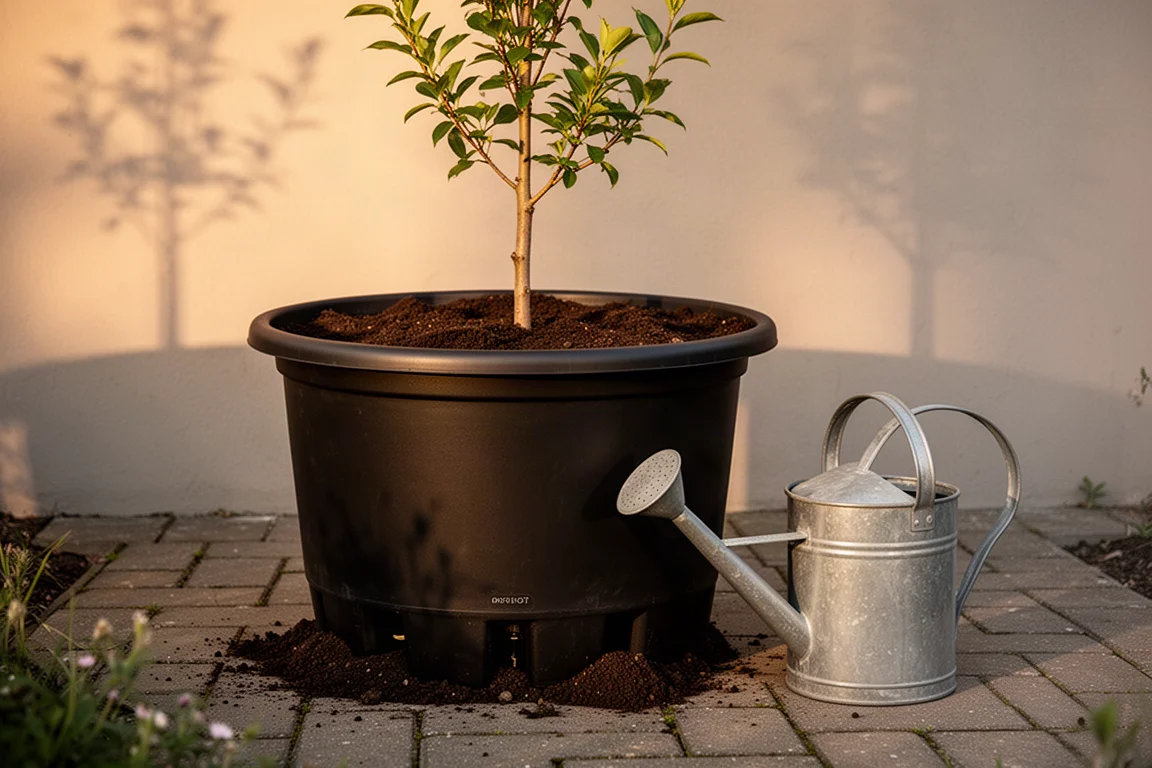
The Ultra Oxy Air Pruning Pot came into the picture when a 20 gallon option was needed and nothing that large was available from Superoots in the US. The price was reasonable, and the 20 gallon version sports a 25 inch base. Design-wise, though, this pot is a step down from the others. The plastic feels thinner, the smaller holes have sloppy plastic ridges on the inside, and the base seems sturdy at this size but includes a bottom center cup that is sure to encourage root circling. Snipping that cup off before planting is a smart move.
There is a bigger concern for tree growers: the 20 gallon sidewalls are only 12 inches tall, and because the base is inset and needs raising a full two inches to sit stably, planting depth is very limited. The workaround is clever. The 7 gallon version has 16 inch sidewalls, and two of those sidewalls can be combined into one extra-long sidewall fitted to the 25 inch base, creating a genuinely massive air pruning pot. If you are willing to do a little surgery, this budget pot can be upgraded into something special.
Tips for Assembly and Potting Mix
Whichever pot you choose, a peat-based mix works best. Some perlite and composted wood products are fine, but avoid mixes heavy in bark: bark-heavy blends retain water poorly in a container that already drains fast. Because air pruning pots dry out quicker than conventional pots, and dried-out mix sends water straight out the side holes, adding vermiculite helps. Coco or coir fiber is another good way to enhance water absorption and make the mix easier to rehydrate.
Expect a mess the first time you fill one, so lay down a tarp. Firmly press in a base layer of mix, then tightly pack the mix into the sidewalls until you can see it coming all the way to the edges. Leave some space at the top to catch irrigation water.
On a small scale, hand watering is easy. Large-scale operations may want drip irrigation. Thanks to their open design, these pots are not particularly prone to over-watering, though you should expect more nutrient runoff than with solid-walled containers.
Removal at transplant time is refreshingly simple: detach the clips, peel back the sidewall, and pop off the base. Given enough time for the roots to fill out, you get a dense root ball that holds together without any circling.
Buying Advice
Choose the Air-Pot by Superoots if you want the original, thickest, most durable construction and are happy to pay for it, especially for perennials you plan to grow out repeatedly. Pick the Air Pot Pro if you want well-built construction at a different clip and base design. Go with the Ultra Oxy if you need large volume at a reasonable price and do not mind fixing a few design quirks, including removing the center cup and doubling up sidewalls for adequate depth.
One final note: if your struggle is not root health but keeping a vegetable garden watered, sub-irrigated wicking beds may be a better fit than any air pruning pot. And if you do invest in a large air-pruned plant, plan ahead for how you will move it. A fully rooted 20 gallon container is heavier than it looks.
Conclusion
Air pruning pots are one of the few container upgrades that genuinely change root architecture rather than just holding soil. For long-lived plants where root health compounds year after year, they are worth the investment. Match the brand to your budget and size needs, use a peat-based mix with added water retention, and pack the sidewalls properly, and your transplants will thank you with an explosion of fresh roots.
Further reading
Related Reviews
Gardening
Best Baker Creek Seeds to Grow: 11 Varieties Worth Your Garden Space
From dwarf moringa and pink dandelion to the Sartre Louise tomato and a hydroponic loofah experiment, these Baker Creek seed picks cover flavor, medicine, pollinators, and pure fun.
Gardening
Best Giant Sunflower Seeds: Five Varieties Grown and Compared
We grew five giant sunflower varieties side by side in a small urban garden to see which ones deliver real height, big blooms, and reliable germination.
Gardening
Build-a-Soil Living Soil Mix Review: Strong Biology, Hot Numbers
A lab-tested look at this living soil mix: impressive microbes and heavy texture, but hot salt levels and low pH make it risky for seedlings and indoor grows.