Gardening
Best Baker Creek Seeds to Grow: 11 Varieties Worth Your Garden Space
From dwarf moringa and pink dandelion to the Sartre Louise tomato and a hydroponic loofah experiment, these Baker Creek seed picks cover flavor, medicine, pollinators, and pure fun.
Introduction
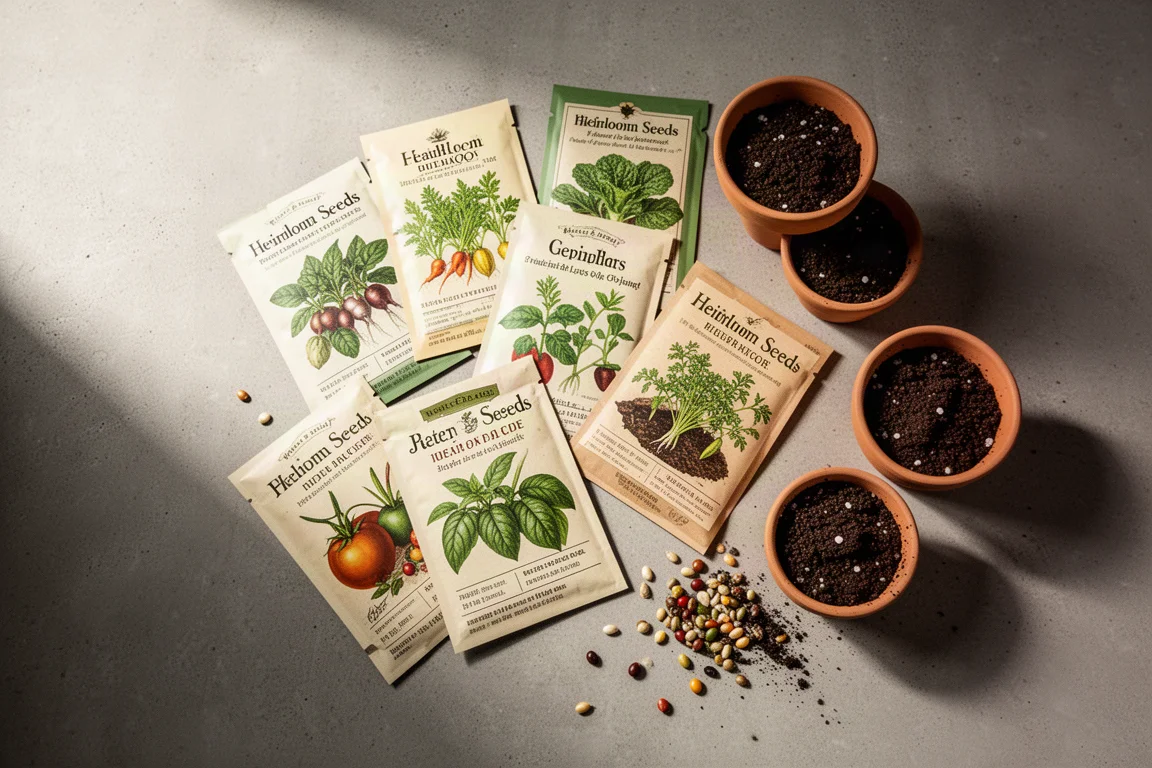
Seed ordering season is dangerous for anyone with a garden that refuses to grow along with the seed collection. This year’s shortlist from Baker Creek leans hard into new territory: unusual edibles, medicinal herbs, mild peppers, and one climber that may well outgrow the entire fence line.
These picks suit gardeners with limited space who still want to reserve room for something new. The advice here is simple: grow what you will eat, but set aside a little space for two to four experimental crops each year, because you never know what might earn a permanent spot on the must-grow list.
Dwarf Moringa: The Indoor Superfood Experiment
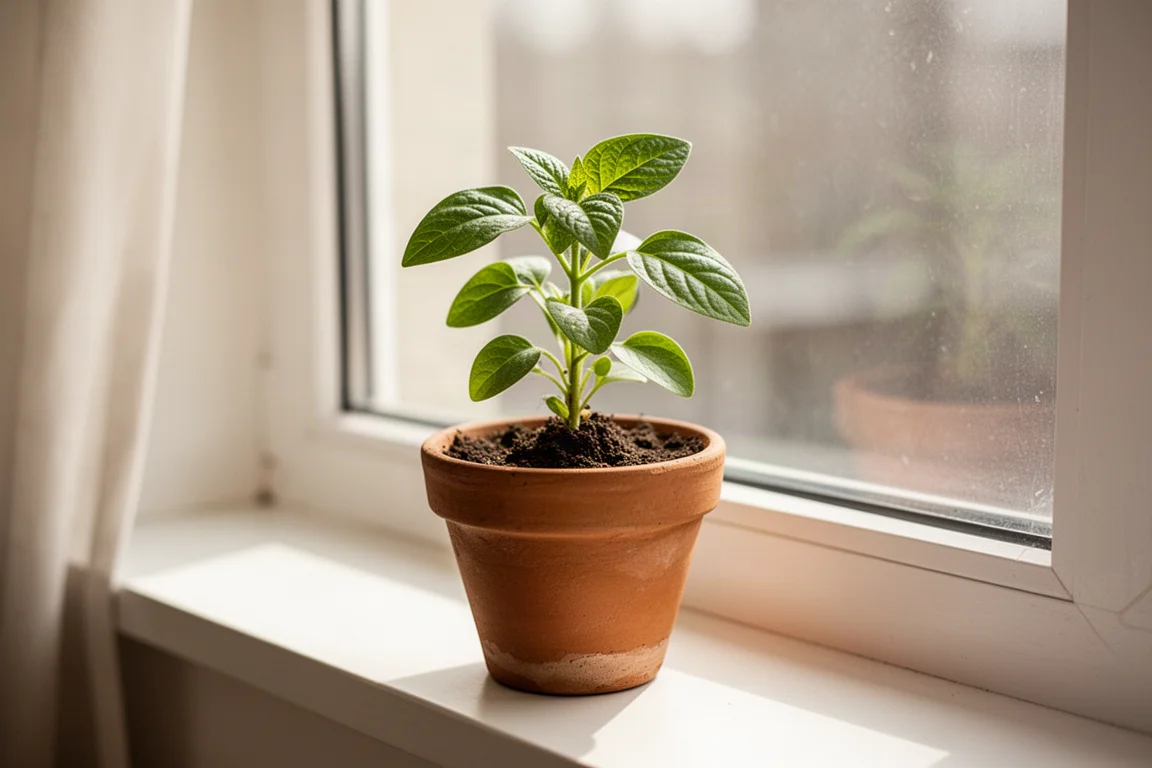
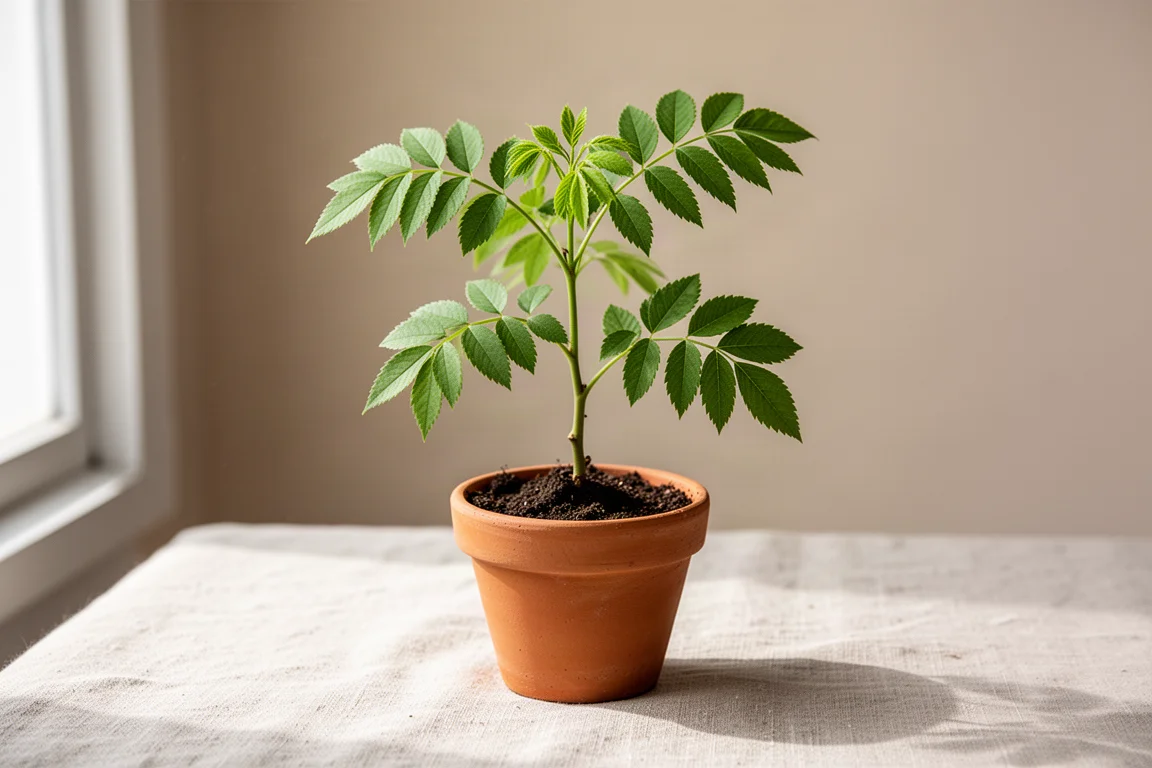
Moringa is technically a tree, and this dwarf variety from India is described as a perennial often grown as an annual. It is well suited to container growing, which makes an indoor pot the plan, since it will not survive winter outdoors in colder climates.
The leaves are prized for their high protein content and are often sold dried as a powder. Word among growers is that the plant is highly nutritious, and it earned a spot on the list after a friend recommended it.
Green Twister Echinacea: The Medicinal Bed Anchor
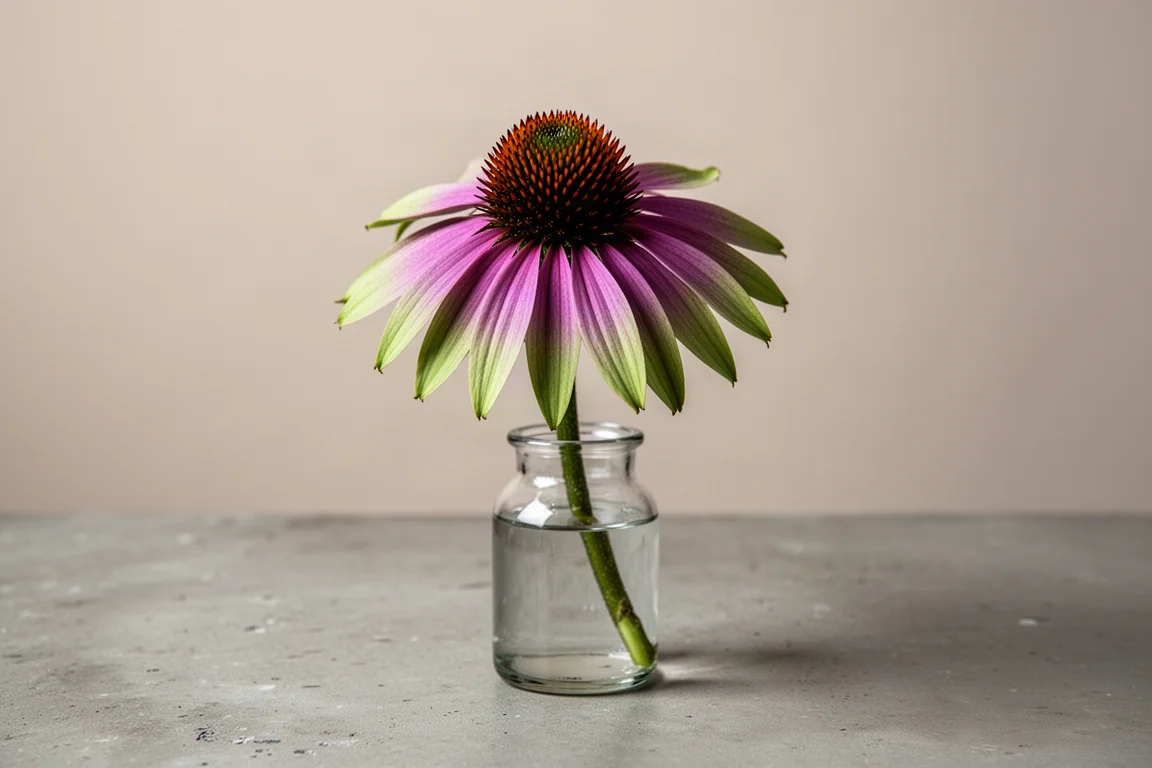
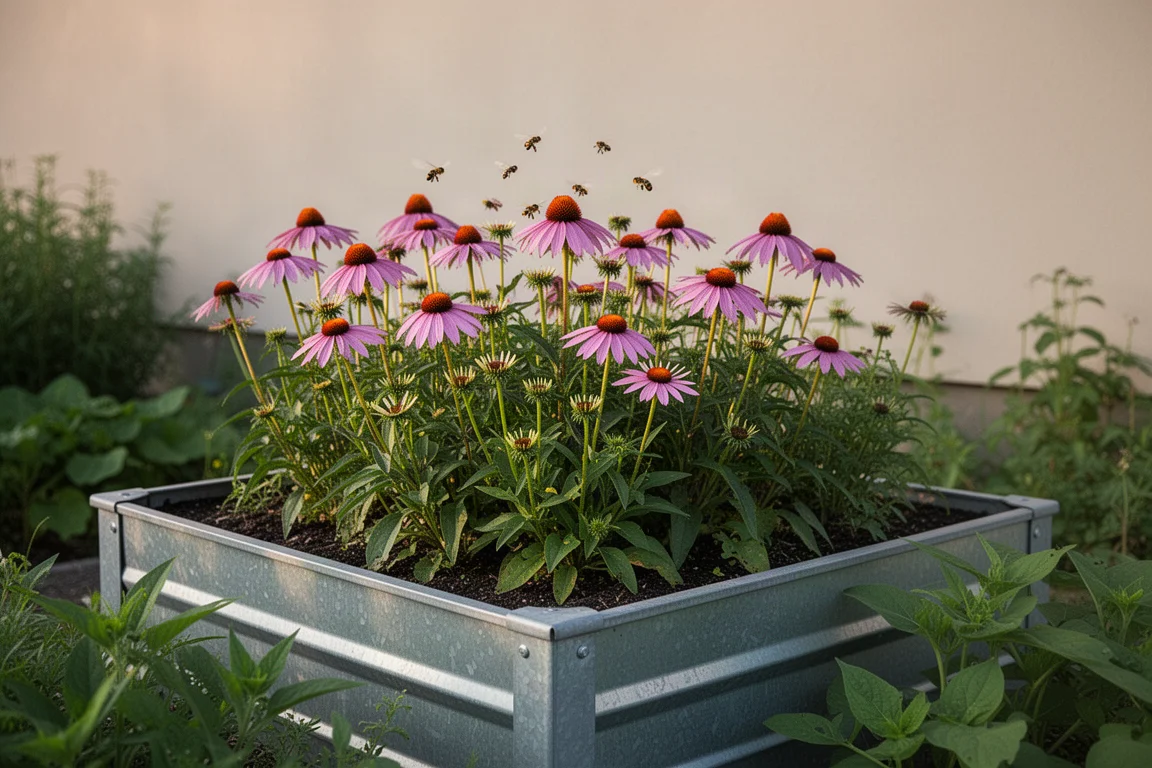
Echinacea is the herb even non-gardeners know, and the Green Twister variety earns its place on looks alone. It is also said to be excellent at attracting pollinators, which helps the whole garden.
It is destined for the new medicinal herb bed, where anything with a traditional medicinal use gets planted. Expect this one to go in early.
Sartre Louise Tomato: The First Pick of the Season
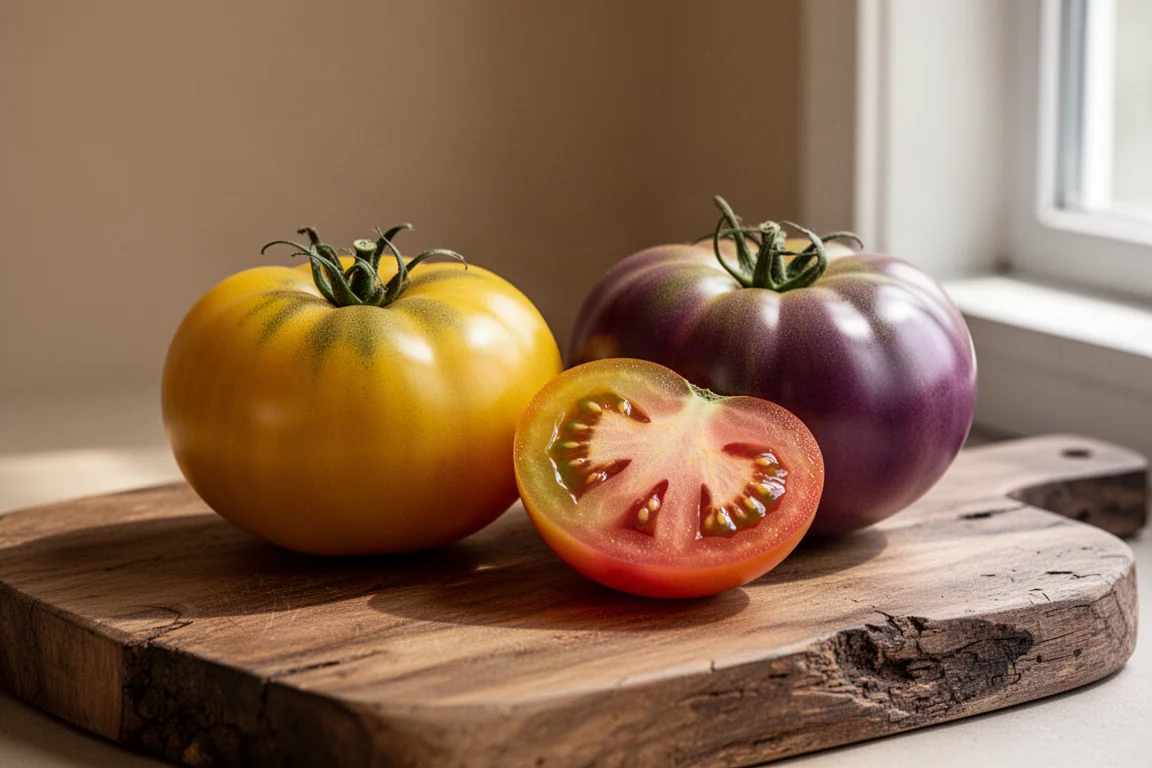
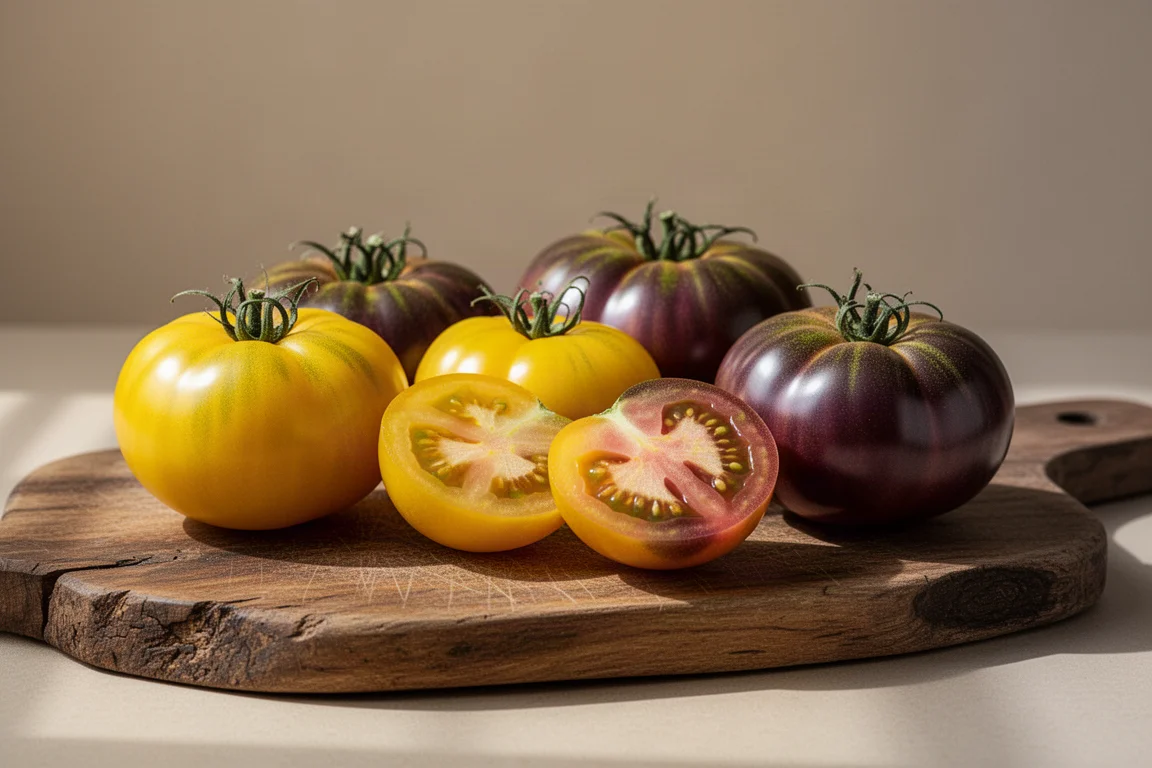
This yellow-and-purple bicolor tomato is genuinely pretty, but it made the list on flavor. It is described as sweet, fruity, and complex, with just the right amount of acidity, and it reportedly won taste tests in 2020.
With roughly a dozen tomato varieties planned for one raised bed, hard cuts were inevitable. This one was hands down the first name written down.
Sweet Bonnet Pepper: Scotch Bonnet Flavor Without the Fire
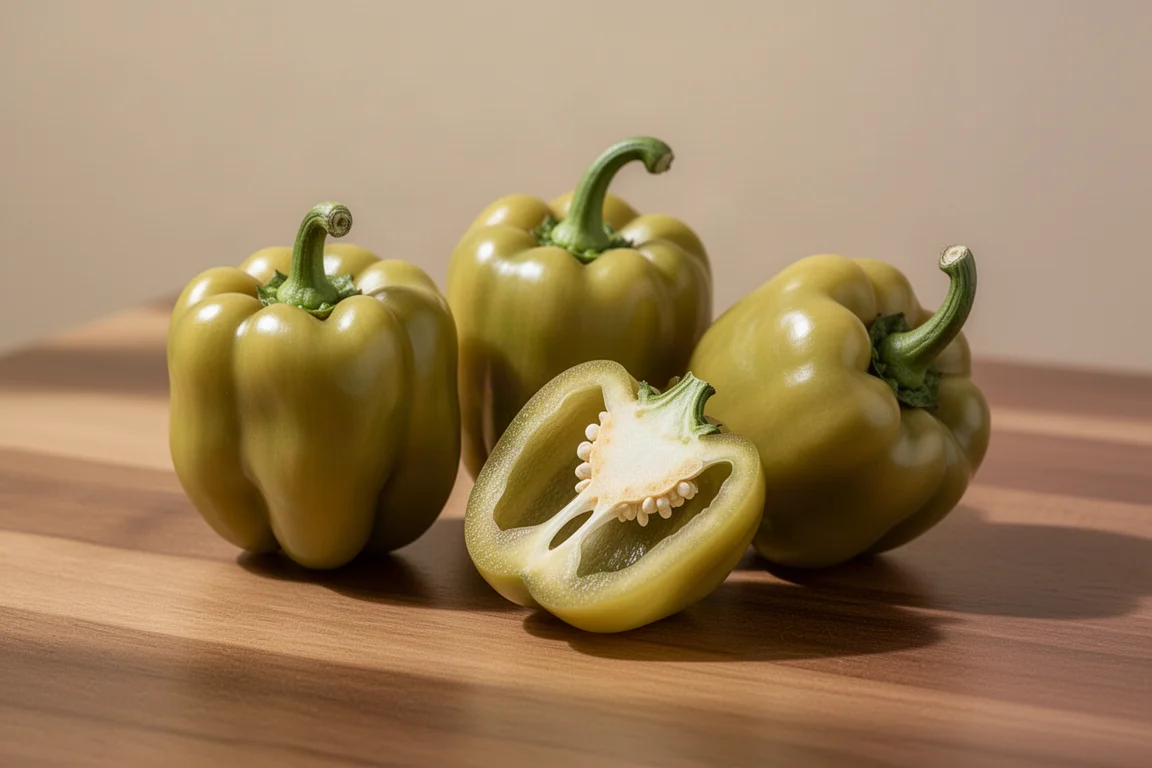
A sweet bonnet promises the flavor of a scotch bonnet without the heat, reportedly much milder than a jalapeno. There is a caveat: home-saved seed can revert toward the spicier form, so growing these carries a bit of friendly roulette.
Anyone who loves pepper flavor but cannot handle serious heat will understand the appeal.
Aji Chucha Pepper: Mild Heat Done Right
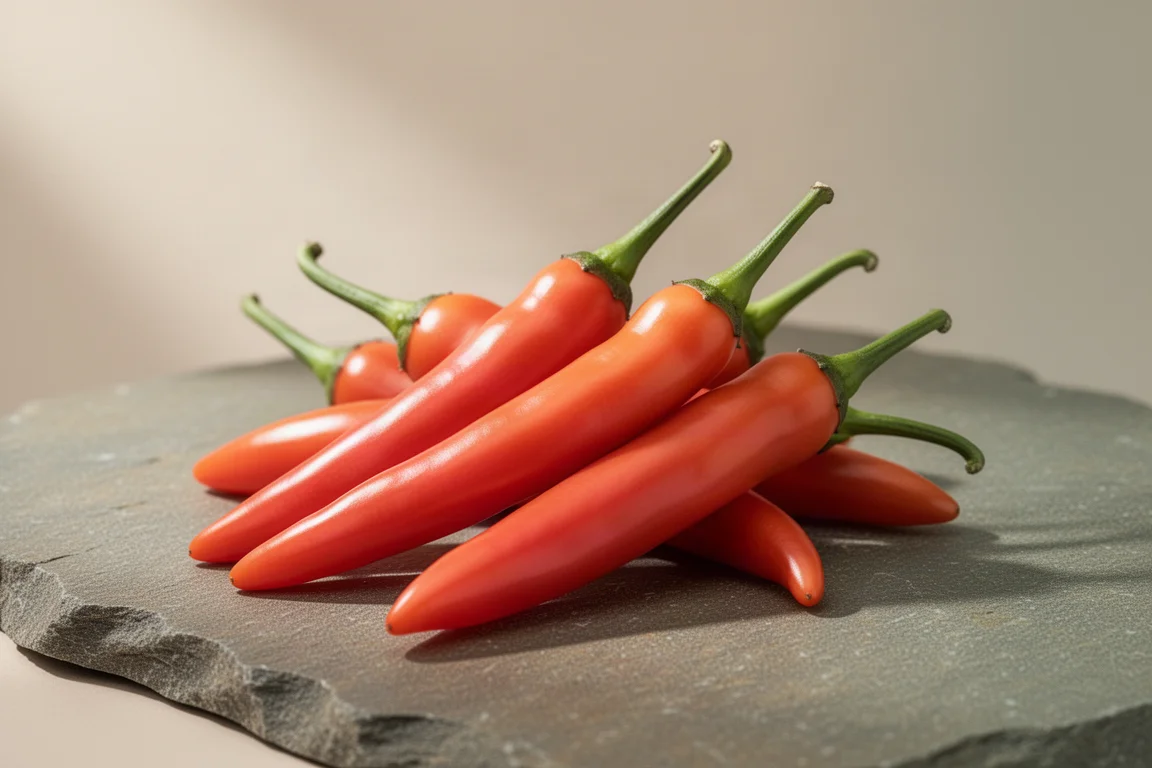
This pepper is another low-heat option with what is described as an addictive flavor. It fits a deliberate strategy: after accumulating too many fiery varieties like Trinidad scorpion and tabasco, the plan is to back off the heat. The hottest pepper planned for the whole season is a serrano.
Pink Dandelion: Pretty, Edible, and Bee-Friendly
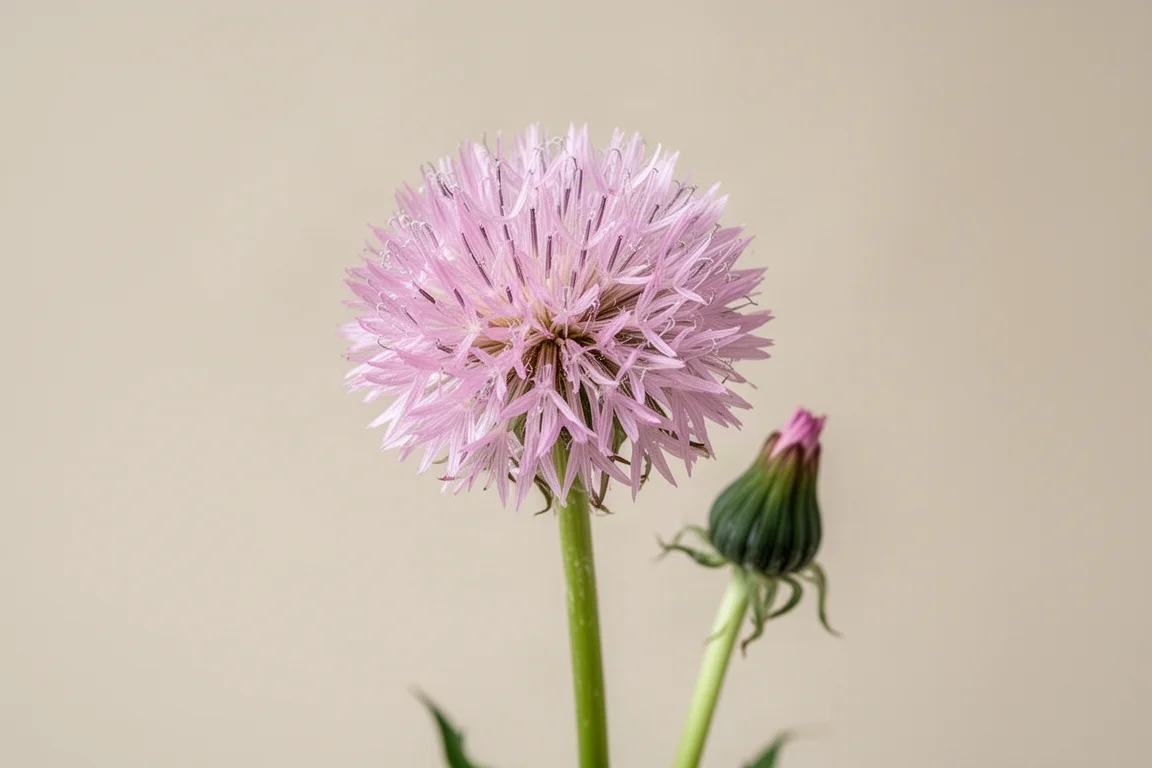
Pink dandelions are exactly what they sound like, and they are gorgeous. They are said to be less prolific than the common yellow kind, but with flowers this pretty that hardly matters.
Nearly the entire plant is edible, the flowers support bees, and there are reports of dandelion jelly that tastes something like honey. One goes in the medicinal herb bed, and one starts indoors hydroponically.
Prairie Fire Tomato: The Sweet Finisher
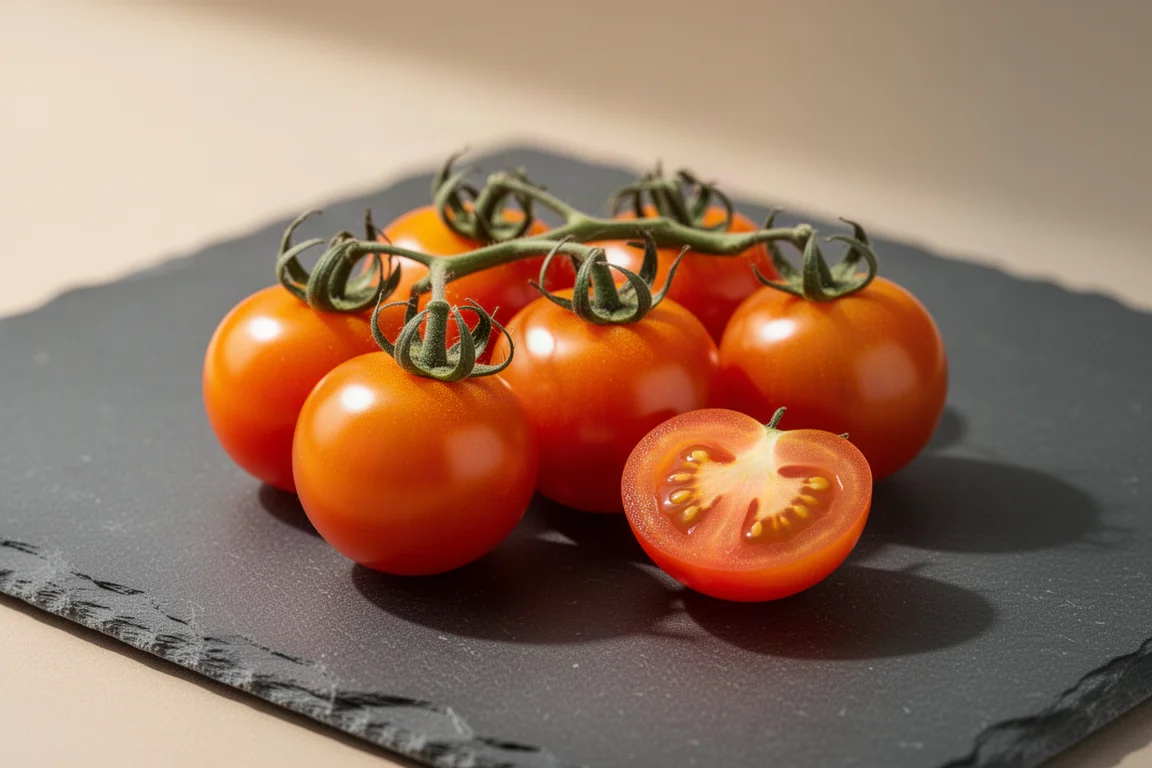
The last tomato to make the top list, Prairie Fire is described as extremely sweet and arrived with strong reviews. That is enough to earn a spot when the competition is this stiff.
Okinawa Bitter Melon: A Blue Zones Curiosity
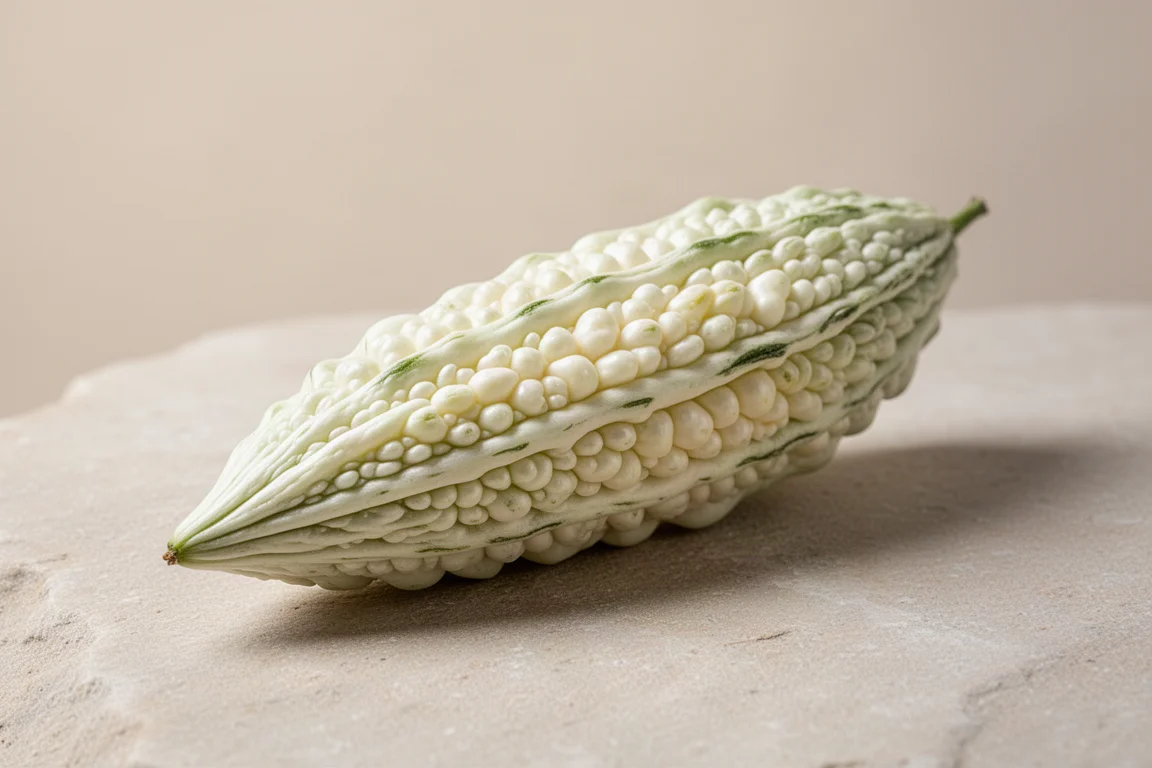
Okinawa bitter melon is a leap of faith. Okinawa is one of the world’s blue zones, where people live notably long lives, and this melon is part of the local diet. Beyond the health angle, the fruit itself is striking, with images showing an almost iridescent pearl-white look.
It is the kind of crop you grow partly to find out what you have been missing.
Strawberry Popcorn Corn: One Last Hurrah
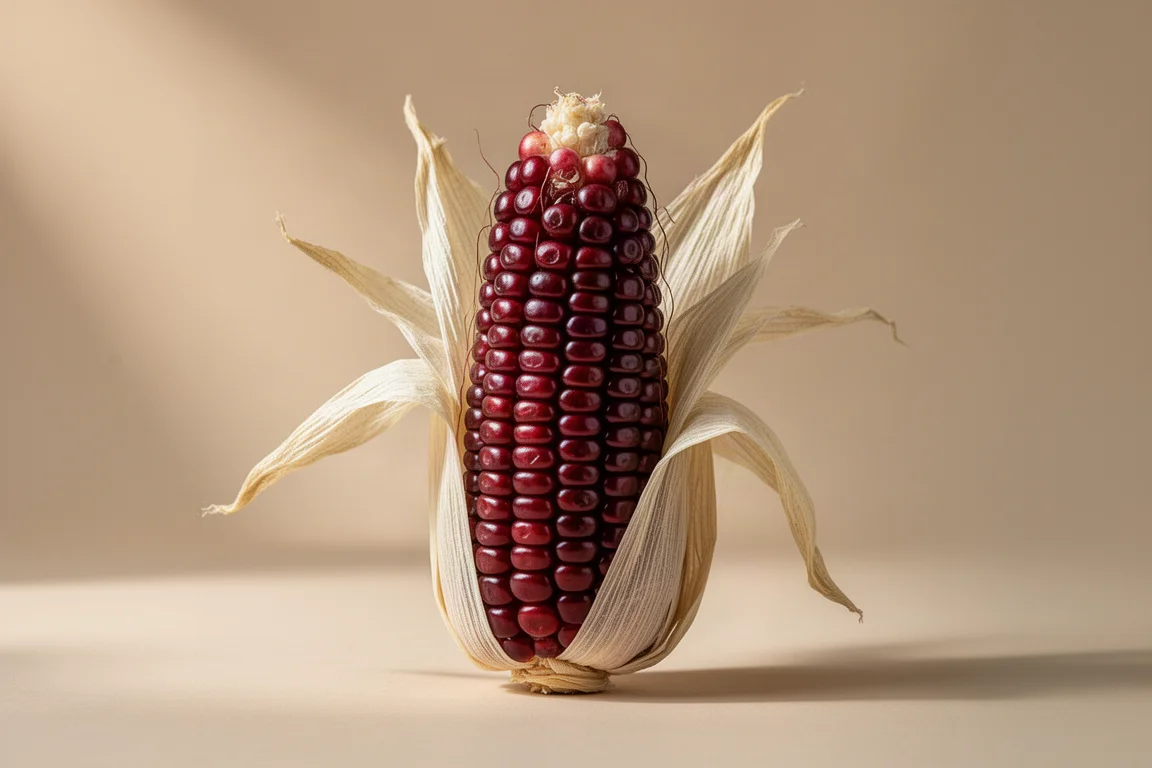
After swearing off corn, this strawberry popcorn variety gets one final season. It will occupy the space where a greenhouse may eventually go, keeping it out of the way of the main beds. Small-space gardeners will recognize the logic: give the space-hungry crop a corner that costs nothing else.
Birdhouse Gourd and Loofah: The Fun Finale
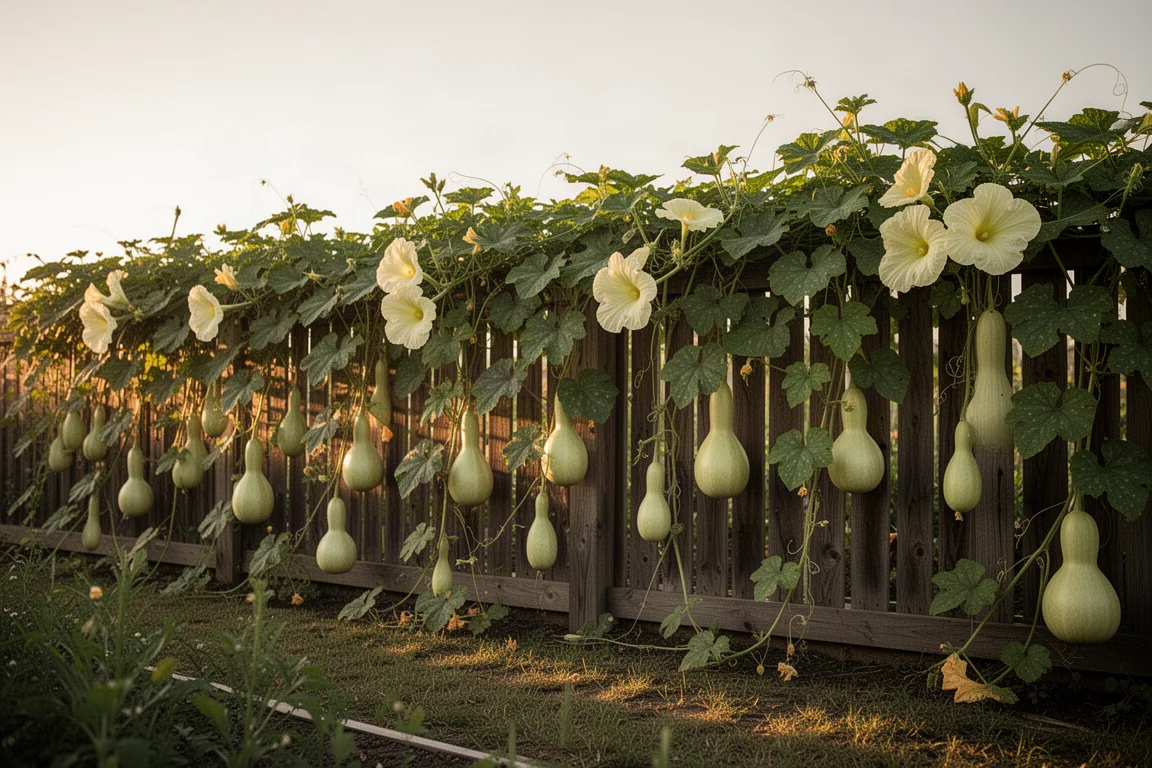
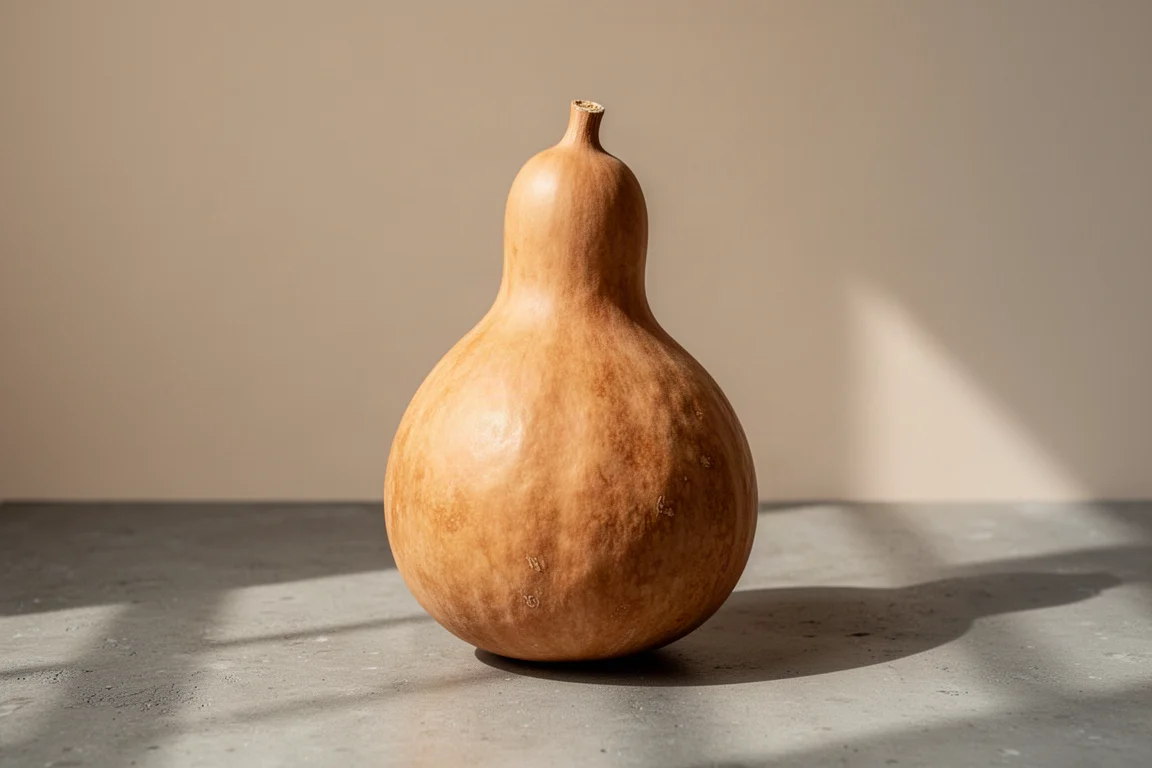
The birdhouse gourd was not even a solo decision. After seeing videos of gourds grown and turned into water bottles, it became a family planting project. The gourds can be crafted into birdhouses or water bottles, and the vines reportedly run around 30 feet, so plan on training them against a back fence and hoping for the best.
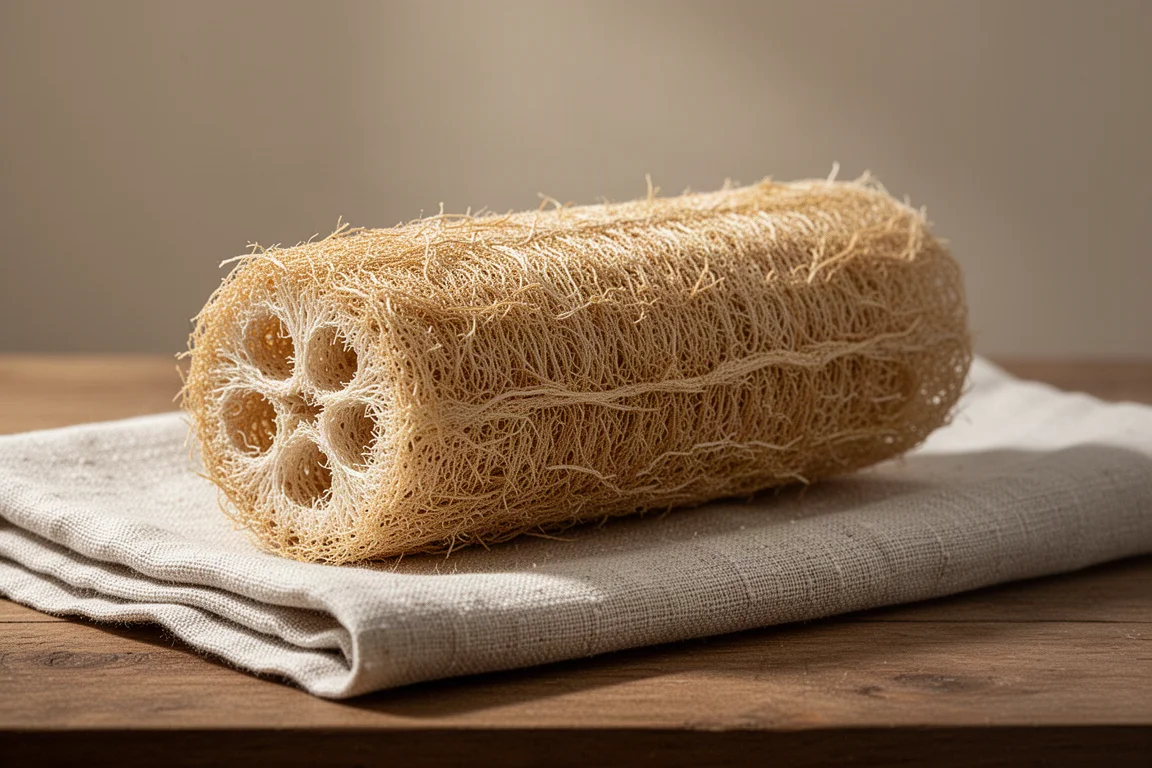
The loofah is the true gamble. It also grows about 30 feet long and needs a very long season, which is why the plan is to grow it indoors hydroponically and dodge the frost entirely. It could be a spectacular success or a complete fiasco, but it will certainly be interesting.
Overall Buying Advice
A few patterns are worth borrowing from this list. Mild peppers let flavor-loving but heat-shy gardeners enjoy the crop. Container-friendly and indoor varieties like dwarf moringa and loofah expand growing space beyond the garden itself. And dedicating one bed to medicinal and pollinator-friendly plants pays dividends across the whole garden.
The core rule stands: prioritize what you will actually eat, then reserve a small slice of space for experiments. Trying two to four new crops a year is how the must-grow list keeps improving.
Conclusion
This lineup covers nutrition, medicine, flavor, beauty, and family fun without demanding more space than a suburban raised-bed garden can offer. Whether it is a pearl-white bitter melon, a pink dandelion, or a thirty-foot gourd vine, there is something here to make any gardener look forward to planting season.
Further reading
Related Reviews
Gardening
Best Air Pruning Pots: Three Brands Compared for Healthier Roots
Air-Pot by Superoots, Air Pot Pro, and Ultra Oxy air pruning pots compared, with assembly, potting mix, and watering tips for stronger root systems.
Gardening
Best Giant Sunflower Seeds: Five Varieties Grown and Compared
We grew five giant sunflower varieties side by side in a small urban garden to see which ones deliver real height, big blooms, and reliable germination.
Gardening
Build-a-Soil Living Soil Mix Review: Strong Biology, Hot Numbers
A lab-tested look at this living soil mix: impressive microbes and heavy texture, but hot salt levels and low pH make it risky for seedlings and indoor grows.