Cycling Gear
Pro Cycling Tech You Do Not Need: Four Expensive Upgrades Worth Questioning
Four pieces of pro-level cycling equipment, what they genuinely deliver, and why most riders can spend their money more effectively.
Introduction
Professional road racing runs on equipment that is optimised down to the last gram and the last watt. That is the entire point of it. The difficulty is that most of this optimisation only pays off inside a peloton, where seconds decide contracts and the cost is carried by sponsors rather than by the rider. For everyone else, the same parts are simply expensive.
None of that makes them bad products. Several of the items below are genuinely well engineered, and all of them can be bought if you want them. What follows is a straightforward look at four pieces of pro-grade equipment, what each one actually delivers, and who it realistically makes sense for.
Where Pro Tech Stops Making Sense
Professional equipment chases two goals at once: less weight and less drag. Around a decade ago, mechanics were adding ballast to race bikes so they could reach the UCI minimum weight limit of 6.8 kilos. Disc brakes and the widespread move to aero tubing pushed weights back up, and today a pro race bike rarely comes in under 7 kilos, with larger sizes sitting closer to 8 kilos. That gap is what drives the search for grams in places nobody used to look, and it is what produces the components in this guide.
The gains at that end of the scale are small, and they are only reachable once the basics are already in order: a clean drivetrain, tires inflated to suit your weight and the road surface, and a riding position that does not waste power. Sort out the basics first, and the expensive details become a genuine choice rather than a requirement.

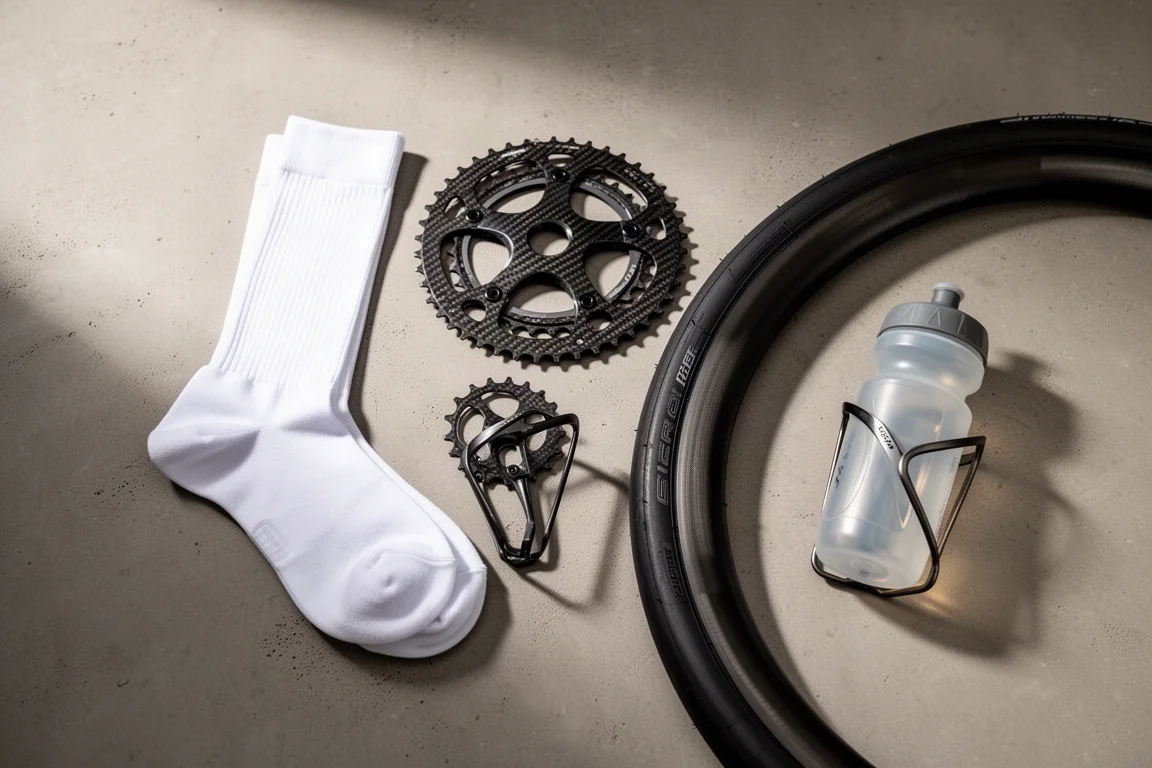
P35 No Pin Socks: A 1,000 Pound Statement Piece
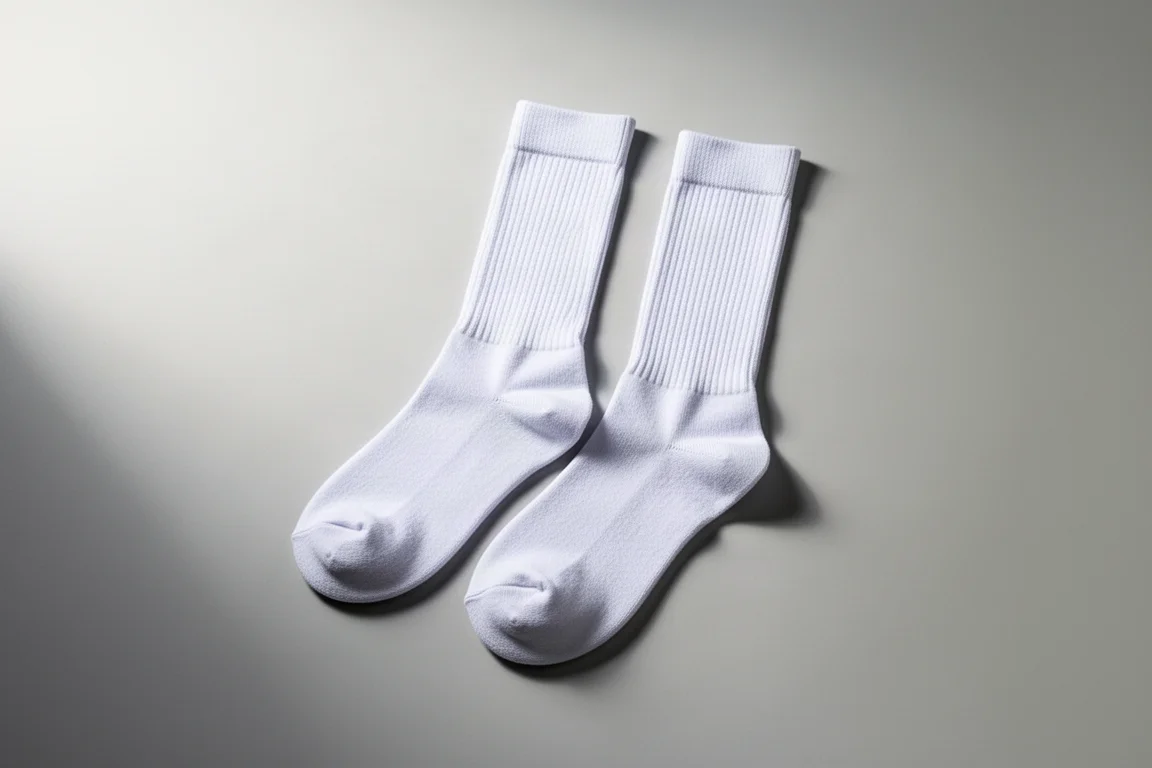
P35 stands for Project 35, a tribute built around the pursuit of a 35th stage victory. The socks that came out of that project cost around 1,000 pounds a pair. They form part of a race setup that was estimated at roughly 180,000 pounds, although the bulk of that figure came from a wristwatch rather than the bike.
There is a telling detail here. The rider they were made for broke the record wearing his regular, non-aero socks instead. Even at the very top of the sport, fitness and skill decide races, and the equipment rarely does. If the product cannot even serve as a credible excuse for losing a sprint, it is probably not something the rest of us need.
For a rider at that level, every element is optimised, and a sock that trims drag is one more small piece of a very large puzzle. For a rider chasing the sign sprint before the cafe stop, the same sock is an extremely expensive pair of socks that will not change the result or the feel of the ride.
Colnago V4RS: Fancy Carbon Bits in Race Trim
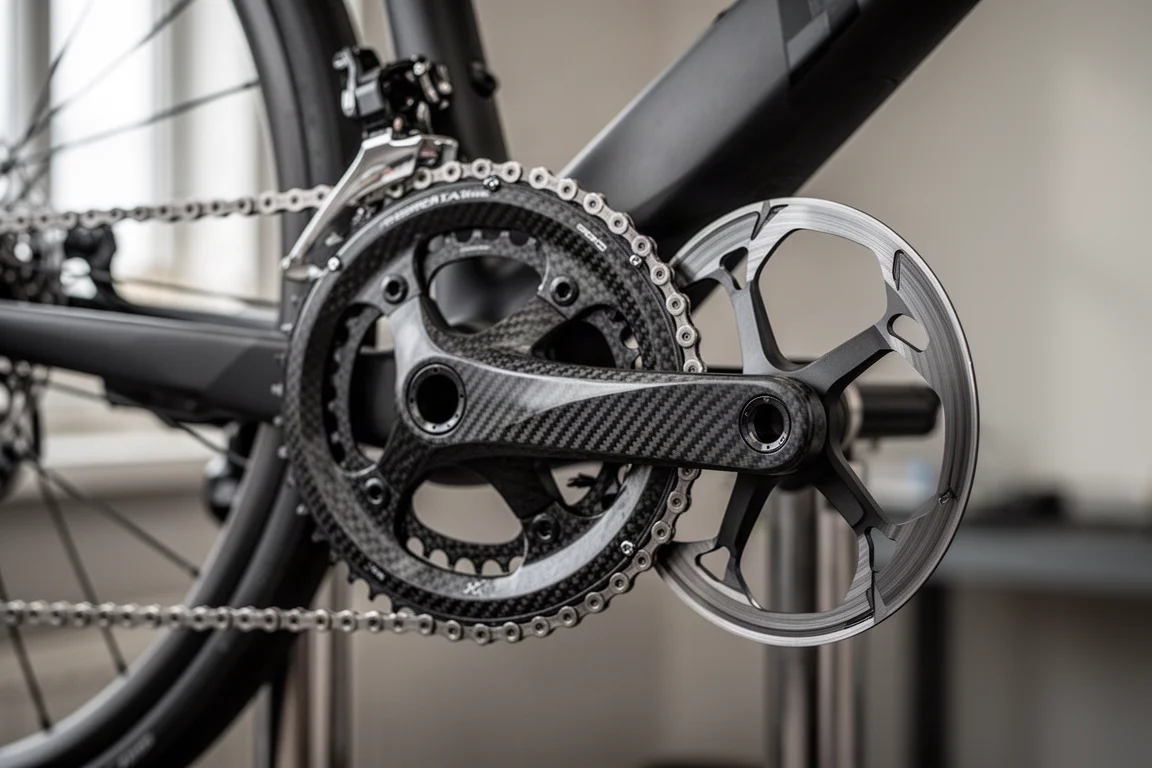
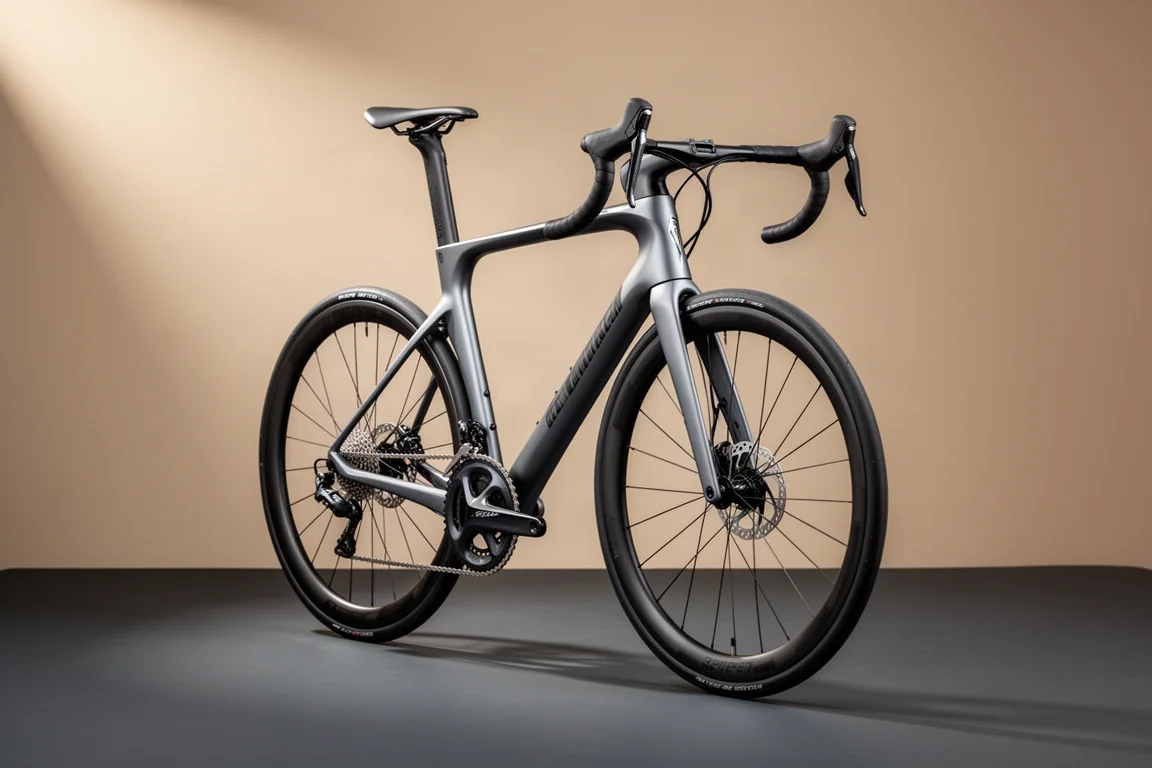
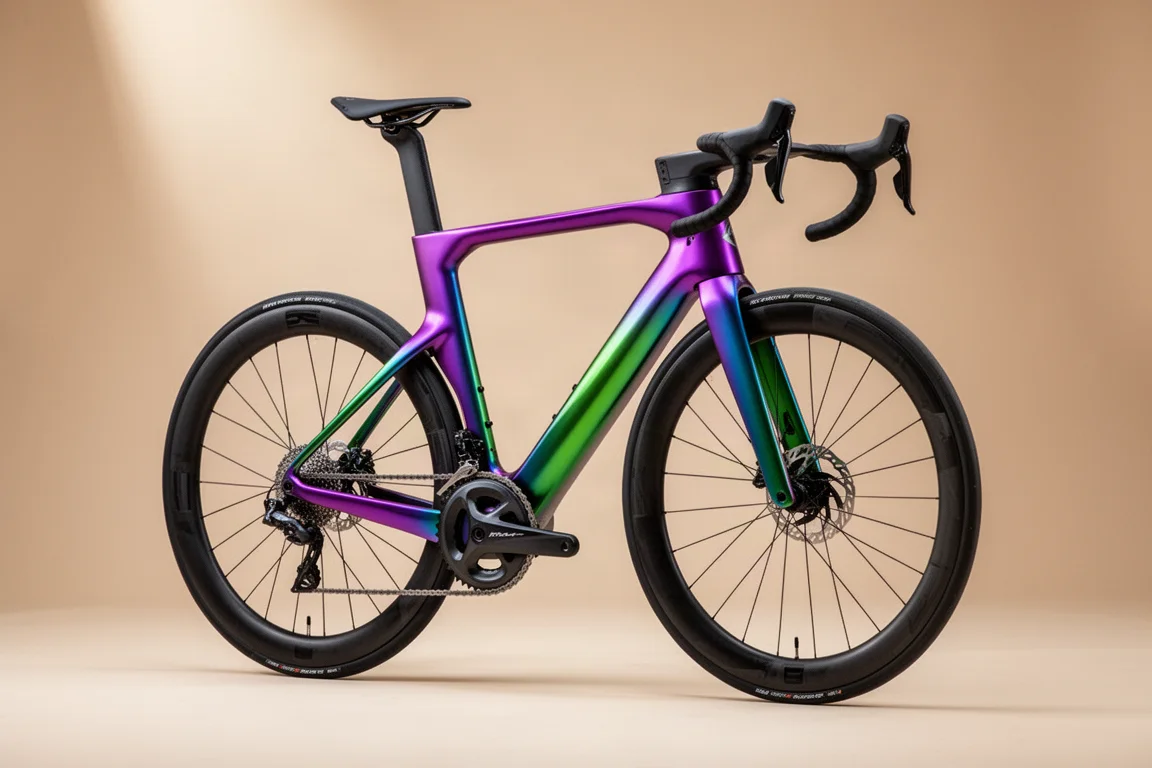
The Colnago V4RS is a competitively light race bike, and it is a clear illustration of what fancy carbon components mean in practice. Even on a frame at this level, teams still add boutique disc rotors and chainrings from Carbon-Ti to bring the total weight down as far as possible. The rotors cost around 185 euros each and weigh roughly 160 grams for the pair. A 54-tooth chainring weighs just 114 grams and costs around 250 euros.
Those figures make complete sense for a rider trying to win the biggest races on the calendar, where the bike has to be as light as the rules allow. They make far less sense for anyone whose hardest effort of the week is a fast loop with friends, where the same money buys a great deal more speed elsewhere.
If you are building a race bike and weight is the priority, the V4RS is a serious platform and the bolt-on carbon parts are a legitimate part of that build. If you are buying your first proper road bike, the frame will already be far more capable than the components bolted to it, and the boutique parts can wait.
Continental 111: A Front-Wheel Aero Tire
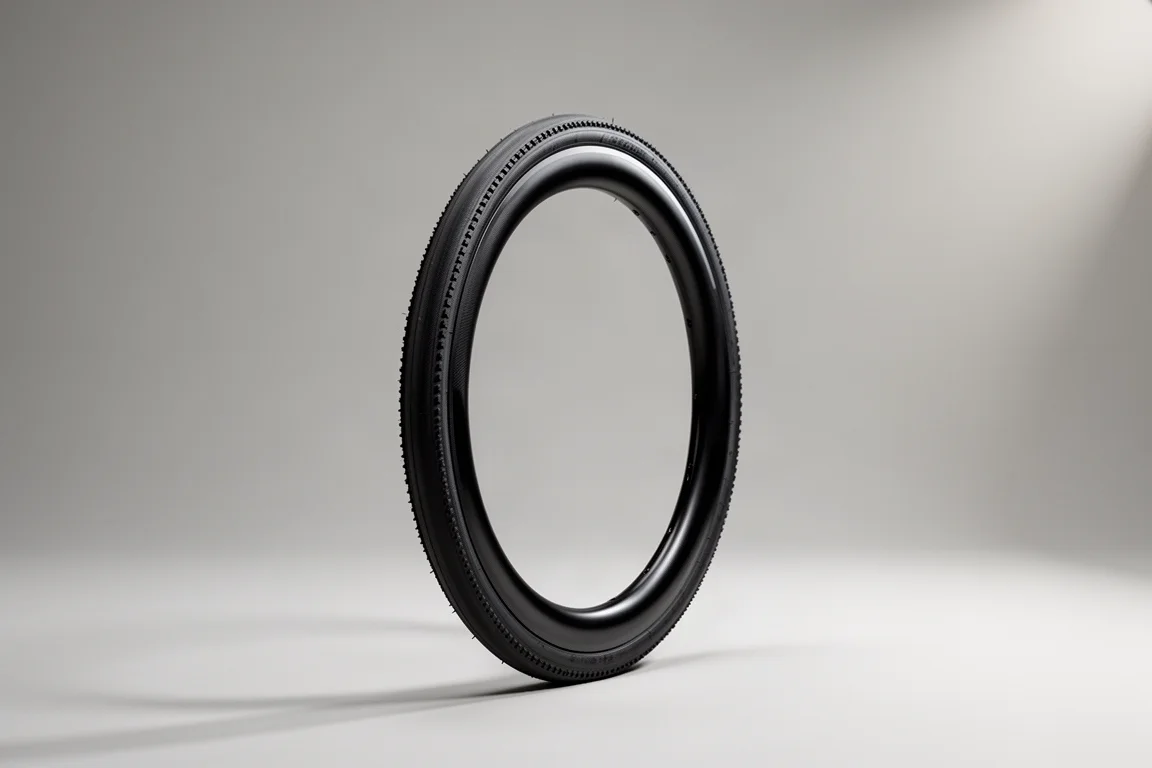
The Continental 111 is a front-wheel-specific aero tire priced just under 120 euros. Continental claims reduced aerodynamic drag and improved crosswind stability, helped in part by the 48 vortex generators spread across the tire. It was developed together with aero specialists Swiss Side and wheel maker DT Swiss.
That development story is worth paying attention to, because a tire designed in that company is likely to be optimised around particular wheelsets. Going all in could mean buying a new set of wheels to pair with your new tire, which turns a 120 euro purchase into a considerably larger project. Aero gains also become progressively smaller once clothing, body position and frame have been addressed, so this is a tire for riders who have already handled everything else.
Trek Madone: Aero Bottles That Blend Into the Frame
The top spec Trek Madone now comes with aero bottles that blend neatly into the frame, and the design logic is sound. There is little point in refining a frame’s aerodynamics if a pair of standard bottles and cages gives some of that back. Trek has also kept the aero cage compatible with a regular water bottle, so mixing and matching is straightforward when the situation calls for it.
The trade-off is cost. Aero bottles and their cages are likely to be more expensive than a standard setup, and the gains are marginal at best for most riders. The bottles themselves look good and integrate cleanly, which is a real consideration if you care about how a bike presents.
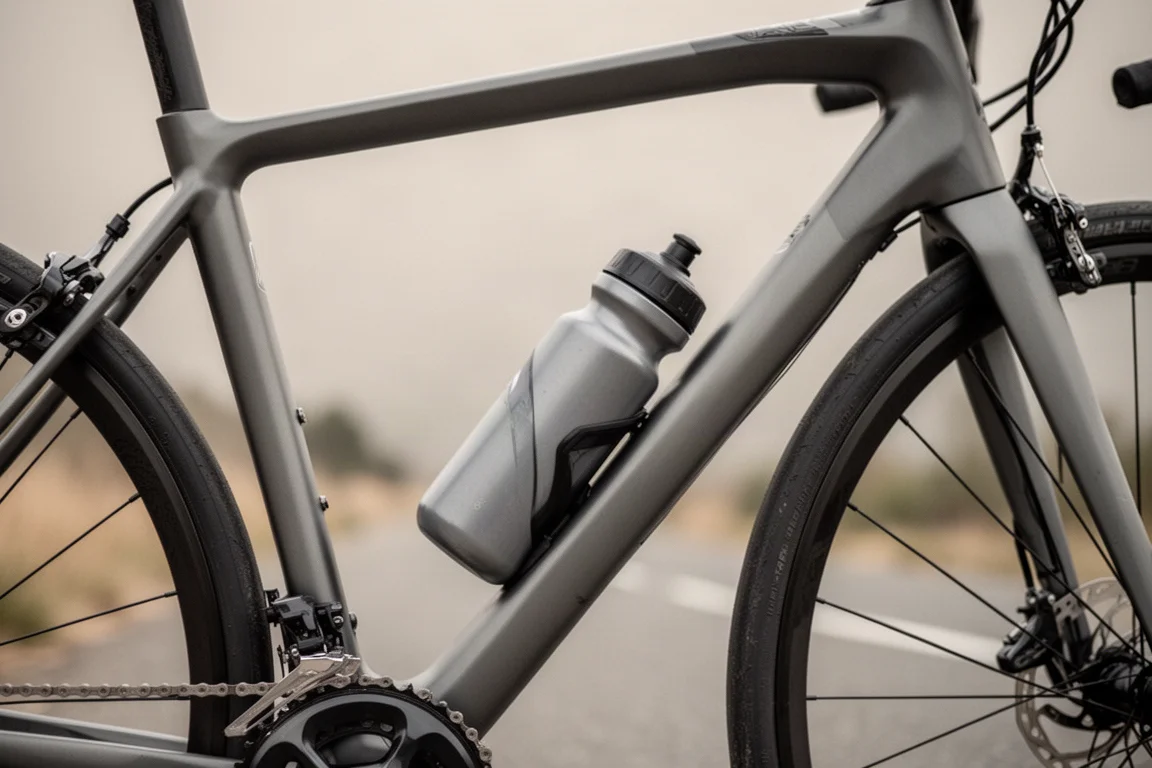
For a rider chasing a classification, the aero bottle setup is a reasonable purchase and one more detail covered. For everyone else, a normal bottle and cage does the job with money left over for tires and a service.
Overall Buying Advice
All four items are real products with real engineering behind them. The question worth asking is whether the gain is actually available to you. A 1,000 pound pair of socks, boutique carbon rotors and chainrings, a 120 euro front tire, and aero bottles all sit at the far end of the marginal gains curve, past the point where most riders stop seeing a return on the spend.
If you race and you have already optimised everything else, any of these can be a sensible purchase. If you ride for fitness, for commuting, or for the cafe sprint, your money goes further on good tires, a clean and well maintained drivetrain, and a bike fit that puts you in a position you can hold.
It is also worth separating the product from the price tag. The Colnago V4RS and the Trek Madone are excellent bikes regardless of the components hung on them, and the aero tire and the project socks are well made items that do exactly what they were designed to do. The only real question is whether that design goal matches your riding.
Conclusion
Pro equipment exists to win races, and it is very good at that job. Buy any of it if it appeals to you and the budget allows, but buy it knowing what it is for. The riders who win the biggest races still win them with fitness and skill, and the equipment is only the last few percent on top. Spend on the basics first, and treat everything in this guide as the optional extra it really is.
Further reading
Related Reviews
Cycling Gear
8 Cycling Products Riders Keep Coming Back To
Eight cycling components and accessories with clear strengths, honest trade-offs and long-standing reputations among riders and mechanics.
Cycling Gear
Aero Helmets and Bottle Setups Tested: Six Options Ranked by Measured Watt Savings
Wind tunnel data on six aero helmets and bottle setups, with real watt savings, practical trade-offs, and guidance on what is worth buying first.
Cycling Gear
Aero Road Bikes and Fast Tires Worth Watching in 2026
Four aero road bikes and one fast road tire, with the real strengths, the open questions, and what to check before you buy.