Outdoor Gear
PrimaLoft CrossCore Review: Aerogel-Infused Insulation vs Down
Aerogel is the lightest solid on record. PrimaLoft CrossCore fuses it with synthetic insulation, but does it actually beat down for warmth?
Introduction
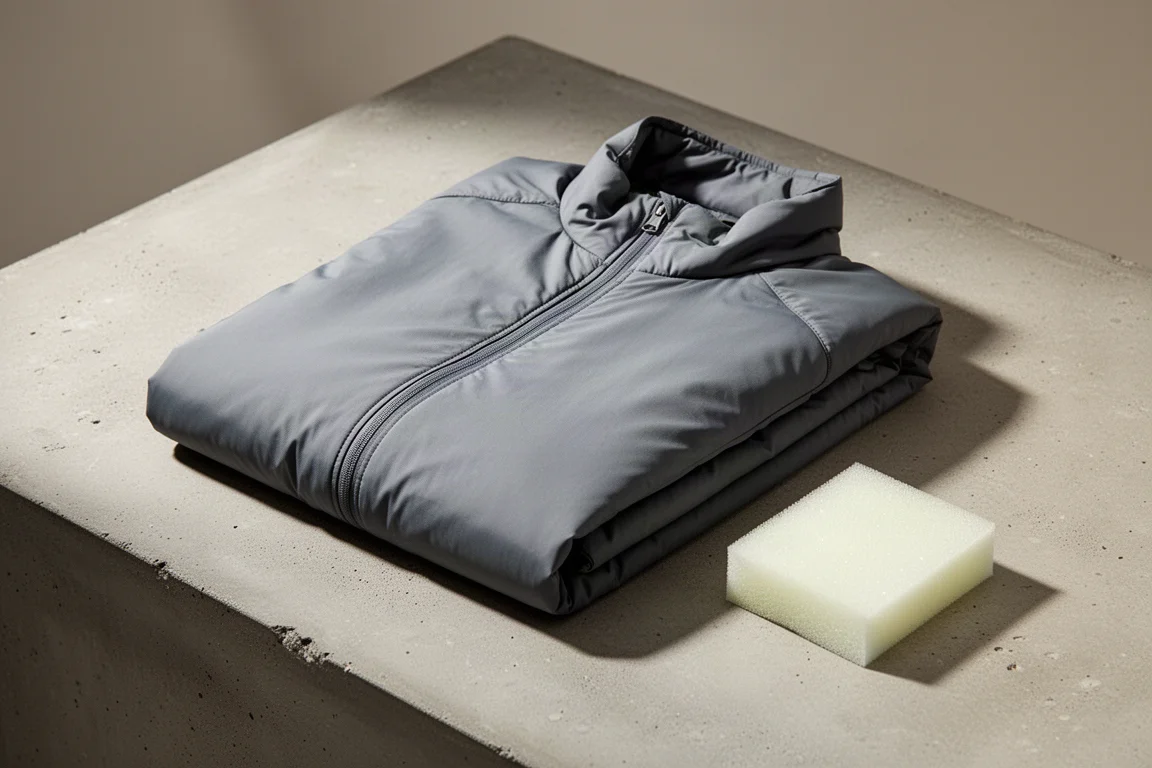
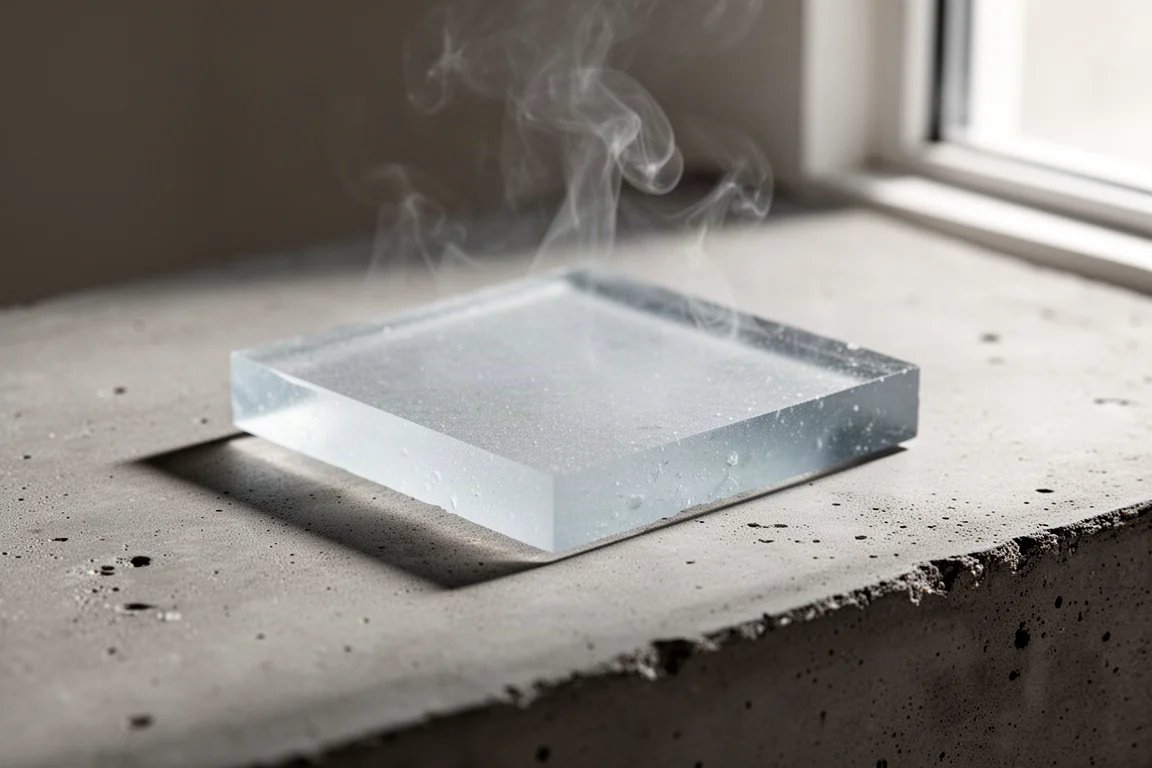
Aerogel is the lightest solid on record. It was developed to insulate equipment against the extreme cold of space, and the lowest-density versions are up to 99 percent air, which is why aerogel is sometimes described as frozen smoke. Down has long been the material that new insulation technologies are measured against: light, warm, and highly compressible, and built on the same basic principle of trapping air.
PrimaLoft CrossCore is an attempt to bring the two together. Pure aerogel is far too brittle to survive inside a jacket, so PrimaLoft fuses aerogel fibers with its existing synthetic insulation. The company claims the result is 11 to 52 percent warmer than existing insulations while staying just as lightweight.
That claim invites an obvious question: warmer than what? This review looks at what CrossCore actually is, how it held up in a controlled cold test against down, and who should consider a jacket built around it.
What PrimaLoft CrossCore Is
Aerogel insulates in a way that echoes down. Down traps small pockets of air between its clusters, and the more air it traps, the less heat escapes. Aerogel reaches the same goal from a different direction by being mostly air itself. The lightest aerogel formulations are up to 99 percent air, which makes them extraordinarily light but also extremely brittle. In raw form they crack and crumble, which rules out direct use as a jacket filling.
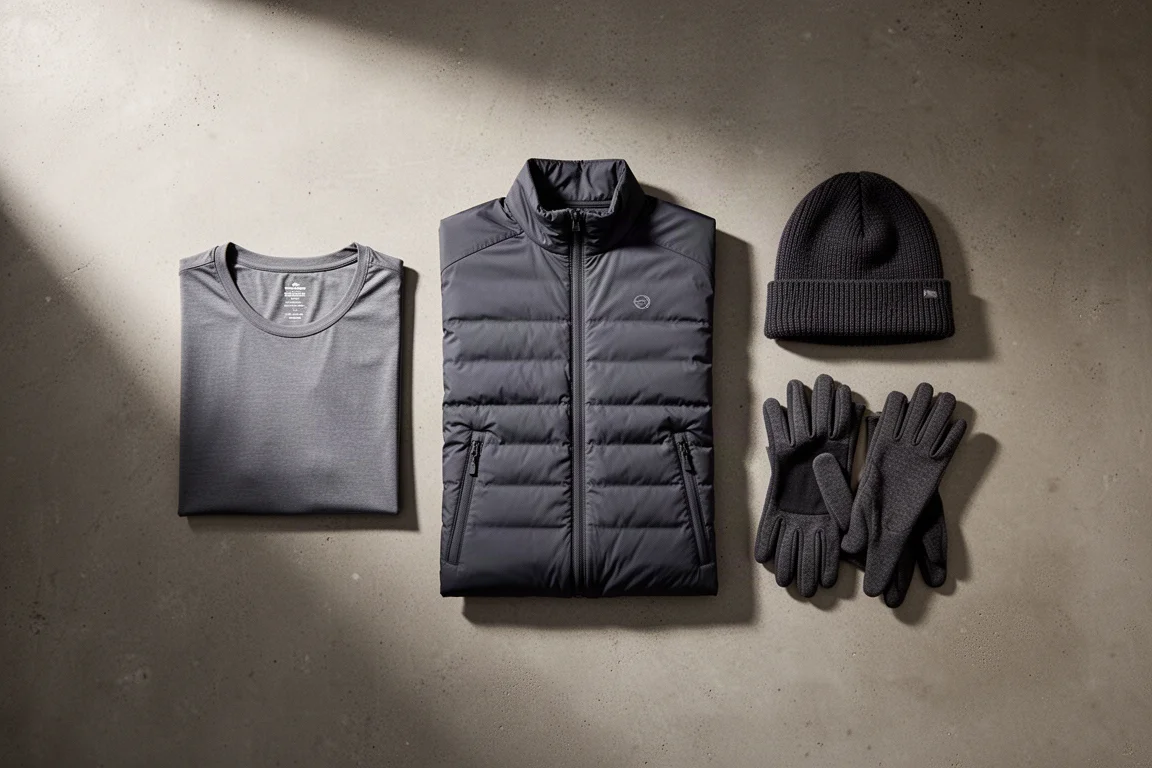
CrossCore addresses that by combining aerogel fibers with a synthetic insulation base. The aerogel contributes its record low density, while the synthetic material provides the flexibility a wearable layer needs. Finished jackets built around this insulation are noticeably thin, and the lighter versions weigh in at roughly 13.2 to 13.5 ounces, close to a comparable down jacket of similar size.
Main Strengths of PrimaLoft CrossCore
The most visible strength is bulk. A jacket using CrossCore is thin enough to read as a light shell rather than a serious insulating layer, which makes it easy to wear in town and easy to pack. Weight is the second strength: at roughly 13.2 to 13.5 ounces for the lighter jackets, it lands in the same weight class as a down jacket of similar size.
The third strength is the material engineering itself. Aerogel’s record low density has always been difficult to adapt to clothing precisely because of its brittleness, and fusing aerogel fibers into a flexible synthetic base makes the material usable in a garment at all.
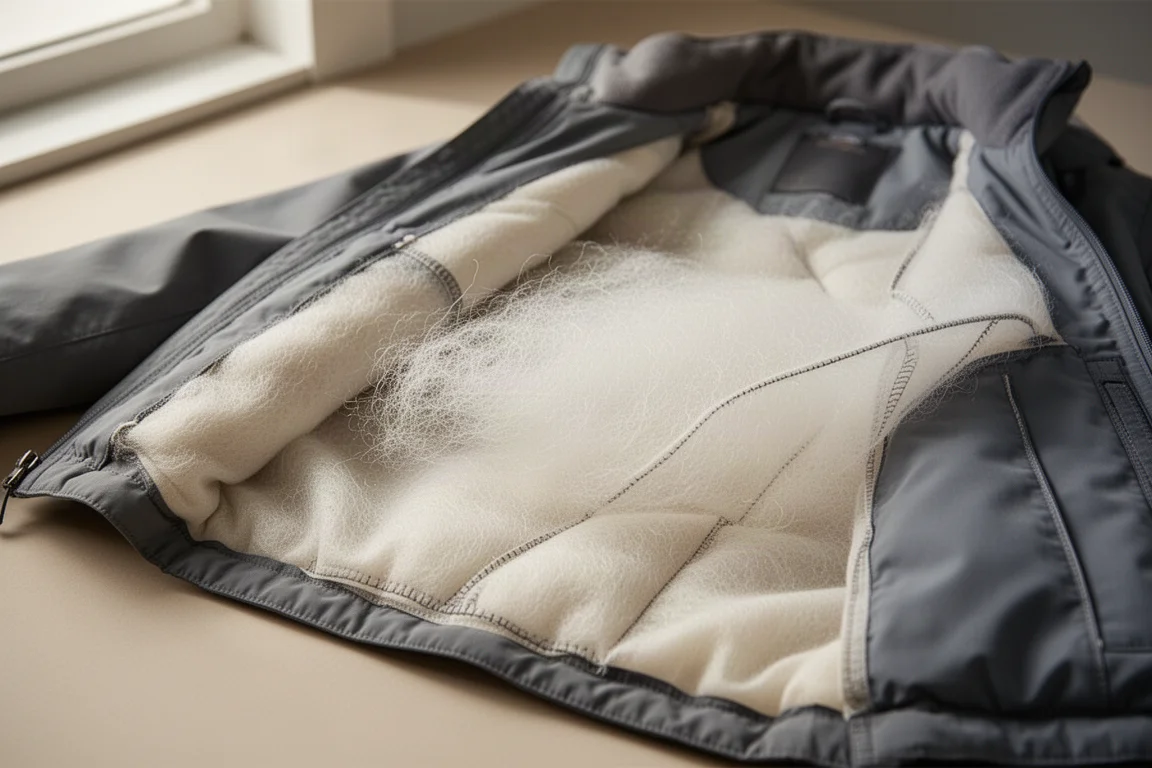
In practice, the appeal is a low-profile layer that adds warmth without the loft and bulk of a traditional puffy. That is a genuinely useful niche for commuting, travel, and wearing underneath a shell.
Things to Consider Before Buying
The main consideration is measured performance in the cold. In a controlled comparison, a heated pad held at a fixed temperature was placed inside each jacket in a freezer for one hour, with a power meter tracking how much energy the pad drew to hold its temperature. The down jacket used 0.025 kWh and needed the heating pad running for 31 of the 60 minutes. The CrossCore jacket used 0.030 kWh and needed 39 of the 60 minutes, a gap of roughly 18 to 22 percent in insulating power.
A second, heavier aerogel jacket weighing close to a pound performed worse, drawing 0.034 kWh and running the heating pad for all but 10 of the 60 minutes. That placed it 30 to 43 percent behind the down jacket despite being about 12 percent heavier.
It is also worth reading the 11 to 52 percent claim carefully. Because raw aerogel has to be fused with a synthetic base, that comparison most likely refers to other synthetic insulations rather than to down. Replace part of a synthetic fill with the lightest solid on record and the fill will insulate better, but that does not automatically make it warmer than down.
How CrossCore Compares With Down Insulation
Down’s advantage is structural. Its clusters trap a large volume of air per gram, and that combination of loft and compressibility is hard to match with a material that must be bonded into a flexible sheet. Pure aerogel may well insulate better than down under laboratory conditions, but the version that can actually go into a jacket is aerogel plus a synthetic base, and that base sets the ceiling.
An extended field comparison produced no definitive answer. Sitting still in each jacket for long periods did not separate them cleanly, though the down jacket generally felt warmer. The freezer measurements were more consistent, and they pointed in the same direction.
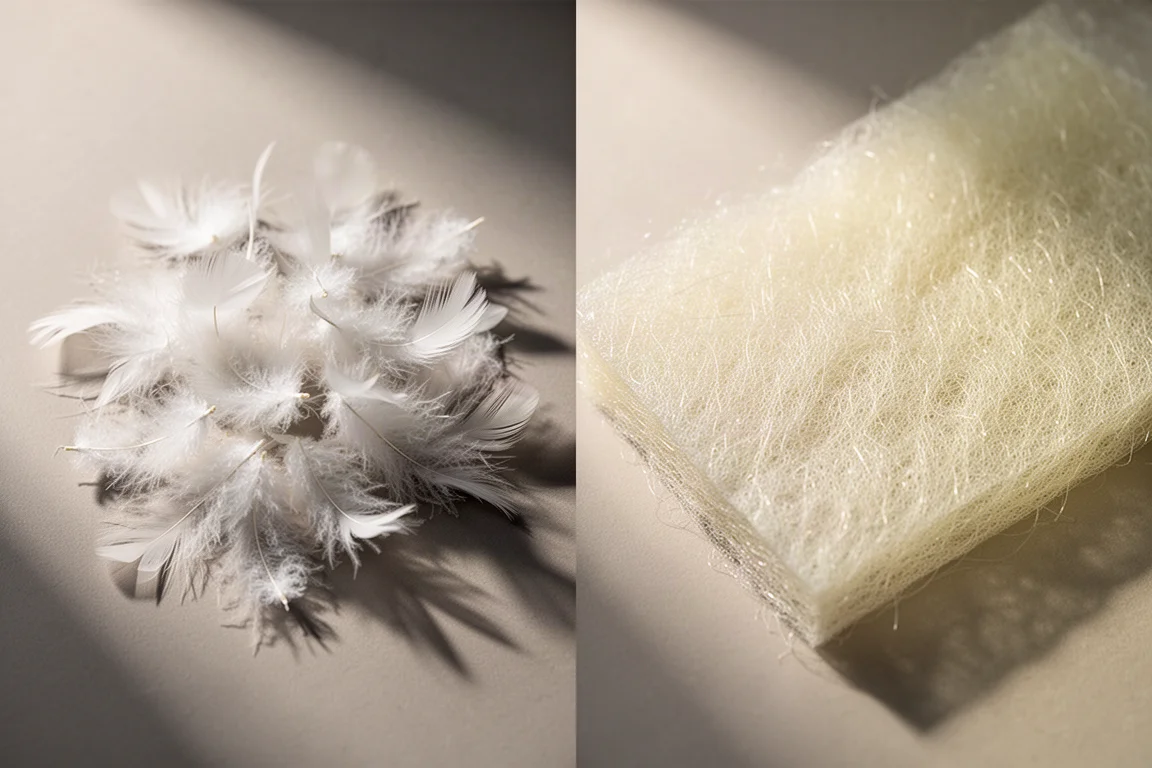
The practical takeaway is not that CrossCore fails as an insulator. It is that this insulation does a different job: a thin, light, low-bulk layer rather than a maximum-warmth fill for serious cold.
Who PrimaLoft CrossCore Suits
CrossCore makes the most sense for around-town and commuting use, travel, and mild to cool conditions where a slim profile matters more than maximum loft. It also works well as a mid layer under a shell, since the thin cut leaves room for other layers without restricting movement.
It is a less obvious choice for deep winter, exposed alpine conditions, or any trip where warmth per gram is the deciding factor. In those situations down remains the benchmark, and the measurements above show why.
Buying Advice
Judge the whole jacket rather than the insulation name on the hangtag. Fabric, stitching, hood design, and fit all shape how warm a jacket feels, and the comparisons here isolate the insulation only as far as a fair test allows.
Check the weight of the specific jacket you are considering and compare it against a down option you can try in person. If the appeal of CrossCore is the thin, low-bulk profile, that is a legitimate reason to buy, as long as the warmth expectation is set accordingly. If maximum warmth for the weight is the priority, down is still the material to beat.
Conclusion
PrimaLoft CrossCore is a real piece of engineering: aerogel’s record low density, made wearable by fusing it with a flexible synthetic base. What it is not, on the available evidence, is a down replacement. Controlled cold testing put it behind down on insulating power, and the headline warmth figure appears to describe gains over other synthetic insulations.
That does not make it a bad buy. A thin, light, low-bulk jacket has clear uses in town, on the move, and as a layering piece. Buy it for the profile and the weight, and treat the warmth claim with appropriate caution.
Product link
View more details for PrimaLoft CrossCore
This product is mentioned in the review. Check the specifications, options, and compatibility before buying.
View more details for PrimaLoft CrossCoreFurther reading
Related Reviews
Outdoor Gear
Backpacking Gear Evolution: 100 Years of Technology Compared
We tested backpacking gear from 1925, 1975, and 2025 across a three-day hike in Yosemite. Here's how technology has transformed comfort, weight, and the outdoor experience.
Outdoor Gear
Best Affordable Hiking Watches: Five Rugged Options for Outdoor Adventures
Five durable hiking watches that balance ruggedness, functionality, and value for outdoor enthusiasts who need reliable GPS tracking and weather resistance.
Outdoor Gear
Best Backpack Coolers 2026: Five Practical Options for Outdoor Adventures
Five backpack coolers with distinct cooling capabilities, storage features, and design trade-offs to help you choose the right one for your outdoor needs.