Cycling Gear
Premium Cycling Upgrades Worth Buying: Bike Computers, Groupsets and Smart Trainers
A practical look at premium cycling upgrades, from bike computers and electronic groupsets to smart trainers, and where the extra spend actually pays off.
Introduction
Cycling has no shortage of products that cost far more than they reasonably should, and plenty of riders still want them anyway. That tension is worth examining honestly, because a higher price does not automatically deliver a better ride, and it does not automatically deliver better protection either.
This roundup looks at some of the most desirable premium upgrades in cycling right now: top-tier bike computers, electronic groupsets and high-end smart trainers. For each one, the question is the same. Is the extra spend buying something you will actually notice, or is it buying a number on a spec sheet?
What Makes an Expensive Upgrade Worth It
Start with safety equipment, where price and protection are often assumed to move together. They do not. Helmets sold in Europe, the United States and Australia all have to meet minimum standards and minimum coverage requirements, and a more expensive helmet is not automatically a safer one. Extra rotational-impact technology can make a difference, but it is difficult to prove in real-world terms, and plenty of well-vented, well-fitting helmets with magnetic clasps and integrated rear lights sit comfortably below the premium tier.
Wheels follow a similar pattern. Deeper rims are faster than shallow alloy rims, and that is a genuine, measurable gain. Beyond that, carbon spokes and ceramic bearings do not deliver the performance that the marketing suggests. Once a wheelset passes a certain price, you need a very specific reason to keep going, and appearance is often the honest answer.
The same logic applies to anything that touches your body. Shoes, saddles and tyres reward careful selection far more than they reward spending, and a professional bike fit is often the cheapest way to find out which shape actually suits you. Riders who have been through a fitting rarely walk away with the most expensive option.
Premium Bike Computers
The top of the bike computer market is genuinely impressive hardware. It is also, right now, a place where you pay flagship prices for features that are still maturing. Hazard-warning and connected features only become useful when enough other riders in your area use the same platform and take the time to report road conditions, and that adoption takes time. Buying technology before it is finished is rarely a good deal.
Garmin Edge 830
The Edge 830 remains a sensible answer for most riders. Its smaller body keeps the unit out of the way without shrinking the screen-to-body ratio, the display is clear enough that individual pixels disappear at riding distance, it is bright enough for daylight use and it lasts long enough for long days out. It covers the features most riders actually use, and it records everything you need to review after the ride.
What it lacks are a handful of the newest features found on the flagship units. For riders who want a capable computer that does not dominate the cockpit, that is a fair trade.
Garmin Edge 840
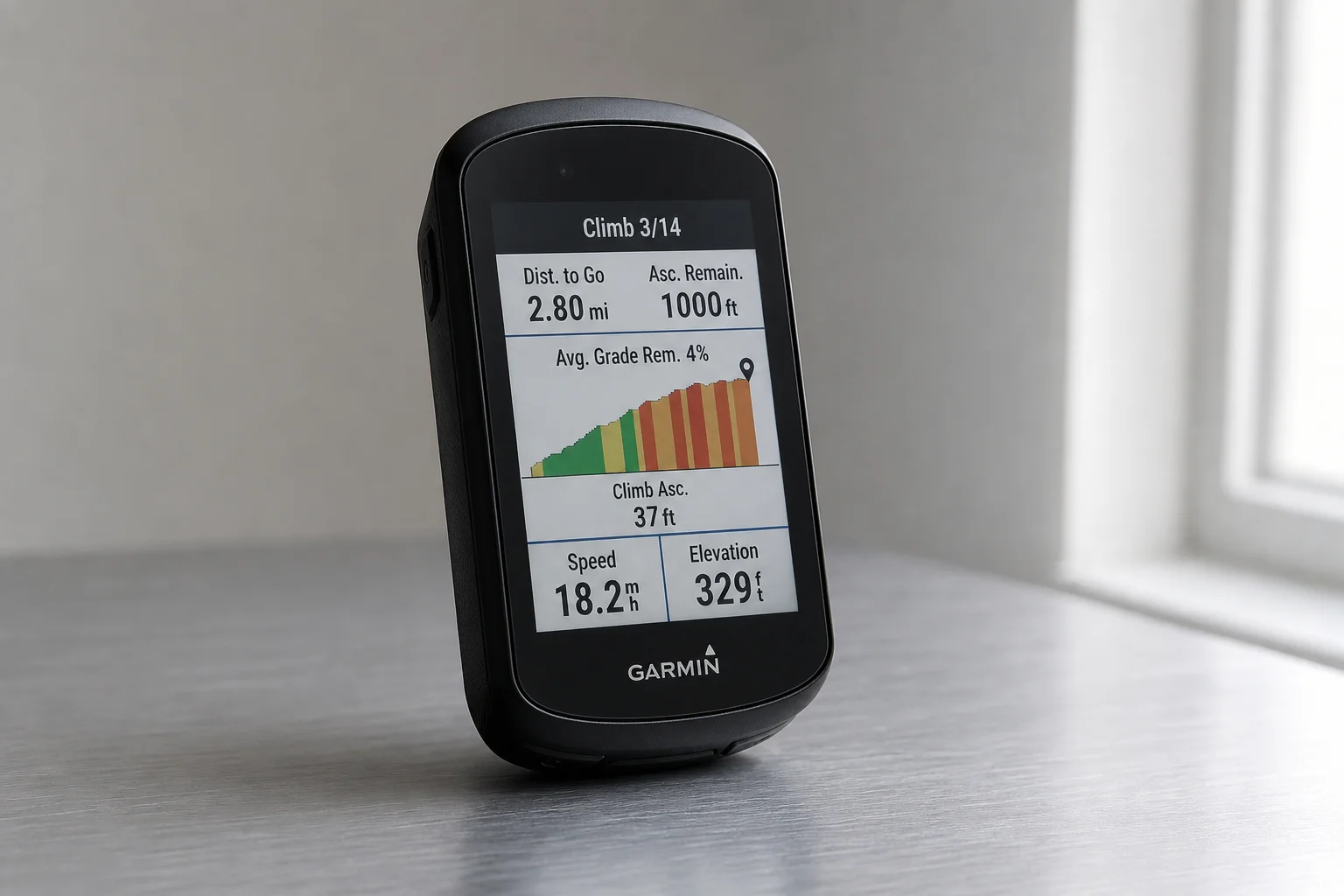
The Edge 840 is the natural step up when budget allows, and it is well liked for its feature set. Riders who have spent years building up ride history in Garmin’s ecosystem have an obvious reason to stay within it. The solar variant is noticeably thicker than the standard unit, which is worth knowing if you care about how the computer sits on the bars.
It is a more expensive computer, and the extra spend is best justified by the specific features you intend to use rather than by the badge on the front.
Hammerhead Karoo
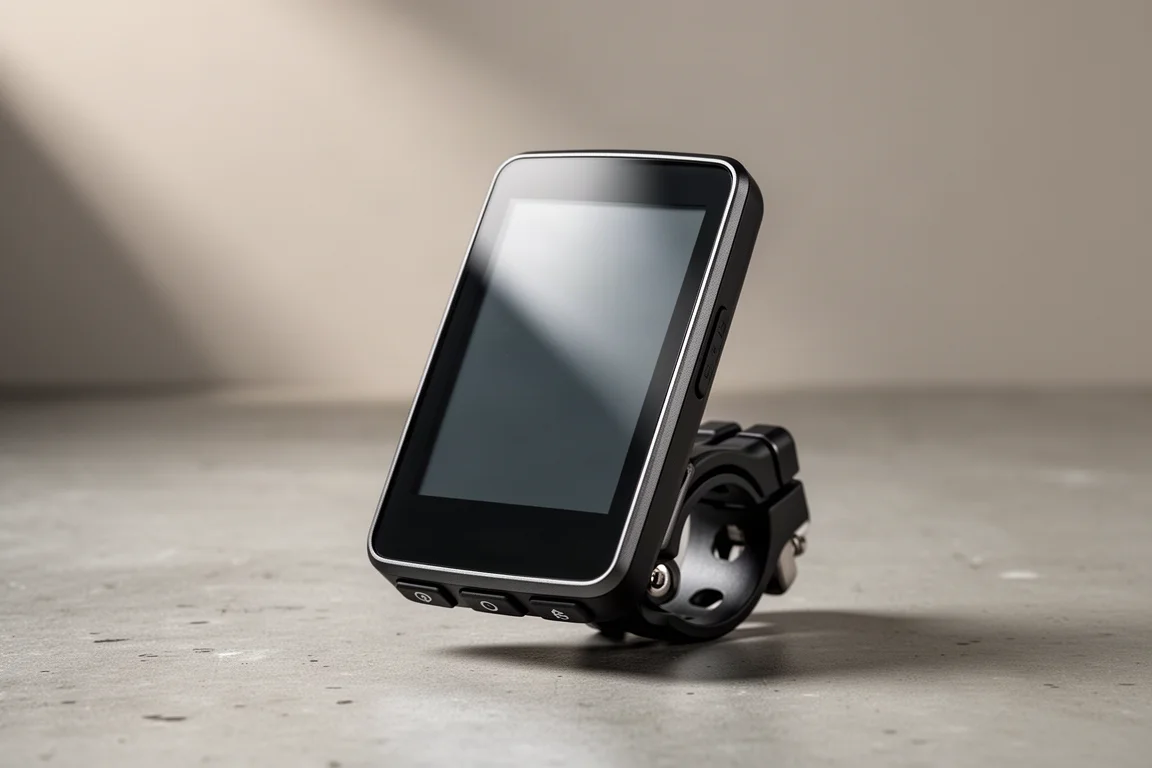
The Karoo sits at roughly £400 and delivers a performance level comparable to the newest flagship units from the biggest names, for less money than either of them. Its appeal is not only the price. The platform is updated continuously, with new features added over time rather than a unit being launched and then left alone.
That ongoing development is a real point in its favour for riders who keep a computer for several seasons and expect it to improve while they own it.
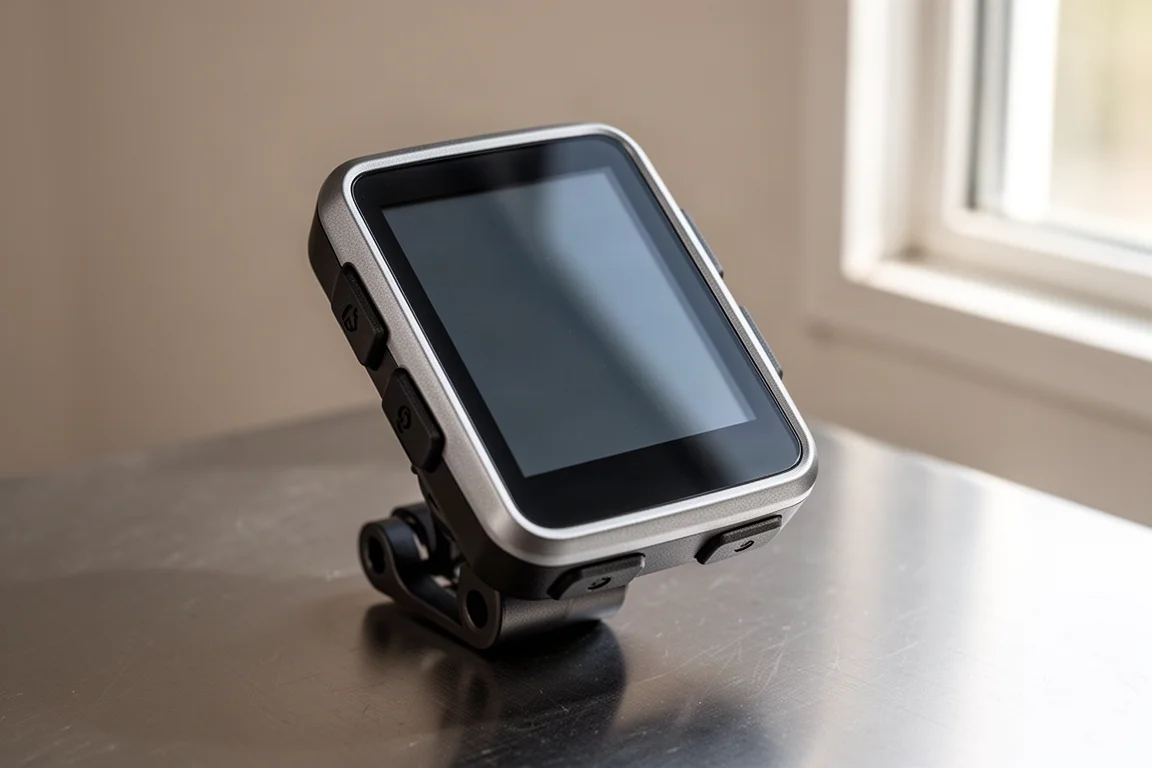
Wahoo ELEMNT ACE
The ELEMNT ACE is Wahoo’s current flagship at around £550, and it is a very pleasant unit to use. It represents the best the brand currently offers. The catch is that some of its headline connected features feel unfinished, and their usefulness depends on a wider community of riders adopting the same hardware and engaging with the data.
There is clear potential here for the future. Right now, paying flagship money for features that are still finding their feet is a difficult recommendation.
For riders who mostly want to look at their data after a ride rather than during it, a cheaper computer does the same job. That is the crux of the value question at this end of the market.
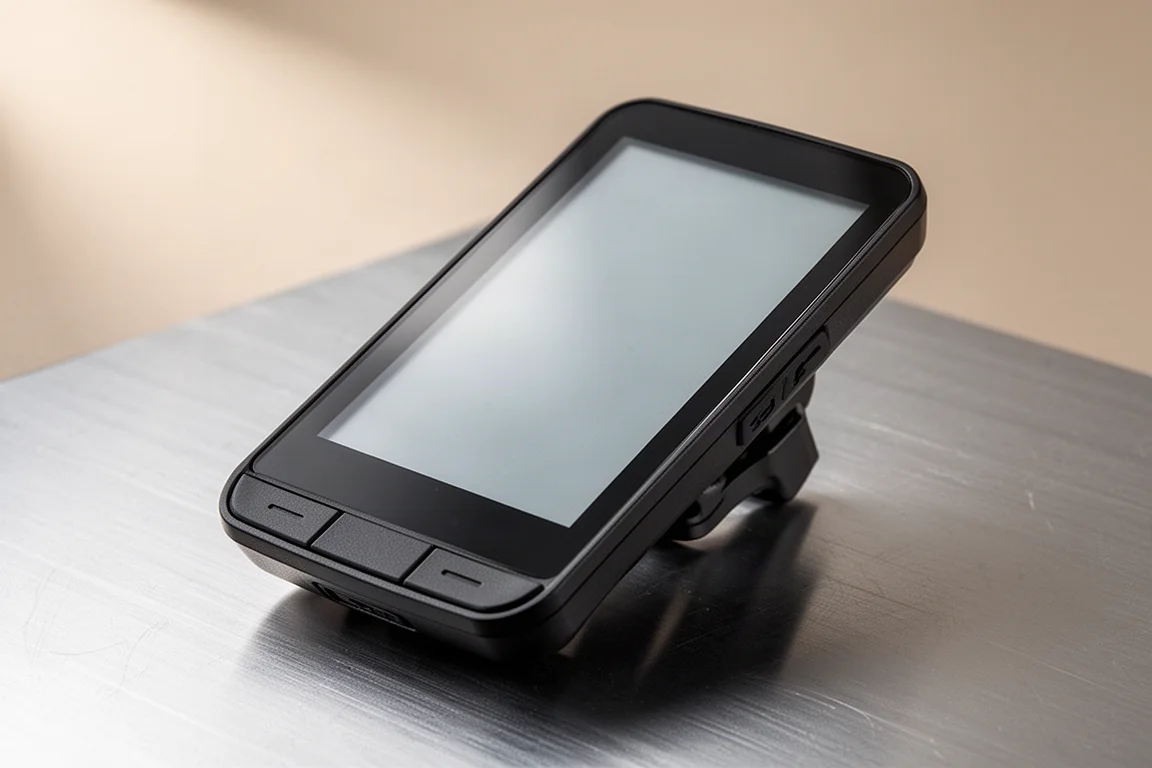
Electronic Groupsets
Electronic shifting changed the arithmetic of groupset tiers. The motors, the shift logic and the programming are shared across a brand’s range, so the performance difference between the top tier and the one below it is much smaller than the price difference suggests. That makes the second tier the sweet spot for almost everyone.
Shimano Ultegra Di2
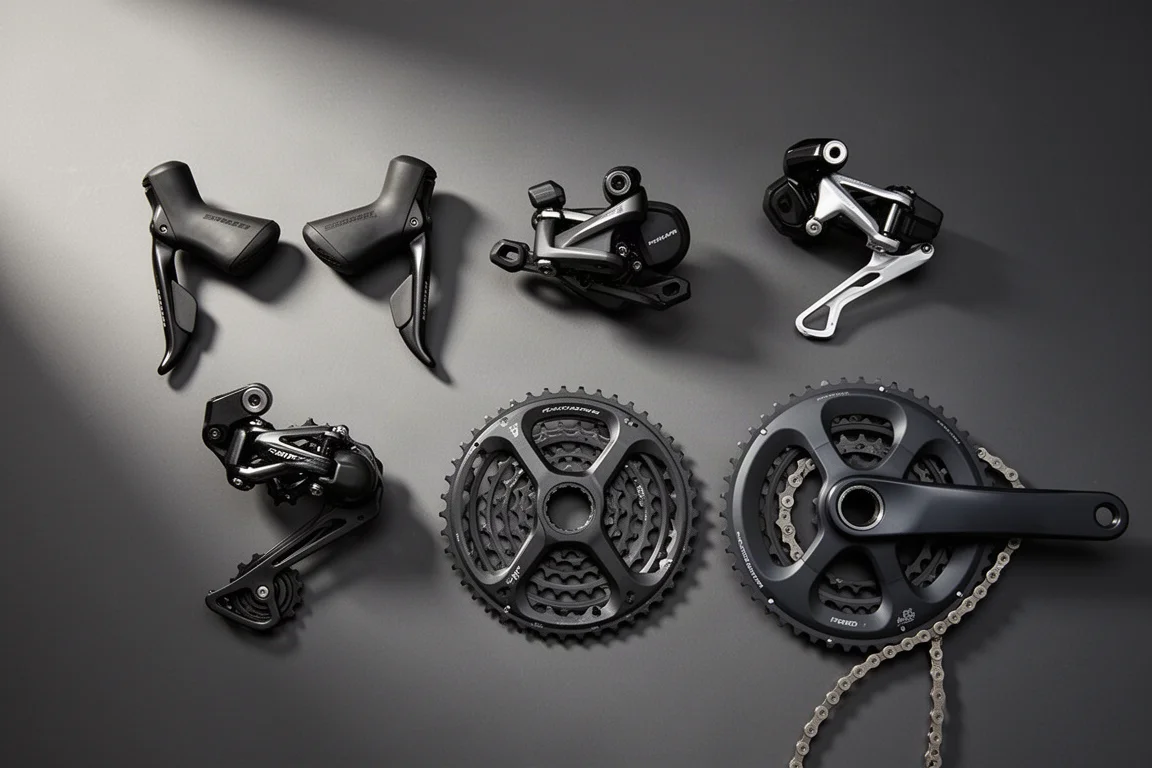
Ultegra Di2 shifts the same as Dura-Ace Di2 and brakes the same. It also offers more options when it comes to chainrings and cassettes, which matters if you want a specific gear range. The weight penalty is just 41 grams, roughly the weight of three-quarters of a full water bottle.
Dura-Ace Di2 costs around £1,200 more. That is a good set of wheels, or a week of winter riding somewhere warm.
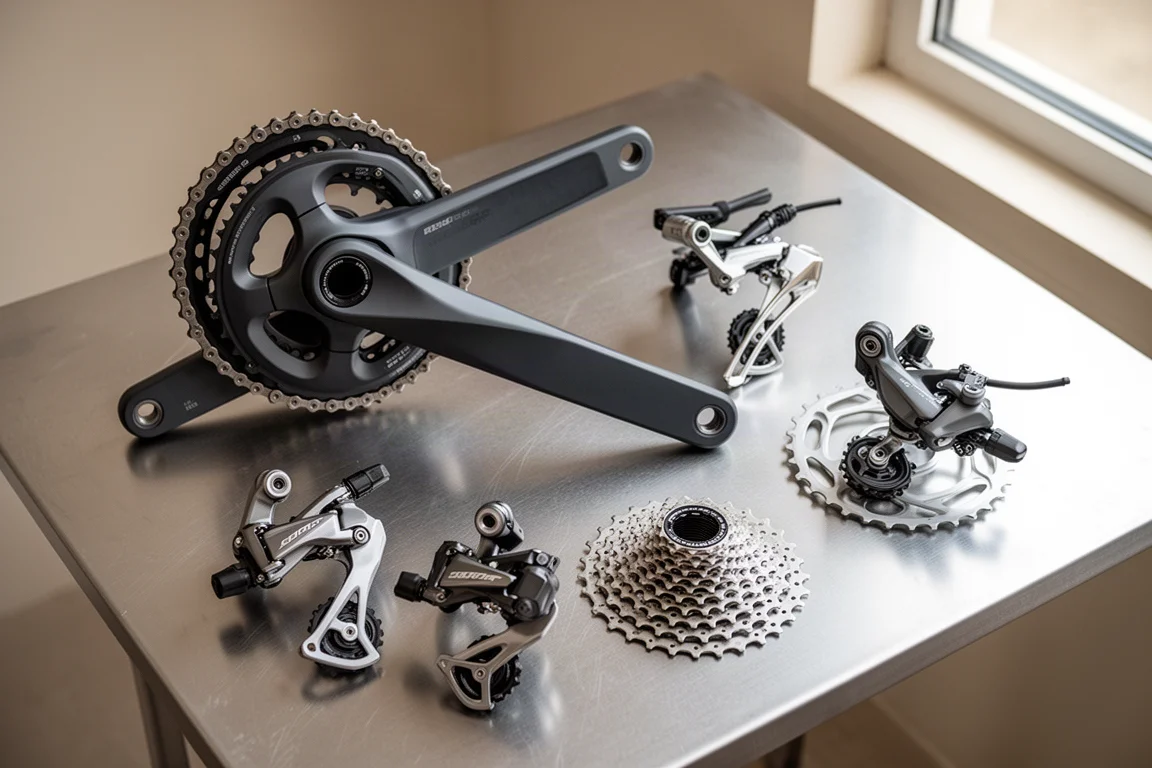
Shimano Dura-Ace Di2
Dura-Ace Di2 is the lighter option, and 41 grams is the whole of the performance argument in pure numbers. The finish is a gloss black that divides opinion, and to some eyes it reads as less distinctive than Ultegra’s shinier look.
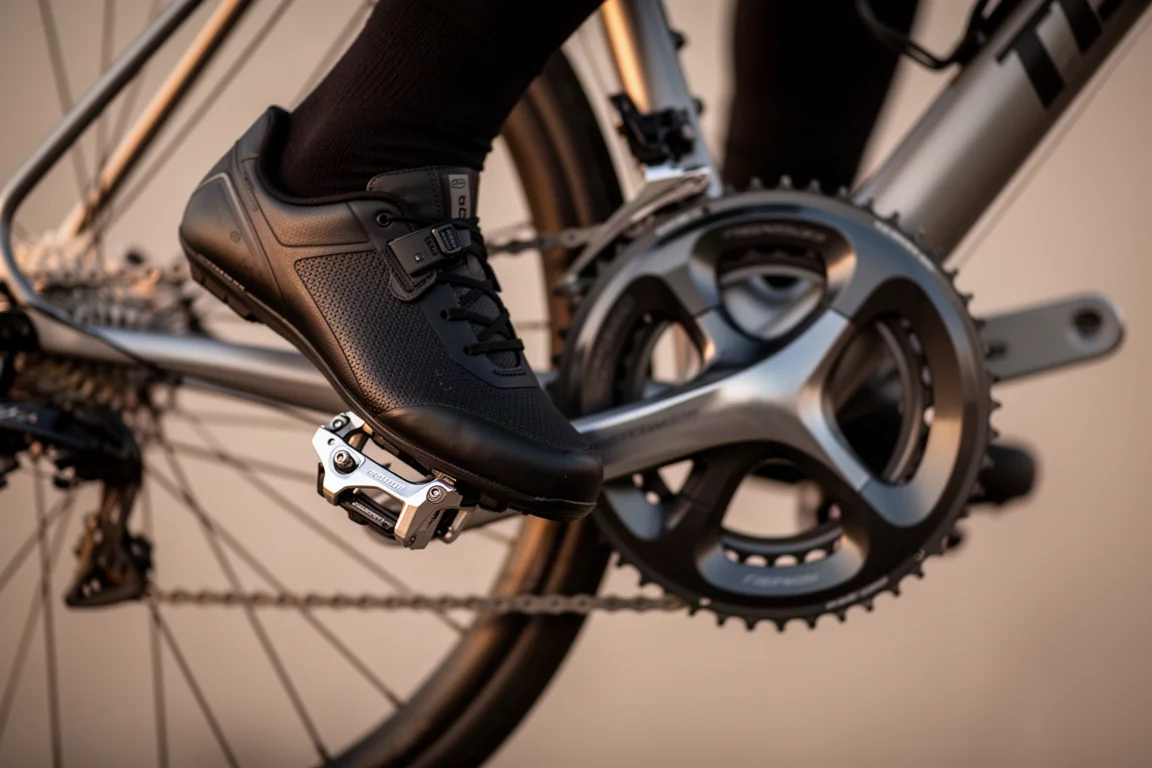
None of this makes Dura-Ace Di2 a bad groupset. It makes it a groupset that makes most sense for riders whose equipment is provided for them, or for riders who simply want the top tier and are happy to pay for it.
Smart Trainers
Smart trainer pricing spans an enormous range, and the accuracy claims at the top end are impressive on paper. The practical question is who actually needs that precision. For most riders, a small difference in claimed accuracy has no effect on training quality, and it certainly does not change how long a trainer lasts.
JetBlack Victory
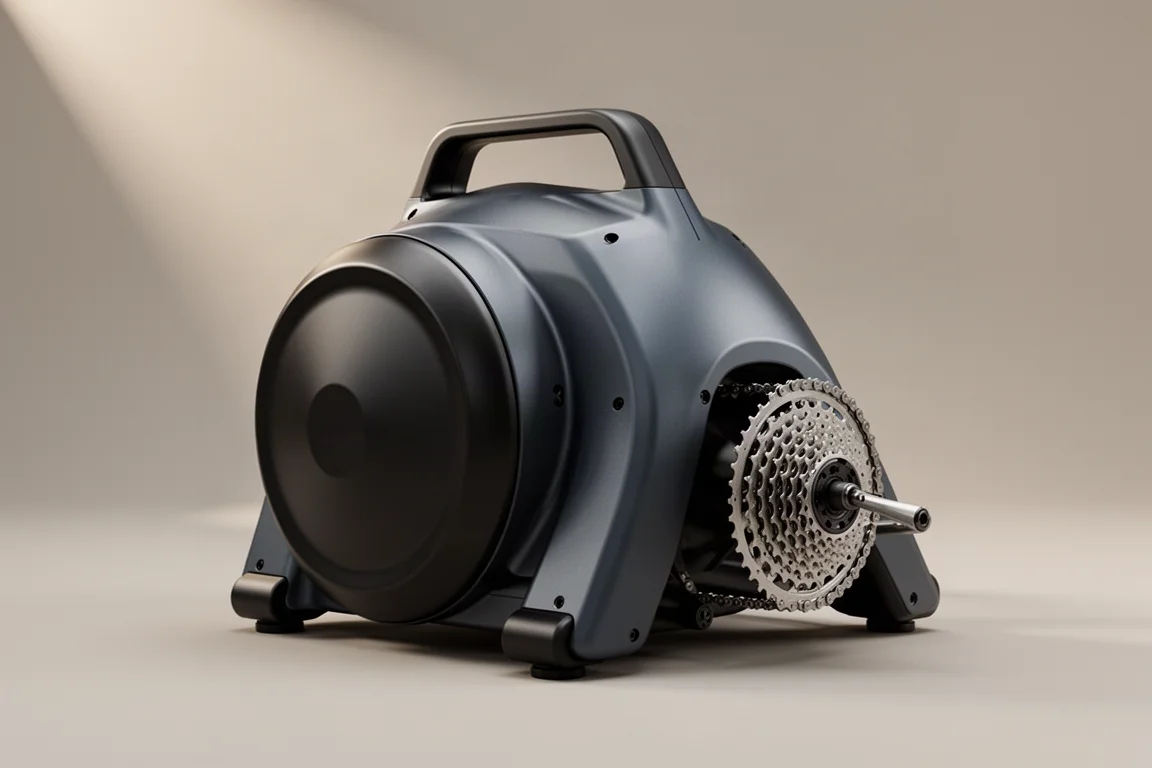
The Victory lands at roughly £400 and has been put through a rigorous, repeatable testing protocol alongside far more expensive units. Its accuracy sits at around plus or minus 1.5 percent, against plus or minus 1 percent for the premium tier.
That gap is negligible for everyday training, indoor racing and structured workouts, and it leaves a large amount of budget for other things.
Tacx NEO 3M
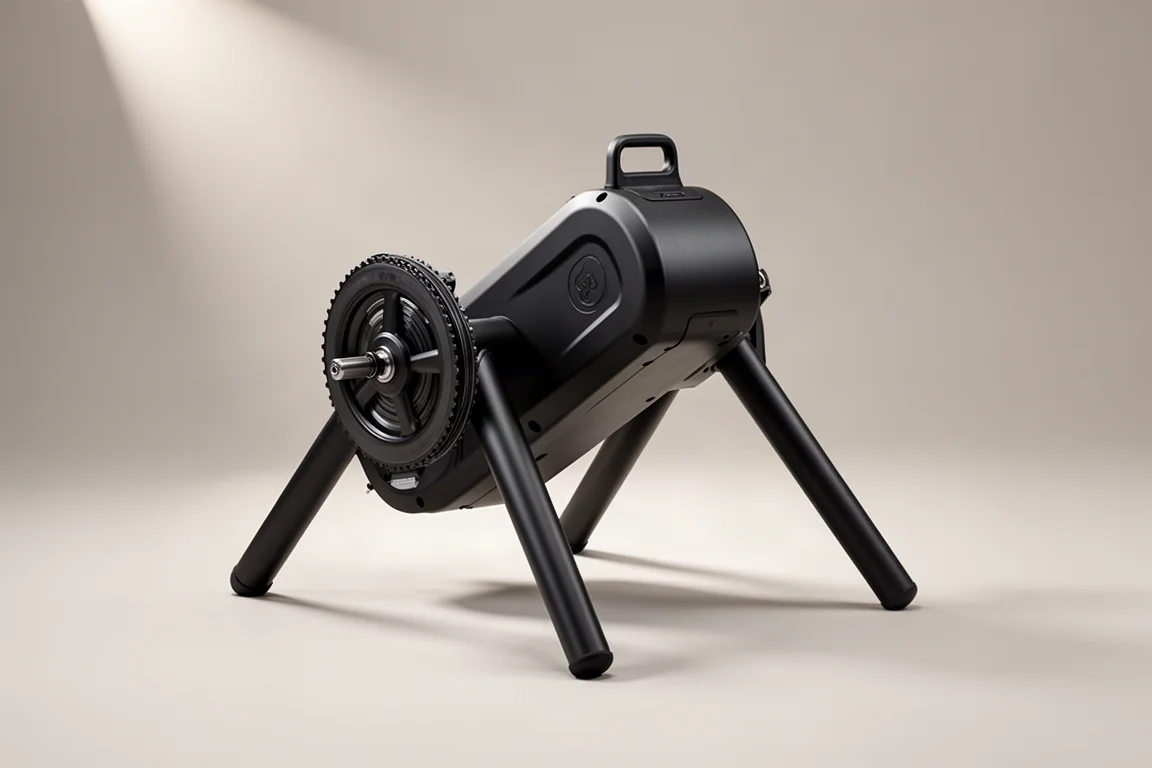
The NEO 3M is one of the most expensive smart trainers available, at around £1,700, and it offers the plus or minus 1 percent accuracy figure that the premium tier is known for. The very high power ceilings these top trainers support are relevant to elite track riders and professional athletes, and to almost nobody else.
For a rider with a handful of indoor races each season, there is very little to choose between this and a trainer costing a quarter of the price.
Buying Advice
The pattern across every category here is the same. The top tier exists, it is desirable, and it is rarely the right answer for a rider paying their own money. The tier below the flagship almost always delivers the same experience in practice, whether that is a groupset, a bike computer, a smart trainer or a wheelset.
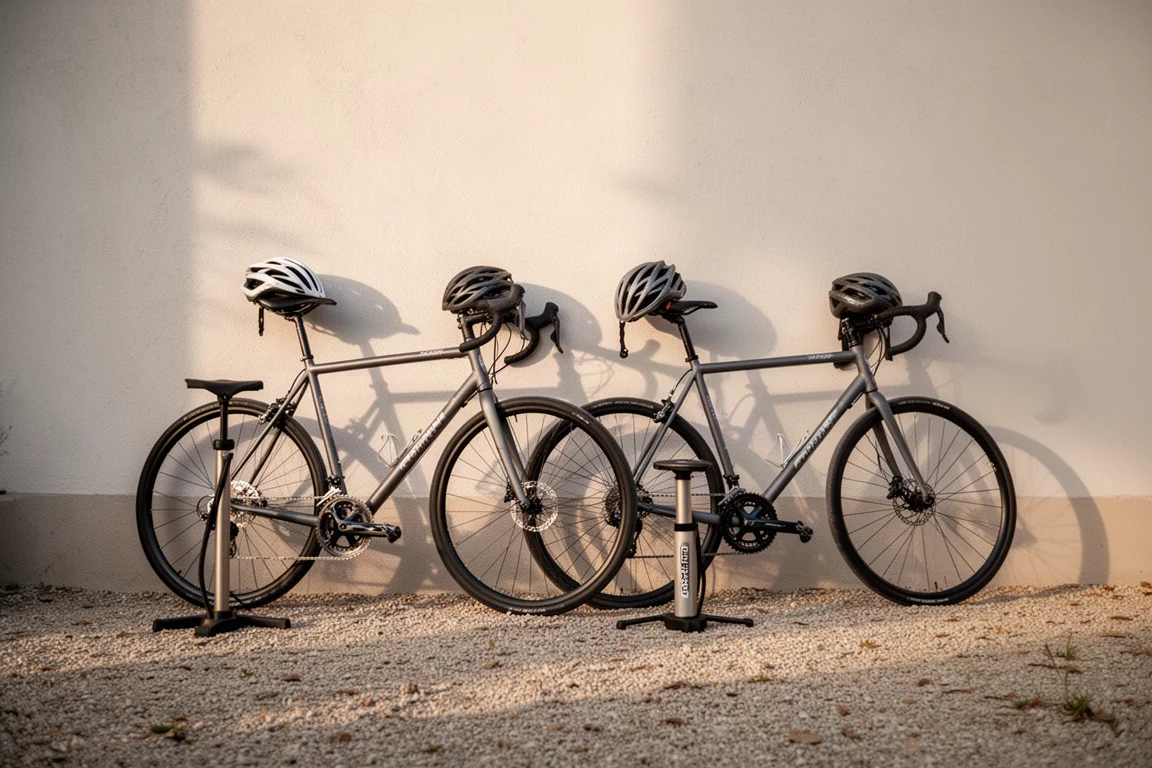
Where the money is genuinely well spent is in the parts of the bike you touch and the parts that keep you safe. A proper bike fit, tyres that suit your riding, a saddle shape that works for you and shoes that fit well will change how the bike feels more than a lighter groupset or a deeper rim.
Nutrition is the other obvious place to save. Everyday rides do not require packaged gels and branded bars, and mixing your own drink or baking your own bars costs a fraction of the retail price. Packaged nutrition earns its place mainly when you are pushing the limits of what your stomach can absorb.
For the upgrades in this roundup, the honest approach is to decide what you want the product to do, then buy the cheapest tier that does it properly. If the answer is that you simply want the beautiful thing, that is a legitimate reason too, as long as you know that is what you are paying for.
Conclusion
Premium cycling equipment is not a waste of money in itself. It is a waste of money when it is bought for a benefit that never arrives. The computers, groupsets and trainers here are all genuinely good products, and in most cases the version one step down the range will serve you just as well for considerably less.
Buy the tier that matches what you actually do on the bike, spend the difference on fit, tyres and the experiences that make riding worthwhile, and treat the flagship models as something to admire rather than something to feel obliged to own.
Further reading
Related Reviews
Cycling Gear
8 Cycling Products Riders Keep Coming Back To
Eight cycling components and accessories with clear strengths, honest trade-offs and long-standing reputations among riders and mechanics.
Cycling Gear
Aero Helmets and Bottle Setups Tested: Six Options Ranked by Measured Watt Savings
Wind tunnel data on six aero helmets and bottle setups, with real watt savings, practical trade-offs, and guidance on what is worth buying first.
Cycling Gear
Aero Road Bikes and Fast Tires Worth Watching in 2026
Four aero road bikes and one fast road tire, with the real strengths, the open questions, and what to check before you buy.