Headphones
Two Premium Bluetooth ANC Headphones Compared: T+A Solitaire T and Mark Levinson No. 5909
A close look at two high-end Bluetooth headphones with active noise cancellation, the T+A Solitaire T and the Mark Levinson No. 5909, and how to choose between them.
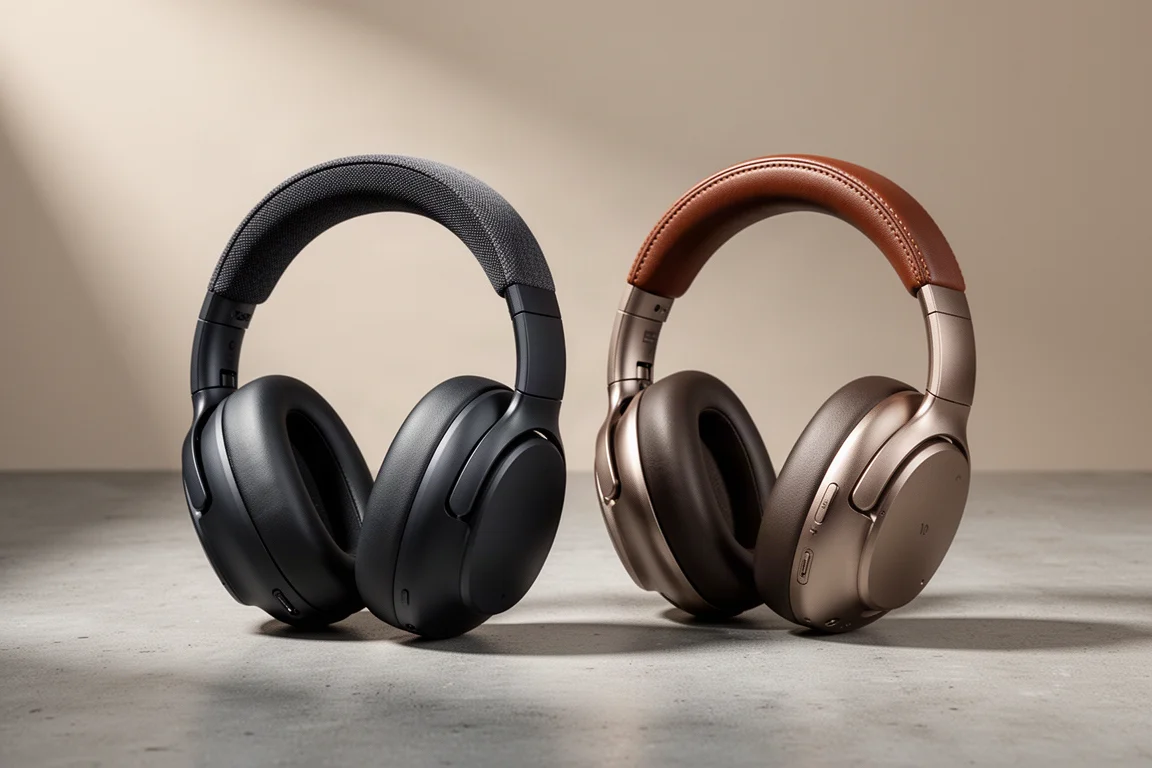
Introduction
Two Bluetooth headphones with active noise cancellation sit at the very top of the market: the T+A Solitaire T at around €1,300 and the Mark Levinson No. 5909 at around €1,000. Both are closed-back designs built for listening on the move, and both can also be used as fully passive wired headphones. That combination is unusual, and it matters more than most spec sheets suggest.
The real question is not which one costs more. It is which one suits the way you actually listen, and how much of the premium you are paying for performance rather than for badge value. This comparison works through the differences that show up in daily use.
T+A Solitaire T: The More Detailed Performer
The Solitaire T uses 42 mm biocellulose drivers and is quoted at up to 70 hours of playback from a full charge. Multi-point connectivity is included, so it can stay paired to more than one device at a time. At roughly €1,300 it sits at the top of the active noise cancelling segment, and it is among the most expensive noise cancelling headphones on sale.

Its headline feature is HQ mode. In normal active noise cancelling operation, a Qualcomm chipset receives the Bluetooth signal and hands it to a Sony chip that handles noise cancelling, phone calls, digital-to-analogue conversion and amplification. Switch to HQ mode and the Qualcomm output is diverted instead to an ESS Saber chip, which does not offer noise cancelling but is said to deliver higher quality conversion and amplification. The trade-off is battery life, which roughly halves in HQ mode.
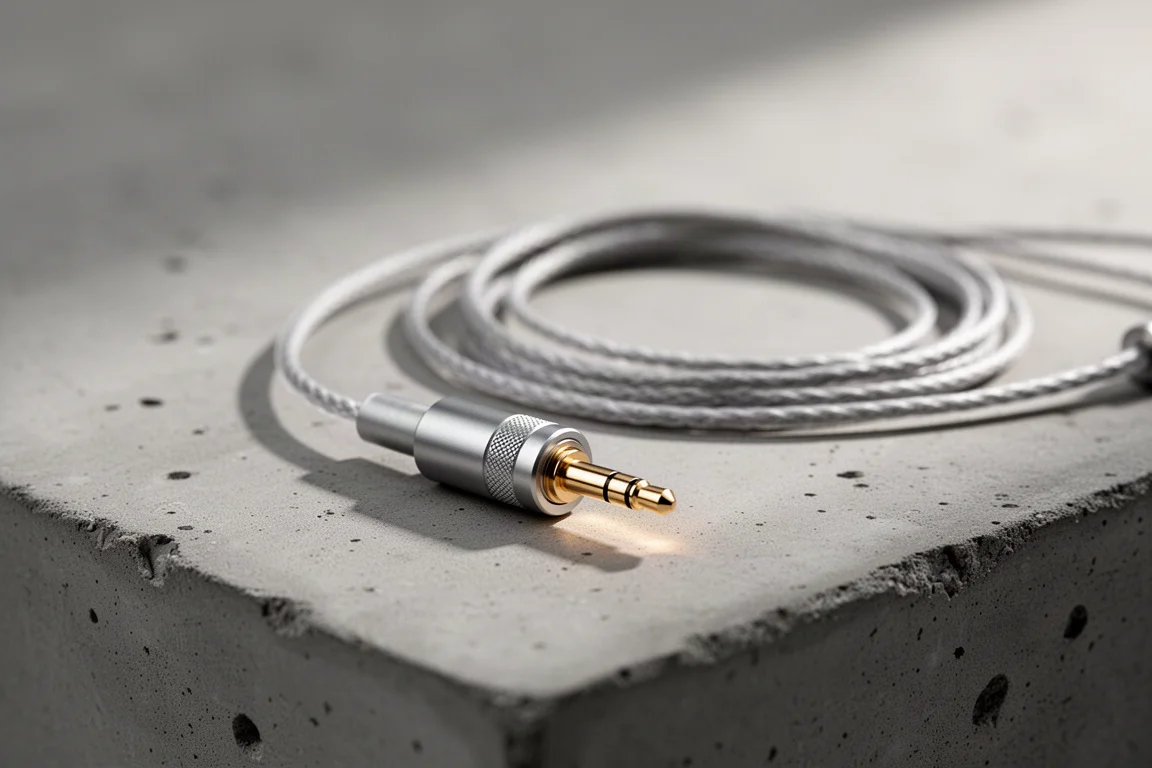
Controls are handled by gestures on the right ear cup: swipe up and down for volume, tap for play and pause, and cover the cup to bring in transparency mode temporarily. The physical buttons on the back of each ear cup are the weak point. They are small and closely spaced, which makes them easy to confuse with a voice assistant trigger. Wired listening is well covered, with a 3.5 mm analogue cable and a 4.4 mm Pentaconn balanced cable in the box, both running to a single ear cup rather than a Y split. The cables are plastic sheathed and pick up a little handling noise, which is a fair criticism at this price.
Mark Levinson No. 5909: The Luxury Reference
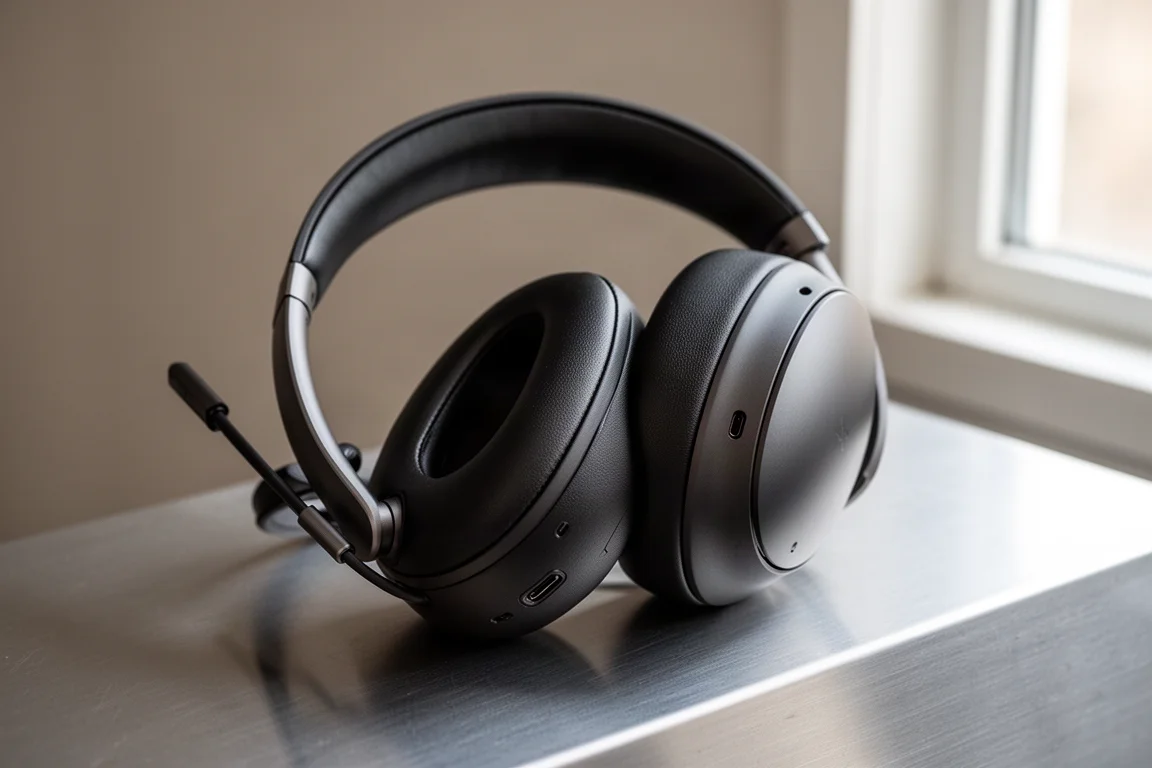
The No. 5909 arrived at the start of 2022 at around €1,000 and helped reset expectations for what a Bluetooth active noise cancelling headphone could cost and deliver. It uses 40 mm beryllium-coated drivers and supports LDAC where the T+A uses aptX HD. Battery life is roughly half that of the Solitaire T, and multi-point connectivity is included.
Its tuning follows the Harman target curve closely, which is a predictable outcome given that Mark Levinson sits within Harman International. The result is a more relaxed presentation than the T+A, and the enclosure carries a stronger sense of luxury in the hand. Like the Solitaire T, it can be driven passively from a normal headphone amplifier. One quirk worth knowing: the analogue connection uses a USB-C socket at the headphone end of the cable rather than a conventional plug, which surprises people who assume it must go into a phone. The supplied cables are fabric sheathed.
Sound Quality Compared
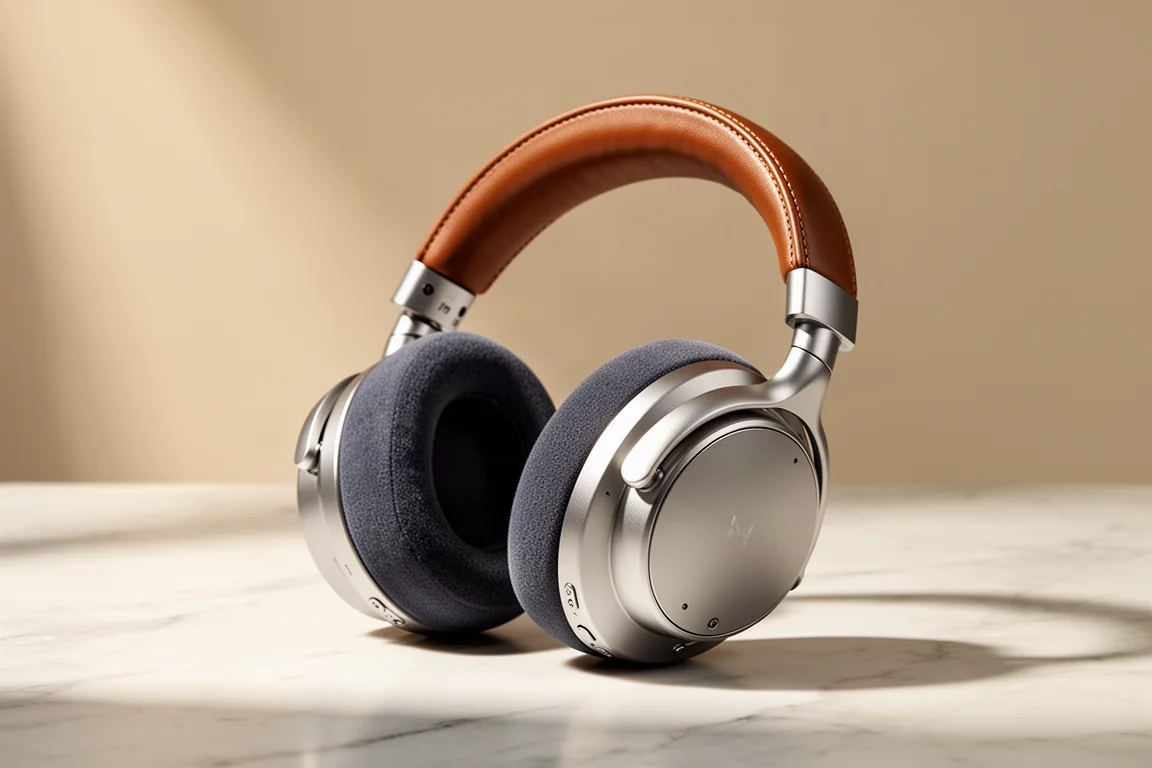
On clarity, layer separation and overall refinement, the Mark Levinson comfortably outperforms more affordable rivals. The T+A Solitaire T pushes further still. It is the more detailed of the two, with more obvious air around recordings, a crisper and more incisive character, and a low end that kicks harder. Transient response is keener, which listeners will recognise as better dynamics.
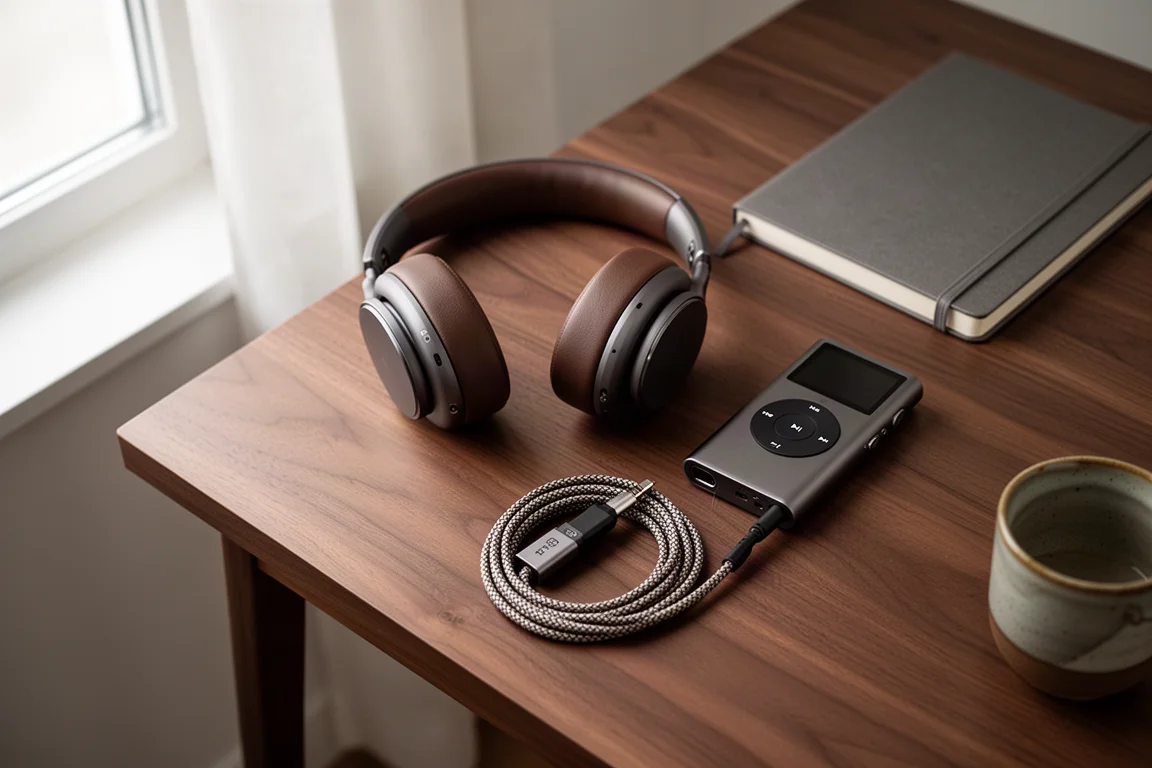
The Mark Levinson is the more relaxed listen, and anyone who prefers a smoother, less forward presentation may genuinely prefer it. The T+A’s advantage in HQ mode is easy to hear, with better clarity and detail than the same headphone delivers with noise cancelling engaged. Passive performance is strong on both, and neither feels compromised when driven by a portable player or a desktop amplifier. For context, the T+A does not match the dynamics of a dedicated passive model such as the Focal Stellia, but that headphone costs considerably more and offers no wireless operation at all.
Active Noise Cancellation and Transparency
Both headphones land in a similar place on noise cancelling, and both fall short of the best in the business. As a rough guide, each is around two thirds as effective as the Apple AirPods Max. They handle the low rumble of traffic well, but do not push away nearby conversation in a cafe nearly as convincingly.
Transparency mode is comparable between the two, and again behind the AirPods Max. One practical point in the T+A’s favour: its passive isolation is good enough that HQ mode with noise cancelling switched off remains a genuinely usable option while walking around a city. Phone call performance separates them more clearly. Voices come through with less of a hard, crisp edge on the T+A, and it also rejects wind and traffic noise more effectively.
Wired Playback, Codecs, and Battery Life
Both headphones can run without any power at all. Plug either into a headphone amplifier or a portable player and they behave like conventional wired headphones. The Solitaire T is rated at 64 ohms, twice the impedance of the Mark Levinson, but it is also more sensitive, and it drives easily from modest sources including a small dongle DAC attached to a phone.
Codec support differs at the top end. The Solitaire T covers SBC, AAC, aptX and aptX HD. The Mark Levinson swaps aptX HD for LDAC. On an iPhone the connection will be AAC regardless of which headphone you choose. Neither model delivers fully lossless or CD-quality audio over Bluetooth without discarding some data, whatever the packaging implies.
Battery life is the clearest gap. The Solitaire T’s 70 hours is close to double what the Mark Levinson offers, and HQ mode brings the T+A back down to roughly the same figure. Both companion apps are functional but less sophisticated than those from Sony or Sennheiser, and firmware updates are the main reason to open them.
Comfort, Fit, and Everyday Wear
Both headphones grip the head well. The fit sits between the looser feel of the Apple AirPods Max and the tighter clamp of the Bowers and Wilkins PX7 S2 and PX8, which makes both comfortable across long sessions. Head comfort is one area where the Mark Levinson clearly outperformed the Focal Bathys in a direct comparison, and the T+A is at least as good.
Aesthetics matter more than usual here, because these are headphones designed to be worn in public. The Mark Levinson is the more conspicuous of the two on the head, and it is easy to feel self-conscious wearing it out of the house. The Solitaire T is the easier one to wear on a train or a plane, although its build and finish do not feel as overtly luxurious as its price suggests. Daily usability is what tipped the balance toward the T+A as an everyday headphone, displacing a more affordable model that had been the previous default.
Which One Should You Buy?
If sound quality is the priority, the T+A Solitaire T is the stronger headphone. It is more detailed, more dynamic and more incisive, and its 70-hour battery life and lower-key looks make it easier to live with day to day. HQ mode gives it a second, higher-quality playback path that the Mark Levinson does not offer, and the included balanced cable makes it more flexible in a wired setup.

The Mark Levinson No. 5909 remains a compelling choice for listeners who want a more relaxed, smooth presentation and a stronger sense of luxury in the hand. It is also the cheaper of the two. If the design and the Harman-style tuning appeal to you, it is not a compromise.
Buy either one for the wired mode as much as the wireless one. Both work as conventional passive headphones, which extends their useful life well beyond the lifespan of a battery or a firmware cycle. That is the real argument for spending at this level rather than stopping at a mid-range model.
Conclusion
Both of these are premium headphones, and both justify their prices in different ways. The T+A Solitaire T is the more capable performer and the easier one to wear in public, while the Mark Levinson No. 5909 offers a smoother sound and a more luxurious feel for less money. Neither is a casual purchase, and neither should be bought without first deciding whether wired passive listening is part of how you plan to use them.
Further reading
Related Reviews
Headphones
Apos Audio Caspian Review: Warm Bass, Solid Build, and a Detail Trade-Off
The Apos Audio Caspian is an easy-to-drive open-back headphone with standout bass and a warm, relaxed tuning, though mid-range and treble detail trail the competition.
Headphones
Audeze LCD-X vs LCD-XC vs LCD-3: Which High-End Headphone Fits Your Setup
A practical comparison of three Audeze planar magnetic headphones under $2,000, covering the open-back LCD-X, the closed-back LCD-XC, and the wood-ringed LCD-3.
Headphones
Audeze LCD-X vs HiFiMan Edition XS: Two Open-Back Headphones Compared
A practical comparison of the Audeze LCD-X and the HiFiMan Edition XS, covering build quality, comfort, sound signature, and which listener each one suits.