Generators
Predator Super Quiet Inverter 9500 Review: Quiet Power for Outages and Off-Grid Work
A close look at Harbor Freight's Predator Super Quiet Inverter 9500: setup, noise levels, inverter power quality, safety features, and who it makes sense for.
Introduction
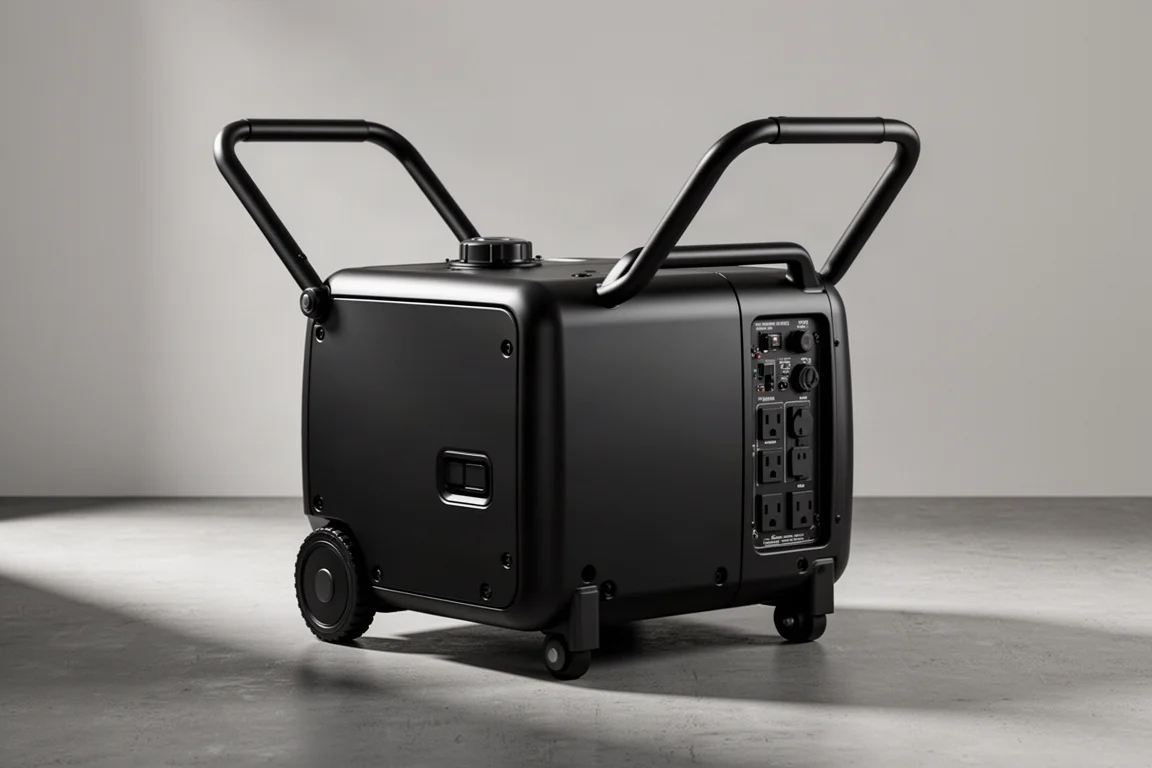
The Predator Super Quiet Inverter 9500 has become one of the most popular inverter generators on the market. It sells through Harbor Freight, and it has been selling fast, with stock reportedly moving off shelves quickly. After spending time with one fresh out of the box, the appeal is easy to understand: it is genuinely quiet, it produces clean inverter power, and it packs a large fuel tank and a full panel of outlets into a wheeled, handle-equipped frame.
This review covers the setup process, a noise comparison against an older conventional generator, the built-in carbon monoxide safety shutoff, the control layout, and the warranty situation, so you can decide whether it fits your outage or off-grid plans.
Setup: Oil, Battery, and First Start
Out of the box, setup is straightforward. You remove a side panel to access the engine, fill one quart of 10W-30 oil (synthetic is a reasonable choice), and use the included oil funnel. Double-check the level before starting.
The battery connection is the one step the instruction book does not clearly explain. You need to remove the panel on the opposite side, then connect the positive and negative terminals of the included internal battery. It is simple once you know where to look.
One detail worth noting: the welding on the exhaust is a little spotty in places, though it should hold fine in use. With oil in and the battery hooked up, the unit started on the first pull straight out of the box.
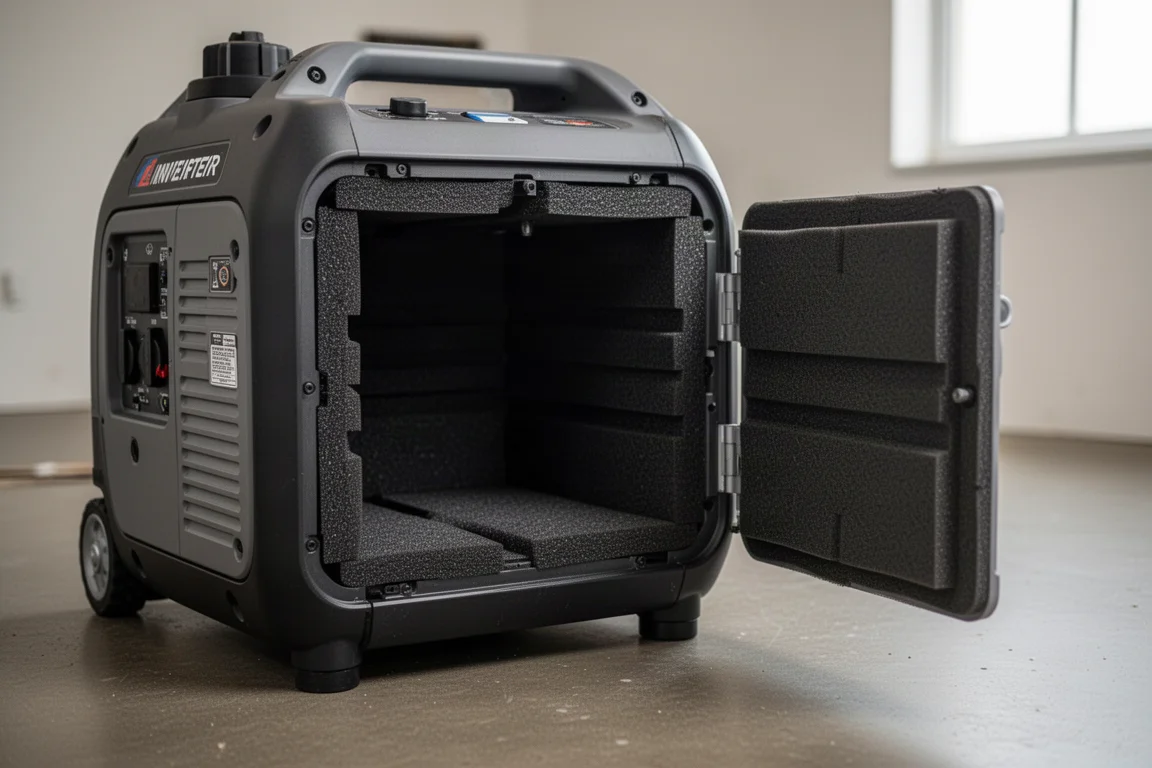
Inside both access panels you will find the same thick soundproofing that helps keep running noise down, which is one of the defining features of this machine.
Why Inverter Power Matters
The difference between this and a conventional generator comes down to how power is produced. A regular generator runs off an alternator at full throttle constantly, which can produce inconsistent AC power. Lights may surge brighter and dimmer as the engine revs, and that instability can potentially damage sensitive electronics like computers and phones.
An inverter generator adjusts its engine speed to match the power demand. That means cleaner, more consistent output for electronics, and significantly lower fuel consumption. Running in economy mode, this unit delivers up to 18.5 hours on a full tank of roughly 6.5 gallons. There is also less maintenance involved, since there are fewer parts than in a conventional generator.
Noise: A Sound Test Against an Older Generator
To put the quiet claim to the test, the Predator was compared against a five-year-old Dirty Hand Tools 5500-watt conventional generator. That older unit produces 5,500 running watts and 6,500 max watts, while the Predator delivers 7,600 running watts and 9,500 max watts from its larger engine.
Despite having a smaller motor, the old generator measured around 80 to 81 decibels at 12 feet using a phone sound meter app. It is loud, high-pitched, and genuinely obnoxious. It also proved stubborn to start after sitting, needing starting fluid and a fresh spark plug before it would fire.
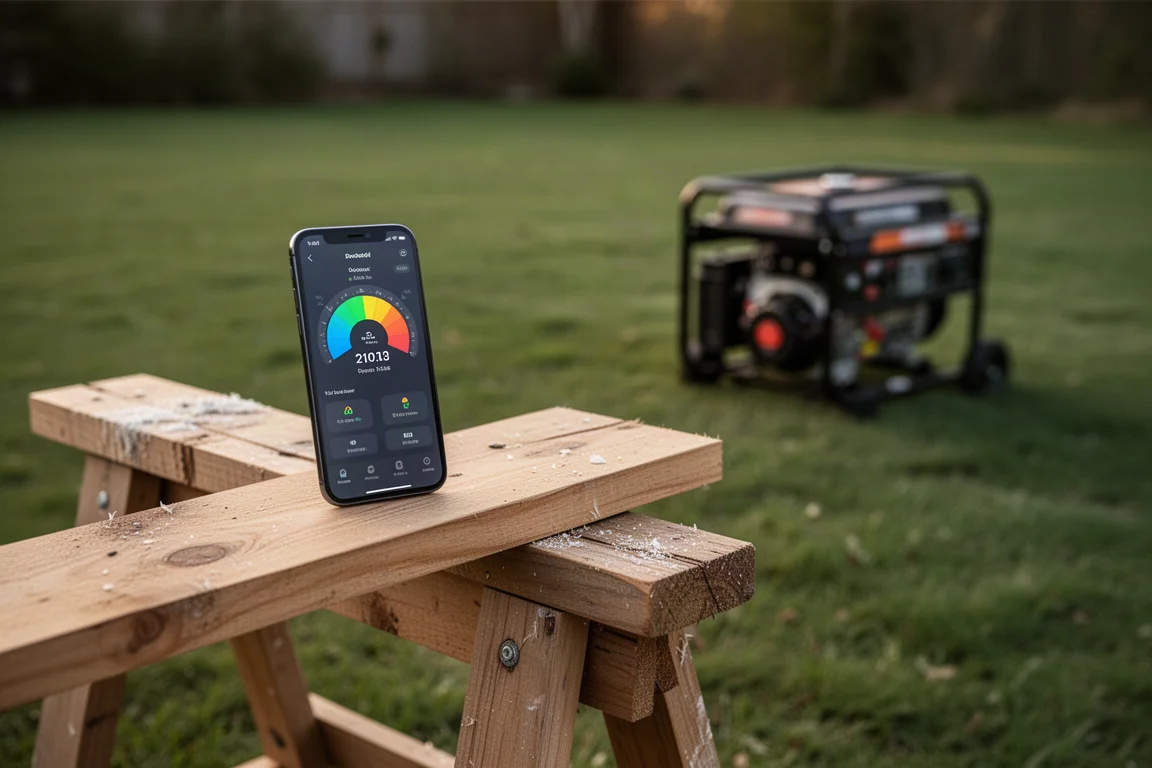
The Predator, by contrast, is quiet enough that at about 20 feet from a house you effectively will not hear it, and sleeping through the night while it runs is realistic. Move it further from the house and it essentially disappears.
Carbon Monoxide Safety Shutoff
One feature deserves special attention. Every year people run gasoline generators in enclosed spaces, and the result is dangerous: combustion removes oxygen and fills the space with carbon monoxide. To demonstrate, the generator was run on its highest setting inside a closed 12x20 storage shed with no ventilation.
Within about a minute, a yellow flashing light indicated the unit was detecting carbon monoxide. As levels reached unsafe territory, the generator shut itself down automatically and a red flashing light stayed on, indicating dangerous carbon monoxide levels were detected. That indicator remains lit for roughly five to ten minutes.
In a smaller enclosed space, this would happen even faster. If your generator ever shuts itself off indoors and you find that red light flashing, that safety system may well have saved your life. Never rely on it as a reason to run a generator indoors, but it is valuable protection if you ever forget.
Controls, Outlets, and Eco Throttle
The control area is simple to use. Push the choke down, press the start button, and turn it to run. The eco throttle switch is the key fuel-saving control: leave it on when you are only running lights or heating pads, and engine speed stays low, keeping decibels down. Switch it off when you need full output for welding or compressors.
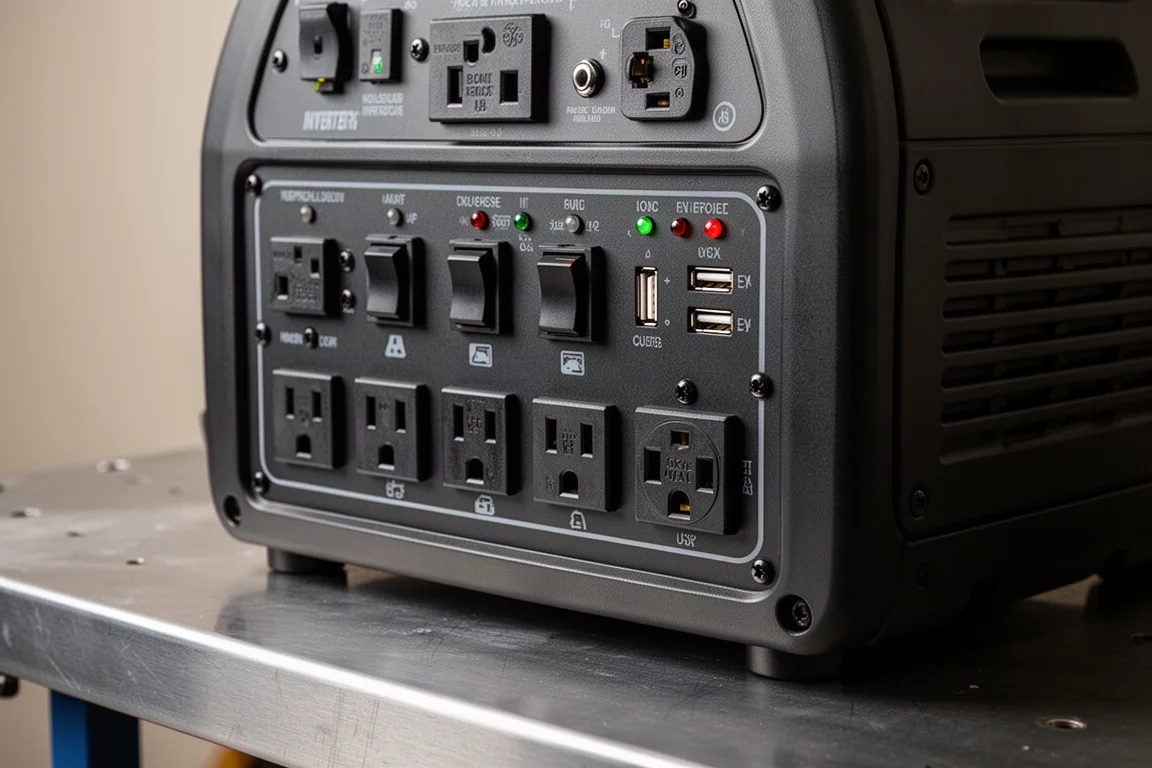
The outlet selection is generous: a 12V DC port, an AC 120V 30-amp outlet, four 120V 20-amp outlets, a 240V 30-amp outlet, and two USB ports (one 1-amp and one 2.1-amp, with the lower one charging faster). There is also a parallel connection port, so you can link multiple generators together for more power on a job site or off-grid setup.
Protection features include an output indicator, an overload alarm, a low oil alarm, and individual circuit breakers (30-amp, two 20-amp, and a 9-amp breaker) that you can flip off and back on to reset. Grounding points are provided as well.
Warranty and Long-Term Reliability
Here is the honest trade-off: the standard warranty is only 90 days. You can buy an extended warranty for roughly $250 to $300 that covers several years. If you plan to run this unit around the clock off-grid for long stretches, the extended coverage is worth considering. If you are buying it mainly for storm outages, the standard warranty is probably sufficient.
Pricing has been volatile. These recently went on sale at $2,000 per unit, which is exceptional value, though the price has since returned to around $2,500. Even at that level, the comparison to Honda is favorable: the engines are nearly identical, likely produced in the same facility, as is common across the industry.
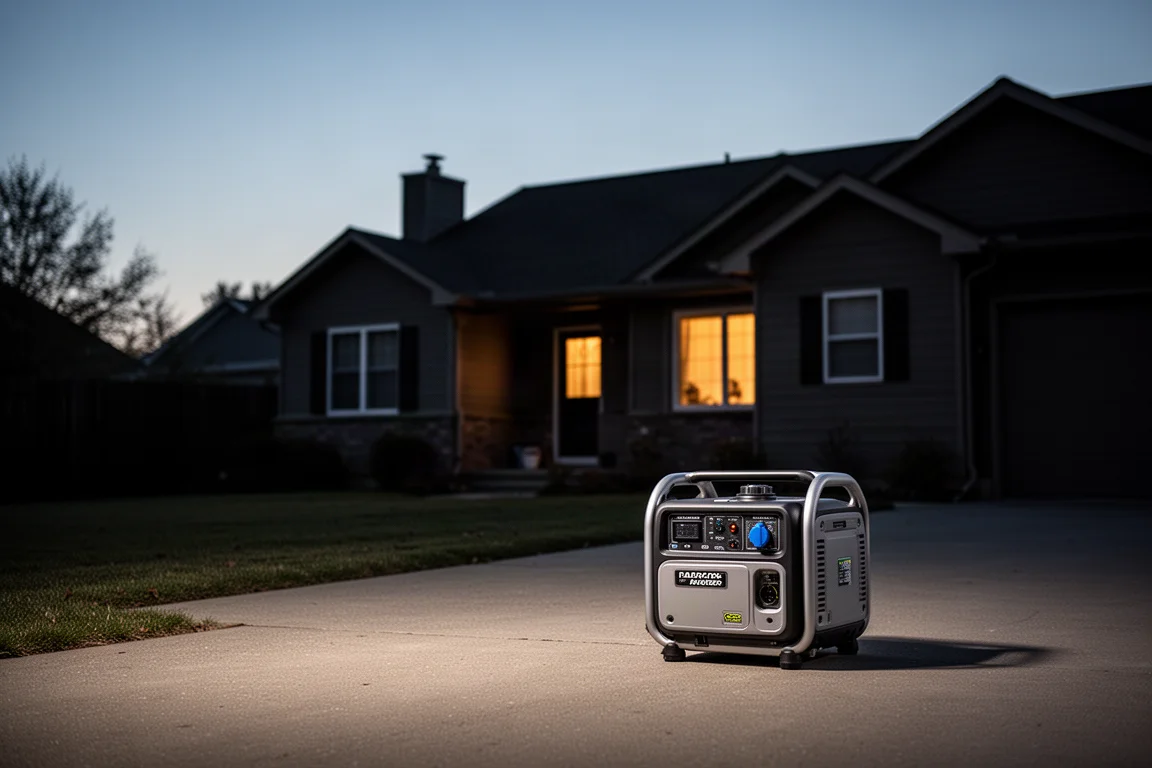
This is also the newer model, released roughly nine months ago, and units of the previous model have reportedly run 24 hours a day for off-grid users for around two years without problems. Other owners of the new model report immediate first-pull starts out of the box.
Two practical notes: it uses a carburetor rather than fuel injection, which many owners prefer because carburetors are easier to fix. And in a crisis, if the internal battery is dead, a backup start switch lets the unit start right up anyway.
Buying Advice
At $2,500 (and especially at the $2,000 sale price), this undercuts comparable Honda inverter generators significantly while offering the same core engine technology, better fuel efficiency than any conventional generator, and genuinely quiet operation. The main downsides are the short 90-day base warranty and the carbureted engine. If the price worries you, the extended warranty still costs far less than stepping up to a competing inverter generator at around $5,000.
Conclusion
The Predator Super Quiet Inverter 9500 is a genuinely nice inverter generator: super quiet, highly efficient, well equipped, and protected by a carbon monoxide shutoff that works. For storm outages, job sites, or off-grid living where you want serious wattage without the noise and fuel bill of a conventional generator, it is easy to recommend. Harbor Freight is competing with the big names in this category now, and that competition is good for everyone.
Product link
View more details for Predator Super Quiet Inverter 9500
This product is mentioned in the review. Check the specifications, options, and compatibility before buying.
View more details for Predator Super Quiet Inverter 9500Further reading
Related Reviews
Generators
A-iVolt 10000-Watt Inverter Generator Review: Big Power, Surprisingly Quiet
A 10,000-watt starting / 8,000-watt running dual-fuel inverter generator with electric, pull, and remote start, GFCI outlets, and parallel capability.
Generators
Genmax vs Predator vs Honda: 2000-Watt Inverter Generator Showdown
We put three 2000-watt inverter generators through noise, power quality, fuel efficiency, and engine wear tests to see whether a $370 model can match a $1,200 Honda.
Generators
Best 2300-Watt Inverter Generators: Quiet Power for Camping and Backup
A hands-on look at the Maxpeedingrods MXR 2300 alongside the Honda EU2200i and Pulsar G2319N, with honest notes on price, noise, and features.